
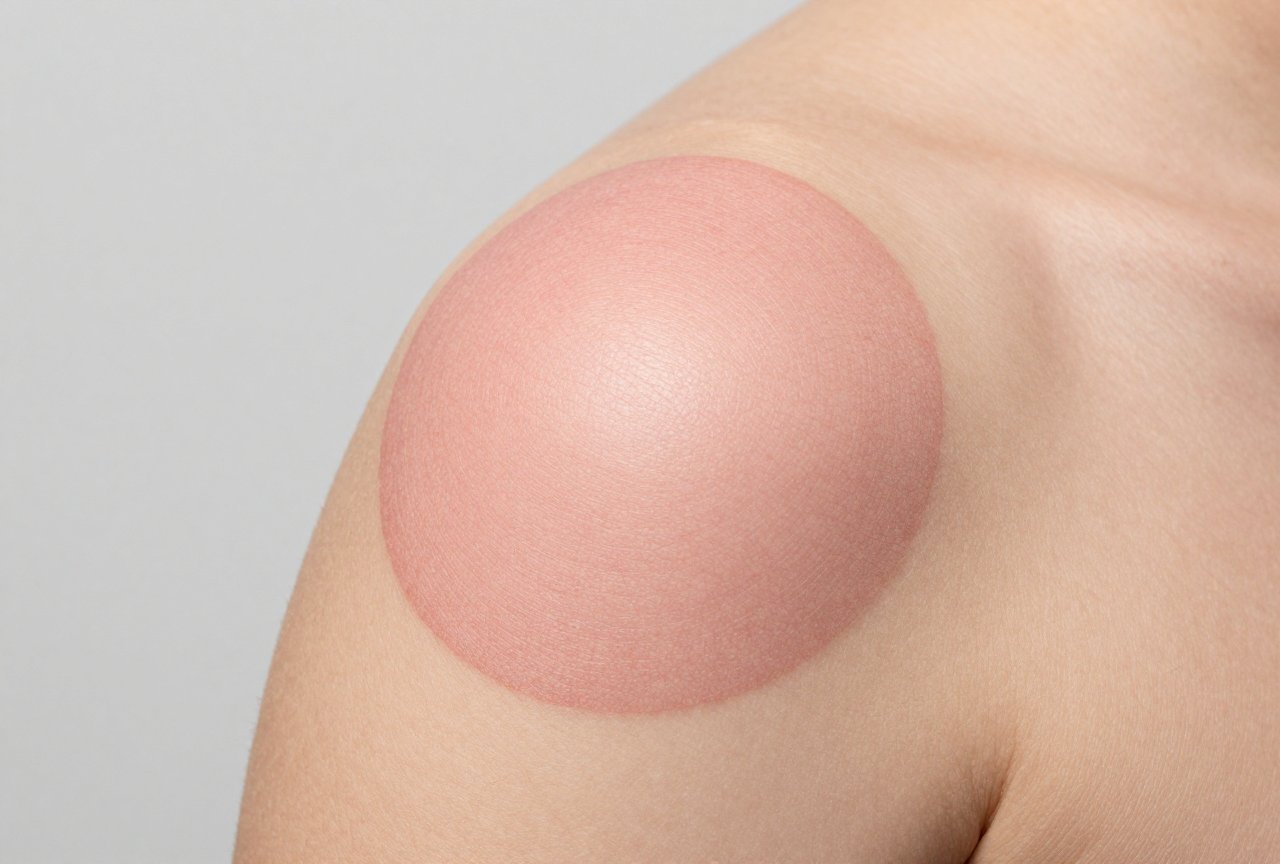
The short answer: keep fresh tattoos completely out of the sun until they’re fully healed, then use SPF 50+ and physical barriers for the life of the piece. Sun is the number one enemy of tattoo longevity. I’ve watched bold reds turn to dusty pink and solid blacks go charcoal gray in just a couple summers of unprotected beach trips. Here’s how to actually keep your ink looking like it did the day you left my chair.
Why the Sun Destroys Tattoos
Your skin is already doing a job holding that pigment. UV radiation breaks down the ink particles over time, and your immune system flushes them away faster. It’s not an overnight thing, it’s death by a thousand cuts. A piece that looked punchy in March can look washed out by October if you’re careless.
How Damage Actually Shows Up
I’ve had clients come back after one summer and swear their tattoo “faded in three months.” What they usually mean: the top layers of color got blasted. You might see:
- Yellows and whites turning muddy or disappearing entirely
- Blacks going blue-gray or brownish
- Lines looking fuzzy where the ink dispersed under the skin
- That “ghosted” look where the tattoo seems to sit under a veil
Watercolor pieces and fine-line work are especially fragile. I’ve seen delicate single-needle florals lose their subtle gradients in one bad pool day. Traditional bold holdout longer, but nothing’s immune.
The Healing vs. Healed Difference
A fresh tattoo is an open wound with pigment suspended in damaged skin. UV exposure during healing doesn’t just fade, it can cause blistering, scarring, and patchy healing that no touch-up fully fixes. Healed tattoos are more resilient, but the breakdown process never stops. It just slows down with protection.
Fresh Tattoo Sun Protection: The First 2-4 Weeks
This is non-negotiable. I tell every client: treat your new tattoo like a vampire for the first month. No exceptions, no “just for a minute.”
- Keep it covered completely. Loose, breathable clothing over the area. No mesh, no thin linen that light passes through. I’ve seen people burn through a white t-shirt and wreck a rib piece.
- No sunscreen on fresh work. Chemical sunscreens can irritate healing skin and potentially affect how the tattoo settles. Physical blocks like zinc are slightly less risky, but honestly, just don’t. Cover it instead.
- Stay out of direct sun entirely. Walk on the shady side of the street. Sit under umbrellas. If you’re at a BBQ, volunteer for grill duty in the covered patio, not the lawn chair.
- Plan your timing. I get a lot of “I’m going to Mexico in two weeks” bookings. I turn those down for large pieces. Get your back piece in fall, not June.
Swelling and heat make sun damage worse. A healing tattoo runs warm already; baking it makes the plasma weep more, scabs thicker, and healing longer. I’ve had clients develop sunburn around the edges of a fresh sleeve and the whole thing healed raised and itchy.
Long-Term Protection for Healed Tattoos
Once you’re past the flaky stage and the shine is gone, usually 3-4 weeks, sometimes 6 for dense color, you’re in maintenance mode for decades.
Sunscreen: What Actually Works
I keep a bottle at my station and show clients what I use on my own arms. Here’s the real talk:
- SPF 50 minimum. SPF 30 is fine for normal skin, but tattooed skin benefits from the buffer. Reapply every two hours if you’re out, every hour if swimming or sweating.
- Mineral (physical) blockers. Zinc oxide or titanium dioxide. They sit on top rather than absorbing, which means less irritation and better protection. The white cast is annoying, but tinted mineral sunscreens exist now.
- Fragrance-free everything. Your tattooed skin can stay sensitive. I learned this the hard way with a scented spray sunscreen that made my forearm piece itch for days.
- Don’t trust “tattoo-specific” sunscreens. Most are regular mineral sunscreen with marketing. Check the active ingredients. If it’s the same zinc percentage as Coppertone, you’re paying for the label.
Physical Barriers Beat Chemicals
On my own body, I rely on clothing first. UPF-rated shirts, sleeves, hats. For my leg pieces, I throw on lightweight athletic pants over shorts when I know I’ll be in direct sun for hours. A rash guard at the beach covers more than any sunscreen reapplication schedule. We see this a lot in the shop, clients who swim or work outdoors age their tattoos faster no matter how diligent they are with lotion.
Window glass blocks UVB but not UVA. That means your tattoo fades driving, sitting by a sunny window, working near glass doors. I’ve touched up a trucker’s forearm piece twice because the left arm got blasted through the driver’s side window for years. Consider a UV-blocking window film if you drive long distances or have a desk by glass.
Common Mistakes I See in the Shop
After fifteen years, the patterns are clear. These are the things that make me wince when clients roll up their sleeves:
- “I put sunscreen on once and was out all day.” Reapplication is the whole game. Sweat, water, friction, time, all degrade protection. Set a phone timer.
- Tanning beds. I shouldn’t need to say this, but I do, regularly. It’s concentrated UV in a short burst. I’ve seen people destroy a $2,000 back piece in three sessions. Just don’t.
- Peeling after sunburn. If you got burned and the tattooed skin is peeling, don’t pick. Let it flake naturally, moisturize gently, and come see me for an assessment. Picking pulls ink out with the dead skin.
- Thinking darker skin is protected. Melanin helps, but UVA still penetrates. I’ve watched beautiful dark skin tones lose the crisp edges on black and grey work because of assumed invincibility.
- Neglecting touch-ups. Some fading is inevitable over years. A refresh every 5-10 years keeps the piece alive. But sun-damaged skin doesn’t hold touch-up ink as well, it’s scarred and compromised. Prevention is cheaper than repair.
What to Do If Your Tattoo Gets Sun Exposed
It happens. You forgot reapplication, fell asleep on the beach, the hike went longer than planned. Here’s the damage control:
- Cool the area immediately with cool (not ice-cold) water
- Aloe without lidocaine or alcohol, pure, simple, fragrance-free
- Stay hydrated; your skin needs water to recover
- Don’t slather petroleum jelly on a fresh sunburn; it traps heat
- Once the burn resolves, assess the tattoo in good light. If colors look off or lines blurred, book a consultation. Don’t wait years; fresh sun damage is easier to address
I’ve had honest clients come in after a bad burn, and we talk through options. Sometimes it’s a small refresh. Sometimes the skin’s too compromised and we need to wait a full year. The sooner you own the mistake, the better your options.
Key Takeaways
Your tattoo is an investment of money, pain, and time. The sun doesn’t care. Keep fresh work completely covered and out of direct light for 2-4 weeks minimum. Switch to diligent SPF 50+ mineral sunscreen and physical barriers for the long haul. Reapply religiously. Reconsider activities and timing before you book large pieces. And if you slip up, address it fast rather than hoping it “looks fine.”
The best tattoos I’ve seen at ten years old belong to people who treated sun protection like part of the aftercare, permanent, non-negotiable, just another cost of having great ink. Your artist put in the hours. Put in the effort to keep it looking like they did.
Frequently Asked Questions
Can I swim in a pool or ocean with a new tattoo if I use waterproof sunscreen?
No, skip swimming entirely for 2-3 weeks. Waterproof sunscreen isn’t meant for open wounds, and pools have chemicals while oceans have bacteria. Both can cause infections or pull scabs. Wait until the tattoo is fully healed and the surface is smooth with no shine.
Will a tattoo cover-up or blackout work fade slower than regular tattoos?
Dense blackwork actually absorbs more heat from the sun, which can stress the skin underneath. It holds up better than light colors initially, but without protection, even solid black goes charcoal or brownish-gray. Cover-ups need protection just as much as delicate pieces.
How do I protect a tattoo in a spot that’s hard to cover, like my hands or neck?
These placements are brutal for sun exposure. Use mineral sunscreen constantly, reapply every hour, and consider UPF driving gloves or high-collar shirts. Hand and neck tattoos often need touch-ups sooner regardless, but sun protection extends their life significantly. I warn clients about this before we start.
Is it normal for my healed tattoo to look slightly different in summer versus winter?
Yes, tanning darkens your skin tone, which changes how the ink reads against it. A tattoo on pale winter skin looks bolder than the same tattoo on summer-tanned skin. This isn’t permanent fading, just contrast shift. The actual sun damage is what happens underneath over years.
Related Tattoo Guides
- Why Your Tattoo Looks Faded (And What to Do)
- Does Laser Tattoo Removal Leave a Scar? A Real Tattoo Artist s Guide
- A D Ointment for Tattoo Aftercare: A Working Artist s Guide
- Explore more









