Learning to tattoo isn’t something you figure out from YouTube in a weekend. I’ve been in this trade for over a decade, and I’ve watched people walk through shop doors with everything from genuine passion to dangerous delusions. The real path is longer, messier, and more rewarding than most outsiders expect. Here’s how you actually learn to tattoo, from someone who’s been in the chair on both sides of the needle.
Start With Drawing, Not Machines
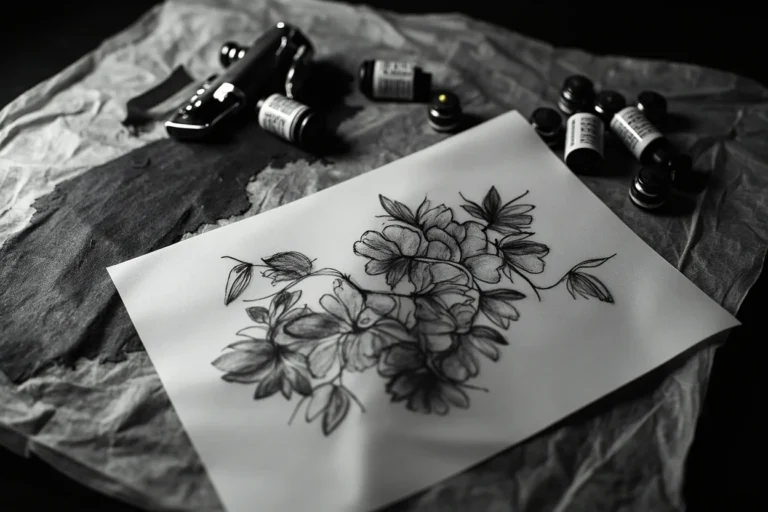
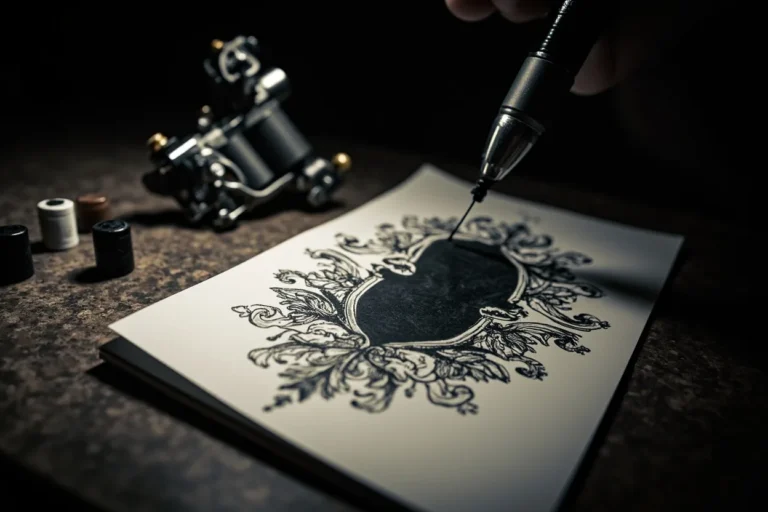
Before you ever touch a tattoo machine, you need to be drawing every single day. I don’t mean doodling in a notebook during class. I mean sitting down with intention, building designs that work on a body, not just on flat paper.
Why Paper Skills Matter
Skin is curved, stretchy, and unforgiving. A design that looks killer on your iPad can turn into a distorted mess on someone’s ribs. When I apprentice someone, I make them draw flash sheets for months before they even plug in a machine. Traditional bold lines, black and grey shading, lettering, you need to understand how these translate to three-dimensional surfaces. The artists I respect most all have sketchbooks falling apart from use.
Build a Portfolio That Shows Range
Your portfolio isn’t a Instagram highlight reel. Shop owners want to see:
- Clean line work in multiple styles
- Lettering that doesn’t look like a font
- Traditional designs with proper weight and flow
- Black and grey pieces showing value range
- Color theory understanding, even in paint or marker
Bring original art, not prints of digital work. I’ve turned people away who had 10,000 followers but couldn’t draw a consistent teardrop shape freehand.
The Apprenticeship: Your Only Real Path
Apprenticeships are how this trade has always worked. In most states, it’s legally required. More importantly, it’s the only way to learn safely and with any depth. I’ve tattooed alongside people who tried shortcuts, and it always shows in their work, blown lines, inconsistent saturation, scars on clients they could have avoided.
Finding the Right Mentor
Not every shop offering apprenticeships is legitimate. Red flags include: paying thousands upfront with no structured training, no licensed artists on staff, promises of fast-tracking. A real apprenticeship involves:
- Cleaning tubes, breaking down stations, learning sterilization protocols
- Watching every tattoo that walks in the door for months
- Drawing on fake skin, then fruit, then yourself
- Eventually tattooing friends and willing clients under supervision
- Learning to read skin types, stretch skin properly, adjust machine speed
My own apprenticeship was two years before I tattooed paying clients. Some take longer. Anyone promising six months is selling something.
The Unpaid Reality
Most apprenticeships are unpaid. You’re trading labor for knowledge. I worked front desk, mopped floors, ordered supplies, and ran errands. That’s the deal. If you can’t accept that, this isn’t your trade. The knowledge you’re getting has value that money doesn’t cover.
Understanding Skin: The Canvas That Talks Back
Skin isn’t paper. It bleeds, swells, and heals differently on every body. This is where book learning and real experience diverge dramatically.
Skin Types and Placement Realities
I’ve tattooed paper-thin inner wrists that took ink like a dream and thick, oily backs where black looked grey for weeks. You learn to read:
- Dry skin vs. oily, affects how stencil stays and how ink settles
- Younger skin vs. older, elasticity changes everything about stretching technique
- Areas that move constantly (hands, feet) vs. stable placements (thighs, upper arms)
- How sun damage and tanning affect healed results
Finger tattoos, for example. We do them, but I warn every client: these fade fast, blur early, and often need touch-ups. The skin there regenerates quickly and takes constant abuse. I make sure they understand before I start.
How Tattoos Age
That ultra-fine line piece you love on Pinterest? Check if it’s fresh or five years old. Lines spread. Colors mute. Black and grey holds better long-term than delicate color work in most cases. I tell clients this directly: bold will hold. Tiny, intricate details become mush over time. As a learner, you need to design with aging in mind, not just the Instagram photo.
The Machine and Technical Skills
Machine setup, needle grouping selection, voltage tuning, this is your daily vocabulary. Rotaries, coils, pneumatics. Each has feel and application. I started on coils, still prefer them for traditional work, but use rotaries for smooth shading. You develop preferences through thousands of hours, not by reading specs.
Needle Depth and Consistency
Too shallow, ink falls out. Too deep, you scar someone. The sweet spot is roughly 1.5-2mm into the dermis, but you feel it more than measure it. The resistance of skin, the sound of the machine, the way ink pools, these become intuitive. I still adjust my hand angle multiple times during a single session based on what the skin tells me.
Stretching and Body Positioning
How you stretch skin determines line quality. Three-point stretch, two-point stretch, using your pinky as an anchor, these aren’t optional techniques, they’re fundamentals. Your body position matters too. I ruined my shoulder early on by hunching. Now I set up my chair height, client position, and my stance before every session. Twenty years in this trade means thinking about longevity.
Shop Culture and Professional Development
Tattooing is a trade, but it’s also a culture. How you carry yourself affects whether you last.
- Be on time. Tattoo time runs differently, but “tattoo time” doesn’t mean you stroll in late.
- Clean your station like someone’s life depends on it, because it does.
- Don’t talk down about other artists’ work in front of clients.
- Continue learning. I still take seminars, buy books, study artists I admire.
- Build your own client base through quality work and genuine connection, not social media tricks.
We see this a lot: young artists who can tattoo technically well but can’t keep a client comfortable for three hours. Conversation, reading the room, knowing when someone needs a break, these separate working artists from great ones. I’ve had clients fall asleep in my chair and others who needed me to talk them through every five minutes. You adapt.
What Clients Actually Experience
Understanding the full client journey makes you better. Pain varies wildly by placement, ribs, feet, inner bicep are rough; outer arm, thigh, calf are manageable. I never tell someone “it won’t hurt” because that’s a lie. I say: it’ll be uncomfortable, we’ll take breaks, and it’ll be worth it.
Aftercare isn’t complicated, but people mess it up constantly. I give simple instructions: wash gently with unscented soap, thin layer of recommended ointment, don’t pick, keep out of sun and water. The number of infections I’ve seen from clients using their “own routine”, coconut oil, excessive washing, letting pets lick it, would shock you. Follow your artist’s guidance, not your cousin’s blog.
Healing takes 2-4 weeks for surface, months for full settling. Colors look different fresh versus healed. I explain this before starting so expectations match reality.
Key Takeaways
Learning to tattoo demands years of dedicated practice, a legitimate apprenticeship with experienced mentorship, and deep respect for both the craft and your clients. Draw constantly. Expect no pay early. Learn to read skin like a language. Build technical skills through repetition, not shortcuts. Understand that this trade rewards patience and punishes arrogance. The artists who last are the ones who never stop being students, of technique, of people, of their own limitations. If you’re serious, find a reputable shop, humble yourself, and prepare for a longer road than you imagined. The work is worth it, but only if you’re actually willing to do it.
Frequently Asked Questions
How long does a real tattoo apprenticeship usually take?
Most legitimate apprenticeships run 1-3 years before you’re tattooing paying clients regularly. My own was two years. Anyone promising you can be fully trained in six months is cutting corners that will show in your work and potentially harm clients.
Can I practice tattooing on myself or friends at home?
Please don’t. I’ve fixed too many home tattoos that scarred, infected, or just look terrible. Unlicensed tattooing is illegal in most states, and you’re practicing on permanent human skin without proper training in sterilization, technique, or aftercare guidance.
Do I need to be good at drawing to become a tattoo artist?
You need to be committed to becoming good. Natural talent helps, but I’ve seen dedicated artists with modest starting skills outpace gifted slackers. Daily drawing practice, studying design fundamentals, and building original work matters more than where you begin.
How much should I expect to invest in a tattoo apprenticeship?
Many apprenticeships are unpaid labor exchanges, though some shops charge $5,000-$10,000 for structured programs. Never pay large sums without clear curriculum, licensed supervision, and verifiable artist credentials. The real investment is your time, often 40+ hours weekly for years.
Related Tattoo Guides
- How to Make a Fake Tattoo at Home: A Realistic Guide
- How to Make a Tattoo Hurt Less: A Real Shop Guide
- How to Operate a Tattoo Machine: A Working Artist s Guide
- Explore more