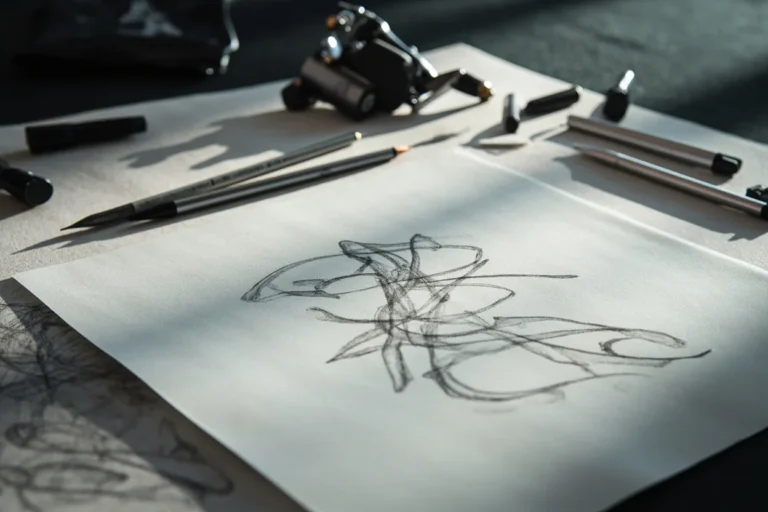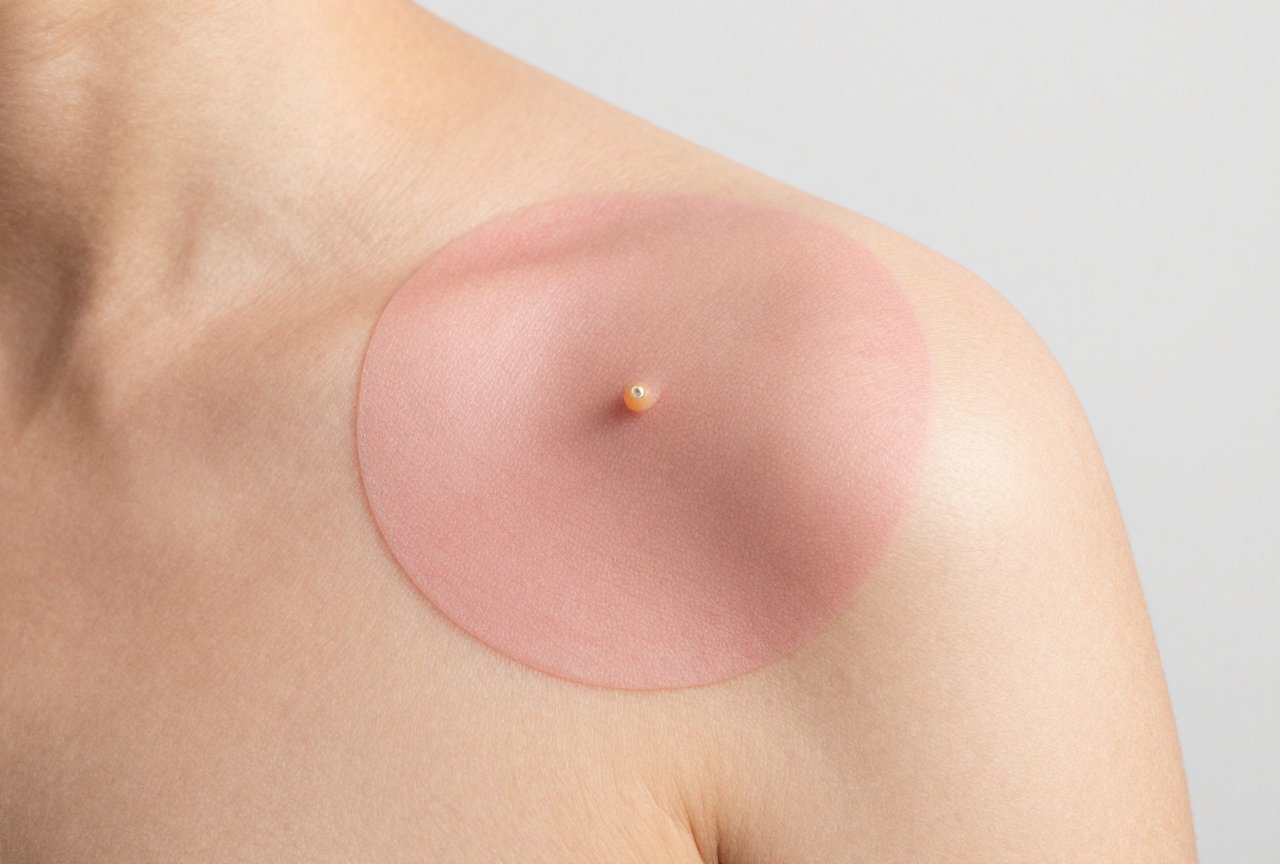
Yes, you can make a fake tattoo at home that actually fools people from across the room. I’ve had clients walk into my shop with DIY experiments that looked so real I did a double-take, and others that looked like a marker exploded on a hot day. The difference comes down to materials, placement, and understanding how real ink sits in skin. This guide covers what works, what doesn’t, and how to get that convincing look without breaking out a needle.
Why People Want Fake Tattoos
I’ve tattooed thousands of people, and I’ve also talked hundreds out of impulse decisions they’d regret. Sometimes you want to test-drive a design. Sometimes you’re underage, broke, or just not ready for something permanent. I’ve had clients sit in my chair with a Sharpie drawing they’ve worn for two weeks, swearing they love it, and then change their mind after seeing the stencil. That’s valid. Fake tattoos let you live with an idea before you commit.
Testing Placement and Size
Real tattoos shrink and distort as they heal. What looks bold on paper can look cramped on a bicep. A fake tattoo lets you walk around, sleep on it, show your friends, and see how it catches in mirrors. I’ve had people bring me photos of their DIY fake and say “this spot, this size, but real.” That’s the smartest client in my book.
Avoiding Regret
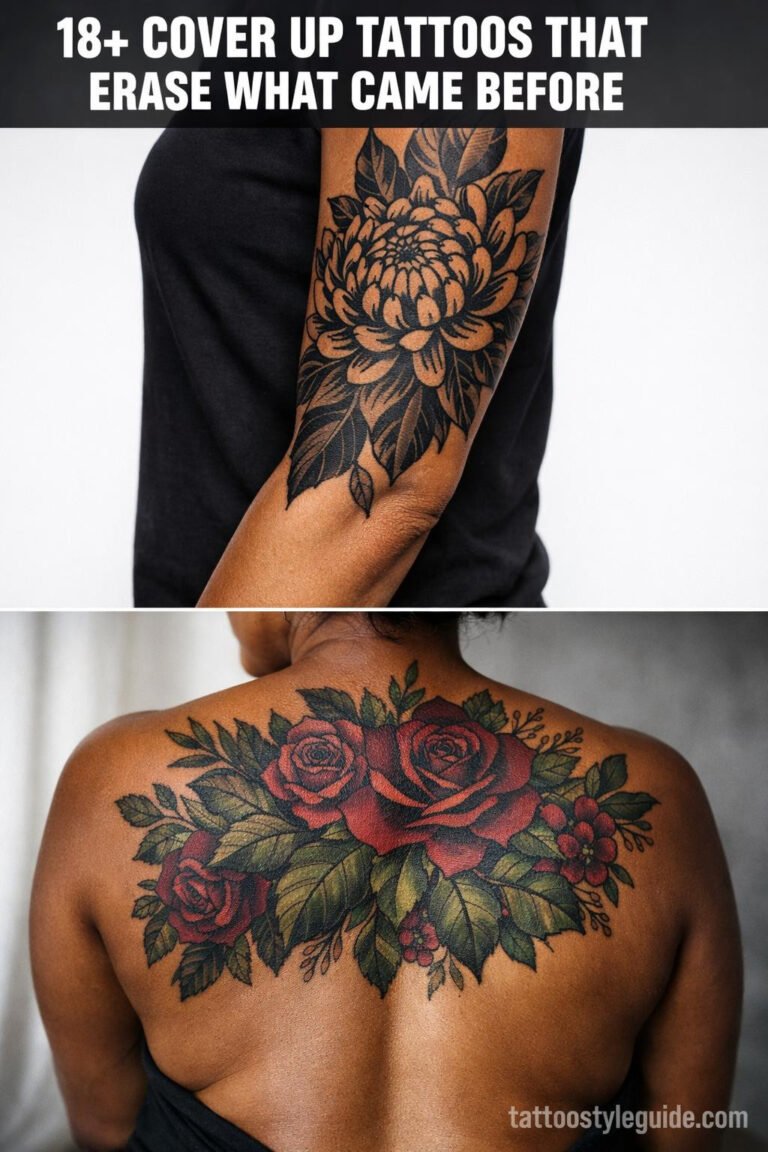
Cover-ups are half my business now. The number of people who got a “small piece” at 18 and want it gone by 25? We see this a lot. A fake tattoo costs pennies and fades in days. A real one costs hundreds and laser removal costs thousands. Do the math.
Method 1: Printer Paper and Perfume Transfer
This is the old-school trick that still works surprisingly well for crisp black line art. You need:
- A laser-printed image (inkjet smears)
- Clear perfume or cologne with alcohol
- Scissors
- A wet washcloth
Cut your design out. Lay it face-down on clean, dry skin. Spray the back heavily with perfume until it’s soaked. Press the wet paper flat with the washcloth for about 60 seconds. Don’t slide it. Peel slowly from one corner. The toner transfers as a faint gray-blue image that looks like a fresh stencil. It lasts one to three days if you don’t scrub it.
What I tell clients: this works best on flat areas like forearms, collarbones, or thighs. Curved spots like wrists or ankles? The paper wrinkles and the image cracks. Keep designs simple. Solid black lines transfer; shading turns into muddy blobs.
Method 2: Gel Pen and Hairspray Seal
For color or freehand drawing, gel pens beat Sharpies. Sharpies bleed into skin lines and look fake immediately. Gel pens sit on top. Here’s how I see people do it best:
- Draw your design with gel pen on clean, exfoliated skin
- Let it dry completely, five minutes minimum
- Mist lightly with aerosol hairspray from 12 inches away
- Let that dry, then dust with translucent powder
- Another light mist of hairspray
This gives a slightly raised, matte finish that catches light like real healed ink. It lasts two to four days. Swimming kills it. Sleeping on it smears it. But for a weekend? Perfect.
Color That Looks Real
Real tattoo ink doesn’t glow. Neon gel pens scream fake. Stick to navy, black, deep red, or muted green. I’ve seen people do convincing American traditional-style roses this way, thick black outlines, limited red petals, no shading. The constraint actually helps.
Method 3: Henna for Natural-Looking Stain
Henna’s not instant gratification. You mix powder with lemon juice and sugar, pipe it like frosting, wait hours, then flake off the paste. But the stain that develops over 24-48 hours looks organic because it is organic. It fades from reddish-brown to orange over two weeks. No sharp edges. No plastic shine.
What artists actually say: henna on palms and feet stains darkest because skin is thickest there. On forearms or backs, it’s lighter. Never use “black henna” with PPD additives, I’ve seen chemical burns from that stuff in shop waiting rooms. Real henna smells like hay and tea. It never looks black immediately.
Method 4: Temporary Tattoo Paper
You can buy printable temporary tattoo sheets online. Run them through an inkjet, peel, stick with water. These look decent for photos but terrible in person. The plastic film catches light. Edges lift. They last maybe a day.
Here’s my trick from shop culture: after applying, dust with baby powder, then pat with a tiny bit of foundation matching your skin tone around the edges. Blends the border. Still won’t survive a shower, but buys you a few more hours of believability.
What Makes It Look Real vs. Fake
I’ve stared at real and fake tattoos for fifteen years. The giveaways are always the same:
- Line weight variation: Real tattoo lines aren’t perfectly uniform. Machine vibration, hand speed, skin texture, all create subtle wobble. Fake tattoos with computer-perfect lines look printed, not punched.
- Color saturation depth: Real ink sits in the dermis, so it has dimension. Surface marker looks flat. Henna has depth because it stains living tissue.
- Skin texture shows through: You should see pores, hair follicles, tiny creases. Anything that looks like a sticker sitting on top is a sticker sitting on top.
- Aging and wear: Real tattoos heal with a slight sheen for two weeks, then settle to matte. Fake ones either stay glossy or flake off in chunks. The middle ground doesn’t exist naturally.
Placement Tricks
Inner forearm, outer bicep, calf, shoulder blade, these are where people actually get tattooed. Putting a fake on your neck or face signals “I’m trying too hard.” Also, those areas move and sweat more, so fakes fail faster. Stick to spots where real tattoos live.
Aftercare and Maintenance (Yes, Really)
Even fake tattoos need tending if you want longevity. Pat dry after showering, don’t rub. Avoid oils and lotions directly on the design; they dissolve adhesives and pen ink. Sleep in loose clothing so fabric doesn’t abrade the image. If you’re using the perfume transfer method, a thin layer of liquid bandage spray can extend life by a day, but it’ll look slightly shiny.
Pain comparison: obviously zero for fake tattoos. But I mention this because some clients come in terrified of the needle, do a fake version, and realize the commitment matters more than the sensation. The permanence is the heavy part. The pain is brief and manageable, most people chat through it, listen to music, zone out. Cost for real work varies wildly by artist, but expect $150-300 hourly for anything worth wearing forever. A fake tattoo costs under $5 in materials.
When You’re Ready for Real Ink
Here’s what I say to everyone who sits in my chair with a fake tattoo story: bring the reference. Show me what worked and what didn’t. The fake that faded too fast taught you about placement. The one everyone complimented? That’s your style. The one you hid with a sleeve? Lesson learned.
Real tattoos aren’t about the moment of getting them. They’re about year three, year ten, year thirty. A fake tattoo lets you rehearse that timeline without the permanence. Use it. Learn from it. Then come see me when you’re ready, or don’t. Both choices are fine if they’re informed.
Key Takeaways
Printer paper transfers work best for bold black designs on flat skin. Gel pens with hairspray give color and a few days of wear. Henna offers the most natural-looking, longest-lasting stain but requires patience and safe sourcing. Temporary tattoo paper is convenient but looks artificial up close. Realism comes from imperfect lines, muted colors, visible skin texture, and believable placement. Test your design, live with it, and only commit to real ink when the fake version feels like a limitation, not a substitute.
Frequently Asked Questions
How long does a DIY fake tattoo usually last?
Most home methods last one to four days. Perfume transfers fade in 1-3 days. Gel pen with sealant stretches to 2-4 days. Henna gives you 1-2 weeks but develops slowly over 48 hours.
Can I swim with a fake tattoo?
No, water immersion destroys most fake tattoos immediately. Chlorine and salt water especially dissolve adhesives and ink. If you need water resistance, henna is your best option, though it still lightens with repeated soaking.
Will fake tattoos stain my skin permanently?
Standard methods won’t leave permanent marks. Henna can stain deeply for weeks but fades naturally. Only “black henna” with chemical additives risks permanent scarring or sensitization, avoid it entirely.
How do I make a fake tattoo look less shiny and plastic?
Dust with translucent powder or baby powder after application. For temporary paper tattoos, blend foundation around the edges. Matte finishes read as healed skin; gloss reads as sticker.
Related Tattoo Guides
- How to Make a Tattoo Hurt Less: A Real Shop Guide
- How to Make Your Own Tattoo: A Realistic Guide
- How to Operate a Tattoo Machine: A Working Artist s Guide
- Explore more