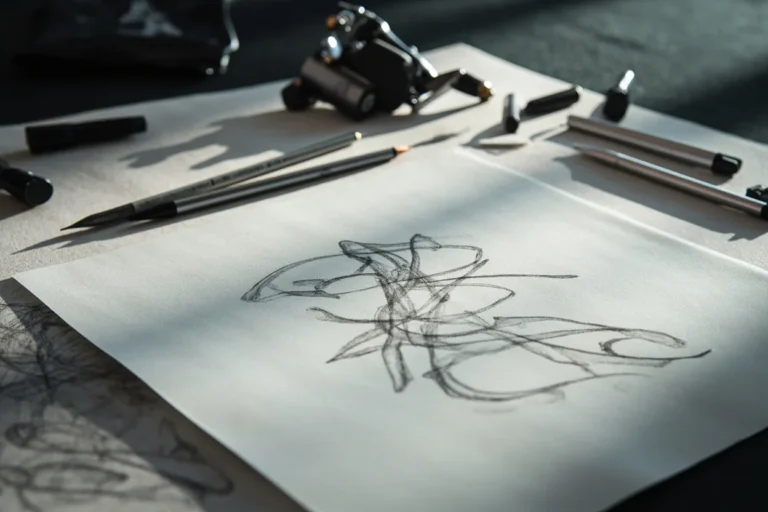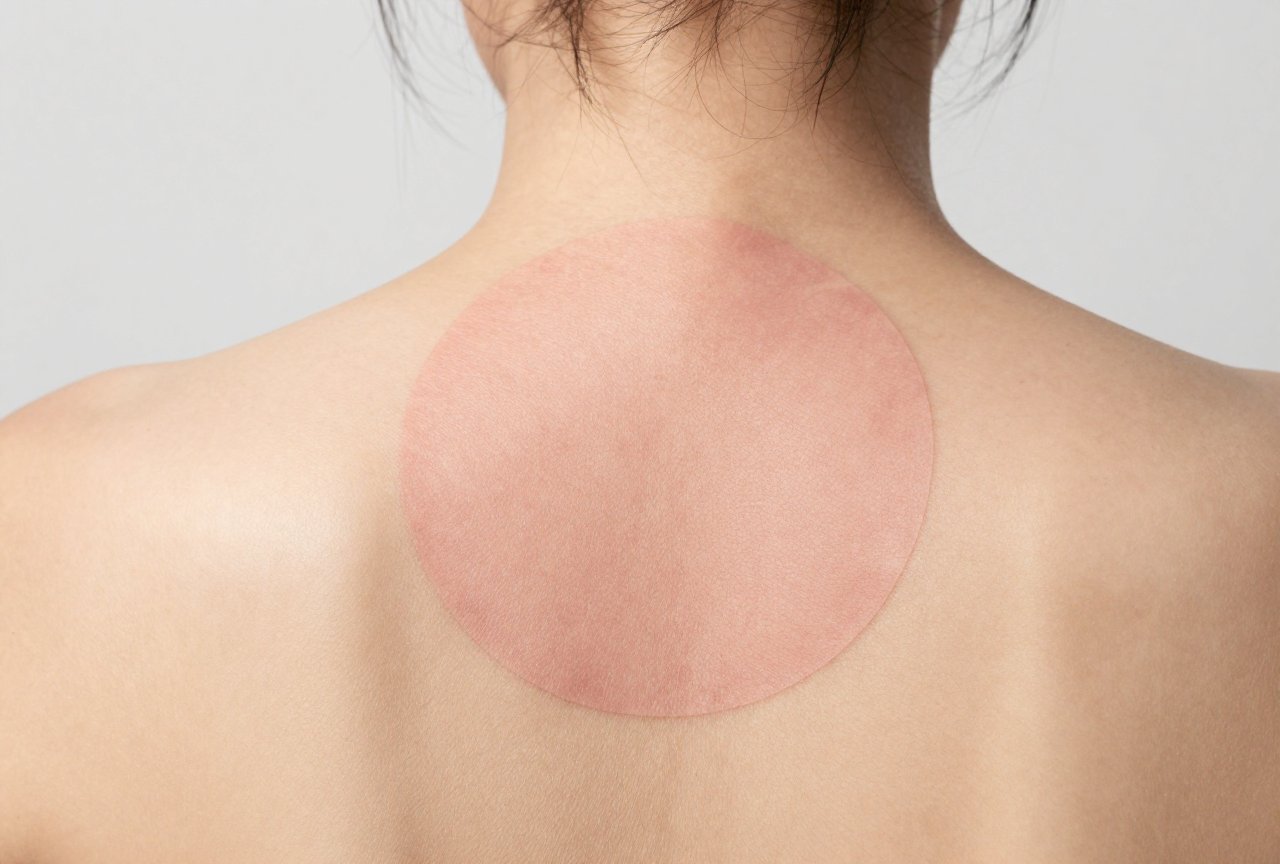
Yes, tattoo removal really works. I’ve watched clients walk out of my shop with fresh ink and, years later, walk back in with faded ghosts of the same piece. But here’s the truth nobody wants to slap on a billboard: it’s a grind. Multiple sessions, real pain, serious money, and no guarantee you’ll get back to bare skin. The laser breaks up ink particles so your lymphatic system can flush them out. That process takes time, patience, and a skilled technician. Some tattoos vanish almost completely. Others leave a permanent shadow or slight texture change. Your results depend on ink density, color, depth, your skin type, and how well your body responds. I’ve seen black tribal work disappear like it was never there. I’ve also seen bright yellows and light blues laugh at every laser pass.
How Laser Removal Actually Works
The laser fires incredibly short bursts of light at specific wavelengths. Black ink absorbs all wavelengths, so it shatters easiest. Colors are pickier. The laser basically turns the ink into tiny dust particles that your immune system treats like invaders, macrophages swarm in and carry them away through your lymph nodes. I always tell clients to picture a boulder versus gravel. Your body can’t haul out a boulder. But gravel? That it can manage.
Why Black Fades Fastest and Colors Lag Behind
Black ink is pure carbon. It soaks up laser energy like asphalt in July. Colors contain different pigments and additives, some cosmetic, some industrial, that react unpredictably. Red often responds well. Green, blue, and yellow are stubborn. White ink? It can oxidize and turn gray or even darken before it fades. I’ve had clients panic when their white highlights turned almost black after the first session. That’s real, and it’s why an experienced laser tech matters more than the brand of machine.
The Role of Your Immune System
This part gets overlooked. A healthy 25-year-old who runs and hydrates will clear ink faster than a smoker in their 60s with poor circulation. Your lymphatic system does the actual removal. The laser just starts the party. I had a client who trained for marathons between sessions, her black linework faded dramatically in four sessions. Another guy, pack-a-day habit, same tattoo style, took eleven sessions and still had a shadow.
What the Process Actually Feels Like
Most shops use a numbing cream, but it only takes the edge off. Clients describe the sensation as a rubber band snapping hard against sunburned skin, over and over, fast. The smell is distinct, like burnt hair and hot dust. Some people flinch through the whole session. Others zone out. Afterward, the skin blisters and swells. Not always, but often. It looks like a bad grease burn for a week. Then it scabs, peels, and settles into a faded version of what was there.
- Session length: usually 15-45 minutes depending on tattoo size
- Gap between sessions: 6-8 weeks minimum, sometimes 12 for dense color
- Total sessions needed: 5-15 for significant fading, more for complete removal
- Aftercare: keep it clean, don’t pick scabs, no sun exposure, stay hydrated
The waiting between sessions is brutal. You want progress now. But your skin needs to heal fully, and your immune system needs time to clear the shattered ink. Rush it and you risk scarring, hyperpigmentation, or hypopigmentation, permanent light or dark spots.
Realistic Results: What “Gone” Actually Means
Complete removal to virgin skin is possible but not guaranteed. In my experience, maybe 60-70% of black ink tattoos can get there with enough sessions and a good technician. The rest leave some trace, a slight shadow, a texture difference, a faint outline visible in certain light. Color work is harder. I’ve seen sleeves that looked 90% gone in normal room light but showed every line under fluorescent bulbs.
Cover-Up vs. Full Removal
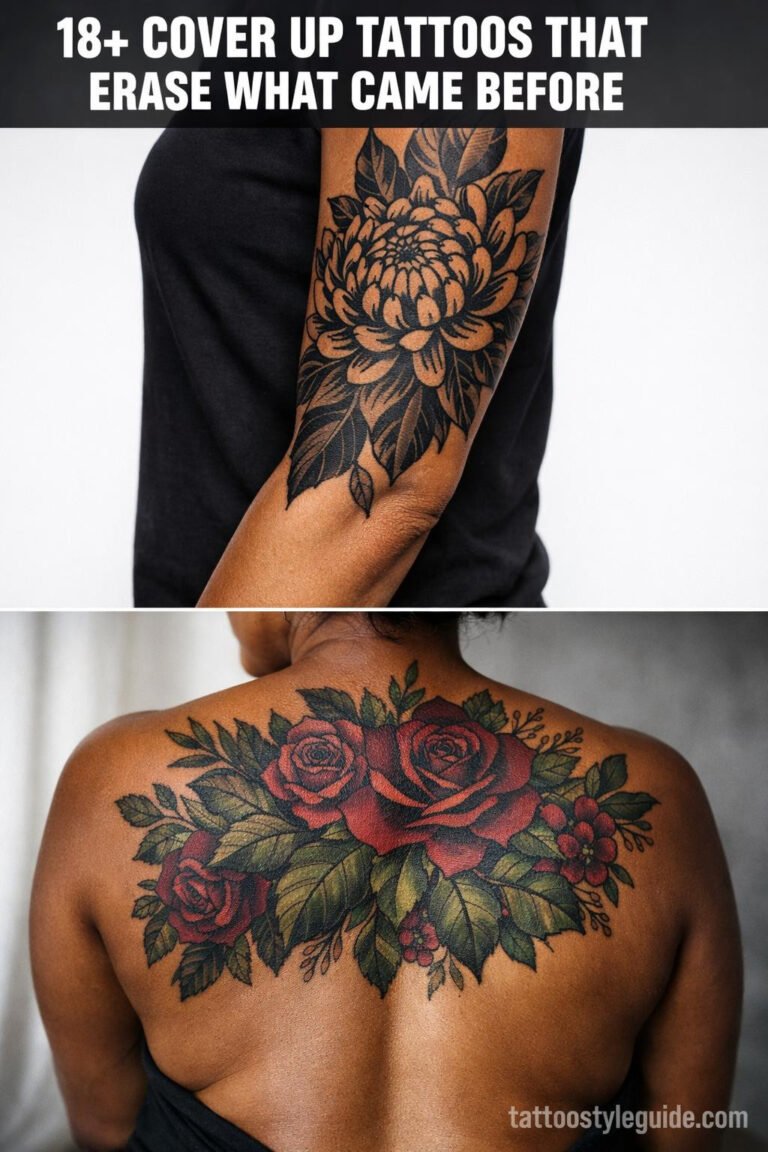
Many of my clients don’t need full removal. They need enough fading for a solid cover-up. That’s a different goal and often smarter. Five sessions of laser fading plus a well-designed new piece beats fifteen sessions chasing perfection. I always ask: “Do you want this gone, or do you want something better?” The answer shapes everything, laser settings, session count, budget, timeline.
Cost, Time, and the Honest Math
Tattoo removal is expensive. Most clinics charge by square inch, per session. A palm-sized black tattoo might run $200-400 per session. Multiply by 8-10 sessions. A full sleeve? You’re looking at thousands, spread across two or three years. Compare that to the original tattoo cost, and people wince. I get it. But there’s no shortcut. Creams don’t work. Salt abrasion is a scam. The only proven method is laser, and it demands commitment.
Time is the hidden cost too. That gap between sessions means you’re living with a fading, sometimes ugly, in-between tattoo for months or years. I’ve had clients wear long sleeves through entire summers. Plan for that mentally.
Scarring, Pigment Changes, and Other Risks
Any laser that can shatter ink can damage skin. Scarring happens when settings are too aggressive or aftercare is neglected. Hypopigmentation, permanent lightening, is more common in darker skin tones and requires a technician who understands Fitzpatrick skin types and appropriate wavelengths. I’ve referred clients to specific laser specialists because I knew their skin type needed particular expertise. A good artist knows their limits.
- Blistering is normal; infection is not, know the difference
- Texture changes can occur if the original tattoo already scarred
- Sun exposure on healing laser sites can cause permanent darkening
- Keloid-prone skin needs extra caution and consultation
Choosing Who Does Your Removal
Not all laser techs are equal. Some are nurses with medical backgrounds. Some are tattoo artists who cross-trained. Some are spa employees with weekend certifications. Ask about their specific machine, Q-switched Nd:YAG, picosecond lasers like PicoSure or PicoWay. Ask how long they’ve worked on your skin type. Ask to see healed results, not just fresh post-session photos. A reputable tech will be honest about limitations. The ones promising complete removal in three sessions? Walk away.
I send clients to two local specialists I trust. One for dark skin, one for dense color work. I don’t take referral fees. I take responsibility for who touches skin that used to hold my art. That’s shop culture, accountability even for the work you undo.
Key Takeaways
Tattoo removal works, but it’s not erasure. It’s a long, costly process of fading and clearing that depends on your tattoo’s characteristics, your body’s response, and your technician’s skill. Black ink fades best. Colors fight back. Multiple sessions are mandatory. Results vary from nearly invisible to permanently shadowed. Consider whether full removal or fade-for-cover-up serves your actual goal. Budget realistically, thousands over years, not hundreds over months. Protect your skin after every session like your results depend on it, because they do. And choose your laser technician with the same care you’d choose your tattoo artist. The person removing your ink should know exactly what they’re doing.
Frequently Asked Questions
Will my tattoo be completely gone after laser removal?
Sometimes, but not always. Black ink on light skin has the best shot at full removal. Dense color, deep placement, or certain skin types often leave a faint shadow or texture change even after many sessions. A good technician will set honest expectations before you start.
Can I get a new tattoo over a removed one?
Yes, but timing matters. Wait until the skin is fully healed and settled, usually 6-12 months after your final laser session. The area may hold ink differently, so choose an experienced cover-up artist who can work with any remaining texture or pigment changes.
Why does removal cost so much more than getting the tattoo?
Laser equipment is expensive to buy and maintain, sessions require trained specialists, and each treatment uses consumable supplies. Plus you’re paying for multiple visits spread across years. The original tattoo took hours; removal takes a dozen brief sessions with expensive technology between each.
Does tattoo removal hurt worse than getting tattooed?
Most people say yes, but differently. Tattooing is a steady, grinding irritation. Laser removal is sharp, hot, and intense in bursts. Numbing helps but doesn’t eliminate it. The aftercare discomfort, blistering, tightness, itching, lasts longer than fresh tattoo healing too.
Related Tattoo Guides
- Does Ankle Tattoo Pain Hurt? A Real Artist s Guide
- How Long After Accutane Can You Get a Tattoo?
- How Long Does Laser Tattoo Removal Take? A Realistic Timeline
- Explore more