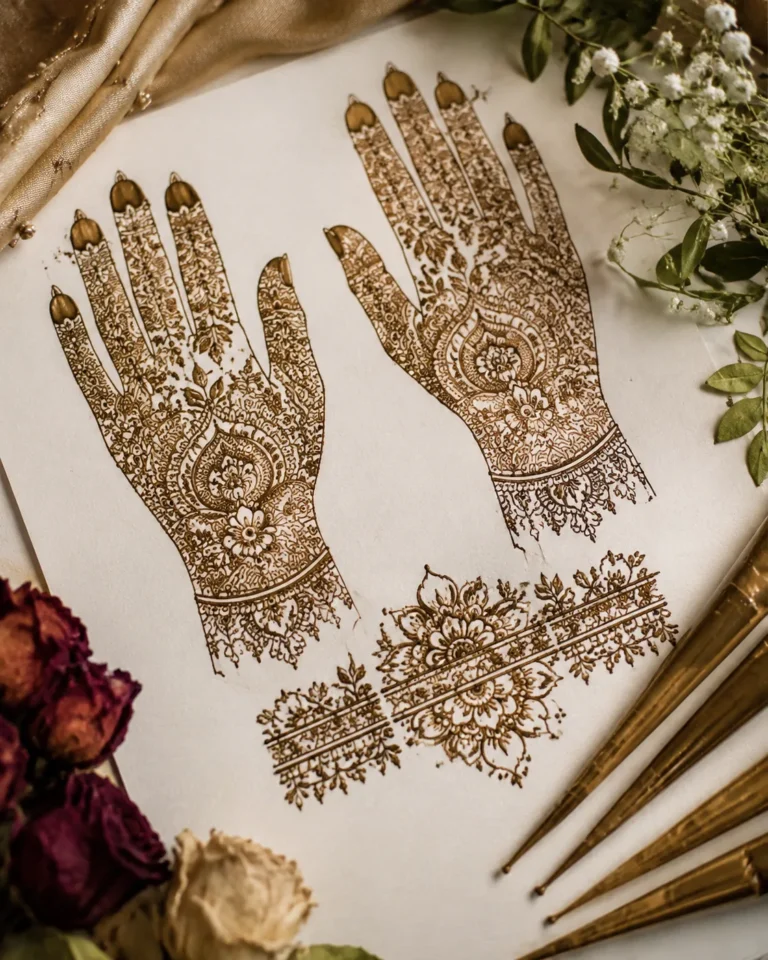
The key to a dark, long-lasting henna tattoo is simple: keep the paste on as long as possible, keep it dry for the first day, and protect the stained skin from scrubbing and friction for the next week. Henna isn’t like a needle tattoo, there’s no broken skin, no ink injected into the dermis, and no peeling phase. Instead, lawsone molecules in the henna paste bind to the keratin in your dead skin cells. The stain starts orange, deepens to reddish-brown over 48 hours, then fades as your skin naturally exfoliates. How you treat it in the first 24 hours determines whether you get a rich, dark stain or a faint, short-lived one.
What Happens During the First 24 Hours
The paste phase is where the magic happens. Fresh henna paste, made from powdered henna leaves, lemon juice, sugar, and essential oils, needs time to release its dye and let that dye penetrate the top layers of your skin. Scraping it off too early leaves you with a pale orange mark that won’t darken much.
How Long to Leave the Paste On
Aim for 6 to 12 hours minimum. Overnight is ideal. The paste will dry and crack slightly; that’s normal. Some people wrap the area in toilet paper and then loose medical tape or a sock (for hands/feet) to protect the design while sleeping. Don’t use plastic wrap directly on the skin, it traps moisture and can cause the paste to smudge or the stain to develop unevenly.
- Hands and feet stain darkest due to thicker skin and more keratin
- Upper arms, back, and thighs take lighter stains
- Face and neck rarely hold color well and fade fastest
The Scraping-Off Method
Don’t wash the paste off with water. Scrape it off with a butter knife, credit card edge, or your fingernails. The dry flakes should fall away cleanly. What remains is a bright orange stain that looks almost too light, this is normal. It will darken dramatically over the next 24-48 hours through oxidation.
Water Is Your Enemy at First
Avoid water completely for the first 24 hours after removing the paste. No showers over the design, no dishes without gloves, no swimming. Water interrupts the oxidation process that darkens the stain. Even brief contact can halt the darkening or cause blotchy results.
After 24 hours, brief water contact is fine, but prolonged soaking still isn’t ideal. Pat the area dry immediately, don’t rub. For hand henna, wearing gloves for chores extends the stain’s life significantly. Apply a thin layer of natural oil (olive, coconut, or henna aftercare balm) before any necessary water exposure to create a barrier.
Heat and the Lemon-Sugar Seal
Some artists apply a lemon juice and sugar mixture to the dried paste while it’s still on the skin. The sugar helps the paste stick longer; the lemon’s acidity aids dye release. This isn’t mandatory with quality fresh paste, but it can help if you’re in a dry climate or need the paste to cling for an extended period.
Heat helps darken the stain. After scraping off the paste, gentle warmth, holding hands near a heater, using a warm (not hot) heating pad wrapped in cloth for 10-15 minutes, can boost color development. Never apply direct high heat or leave heating pads on unattended. The goal is mild warmth, not burning.
What to Apply (and What to Avoid)
Natural oils are your best maintenance tool after the initial 24-hour water-free period. They condition the skin, slow exfoliation, and add a slight protective layer. Good options: olive oil, coconut oil, shea butter, or specialized henna aftercare balms without petroleum.
Products That Harm Henna Stains
- Petroleum jelly and mineral oil, they create a barrier that can trap moisture and accelerate fading in some cases, and they don’t actually nourish skin
- Exfoliating scrubs, alpha-hydroxy acids, retinol products on or near the design
- Chlorine and salt water, both strip color faster
- Hand sanitizer applied repeatedly over the stain; the alcohol dries and lightly exfoliates
- Loofahs, rough washcloths, or any deliberate scrubbing
Understanding the Fade Timeline
Hand and foot henna typically lasts 1-2 weeks with good care, sometimes pushing toward 3 weeks on palms and soles where skin is thickest. Areas with thinner skin, inner wrists, tops of feet, forearms, fade faster, often in 5-10 days. The stain doesn’t disappear suddenly; it gradually lightens from deep brown to caramel to faint orange, then vanishes as those stained skin cells shed.
There’s no way to make henna permanent. The stain lives only in dead skin. Any claim of “permanent henna” or “henna that lasts months” involves either black henna (dangerous PPD chemical additive) or a misunderstanding of how the process works. Real henna is always reddish-brown, never jet black.
Red Flags: When “Henna” Isn’t Safe
Black henna has caused severe chemical burns, permanent scarring, and lifelong PPD allergies that can cross-react with hair dye and other products. Real henna paste is greenish-brown, smells earthy and herbal, and stains orange-brown. If an artist promises black results, uses paste that smells like chemicals or hair dye, or won’t disclose ingredients, walk away.
Pre-made cones from unknown sources can also contain undisclosed additives. Fresh mix is always safest. The paste should be used within a few days of mixing or frozen for later use. Old, unrefrigerated paste loses potency and can develop mold or bacteria.
Placement-Specific Tips
Palms and soles: These stain darkest and longest but also take the most abuse. Sleep with cotton gloves or socks for the first few nights to protect from friction. The thick skin here means the stain can look almost black initially before settling to deep mahogany.
Tops of hands and feet: Lighter stain potential, faster fade. Be extra careful with water and friction. Rings and bracelets worn over the design will rub it away unevenly.
Arms and legs: Clothing friction matters. Loose sleeves and pants help. The stain here is often lighter and more orange-toned than on hands.
Back and shoulders: Difficult to protect from shower water and sleeping pressure. Have someone help with paste removal if possible. These areas rarely achieve the darkness of hand stains.
Key Takeaways
Leave paste on 6-12 hours, scrape it off dry, avoid all water for 24 hours, then protect from scrubbing and prolonged soaking. Natural oils help maintain the stain; exfoliants and harsh chemicals destroy it. Real henna is always brown-orange, never black. Hand and foot placement gives the darkest, longest results. Expect 1-2 weeks of visible stain with proper care, and understand that fading is inevitable, henna is a temporary art form by nature, not a flaw in your aftercare.
Frequently Asked Questions
Why is my henna orange instead of brown right after I scrape off the paste?
That’s completely normal. The stain oxidizes and darkens over 24-48 hours, shifting from bright orange to deeper reddish-brown. Don’t judge the final color until two days have passed.
Can I shower with a fresh henna tattoo?
Wait a full 24 hours after removing the paste before letting water touch the design. After that, keep showers brief and pat the area dry immediately rather than rubbing.
Does henna work on all skin tones the same way?
Henna stains the top layer of skin, so the color shows up on all skin tones, though the contrast varies. On darker skin, the stain may appear more subtle but still develops fully; on very pale skin, the orange phase looks more dramatic before darkening.
How do I know if a henna artist is using safe, natural paste?
Ask about ingredients. Natural henna contains only henna powder, lemon juice, sugar, and skin-safe essential oils. The paste should be greenish-brown and smell herbal. Be wary of instant dark stains, black results, or chemical smells.
Related Tattoo Guides
- How to Tattoo Step by Step: A Complete Guide
- How to Use Tattoo Transfer Paper Without a Thermal Copier
- Is Hustle Butter Good for Tattoo Aftercare?
- Explore more