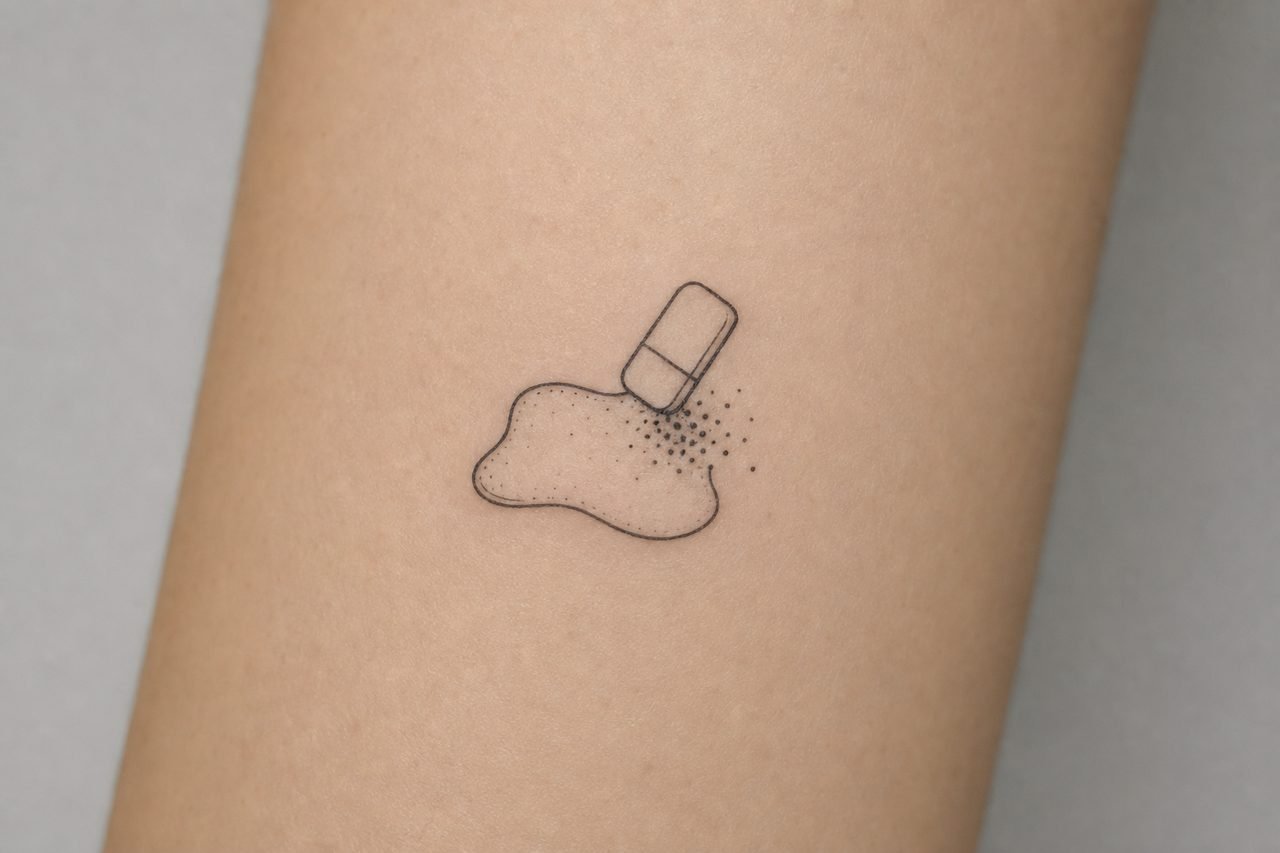
No, you cannot fully remove a permanent tattoo at home. The ink sits in the dermis, below the epidermis that naturally sheds, and no cream, scrub, or home device reaches deep enough to break it down. Some methods can fade the surface slightly or damage the skin, but complete removal requires professional laser treatment. This guide covers what home options actually do, the risks involved, and how to think about the real costs and outcomes.
Why Tattoos Stay Permanent
Tattoo needles deposit ink into the dermis, the second layer of skin. Your immune system immediately recognizes the pigment particles as foreign objects and sends macrophages to engulf them. But the particles are too large for these cells to carry away. Instead, the macrophages hold the ink in place, which is why the image remains visible for decades. Fading happens slowly over years because some ink particles do migrate to lymph nodes, and sun exposure degrades the pigment gradually. Surface skin cells die and flake off constantly, but they never take the dermis-level ink with them.
The Depth Problem
Any home method that only affects the epidermis, scrubs, acids, peels, cannot reach the embedded ink. At best, these approaches might create mild irritation that makes the tattoo appear slightly duller temporarily. At worst, they cause scarring, hyperpigmentation, or infection without meaningful ink reduction. Understanding this depth barrier explains why so many DIY methods fail.
Home Methods People Try and What Happens
Plenty of products and techniques circulate online, each with different levels of risk and ineffectiveness.
- Tattoo removal creams: These typically contain acids, bleaching agents, or plant extracts marketed as drawing out ink. No cream has been proven to penetrate to the dermis and break down tattoo pigment. Most cause chemical burns or skin lightening around the tattoo without affecting the ink itself.
- Salt or salabrasion: Rubbing salt aggressively into skin to abrade the surface and draw out ink. This causes significant pain, open wounds, and high infection risk. Any visible fading comes from damaging the skin so severely that scar tissue forms, sometimes creating a raised, discolored patch where the tattoo used to be.
- Lemon juice and other acids: Citric acid, glycolic acid, and similar substances exfoliate the epidermis but do not reach tattoo ink. Repeated application causes photosensitivity, chemical burns, and uneven skin tone.
- Dermabrasion devices: Home microdermabrasion kits remove dead skin cells for cosmetic smoothing. They do not penetrate deeply enough to affect tattoo pigment. Aggressive use causes irritation and broken capillaries.
- DIY tattoo guns to “tattoo over” with skin-colored ink: This rarely matches skin tone and often results in a muddy, grayish patch. The new ink does not conceal the old; it mixes with it.
The Scarring Trade-Off
Some aggressive home methods can make a tattoo less visible, but through destruction, not removal. Scar tissue forms without melanin or with excess melanin, creating a different kind of permanent mark. Many people who attempt DIY removal end up with both residual ink and scarring, making subsequent professional treatment harder because laser energy scatters differently in scarred tissue.
Professional Laser Removal: How It Actually Works
Q-switched and picosecond lasers deliver concentrated light energy in extremely short pulses. The light passes through the epidermis and is absorbed by specific ink colors. This absorption shatters the large pigment particles into smaller fragments that macrophages can finally process and carry away through the lymphatic system. Multiple sessions are required because each treatment only breaks down a fraction of the ink, and the skin needs healing time between sessions.
What Affects Success Rates
- Ink color: Black and dark blue absorb laser energy most efficiently. Greens, yellows, and light colors often require specific wavelengths and more sessions.
- Tattoo age: Older tattoos have already experienced some natural fading and immune response, sometimes making them easier to remove.
- Depth and density: Heavy blackwork or deeply saturated tribal pieces require more sessions than light, single-pass linework.
- Skin type: Darker skin carries higher risk of hypopigmentation (light spots) because the laser can also affect melanin. Experienced practitioners adjust wavelengths and energy levels accordingly.
- Location: Tattoos on areas with better circulation (torso, upper arms) often fade faster than those on extremities with slower lymphatic drainage (ankles, wrists, fingers).
Cost, Pain, and Timeline Reality
Professional laser removal is expensive and time-intensive. Small tattoos might need 6-10 sessions; large or complex pieces can require 15 or more. Sessions are typically spaced 6-8 weeks apart to allow complete healing. Pricing varies widely by region and practitioner, but expect hundreds to thousands of dollars total, often more than the original tattoo cost.
Pain and Healing
Laser removal hurts. Most describe it as similar to hot rubber bands snapping against skin, or grease splatter, sharper than tattooing because the energy penetrates differently. Numbing creams help somewhat but do not eliminate sensation. After each session, the area blisters, scabs, and peels over 1-2 weeks. Proper aftercare matters: keep it clean, avoid sun exposure, do not pick scabs, and follow your provider’s specific instructions. Infection or poor healing can cause scarring that complicates future sessions.
Cover-Up as Alternative Strategy
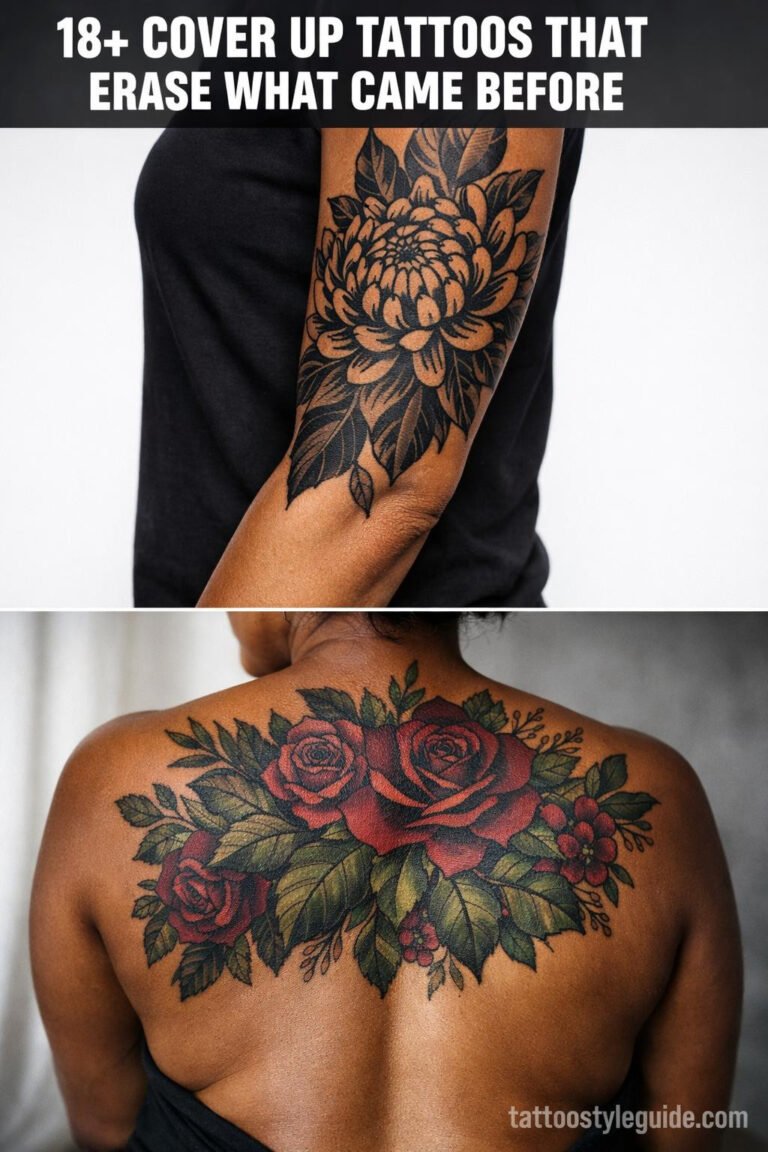
For tattoos that are poorly placed, outdated, or no longer wanted, covering with a new design often makes more sense than removal. A skilled artist can incorporate old lines into new imagery, use darker or more saturated colors to obscure previous work, or redesign the composition entirely. Laser fading, sometimes called “lightening” rather than full removal, can prepare a canvas for cover-up without the cost and sessions of complete removal. Even 2-3 laser sessions to break up dense black areas gives an artist much more flexibility.
When Cover-Up Works Best
- The existing tattoo is faded or thin-lined already
- You want a larger, darker design in the same general area
- The original lacks heavy black saturation or scar tissue
- You consult an artist experienced specifically in cover-up work, which requires different design thinking than fresh skin
Key Takeaways
Complete tattoo removal at home is not possible with current methods. Creams, scrubs, acids, and abrasion affect only surface skin and risk permanent damage without ink reduction. Professional laser removal works by shattering pigment particles so your immune system can clear them, but it requires significant time, money, and tolerance for discomfort. Cover-up or partial lightening often provides a more practical path forward. If you are considering removal, consultations with reputable laser clinics and experienced cover-up artists give you real information about your specific tattoo, skin type, and options. Avoid anyone promising fast, cheap, or painless complete removal, those promises target frustration, not physics.
Frequently Asked Questions
Does tattoo removal cream work at all?
No. No topical cream has been proven to penetrate to the dermis where tattoo ink resides. Most contain acids or bleaching agents that only irritate or damage surface skin without affecting the actual pigment.
How long does professional laser removal take?
Most tattoos need 6-15 sessions spaced 6-8 weeks apart, so the full process typically spans 1-2 years. Size, color, density, and your body’s immune response all affect the timeline.
Can I partially fade a tattoo at home to make cover-up easier?
Not safely. Home methods that cause enough damage to visibly fade ink usually create scar tissue, which makes professional cover-up harder. Controlled lightening by a laser specialist is the safer route.
Is laser removal more painful than getting the tattoo?
Most people find it more painful due to the different type of energy involved, though sessions are much shorter than tattoo appointments. Numbing creams and cooling devices help manage discomfort.
Related Tattoo Guides
- How to Remove Saniderm From a Tattoo: A Complete Guide
- How to Soothe an Itchy Tattoo: A Complete Aftercare Guide
- How to Tattoo Step by Step: A Complete Guide
- Explore more