Laser tattoo removal hurts more than getting the tattoo, but less than most people fear. The sensation is a rapid, sharp snap, like a rubber band hitting sunburned skin, or hot grease popping from a pan. Each pulse lasts milliseconds. A single session ranges from ten to thirty minutes depending on the tattoo size. Most people complete removal; they do not quit because of pain. What matters more is managing expectations about the cumulative experience: multiple sessions spaced weeks apart, the changing sensation as ink fades, and how your specific tattoo and body handle the process.
What the Pain Actually Feels Like
The First Session vs. Later Sessions
The first session typically hurts most. Your skin is intact, the ink is dense, and the laser requires higher energy to shatter the pigment. By session three or four, the remaining ink absorbs less energy, and technicians often lower settings. Paradoxically, this can mean less pain, not more, as you progress. Many people describe session one as a seven or eight out of ten, with later sessions dropping to a four or six.
Black ink on pale skin hurts sharply but briefly. Color inks, especially green, blue, and yellow, sometimes require different wavelengths that penetrate deeper or feel more diffuse. The laser type matters: Q-switched lasers deliver faster pulses that feel snappier; picosecond lasers spread energy across shorter durations, which many describe as less intensely painful per pulse.
Where It Hurts Most
- Ribs and sternum: Thin skin over bone amplifies every pulse. Breathing motion during treatment adds discomfort.
- Ankles, wrists, fingers, toes: Dense nerve endings, minimal fat padding, and proximity to bone create concentrated pain.
- Inner arm near armpit, back of knee: Sensitive skin with many nerve endings.
- Upper arm, outer thigh, calf: More muscle and fat padding; generally more tolerable.
- Older tattoos with blowout: Ink spread into deeper dermis requires more passes, extending session time.
What Happens During a Session
Arrive with clean skin, no numbing cream unless your technician approved it, some creams alter skin texture and light absorption, causing burns or uneven treatment. The technician applies a cold air device or ice pack before starting. You wear protective eyewear. The laser handpiece moves methodically across the tattoo. Each pulse covers a spot roughly the size of a pencil eraser or quarter, depending on the machine.
Most technicians work in grids, completing one section before moving to the next. You feel each pulse distinctly. The area reddens immediately; small white bubbles called “frosting” appear on the skin surface, this is water vaporizing from rapid heating, not the ink leaving. It fades within minutes. Afterward, the skin feels like a bad sunburn: hot, tight, throbbing. This peaks around two to four hours post-session, then dulls to soreness for one to three days.
Pain Management: What Actually Helps
Before the Session
- Stay hydrated. Dehydrated skin conducts heat differently and heals slower.
- Avoid alcohol for 24 hours. It thins blood and increases sensitivity.
- Eat a solid meal. Low blood sugar amplifies pain perception.
- Do not tan the area. Tanned skin burns more easily under laser.
During and After
Some clinics offer cooling devices, Zimmer cryogenic air chillers that blow freezing air concurrent with the laser pulse. This helps substantially. Numbing injections exist but are uncommon; they distort the skin surface and most technicians avoid them. Oral pain relievers like acetaminophen before session are generally acceptable; avoid aspirin or ibuprofen since they increase bleeding risk.
After session, cold packs in fifteen-minute intervals reduce inflammation. Raise the area if possible. Loose clothing prevents friction. The next day, switch to gentle moisturizer, unscented lotion or recommended aftercare ointment. Do not ice continuously; it damages healing tissue.
Healing Between Sessions: The Hidden Discomfort
Session pain is brief. The real grind is the healing cycle repeated every six to eight weeks. Post-laser skin blisters occasionally, small, clear fluid pockets that look alarming but typically resolve unbroken. Do not pop them. Scabs form; picking them risks scarring and pulls ink fragments that the lymphatic system is still processing. The treated area itches intensely during week two. Scratching damages regenerating skin.
Swimming, hot tubs, and direct sun exposure are off-limits for two to four weeks. Sun exposure on healing skin causes hyperpigmentation, especially on darker skin tones. This restriction repeats for each of six to twelve sessions. The cumulative lifestyle adjustment, covering the area, planning around beach trips, explaining the healing patch to coworkers, bothers some people more than the physical pain.
Factors That Change Your Experience
Tattoo age matters significantly. Tattoos older than ten years have partially faded from natural immune activity; less ink means less laser energy required. Amateur tattoos with uneven depth often remove faster than professional work with saturated, consistent ink placement. Black and dark blue respond best. Reds and oranges respond moderately. Greens, yellows, and light blues often require more sessions with specialized wavelengths.
Skin tone affects both pain and outcome. Darker skin contains more melanin, which competes with ink for laser absorption. Technicians use lower energy settings to avoid hypopigmentation (light spots), meaning more sessions total. The sensation differs too, more diffuse heat, less sharp snap.
Smoking impairs removal. Nicotine constricts blood vessels; the immune system clears shattered ink particles through lymphatic and vascular channels. Smokers often need more sessions with less dramatic fading between each.
Cost and Commitment Reality
Full removal typically requires eight to twelve sessions, sometimes more for dense color work. Sessions range from roughly $200 for small pieces to $500+ for palm-sized or larger tattoos. Total cost often exceeds the original tattoo by multiples. Most reputable clinics do not guarantee complete removal, factors like ink composition (some brands are more stubborn) and individual immune response create variability. Fading to near-invisibility is achievable; absolute zero ink is less common than marketing suggests.
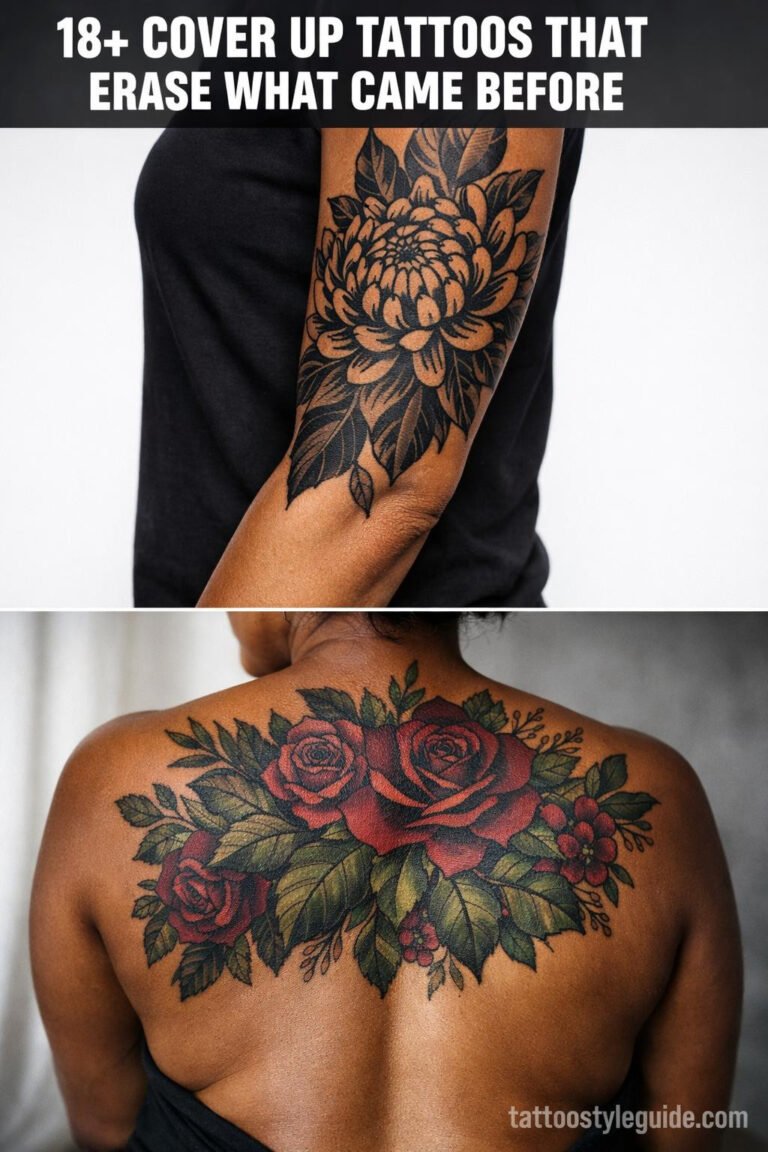
Partial removal for cover-up work is increasingly popular. Lightening a tattoo enough for a skilled artist to work over it requires fewer sessions, often three to five, and costs less. The pain is identical per session, but the finish line arrives sooner.
Key Takeaways
- Laser tattoo removal hurts more than application but is manageable and brief per session.
- First sessions typically hurt most; later sessions often decrease in intensity as ink density drops.
- Bony areas with thin skin hurt significantly more than fleshy, padded placements.
- Healing between sessions requires discipline: no sun, no picking, no swimming, repeated across months.
- Total commitment spans months to years, with costs usually exceeding the original tattoo substantially.
- Realistic expectations include significant fading rather than guaranteed complete disappearance.
- Your specific tattoo, skin, health habits, and technician skill collectively determine the experience more than any general prediction.
Frequently Asked Questions
Can I use numbing cream before laser tattoo removal?
Some people do, but you must clear it with your technician first. Certain creams alter how skin absorbs laser light and can cause burns or uneven treatment. Many clinics prefer you arrive with clean, product-free skin.
Why does my tattoo look worse right after the laser session?
The white “frosting” effect is water vaporizing from rapid heating, and the surrounding redness is normal inflammation. Both fade within hours to days. The ink has not disappeared yet, your immune system clears shattered particles over weeks.
Does laser removal hurt more on old tattoos or new ones?
Older tattoos often hurt less because natural fading has already reduced ink density. Fresh, saturated professional work requires more laser energy and typically feels more intense during treatment.
Can I get a new tattoo over the same spot after removal?
Yes, after complete healing and adequate fading. Many people pursue partial removal specifically to lighten an area for cover-up work. The skin must be fully recovered, usually several months after the final session, before new ink is applied.
Related Tattoo Guides
- How Long Is a Tattoo an Open Wound? Healing Timeline Aftercare
- Tattoo Needle Prices: What Artists Actually Pay
- How Much Are Tiny Tattoos? A Real Shop Guide to Pricing
- Explore more