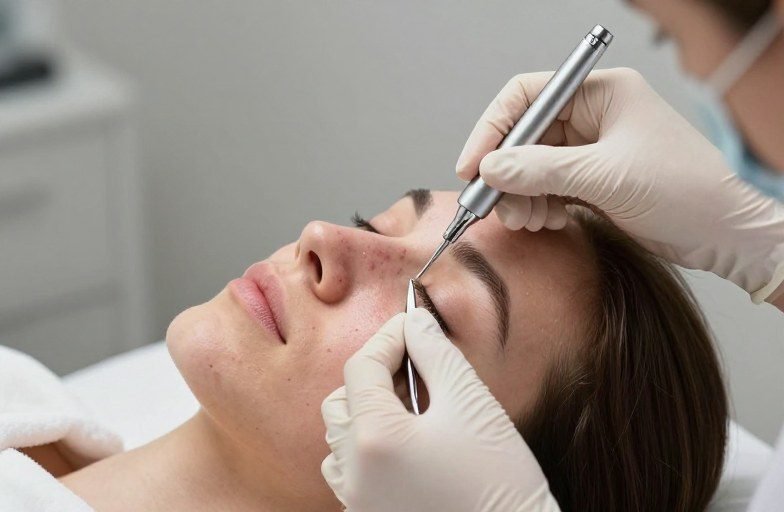
Tattoo pimples happen. They pop up during healing when pores clog from ointment, plasma, or sweat trapped under fresh ink. Most clear on their own in a few days. The trick is treating them without picking, over-washing, or drowning them in product.
Realistic Expectations
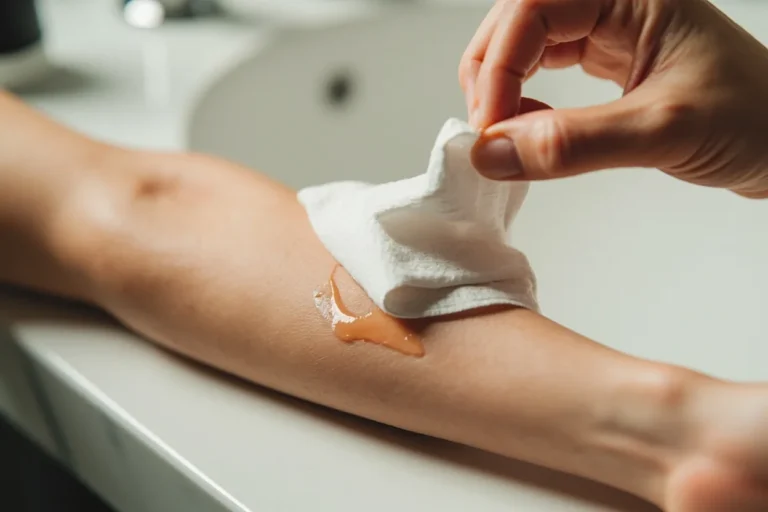
Fresh tattoos are essentially controlled wounds. Your skin ramps up oil production, lymph fluid leaks, and you’re likely slathering on aftercare balm. That combination creates prime conditions for small whiteheads or red bumps around and sometimes directly on the tattooed area.
Normal Versus Concerning Bumps
Small, flesh-colored or slightly red pimples with a white tip are usually harmless. They cluster around hair follicles or at the edges of the tattoo. What’s not normal: widespread angry redness, thick yellow discharge, hot skin, or red streaks radiating outward. Those patterns suggest infection, not simple acne.
- Normal tattoo pimples: small, localized, no spreading redness
- Red flag symptoms: fever, increasing pain, foul odor, skin that feels hard or hot
- Location matters: bumps on the tattoo itself carry more risk than edge-adjacent ones
Pimples, Folliculitis, and Allergic Bumps: Telling Them Apart
Not every bump on a healing tattoo is a standard pimple. Three distinct conditions produce similar-looking results but require different responses. Misidentifying them leads to the wrong treatment and occasionally makes things worse.
Standard Healing Pimples
These are the most common. They form when aftercare product, plasma, or dead skin cells clog a pore. They look like ordinary acne: a small raised bump, sometimes with a whitehead, usually isolated to one or two spots. They appear within the first week or two, don’t spread, and resolve on their own within a few days once the skin isn’t being bombarded with ointment. They’re not tender to touch beyond normal healing sensitivity, and the skin around them looks relatively calm. The fix is switching to a lighter moisturizer and leaving them alone.
Folliculitis
Folliculitis is inflammation of the hair follicle itself, usually caused by bacteria getting into the follicle during tattooing or the healing process. It appears specifically in areas with body hair, because that’s where hair follicles are. You’ll notice it as a ring of small red bumps arranged around individual hairs rather than distributed randomly across the skin. Each bump is centered on a follicle. The bumps may have a tiny yellow or white head at the base of the hair shaft. Folliculitis can appear on tattooed areas like the forearm, calf, chest, and stomach, anywhere hair follicles got needled through. It’s more uncomfortable than standard pimples, often feels itchy or mildly tender, and doesn’t resolve as quickly. Mild cases respond to keeping the area clean and dry. Persistent or spreading folliculitis may need a topical antibiotic prescribed by a doctor, not something you manage with regular aftercare products.
Allergic Reaction Bumps
Allergic bumps behave differently from both pimples and folliculitis. They distribute across the entire tattooed area rather than appearing at isolated spots or follicles. The whole tattoo may look raised, feel itchy, and develop a texture of small uniform bumps under the surface. Crucially, allergic reactions are often color-specific. Red and yellow inks are the most common triggers, and the reaction may only appear over those specific ink colors while the black or blue sections look completely fine. If one section of a multi-color tattoo looks irritated and bumpy while adjacent sections heal normally, that pattern strongly suggests a reaction to a specific pigment rather than a general healing issue. Allergic reactions don’t resolve with better aftercare, they require a medical evaluation. Some cases settle with antihistamines; others require steroid cream or, in rare cases, the ink being removed.
Why the Distinction Matters
Standard pimples need less product and more patience. Folliculitis may need antibiotics. Allergic reactions need antihistamines or steroids, and switching moisturizers won’t help at all. Treating an allergic reaction like a pimple means weeks of ineffective care while the inflammation persists. Treating folliculitis like a standard pimple means the bacterial infection continues spreading. Getting the identification right early saves time, skin, and the tattoo itself.
Why They Show Up
Petroleum-heavy aftercare products suffocate pores. Over-application is the usual culprit. Your artist probably gave you a thin-layer instruction; most people lay it on thicker than needed. Friction from clothing, especially on back pieces or rib work, adds mechanical irritation. Hormonal timing, stress, and even switching laundry detergents mid-heal can contribute.
Tips From the Chair
Working artists see this constantly. The best approach blends restraint with consistency.
Product Choices
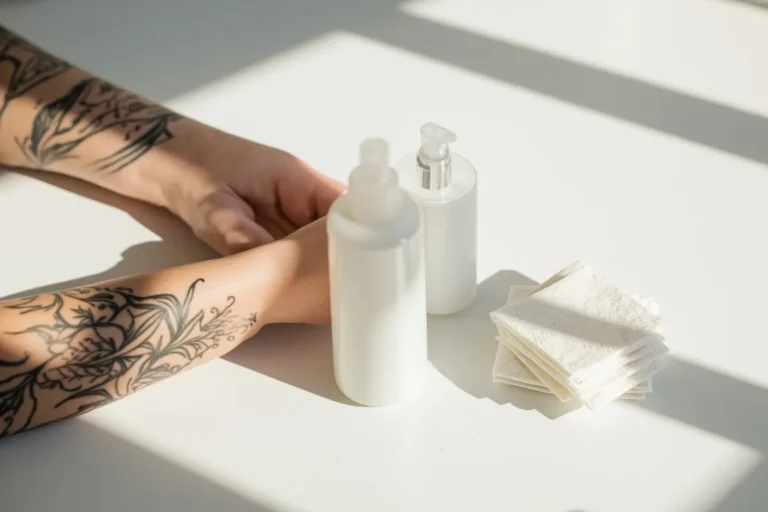
Switch to a lighter aftercare option if you’re greasing up. Many artists now recommend fragrance-free moisturizers over traditional balms for clients prone to breakouts. A thin, breathable layer beats a shiny coating. If your current routine involves reapplying six times daily, cut back. Two to three light applications usually suffice after the first couple days.
Hands Off, Really
Popping a pimple on fresh ink can push bacteria toward the wound, introduce pigment loss, and create a scar that the tattoo needle already passed through. That last point matters: tattooed skin has compromised integrity, so damage heals differently than untouched skin. Whiteheads that rupture on their own during washing are one thing; deliberate squeezing is another.
- Pat, never rub, when drying the area
- Wash with clean hands only, not washcloths or loofahs
- Keep sheets, phone screens, and gym equipment clean during healing
What to Expect Step by Step
Day one through three, you might not see any bumps at all. The tattoo weeps plasma and ink; pores haven’t clogged yet. Around days four to seven, as scabbing begins and aftercare continues, pimples commonly emerge.
The First Week
Continue gentle washing twice daily with unscented soap. If pimples appear, spot-treat surrounding skin cautiously. A tiny dab of diluted tea tree oil on a cotton swab, applied only to the pimple itself and not the tattoo, helps some people. Others react to tea tree; discontinue if redness spreads. Never use acne pads, benzoyl peroxide, or salicylic acid directly on fresh ink. These chemicals strip healing tissue and can pull pigment.
Week Two and Beyond
By now the surface has usually closed. Light exfoliation becomes possible, but manual scrubs are too aggressive. If pimples persist, a warm compress on the bump, not the tattoo, can encourage drainage. The tattoo itself should be past the flaky stage; if it’s still peeling heavily, hold off on any treatment beyond basic care.
Healing Timeline
Surface healing runs about two to three weeks for most pieces. Deep healing continues for two to three months. Pimples that appear during surface healing resolve fastest because the skin is still actively turning over. Bumps that show up later, after the tattoo seems settled, often trace to external factors: new sunscreen, tighter clothing, or resumed workouts.
How Ink Ages Through Breakouts
Repeated pimples in the same spot, especially if picked at, can create subtle texture changes. The tattoo won’t “fall out” from one or two blemishes, but chronic irritation in a small area may leave slightly lighter pigment or raised scar tissue. Line work generally weathers this better than soft shading, which relies on smooth skin surface to read correctly. A solid black line can hide minor texture; a delicate watercolor gradient cannot.
When to See a Professional
Contact your tattoo artist first for anything ambiguous. They know their ink, their application, and what their healed work typically looks like. A quick photo text saves guesswork. Go to a clinic for spreading redness, fever, or pus that returns after wiping.
Artist Versus Doctor
Artists handle aftercare questions, touch-up scheduling, and pigment concerns. Medical professionals handle infection, allergic reactions, and anything requiring prescription treatment. There’s overlap, but neither replaces the other. If an artist suggests a product that makes your skin worse, that’s feedback worth sharing, they may adjust their standard recommendation.
Cost Factors
Most tattoo pimples cost nothing beyond your regular aftercare supplies. If you need to switch products, a quality fragrance-free moisturizer runs under ten dollars. The real potential cost is a touch-up if healing goes poorly.
Touch-Up Realities
Many artists include one free touch-up within six months to a year. Policy varies by shop and by how much of the issue was client-side. Damage from picking or using wrong products sometimes falls outside that courtesy. A small spot fix might take fifteen minutes; larger areas needing rework could mean a half-session charge. Prevention is cheaper.
- Good aftercare: $5, $15 in product
- Touch-up session: often free, potentially $50, $200 depending on size
- Medical visit for infection: varies by insurance and severity
Before You Decide
Tattoo pimples are a nuisance, not a disaster. The decisions that matter are small and early: how much ointment, how often to wash, whether to touch that whitehead. Most people who’ve had multiple tattoos develop a feel for their skin’s quirks, some always break out on the upper arm, others never do. Plan your aftercare around your tendencies, not a generic instruction sheet. If you’re acne-prone generally, mention it during consultation. An experienced artist can adjust placement or aftercare advice to minimize trouble. Your healed tattoo’s clarity depends more on these quiet choices than on dramatic interventions.
Frequently Asked Questions
Can I put acne medication on a pimple that’s directly on my tattoo?
No. Benzoyl peroxide, salicylic acid, and retinoids will irritate healing tissue and can pull fresh pigment. Wait until the tattoo is fully healed, or apply only to skin well outside the tattooed area.
Will a pimple ruin the tattoo ink underneath it?
A single pimple that heals without picking usually won’t affect the ink. Repeated breakouts in the same spot, or any that get picked at, can cause subtle lightening or scarring that distorts the design.
How do I tell if it’s a pimple or an infection?
Pimples are small, localized, and often have a white head. Infection spreads, redness expands, skin feels hot, pain increases over time, and you may see thick yellow-green discharge or feel feverish.
Should I stop moisturizing if I get pimples during healing?
Don’t stop entirely. Switch to a thinner, lighter moisturizer and apply less of it. A barely-there layer that absorbs quickly is better than a shiny coating that suffocates pores.
Related Tattoo Guides
- Should You Moisturize Tattoo Scabs? A Healing Guide
- What to Put on a Tattoo to Heal: A Practical Guide
- When Does a Tattoo Fully Heal? A Realistic Timeline
- Explore more