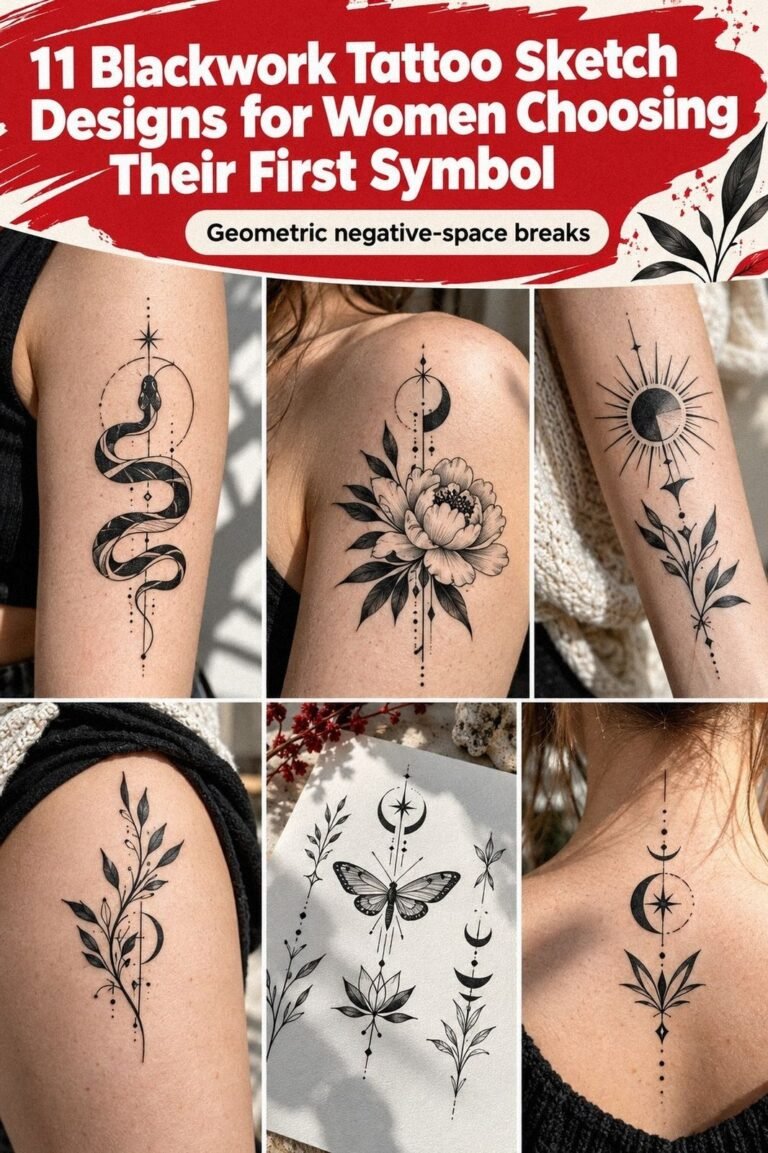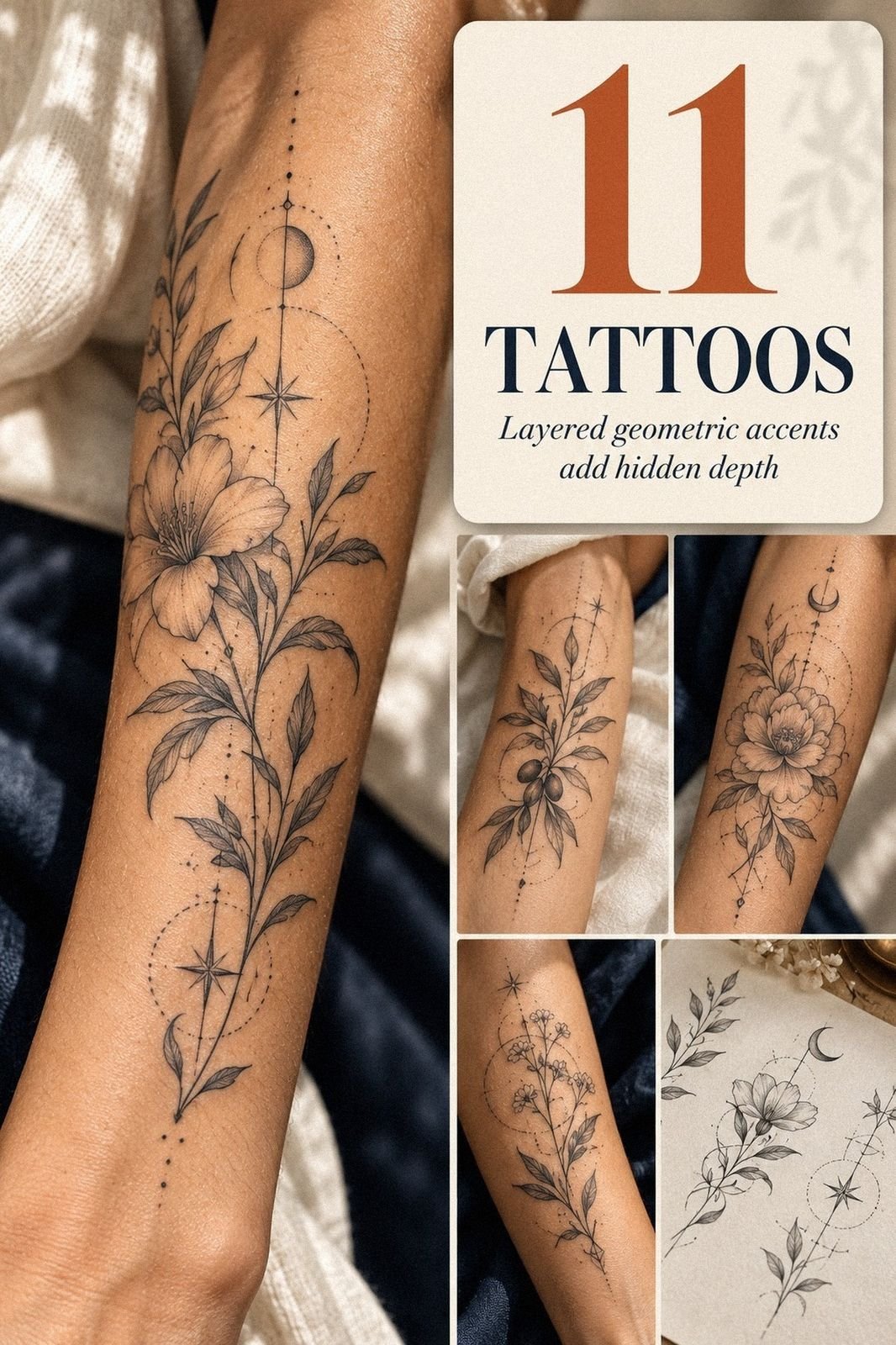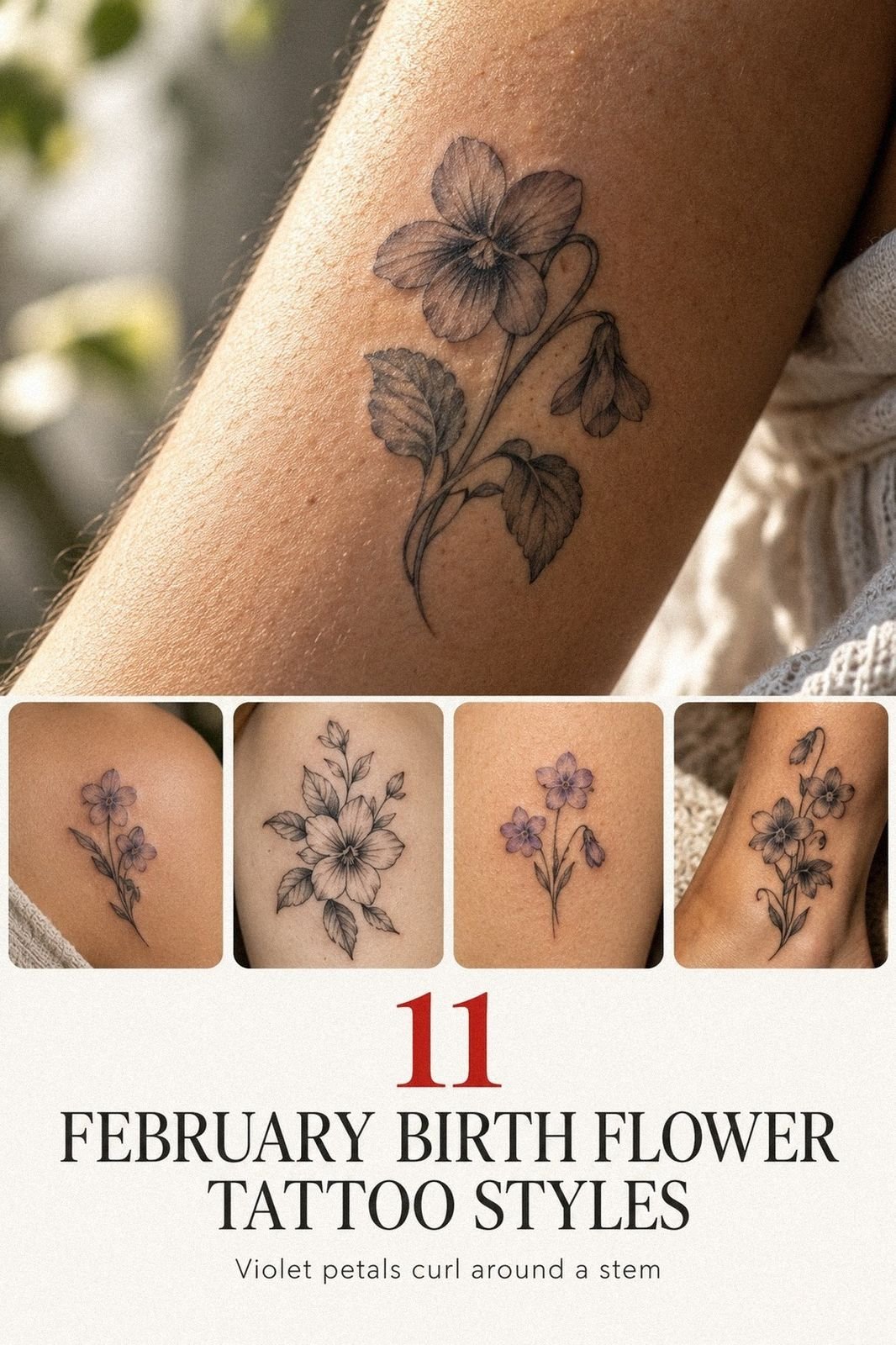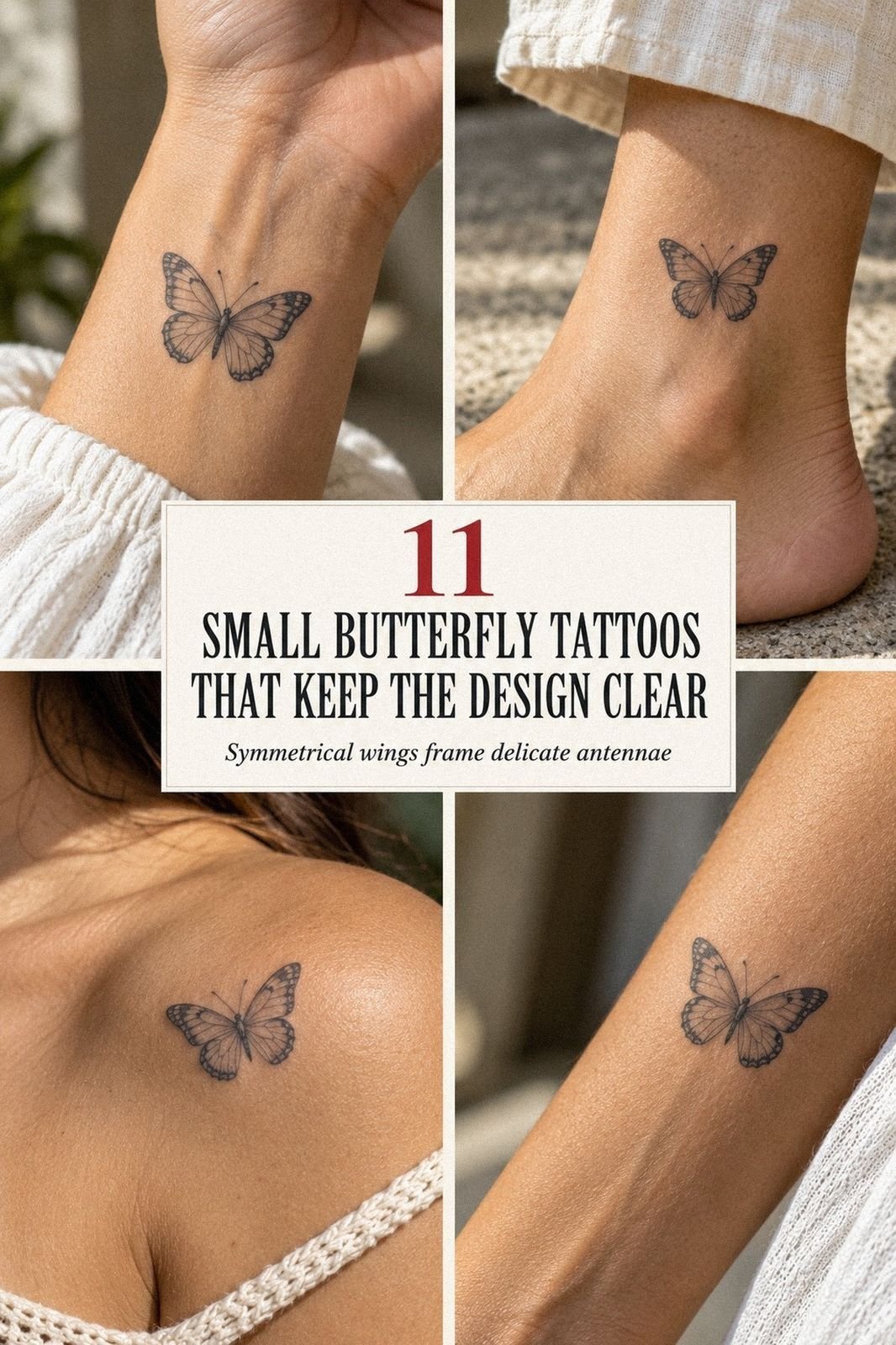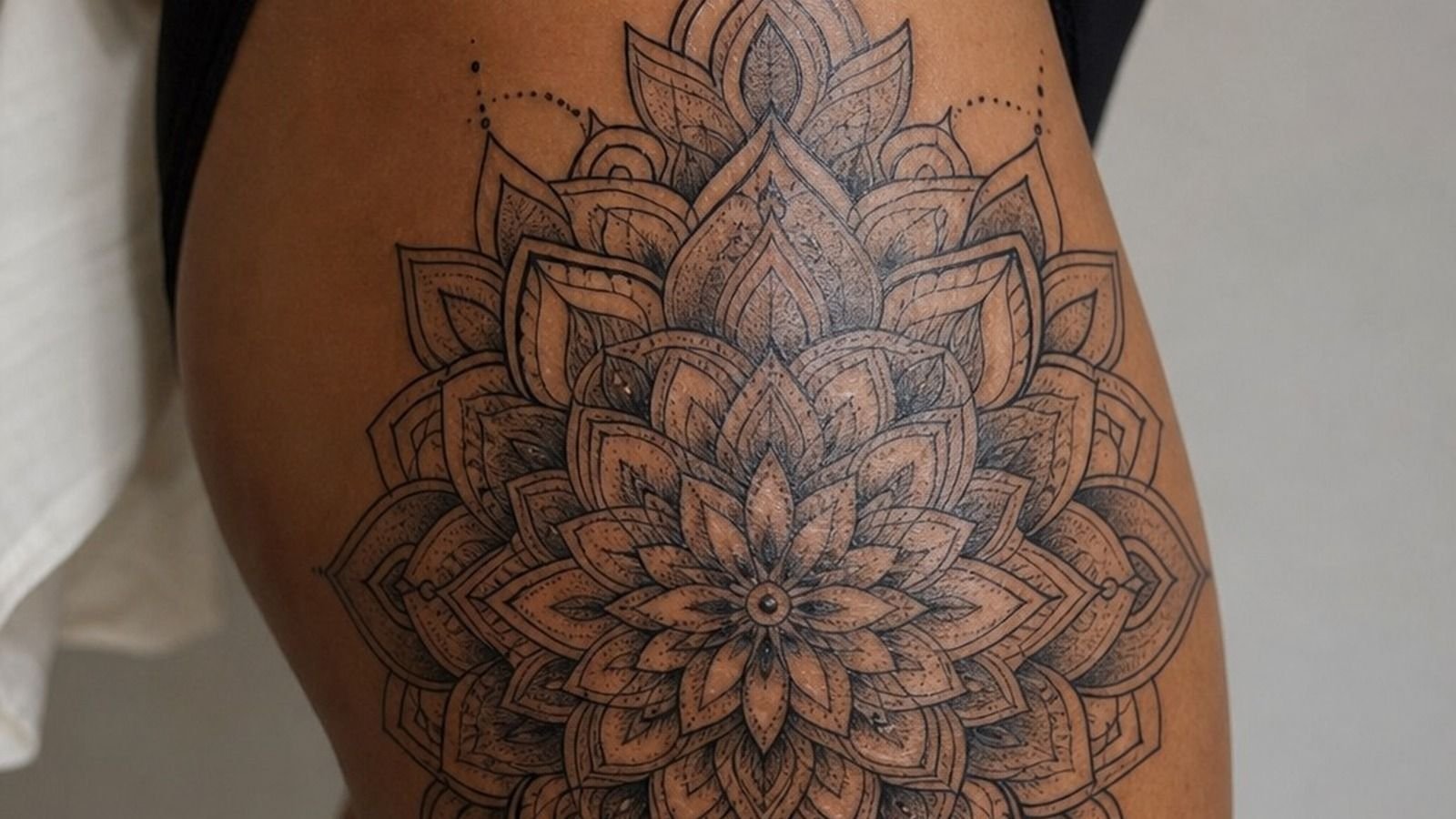
I’m Hazel, and I’ll say it straight: a mandala tattoo can look absolutely stunning, or it can turn into a fuzzy little soup way faster than you expected. The difference is rarely “finding the prettiest Pinterest photo.” It’s size, placement, line weight, contrast, and picking an artist who can pull crispy circles without chewing up your skin.
A mandala is built from repeating geometry, petals, dots, and symmetry. That makes it personal, calming, and visually powerful.
It also means every tiny mistake shows. If you want one that still reads clean ten years from now, give it room to breathe.
Start With the Meaning You Want to Carry
A mandala traditionally represents wholeness, balance, cycles, and connection. Some people choose one after a big life shift. Others just love the symmetry and want a bold decorative piece that feels centered on the body.
You don’t need a dramatic backstory to earn a tattoo. A clean ornamental mandala can be enough.
But knowing what you want it to feel like helps your artist shape it. Soft and spiritual reads differently from dark, graphic, and high-contrast.
I usually ask clients whether they want the tattoo to feel delicate, protective, romantic, grounded, or powerful. That answer matters more than copying somebody else’s exact stencil.
If you’re choosing your first piece, start with our guide to first tattoo ideas. It’ll help you separate a passing mood from a design you’ll still want on your skin later.
Why Does Mandala Tattoo Placement Matter So Much?
Because circles need space. A mandala shoved onto a tiny wrist or crowded into a finger is gonna lose its clean geometry. Skin moves, bends, stretches, and takes sun.
Your tattoo needs a placement that supports the design instead of fighting it.
The outer forearm, upper arm, thigh, calf, and upper back are solid choices. They’re low-wear zones, give the artist enough flat skin, and let the pattern read from across the room.
The sternum is gorgeous for a symmetrical mandala, but it’s spicy. The ribs can look incredible too, though the pain and breathing make it harder to sit still. Tap out for five rather than pass out on me.
Here’s the honest placement breakdown:
That tiny detailed mandala you saved for your wrist? I’d probably tell you, “That size on a wrist is gonna mush out. Bump it up the forearm so it breathes and ages nicer.”
For more body-placement reality checks, read where tattoos hurt the most before booking.
Fine Line Against Blackwork: Pick Your Lane
A fine line mandala can look soft, feminine, and almost lace-like. It works beautifully when the artist understands spacing and uses intentional line variation. It does not work when every petal is packed with microscopic detail for no reason.
Blackwork mandalas use stronger outlines, solid black fills, and heavier contrast. They’re bolder, more graphic, and usually hold up better over time.
Black is your best friend for longevity. Color is spice.
A middle ground is often my favorite: fine line geometry with selected black petals, dotwork shadows, and enough negative space to keep the design airy. You get the elegant look without gambling on every tiny mark staying sharp.
If you love ultra-thin work, compare it with single needle tattoo ideas before committing. Fine line is beautiful, but it isn’t magic. It still needs structure.
Add a Lotus, Moon, or Flower With Purpose
A plain mandala is classic. Adding one central symbol can make it feel more yours without making it cluttered.
A lotus inside a mandala often signals growth, resilience, and coming through messy seasons. A moon gives it a softer, cyclical feel.
A sun pushes it warmer and more energized. A butterfly can work, but only if you leave enough open skin around the wings and mandala edges.
For botanical work, I like using flowers that match the scale of the circle. A tiny peony, rose, or birth flower can sit below the mandala as a clean anchor.
Don’t cram six flowers, three moons, and a quote into one 4-inch tattoo. That’s how a good idea gets chewed up.
If flowers are your thing, these floral tattoo ideas will help you build a cleaner reference board.
Build a Sleeve That Has Actual Flow
A mandala can be a beautiful sleeve centerpiece, but it shouldn’t float alone like a sticker in the middle of your arm. Let the design follow the body.
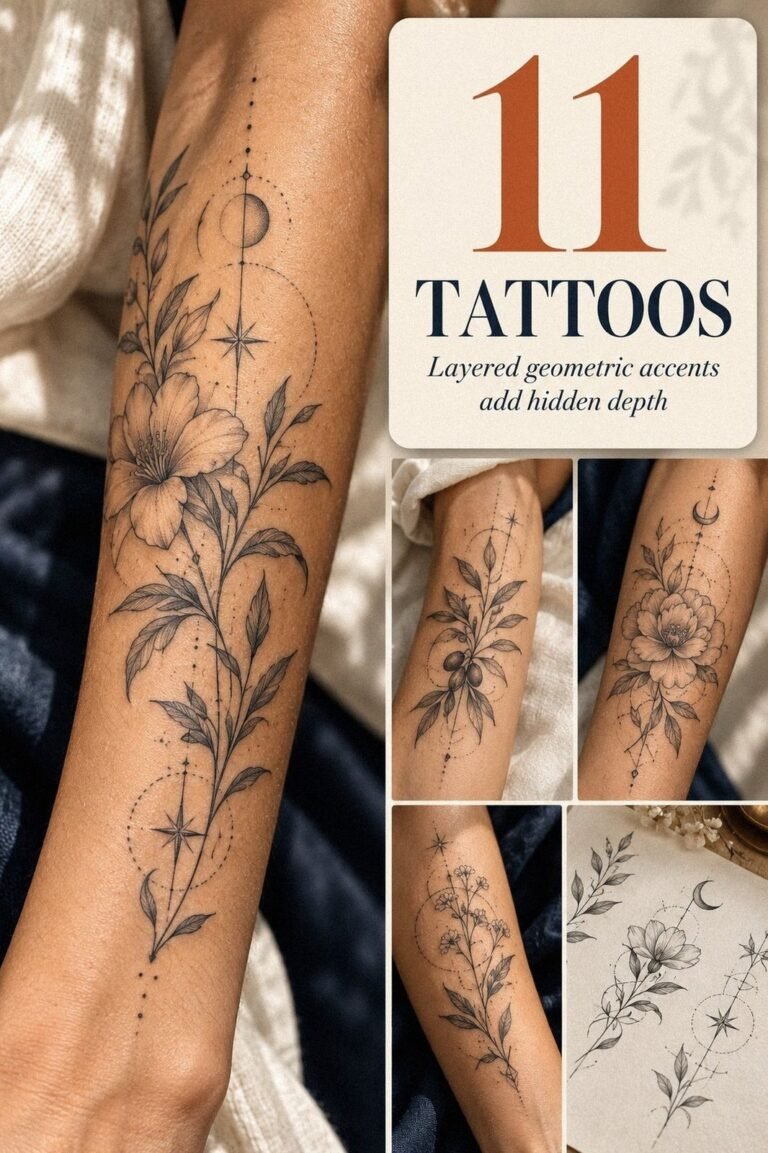
On an outer arm, a larger mandala can sit near the shoulder cap, with leaves, ornamental chains, or smaller geometry traveling down the arm. On the forearm, I’d use the circle as a focal point, then soften the edges with dotwork or botanical shapes.
A full sleeve needs breathing room. The empty skin is part of the tattoo.
It gives the black areas contrast and keeps the whole thing readable. If every gap is filled with dots, stars, and tiny leaves, your sleeve starts looking busy instead of intentional.
A well-planned sleeve is worth the budget because it avoids expensive cover-up work later. Check tattoo sleeve ideas for layout inspiration, then let your artist redraw it for your arm.
Sacred Geometry Needs Crisp, Confident Lines
Mandala work lives or dies on linework. A circle should look like a circle.
Repeating petals should match. The center should sit where it belongs.
That takes a steady hand, stencil planning, and one clean pull, not ten fuzzy ones. Ask to see healed examples of the artist’s geometric tattoos, not only fresh photos under bright studio lights.
Fresh ink looks sharp on almost everybody. Healed work tells you whether their lines stay clean.
A good artist will adjust the pattern for your body. Skin isn’t paper. A perfect flat design may need slight changes on a calf, elbow, or shoulder so it looks balanced once you move.
If you’re unsure what to ask at a consultation, use how to choose a tattoo artist. It’ll save you from booking somebody whose portfolio is all filters and no solid healed tattoos.
What Size Is Actually Worth It?
For a detailed mandala, I usually recommend at least 4 inches across. Six inches is even better if you want layered petals, dotwork, and small ornamental details.
You can absolutely get a 2-inch mandala, but simplify it. Use fewer rings. Use wider gaps.
Skip the tiny micro-details that look cute for a month and blur together as skin naturally changes.
Here’s the no-bullshit version: a larger tattoo costs more upfront, but it often gives better value. It stays readable, needs fewer touch-ups, and doesn’t force you into a cover-up five years later.
A small mandala tattoo is worth it when the design is clean and graphic. A large mandala tattoo is worth it when you want complexity, symbolism, and long-term visual impact. Your budget should follow the design, not the other way around.
For more scaled-down options, see small tattoo ideas.
Dotwork Can Keep the Design Soft
Dotwork is great for mandalas because it creates depth without turning every inch into hard black. I use pepper shading and stippling to make inner rings feel soft, almost velvety, while leaving the outer structure strong.
The key is contrast. If everything is pale grey dots, the tattoo can heal flat. I’ll usually push a few darker black areas so the mandala reads clearly from a normal distance.
Dotwork takes patience. It can also take longer than clients expect, especially if the artist is building smooth gradients by hand. Don’t choose the cheapest quote just because the design “is only black ink.” Time is still time.
If you like that airy finish, pair your reference board with black and grey tattoo ideas.
Bring references. Bring ten if you need to. I love seeing the shape, mood, line density, and placement you’re drawn to.
But don’t ask an artist to trace another person’s tattoo exactly. That’s not custom work, and it’s a red flag when an artist says yes without changing anything. References are for vibe, not a copy-and-paste job.
Tell your artist what you like about each image: “I like this wide outer ring,” “I want this amount of black,” “I want it soft but still bold,” or “I need it to flow with my existing floral piece.” Those are useful directions.
A custom tattoo costs more than flash because drawing time is part of the price. It’s usually better value for a mandala since the artist can fit the geometry to your skin and existing ink.
How Much Does a Mandala Tattoo Cost?
Most U.S. tattoo artists charge around $100 to $250 per hour, depending on experience, city, demand, and studio. High-demand specialists may charge more. A shop minimum is often $100 to $200, even for a tiny piece.
A simple small mandala may take one to two hours. A detailed sternum piece, thigh panel, or sleeve centerpiece can take four to eight hours. A full ornamental sleeve can stretch over multiple appointments.
A lower quote isn’t automatically a bargain. If the artist rushes, overworks the skin, or can’t make a clean stencil, you’ll pay for it later. Good tattoo work is an investment in your skin, not a place to chase a discount.
Read how much tattoos cost before you decide what your budget can realistically handle.
Mandala Tattoos for the Sternum Need Patience
Sternum mandalas are some of the prettiest tattoos I get asked for. They can frame the chest beautifully and create that balanced, centered look people love.
They’re also not chill. The skin over the breastbone is thin, your body moves with every breath, and detailed linework can feel sharp. Lines feel sharper, shading is a dull burn, and color packing is the spiciest part.
Wear loose clothing to the appointment. Eat a real meal.
Bring water and a sugary snack. If you need a break, say it early. Nobody gets a medal for suffering silently.
Because bra bands and tight tops rub this area, the aftercare matters. Choose soft, clean clothing and give the tattoo room to heal. Our sternum tattoo ideas page has more placement-specific inspiration.
Keep the Details Bold Enough to Hold
“Bold will hold” isn’t just an old tattoo saying. It’s basic physics and skin behavior. Ink spreads slightly over years.
Fine gaps close. Tiny dots soften. Dark shapes stay visible longer.
That doesn’t mean every mandala needs thick traditional outlines. It means the design needs intentional spacing. A skilled fine line artist can make something delicate that ages cute on you, but they’ll know when to remove a row of petals or enlarge a gap.
Avoid super-tiny text inside a mandala. Avoid packing an entire galaxy into a one-inch circle.
Avoid demanding every reference detail at half the size. Let the tattoo breathe.
If you want words with your design, look at meaningful tattoo ideas for ways to keep lettering readable.
Black Ink Versus Color Accents
Most mandalas look strongest in black ink. The contrast is clean, versatile, and reliable over time. It works with nearly every skin tone and gives the geometry a strong foundation.
A touch of red ink, muted blue, or warm gold-inspired yellow can be beautiful, but use color as an accent. Color packing can irritate the skin more, and light colors may need maintenance depending on your skin tone, sun exposure, and placement.
If you want a watercolor effect, anchor it with line. Watercolor without structure can fade into a soft blur. A crisp black mandala with a restrained wash of color is usually the better long-term value.
For color placement ideas, visit red ink tattoo ideas. Just make sure your artist discusses pigment choices and patch testing if you’ve had sensitive-skin issues.
Can a Mandala Cover an Old Tattoo?
Sometimes. Mandalas are excellent cover-up tools because they have dense black areas, layered geometry, and a shape that can distract from old lines. But they aren’t a magic eraser.
A cover-up must be larger and darker than the old tattoo. If your existing ink is very saturated, your artist may recommend laser sessions first. That can feel frustrating, but it may give you a far cleaner final result.
Don’t expect a delicate fine line mandala to cover a dark old name or heavy black tribal work. You’ll need blackwork, strong contrast, and a realistic plan.
Bring clear photos of the old tattoo to your consultation. A trustworthy artist will tell you what’s possible, what isn’t, and whether the cost is worth it.
Heal It Like the Open Wound It Is
First few days, it’s an open wound. Treat it like that.
Wash gently with unscented soap, pat it dry with a clean paper towel, and use a thin layer of the aftercare product your artist recommends. Don’t suffocate it under a thick layer of ointment.
After a few days, it may peel like a sunburn. Don’t pick the flakes or you’ll pull color out.
Don’t soak it in a pool, hot tub, lake, or bath. Skip intense gym friction if the tattoo sits where clothing will rub hard.
Most surface healing takes two to four weeks. The shiny “silver skin” stage can make the tattoo look a little dull before it settles.
That’s normal. Keep sunscreen on it after healing, because sun is one of the fastest ways to fade good work.
For the full routine, use tattoo aftercare instructions. Your artist’s directions come first, though. They know what they used and how your skin looked when you left.
The best mandala tattoo isn’t the one with the most petals. It’s the one that fits your body, your budget, your pain tolerance, and your artist’s actual skill set.
Look for portfolios with clean circles, healed geometric work, smooth dotwork, and crisp black fills. Make sure their style matches the tattoo you want. A great realism artist may not be the right person for ornamental fine line.
A strong blackwork artist may be perfect for a bold thigh mandala.
Ask about price, appointment length, deposit policy, touch-ups, and aftercare before you book. That conversation should feel clear, not weird. You’re putting permanent art on your body.
You’re allowed to care about the value.
A mandala can be soft, dramatic, spiritual, graphic, minimal, or packed with symbolism. Just give it enough skin, enough contrast, and an artist who knows how to make it hold. That’s how you get something beautiful now and still solid years from now.