I’ve tattooed a lot of bellies over the years, and I always tell clients the same thing: this skin moves, stretches, and shifts in ways that catch people off guard. A belly tattoo can be absolutely stunning, but it demands respect for the canvas. What looks killer on a flat Instagram photo might warp completely differently on a body that breathes, sits, bloats, and lives. So let’s cut through the pretty pictures and talk about what actually works on this tricky, rewarding placement.
Popular Styles
Not every style translates well to the belly. I’ve watched fine-line florals blur into mush within three years on clients who didn’t understand the physics. Here’s what holds up in my chair.
Traditional and Neo-Traditional
Bold lines, limited color palette, strong saturation. Traditional Americana thrives on the belly because the thick black outlines create a visual anchor that survives stretching. I’ve done swallow pairs, dagger-through-heart pieces, and panther heads that look crisp years later. The key is keeping the design dense enough that minor skin movement doesn’t distort the image beyond recognition. Neo-traditional opens up more color and detail while maintaining that structural backbone.
Japanese and Ornamental
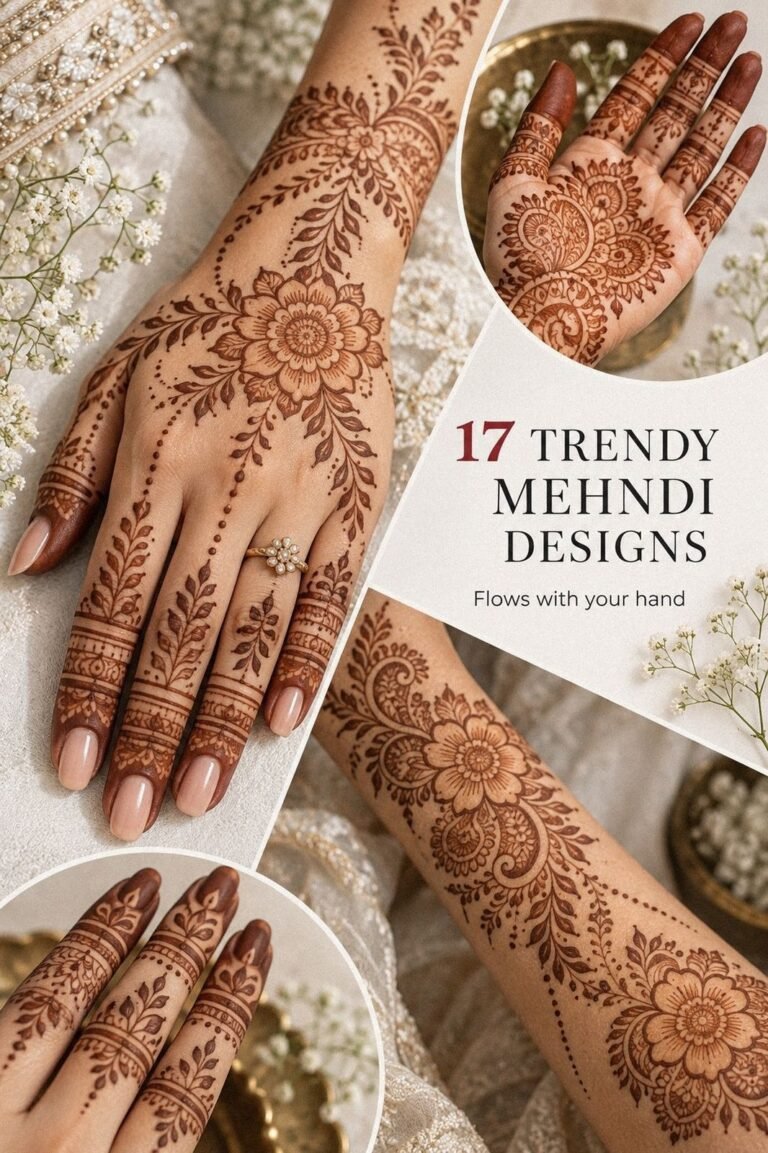
These styles were practically built for the belly. The wrap-around nature of Japanese bodysuits, the flowing lines of ornamental mandalas and mehndi-inspired patterns, they work with the body’s curves rather than fighting them. I did a full stomach panel of waves and koi last year that actually looks better as the client moves because the water seems to ripple. Ornamental dotwork and geometric patterns can center around the navel beautifully, creating a focal point that draws the eye.
- Traditional Americana: bold outlines, limited colors, ages gracefully
- Japanese: designed for body contours, wrap-around potential
- Ornamental/geometric: centers on navel, works with movement
- Blackwork: high contrast survives stretching better than delicate shading
Design Ideas
The belly offers this weird, intimate space that’s hidden most of the time but revealed selectively. That changes what people choose. I’ve noticed clients go one of two directions: deeply personal symbolism or purely aesthetic decoration. Both work, but they need different approaches.
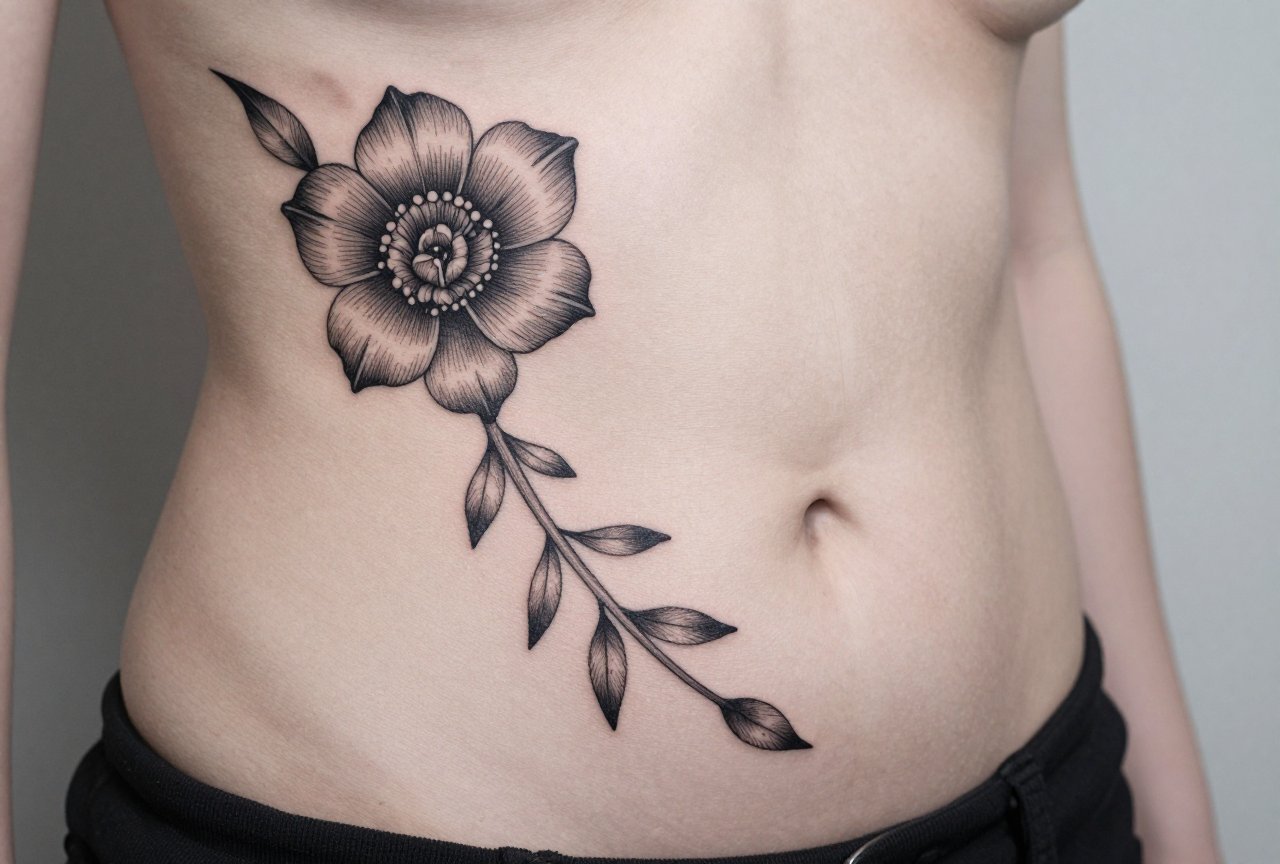
Floral pieces are probably the most common request I get. Roses, peonies, lotus flowers wrapping around the navel or cascading from sternum to hip bones. The trick is scale. Too small and the petals merge into pink mush within five years. I usually push clients toward palm-sized blooms minimum, with enough negative space between elements that the skin can breathe.
Animals work surprisingly well when positioned thoughtfully. Snakes coiling across the stomach, moths with wings spanning the width, butterflies that seem to land on the navel. I’ve tattooed a few phoenixes rising from the pubic line upward, dramatic, but they require serious commitment to the pain threshold.
Text and script? I try to talk people out of it. The belly folds. Words distort. Unless it’s a single short word in thick lettering placed high on the stomach where movement is minimal, you’re asking for trouble. I’ve seen “strength” become “strehgth” after a client gained twenty pounds.
Best Placements
Above the Navel
This is the sweet spot. The skin here moves less than below, sits relatively flat when standing, and frames the sternum area beautifully. I’ve placed mandalas, sunbursts, and geometric diamonds here that stay readable. The pain is manageable, more surface, less nerve density than the sides.
Full Stomach and Wrap-Around
Commitment territory. Full stomach pieces connect to chest work or hip work, creating a cohesive front panel. The sides hurt. I warn everyone: the flanks, the area beside the belly button, that’s where people tap out. We see this a lot in my shop, clients planning a full stomach piece and ending up with a central design because the side work was too intense for session one.
Lower Belly and Pubic Area
Intimate, hidden, and technically challenging. The skin here is thin, sensitive, and prone to different healing issues due to moisture and friction. I’ve done small pieces here, minimalist symbols, tiny florals, but I always over-explain aftercare. This area rubs against clothing, collects sweat, and heals differently than a shoulder or arm.
- Upper stomach: most stable, least distortion, moderate pain
- Central navel area: high visibility, needs careful design flow
- Sides/flanks: most painful, significant movement, plan for multiple sessions
- Lower stomach: intimate placement, tricky healing, consider lifestyle
Color Choices
Black and grey versus color on the belly is a real debate in shops. I lean toward black-dominant with strategic color pops. Here’s why: the belly sees sun when you least expect it. Beach days, cropped tops, that unexpected shirt lift. UV exposure fades color faster than black. Plus, the stretching I mentioned? It hits color harder. A saturated red becomes pink, blue becomes greyish, faster than solid black drops to dark grey.
That said, I’ve seen gorgeous full-color Japanese pieces hold up because the style uses color in large, bold blocks rather than soft gradients. Watercolor styles? I actively discourage them on the belly. Those soft, bleeding edges need perfect skin stability. I’ve watched watercolor florals age into bruise-like blotches.
Skin tone matters too. On darker skin, I often suggest golds, deep reds, and teals over pastels. On very fair skin, black heals sharper but can look harsh if the design isn’t balanced. I always test-patch nervous clients, small dot of the planned colors, let it heal, see how their specific body holds pigment.
Tips for Choosing
After fifteen years in shops, I’ve developed a gut sense for who’s going to love their belly tattoo in decade three versus who’s going to be in my chair for a cover-up. The difference usually comes down to preparation and honesty.
First: consider your weight history and future plans. Not in a judgmental way, purely mechanical. Skin that has stretched significantly and then relaxed has different elasticity. It takes ink differently. I tattooed a client who’d lost eighty pounds; her stomach piece required a touch-up at eight months because the skin settled differently than expected. We planned for it, no drama.
Second: think about pregnancy if it’s remotely possible. The belly transforms. Existing tattoos stretch, sometimes dramatically. I’ve had clients return after kids with stories ranging from “barely changed” to “completely unrecognizable.” There’s no predicting it. Some artists won’t tattoo lower stomachs on anyone who might carry a pregnancy. I don’t go that far, but I have the conversation. Thoroughly.
Third: aftercare is non-negotiable. The belly is warm, often covered, prone to sweating. I tell clients to plan their timing, winter is better than summer for healing. Loose clothing, no tight waistbands, sleep on your back if humanly possible. I’ve seen beautiful work ruined by a client who wore high-waisted jeans three days in.
- Consult multiple artists; belly work isn’t every tattooer’s specialty
- Request to see healed photos, not just fresh work
- Plan for 2-3 sessions for larger pieces; don’t rush
- Invest in the artist, not just the hourly rate
- Be honest about your pain tolerance and lifestyle
Final Thoughts
The belly remains one of my favorite placements to tattoo because it’s so personal. People don’t stumble into stomach tattoos casually. There’s intention there, often a reclaiming of a body part they’ve felt insecure about. I’ve watched clients cry in the mirror afterward, not from pain, from seeing themselves differently. That’s the part no style guide captures.
But intention needs backing with smart choices. Pick a style that respects the skin’s movement. Place it where your body won’t fight it constantly. Choose an artist who’s done this specific work before, who can show you healed results on actual humans. And give yourself grace during healing, this area demands patience.
I’ve got a small snake above my own navel, done by a friend years ago. It moves when I breathe, settles when I lie down, has softened at the edges just enough to feel like it belongs to me rather than sitting on me. That’s the goal. Not perfection. Belonging.
Frequently Asked Questions
How much does a belly tattoo typically hurt compared to other placements?
The upper stomach is moderate, similar to outer arm. The sides and lower belly are intense, ranking with ribs and sternum for most people. The navel itself is surprisingly tender. I always tell clients to plan shorter sessions for this area, especially their first time.
Will a belly tattoo stretch if I gain or lose weight?
Some distortion is inevitable with significant weight changes. Designs with bold outlines and dense black hold their shape better than fine lines or heavy realism. I usually advise clients to pick imagery that can absorb minor warping without looking broken.
Can I get a belly tattoo if I’m planning to get pregnant someday?
You can, but understand the risks. The skin stretches dramatically, and while some tattoos bounce back okay, others don’t. I recommend keeping designs above the navel if pregnancy is a possibility, or waiting until after if you’re set on a full stomach piece.
How long does a stomach tattoo take to heal properly?
Surface healing runs about two weeks, but the belly is tricky, movement, clothing friction, and moisture slow things down. I tell clients to expect four weeks before the skin feels normal, and three months before the true settled color reveals itself. Plan loose clothing and minimal activity.
More Tattoo Ideas
- Realistic Dragon Tattoos: A Working Artist s Guide
- Traditional Indian Tattoos: A Working Artist s Guide
- Japanese Tattoo Artists: Complete Style Guide
- Explore more