
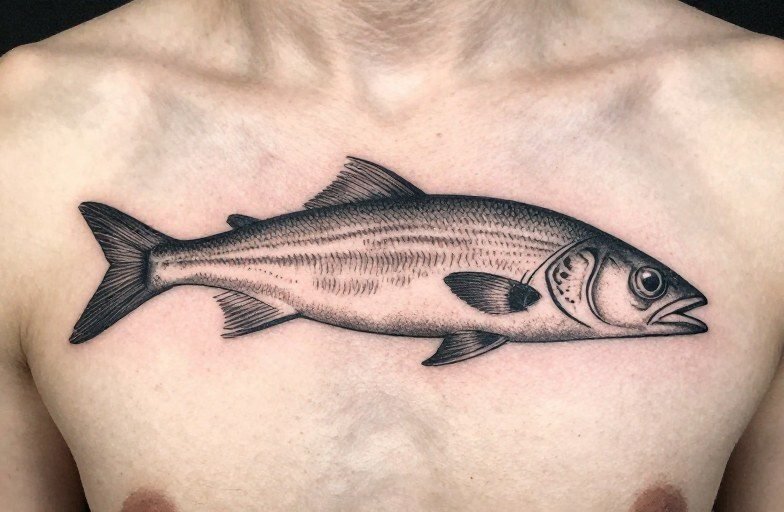
The “Broome loser” tattoo refers to a specific design originating from Broome, Western Australia, a town historically centered on pearl diving and now known for its mining and tourism economies. The phrase typically pairs the word “loser” with imagery of a donkey or mule, referencing the pack animals used in early pearl shell operations. Most commonly, it signifies someone who came to Broome chasing fortune, pearls, oil, or mining wages, and left with nothing, or someone who stayed and never quite struck it rich.
Symbolism & History
From Pearl Diving to Mining Camps
Broome’s economy has always run on boom-and-bust cycles. The late 19th and early 20th centuries saw Japanese, Malay, and Aboriginal divers dying in extraordinary numbers for mother-of-pearl shell. Later came oil speculation, then iron ore and liquefied natural gas. Each wave attracted workers promising themselves they’d make a pile and leave. The “loser” label attached to those who didn’t, whether through bad luck, bad timing, or simply getting stuck in a place that grinds through ambition.
The donkey imagery specifically references the pack animals that hauled equipment across the Kimberley region before roads existed. These animals were workhorses, not winners. They carried other people’s fortunes. The parallel to workers who prop up resource economies without sharing the profits is intentional and bitter.
Ironic Reclamation
Like many insults turned tattoos, the Broome loser design has been reclaimed by the people it supposedly describes. Wearing it signals in-group status: you survived the heat, the isolation, the failed promises. You’re still here, or you left with the mark to prove you tried. This mirrors how “roughneck” or “redneck” function in other contexts, insult becomes badge, then becomes aesthetic.
- Original meaning: failed economic migrant, someone who couldn’t hack it or couldn’t cash out
- Reclaimed meaning: endurance, anti-materialism, belonging to a specific place and its hard-luck history
- Contemporary usage: sometimes worn ironically by tourists or second-generation locals with no direct connection to mining or pearl diving
Common Variations & Styles
Traditional Australian Flash
The classic version runs bold black outline with limited color palette: red for the word “loser,” brown or grey for the donkey, sometimes a single pearl or empty pearl shell incorporated. Line weight stays heavy because these tattoos were originally done in rough conditions, mining camp setups, street shops in humid weather, equipment that wasn’t always sterile. The aesthetic carries that DNA.
Contemporary Reworks
Modern versions might soften the donkey into something more cartoonish, or replace it entirely with a kangaroo, a thorny devil lizard, or mining equipment (dump trucks, hard hats). Script treatments vary widely: some use carnival-style lettering, others go for crude handwritten block letters that mimic the original flash sheets. Watercolor backgrounds occasionally appear, though purists consider this a departure from the design’s working-class roots.
- Traditional: bold lines, 2-3 colors, donkey central, text curved above or below
- Neo-traditional: expanded color range, decorative elements like pearl shell borders or Kimberley landscape silhouettes
- Blackwork/text only: just the words “Broome loser,” sometimes with a small donkey silhouette
- Comedic/ironic: exaggerated sad donkey, tear drops, empty wallet imagery
Best Placements
Placement carries meaning with this design. The upper arm or shoulder, visible in a singlet, coverable with a shirt sleeve, dominates among actual mining and construction workers. This follows practical logic: these jobs often have uniform or safety requirements, and sun exposure degrades ink rapidly. The outer arm catches less direct sun than forearm or hand, and heals easier through physical labor.
Chest placement appears too, particularly centered high enough to show above a work shirt’s top buttons. This reads more aggressively: you can’t avoid seeing it, and neither can anyone facing you. A few people go for the calf, especially if they’ve already filled arm space with other mining-related tattoos.
Smaller versions hit the wrist or behind the ear, but these read differently, more tourist souvenir, less embedded identity. The design needs enough space for the donkey to be recognizable; below two inches, it becomes illegible mush within a few years as ink spreads naturally in skin.
Who Chooses This Tattoo / Personal Meanings
Actual Workers vs. Aesthetic Adopters
The core demographic remains people with direct connection to Broome or resource industry work: fly-in fly-out miners, long-term residents, people whose families spent generations in the Kimberley. For them, the tattoo often marks a specific period, six months on a rig, a relationship that ended with the dry season, a bankruptcy, a drinking problem survived.
A secondary group includes Australians from elsewhere who identify with the broader mythology: the lucky country’s underbelly, the people who don’t get the mining boom headlines. They might never have set foot in Broome but respond to the design’s anti-hero quality.
Tourist and Outsider Adoption
Broome’s tourism marketing leans heavily on exoticism, cable beach, dinosaur footprints, pearl showrooms. Some visitors leave with this tattoo as a deliberately incongruous souvenir, the way people get ironic “I love New York” designs. The difference is that “Broome loser” carries actual bite. Locals notice. Wearing it without the backstory can read as mockery or cluelessness, depending on execution and who’s looking.
- Direct experience: “I worked the mines and came home broke”
- Family legacy: “My grandfather died pearl diving there”
- Regional identity: “Kimberley people don’t win, we persist”
- Ironic distance: “I spent too much on pearls and cocktails”
- Aesthetic appreciation: pure visual attraction to the flash design
Similar Symbols
Several tattoos occupy adjacent cultural territory. The “FIFO” (fly-in fly-out) acronym appears frequently among Australian mining workers, though it lacks the specific regional anchor. “Digger” imagery, soldiers, not machinery, connects to broader Australian working-class identity but carries military connotations this design avoids.
Internationally, the “loser” tattoo format has parallels: “born to lose” in American biker and prison culture, “no luck” in Russian criminal tattooing. The Broome variant distinguishes itself through its animal imagery and its specific geographic-economic narrative. It’s not general misfortune; it’s misfortune in a particular place, at particular moments in Australian extraction history.
The empty pearl shell, sometimes substituted for the donkey, creates another parallel: the “unlucky” hand of cards, the empty pot, the dry well. These symbols of absence and effort without reward cross many cultures. The Broome version just happens to be localized with remarkable specificity.
Final Thoughts
The Broome loser tattoo works because it’s uncomfortable. It names failure in a culture obsessed with success, and it roots that failure in real economic violence, the kind that extracts labor and leaves the worker holding debt, injury, or simply years gone. Whether worn with bitter pride, genuine grief, or ironic detachment, it refuses to pretend that everyone who tries gets rewarded.
As a design choice, it demands honesty about placement and scale. Too small, it becomes a blur. Too polished, it loses its connection to the rough flash origins. The best versions carry some imperfection, some sense that they were done quickly, maybe even regretted initially, then grown into. That fits the meaning better than any perfect rendering could.
Frequently Asked Questions
Is the Broome loser tattoo offensive to actual Broome residents?
It depends heavily on context. Worn by someone with genuine connection to the town or its industries, it’s generally accepted as in-group language. Worn purely as aesthetic tourism without understanding the history, it can read as mocking economic hardship that still affects real families.
Does the donkey have to be included, or can it be text only?
Text-only versions exist and are valid, but the donkey carries significant symbolic weight referencing pack animal labor in the Kimberley. Without it, the tattoo loses some historical specificity and reads more generically.
How well does this tattoo age compared to other designs?
Bold line versions with limited color age better than fine-line or watercolor approaches. The simple color palette, mostly black, red, and earth tones, resists the fading and blurring that devastate complex designs over decades.
Can this design be covered up or modified later?
The heavy black outlines and relatively simple shapes make it coverable by a skilled artist, though the word “loser” requires substantial reworking. Laser removal is also an option, though red pigments can be stubborn to break down.
Related Tattoo Meanings
- Caduceus Tattoo Meaning: Symbolism, Styles What to Know
- Cattle Branding Symbols Tattoo Meaning: Heritage, Ownership Identity
- Chameleon Tattoo Meaning: Adaptation, Patience Disguise
- Explore more









