Walk into any shop on a Saturday and you’ll see the same notebooks flipped open. Roses, skulls, names in script, maybe a lion or a koi if someone watched a documentary last week. These common tattoo designs aren’t common because artists are lazy, they’re common because they work. They’ve been tested on thousands of bodies, healed through countless summers, and refined across generations of tattooers. I’ve done more American traditional roses than I can count, and I still find ways to make each one different. The trick isn’t avoiding popular imagery; it’s understanding why certain designs keep coming back, and how to make them yours.
Popular Styles That Never Die
Some styles are shop staples for a reason. They read clearly from across the room, age gracefully, and give artists solid technical ground to build on.
American Traditional
Bold black outlines. Limited color palette, red, green, yellow, black. No gradients, no soft edges. I’ve tattooed hundreds of traditional pieces, from swallow pairs to dagger-through-heart classics, and I tell clients the same thing every time: this style is the most forgiving thing you can put on your skin. The heavy line weight holds up for decades. I’ve seen 40-year-old sailor tattoos that still read clean. The trade-off? You’re working within a visual language that’s pretty locked down. You want a photorealistic wolf? Wrong style. You want a wolf that looks like it could’ve been on a WWII bomber? Now we’re talking.
- Swallows, anchors, roses, skulls, pin-up girls, snakes
- Best for: first tattoos, visible placements, people who want longevity over trend
- Heals fast, touch-ups rarely needed
Black and Gray Realism
Portraits, religious imagery, animals, smoke, clocks, this is what clients point at on Instagram. The shading is gorgeous fresh. I’ve done portraits that made mothers cry in my chair. But here’s what we see a lot: that smooth gray wash doesn’t stay smooth. Skin is alive. It sheds, it scars, it sun-damages. A five-year-old black and gray piece often looks softer, sometimes muddier. That’s not failure; it’s just physics. Good artists account for this, building contrast deliberately so the piece has room to settle.
Design Ideas That Keep Coming Back
Certain images are shop constants. Let’s talk about why, and how to avoid the “I picked this off the wall” look.
Floral Work
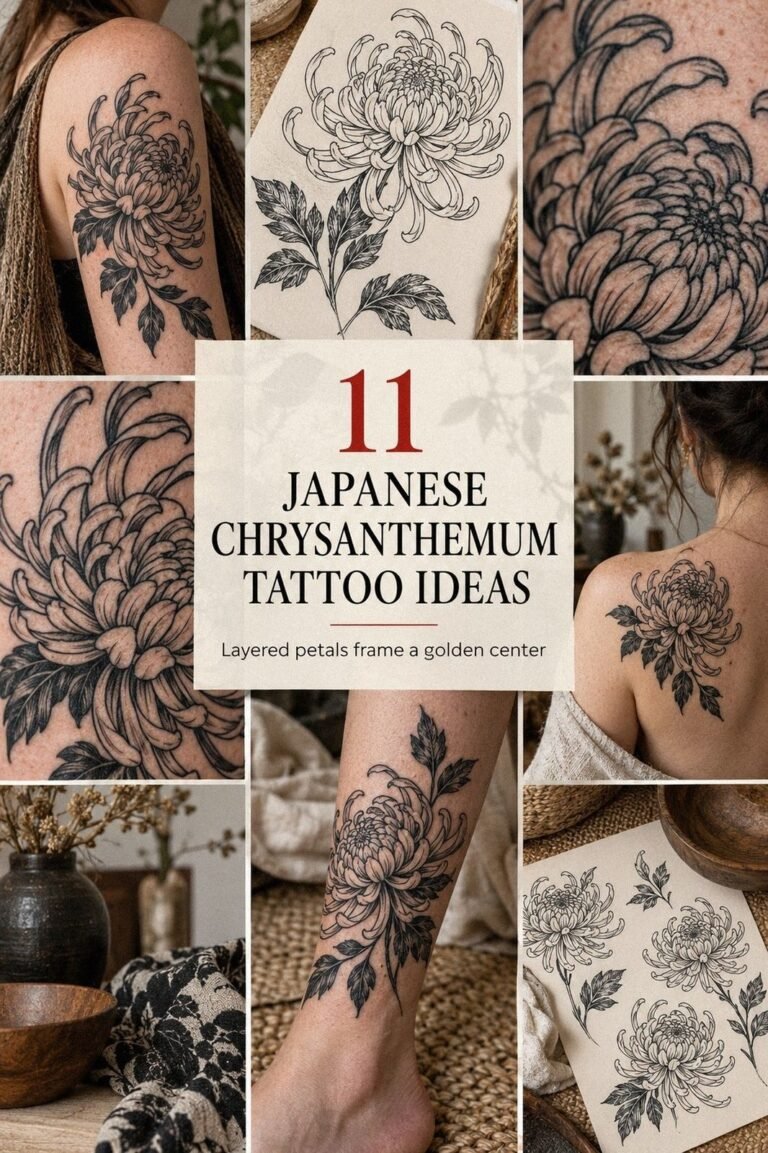
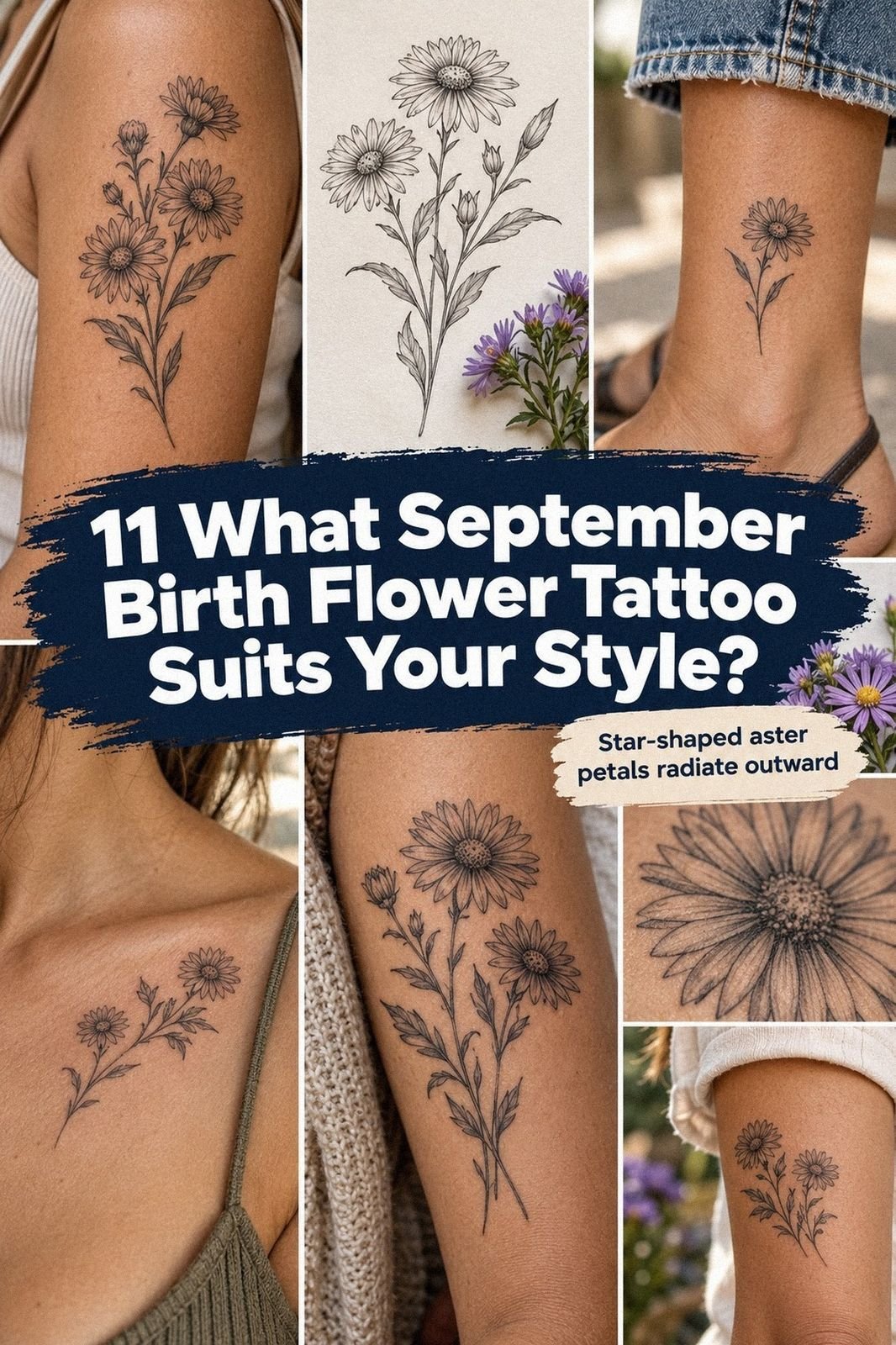
Roses are the most requested flower in every shop I’ve worked. Peonies are close behind, especially with clients coming in after seeing Japanese work. The difference between a generic rose and a good one? Observation. I ask clients: show me the actual flower. What stage of bloom? What color in real life, not in a filter? A rosebud reads differently than a fully blown one. A peony with the outer petals dropping suggests something different than a tight ball. The common design becomes personal when you pay attention to the living thing.
- Line-only florals: delicate fresh, can fade to wispy over time
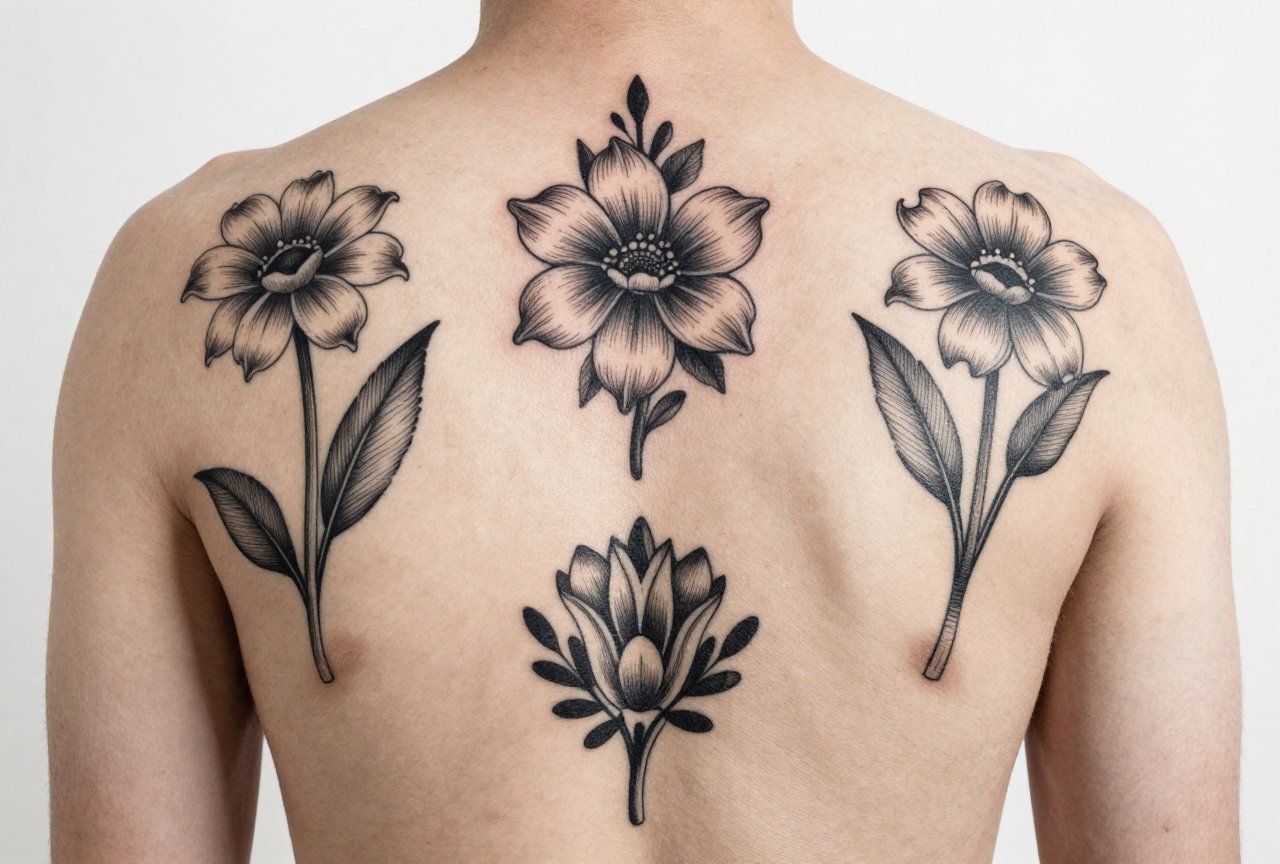
- Heavy black and gray: bold, traditional-adjacent, ages better
- Color packing: saturation matters more than shade accuracy for longevity
Animals and Their Meanings
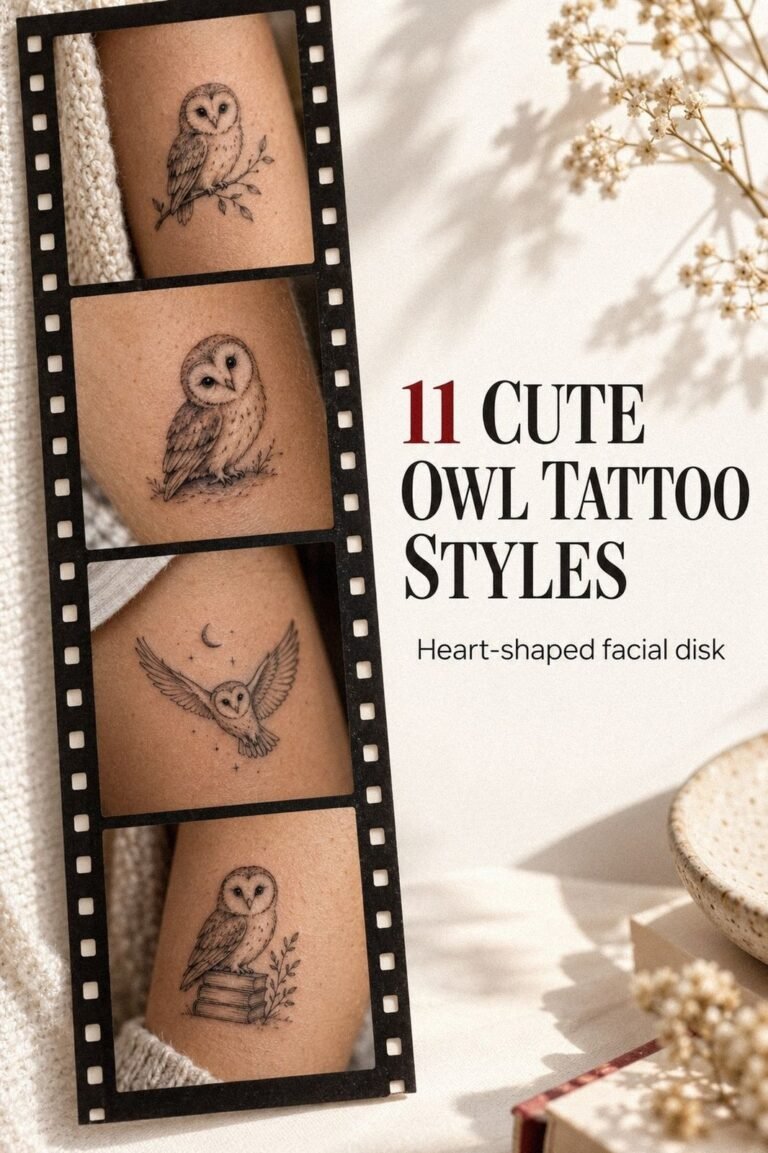
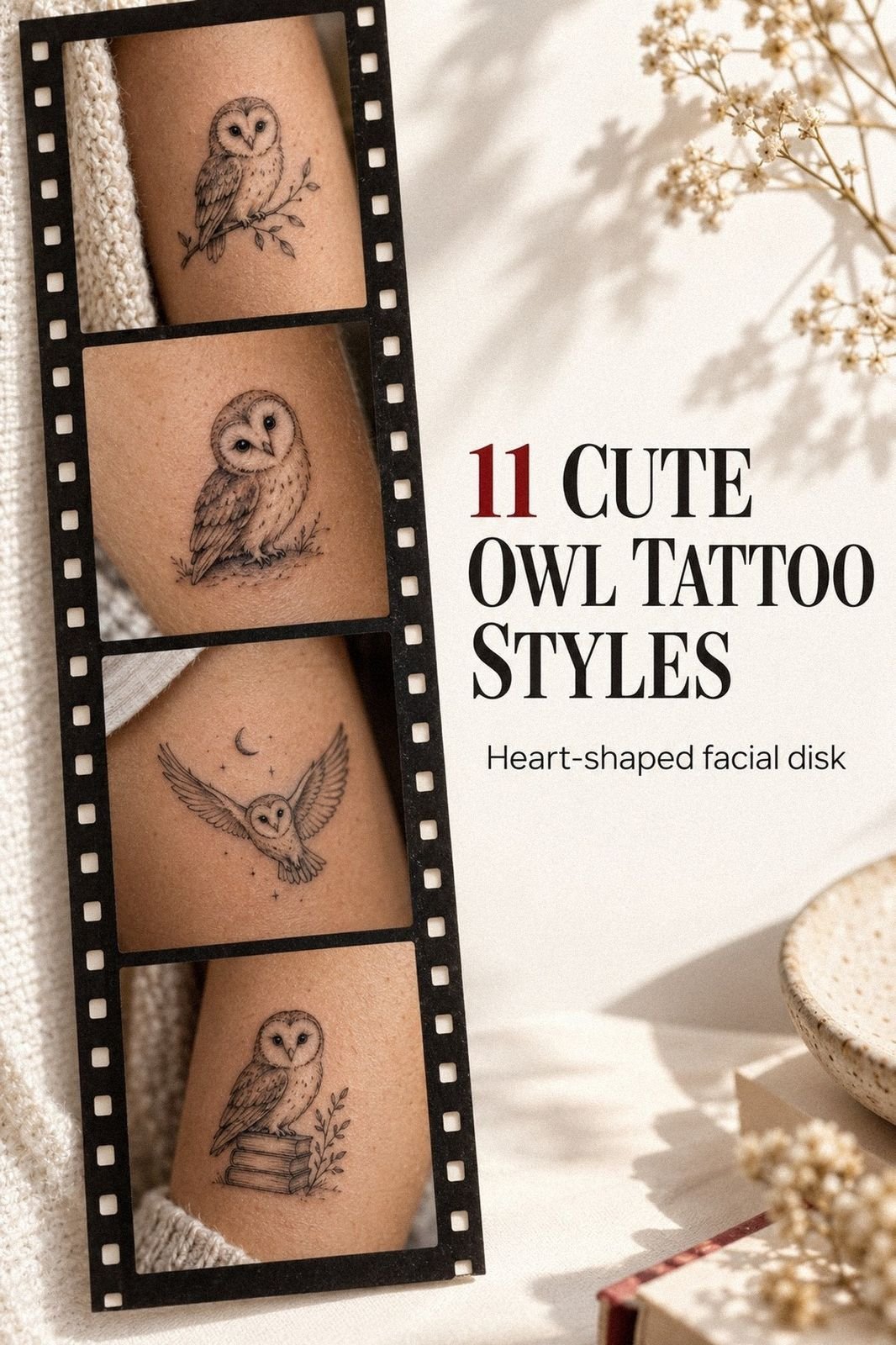
Wolves for loyalty, lions for strength, owls for wisdom, yeah, the symbolism is well-trodden. But clients rarely come in with a personal story about an owl. They come in with a Pinterest board. I push back gently. Have you seen an owl in the wild? What did it actually look like? A barn owl with a heart-shaped face is a different tattoo than a great horned owl with those tufted ears. The more specific your reference, the less your tattoo feels like stock art.
Best Placements for Common Designs
Where you put it changes everything. I’ve watched the same rose design read completely different on a shoulder versus a wrist.
Forearms are the billboard. Everyone sees them. Common designs here need to be bold enough to hold their own in conversation distance. Inner biceps are more forgiving, softer skin, less sun, better for detailed work that might blur elsewhere. Ribs? That’s where people put the meaningful stuff, but I warn them: it hurts more, heals trickier because of the movement and the rubbing, and the skin there stretches differently with age.
- Hands and fingers: popular for small symbols, but expect fading and the need for touch-ups
- Behind the ear: delicate designs only, but the skin can be unpredictable
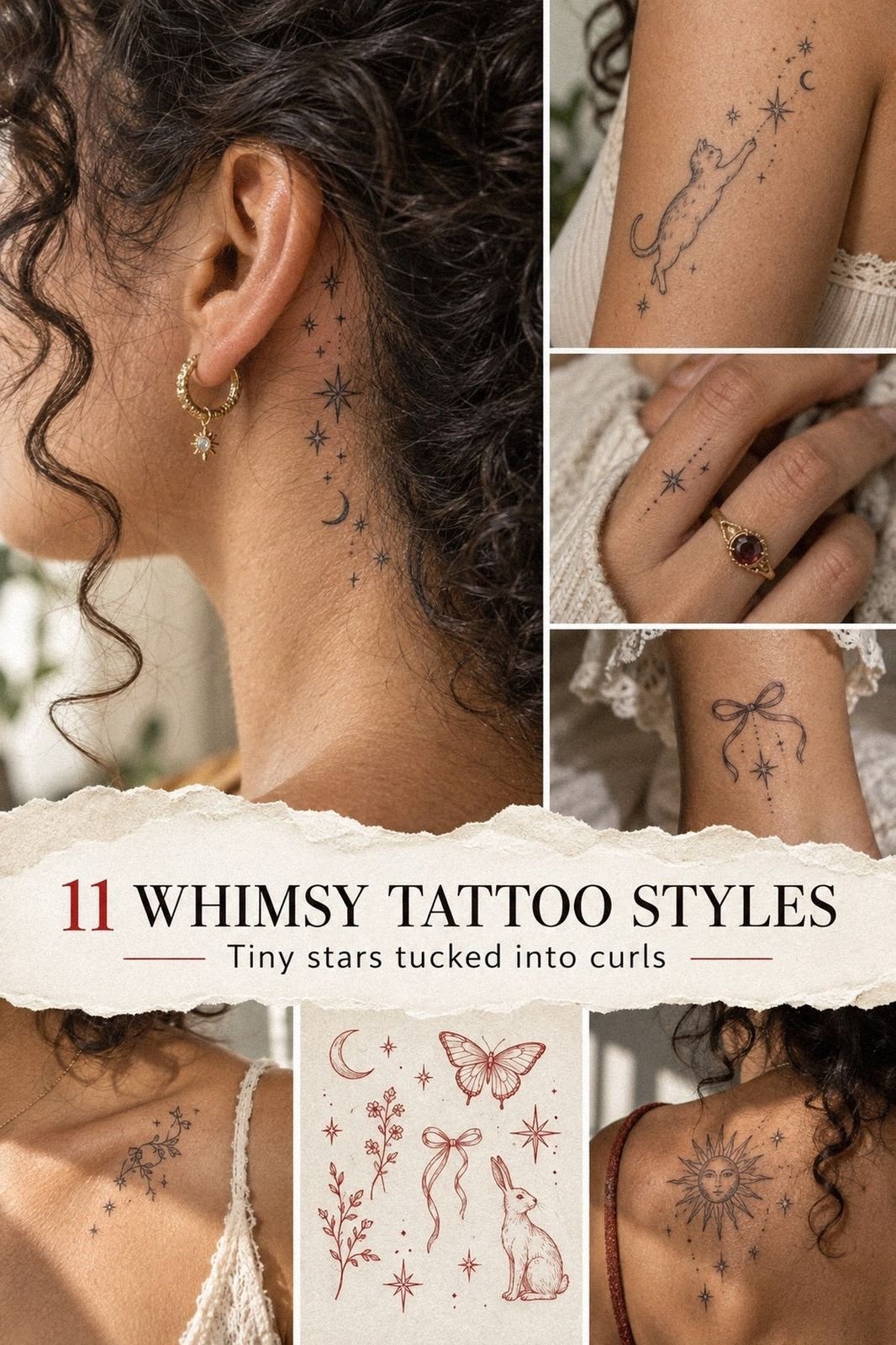
- Upper back/shoulder blade: great for larger common pieces, protected from sun, holds detail well
- Ankles and feet: trendy placement, but the skin is thick and healing is rough, shoes are the enemy
I did a compass rose on a client’s forearm last month. Clean lines, classic design, nothing revolutionary. But he’d actually used a compass on sailing trips with his father. That context made the common design feel earned. Placement carried the story.
Color Choices That Last
Black is the safest bet. Always has been. But color isn’t the enemy, poor color choices are.
What Fades and What Holds
Yellows and light greens fade fastest. I’ve seen lemon yellow turn to mustard in two years of sun exposure. Darker greens, forest, emerald, hold better. Reds are surprisingly resilient. Blues are middle of the road. White? White is a trick. It yellows on most skin tones, disappears into lighter skin, and is really just used for highlights in most traditional work. I tell clients: if your artist is suggesting white as a main color, ask to see healed examples on skin similar to yours.
Skin Tone Considerations
This is where a lot of common designs go wrong. That pastel watercolor rose looks stunning on pale skin fresh. On darker skin, those soft washes can disappear entirely. We see this a lot in consultations, clients bringing in reference that doesn’t match their skin. Good artists adjust. Higher contrast, bolder outlines, more saturated color choices. The design stays common; the execution adapts.
Tips for Choosing Your Common Design
Here’s what I actually say to people in my chair when they’re deciding between the hundredth rose or the thousandth skull.
- Bring references from real life, not just other tattoos. Photos you took, objects you own, memories with specific visuals
- Ask your artist what they’ve done too many of, then ask what they’d want to do differently on yours
- Consider the healed version, not just the fresh photo. Look at portfolios for work that’s five years old, not five days
- Size matters: small tattoos of complex common designs often become blobs. Simplify for small, expand for large
- Think about your future self, but don’t paralyze yourself. A common design done well ages better than a “unique” concept executed poorly
I tattooed a client last year who wanted a snake. Most common request in the book. But she brought in a photo of a garter snake from her grandmother’s garden, and she wanted it coiled through wild strawberries she’d actually picked as a kid. The design was still a snake, thousands of people have snake tattoos. But no one else had that snake. That’s the difference.
Final Thoughts
Common tattoo designs aren’t a trap. They’re a foundation. The best artists I know can make a rose or a skull feel fresh because they understand the form deeply, not because they avoid it. The worst tattoos I’ve seen weren’t common designs, they were rushed executions, poor aftercare, or clients who picked something without thinking about why. Your tattoo doesn’t need to be original to be meaningful. It needs to be specific. It needs to be yours. Walk into a shop with that mindset, and even the most traditional flash on the wall can become something that follows you properly for life.
Frequently Asked Questions
Will a common design make my tattoo look like everyone else’s?
Not if you work with your artist to add personal details. The difference between generic and personal usually comes down to specific references, meaningful additions, or custom composition, not avoiding popular imagery entirely.
Do common designs cost less because artists have done them before?
Not necessarily. Pricing depends on time, complexity, and the artist’s rate. A common design that’s highly customized or placed on a difficult area can take just as long as something completely original.
How do I know if a common design will age well on my specific skin?
Ask your artist to show you healed photos on clients with similar skin tone and age. Fresh tattoos are misleading, healed work tells you what your future actually looks like.
Is it okay to bring in a Pinterest tattoo I love and ask for the same thing?
You can use it as a starting point, but straight copying another person’s custom tattoo is frowned upon in shop culture. Most artists will want to adapt it, change the composition, or combine it with other elements to make it yours.
More Tattoo Ideas
- Popular Tattoo Designs That Actually Work
- Amazing Tattoo Designs That Actually Work
- Christianity Tattoo Ideas for Believers
- Explore more