Short answer: you can’t safely remove a tattoo at home. I’ve been tattooing for over a decade, and I’ve seen the aftermath of every kitchen-sink removal attempt you can imagine. Lemon juice, salt scrubs, tattoo removal creams, even people who’ve taken sandpaper to their own skin. The tattoo usually stays. The scarring is what ends up being permanent. If you’re desperate to fade or remove ink, I’ll walk you through what people actually try, what the real results look like, and your honest options.
Why Tattoos Stick Around So Hard
Tattoo ink sits in your dermis, the middle layer of skin, trapped inside fibroblast cells. It’s not sitting on the surface like a marker drawing. When I run my machine, I’m depositing pigment past the epidermis into that stable layer precisely because it doesn’t shed off. Your immune system tries to break down the ink particles, but they’re too large to haul away. That’s the whole point. Any home method that doesn’t reach the dermis, and most can’t without serious damage, is just beating up your skin for nothing.
What Fading Actually Looks Like
Some tattoos do fade naturally over years, especially if the artist was heavy-handed and pushed ink too deep, or if the ink was low quality. Sun exposure breaks down pigment too. But “faded” doesn’t mean “gone.” I’ve seen twenty-year-old tribal bands that look charcoal-gray instead of black, but the lines are still absolutely there. Fading happens at the edges, in the lighter shading, never evenly across the whole piece. Anyone promising uniform fading from a cream is selling you fiction.
The DIY Methods People Try (And What Happens)
Salabrasion and Dermabrasion
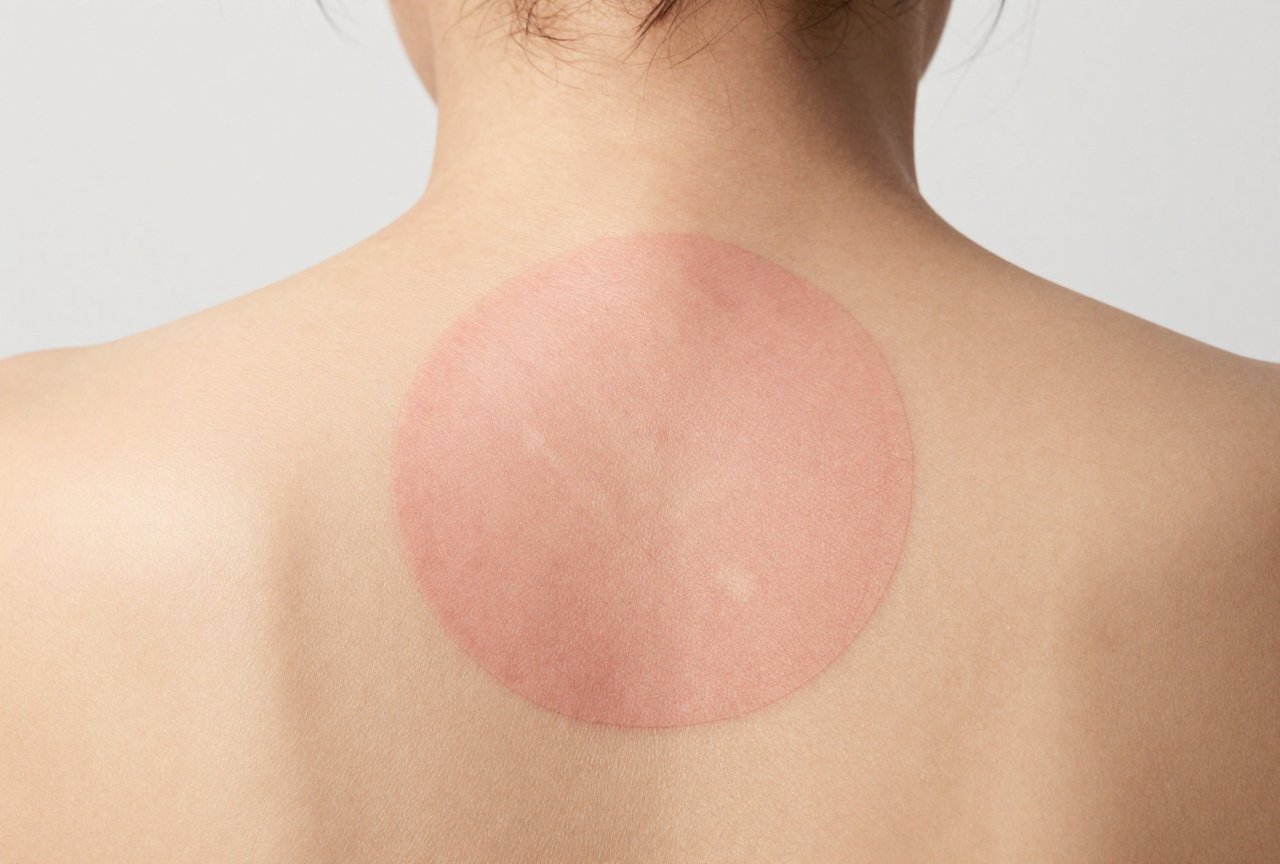
This is the old-school “rub salt until you bleed” approach, or using sandpaper, pumice stones, or those motorized home microdermabrasion kits. I’ve had clients come in trying to fix the mess this made. You don’t remove the tattoo. You create a second, worse problem: hypertrophic scarring, keloids, or wide, discolored patches where the skin tried to heal itself. The ink often remains visible underneath the scar tissue, so now you’ve got a tattoo and a scar. In my chair, I tell people straight: I’d rather laser off a clean tattoo than try to tattoo over scarred, compromised skin.
Tattoo Removal Creams
The online market is flooded with these. They claim to “draw out” ink through some chemical process. I’ve watched clients apply them religiously for months. The reality? Mild irritation at best. No clinical evidence they penetrate to the dermis or break down ink particles. Some contain acids that cause chemical burns or hypopigmentation, light spots that don’t tan back. You’re essentially paying for expensive lotion that might damage your skin without touching the tattoo.
Lemon Juice, Honey, Aloe Blends
These are everywhere on Pinterest and TikTok. Natural bleaching, supposedly. Listen: lemon juice is acidic and phototoxic. Combined with sun exposure, it can cause phytophotodermatitis, blistering, dark patches, basically a chemical burn. Honey and aloe are fine for soothing fresh tattoos in aftercare, but they don’t remove established ink. I’ve had people rub these concoctions until their skin was raw. The tattoo outlasted the enthusiasm every single time.
DIY Tattooing Over It (Cover-Up Attempts)
This deserves mention because it happens. Someone buys a cheap machine online, watches a few videos, and tries to “push out” old ink with new ink, or tattoo skin-colored ink over it. The results are predictably awful. Uneven saturation, blowouts, infection risk from non-sterile equipment. I do cover-ups professionally, and even with proper tools and experience, covering dark ink requires strategic design, not just slapping new pigment on top. Home cover-ups usually end up as dark, muddy blobs that cost more to fix.
What Actually Helps: Fading and Cover-Up Prep
While you can’t remove a tattoo safely at home, you can sometimes improve how it looks or set yourself up for better professional options later.
- Let it heal fully if it’s fresh. I see people panicking about new tattoos they hate. The first two weeks, the ink is settling, scabbing, peeling. What looks blown out or too dark often softens considerably. Wait three months before judging. I’ve had clients who wanted removal at week two love the piece by month three.
- Stay out of the sun. UV exposure darkens and clarifies tattoo pigment over time. If you want eventual laser removal or a cover-up, sun-damaged skin is harder to work with. I always tell cover-up clients: no tanning, religious SPF, for months before we start.
- Consider a professional fade. Some laser clinics offer “fading” sessions, fewer than full removal, to prep for cover-ups. This isn’t home-based, but it’s less intensive and costly than complete removal. The tattoo becomes lighter, giving your artist more options.
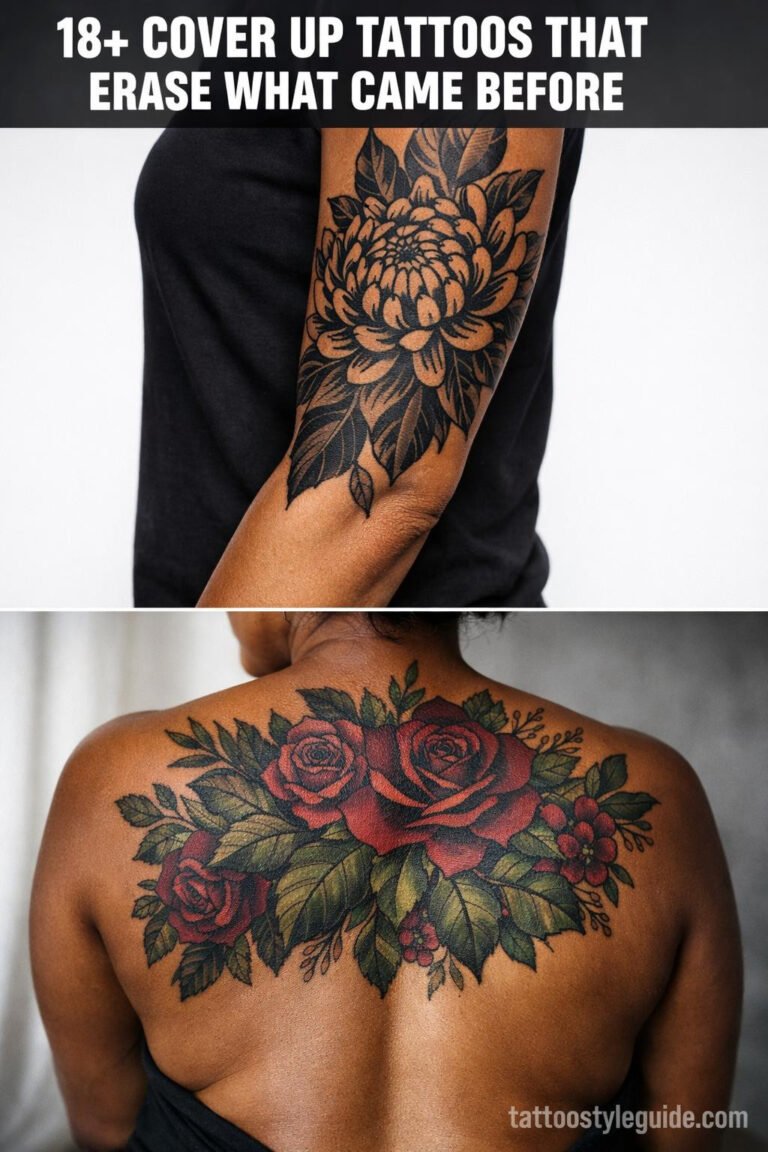
- Consult a cover-up artist early. Bring your unwanted tattoo to a few reputable shops. We assess what’s possible daily. Sometimes a clever design can transform something you hate into something you love, no removal needed. I’ve turned ex-partner names into flowers, bad tribals into Japanese waves. The constraint forces creativity.
Professional Removal: The Honest Picture
Laser Removal Basics
Q-switched or picosecond lasers shatter ink particles so your immune system can finally clear them. It works, but it’s not fast or painless. Sessions are spaced 6-8 weeks apart. Most tattoos need 8-12 sessions, sometimes more for colors like green, blue, or stubborn old black. Cost varies widely, think $200-$500 per session for palm-sized pieces. I’ve sent clients to laser specialists and seen complete removal, but also incomplete removal where a ghost image remains. Skin type, ink color, tattoo age, and location all matter. Ankle tattoos take longer than chest pieces because circulation is poorer.
What It Feels Like
Clients describe laser as hot rubber bands snapping, or bacon grease hits. Numbing cream helps some. Afterward, blistering, swelling, scabbing. The healing is longer and more visually dramatic than fresh tattoo healing. You can’t pick, can’t sun-expose, can’t rush it. I’ve watched people get impatient, skip aftercare, and end up with hypopigmented spots or texture issues.
Surgical Excision
For tiny tattoos, a dermatologist can cut the skin out and stitch it closed. Leaves a linear scar. I’ve seen this on finger tattoos, small wrist pieces. Not practical for anything larger, and it’s real surgery with real risks.
If You’re Stuck With It For Now
Not everyone can afford removal immediately. Here’s what I suggest from years of watching people live with ink they regret:
- Camouflage makeup. High-coverage concealers designed for tattoos exist. Kat Von D’s Lock-It was the old standby; Dermablend and others work well. Takes practice to match skin tone and set properly, but for events or professional situations, it’s viable.
- Strategic clothing. Sounds obvious, but I’ve had clients discover their “visible” tattoo was easily covered by shifting sleeve length, watch placement, or sock height. We hyperfocus on the problem and miss simple solutions.
- Reframing the story. Some of my most grateful clients came in hating a tattoo, sat with it, and eventually made peace. One guy’s badly-done ex’s name became a reminder of who he was then versus now. Not toxic positivity, just acknowledging that removal isn’t always the only path to comfort.
Red Flags: When DIY Goes Wrong
I’ve seen infections from home removal attempts that needed antibiotics. I’ve seen people burn themselves with heated needles, scrape to the point of nerve damage, create wounds that keloided dramatically. If you’ve tried something at home and notice spreading redness, pus, fever, or wounds that won’t close, that’s beyond tattoo talk, see a medical professional. Your skin is an organ. Treat it like one.
Key Takeaways
- No home method safely removes tattoo ink from the dermis.
- Salt, acid, abrasion, and creams cause scarring without clearing pigment.
- Sun protection and patience help if you’re planning professional removal or cover-up later.
- Laser removal works but requires multiple sessions, significant cost, and realistic expectations.
- Cover-up artistry can transform unwanted tattoos without removal.
- Consult working tattoo artists and laser specialists for honest assessments of your specific piece.
I’ve sat with hundreds of people regretting tattoos. The ones who found peace fastest, whether through removal, cover-up, or acceptance, started with honest information, not miracle promises. Your skin deserves better than a kitchen experiment.
Frequently Asked Questions
Can I speed up tattoo fading by exfoliating every day?
Aggressive exfoliation only damages the epidermis, the top skin layer. Tattoo ink lives deeper in the dermis, so daily scrubbing won’t reach it. You’ll likely cause irritation, sensitivity, and possible scarring without affecting the tattoo’s appearance.
Does tattoo removal cream work if I use it for six months straight?
Extended use doesn’t change the fundamental problem: these creams can’t penetrate to the dermis where ink is trapped. Months of application typically yields no visible fading, and some ingredients risk chemical burns or permanent light spots on your skin.
Will a new tattoo artist tattoo over my botched home removal attempt?
Many experienced artists refuse or charge significantly more to work on scarred, compromised skin. The texture changes make consistent ink saturation difficult. Healing is less predictable, and final results often look worse than a clean cover-up would have.
How do I know if my tattoo is actually removable or just fade-able?
A consultation with a laser specialist or experienced tattoo artist gives the real answer. They’ll assess ink colors, depth, skin type, and location. Older black tattoos on fair skin respond best; bright colors and darker skin tones present more challenges.
Related Tattoo Guides
- How to Learn to Tattoo: A Real Shop Guide
- How to Lighten a Tattoo: A Real Guide From the Shop
- How to Make a Fake Tattoo at Home: A Realistic Guide
- Explore more