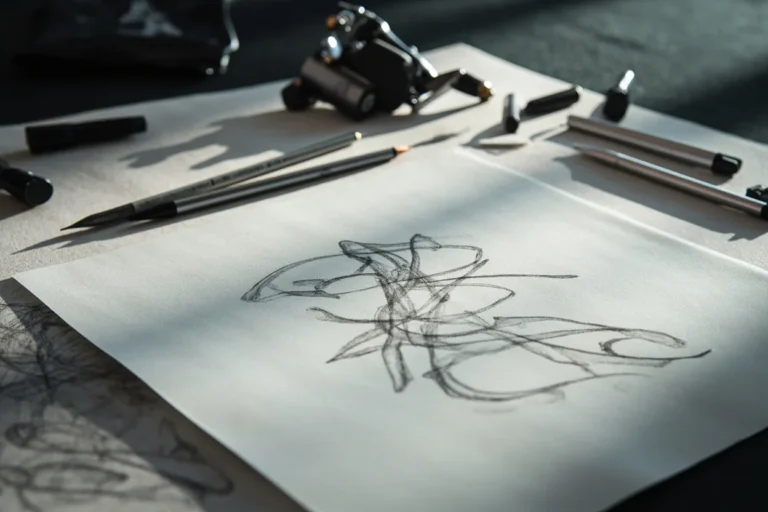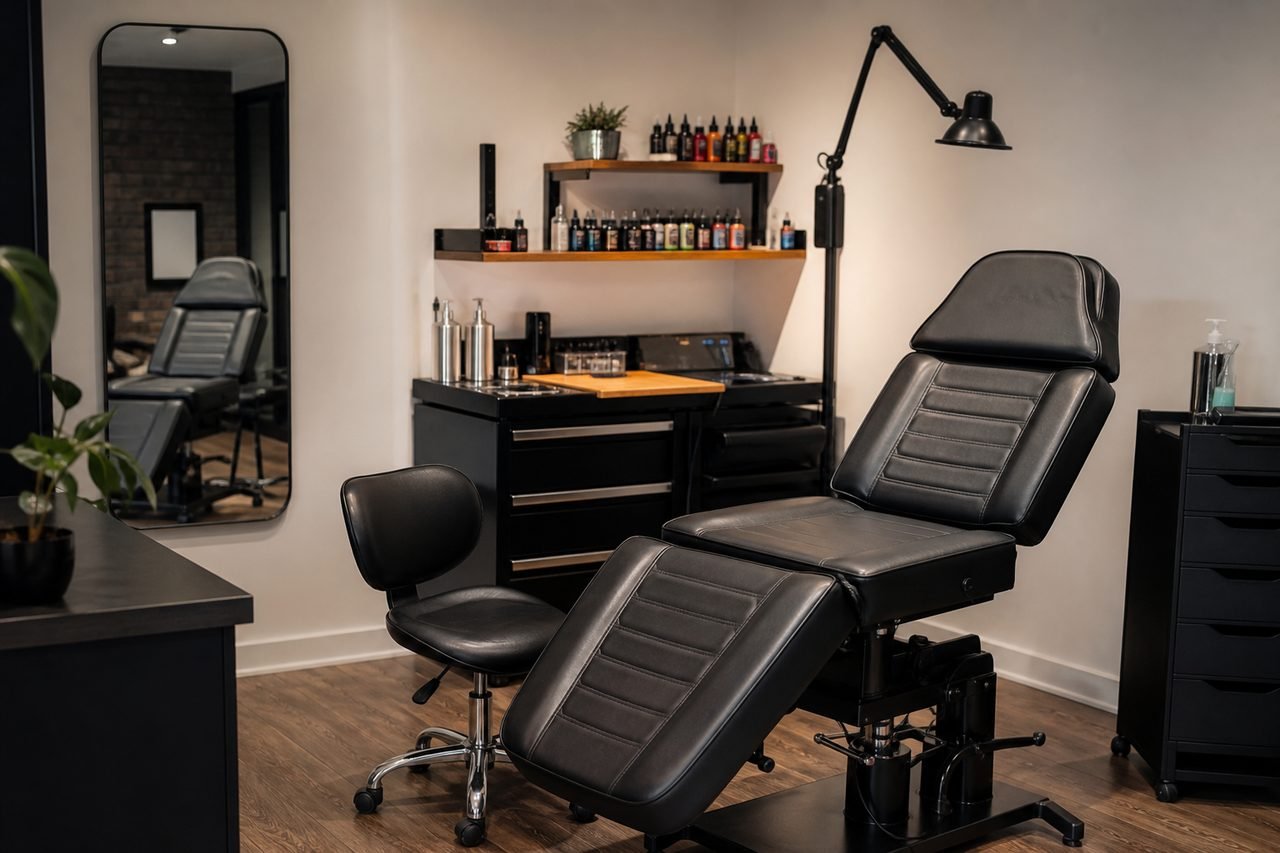
Yes, you can build a working tattoo machine at home using a few basic tools and parts from a hardware store or online. A homemade tattoo gun, properly called a tattoo machine, can be assembled from a small motor, a bent spoon or metal tube for a grip, a needle, and a power source. The build itself is straightforward mechanical work. The hard part is using it safely on skin, which is why this guide covers both construction and the realities of home tattooing that most DIY tutorials skip entirely.
What You’ll Actually Need
Skip the prison-documentary mythology. A functional machine needs specific parts, not random junk. Here’s the real list:
- DC motor: 3-12V, salvaged from a toy, DVD drive, or purchased for under $10. RPM around 3,000-10,000 is workable.
- Power source: Adjustable DC adapter (3-12V) or batteries with a clip. Steady voltage matters more than high voltage.
- Needle: Tattoo needles sold online as singles or liners. Sewing needles are a last resort, they’re blunt, inconsistent, and harder to sterilize.
- Tube/grip: Metal spoon handle bent to shape, stainless steel tube, or a mechanical pencil casing. Must be cleanable and rigid.
- Armature bar and spring: Guitar string, paper clip, or thin metal strip. This transfers motor motion to the needle.
- Contact screw and binding posts: Small screws and nuts to adjust needle throw (how far the needle travels).
- Rubber bands: For tension on the needle assembly.
- Barrier materials: Plastic wrap, medical tape, disposable gloves.
Total cost: roughly $15-40 if you buy the motor and needles new. Most of this sits in the “possible but not good” category compared to a professional machine.
Building the Frame and Grip
The Motor Mount
Attach your DC motor to a solid base, wood, thick plastic, or metal. The motor shaft needs to spin freely. A common method is screwing the motor into a small block of wood, then mounting that block to your main frame. The frame itself should fit in your hand like a thick marker or slightly larger. Too heavy and your hand cramps in ten minutes; too light and the machine vibrates uncontrollably.
The Tube and Needle Assembly
Your tube holds the needle steady and guides it. A stainless steel tube (like from a brake line or purchased online) works best. The needle slides inside with minimal wobble. The tube’s end should be cut at a slight angle where it contacts skin, this is your “tip.”
Bind the needle to your armature bar with thread or thin wire. The armature bar connects to the motor via a cam or offset wheel on the motor shaft. As the motor spins, the offset lifts and drops the bar, which drives the needle up and down. Rubber bands pull the bar back down. Adjust tension so the needle retracts fully into the tube on each cycle, this is what prevents the machine from essentially sewing your skin.
Electrical Setup and Tuning
Wiring is simple: motor positive to power positive, negative to negative. The contact screw acts as a manual switch or tension adjuster. When the machine runs, you should hear a consistent buzz, not a grinding whine.
Tuning matters enormously. Three variables control the machine:
- Voltage: Higher voltage = faster needle speed. Start around 5V and adjust. Too fast and the needle bounces off skin without depositing ink; too slow and it tears.
- Needle throw: The distance the needle extends past the tube tip. For lining, roughly 1.5-2mm. For shading, slightly less. Adjust via the contact screw position.
- Spring tension: Stiffer springs = harder hit. Looser = softer but less consistent.
Test on practice skin (grapefruit, banana peel, or synthetic skin from tattoo supply sites) before anything else. Grapefruit gives the closest feel to real skin, slightly resistant, slightly yielding.
The Ink and Needle Reality
What Actually Goes Into Skin
Professional tattoo ink is pigment suspended in a carrier solution, often glycerin, witch hazel, or alcohol. It’s designed to stay suspended in dermis without migrating. India ink, pen ink, or homemade concoctions (soot mixed with water, etc.) are unpredictable. They can fade to blue-green, spread under skin (blowout), or cause reactions. If you’re determined to proceed, purchase actual tattoo pigment from a reputable supplier. It’s not expensive and removes one major variable.
Needle Depth and Skin Damage
The needle must reach the dermis, about 1.5-2mm under the epidermis. Too shallow and the ink sheds with healing. Too deep and you cause scarring, excessive bleeding, and blurred lines. The “tearing” sound you hear with proper depth is the needle passing through the epidermis; a deeper, wetter sound means you’re too deep.
Skin varies by body part. The inner forearm has thin, forgiving skin. The top of the foot is bony and tight. The ribcage moves with breathing. These aren’t just pain differences, they’re technical differences in how the machine behaves.
What Healing Actually Looks Like
A tattoo is a controlled wound. The first 24 hours: plasma and ink weep, forming a thin scab. Days 2-4: redness, slight swelling, the area feeling tight and hot. Days 5-10: scabbing, flaking, itching that drives you insane. Weeks 2-4: settling, possible “onion skin” peeling, color looking dull before it brightens.
Home tattoo aftercare follows the same rules as professional:
- Wash gently with unscented soap, pat dry, apply thin layer of fragrance-free moisturizer or tattoo-specific ointment.
- No soaking in baths, pools, or hot tubs until fully healed (2-4 weeks minimum).
- No picking scabs. The ink sits in them; pulling them removes ink and causes scars.
- Keep out of direct sun during healing; UV degrades fresh pigment.
Infection signs: spreading redness, warmth that increases after day 3, pus, red streaks, fever. These warrant medical attention. Not “maybe”, actually go.
Why Most People Should Stop Here
This is where honesty matters. A homemade machine can function. Functioning doesn’t mean good, safe, or advisable. Here’s the unvarnished breakdown:
- Sterilization: Boiling, alcohol, or flame don’t sterilize to medical standards. Professional autoclaves use pressurized steam at 250°F+ for set times. Your kitchen can’t replicate this. Hepatitis C, MRSA, and other blood-borne pathogens survive casual cleaning.
- Line quality: Homemade machines struggle with consistent speed and needle stability. Wobbly lines, inconsistent saturation, and blown-out edges are nearly guaranteed on first attempts.
- Scar tissue: Poor depth control creates raised, discolored scars that remain visible even if you later remove or cover the tattoo.
- Legal and social: Tattooing others without a license is illegal in most US states. Tattooing yourself is legal but complicates any future professional work, artists often refuse to fix or cover badly done home tattoos, or charge significantly more.
If you’re exploring tattooing as a craft, the better path is building machines for practice on non-skin surfaces, then seeking apprenticeship. Most professional artists apprenticed 1-3 years unpaid before touching human skin. There’s no shortcut that doesn’t sacrifice quality or safety.
Key Takeaways
A homemade tattoo gun is mechanically achievable with basic parts and about an hour of assembly. The motor, needle assembly, and power supply create a functional machine. Tuning voltage, needle throw, and spring tension determines whether it runs smoothly or tears skin. Practice on fruit or synthetic skin first. Use actual tattoo ink, not substitutes. Understand that sterilization with household methods is inadequate for blood-borne pathogen safety. Healing takes 2-4 weeks with specific aftercare. The gap between “machine works” and “tattoo looks acceptable” is enormous and typically requires hundreds of hours of practice. Building the machine is the easy part; knowing when not to use it on skin is the harder skill.
Frequently Asked Questions
Can I use a regular sewing needle instead of a tattoo needle?
You can, but it’s not recommended. Sewing needles are thicker, less sharp at the point, and lack the taper that tattoo needles have. This causes more skin trauma and inconsistent ink deposit. Tattoo needles are inexpensive and widely available online.
How do I know if my needle depth is correct?
Listen for a consistent, dry snapping sound rather than a wet tearing. The needle should bounce back cleanly into the tube. If you see excessive bleeding, the white of fat under skin, or the skin bunches and tears, you’re too deep. Practice on a grapefruit first.
What’s the cheapest safe way to practice tattooing?
Synthetic practice skin from tattoo supply companies costs $10-20 and mimics real skin texture. Grapefruit and banana peels are free alternatives for basic needle control. Some artists practice on pig skin from butchers, though this has ethical and sanitary considerations.
Will a homemade tattoo gun work for stick-and-poke style?
No, stick-and-poke is hand-poked without a machine entirely. A homemade gun is for rotary or coil-style machine work. If you want hand-poke, you only need a needle holder (grip tape on a pencil works), needles, and ink. The skill set differs significantly.
Related Tattoo Guides
- How to Heal a Tattoo Faster: Real Aftercare That Works
- How to Minimize Tattoo Pain: A Practical Guide
- How to Print Tattoo Stencils: A Practical Guide
- Explore more