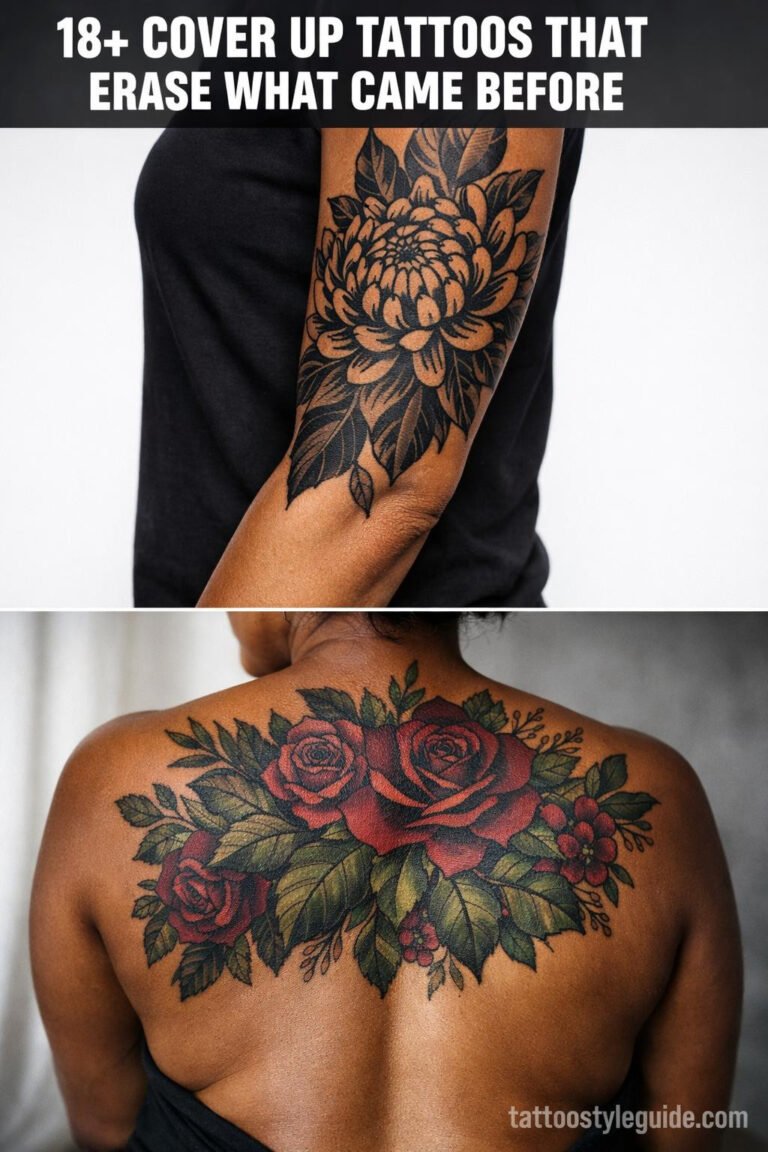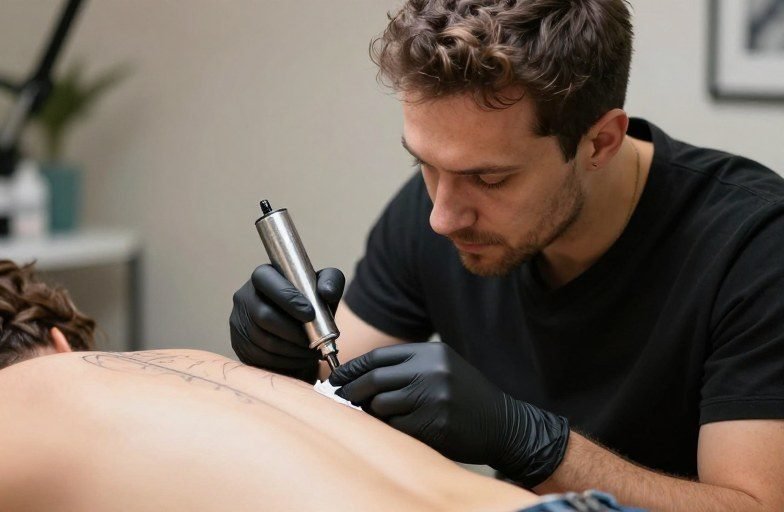
The short answer is that no natural method will fully remove a tattoo. Some approaches can fade ink slightly over long periods, but complete removal without professional intervention remains impossible. This guide covers what actually happens with natural methods, how to manage expectations, and when laser removal becomes the practical choice.
When to See a Professional
Knowing the limits of natural methods saves you months of frustration and potential skin damage. Professional laser removal exists because tattoo ink sits in the dermis, below the epidermis that natural methods can reach.
Signs You Need Laser Instead
Dark, saturated black ink rarely responds to natural fading attempts. Professional tattoos with dense packing, especially from coil machines, embed ink too deep for topical or exfoliation methods to touch. Colors like green and blue demand specific laser wavelengths that no home approach can replicate. If your tattoo is over a year old, has bold lines, or covers a large area, laser consultation becomes worth the visit.
What Laser Actually Does
Q-switched and picosecond lasers shatter ink particles small enough for your lymphatic system to carry away. Multiple sessions spaced 6-8 weeks apart allow complete healing between treatments. Most black tattoos need 6-10 sessions; colored work often requires more. The process is methodical, expensive, and still the only proven path to near-complete removal.
Cost Factors
Natural methods carry hidden costs in time, supplies, and sometimes skin health. Understanding the full picture helps you budget realistically.
Natural Method Expenses
- Salicylic acid products for chemical exfoliation: $15-40 monthly
- Hydrogen peroxide (3% food grade): $10-20, with limited proven effect
- Lemon juice and salt scrubs: minimal cost, minimal results
- TCA acid kits: $30-80, high risk of scarring
- Camouflage or fading creams: $50-200, largely unregulated claims
Laser Removal Pricing
Per-session costs run $200-500 for palm-sized pieces, scaling up for larger work. Full sleeves can reach thousands. Most reputable shops offer free consultations with honest assessments. Package deals sometimes reduce per-session rates. Geographic location matters significantly, coastal cities charge premium rates compared to inland markets.
Tips From the Chair
Working around tattooed skin daily teaches you what actually affects ink longevity. These observations come from watching thousands of pieces age under real conditions.
Sun exposure remains the single most effective natural fader, though not safely or controllably. UV radiation breaks ink particles over years, which is why old tattoos look washed out. Deliberately sunning a tattoo to fade it risks burns, premature aging, and skin cancer. Not recommended, but the mechanism is real.
Exfoliation with alpha-hydroxy acids or retinoids speeds epidermal turnover slightly. This affects the skin surface above the ink, not the dermis where pigment lives. You might see marginal lightening after months of consistent use. The trade-off is irritated, sensitized skin that becomes more prone to sun damage.
Homemade salt scrubs and lemon juice applications create superficial chemical burns. These can damage texture and cause hypopigmentation (light spots) without reliably touching ink depth. The risk-reward ratio skews poorly.
Pain & Comfort
Natural removal attempts hurt differently than getting tattooed or laser removal. Understanding the sensation helps you choose your tolerance path.
What Natural Methods Feel Like
TCA acid application burns sharply, then itches intensely during peeling. Salicylic acid at high concentrations stings and leaves skin raw. Salt abrasion feels like sandpaper on sunburn, repetitive and grinding. These sensations lack the controlled, predictable rhythm of a tattoo machine. The discomfort drags on for days during healing rather than concentrating into a session.
Laser Pain Context
Professional laser feels like hot rubber bands snapping rapidly, or grease splatter from a pan. Most clinics offer numbing options, cooling devices, and session lengths under 30 minutes for smaller pieces. The pain ends when the laser stops, unlike the prolonged irritation of chemical methods.
Aftercare Essentials
Any attempt to fade or remove a tattoo damages skin. Proper aftercare prevents infection, minimizes scarring, and preserves your options for future professional removal.
Healing Damaged Skin
Keep the area clean with mild, fragrance-free soap. Pat dry, never rub. Apply thin layers of petroleum jelly or dedicated tattoo aftercare ointment to prevent scab cracking. Loose clothing prevents friction and fiber sticking. Avoid swimming, soaking, and direct sun until fully healed, typically 2-4 weeks.
Protecting Future Options
Scar tissue from aggressive natural methods makes subsequent laser removal harder and less effective. The laser targets pigment, but scar tissue lacks normal skin structure. If you might eventually choose professional removal, be conservative with home approaches. Preserving skin integrity matters more than marginal fading.
What to Expect Step by Step
Realistic timelines prevent the disappointment that drives people to dangerous shortcuts.
Month 1-3: Surface Changes
With consistent exfoliation or mild acid use, you might notice slight lightening at the edges where ink was less saturated. The tattoo remains clearly visible. Skin texture may roughen. Photos help track marginal changes that daily observation misses.
Month 6-12: Plateau
Most natural methods hit diminishing returns. The epidermis adapts to acids; deeper ink remains untouched. Fading visible at this stage usually reflects normal aging that would have occurred anyway. This is the decision point, continue with minimal progress, accept the tattoo, or pursue professional options.
Year 2+: Natural Aging
Over years, all tattoos fade slightly from sun, immune response, and collagen changes. This process is slow, incomplete, and unpredictable. A ten-year-old tattoo typically looks softer but remains unmistakably present. Natural removal attempts might accelerate this timeline modestly at significant skin health cost.
Final Word
Natural tattoo removal occupies a difficult middle ground. The methods that work enough to notice also risk enough to regret. The methods that are genuinely safe barely move the needle. This honesty serves you better than false hope.
If your tattoo no longer fits who you are, professional consultation costs nothing but time. Bring realistic expectations about sessions, cost, and final results, complete removal of dense black ink is rare, though significant fading is common. A skilled technician can show you healed examples from their actual work.
For small, lightly inked, amateur tattoos, patience and sun protection might fade them to near-invisibility over many years. For professional work with bold lines and saturated color, the mathematics of depth and particle size simply don’t allow natural solutions. Your skin deserves honesty about that limitation.
Frequently Asked Questions
Does tattoo removal cream actually work?
No regulated tattoo removal cream has demonstrated significant ink removal in clinical studies. Most work as mild exfoliants that affect surface skin only, while tattoo ink resides in the dermis below. Some unregulated products contain dangerous ingredients like high-concentration acids that burn skin without reliably removing pigment.
Can I use lemon juice and salt to fade my tattoo faster?
This combination creates a mild chemical abrasion that damages the epidermis. Any visible lightening typically comes from skin irritation and inflammation rather than actual ink removal. Repeated use risks permanent scarring, texture changes, and light spots that become more noticeable than the original tattoo.
Will working out or sweating help remove tattoo ink?
Sweating and exercise don’t affect tattoo ink, which is trapped in dermal fibroblasts and not connected to sweat glands. Heavy sweating during healing can actually cause complications by introducing bacteria or softening scabs prematurely. Normal activity after full healing is fine but won’t fade the tattoo.
How do I know if my tattoo is shallow enough for natural fading?
Amateur tattoos done with single needles, uneven depth, or diluted ink sometimes sit higher in the dermis. These often look patchy, have inconsistent line quality, or faded significantly within the first year. Professional tattoos with crisp, solid lines were likely done with proper needle depth and machine speed, making natural removal improbable.
Related Tattoo Guides
- How to Remove a Tattoo Permanently: A Complete Guide
- How to Sharpen Tattoo Studio Gel Eyeliner: A Complete Guide
- How to Take Care of a New Tattoo: Complete Aftercare Guide
- Explore more