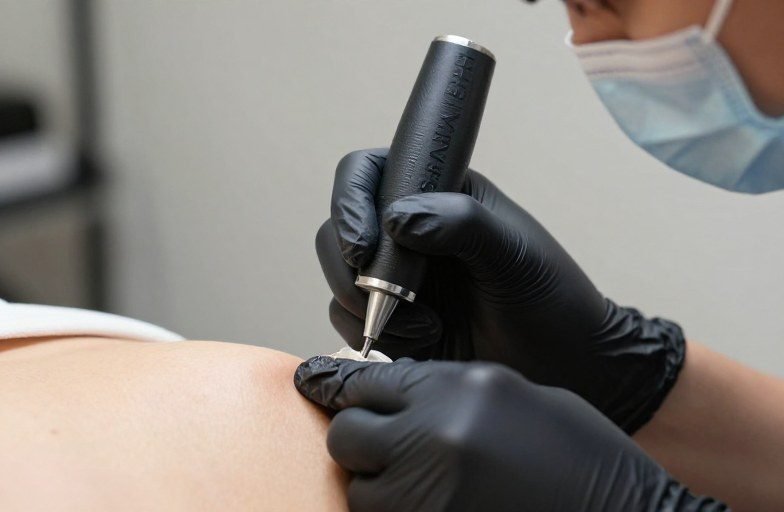
The only reliable way to remove a tattoo permanently is laser tattoo removal, specifically Q-switched or picosecond lasers that shatter ink particles without destroying surrounding skin. Most tattoos require 6 to 12 sessions, sometimes more for dense color or amateur work. Complete removal is possible for many, though some residual ghosting or texture change can remain depending on ink depth, color, and your skin type.
Tips From the Chair
Having watched removal clients for years, certain patterns emerge. People who research thoroughly and set realistic expectations have the smoothest experience. Here’s what actually matters.
Choosing Your Technician
Look for a board-certified dermatologist or a licensed laser specialist operating under medical supervision. The laser type matters: picosecond devices (PicoSure, PicoWay) generally clear ink faster than nanosecond Q-switched lasers, especially on stubborn blues and greens. Ask what specific machine they use, how long they’ve operated it, and whether they’ve treated your tattoo’s colors before. Avoid medspas with rotating staff and no direct medical oversight.
What Makes Removal Harder
- White, yellow, and light green inks, lasers struggle to target these wavelengths effectively
- Amateur or stick-and-poke tattoos with uneven, deep ink saturation
- Tattoos on ankles, feet, and lower legs where circulation is poorer
- Older skin or skin with significant sun damage
- Smoking, which impairs the lymphatic system’s ability to clear shattered ink
Dark black ink on fair skin responds fastest. Multicolored professional pieces on darker skin tones require more expertise to avoid hypopigmentation.
What to Expect Step by Step
Understanding the sequence removes a lot of anxiety. Each session follows a predictable pattern, though your body’s response introduces some variation.
Before Your First Session
The technician photographs your tattoo and assesses skin type using the Fitzpatrick scale. They’ll ask about medical history, medications (especially photosensitizing drugs like Accutane or certain antibiotics), and previous tattooing or removal attempts. Shave the area if hairy. Avoid sun exposure for two weeks prior, tanned skin increases complication risk significantly.
During Treatment
Protective eyewear is mandatory for everyone in the room. Topical numbing cream may be applied 30-60 minutes beforehand, though many clinics skip this since it doesn’t penetrate deeply enough to fully eliminate sensation. The laser pulses feel like hot rubber bands snapping or grease splatter, intense but brief. A session lasts 5-30 minutes depending on tattoo size. Immediately after, the area turns white and frosty (laser-induced optical whitening), then reddens and swells within hours.
The Direct Answer
Can a tattoo be removed completely? Often yes, but “complete” needs qualification. The FDA clears laser devices for tattoo removal, not for guaranteed elimination of every trace. Professional, well-executed laser removal can leave skin looking essentially clear to casual observation. However, microscopic ink fragments sometimes persist, and skin texture rarely matches untouched surrounding tissue perfectly.
Alternatives to laser either don’t qualify as permanent or carry unacceptable risks:
- Surgical excision removes the tattoo permanently but leaves a scar; only practical for small designs
- Dermabrasion and salabrasion sand away skin layers; highly scarring, largely abandoned
- Creams and topical solutions claiming to “draw out ink” have no scientific backing
- DIY acid treatments cause chemical burns and permanent disfigurement
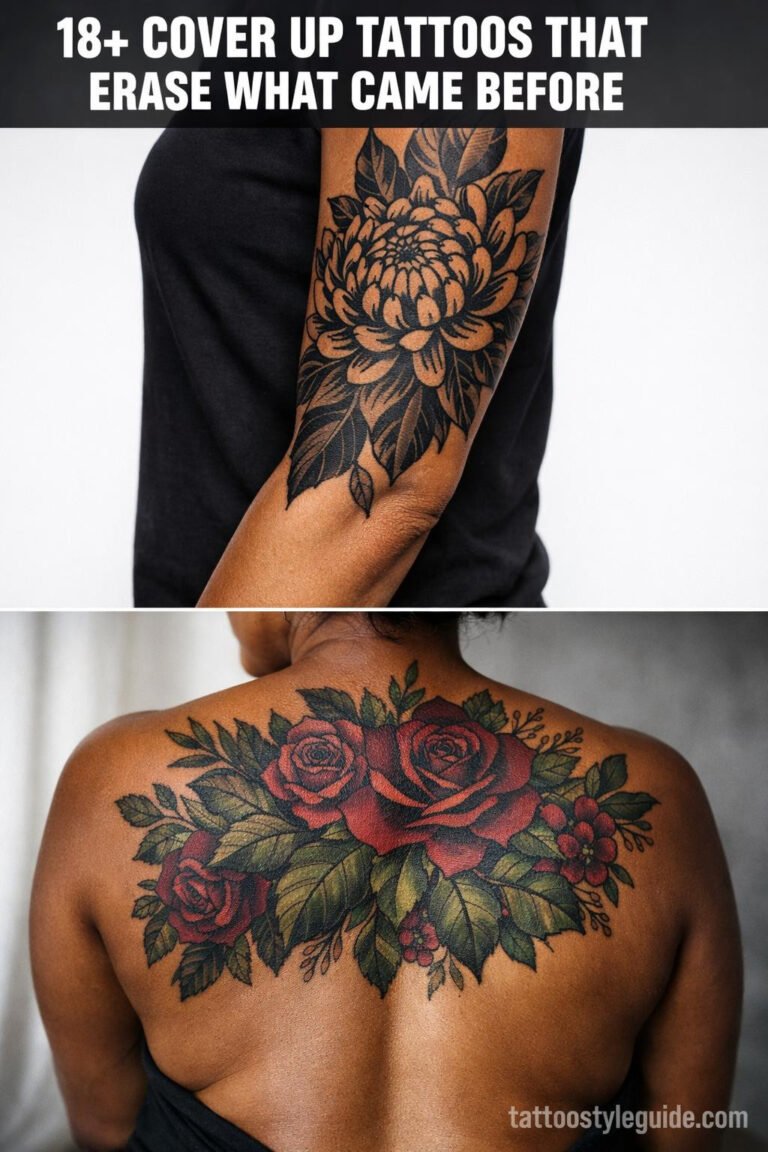
Cover-up tattoos are an option if removal proves impractical, but they require the existing tattoo to be faded significantly first, usually 3-5 laser sessions minimum.
Cost Factors
Removal is substantially more expensive than getting tattooed. Budget realistically from the start to avoid half-faded abandonment.
Price Structures
Most clinics charge per session, with national averages ranging from $200-$500 for palm-sized tattoos and $500-$1,000+ for larger pieces. Some offer package discounts for prepaid multiple sessions. A full sleeve removal might run $5,000-$15,000 over two years. Consultations are sometimes free, sometimes $50-$100 (often credited toward treatment).
What Drives Total Cost
- Number of colors (each may need different laser wavelengths)
- Ink density and layering (cover-ups are harder to remove)
- Geographic location and clinic overhead
- Whether anesthesia is offered (injection numbing adds cost)
- Post-treatment supplies provided versus purchased separately
Insurance never covers cosmetic removal. Some employers or military branches may subsidize removal for specific professional requirements.
Aftercare Essentials
Proper aftercare between sessions directly impacts how much ink clears and how your skin recovers. Neglect here can mean more sessions, worse results, or scarring.
Immediate Post-Session Care
The technician applies antibiotic ointment and a sterile dressing. Keep this on for 24 hours unless instructed otherwise. After removing the bandage, gently wash with mild fragrance-free soap, pat dry, and apply a thin layer of recommended ointment (often petroleum-based or specific post-laser products). Blistering is common and normal, do not pop blisters. If they rupture on their own, keep the area clean and continue ointment application.
Ongoing Protection
- Sun exposure is your enemy: SPF 50+ on the area every day, even through clothing windows
- No picking, scratching, or exfoliating the treated skin
- Avoid swimming pools, hot tubs, and soaking baths until fully healed
- Skip strenuous exercise that rubs or overheats the area for 48 hours
- Wear loose, breathable clothing over the site to prevent friction
Shaving should wait until all scabbing and blistering resolves, typically 2-3 weeks.
Healing Timeline
Patience isn’t optional in removal; it’s built into the biology. Your lymphatic system needs time to process shattered ink particles, and skin needs recovery between laser insults.
Between-Session Recovery
Surface healing, closed skin, resolved blisters, faded redness, takes 2-4 weeks. Deeper recovery continues for 6-8 weeks. This is why sessions are spaced 6-8 weeks apart minimum, and 12 weeks for slower-healing areas or darker skin tones. Rushing the schedule doesn’t speed overall removal; it increases complication risk and may reduce effectiveness since ink continues fading between sessions.
Full Process Duration
Most people spend 1-3 years from first session to final result. A small, simple black tattoo might clear in 8 months. Dense, multicolored work on a limb can stretch past three years. Fading for cover-up purposes takes less time, often 3-6 sessions over 6-12 months, but still requires the same healing intervals.
Results emerge gradually. The tattoo may look darker or more defined briefly after early sessions before overall fading becomes apparent. Progress photos help track change that daily observation misses.
The Bottom Line
Permanent tattoo removal is achievable for most people through professional laser treatment, but it’s a commitment of time, money, and disciplined aftercare. Success depends heavily on technician skill, laser technology appropriate to your specific tattoo, and your body’s healing response. Go into the process with realistic expectations: near-complete fading is common, perfect restoration of pre-tattoo skin is not. Research your provider thoroughly, follow aftercare precisely, and don’t rush the schedule. The ink took permanent residence; evicting it properly takes patience.
Frequently Asked Questions
Does laser tattoo removal hurt worse than getting the tattoo?
Most people find removal more uncomfortable than tattooing because the sessions are shorter with no breaks, though the sensation is different, sharp heat versus prolonged abrasion. Numbing options help, but never eliminate it entirely.
Can all tattoo colors be removed completely?
Black and dark blue respond best. Red, orange, and purple usually fade well. Green, light blue, yellow, and white are notoriously stubborn and may never fully clear, sometimes requiring many extra sessions.
Will laser removal leave a scar?
Properly performed laser removal rarely scars, but blistering, infection, or picking at scabs can cause texture changes. Some people develop temporary or permanent lightening (hypopigmentation), especially with darker skin tones.
How soon after getting a tattoo can I start removal?
Wait at least 6 months, preferably a full year. Fresh tattoos hold more ink density and are still healing underneath; early removal increases scarring risk and typically requires more sessions overall.
Related Tattoo Guides
- How to Sharpen Tattoo Studio Gel Eyeliner: A Complete Guide
- How to Take Care of a New Tattoo: Complete Aftercare Guide
- When Does a Tattoo Fully Heal? A Realistic Timeline
- Explore more