Knuckle tattoos hit different. They’re right there, impossible to miss, and they announce something about you before you even open your mouth. I’ve watched thousands of people walk through shop doors with that specific energy, part nerves, part conviction, part “I’ve thought about this for two years and I’m finally doing it.” Some of them nail it. Others… well, let’s just say cover-ups on knuckles are a special kind of challenge. Here’s the real deal on what works, what doesn’t, and how to walk out with something you’ll still love when you’re sixty.
Popular Styles That Hold Up
Not every style translates to knuckles. The skin here is thin, moves constantly, and takes a beating from sunlight and friction. I’ve seen gorgeous watercolor pieces fade to muddy confusion in three years. I’ve seen simple black lettering look crisp at ten. The style you pick matters more here than almost anywhere else on your body.
Traditional and Neo-Traditional
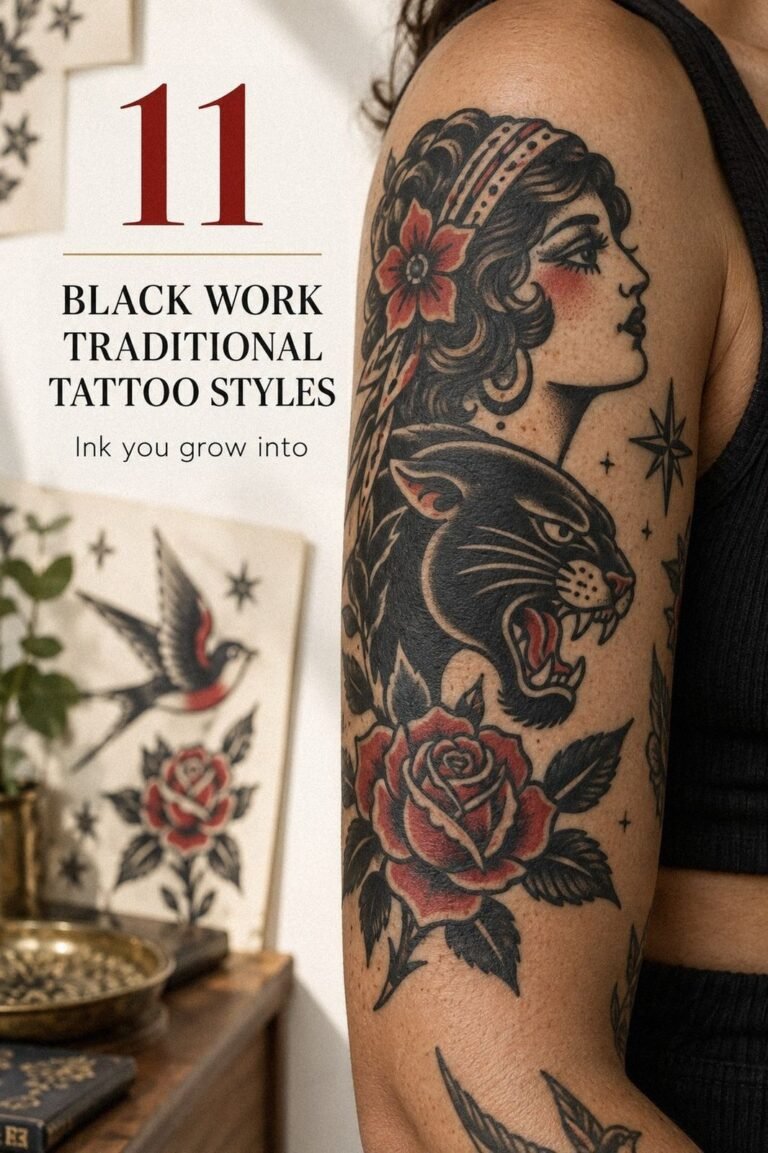
Bold lines. Saturated color. Limited detail. This is the sweet spot for knuckles. Traditional roses, swallows, daggers, and banners all work because they’re designed to be readable from across a room. The heavy black outlines act like armor against time. A good traditional piece on your knuckles will still look like itself when your grandkids are asking about it.
Neo-traditional gives you more color range and slightly more detail, but don’t get too cute with it. Tiny whiskers on a cat face? Gone in two years. Big, confident shapes? Those stay.
Blackwork and Ornamental
Dotwork mandalas, geometric patterns, and solid black coverage, this stuff thrives on knuckles. The density of ink helps combat the natural fading that happens here. I’ve done full blacked-out knuckles with negative-space designs that looked incredible. The contrast is immediate and dramatic.
One caveat: solid black hurts more. The skin gets worked harder, and you’ll need more passes. Bring snacks. Hydrate. Don’t schedule it before a long shift on your feet.
Design Ideas That Make Sense
Let’s talk specifics. What do people actually get, and what holds meaning beyond the moment?
- Letters and words: The classic. LOVE/HATE. STAY/TRUE. HOLD/FAST. Eight letters, one per finger, telling a story in two words. These work because they’re simple, legible, and carry weight. But spell-check twice. I’ve seen “REGERT” in a shop once. The client laughed. The artist didn’t.
- Symbols and icons: Crosses, stars, eyes, keys. Small images that read instantly. A friend of mine has a tiny flame on each middle finger. Simple. Striking. Still looks good five years later.
- Numbers and dates: Birth years, lucky numbers, coordinates. These carry personal meaning without needing explanation. Keep the font bold, thin numerals blur together as they age.
- Matching sets: Couples getting identical knuckle pieces. I’ll be honest: I’ve talked people out of this more than once. Love is beautiful. Knuckle tattoos are permanent. The math doesn’t always work.
What to Avoid
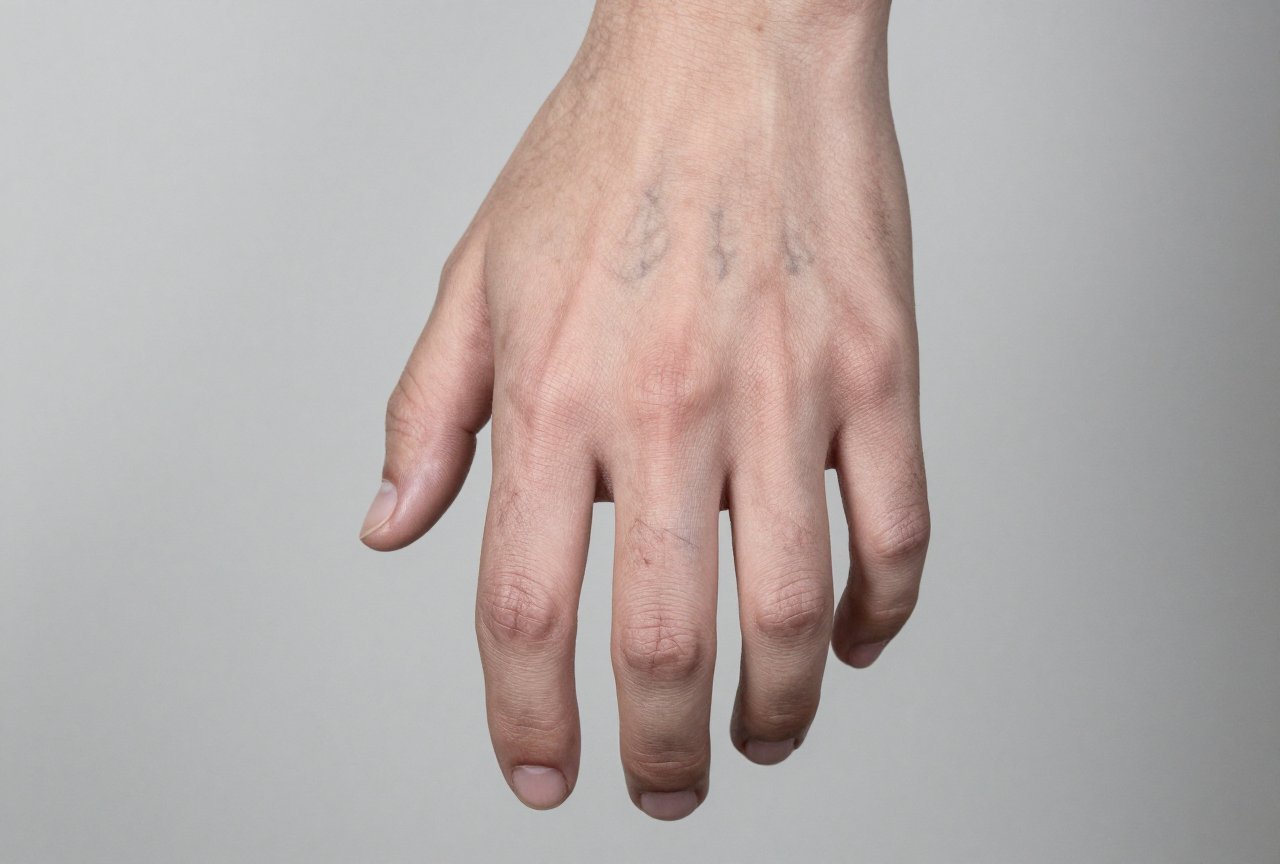
Tiny script. Faces. Anything with gradients or soft shading. Photorealism dies here. I’ve watched a client’s “micro portrait” of their dog become a smudgy suggestion of a dog. Go bold or go home, literally, go home and think about it more.
Best Placements and Spacing
“Knuckle tattoo” usually means the top of the finger between the main knuckle and the first joint. But there’s variation, and it matters.
The classic placement puts the design right across the knuckle itself, so it moves and flexes with your hand. This looks dynamic but fades faster. The alternative is slightly higher, between the knuckles, where there’s less constant motion. Slightly longer life, slightly less visual punch.
Spacing between letters or images is crucial. Crowded knuckle tattoos become unreadable fast. I tell clients: if you can’t fit a pencil eraser between your design elements, they’re too close. Negative space is your friend. It gives the eye room to breathe and the ink room to settle without bleeding together.
Some people extend onto the fingers themselves, full finger tattoos. That’s a different conversation. More pain, more fading, more commitment. The knuckles alone are statement enough for most.
Color Choices: What Lasts vs. What Fades
Black and grey. That’s the honest answer for longevity. But people want color, and color can work if you’re smart about it.
- Black: The king. Crisp, readable, ages gracefully. A heavy black outline around any color extends its life significantly.
- Red: The second most stable. Traditional red holds surprisingly well on knuckles. Bright fire-engine red better than dark burgundy, which can heal muddy.
- Yellow and white: Fade fast. White especially, I’ve seen it disappear entirely in two years on active hands. Use it as highlight only, never as the main event.
- Blue and green: Middle of the road. Teal tends to hold better than lime green. Navy outlasts sky blue.
Here’s a shop secret: the artist’s saturation technique matters more than the color itself. A color packed in properly, with the needle depth just right, lasts years longer than sloppy application of the same ink. This is why knuckle specials at $50 a finger should make you nervous. Good work takes time.
Tips for Choosing Your Design
I’ve had the “what should I get” conversation probably four hundred times. Here’s what I actually tell people.
Live With It Temporarily
Sharpie your idea on your knuckles. Wear it for a week. Wash dishes with it. Shake hands. See it in the morning before coffee when you look like a disaster. If you still want it after that, you’re closer to ready. Most people I’ve suggested this to either changed their design or their mind. Both are fine outcomes.
Consider Your Actual Life
Not your fantasy life. Your real one. Do you work in food service? Healthcare? Any job with gloves and hand-washing? Knuckle tattoos will be noticed, always. Some industries don’t care anymore. Others still do. Know your field. Know your tolerance for explaining yourself.
Also: do you rock climb? Garden? Play guitar? All that hand abuse accelerates fading. Not a dealbreaker, but know what you’re signing up for.
Pick the Right Artist
This cannot be overstated. Not every tattooer does knuckles well. Some refuse entirely, hand tattoos are a reputation risk for the artist if they blow it. Find someone with a healed portfolio of hand work. Ask to see photos at one year, three years. If they only show fresh work, that’s a red flag.
A good knuckle tattoo artist will also be honest about what won’t work. If they tell you your idea is too detailed for the space, listen. They’re not being difficult. They’re trying to save you from future disappointment and themselves from a bad review.
Final Thoughts
Knuckle tattoos are a particular kind of commitment. They’re not hidden. They’re not subtle. They announce that you’ve made a choice and you’re standing by it. That energy is exactly why people love them and exactly why you should be sure.
The best knuckle tattoos I’ve seen share DNA: bold simplicity, personal meaning, and the confidence of someone who didn’t rush. The worst? Usually involve tiny fonts, trendy symbols, or decisions made at 2 AM after four beers. You know which path you’re on.
Take your time. Find the right artist. Live with the idea before you live with the ink. And when you finally sit in that chair, fist clenched, needle buzzing, you’ll know you earned what’s coming. There’s nothing quite like looking down at your own hands and seeing a story you chose, told in lines that will outlast the season’s mood. That’s the whole point, isn’t it?
More Tattoo Ideas
- Easy Front Hand Mehndi Designs That Stay Clean and Crisp
- How to Make Minimal Mehendi Designs Heal Clean and Stay Crisp
- 11 Simple Mehendi Hand Designs That Heal Clean and Stay Crisp
- Explore more
Frequently Asked Questions
What words fit best on knuckles without looking cramped?
Short four-letter words are the classic choice because they align perfectly with the eight knuckles. Many people choose two related words like LOVE and HATE or STAY and TRUE for balanced visual impact.
Do knuckle tattoos fade faster than other tattoos?
Yes, they tend to fade more quickly because hands are constantly used, washed, and exposed to sunlight. You should expect to need touch-ups every few years to keep the lines crisp and readable.
How painful are knuckle tattoos compared to other placements?
Knuckle tattoos rank among the most painful because the skin is thin and sits directly over bone and tendons. Most people describe the sensation as intense burning or vibrating that radiates through the whole hand.
Can you get knuckle tattoos if you work in a professional setting?
Many employers still view visible hand tattoos as unprofessional, so consider your career carefully before committing. Some people choose smaller, less obvious designs or wait until they are established in their field.