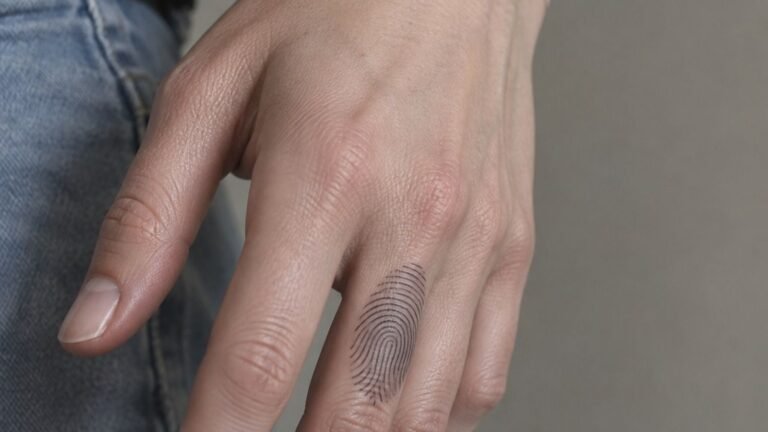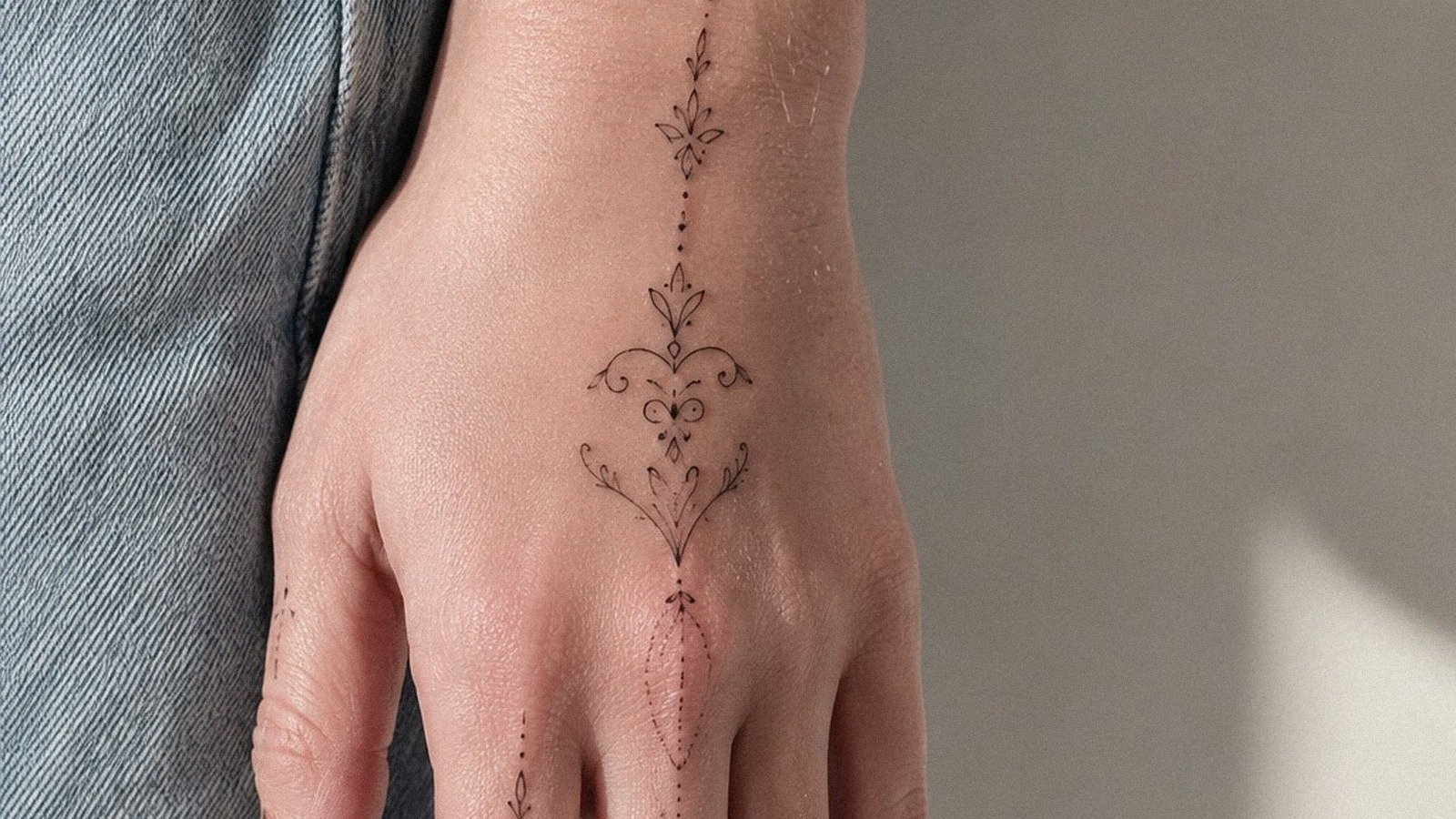
Mehendi designs for hands simple enough to stain evenly are easy to find, but I almost talked myself into going too tiny on my first hand-adjacent piece. Bad move. The clean ones stay clean because the mehndi artist gives the paste lines breathing room, uses a steady cone, and picks placement with some common sense.
- Minimal Finger Mehendi Trail
- Simple Palm Mandala Henna Design
- Fine Line Wrist Mehendi Band
- Tiny Floral Hand Henna Pattern
- Arabic Vine Mehendi Across Fingers
- Minimal Back Hand Mehendi Design
- Simple Bridal Finger Mehendi Details
- Negative Space Palm Henna Design
- Trending Dotwork Mehendi Hand Pattern
- Small Lotus Mehendi Wrist Accent
- Clean Bracelet Style Henna Design
- Should You Put Mehendi on the Knuckles?
- Jaipur Cuff-Inspired Mehendi Edge
- Split the Motif Down the Middle
- Is Red Paste Worth It Here?
- Bridal Lace vs Everyday Air
- Dot-and-Leaf Half Moon Sweep
- Start With the Thumb-Side Flow
1Minimal Finger Mehendi Trail
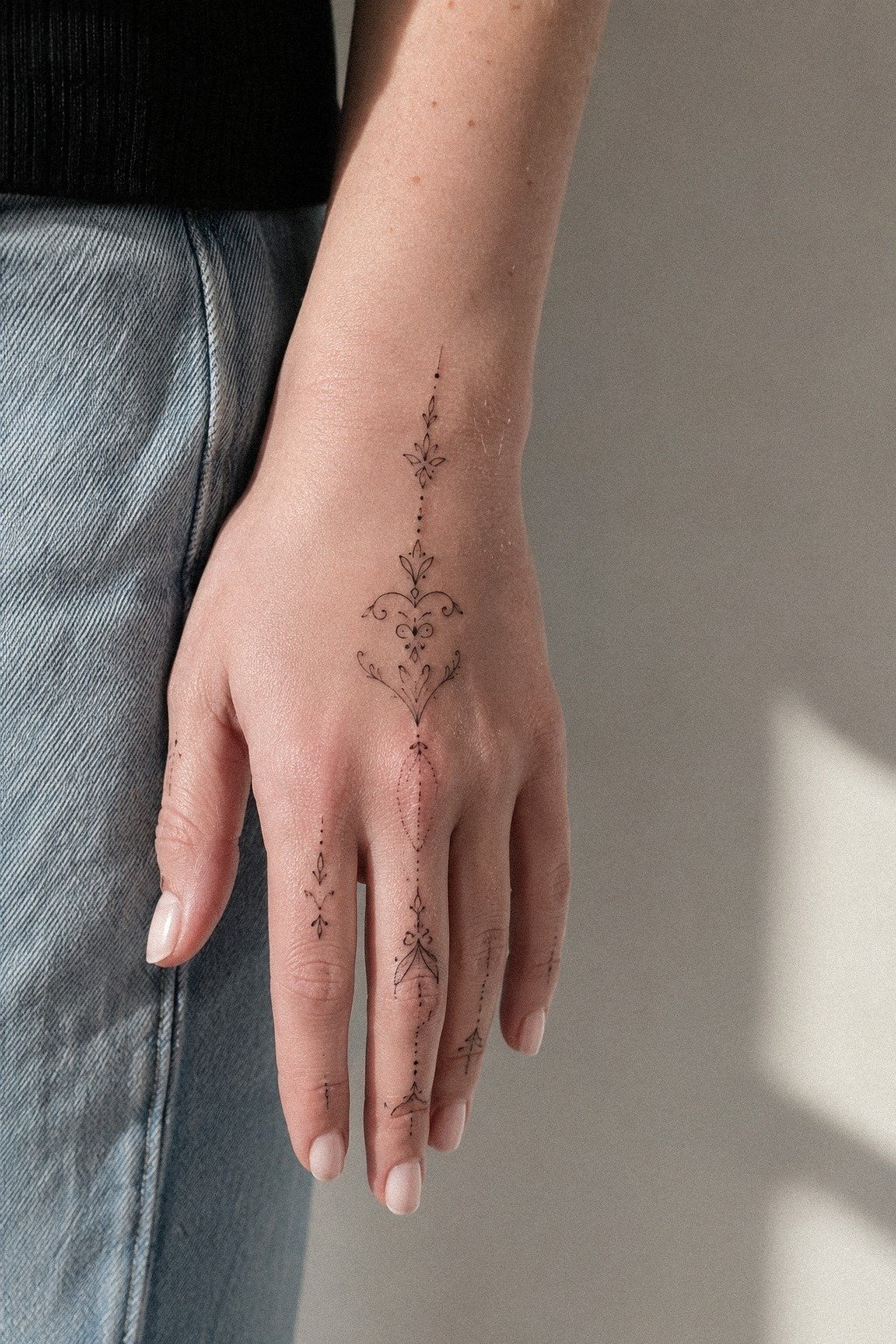
Start with one trail, not five. A minimal finger mehendi trail looks best when the line sits like jewelry along one side of the finger, then breaks before the knuckle so your skin can move without smearing it. In the photo, you can see how that delicate path stays light on fair cool-pink skin because the artist didn’t cram every gap shut.
I’d keep this kind of single-cone paste trail around 2 to 3 inches total if you want it to dry neatly and stain crisp. Your fingers are a high-wear zone, so you need extra breathing room or it’ll blur faster than you think. That matters!
If you’re still figuring out how little is enough, look at 16 finger mehendi designs that stay delicate under pressure and compare the designs with the most open skin left in them. That’s the part people skip, and it’s usually the part that gives you the best visual value.
2Simple Palm Mandala Henna Design
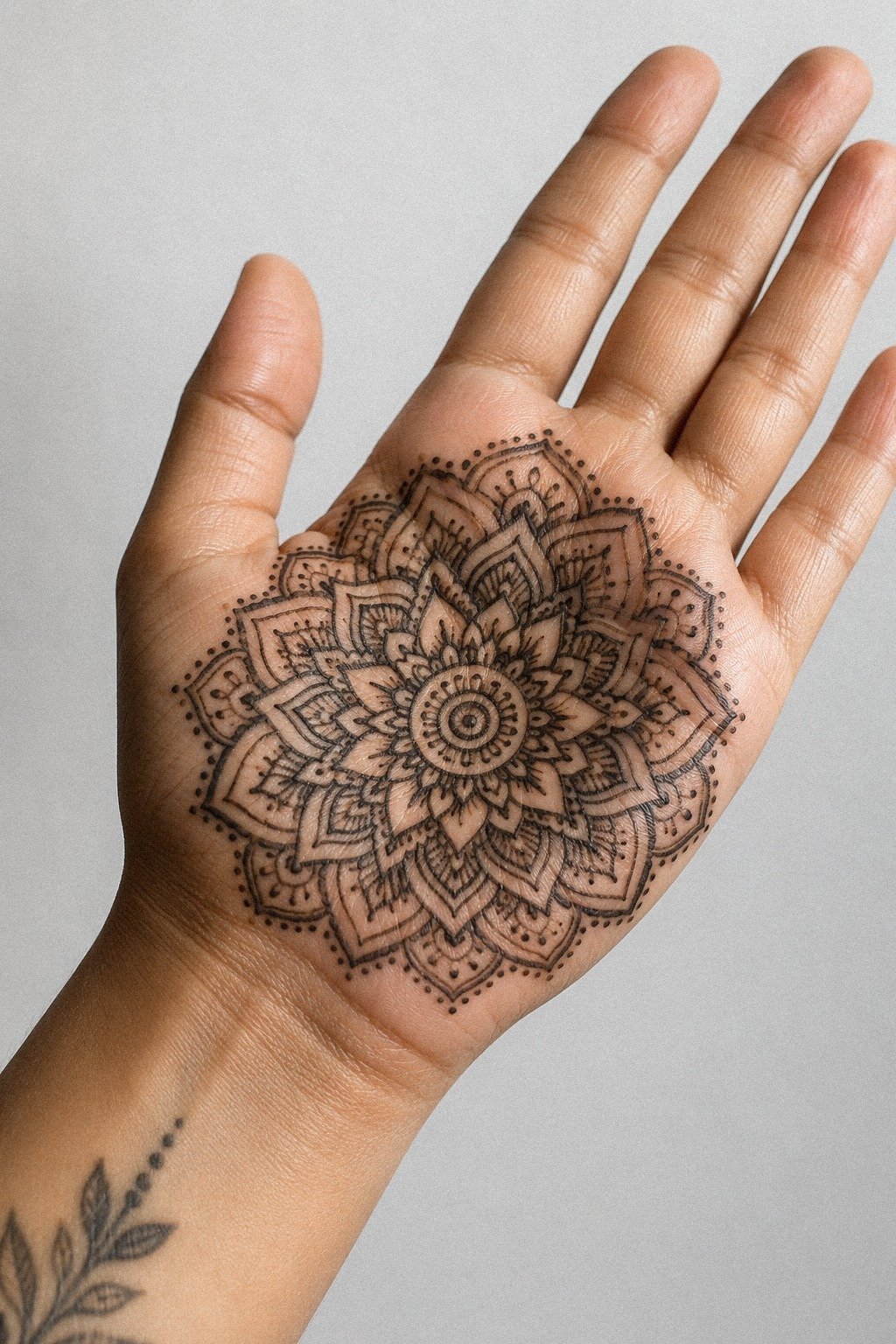
Center the geometry, then stop before greed kicks in.
3Fine Line Wrist Mehendi Band
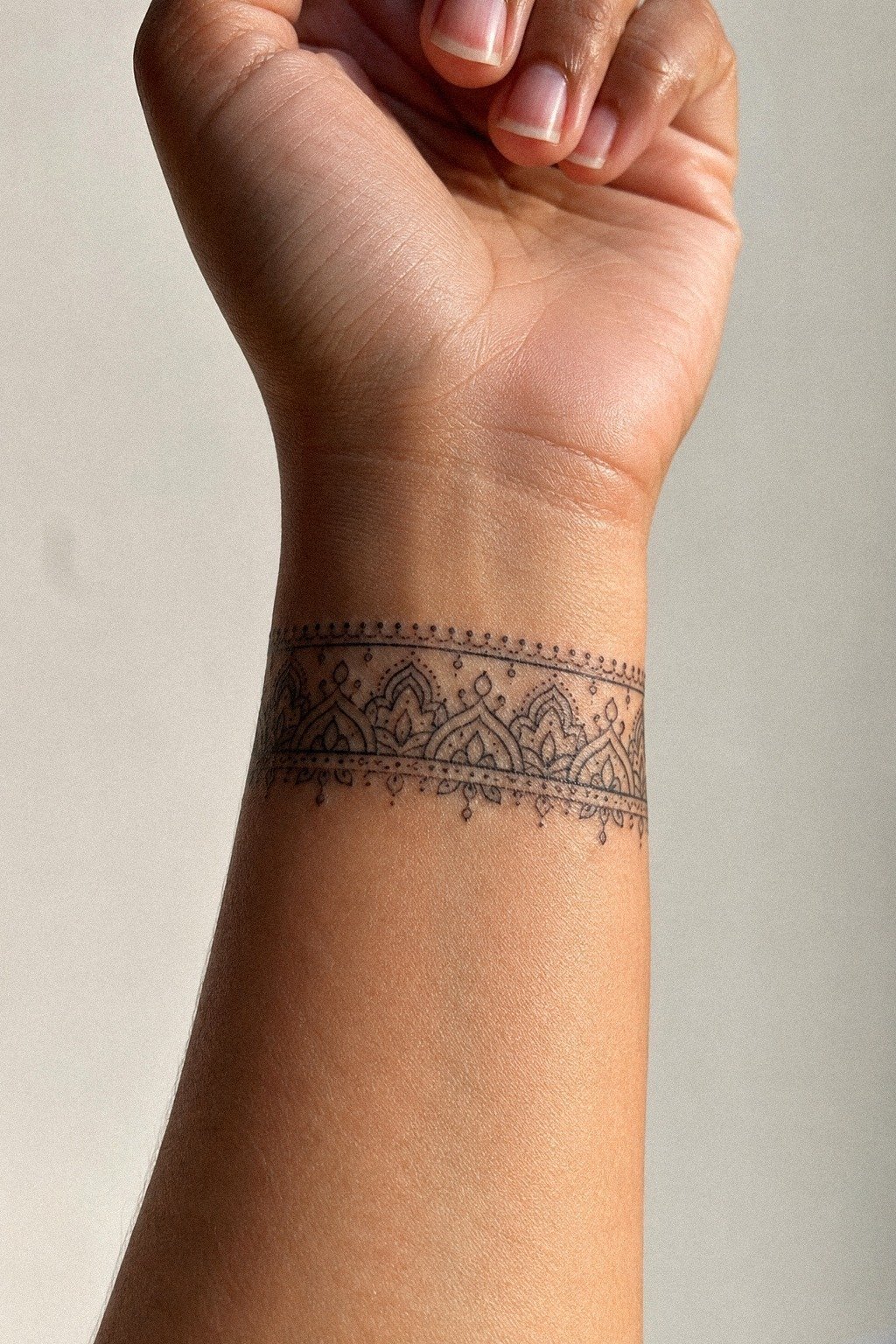
Wrap the wrist like a bracelet, but leave one clean break. That open gap matters because a band that closes too tight on medium olive skin can look heavier than you planned once the stain deepens. In natural daylight, like the finished photo here, the best bands look graceful and intentional, not like you got caught halfway through stacking five charms.
I like this style at about 0.25 to 0.5 inch tall with tight paste linework and just enough repetition to feel rhythmic. Your lower forearm is easier than the hand for keeping the design crisp, and it usually takes less time to apply, too.
If you want more references that keep that same clean rhythm, latest simple mehndi designs gives you a good range without pushing into fussy details. For a first mehendi design, this is one of the safest worth-it placements in the whole group.
4Tiny Floral Hand Henna Pattern
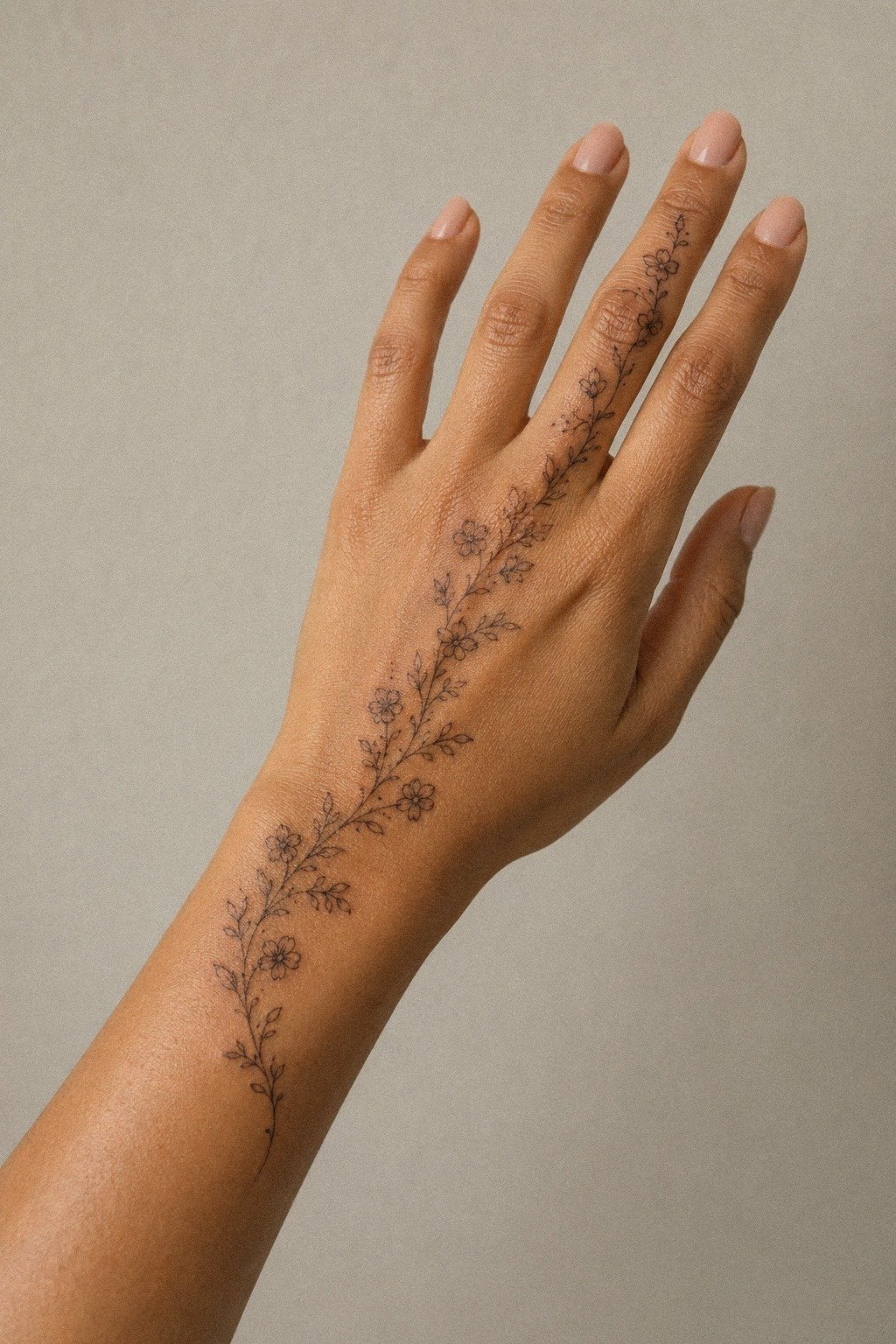
Float the flowers with the tendons instead of fighting them.
5Arabic Vine Mehendi Across Fingers
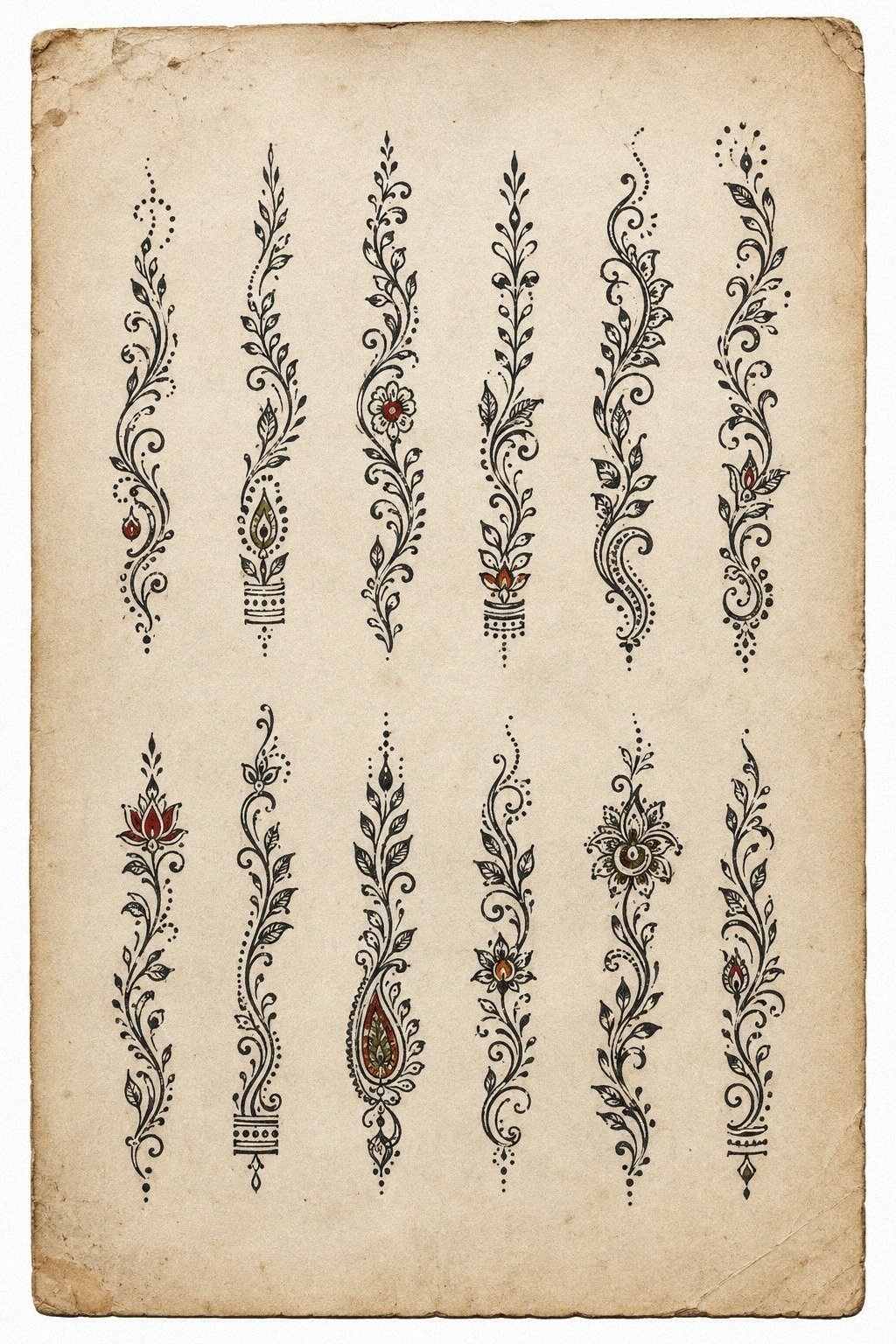
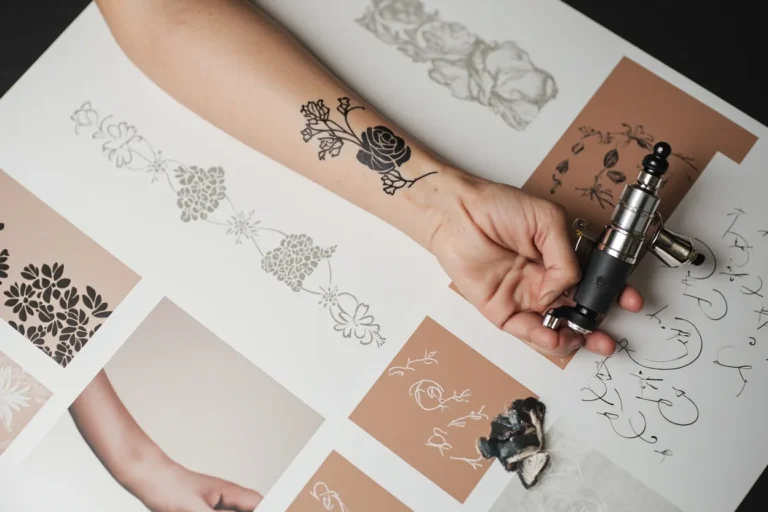
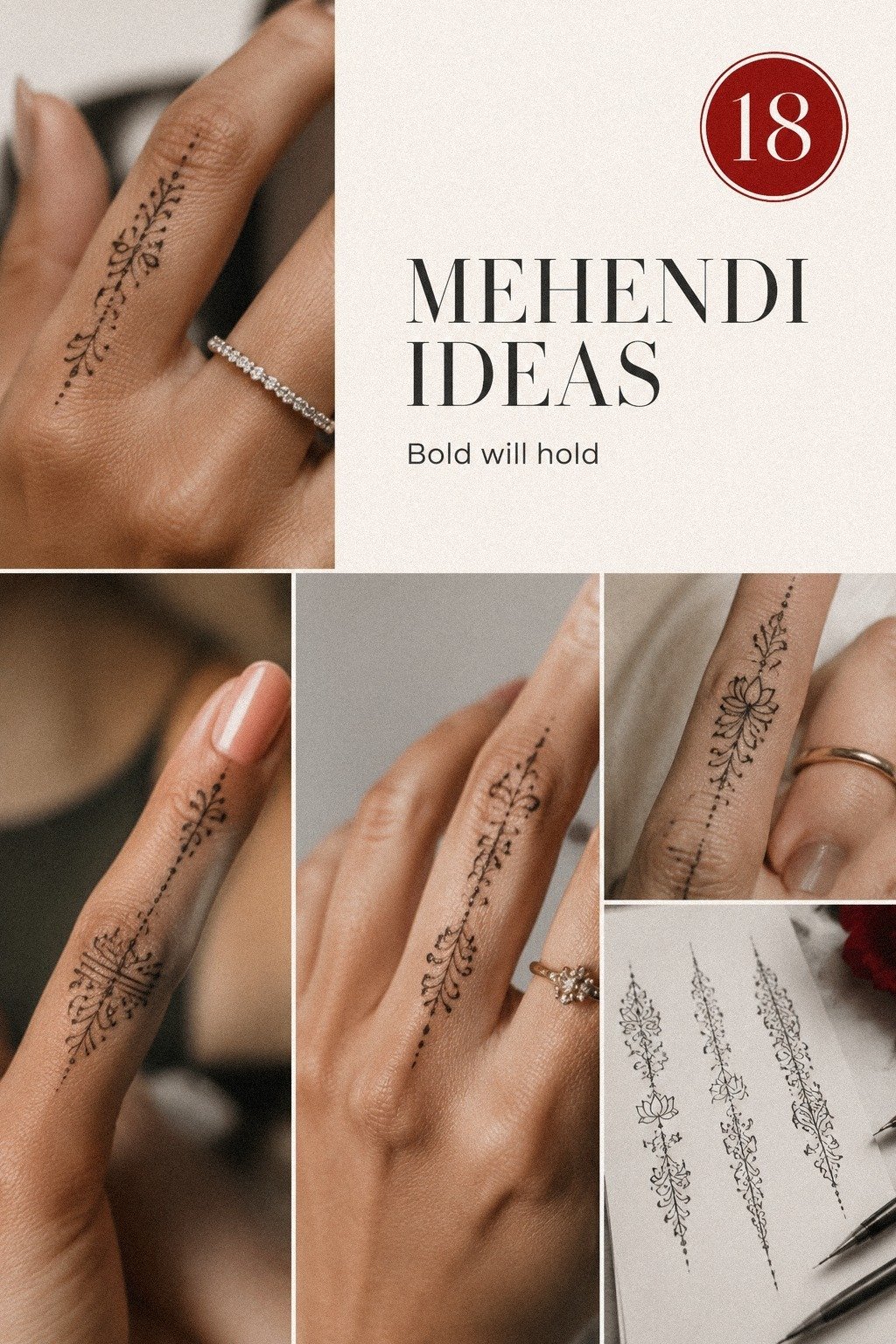
Use a paper sketch to test the vine before you wear it. This image is a sheet of designs on aged off-white paper, which is honestly perfect for comparing how an Arabic vine can snake across fingers without losing its rhythm. You can spot right away which drawings leave enough open skin and which ones are one bad size choice away from smudging.
When I draw this kind of finger-spanning piece, I want fine cone structure that can translate into one clean pull, not ten fuzzy ones. Your best move is picking one vine route with two or three leaf events, then letting the artist adjust it for your hand shape.
But don’t hand them a Pinterest-exact crop and demand a copy. References are for vibe. 22 very simple mehndi designs that look effortlessly intentional helps you see which designs are clean enough to customize, and that custom tweak is usually what makes the final mehendi feel meaningful.
6Minimal Back Hand Mehendi Design
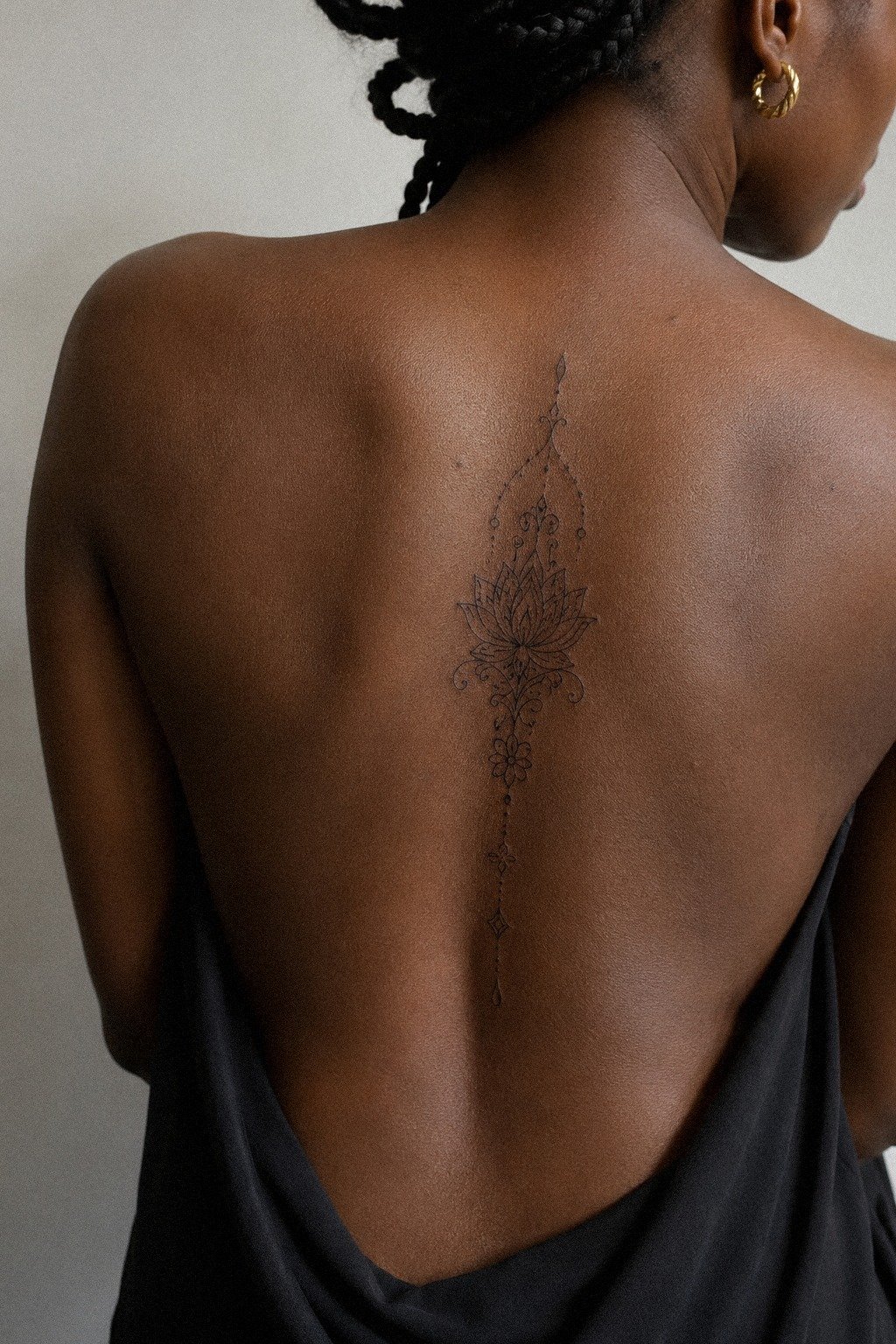
Strip it back until the line is the star. The striking part here is that the photo shows the motif opened up across an upper back on deep ebony skin, and that’s useful because you can really see how little linework it takes for a mehendi-inspired pattern to hold.
Nothing is crowded. Nothing is begging for filler.
I’d use that same restraint when moving the idea onto the back of your hand with fresh brown paste and a very light central motif. Your back of hand gives a delicate design more room than fingers, but it is still exposed to sun and constant motion, so clean spacing wins every time.
But if a design only works when it’s huge across shoulder blades, that’s your sign it probably needs simplification before it belongs on your hand. 17 latest simple mehndi designs that transcend trends is a solid gut check for that, especially if you’re trying to keep the cost from ballooning into a bigger custom redraw.
7Simple Bridal Finger Mehendi Details
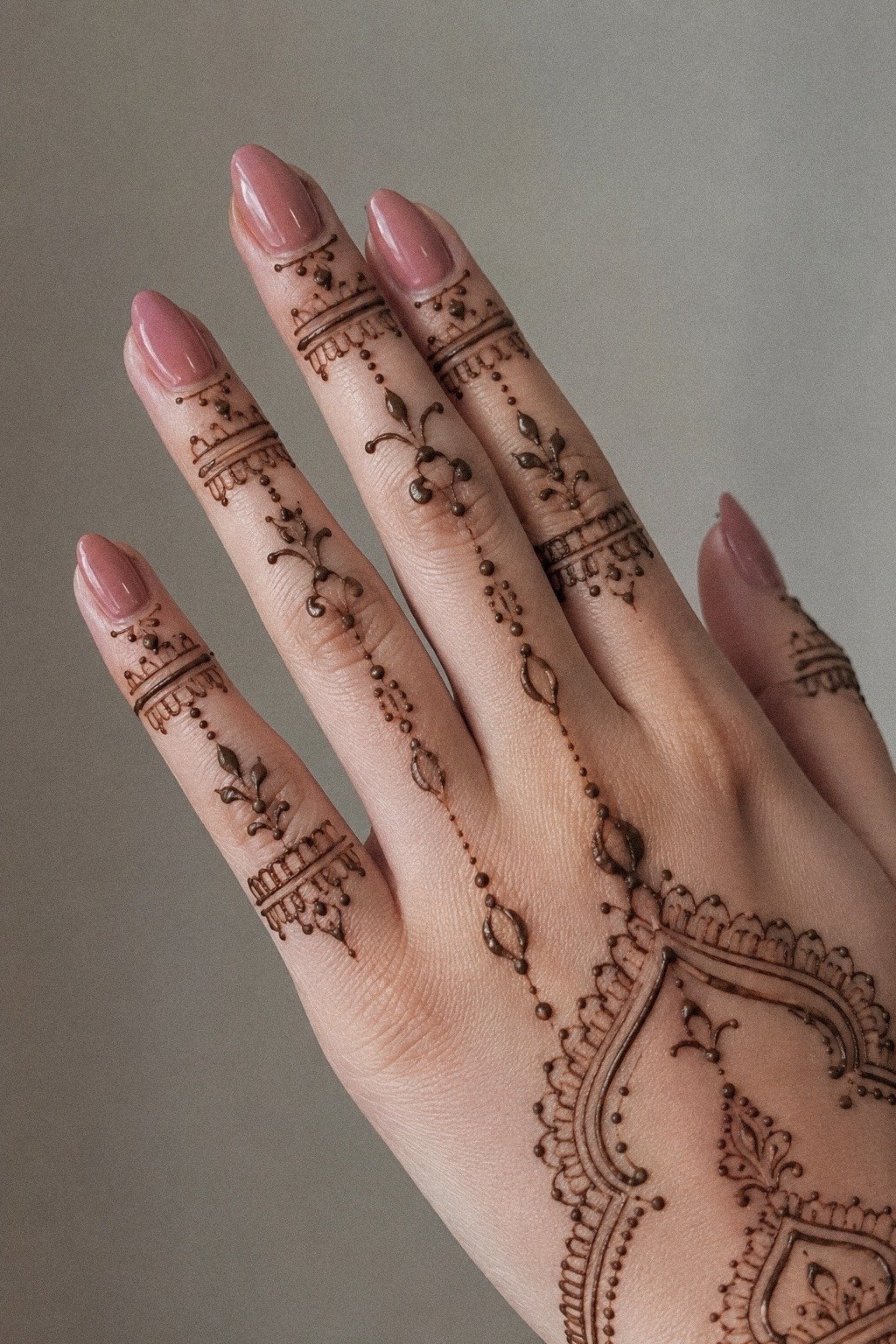
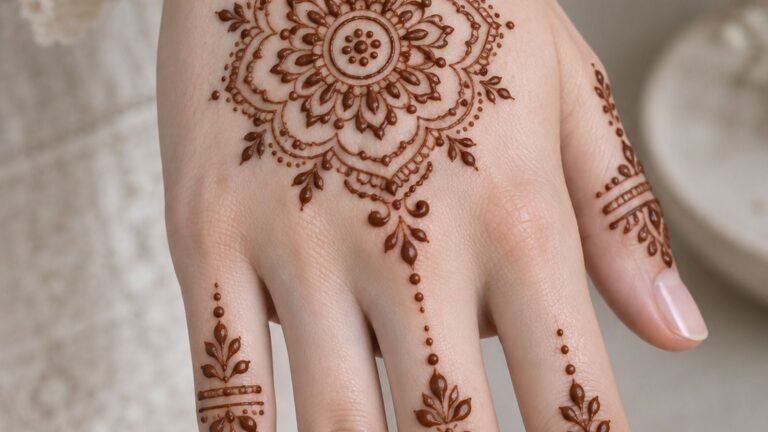
Zoom way in and keep the details ceremonial, not crowded. This macro shot shows how bridal finger details can still feel dainty when the line weight stays even and the motifs repeat with intention on fair cool-pink skin. You don’t need every fingertip filled for the design to feel dressed up.
I’d anchor a bridal-inspired design with micro floral and dot details on two fingers max, then let the rest of your hand stay quiet. That’s what keeps it from reading costume after the wedding mood passes.
Your artist should leave enough paste between the small petals that they don’t merge as they dry, and you should expect finger designs to fade sooner than forearm designs. If you’re torn between ornate and wearable, 18 simple mehndi designs front hand you can copy fast shows how restraint keeps the look polished without burning your whole budget.
8Negative Space Palm Henna Design
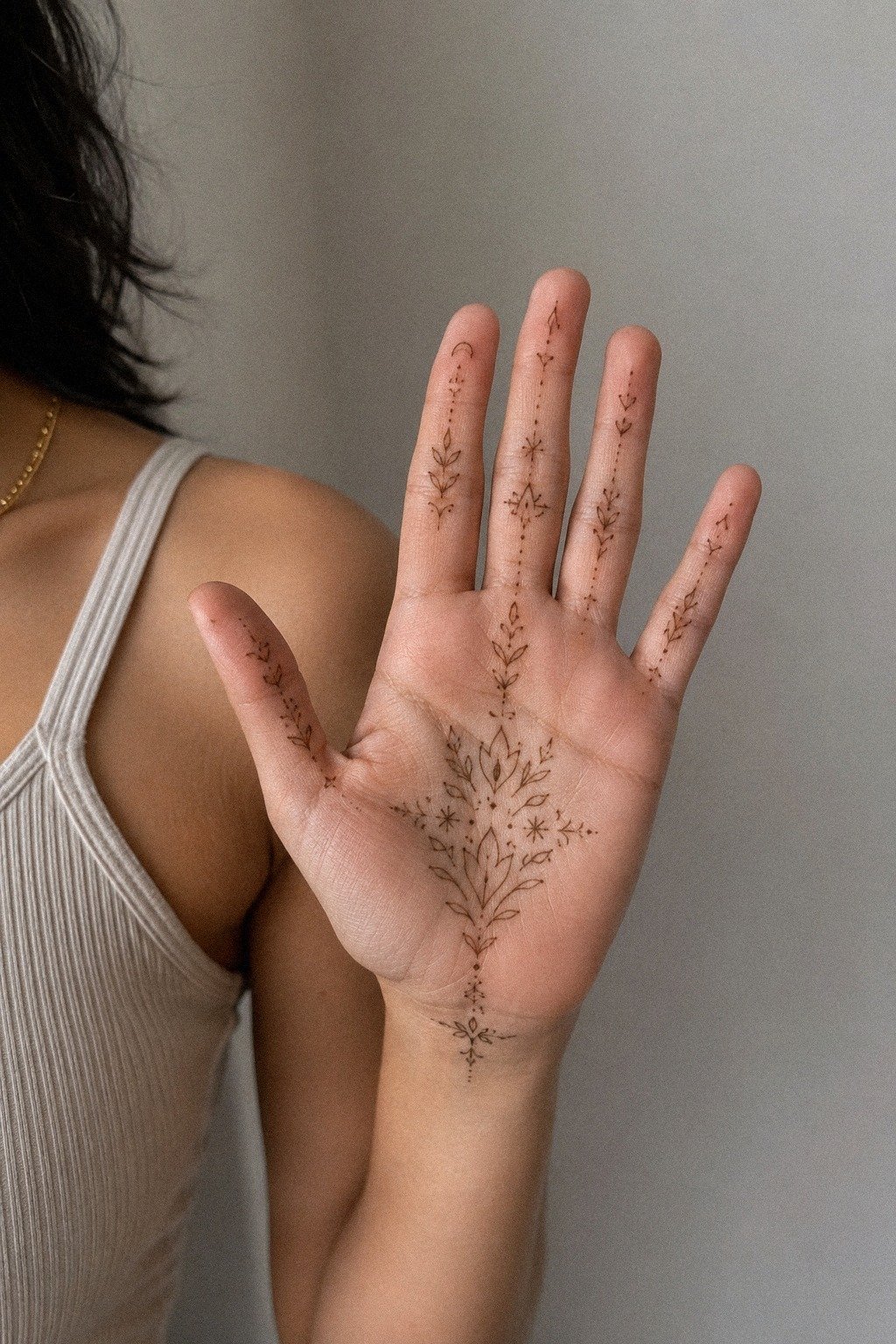
Let the skin do half the drawing. A negative space palm design looks powerful because the untouched skin becomes part of the pattern, and in this finished whole-hand photo on medium warm ivory skin, that’s exactly why it still reads clean.
The artist trusted the gaps. You should too.
For a deep stain, I’d choose strong outer paste lines around bigger petals or arches, then leave the inner zones open instead of filling them with tiny lace. Your palm can be rough on detail, so contrast matters more than ornament.
And if you’re choosing between more marks and more open skin, pick open skin every single time! 15 mehendi designs for hands simple enough to diy is helpful here because the easiest practice patterns are usually the ones that dry cleaner, which makes them better value too.
9Trending Dotwork Mehendi Hand Pattern
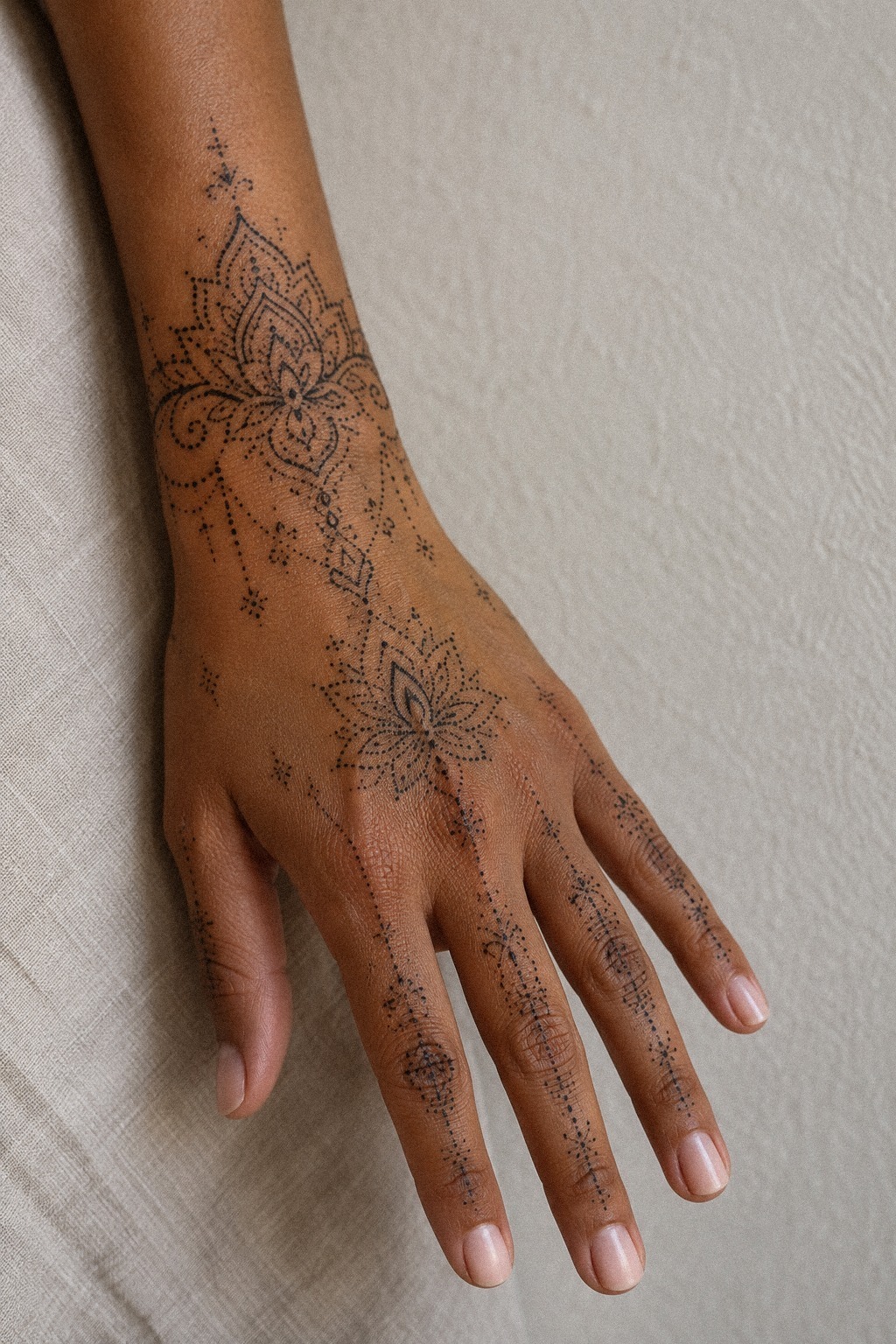
Build the pattern with pepper, not sludge. This dotwork wrap on medium olive skin works because the dots taper along the hand instead of blanketing it, and the anatomical guide makes the placement logic obvious. Your eye follows the fade.
It doesn’t get stuck in a dark blob.
I’d ask for dotwork paste dots with larger anchor dots and lighter scatter between them, almost like the artist is shading air. That’s especially smart if you want a trending mehendi design without the high-risk fuss of tiny filigree.
But dotwork still spreads a bit while the paste dries, so keep the clusters loose and let the major shape do the talking. For more patterns that balance trend and wear, latest simple mehndi designs and 17 latest simple mehndi designs that transcend trends are both worth a look if you’re weighing style against clean fading.
10Small Lotus Mehendi Wrist Accent
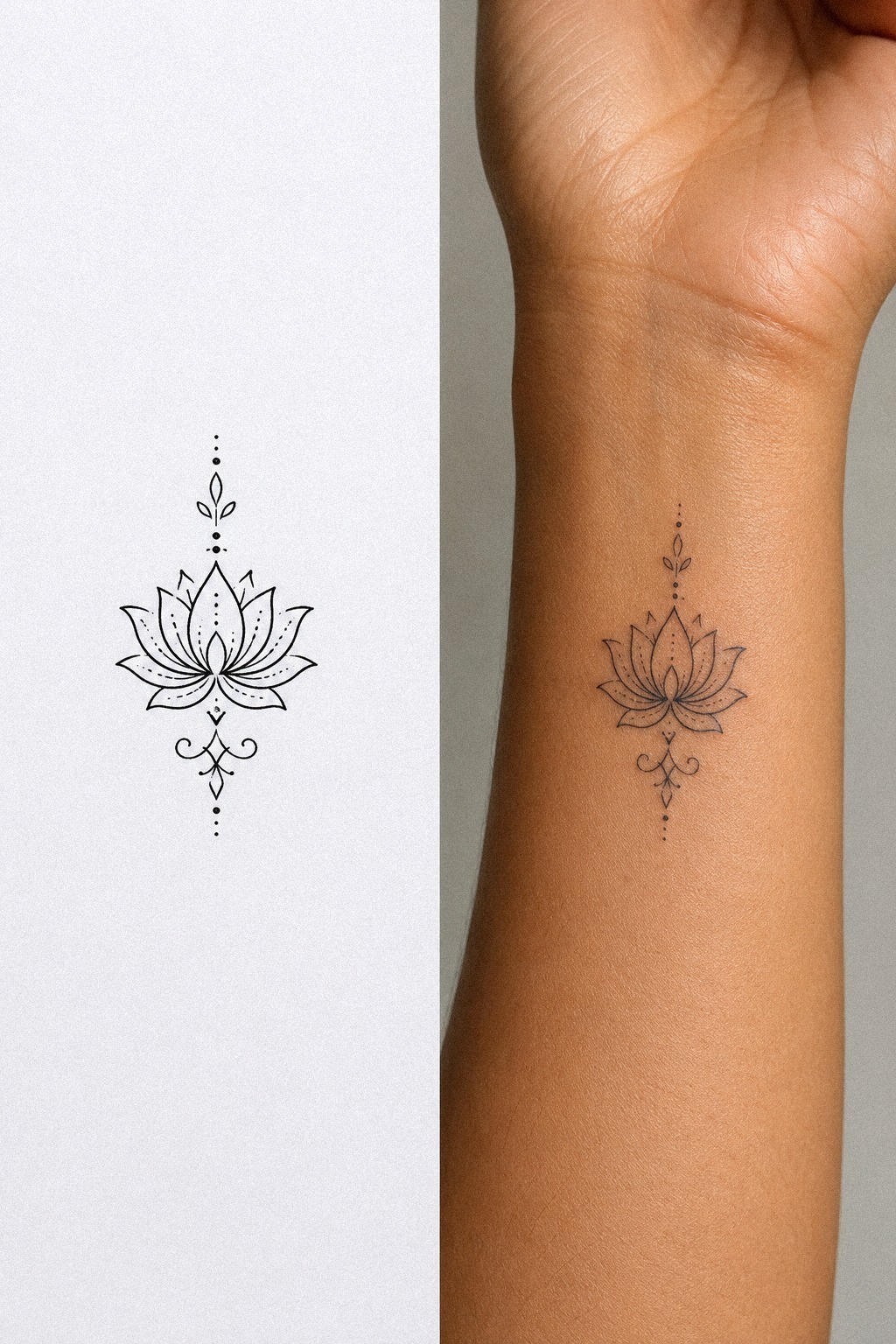
Sketch first, skin second. This split image is great because the left side shows the line plan on white paper, while the right side proves how the same lotus sits once the paste has dried and the stain has developed on a wrist. You can compare intention to result in one glance, which is exactly how you should judge fine-line mehendi ideas.
I’d keep a small lotus wrist accent around 1 to 1.5 inches with crisp cone placement and a little space under the bloom so the wrist bend doesn’t crowd it. Your artist should show you a sketch that feels calm before they ever touch the cone.
Why guess when you can test the flow first? simple henna designs for beginners and 24 simple henna designs to practice before going bold both make it easier to spot a lotus that isn’t overdrawn, and that’s what keeps the final cost from turning into a redo.
11Clean Bracelet Style Henna Design
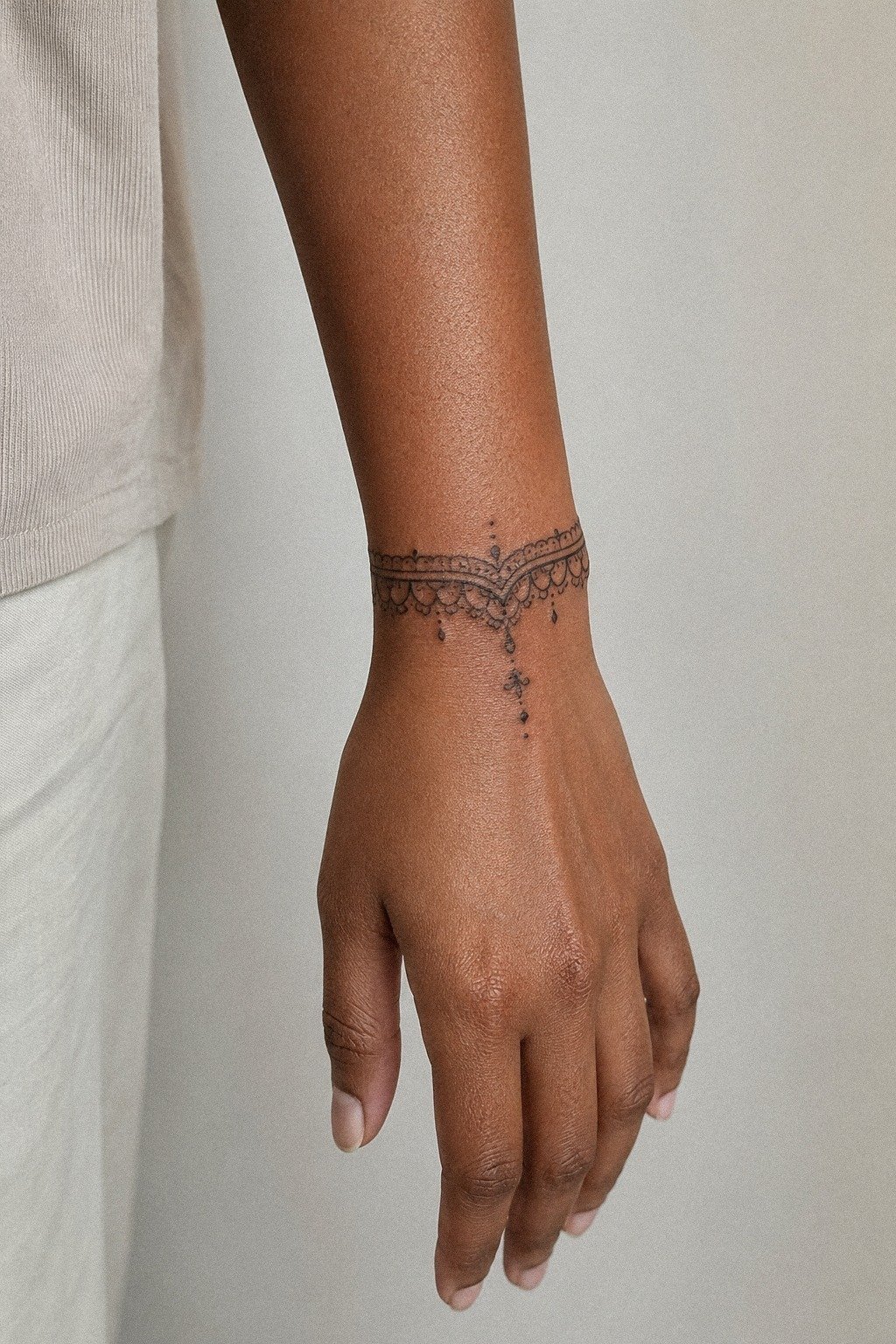
Finish with a bracelet style if you want the safest short-term read. This real finished piece on deep brown skin with warm undertone shows why a clean bracelet layout keeps its shape while the stain develops.
The curve is simple. The contrast is solid.
And the empty skin between elements gives every line a job.
I’d draw this with brown paste bands and maybe one centered motif, then stop before it starts pretending to be a full sleeve. Your wrist is visible, easy to enjoy, and usually more forgiving than fingers when it comes to maintenance.
If you want a design that fades gracefully on you instead of demanding constant rescue, this is a very clean call. 22 very simple mehndi designs that look effortlessly intentional and 16 finger mehendi designs that stay delicate under pressure make the contrast pretty obvious, especially if you’re shopping for value.
12Should You Put Mehendi on the Knuckles?
Short answer, only if you’re cool with maintenance. Knuckles crease, rub, dry out, and catch light in a way that makes every little flaw louder.
That doesn’t make them off-limits. It just means the design has to stay boldly simple.
I’d use bold micro arches or two tiny petal marks over one knuckle line instead of trying to drag a full motif across all four. A clean knuckle idea reads from across the room. A crowded one just looks busy up close and patchy later.
And here’s the budget part nobody loves. Knuckle mehendi can cost less up front because the design is small, but it may fade faster if you keep washing and rubbing the area. Worth it for some people, sure.
Best value for a first-timer? Usually not.
13Jaipur Cuff-Inspired Mehendi Edge
Borrow the mood, not the whole ceremony. A Jaipur cuff-inspired edge looks strong when you pull one ornate border onto the outer wrist and stop there, almost like a carved bangle translated into skin. You get the richness without turning your whole hand into a dense panel.
I’d map the border with arched paste linework and keep the lower edge cleaner than the upper one so the pattern doesn’t feel boxed in. That’s what gives it movement. That’s what keeps it elegant.
This is one of those designs where a custom redraw adds real value. A solid artist can take the reference, simplify the repeats, and make the motif fit your wrist instead of forcing your wrist to fit the motif. That’s worth the extra design fee if the piece matters to you.
14Split the Motif Down the Middle
Instead of wrapping everything, run the design down one axis. A split motif down the middle of the hand can look insanely clean because the empty space on both sides becomes part of the composition.
The hand stays readable. The linework gets room.
I like this with fine symmetry in brown paste running from the middle finger base toward the wrist, then breaking once before the bracelet point. One break.
Maybe two. More than that, and the design starts feeling indecisive.
If your goal is a simple mehendi design that still feels intentional in photos, this layout gives you a ton of value. It looks custom.
It develops lighter than a filled panel. And it usually keeps the cost in a sane range because you’re paying for design clarity, not endless texture.
15Is Red Paste Worth It Here?
Usually, no. I like fine red-brown paste in the right placement, but hands are not where I’d ask pale color to do all the heavy lifting. High-wear skin already asks a lot from delicate patterns, and lighter stains don’t always give you the same crisp payoff once developed.
If you love the idea, use deep red-brown paste accents as spice inside a mostly dark structure, not as the entire design. A tiny dot cluster.
A small petal center. Something supported by darker paste that can still read if the accent softens.
Real talk, a red-brown stain on hands is more of a style choice than a value choice. It can be gorgeous.
It can also ask for more patience, more drying time, and careful maintenance. If your budget is tight, a traditional dark stain gives you the better visual return.
16Bridal Lace vs Everyday Air
This is the fork in the road for a lot of people.
17Dot-and-Leaf Half Moon Sweep
This one works because it doesn’t try to own the whole hand. A half moon sweep near the thumb mound can curve around the palm edge, then fade out with dots and two or three leaves. Soft.
Graphic. Easy to read.
I’d use pepper-shaded paste clusters around a simple leaf chain so the fade feels intentional, not patchy. Your thumb base gets movement, but not the same constant direct wear as fingertip skin, which gives this layout a better chance to stay crisp.
If you want something that feels decorative without paying full custom-panel cost, this is a smart middle ground. It gives you style, keeps the budget more manageable, and still leaves room if you ever want to add a wrist piece later.
18Start With the Thumb-Side Flow
When somebody can’t choose, this is the route I test first.
The Clean-Stain Math
Here’s the boring part that saves mehendi designs. Hand henna is usually small, but hand placement, detail level, and your artist’s rate can still move the price fast. Most artists have a minimum, and detailed hand work often needs a confident mehndi artist rather than the cheapest opening you can grab.
And yes, hand washing counts as wear. Your first few hours matter most. Let the paste dry fully, use a lemon-sugar sealant if your artist recommends it, and don’t soak the design.
Pools, heavy gym friction, and direct sun can weaken a fresh stain before it even gets a fair shot. Protecting it early saves the color you paid for, and that care adds real value because you’re helping the pattern develop evenly.
The Three-Gap Rule I Keep Coming Back To
I’ve watched a lot of people fall for the same mistake with simple mehendi designs. They think simple means tiny, and tiny means safer. It doesn’t.
A tiny hand design with too many petals, dots, and curls is still too much information for a high-wear placement, and high-wear skin doesn’t care how pretty the reference looked on your screen. It cares about friction, sun, hand washing, and how many clean gaps your artist left between shapes.
My rule is stupidly simple. If I can’t point to three clear pockets of untouched skin in the design, I know it’s probably trying too hard.
That doesn’t mean the design has to look empty. It means the eye needs somewhere to rest so the linework can keep its identity after the paste flakes away.
That’s also why I push people toward dense traditional stain over trendy pale tones for this category. Dark brown is your best friend for visibility.
Color can be spice, but on hands it shouldn’t be doing all the visual work.
And here’s the other thing people don’t love hearing. Your artist matters more than your reference.
An inexperienced hand can ruin a clean mehendi idea in one appointment by squeezing uneven lines and crowding every gap. A solid artist makes one confident pull, keeps the paste depth consistent, and knows when to stop.
That’s what makes a design develop velvety instead of patchy.
But I don’t think you need to go big to get that payoff. I think you need to go clear.
A wrist accent, a finger trail, a bracelet band, something with strong flow and enough breathing room. That’s what still feels good when you’re looking at it two weeks later with a real developed stain, not a fresh glossy photo. If you want the look without the regret, choose the simplest version that still feels like you.
Then simplify it one more round.
What People Always Want to Know
How much does a Mehendi Designs For Hands Simple usually cost?
About $20 to $100 is a normal range for a small clean design, though bridal work can reach $100 to $300. Your artist’s line quality matters more than chasing the lowest quote. Small size.
Fine line detail. Hand placement and occasion sometimes raise the price.
Are Mehendi Designs For Hands Simple a good idea for a first mehendi design?
Yes, if you keep the design open and the placement smart. A simple wrist or lower forearm version is easier to maintain than packing tiny detail onto your fingers right away. 15 mehendi designs for hands simple enough to diy is a good preview of what restraint looks like.
How do I choose a mehndi artist for Mehendi Designs For Hands Simple?
Look for fresh application photos, crisp lines, and proof they can create delicate work without making it look scratchy. Clean portfolios beat trendy portfolios every time. Fine-line specialty.
Hygienic cones. Real hand work.
16 finger mehendi designs that stay delicate under pressure can help you compare placement choices.
How long should Mehendi Designs For Hands Simple dry?
Most fresh designs need about 1 to 2 hours to dry before you gently flake the paste away. A longer drying period usually supports a deeper stain. Keep the hands relaxed.
Avoid water. Let the lemon-sugar sealant do its job if recommended.
How long does a Mehendi Designs For Hands Simple last?
A good stain usually develops over 24 to 48 hours, reaches its richest color around day two, and fades naturally in one to three weeks. Careful washing helps the pattern stay visible longer. Palms may darken more.
Fingers can fade faster. Sun and friction speed up fading.
What’s the best placement for Mehendi Designs For Hands Simple?
If you want clean visibility, I’d start with the wrist or lower forearm, then move onto the back of hand once you know how visible you want it. Lower-friction placements usually hold detail better. Fingers fade faster.
Palms develop darker color. 22 very simple mehndi designs that look effortlessly intentional shows that tradeoff well.
Where I’d Start First
If I had to pick one, I’d start with the Fine Line Wrist Mehendi Band. It gives you jewelry energy without the finger-maintenance tax, and the open break keeps the linework readable as the stain fades. Pin that one for later and compare it with simple henna designs for beginners.
{ “title”: “11 Mehendi Designs For Hands Simple Ideas You’ll Want to Copy”,