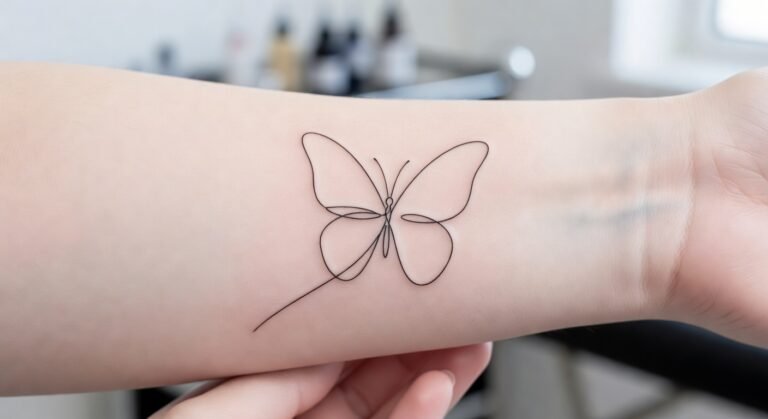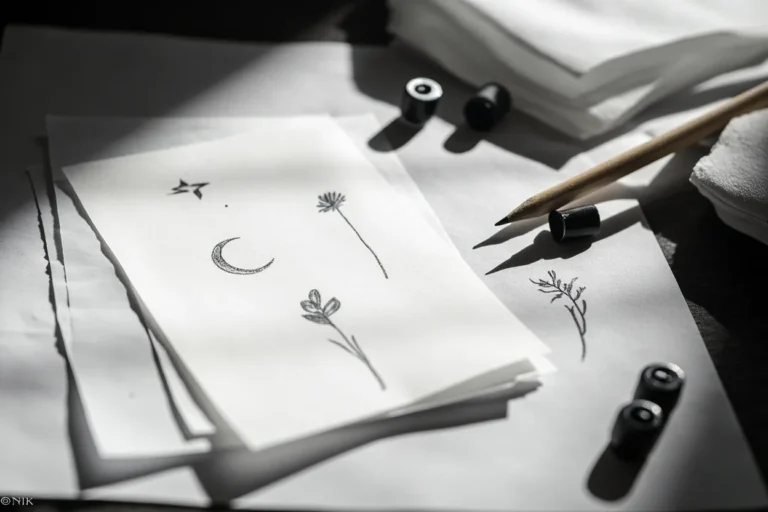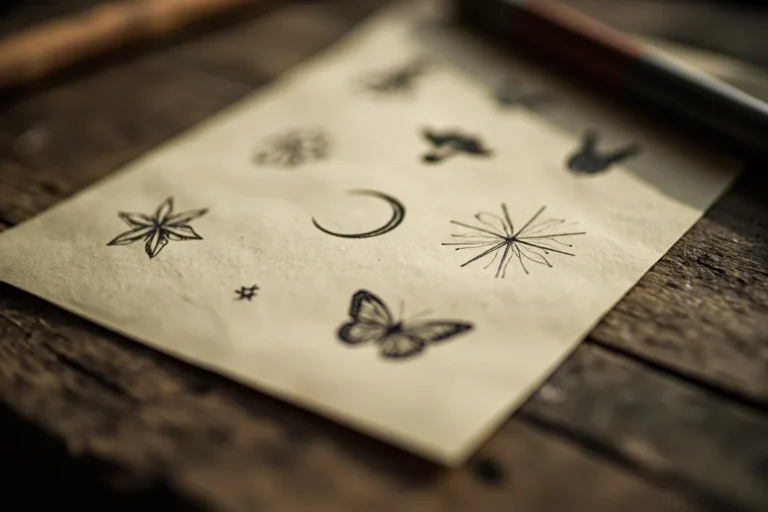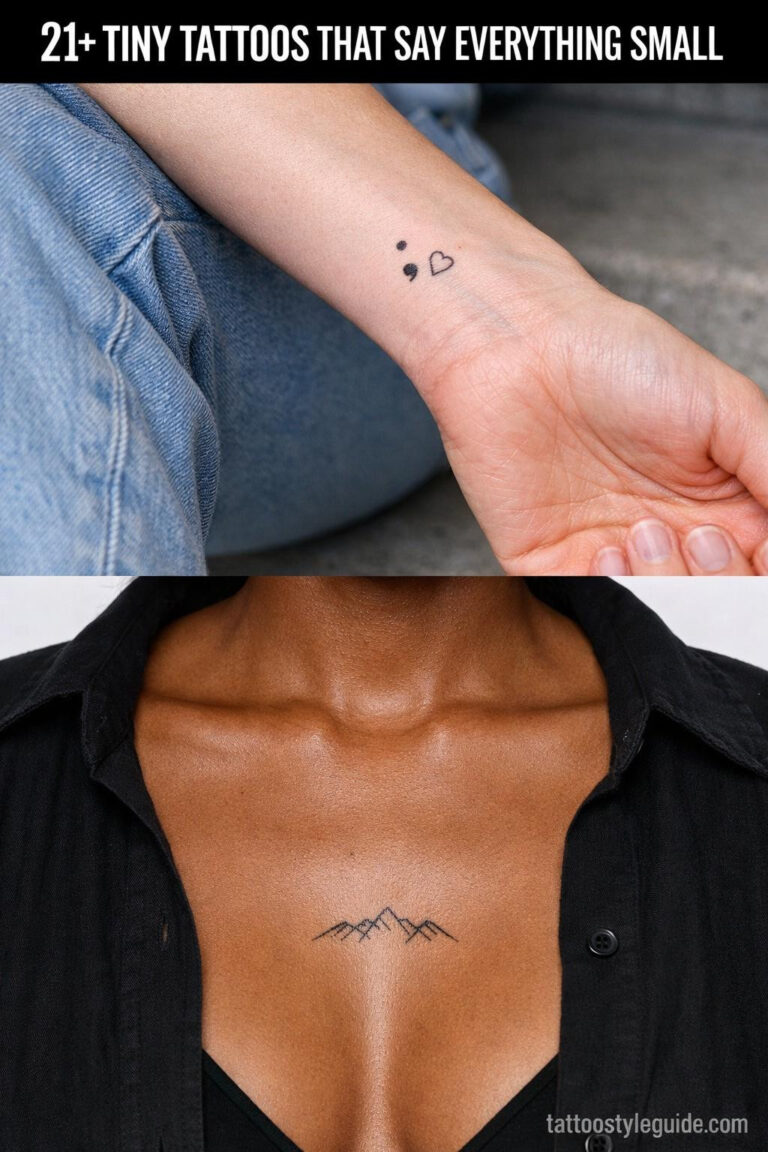
The wrist is one of the most visible placements you can choose, which makes it both appealing and demanding. Skin here is thin, moves constantly, and takes sun exposure without much protection from clothing. That combination means your design needs to be smart from the start, small enough to heal cleanly, bold enough to stay readable, and placed where it won’t distort every time you flex your hand. Here’s what actually works for women’s wrist tattoos, broken down by style, placement, color, and long-term wear.
Popular Styles That Hold Up
Line Work and Minimalist Designs
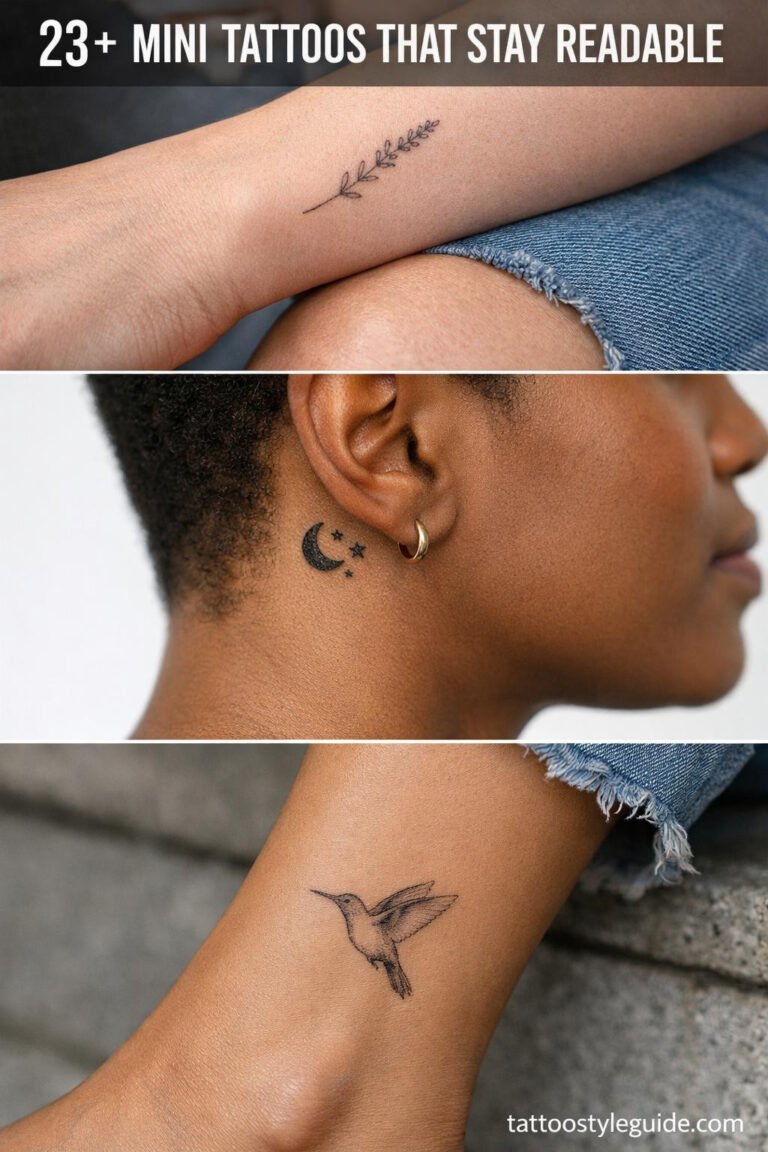
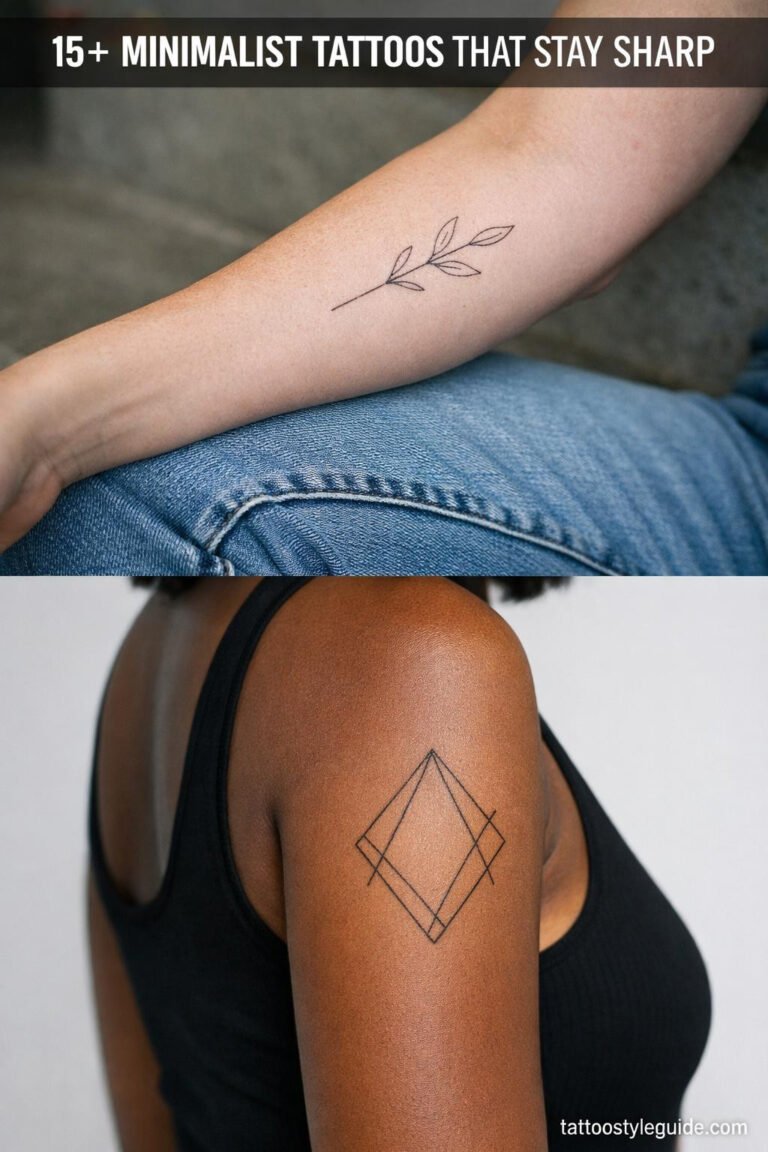
Single-needle and fine-line tattoos dominate wrist requests for good reason: they read as elegant and understated. The catch? Extremely thin lines (under 0.3mm) tend to spread or drop out within two to four years on wrist skin. Better bets include slightly bolder outlines (0.5mm+), small botanicals with clean stems, geometric shapes with consistent line weight, and tiny text with simple sans-serif lettering. Avoid intricate dotwork or stippling here; the constant movement of the wrist blurs those details faster than on a static area like the upper arm.
Blackwork and Small Filled Shapes
Solid black holds remarkably well on wrists. Small hearts, crescent moons, stars, and abstract shapes about the size of a dime to a quarter age cleanly because there’s enough pigment density to survive the inevitable fading. The trade-off is commitment: blackwork is harder to cover or modify later. If you want flexibility, leave negative space within the design rather than going fully solid.
Ornamental and Bracelet Styles
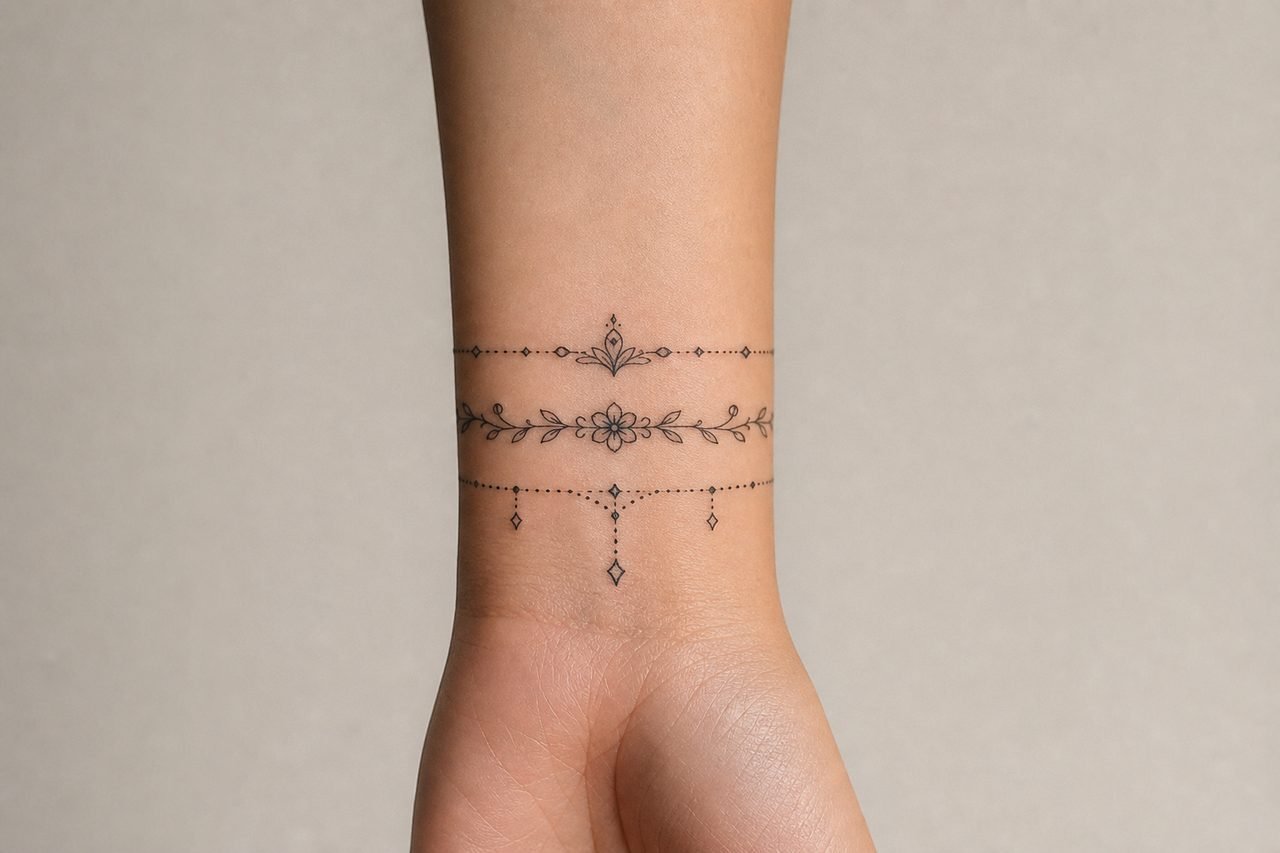
Wraparound designs, chains, beaded patterns, floral bands, need precise circumference measurement. Too tight, and the tattoo distorts when your wrist swells or flexes; too loose, and it looks like a floating ring rather than a fitted piece. The flatter inner wrist surface works better for bracelet continuity than the curved outer wrist, where the design can appear to pinch.
Design Ideas by Aesthetic
Specific imagery carries different technical demands on wrist skin:
- Floral: Small roses, lavender sprigs, and wildflowers translate well. Keep petal count low; individual petals blur together over time. Side-of-wrist placement lets stems follow the natural line of the arm.
- Celestial: Moons, stars, and planets work at tiny scale. Constellation line drawings fail frequently, dots become indistinguishable, and connecting lines fade unevenly. Solid crescents or single stars outperform complex maps.
- Words and Phrases: One to three words maximum. Inner wrist reads easily to the wearer; outer wrist displays to others. Lettering under 5mm tall becomes illegible within five years on most people.
- Animals: Silhouettes work better than detailed portraits. A cat outline or bird in flight reads instantly; a tiny realistic tiger face becomes muddy.
- Symbols: Infinity signs, anchors, arrows, and simple geometric icons are classic for a reason, they’re recognizable at small scale and tolerate some fading.
Best Placements on the Wrist
Inner Wrist
The most common request, and the most exposed to daily friction from keyboards, watch straps, and bracelets. Ink here fades roughly 20-30% faster than on protected skin. That said, it’s the flattest surface, so designs stay truest to their original shape. Ideal for text facing you, small symbols, and anything you want to see without a mirror.
Outer Wrist (Dorsal)
More visible to others, slightly thicker skin, but curves significantly. Designs here wrap around the bone, so artists must compensate for distortion, what looks straight on paper appears curved on the body. Best for small standalone images, not continuous bands. Sun exposure is highest here; SPF becomes non-negotiable for longevity.
Side Wrist (Radial and Ulnar Edges)
The narrow strip along the thumb-side or pinky-side of the wrist. Excellent for vertical designs, feathers, arrows, stems, that follow the arm’s length. Limited real estate, so simplicity is forced rather than optional. Healing can be tricky; this area flexes constantly during hand use.
Wrist-to-Forearm Transition
Extending slightly above the wrist bone onto the forearm gives more design options without sacrificing the “wrist tattoo” feel. This placement ages better than strictly on-the-wrist ink and allows for future expansion into a larger forearm piece if desired.
Color Choices and Longevity
Black and near-black gray are the safest bets for wrist longevity. Color behaves differently here than on more sheltered skin:
- Black: Dense, readable, lowest maintenance. Slight blue-gray cast as it ages is normal, not a sign of poor ink.
- Red and pink: Fades to a lighter, sometimes orange-tinged version. Works for small accents but rarely holds vibrancy as a main color.
- Blue and purple: Blues last reasonably well; purples often shift toward brown or gray within a few years. Navy outperforms bright violet.
- Yellow and white: Fade to skin-tone within months on most people. White ink yellows further on warmer skin undertones. Not recommended for primary design elements.
- Watercolor-style: The soft edges and light pigment loads that define this style are particularly vulnerable to wrist fading. What looks like a soft wash fresh often becomes a blurry stain healed.
If you want color, concentrate it in small, saturated areas with black outlines to contain it. A black rose with a single red petal outlasts an all-pink rose by years.
Tips for Choosing Your Design
Size Reality Check
Most successful wrist tattoos fall between 1.5 and 3 centimeters in their longest dimension. Smaller than that, and detail becomes impossible; larger, and the wrist starts looking like a billboard rather than an accent. Bring a printout at actual size to your consultation. Designs that look spacious on a phone screen often feel cramped on skin.
Matching Your Lifestyle
Consider your professional environment, though workplace norms have relaxed considerably. More practically, think about your accessories: a watch wearer might want to avoid the outer wrist; someone who stacks bracelets should account for where metal sits against fresh ink. If you do martial arts, rock climbing, or manual labor, the inner wrist will take repeated impact and heal more slowly.
Artist Selection
Not every artist who excels at large pieces works comfortably at micro scale. Look for healed photos of wrist tattoos specifically, not just fresh work. Ask how they adjust needle depth for thin wrist skin, too shallow, and ink falls out; too deep, and blowout creates fuzzy edges. A confident artist will explain their approach without defensiveness.
Healing Expectations
Wrist tattoos heal in roughly two to three weeks superficially, but settle over two months. The challenge is protection: you can’t easily immobilize a wrist, and you’ll use that hand constantly. Plan your timing around less demanding weeks if possible. Expect some ink loss in high-flex areas; most artists include one touch-up in their pricing for this reason.
Final Thoughts
The wrist rewards restraint. A simple, well-placed design that stays readable for decades outperforms an intricate piece that becomes unidentifiable in five years. Prioritize bold shapes over fine detail, black density over color washes, and placement that works with your actual daily movements rather than against them. The best wrist tattoo is one you stop noticing as a decision and start accepting as part of you, visible, permanent, and quietly resolved.
Frequently Asked Questions
How much does a wrist tattoo typically hurt compared to other placements?
The wrist ranks moderately high on pain scales due to thin skin directly over bone and tendons. The inner wrist tends to be more sensitive than the outer wrist. Most people find it manageable in short sessions, which wrist tattoos usually are.
Will a wrist tattoo affect my job prospects?
This varies heavily by industry and region. Creative fields, tech, and many service jobs have become visibly tattoo-friendly. Conservative sectors like law, finance, and some healthcare settings may still require coverage. The wrist is easy to hide with long sleeves or a watch if needed.
How do I keep a wrist tattoo from fading quickly?
Consistent sun protection is the single most important factor, SPF 30+ daily, reapplying after hand-washing. Moisturize regularly, avoid abrasive exfoliants, and minimize friction from tight watch bands or fitness trackers rubbing the area.
Can I get a wrist tattoo covered up or removed later?
Cover-ups are possible but challenging due to small size and visibility. Laser removal works on wrist ink, though complete removal often requires more sessions than fleshier areas because wrist skin heals with more caution. Black, non-blown-out designs respond best to both cover-ups and removal.
More Tattoo Ideas
- Traditional Tattoo Numbers: A Complete Style Guide
- Traditional Tattoo Stars: Complete Style Guide
- 500 Tattoo Designs for Ladies: Real Shop Inspiration
- Explore more