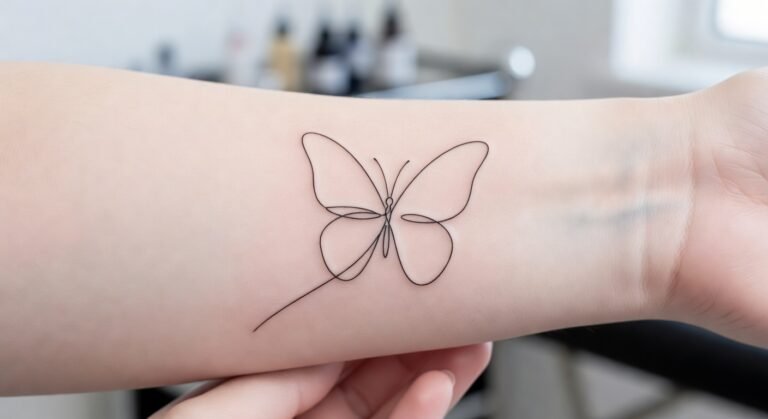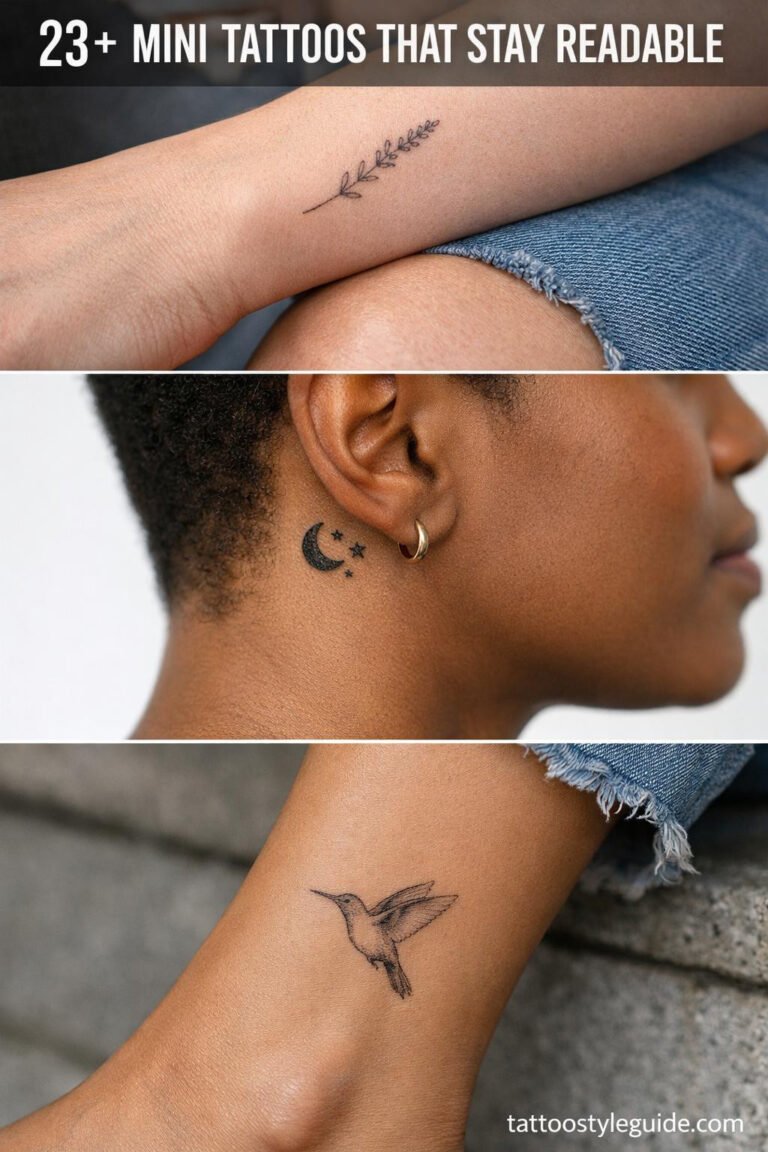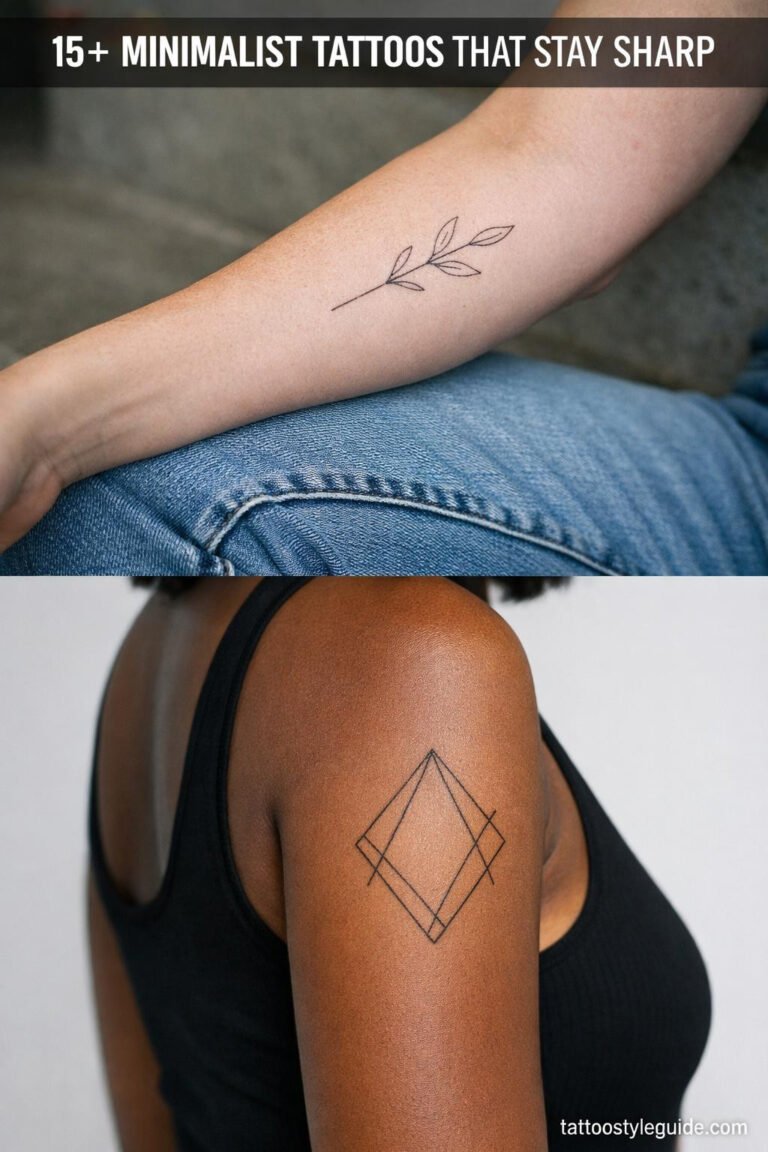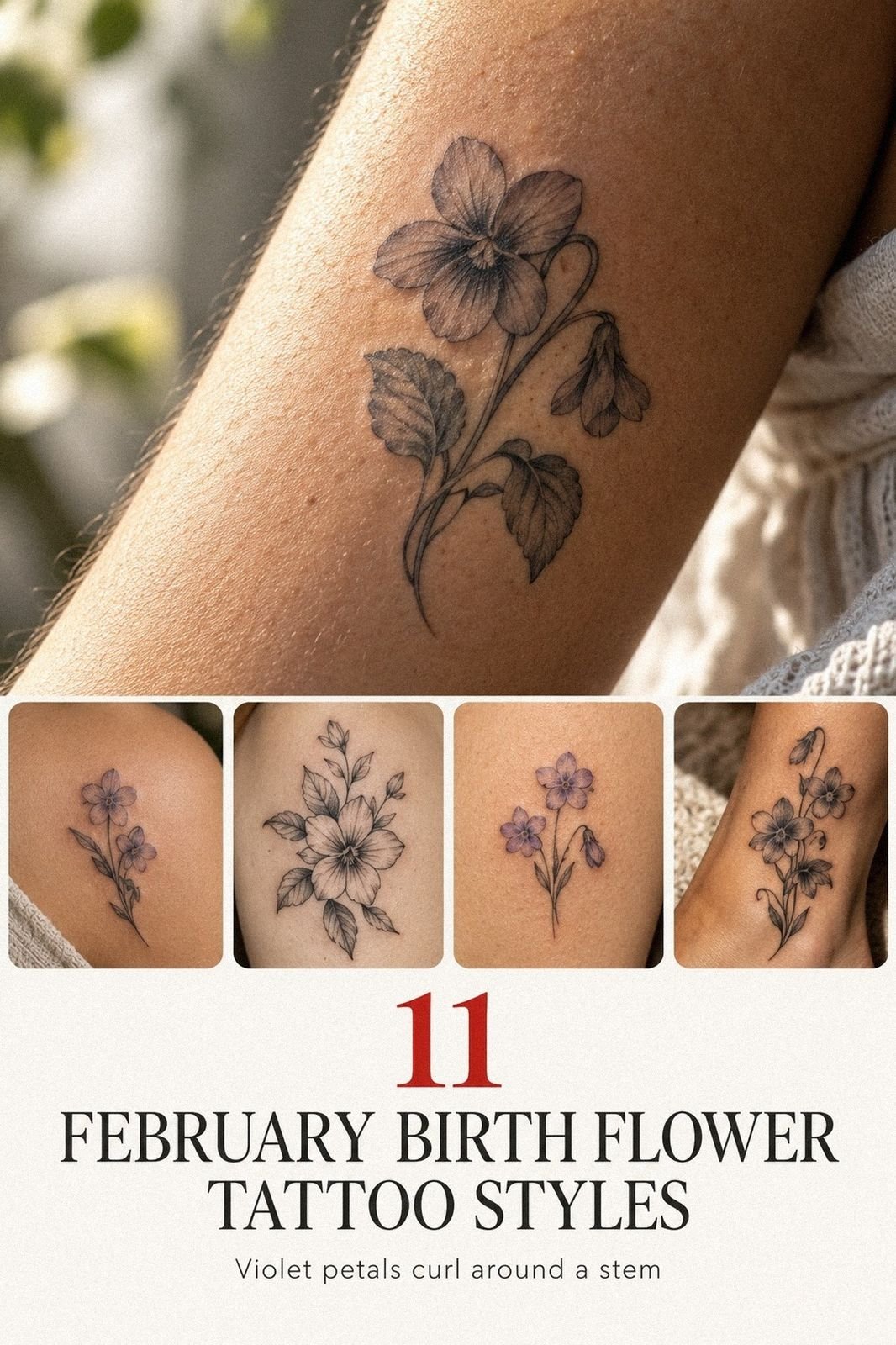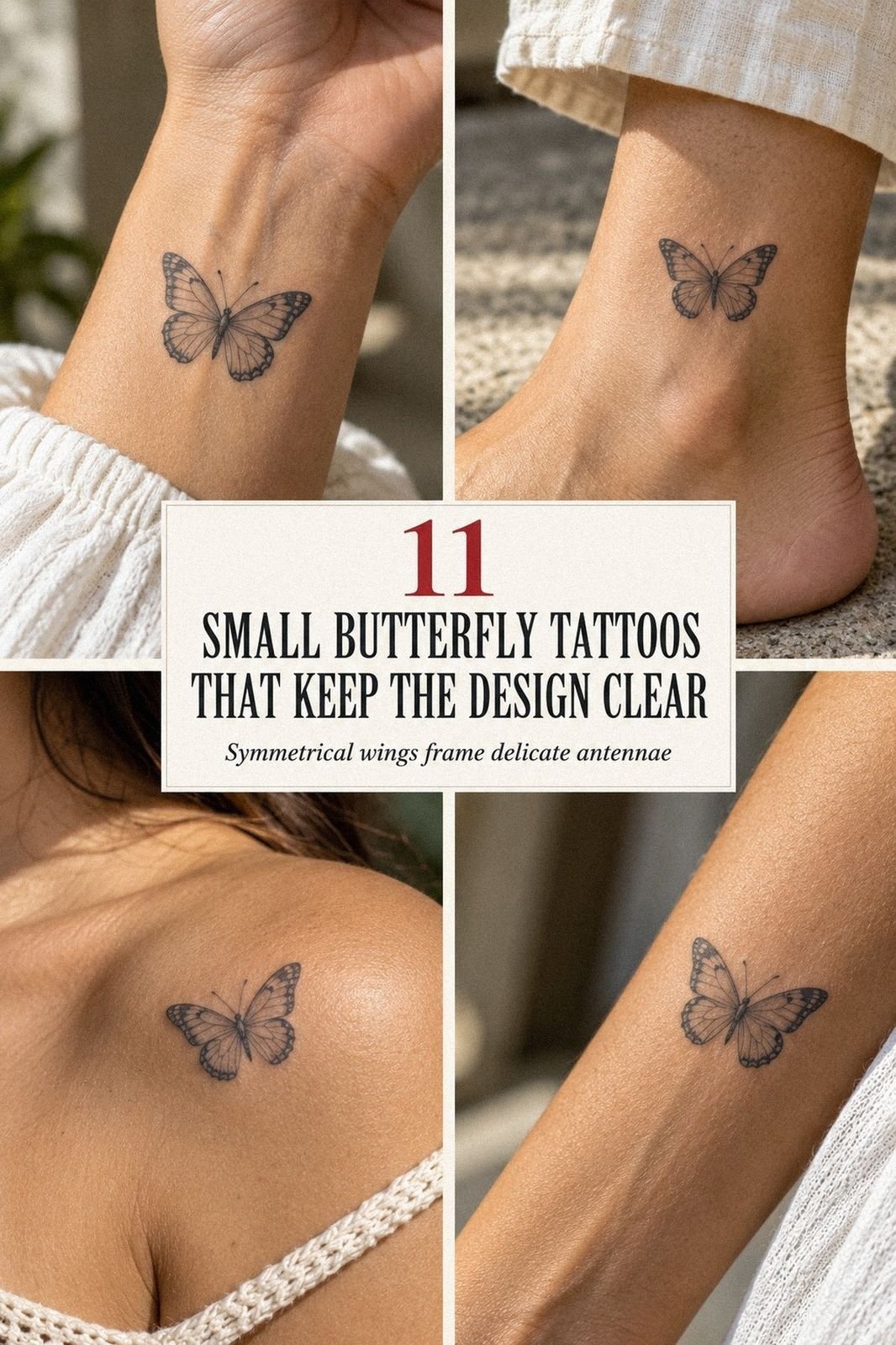
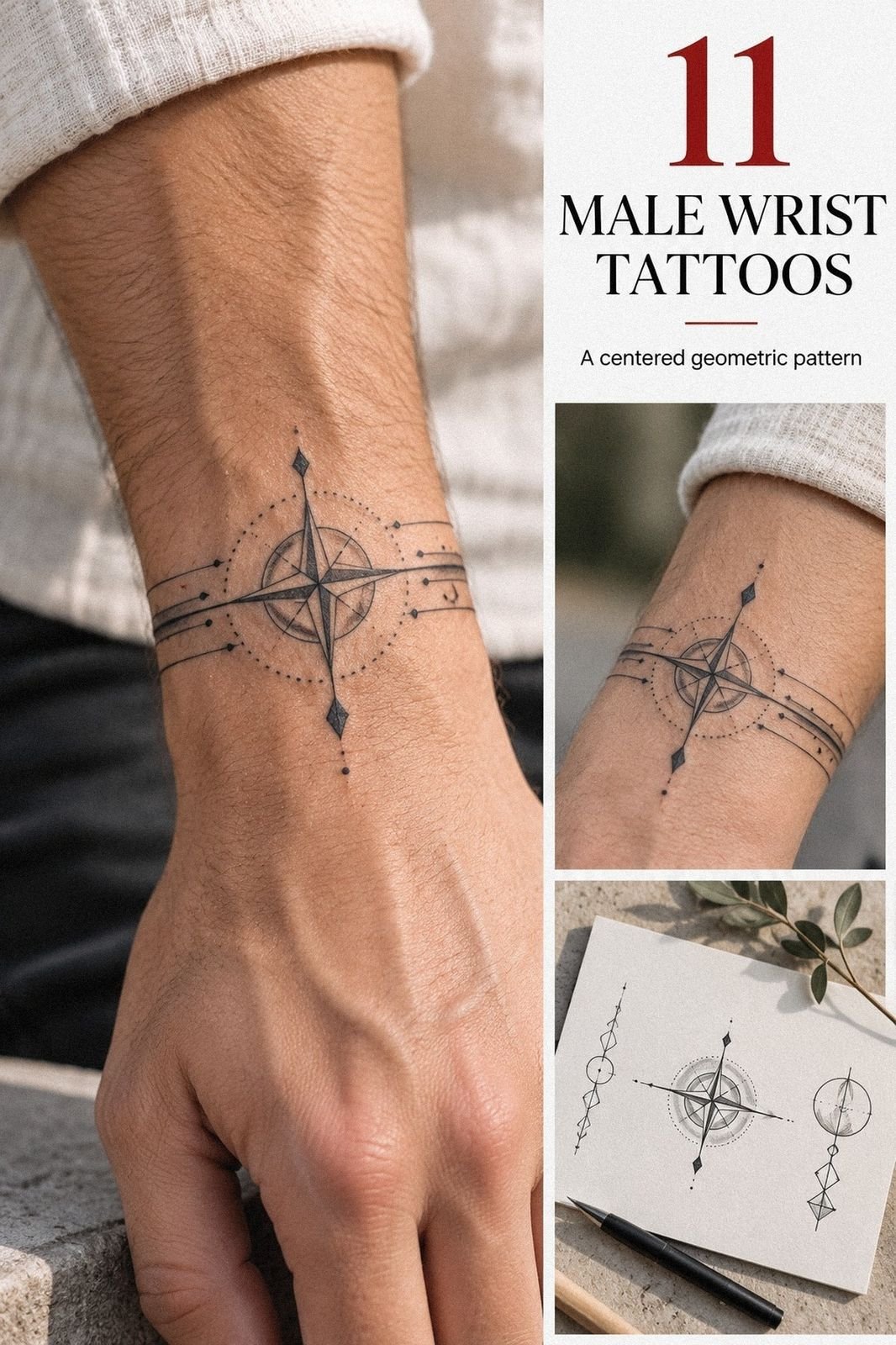
Male wrist tattoos can stay discreet at work when you plan placement, scale, line weight, and healing together. I’ve learned that male wrist tattoos read differently depending on your sleeve, movement, and hand position.
The right inner wrist placement can disappear beneath a work cuff and still feel intentional when you roll your sleeve back. You’re choosing a permanent mark, but you’re also choosing when other people get to see it.
This guide follows the practical order. You’ll choose the meaning first, test visibility second, and think about longevity before you book.
- Start With a Striking Wrist Tattoo Symbol
- Pick Bold Linework for Male Wrist Tattoos
- Place Finger Tattoos Beside the Wrist
- Keep Men’s Wrist Tattoos Crisp and Sharp
- Plan a Meaningful Wrist Tattoo Composition
- Choose Fierce Motifs for Cool Wrist Tattoos
- Match Hand and Wrist Tattoo Styles
- Balance Intricate Details With Skin Space
- Test Pain Levels Before Getting Tattooed
- Protect Fresh Ink During Wrist Healing
- Refine a Personal and Timeless Design
1Start With a Striking Wrist Tattoo Symbol
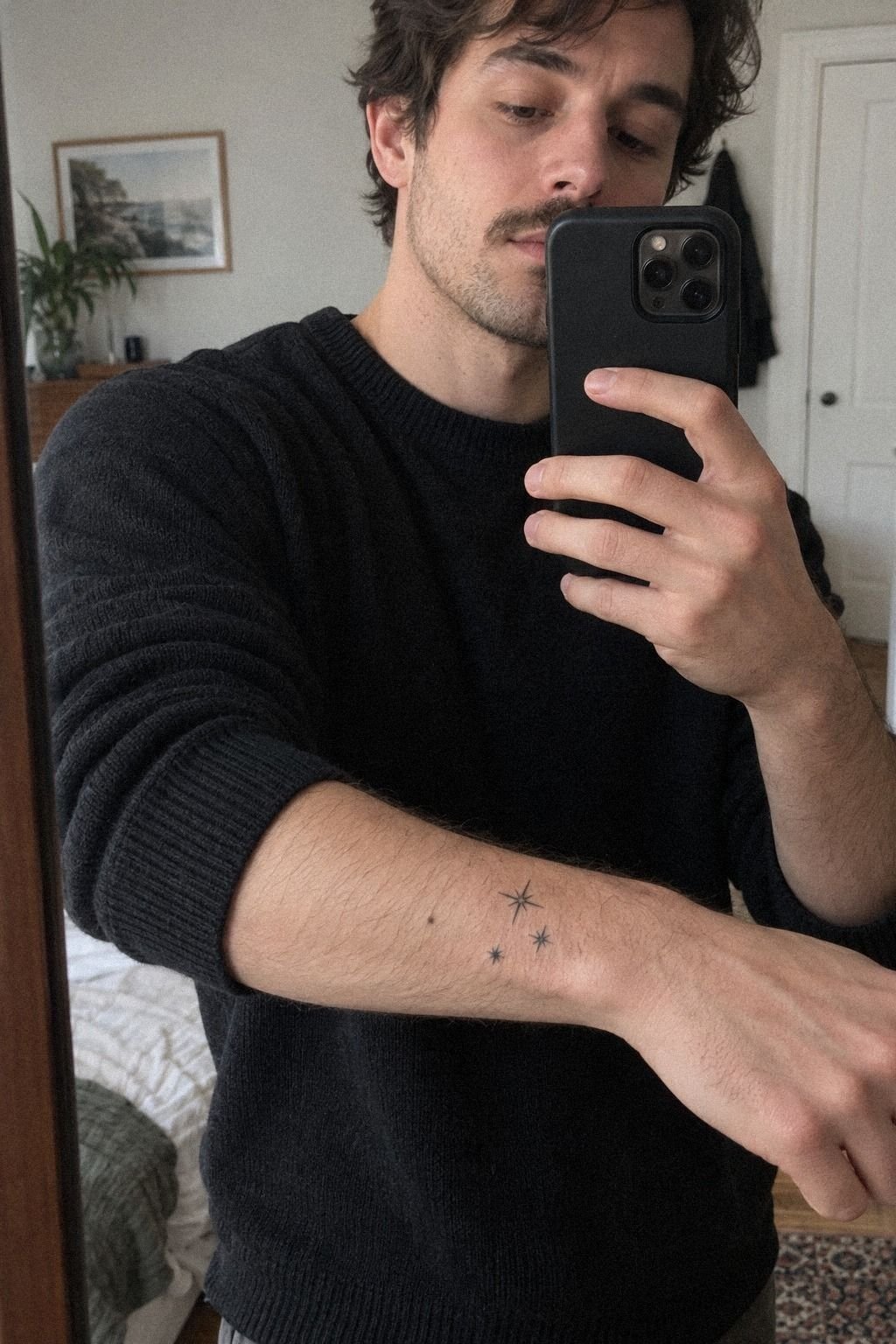
Begin with one symbol that still matters when it’s reduced to a few clean marks. A small star cluster can feel delicate, symbolic, and personal without becoming loud.
A star cluster works because the shape stays readable at a modest scale. You can make the largest star the focal point, then add two smaller points so the eye moves naturally across the wrist.
I’d avoid stacking five unrelated symbols just because each one looks interesting by itself. One clear symbol family gives the composition direction, and you won’t have to explain every mark whenever someone notices it.
A single-needle linework concept can suit a narrow wrist, but it needs enough spacing to survive movement. Save examples from our wrist tattoo placement guide and circle the shapes you’d still choose without the trend attached.
Keep the drawing between roughly 1 and 2 inches if you need it hidden beneath a watchband or cuff. Your artist can adjust the spacing after seeing your wrist in person.
The design should feel understated, not unfinished. That test is worth doing!
Take a temporary stencil of your wrist in your actual work clothes. Check whether the work cuff coverage stays discreet when you type, reach, lift, and turn your palm.
You can also place a paper version over the skin for a day. A temporary stencil shows whether the symbol feels balanced when your wrist bends naturally.
The best workday movement test includes your real sleeves, watch, and routine. If the mark keeps flashing into view during normal gestures, move it slightly or reduce the scale.
2Pick Bold Linework for Male Wrist Tattoos
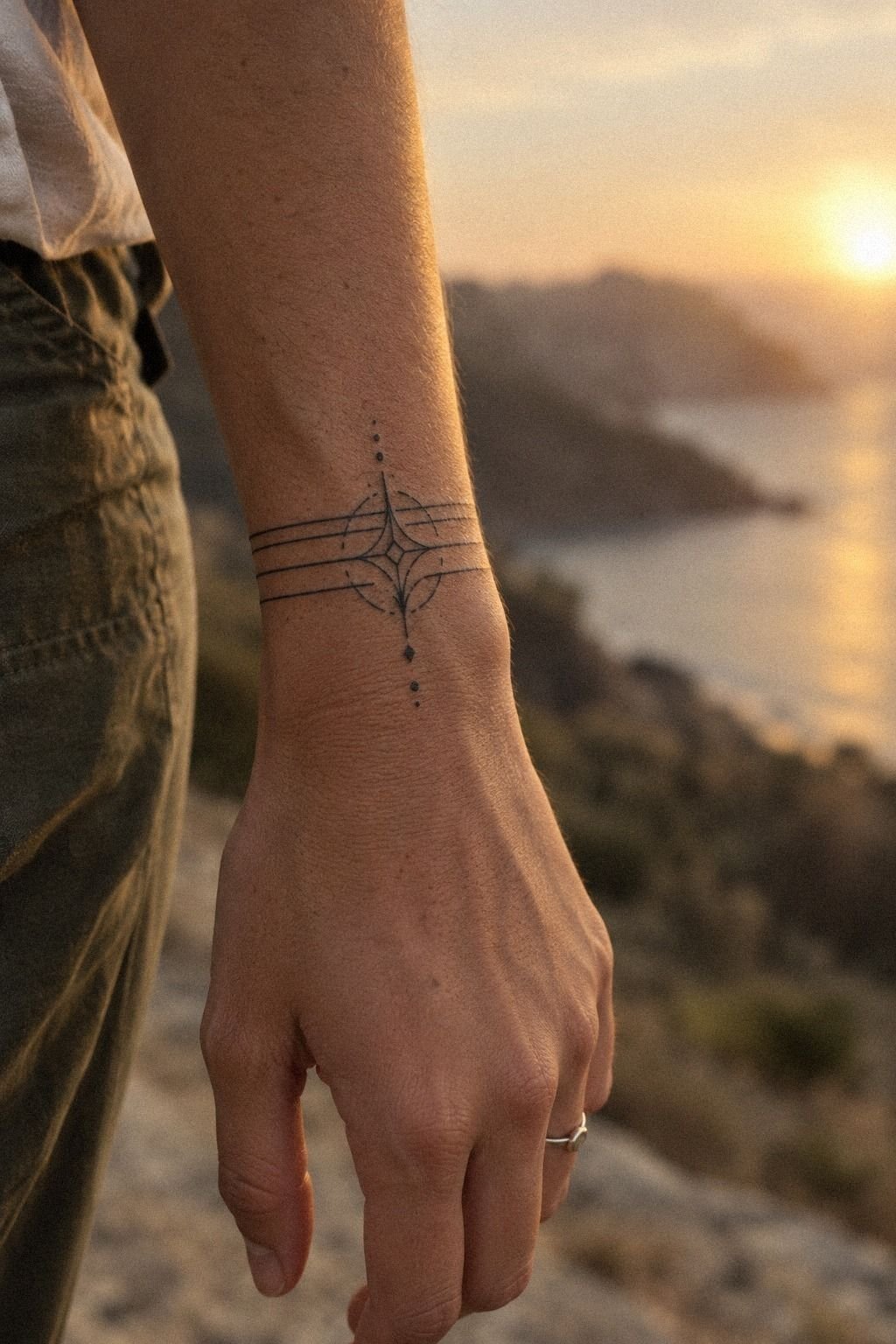
Bold doesn’t have to mean oversized. Bold linework can create a masculine tattoo through restraint, contrast, and clean negative space.
You might choose an edgy outline, a geometric mark, or a small emblem. The open skin around it will help the design stay readable without making the whole wrist feel crowded.
Ask your artist to show you healed examples of black tattoo ink on wrists, not only fresh work. Fresh lines often look darker and sharper than they’ll appear after the surface settles.
A design that depends on four tiny interior marks may lose its identity. I’d rather see one confident contour than a busy drawing that only works when it’s enlarged.
Compare wrist tattoos for men when you’re deciding between a dark silhouette and a lighter outline. You can also review wrist tattoo ideas for men before deciding how much contrast you actually want.
Your artist should explain how the healed portfolio relates to your requested size. If every example is fresh, you won’t know how the spacing settles after several months.
Leave enough open skin around the central mark. A smaller design often looks more intentional when its edges aren’t competing with nearby details.
Bring one reference with a clear outline and one with finer detail. Your artist can explain which parts will survive skin movement and daily friction.
A powerful design should still look polished beneath a sleeve!
3Place Finger Tattoos Beside the Wrist
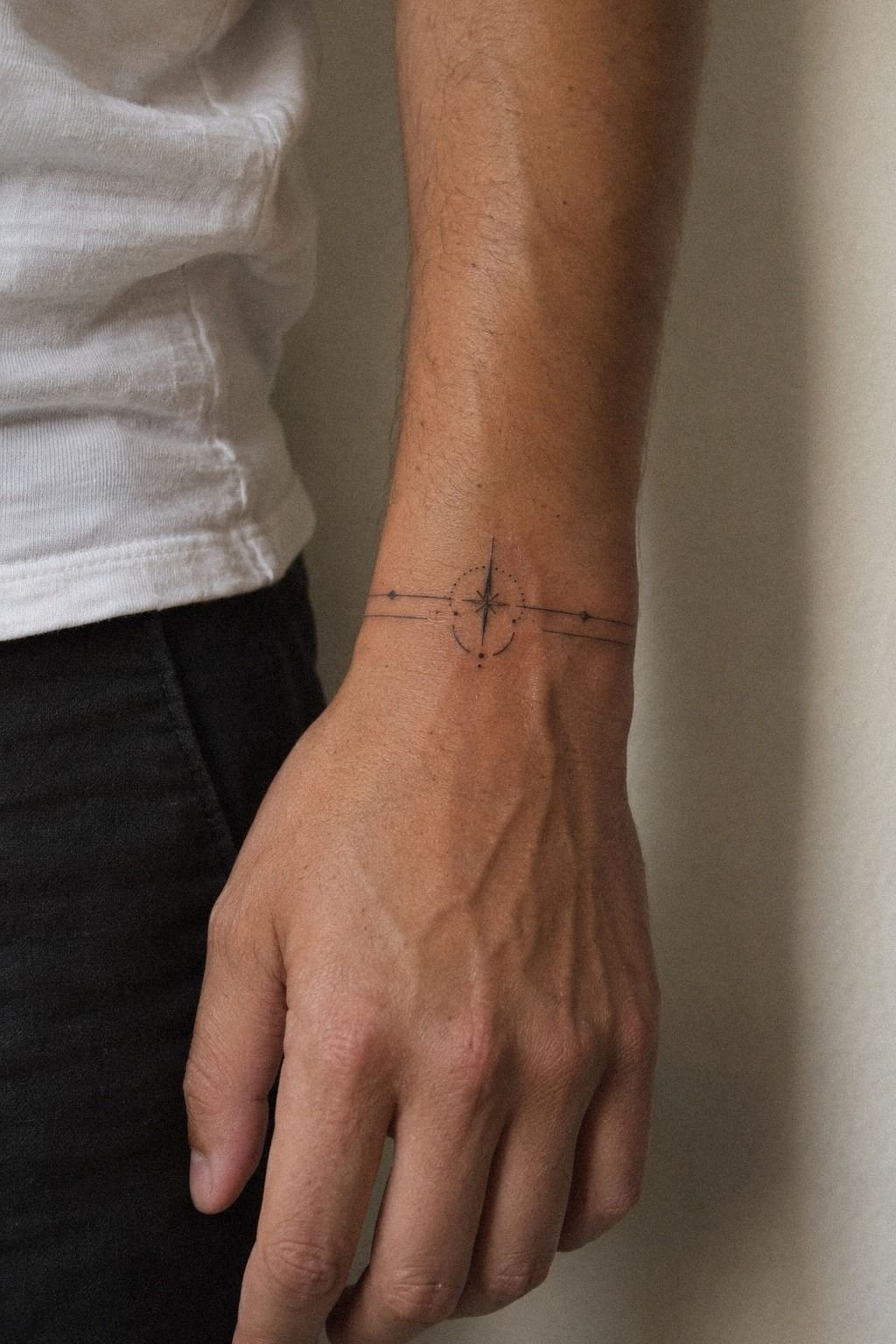
If you want finger tattoos beside a wrist piece, treat them as a visual conversation. They don’t need to match exactly, but they should share one or two recognizable decisions.
Start by deciding whether the main symbol faces you or points toward your fingers. One repeated curve or point can connect the areas without making them identical.
Your side-wrist placement should follow the natural bend of your hand. Ask your artist to draw the stencil while your wrist rests normally, then again while your fingers extend.
That second hand position matters. A design that looks centered when your hand is flat can tilt when you’re typing, holding a cup, or gripping a handle.
Finger ink can fade faster because hands wash, flex, and meet sunlight often. I’d keep the finger marks simple and let the wrist carry the more intricate meaning.
Browse side wrist tattoo examples to see how a narrow symbol can connect the two areas. You’ll notice that spacing often matters more than size.
Don’t repeat stars, letters, or rings everywhere. Your finger tattoo upkeep may involve more frequent refreshing if the marks are too small or detailed.
The wrist can carry the main story while the fingers provide a quiet echo. That relationship feels more deliberate than copying the same image across every surface.
4Keep Men’s Wrist Tattoos Crisp and Sharp
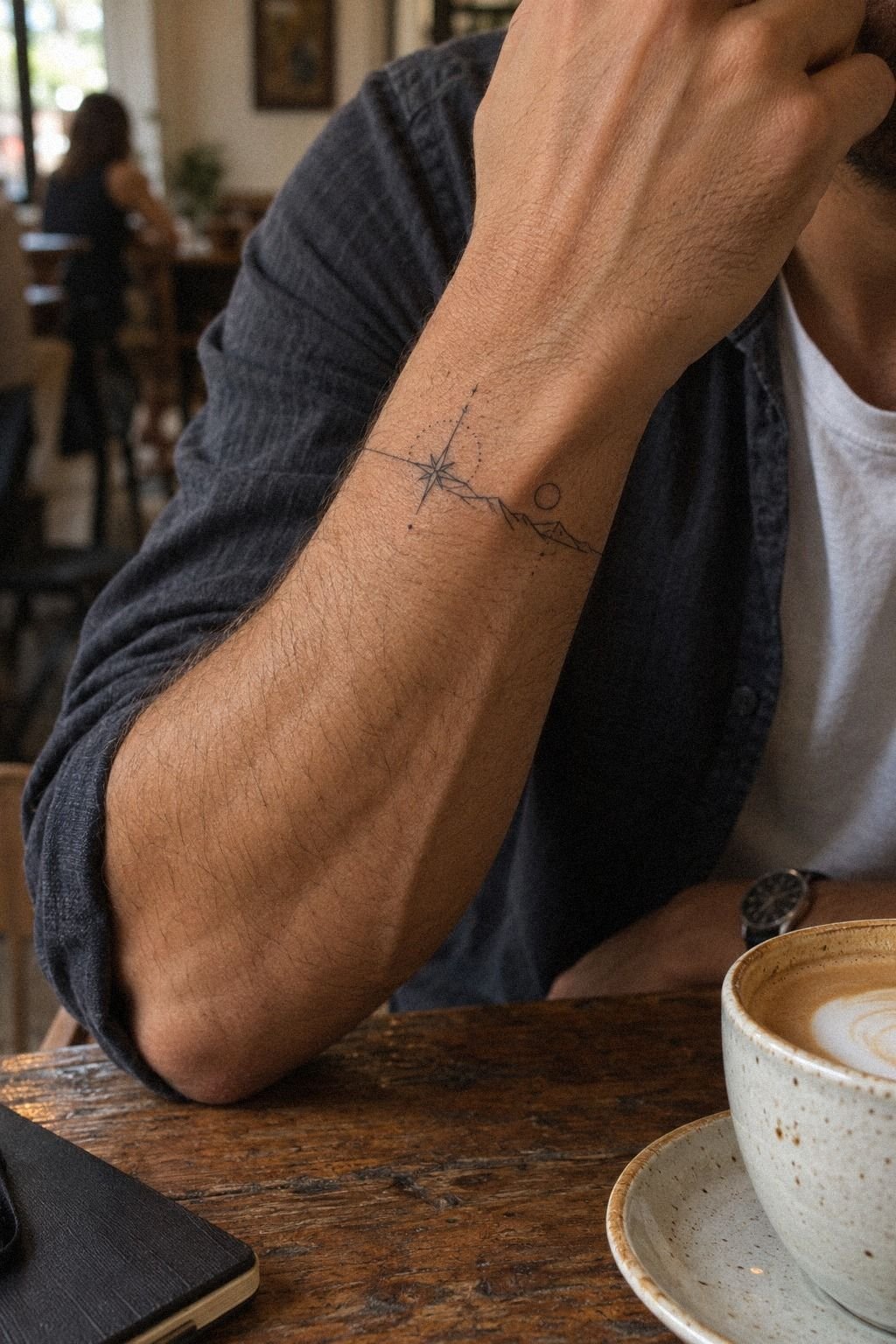
Crisp lines begin with a design that respects the wrist’s narrow surface. Every curve needs room to breathe, especially near the crease.
A slightly enlarged sketch will usually hold its shape better than a miniature drawing packed with detail. Ask how your artist approaches a single-needle tattoo on moving skin.
Look for healed lines reviewed several months later. Fine work can remain elegant, but it may soften or widen with time, particularly where a watch rubs every day.
For a work-friendly piece, place the darkest mark on the inner edge or below the wrist bone, depending on what your sleeves cover. I’d avoid a perfectly horizontal band if your job requires frequent short sleeves.
Use front wrist tattoo references to compare visibility before you commit. If you need more distance from the crease, browse forearm tattoos for men as well.
The goal is a crisp outline that reads up close but stays quiet across a meeting. You’re looking for clarity, not maximum density.
How to Preview the Mark at Work
A visibility test can prevent an expensive mistake. Print the design at its intended size, place it where you’re considering the tattoo, and wear your usual clothes for a full workday.
Check it while your arm hangs at your side, rests on a desk, and reaches forward. Those positions reveal more than a still mirror check.
Pay attention to meeting distance. A design that seems invisible from across the room may become obvious when you pass a document or reach for a keyboard.
Try the same test with a watchband, bracelet, or sleeve rolled twice. You’ll quickly learn whether the mark needs a higher position, narrower width, or different direction.
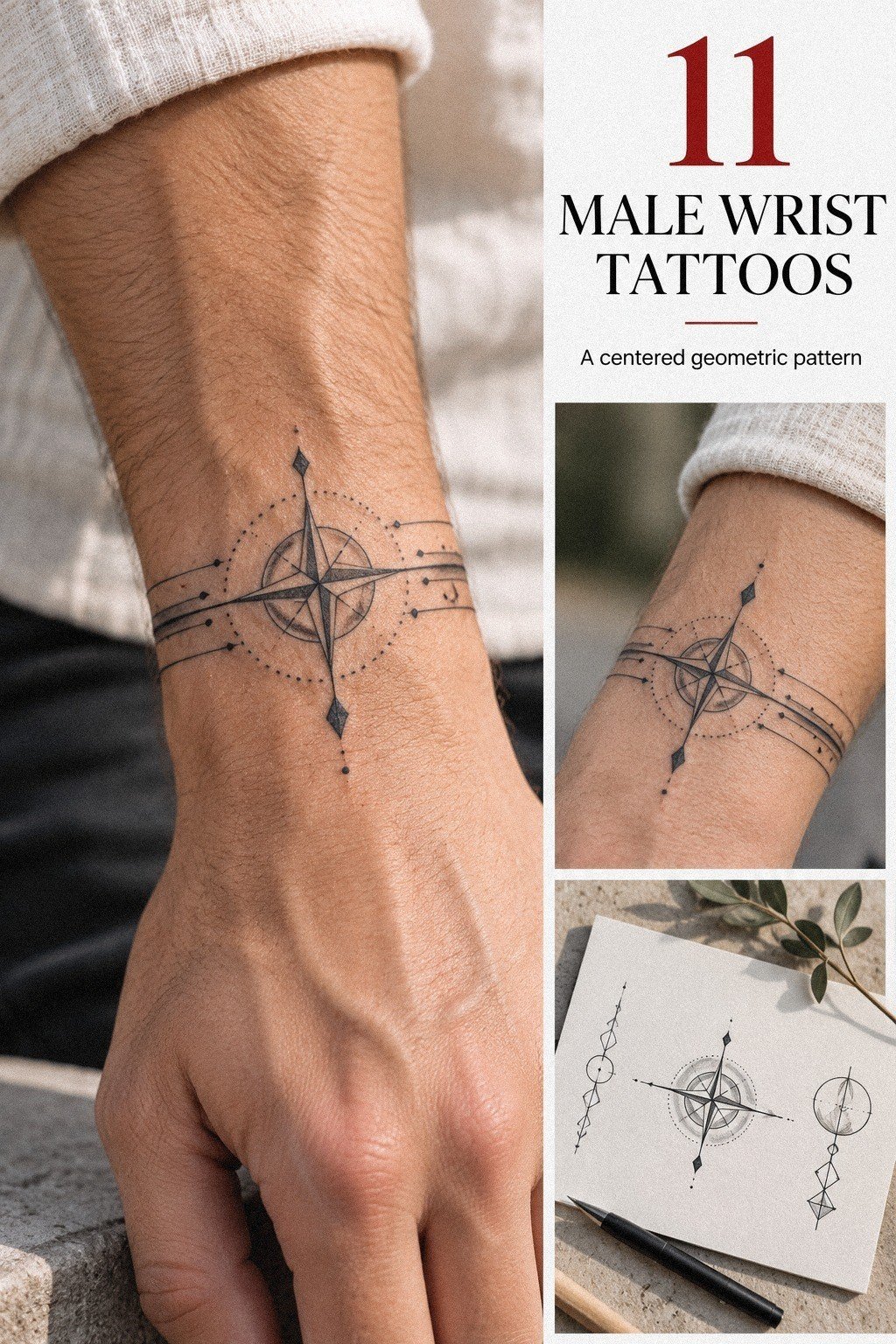
5Plan a Meaningful Wrist Tattoo Composition
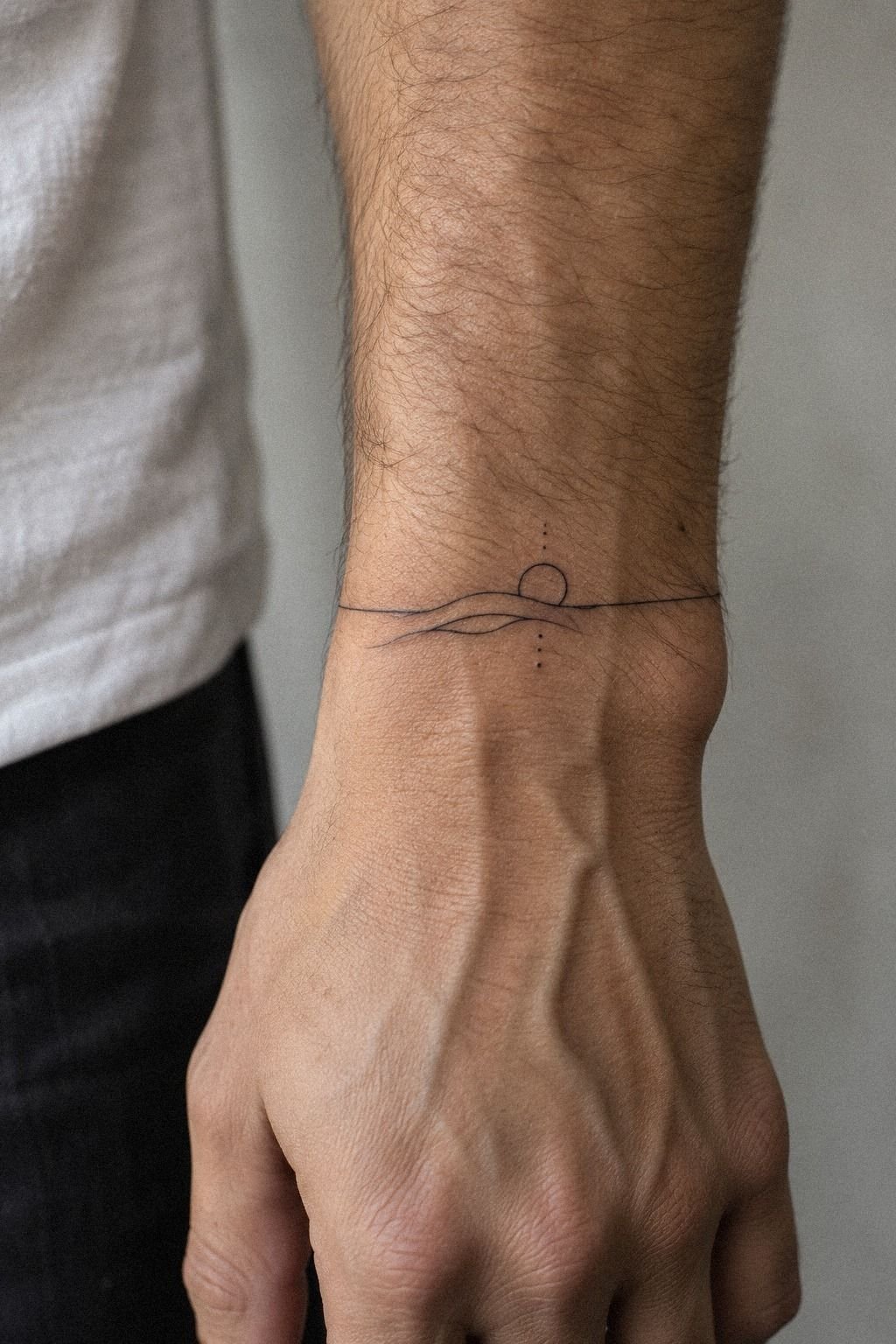
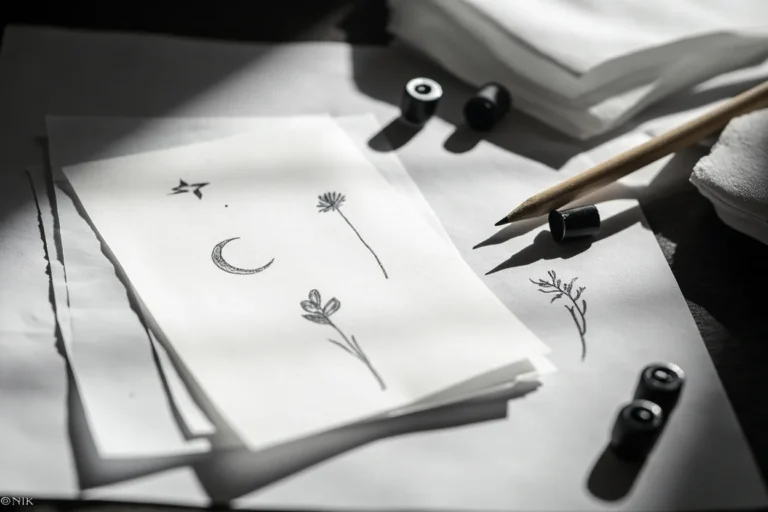
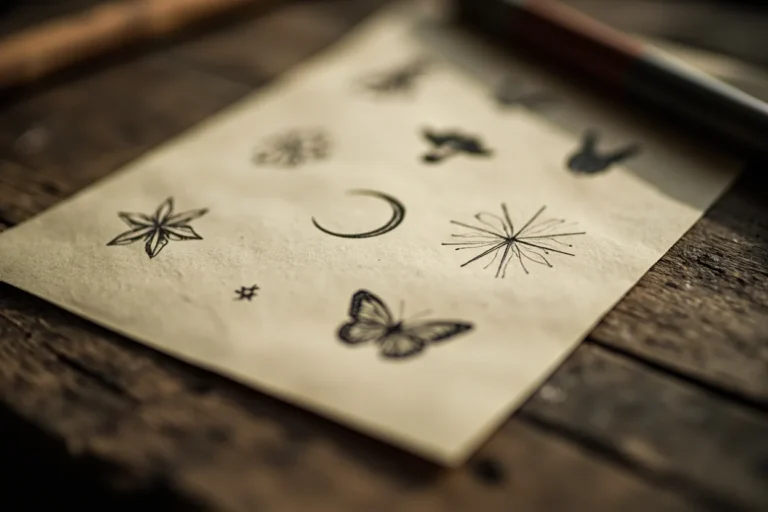
A flash sheet can help you compare ideas before you combine them. Start with the largest shape, then decide whether the smaller marks support it or compete for attention.
Your personal composition should work in three sizes: on your phone screen, at the stencil stage, and beneath your everyday sleeve. If it only looks impressive when enlarged, it may not be worth the cost.
Print the design at 100 percent. The phone-size test shows whether the main silhouette survives without the surrounding inspiration designs.
A classic emblem can feel meaningful without carrying a paragraph of symbolism. You don’t need to add initials, dates, coordinates, and phrases just because the wrist has available space.
Leave one editing day between choosing the motif and booking the appointment. Save the sketch, look at it again tomorrow, and notice whether you’re still drawn to its shape.
That pause protects your budget from impulse decisions. It also gives you time to notice whether the design belongs on your wrist or simply looked stylish on someone else.
What Makes a Wrist Tattoo Worth It?
For me, a wrist tattoo is worth it when the symbol has meaning, the placement suits your routine, and the artist’s healed work supports the price.
The tattoo value isn’t determined by size alone. You’re paying for judgment, hygiene, placement, execution, and the ability to make a small idea hold together.
Your consultation checklist should cover scale, visibility, line weight, touch-up expectations, and aftercare. If the artist only discusses the design and skips the practical details, I’d keep comparing portfolios.
A smaller design can still deliver a powerful result. The best choice often feels quiet at first, then becomes more valuable because it fits your actual life.
Ask what the artist minimum is before you arrive. A tiny wrist tattoo may still carry a shop minimum, and that number can differ from the hourly rate.
6Choose Fierce Motifs for Cool Wrist Tattoos
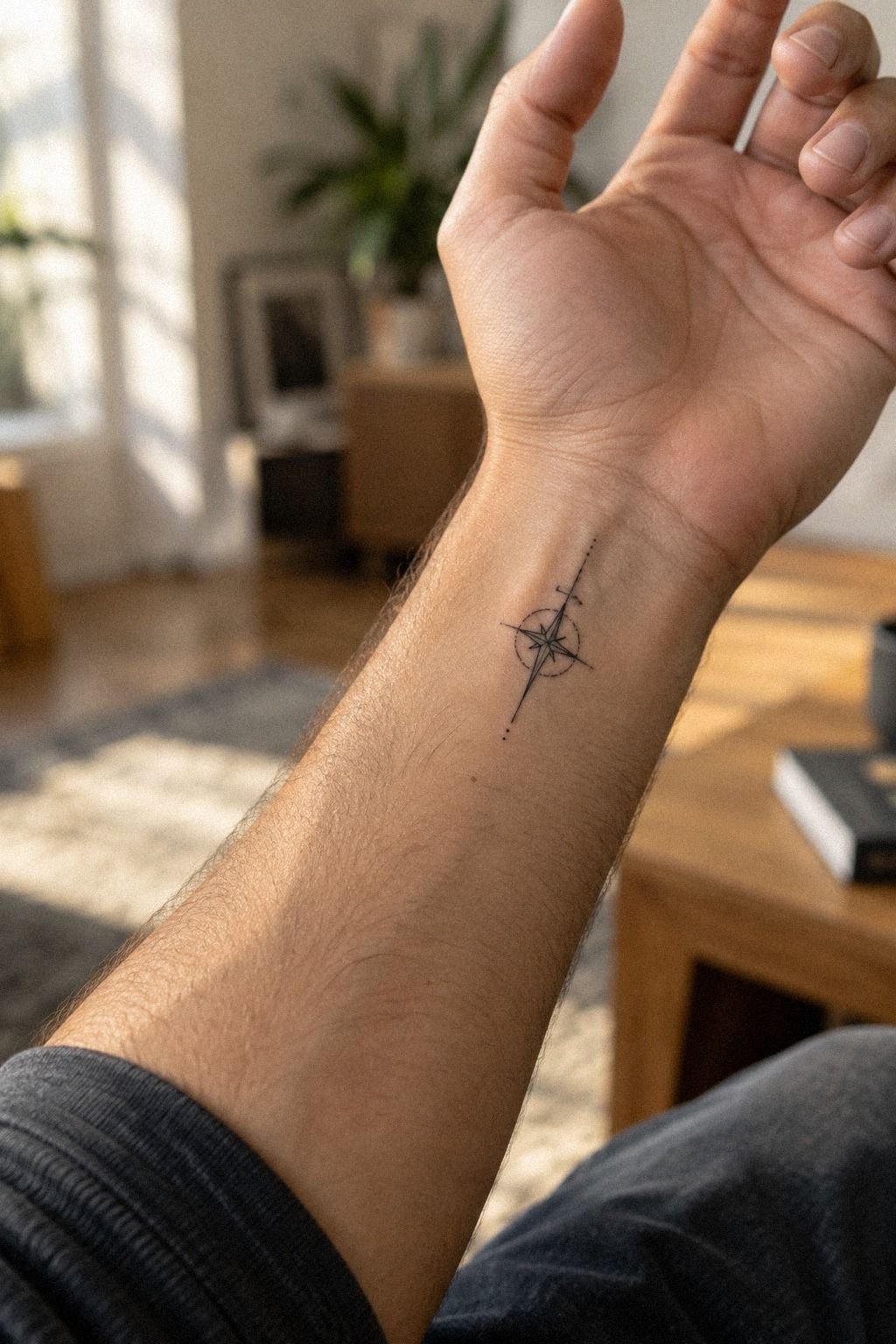
Fine lines can look fierce without relying on a huge filled shape.
Choose a daring animal mark, a sharp botanical form, or a symbolic blade if that language feels personal. The motif should have a clear silhouette before you decide whether it needs shading.
A fierce wrist motif can stay discreet when the outline does most of the work. You don’t need a dense fill to make a small tattoo feel powerful.
If you prefer a minimal design, keep the strongest point slightly away from the wrist crease. That placement can preserve clarity while giving the motif a more graceful flow.
7Match Hand and Wrist Tattoo Styles

Your wrist and hand tattoos don’t need to match perfectly. They need a shared visual language.
A coordinated tattoo style might repeat one curve, point, line weight, or symbol family. That’s enough to create a relationship without turning your hand into a rigid set.
Consider how the new design will sit beside your existing tattoos. A sparse wrist mark may look disconnected beside dense hand work, while a heavy design may overwhelm a mostly open arm.
The most successful combinations often repeat structure instead of subject. A circular wrist mark can work beside angular finger symbols if the line weight creates a bridge.
Our men’s wrist tattoo examples can help you compare masculine, expressive, and geometric approaches. I’d choose the direction that fits your current collection and your comfort with visibility.
A visual language can be sleek without becoming sterile. It can also be playful or serious without forcing every tattoo into the same category.
Keep minimal marks clear when your surrounding tattoos are already detailed. A little contrast can make the whole arrangement easier to read.
8Balance Intricate Details With Skin Space

When you’re designing an intricate wrist tattoo, draw the piece at its intended size and print it at 100 percent.
The design can be ornate and still readable, but each interior line needs a reason to exist. If the central shape is already meaningful, remove details that only add clutter.
The Negative-Space Rule in Practice
I use the open-skin test before approving any intricate piece. Cover the stencil with your sleeve, uncover it, then view it from arm’s length.
If the shape disappears into visual noise, remove one detail. Don’t add another line to rescue a composition that already feels crowded.
Negative space also improves workplace discretion. A simple mark can remain personal and polished without announcing itself across the room.
The final value isn’t measured by how much ink you can fit. It’s measured by long-term readability across movement, distance, and time.
What Should Stay Out of the Design?
Tiny text is the first thing I’d question. Letters can blur together when the scale is too small, and wrist movement makes a narrow text line harder to read.
The same applies to crowded borders, miniature faces, and multiple symbols competing for the center. You can keep the concept and remove the least important detail.
Ask whether the interior details support the silhouette. If the answer is no, let the outline do more of the work.
A clear design usually ages better than a busy one. That doesn’t mean every wrist tattoo must be plain, only that each mark should earn its place.
9Test Pain Levels Before Getting Tattooed

Wrist tattoos can feel sharp, hot, or scratchy, especially close to the wrist bone. Your sensation will depend on placement, skin, and session length.
Think of the pain scale as a planning tool, not a toughness contest. You’ll have a better appointment when you know what may happen and give yourself permission to pause.
Bone-adjacent areas such as the ribs, feet, hands, and sternum are often more sensitive. The forearm, thigh, and shoulder are usually more tolerable.
The wrist bone sensitivity can vary from one side to the other. A small shift away from the most exposed area may make the experience easier without changing the overall concept.
I’d rather plan a short tattoo session than force a complicated design in one sitting. The artist’s minimum and local rates still matter, but comfort can improve the quality of the work.
Ask your artist about breaks, water, and expected session length. Planned hydration breaks can help you stay still and comfortable.
Our wrist tattoo placement guide can help you weigh visibility against sensitivity. Why rush a design you’ll wear for years?
Inner Wrist or Side Wrist?
The inner wrist position usually offers easier concealment beneath a cuff. It can also become visible when you turn your palm upward or reach across a desk.
The side wrist may look more understated when your hand rests naturally, though it can appear when you type, drive, or extend your fingers.
I’d test both options with a temporary transfer before you pay a deposit. Check your ordinary work movements, not just a still pose in front of a mirror.
The best choice depends on how much control you want over visibility. Neither position is automatically better, and the right option should fit your routine.
10Protect Fresh Ink During Wrist Healing
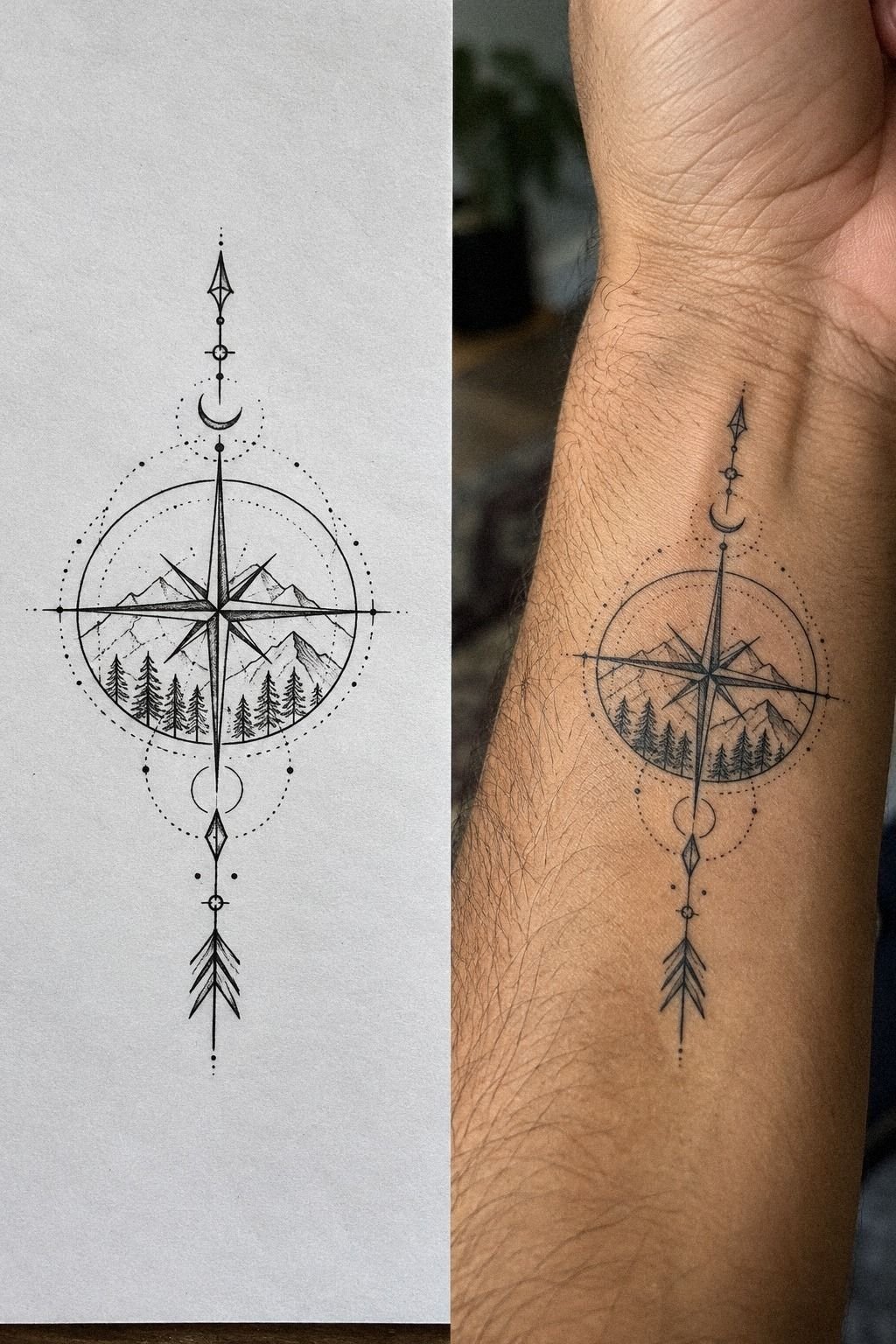
Your new tattoo may look darker or slightly swollen at first. Follow your artist’s instructions, wash gently, apply the recommended moisturizer, and keep the area away from pools and direct sun while it settles.
Treat a fresh tattoo as vulnerable skin, especially if your wrist rubs against a desk, cuff, or watch. Don’t pick flakes or scrub the lines.
Surface healing usually takes about 2 to 3 weeks, while complete healing can take about 2 to 3 months. Your aftercare film or bandage should stay on for the period your artist gives you.
The first days are about reducing irritation. Keep the area clean, avoid unnecessary friction, and don’t improvise a complicated routine because a stranger online used different products.
Your artist may describe the early stage as surface healing, but the deeper skin can still be settling after the visible dryness fades. Be patient before judging the final appearance.
Remove watches, bracelets, and rough cuffs from your routine for a while. Sweat trapped beneath a band isn’t helpful, and repeated rubbing can make the area uncomfortable.
Our front wrist tattoo guide includes placement ideas that can help you avoid the most active crease. You can also compare wrist tattoo placement examples before choosing the exact position.
Protect healed ink from ultraviolet exposure, too. Fine lines can widen with age, while solid black marks often hold their shape better when placement and care are sound. Good care pays off!
What Should Your Tattoo Budget Cover?
A realistic tattoo budget should include the artist’s minimum, the consultation, aftercare supplies, and a possible touch-up.
Ask about the touch-up policy before you confirm the appointment. Some artists include a limited follow-up, while others charge separately.
A lower price isn’t always better value. Experienced placement, clean working practices, and healed results are part of what you’re buying.
I’d rather wait and invest in an artist whose style fits the design than choose quickly because the quote is cheap. A clear quote should explain the expected cost before work begins.
What to Bring to Your Consultation
Bring one reference design that shows the subject and another that shows the scale or line quality you prefer. Your artist can then separate the concept from the execution.
Write down your artist questions before the appointment. Ask about placement, expected aging, session length, aftercare, and whether the design needs more open space.
A good consultation should feel specific. You’re not only asking whether the artist can copy a design; you’re asking whether they can adapt it to your wrist.
Ask how the studio handles hygiene practices and what you should do before arriving. Clear answers are part of choosing the artist, not an awkward extra.
11Refine a Personal and Timeless Design
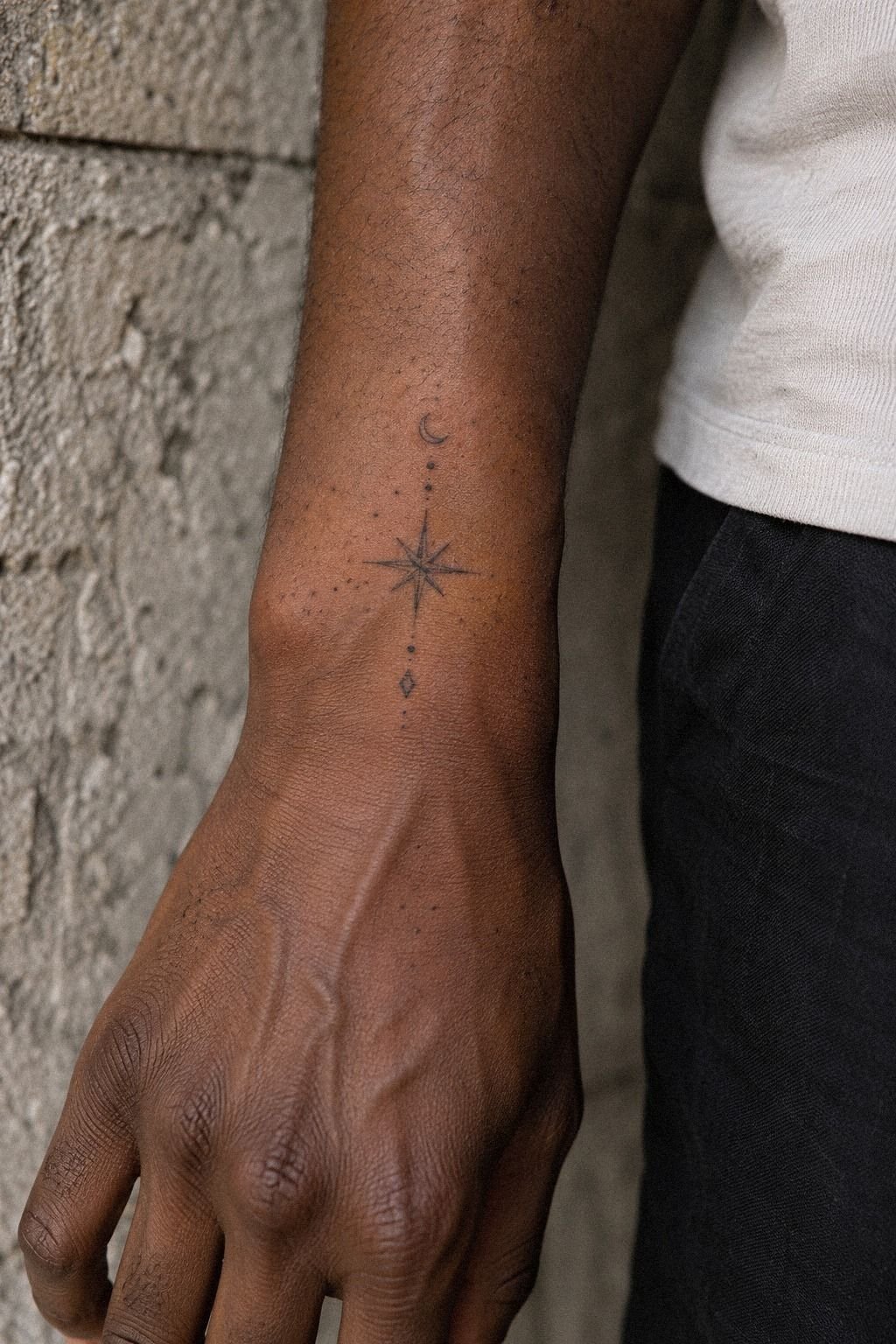
Start with the symbol, then refine its scale, direction, and visibility.
Why Clean Wrist Ink Still Wins in 2026
I’ve watched wrist tattoo trends swing from dense black bands to barely-there symbols, then back toward expressive marks with more structure.
The strongest designs aren’t chasing one look. They’re solving a real problem: how to carry something personal on your skin while keeping control over when other people see it.
That’s why I prefer a symbolic mark with clear spacing over a crowded collage. It can be vibrant without becoming noisy, and it can feel classic without looking dated.
A striking silhouette may be more useful than a complicated story. Your tattoo doesn’t need to prove its meaning every time someone asks about it.
The best work-friendly piece has design longevity built into the planning. It respects the wrist’s movement, your clothing, your budget, and the way your preferences may change.
A Few Things Worth Answering
How much does a male wrist tattoo usually cost?
A male wrist tattoo usually costs about $50 to $100 at a shop minimum, or about $100 to $250 per hour in the US. A clear quote depends on size, detail, artist, and region. I’d ask what the price includes before comparing studios.
Are male wrist tattoos a good idea for a first tattoo?
Yes, I think a male wrist tattoo can be a good first tattoo when you choose a manageable size and placement. A short session may feel less intimidating than a large project, but I’d still test visibility and choose an artist with healed examples.
How do I choose a tattoo artist for male wrist tattoos?
I’d choose an artist with healed linework, strong hygiene standards, and a portfolio that matches your desired style. A healed portfolio tells me more than fresh work because I can see how spacing and fine lines settled.
How much do male wrist tattoos hurt?
Male wrist tattoos can feel sharp near the bone, while the nearby forearm is often more tolerable. Clear pain expectations can make the experience easier, especially if you keep your first design compact. I’d plan breaks instead of treating discomfort like a challenge.
How long do male wrist tattoos take to heal?
The surface usually heals in about 2 to 3 weeks, while complete healing can take about 2 to 3 months. Gentle aftercare means washing carefully, moisturizing as directed, and avoiding pools and strong sun. I’d follow your artist’s instructions over generic advice.
What’s the best placement for male wrist tattoos?
The inner wrist offers easier concealment, while the side wrist can look more discreet when your hand rests naturally. Flexible visibility comes from testing the stencil with your usual work clothes and hand movements. I’d choose based on your routine, not a trend.
Where I’d Start First
If I had to pick one step, I’d start with the symbol. A clear, personal mark gives every later choice a job, from scale to placement to line weight.
Choose one you won’t need to explain, test it beneath your work cuff, and save the sketch before your appointment. That’s the simplest way to protect both your final tattoo decision and your budget.