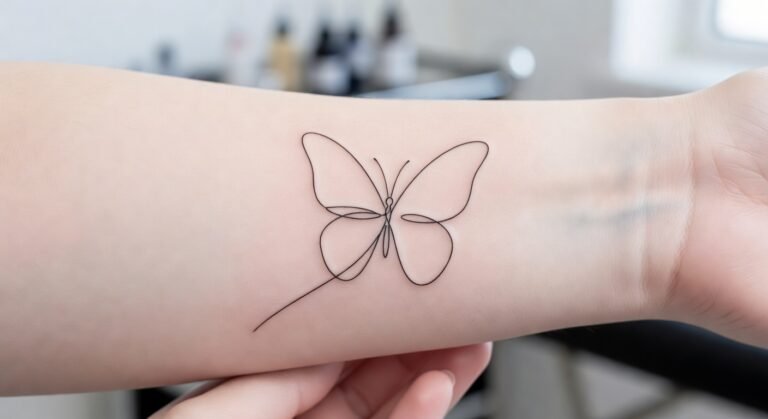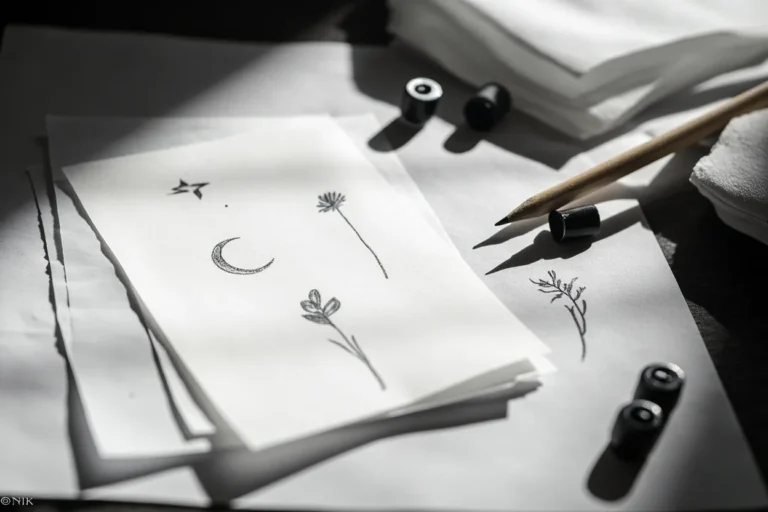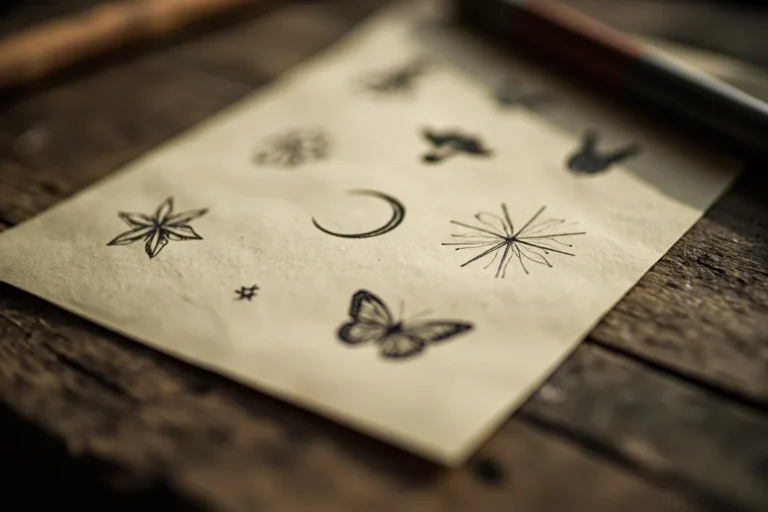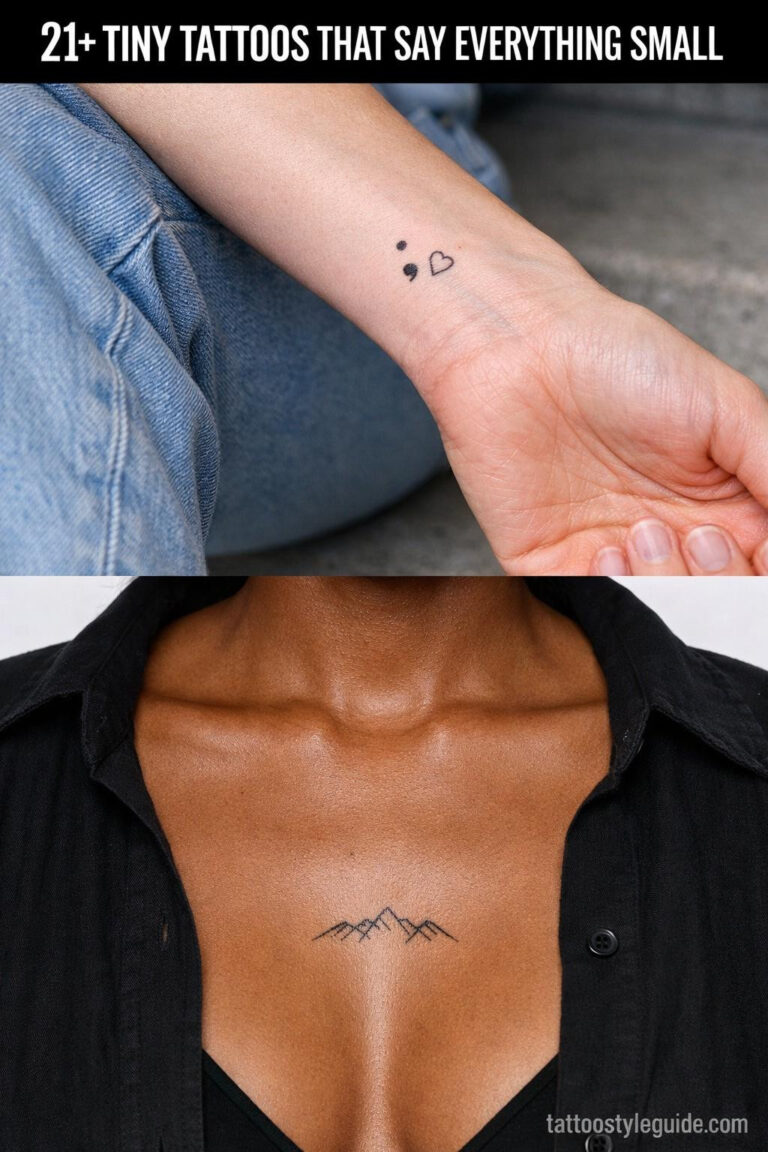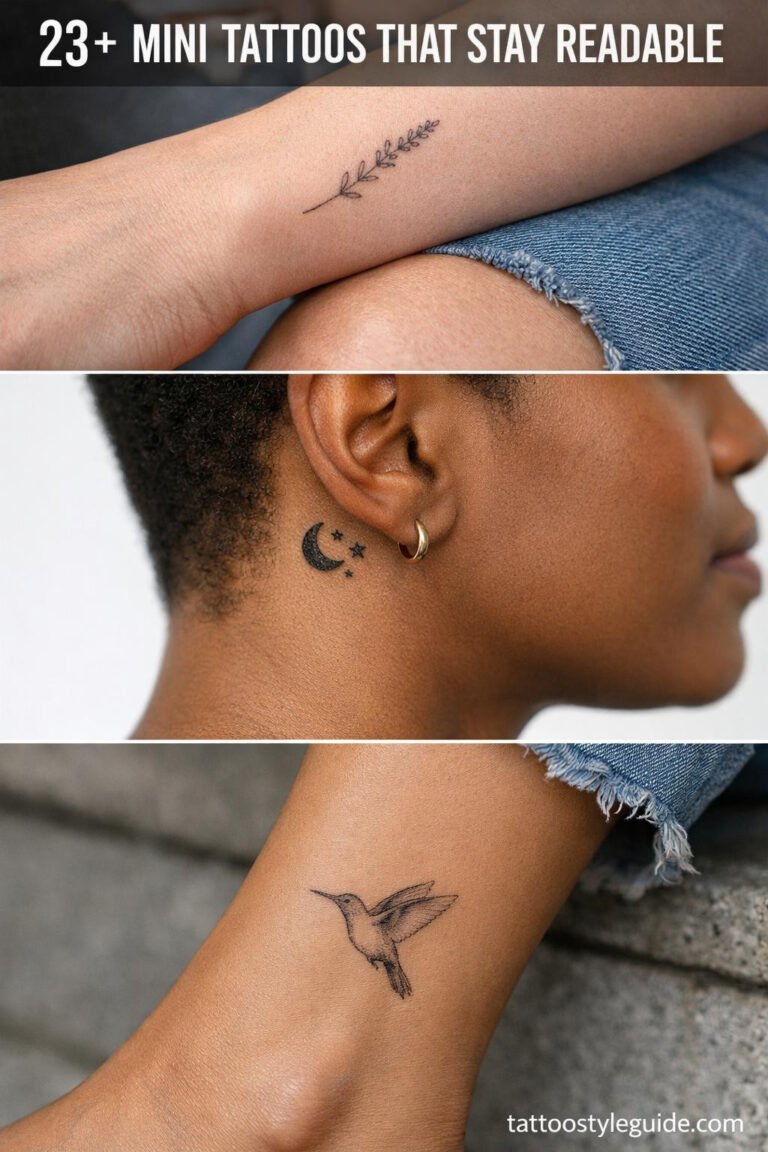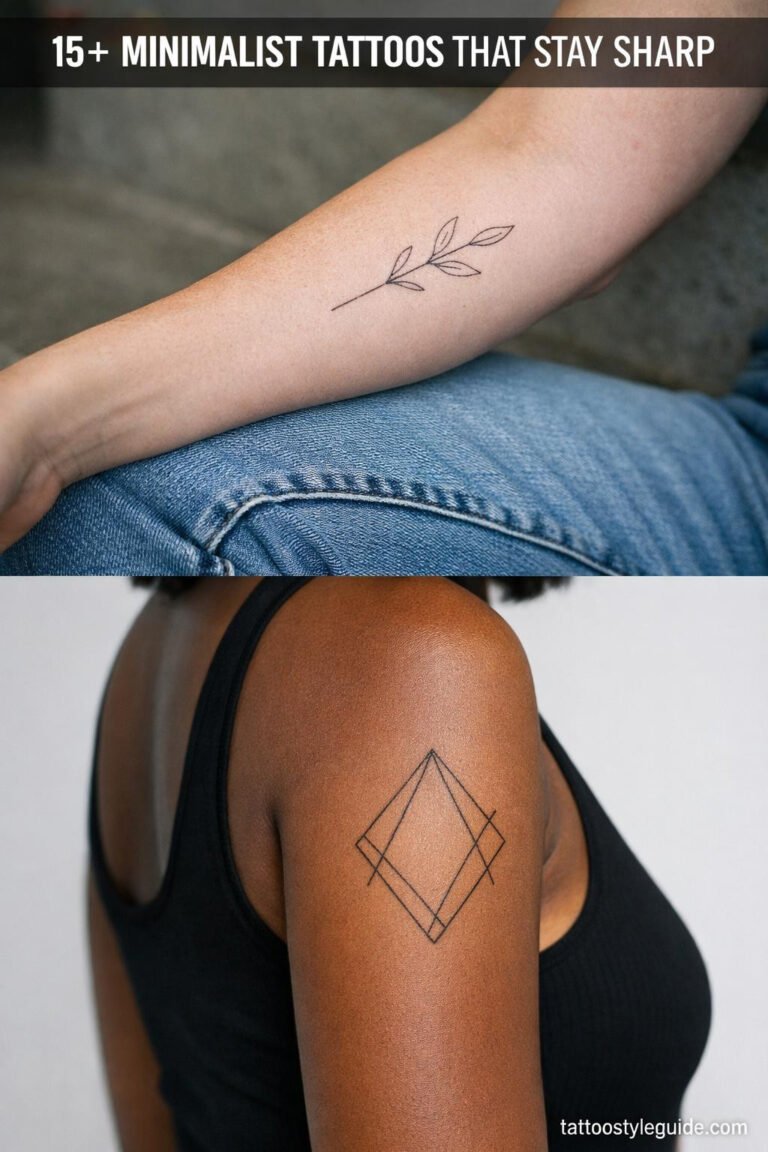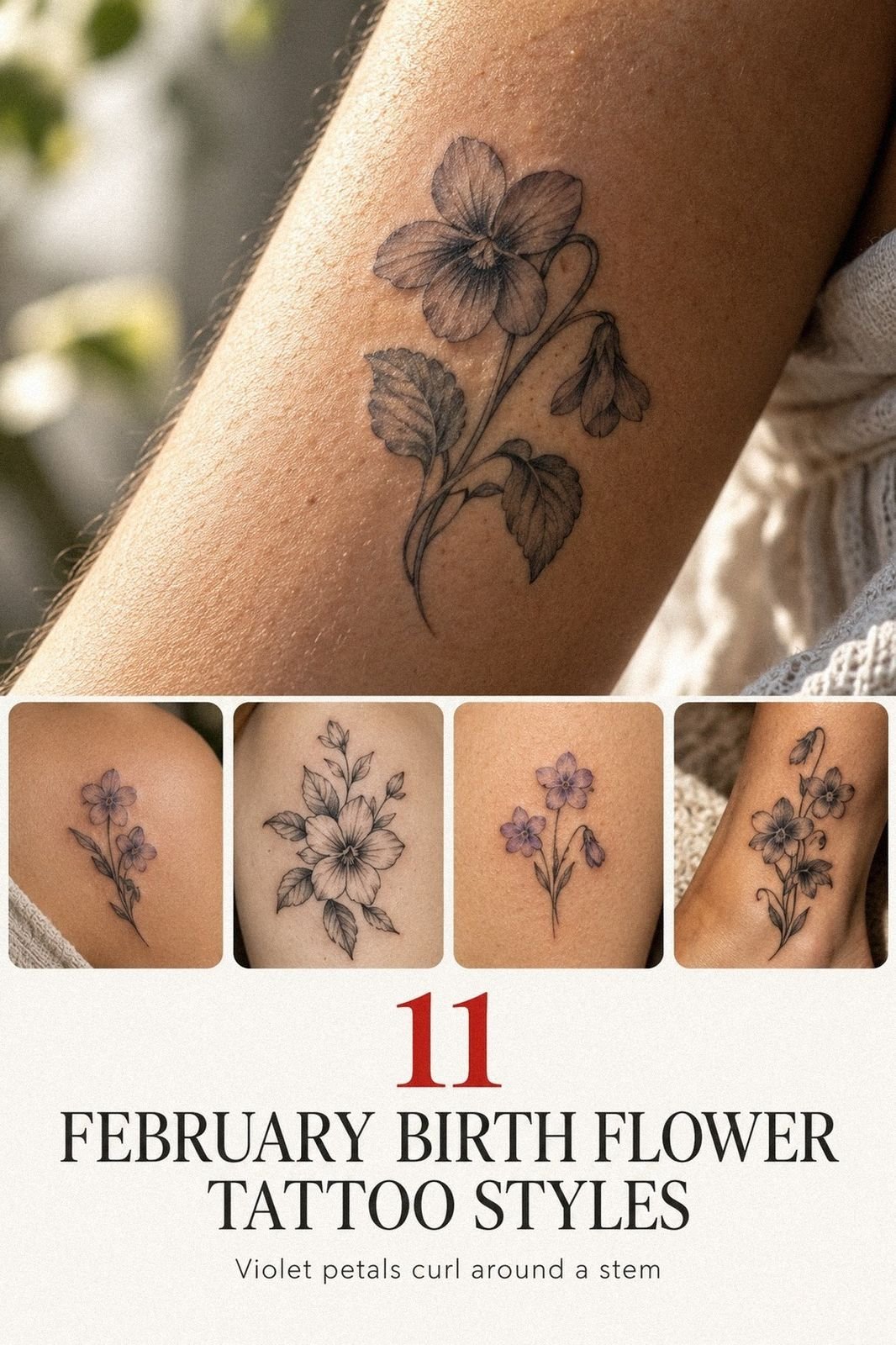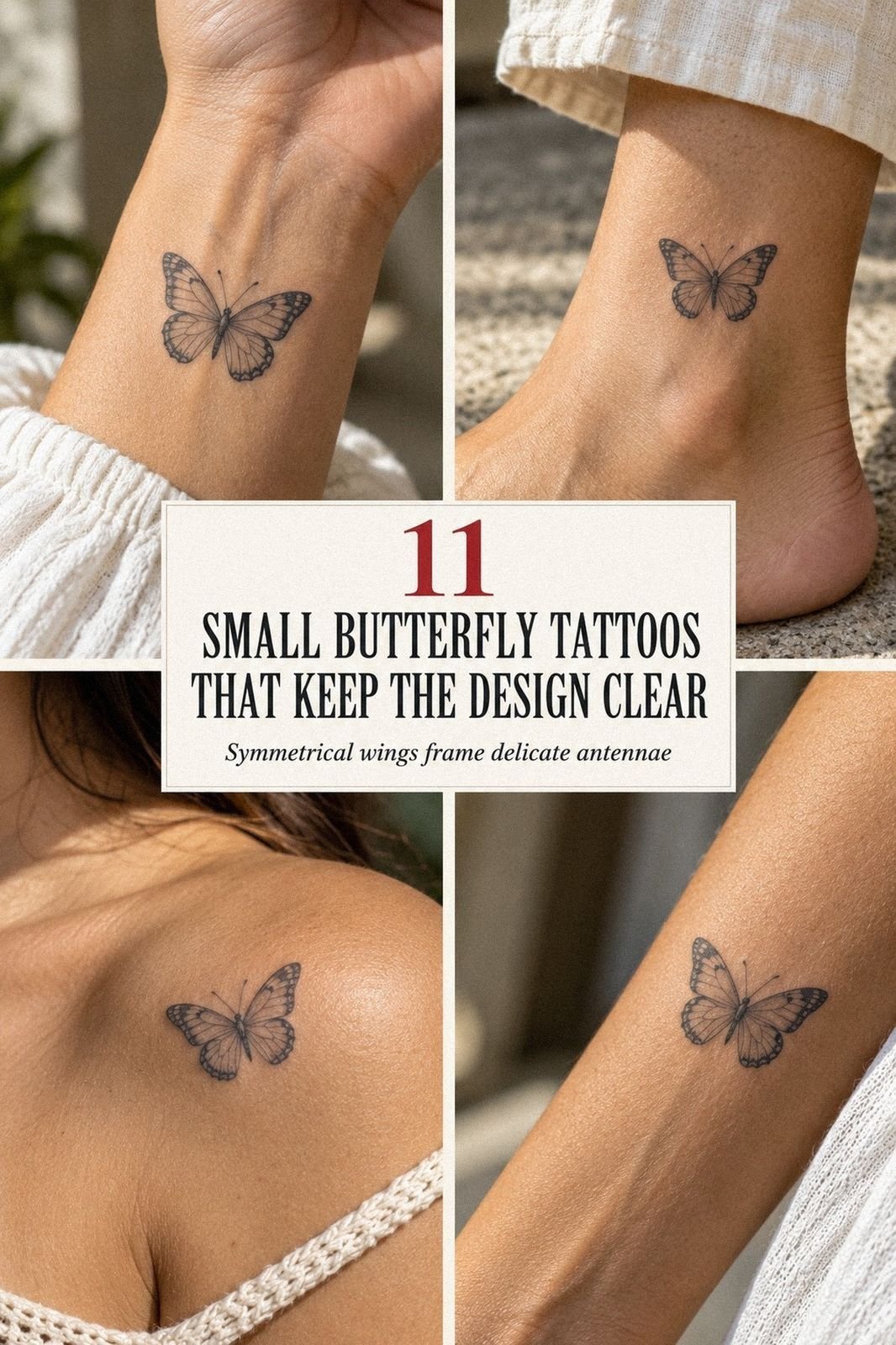
Side wrist tattoos are worth it when the design is small, the spacing is honest, and aftercare is treated like skin you actually like. I push a lot of first-timers to slow down here, because the strip is narrow, mobile, and lit by your phone light every day. Cute on paper, spicy on skin, easy to ruin with one extra dot. So this is the guide I wish I had when I started tattooing tiny placements: what works, what does not, and the small moves that turn a side wrist tattoo into something that reads clean for years.
Is a Side Wrist Tattoo Actually Worth It?
Short answer: yes, for the right person and the right design. Side wrist placement gives you a visible piece you can enjoy daily, monitor fast during healing, and hide under a sleeve when you need to. It’s also one of the higher-maintenance spots on the body, because the skin is thin, close to bone, and constantly brushed by watchbands, sleeves, and laptop edges.
So it’s worth it if you treat the design like it has to survive all of that, not just look cute on day one.
What makes it worth it: easy visibility, fast day-to-day care, and a sweet spot for first tattoos if the artist knows restraint. What makes it not worth it: a busy micro scene, ultra-thin hairline details, or anything you have to squint to read.
I have watched clients spend $250 on a script that turns into soup at month eight because the stencil was one line weight too thin. That’s the lose-lose side of this placement.
If you are in doubt, the safer route is a small fine line symbol in black ink at about 1 to 1.5 inches. Skip the super-detailed mini scene. Give the piece clearance to age.
That single rule decides more side wrist tattoos than any other. Below, I will walk through what I tell my own clients when they sit down at the consult.
What Does a Side Wrist Tattoo Cost in the US?
A small side wrist tattoo usually runs $100 to $300 in the US, depending on the artist, the shop minimum, and how simple the design stays. Most reputable studios have a shop minimum of $50 to $100, so even a tiny symbol won’t cost less than that. Artists who specialize in fine line work or small delicate pieces typically charge $100 to $250 per hour, with higher hourly rates in major cities or for in-demand specialists.
A typical appointment for a single small wrist tattoo lands between 30 and 90 minutes. The longer end usually means the stencil needed a few rounds of adjustment, or the client added a small detail mid-session. The honest pricing rule I give everyone: budget a bit more than your first quote, because a clean heal is cheaper than a touch-up later.
Here’s the cost map so you know where your money goes:
Is a side wrist tattoo expensive long-term? Not if it heals right.
The pieces that cost more than the sticker price are the ones that come back for two or three touch-ups because the lines were packed too thin to start. Spend a little more upfront on an artist with healed wrist photos, and you’ll save the touch-up fee in a year.
How to Pick an Artist For a Side Wrist Tattoo
The fastest filter is healed photos, not fresh ones. Ring light hides everything.
Zoom into the crispy lines at six months healed and ask yourself if the pieces still read clearly. If the artist’s small tattoos look fuzzy even in fresh shots, that artist’s work will not survive this placement.
I want to see three things in a side wrist portfolio: clean fine line work with one solid pull, honest gap spacing between letters or shapes, and a consistent single needle or small liner setup. If every tattoo in the book is bold and dark, that artist can probably do your piece, but they may not be the right fit for the delicate side wrist aesthetic. Match the portfolio to your design.
Ask these three questions at the consult:
1. How many side wrist tattoos have you done in the last year? 2.
Can I see one that’s at least six months healed? 3. What’s included if the lines need a touch-up?
A confident answer to all three is a green flag. A vague answer or a push toward “fresh photos only” is a slow no.
Your wrist does not need the loudest artist in town. It needs the most honest one with this specific placement.
And honestly, the cheapest quote is rarely the best value if it means trading clarity for cost.
- Start With A Tiny Side Wrist Symbol
- Pick Fine Line Script For Side Wrist
- Place A Floral Sprig Along The Side Wrist
- Why Do Tiny Gaps Save Side Wrist Ink?
- Plan A Discreet Inner Side Wrist Tattoo
- Pulse Point Placement Versus Wrist Crease
- Pick A Tiny Star Side Wrist Tattoo
- What Makes Angel Numbers Stay Legible Here?
- Keep Side Wrist Lettering Cleanly Separated
- Fine Red Ink Or Black Heart?
- Choose A Minimal Snake Side Wrist Tattoo
- Pick A Birth Flower Side Wrist Stem
- Place A Moon Phase Along Side Wrist
- Thin Bands Versus Solid Wraps At The Side Wrist
- Plan Matching Side Wrist Tattoos Carefully
- Choose A Micro Butterfly Side Wrist Tattoo
- Dynamic Triple Black Dots Or Soft Scatter?
- Place Coordinates Along The Side Wrist
- Keep Side Wrist Aftercare Extra Gentle
1Start With A Tiny Side Wrist Symbol
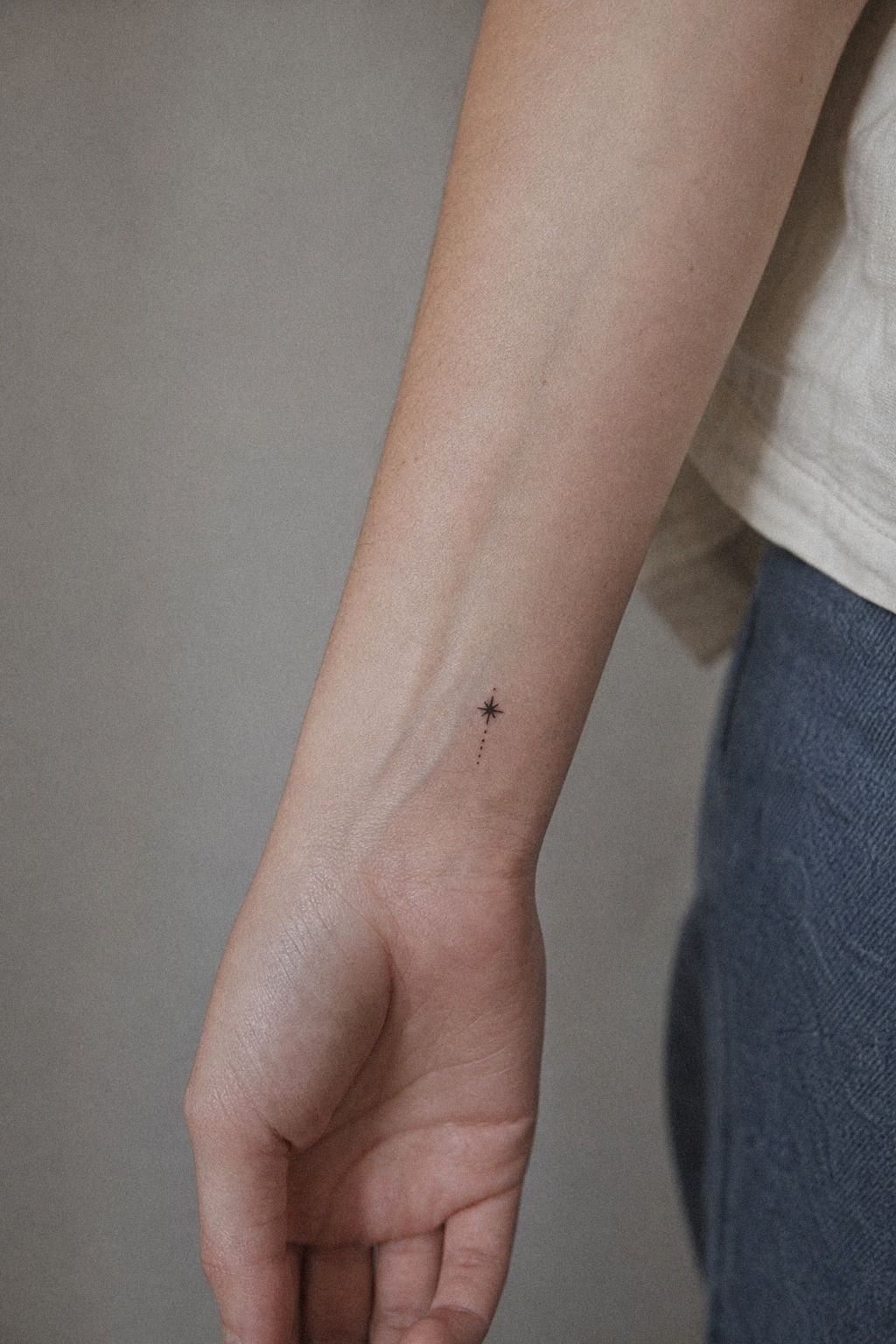
Start small on purpose. A tiny moon, dot, spark, or simple heart at about 0.5 to 1 inch usually heals cleaner on the side wrist than a busy mini scene. You want something you can glance at and still read fast.
If you cram too much into that narrow strip, your lines won’t stay crispy for long, and you’ll be reading blur instead of shape in a few years.
I tell people to think in black linework first because black is still your best friend for longevity. Bring a simple reference, not a Pinterest-exact clone, and ask your artist to print it at two sizes.
Put both stencils on your skin. Then walk around for five minutes and look again.
If you want more small-scale inspiration before you book, scroll these wrist tattoo ideas before your appointment. Tiny does not mean timid. Tiny means disciplined.
Keep your stencil honest with healed contrast in mind, not the fresh-photo glow. And yes, smaller usually wins here!
2Pick Fine Line Script For Side Wrist
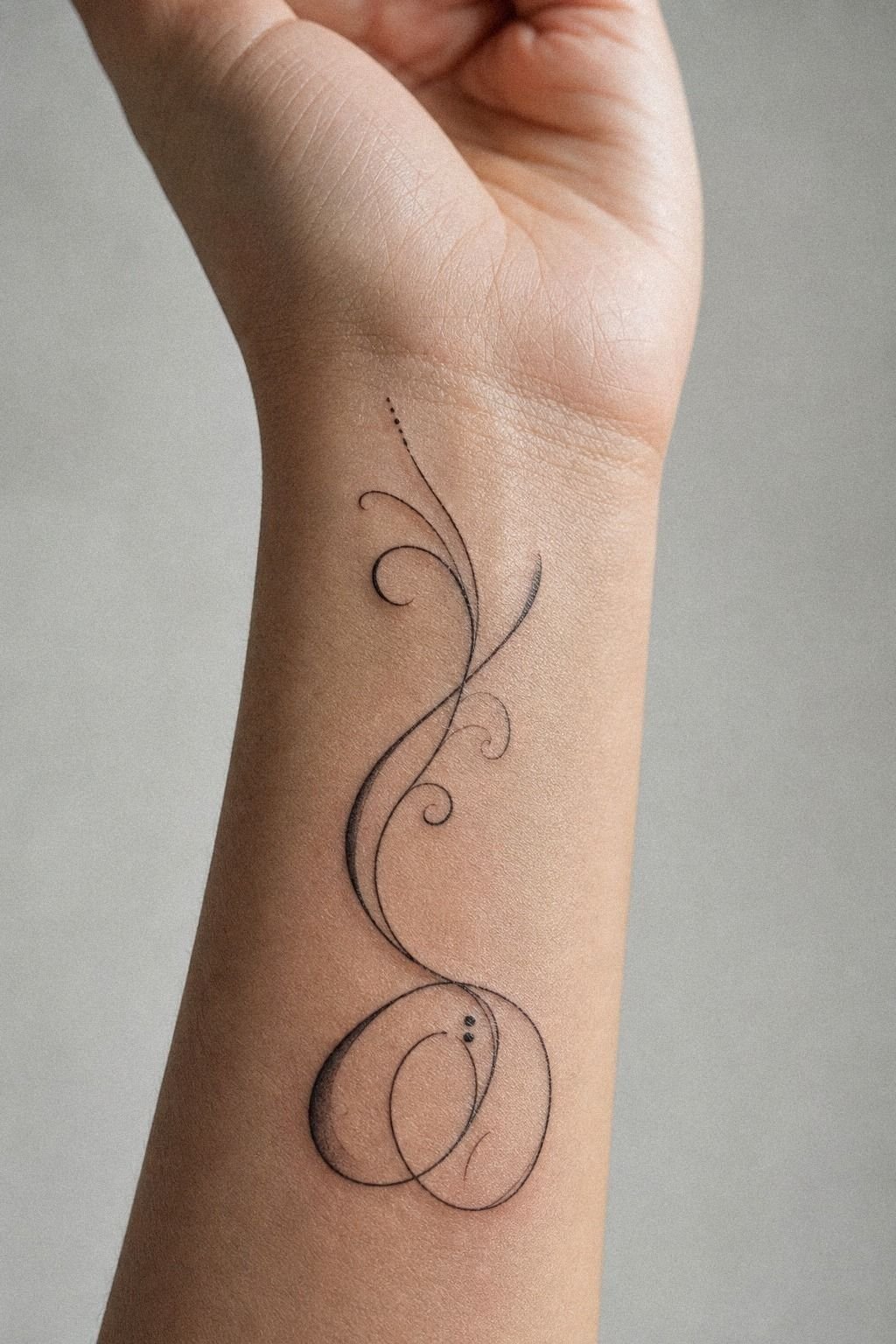
Script can look clean on the side wrist, but only if the lettering is short and the stroke weight is honest. Think one word, maybe two, with open counters and a little air between letters. Side wrist skin moves every time you bend your hand, type, wash up, or sleep on it, so your artist needs enough clearance to make one clean pull instead of ten fuzzy ones.
I would skip ultra-thin trendy cursive and ask for single needle or very small liner script that still has body. Names like “lucky,” “breathe,” or a short date usually hold better than a long quote.
Ask to see healed lettering on skin, not just fresh tattoos under ring light glare. If the portfolio already shows soft healed script, you are in safer hands. You can compare other small-placement layouts in side tattoos for women, but keep your eye on spacing first so the stencil still looks clean later.
3Place A Floral Sprig Along The Side Wrist
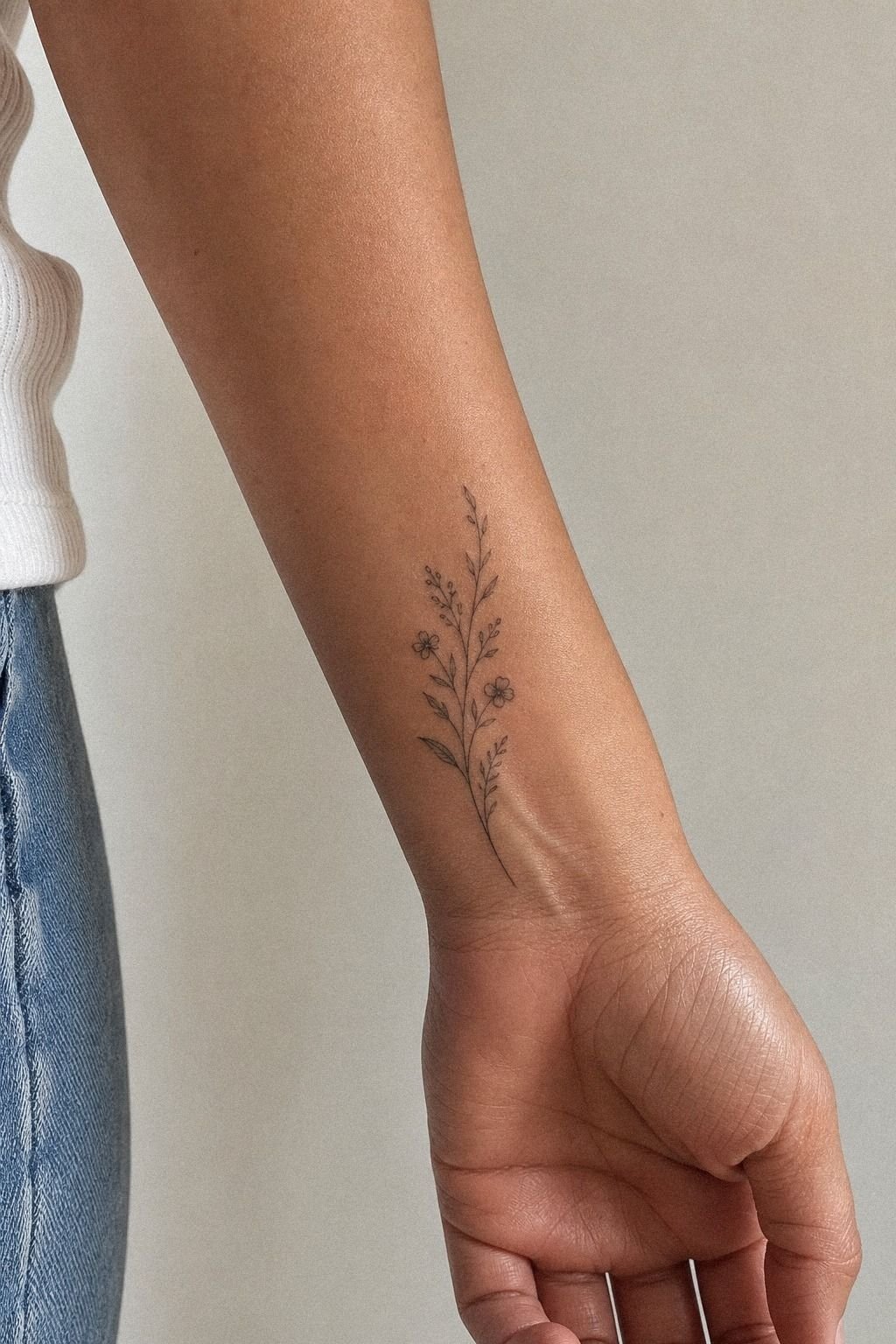
A floral sprig is one of the strongest side wrist ideas because the stem gives the design direction. A single rose, lavender, lily, or wildflower stem running lengthwise along the side plane reads like a quiet line of poetry. It also gives you visible clearance between petals, which is the whole point of this placement.
The move I’d make: pick two or three blossoms max, not a full bouquet. Stack them along the stem with about a centimeter of open skin between bloom and bud, and let the leaves stay simple. The danger with florals here is treating the design like a still life.
Tiny petals, dense shading, and micro leaves are where side wrist tattoos go wrong. If the silhouette reads at a glance, the piece will age.
For the technical side, ask for single needle outline plus whip shading in one soft pass. That combo gives the petals a velvety healed look without packing the skin.
Bold stems in solid black, soft fill in the petals. Skip the watercolor wash, it muddies fast on this placement.
If you’re torn between a single bloom and a fuller bouquet, my honest take is shorter wins. A 2-inch sprig with three flowers outlasts a 4-inch bouquet with eight. For more on what ages well on small skin, why tattoos blur over time is worth a quick read.
Pretty as a sleeve, heals like a bracelet.
4Why Do Tiny Gaps Save Side Wrist Ink?
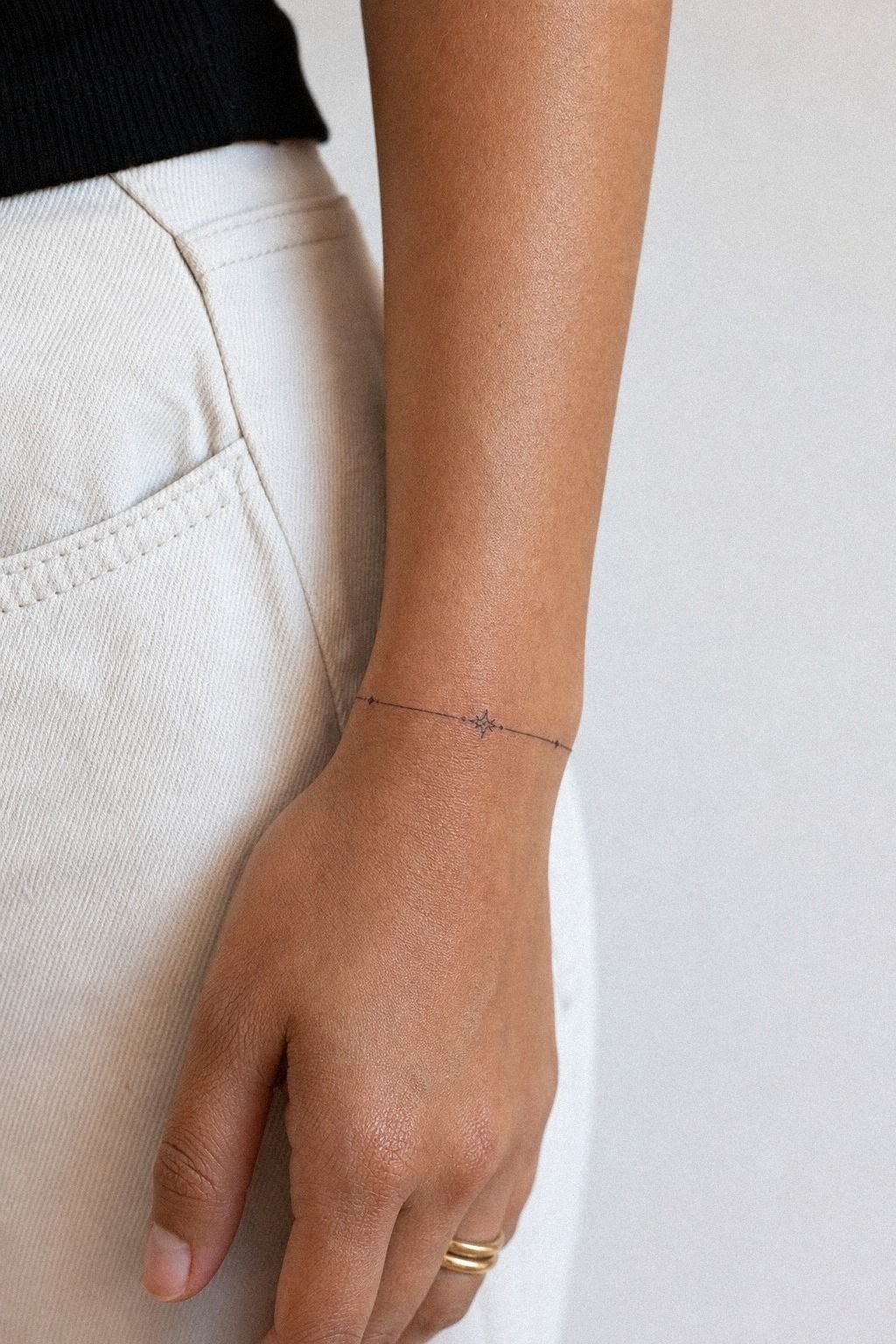
Because side wrist tattoos don’t fail from lack of meaning. They fail from lack of clearance. This strip of skin is narrow, bendy, and constantly brushed by sleeves, desks, and watchbands.
Tiny gaps are what keep separate parts looking separate once the fresh swelling drops.
I usually want at least visible open skin between leaves, stars, letters, or moon phases, even when the client thinks the draft looks “too empty” on paper. Empty on paper often heals just right on skin.
If you are comparing sizes, study small wrist tattoo ideas and pay attention to which ones still read clearly at a glance. The rushed-looking version is almost always the one that was pushed too tight.
5Plan A Discreet Inner Side Wrist Tattoo
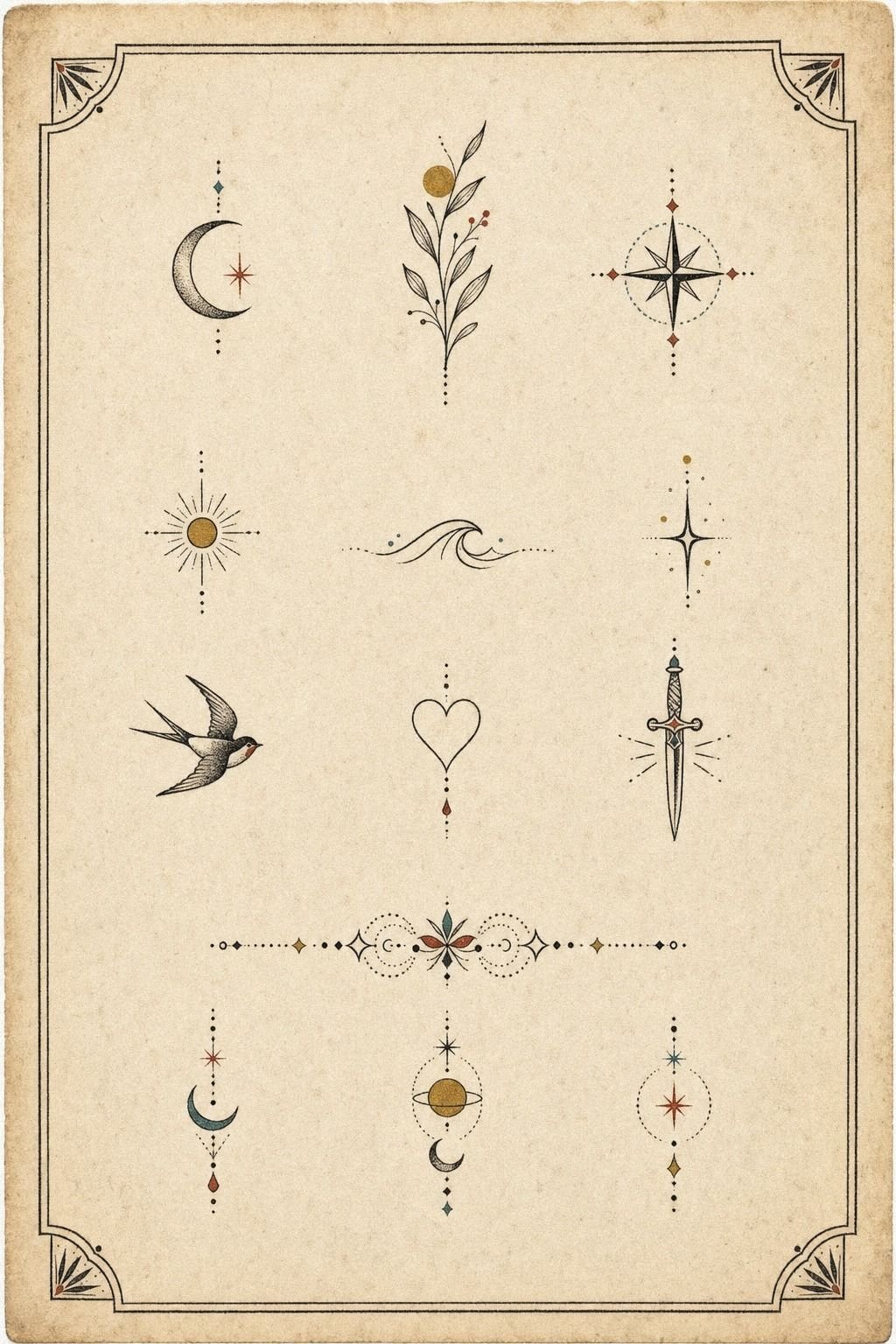
If you want the tattoo to stay a little hidden, flip the placement inward. The inner side wrist sits slightly closer to the pulse point and faces the body, so the design stays tucked unless you tilt your wrist up on purpose. It’s a great move for first tattoos, professional settings, or anyone who likes a piece that feels personal before it feels public.
Inner side wrist placement does have trade-offs. The skin there is soft, slightly more sensitive, and tends to swell a touch more during healing.
Colors can fade faster because the inner arm catches less UV than the outer side. The upside is that the design stays protected from daily friction, which makes it a smarter spot for delicate or sentimental pieces.
I would keep the design small here, around 1 to 1.5 inches, and lean toward black and grey for longevity. Solid black star, a tiny moon phase, a minimalist coordinate set in plain numerals. Skip the bold color blocks, they lose punch faster under the sleeve.
If you want to compare the read on different angles, look at wrist tattoo placement ideas and notice how a small flip in angle changes who sees the tattoo when.
6Pulse Point Placement Versus Wrist Crease
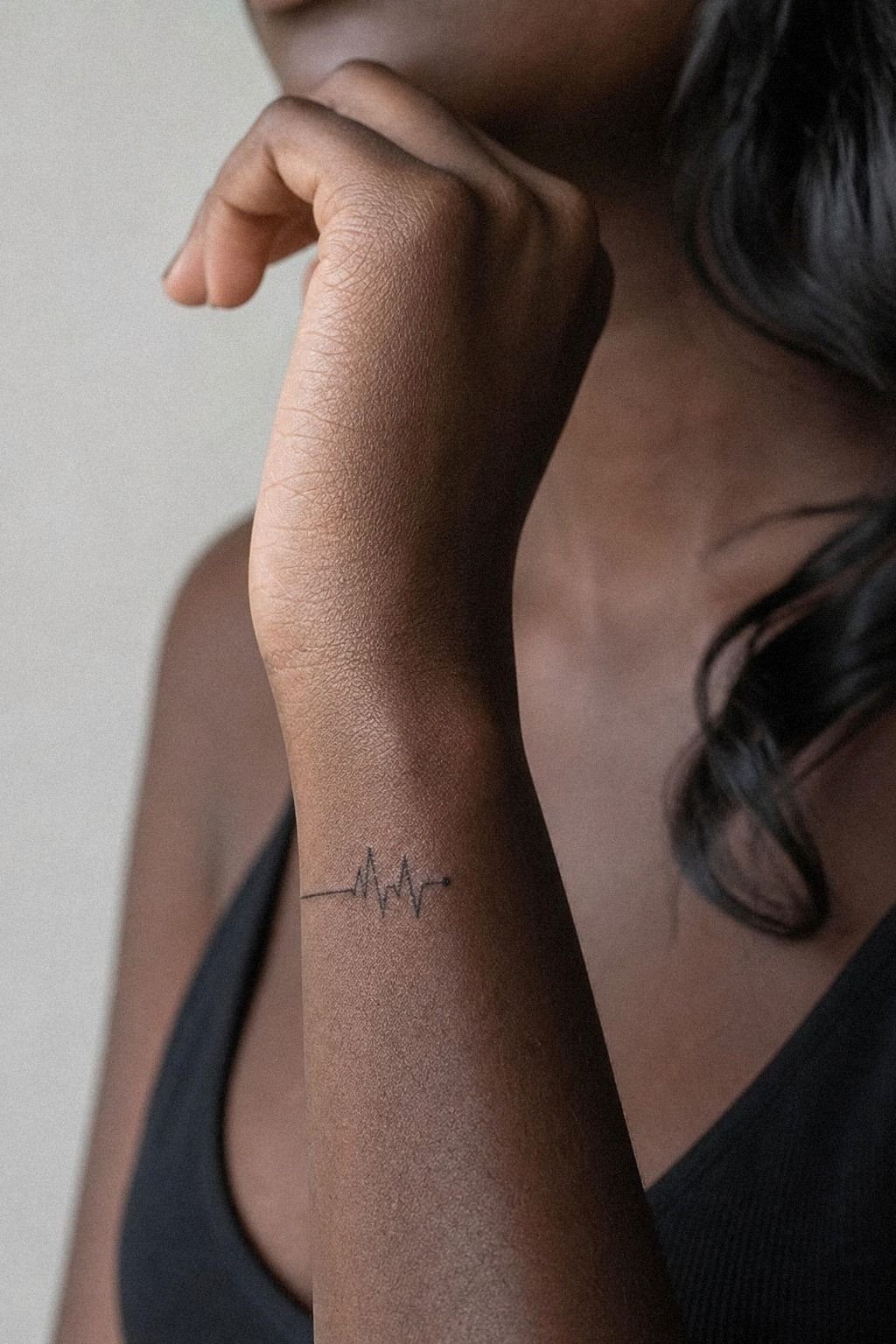
The pulse point gives you a great visual target, but you still need to respect the anatomy. I would rather place a tiny design just off the sharpest crease than dead-center it on the bend and hope for the best. That little shift can save you irritation, blowout risk, and a lot of regret.
I usually map the stencil with crease clearance first, then check how it looks with the hand relaxed and bent. If the tattoo only looks right when your wrist is held in one stiff pose, it is not placed right yet. For longer layouts that may deserve more clearance, compare the read of forearm tattoos for women and notice how a few extra inches can make a delicate idea age nicer.
7Pick A Tiny Star Side Wrist Tattoo
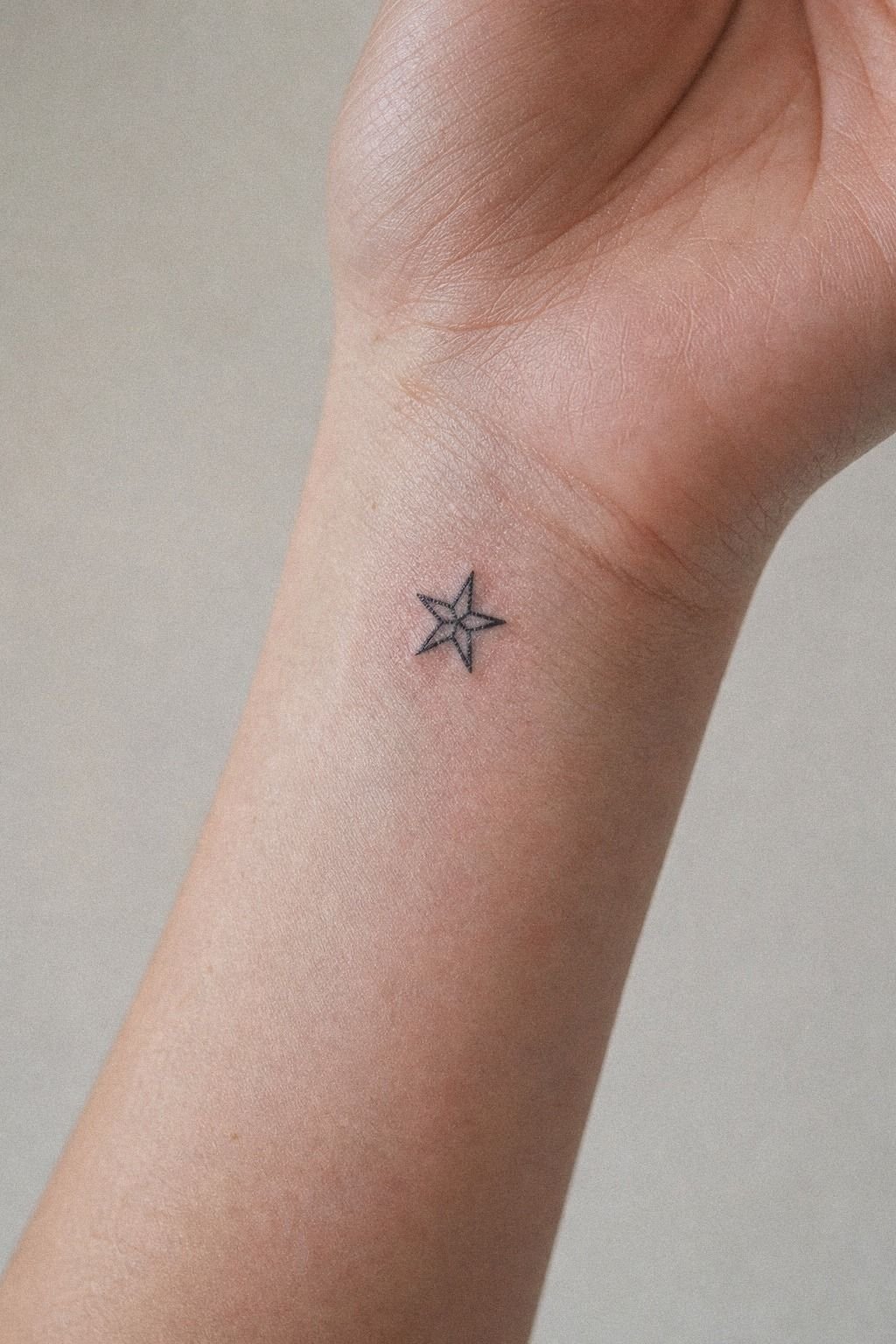
A tiny star is one of those side wrist ideas artists keep reusing because it makes sense here. The shape is simple, the meaning can stay open, and it doesn’t need much line to read. One star usually heals better than a cluster.
Two can work. A whole constellation on the side wrist? That is where a cute idea starts turning messy.
I like a five-point star with slightly thicker outer points, especially on fair cool-pink skin where fresh redness can temporarily blur the edges. Give each point enough separation so they do not swell together during the first few days.
If you want the star to feel more personal, ask for a subtle tilt instead of added detail. And if pain is stressing you out, check where tattoos hurt less before you book. This spot is manageable, but it is not sleepy-calm.
8What Makes Angel Numbers Stay Legible Here?
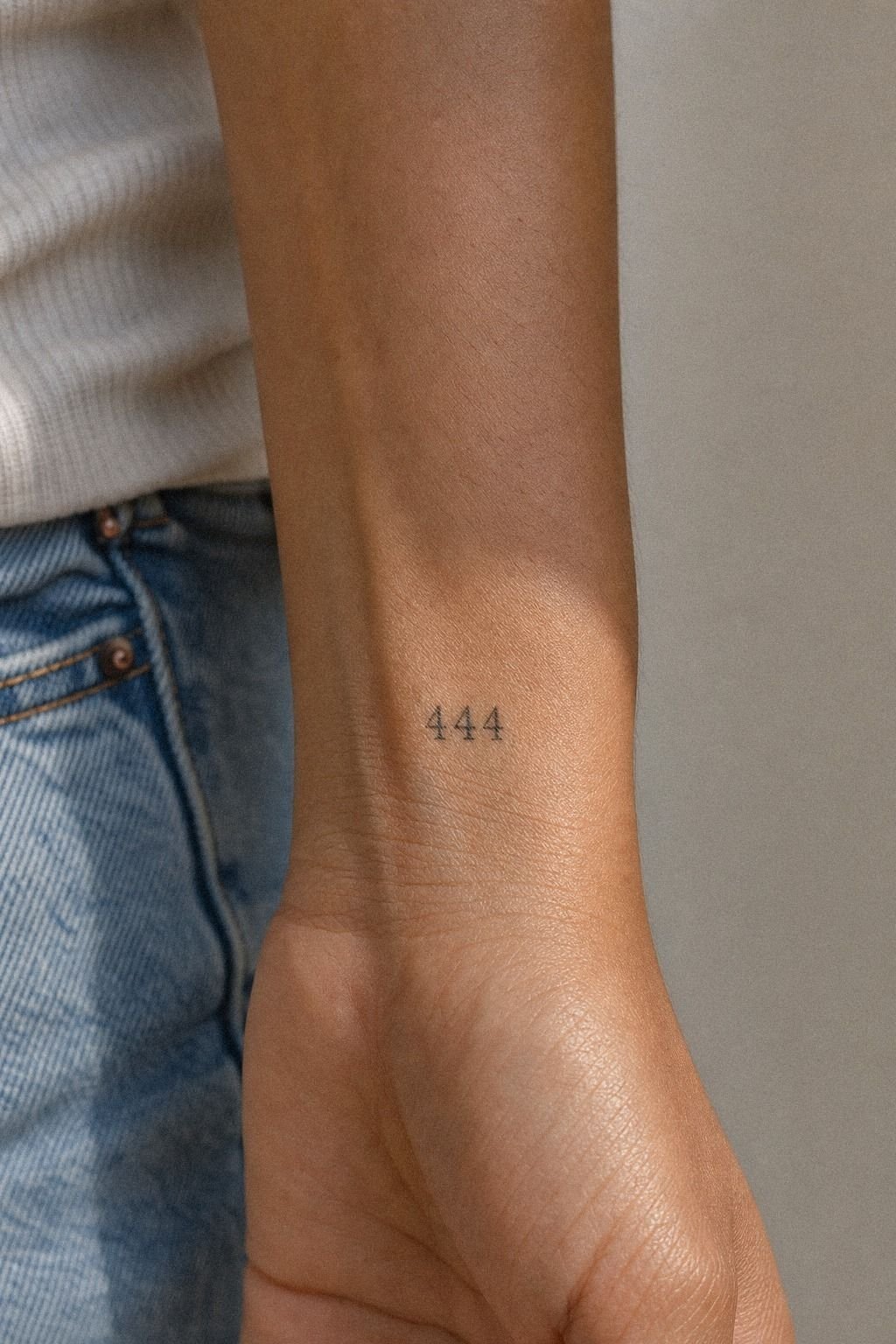
Angel numbers only work on the side wrist if you keep them legible first and mystical second. Straight gaps.
Plain numerals. No extra sparkle dust.
No tiny halo filler. That is the rule.
I would print the stencil at two widths and pick the version with plain number gaps, even if the wider one feels less dainty at first. Numbers need more discipline than people think because every little separator can close up over time.
If you want to compare cleaner symbolic layouts before you lock in the design, scroll wrist tattoo ideas and notice how the strongest number tattoos stay blunt and readable. Pretty matters.
Clear matters more!
9Keep Side Wrist Lettering Cleanly Separated
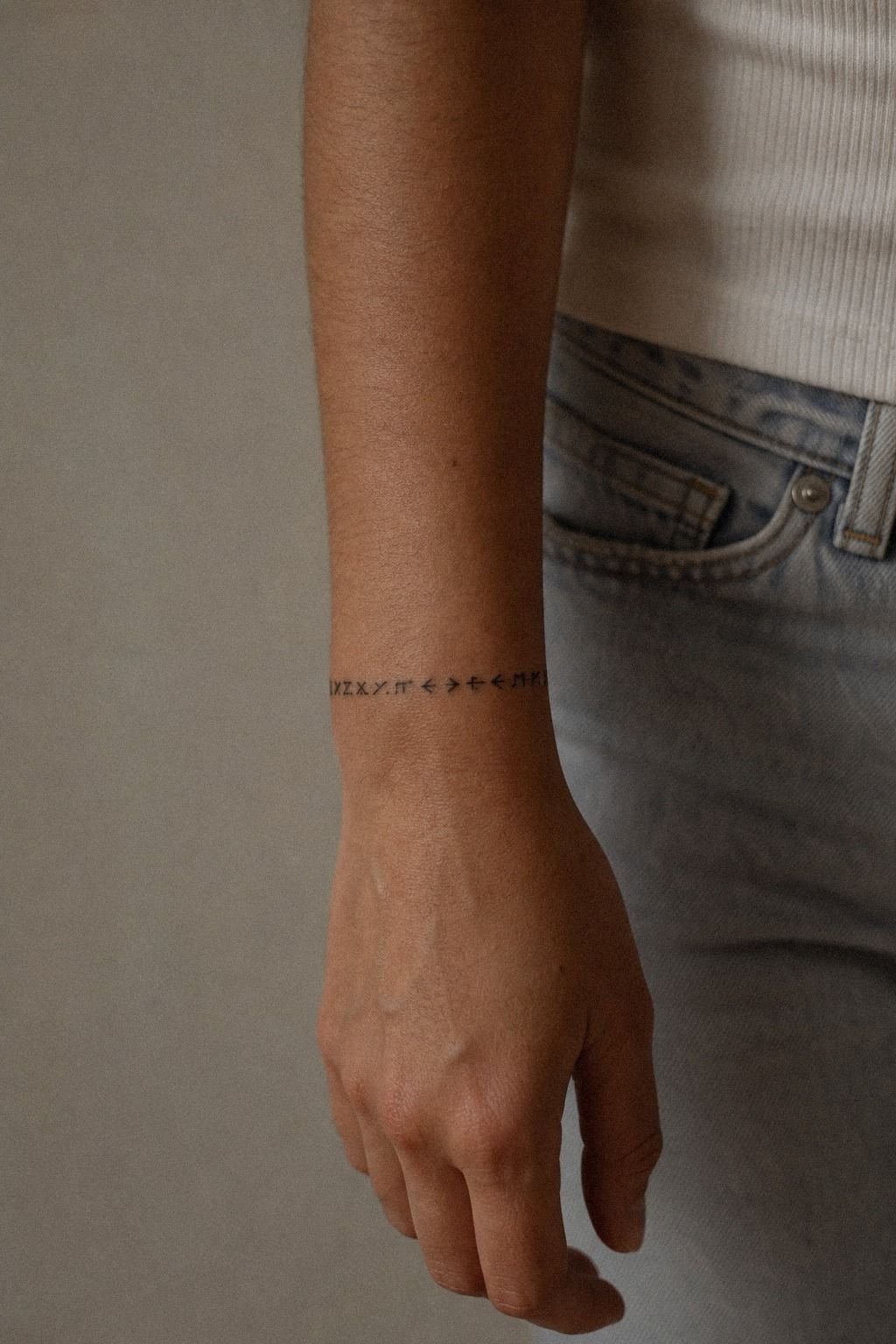
The gap rule I keep coming back to is simple: letters should touch in your meaning, not in the linework. A word like “breathe” with the r and e running together is fine in handwriting and a disaster on skin. The thinner the line, the wider your spacing has to be, because every millimeter of skin between letters is what saves the read after healing.
For script on the side wrist, I would ask my artist to print the stencil at two stroke weights. The heavier version will look clunky on the stencil, and that’s how you know it will actually hold up on skin.
Pick the version with open counters in letters like a, e, o, and p, and cut any flourish that crowds the design. A 0.5-inch word in solid black with clean spacing will age better than a 1.5-inch flowing script that packs every letter close.
If you are deciding between a single word and a short date, shorter usually wins. “Lucky,” “breathe,” “stay,” or a clean 4-digit date reads at a glance, while a longer quote becomes a fingerprint smear by month eight. For more on what makes small lettering survive, why tattoos blur over time is the read.
And if you are adding a tiny accent (a star, a moon, a heart), keep it at least 3 millimeters off the last letter. That breathing distance is what makes the lettering and the accent both readable.
10Fine Red Ink Or Black Heart?
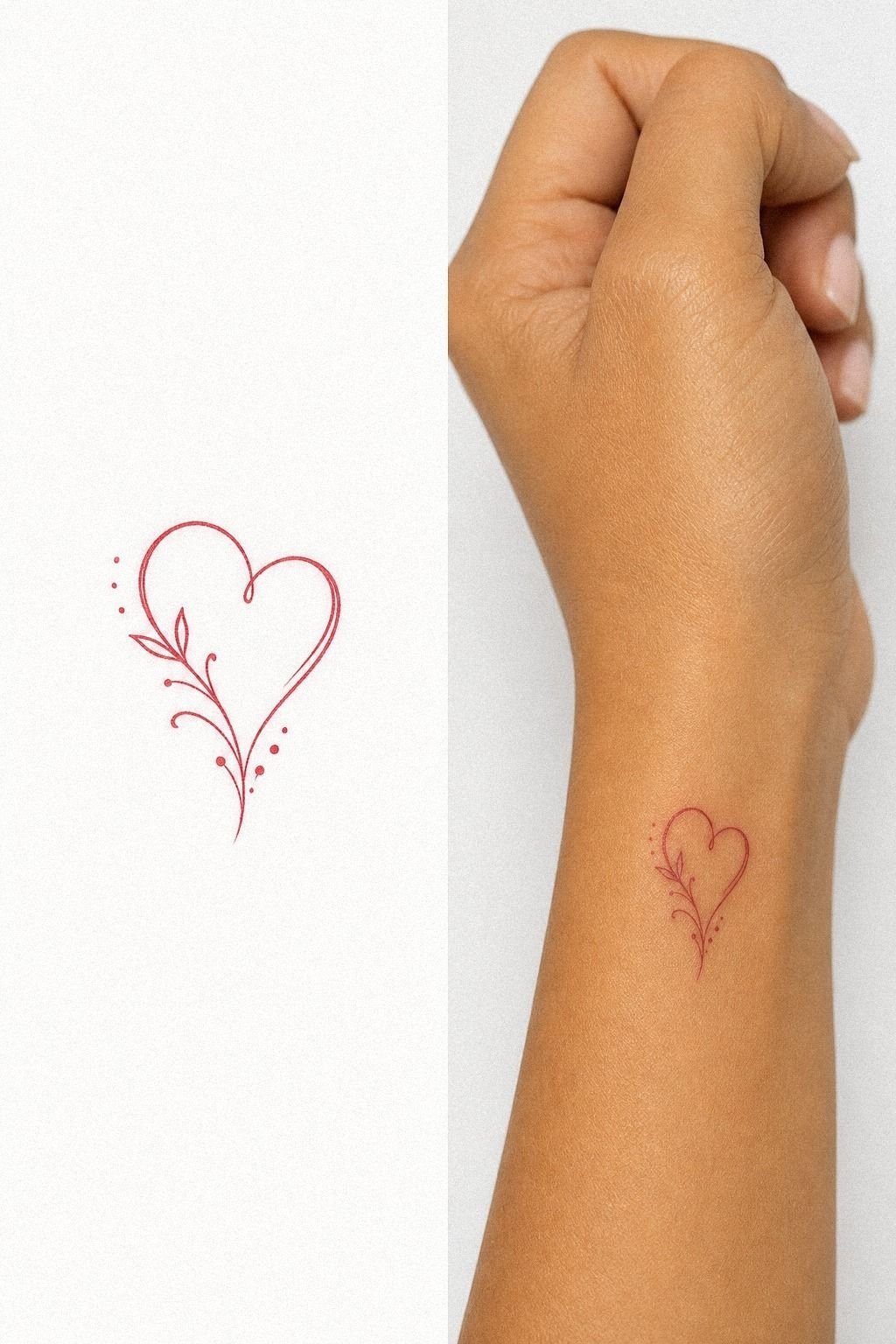
Red ink hearts look sweet, but this is one of those placements where cute has to answer to healing. If your heart is tiny and the red is pale, you can lose sharpness faster than you expected. Black usually wins for longevity.
Red can still be gorgeous, but I only love it here when the heart has enough body to stay obvious once the fresh glow is gone.
My pick is a fine red heart with a clean outer contour, not a fuzzy painterly edge. Keep it simple.
Keep it saturated. And ask your artist what the long-term touch-up plan looks like before you decide it is really worth it. If you are torn between subtle and durable, compare it with white ink tattoos.
That side-by-side usually settles the durability question fast.
11Choose A Minimal Snake Side Wrist Tattoo
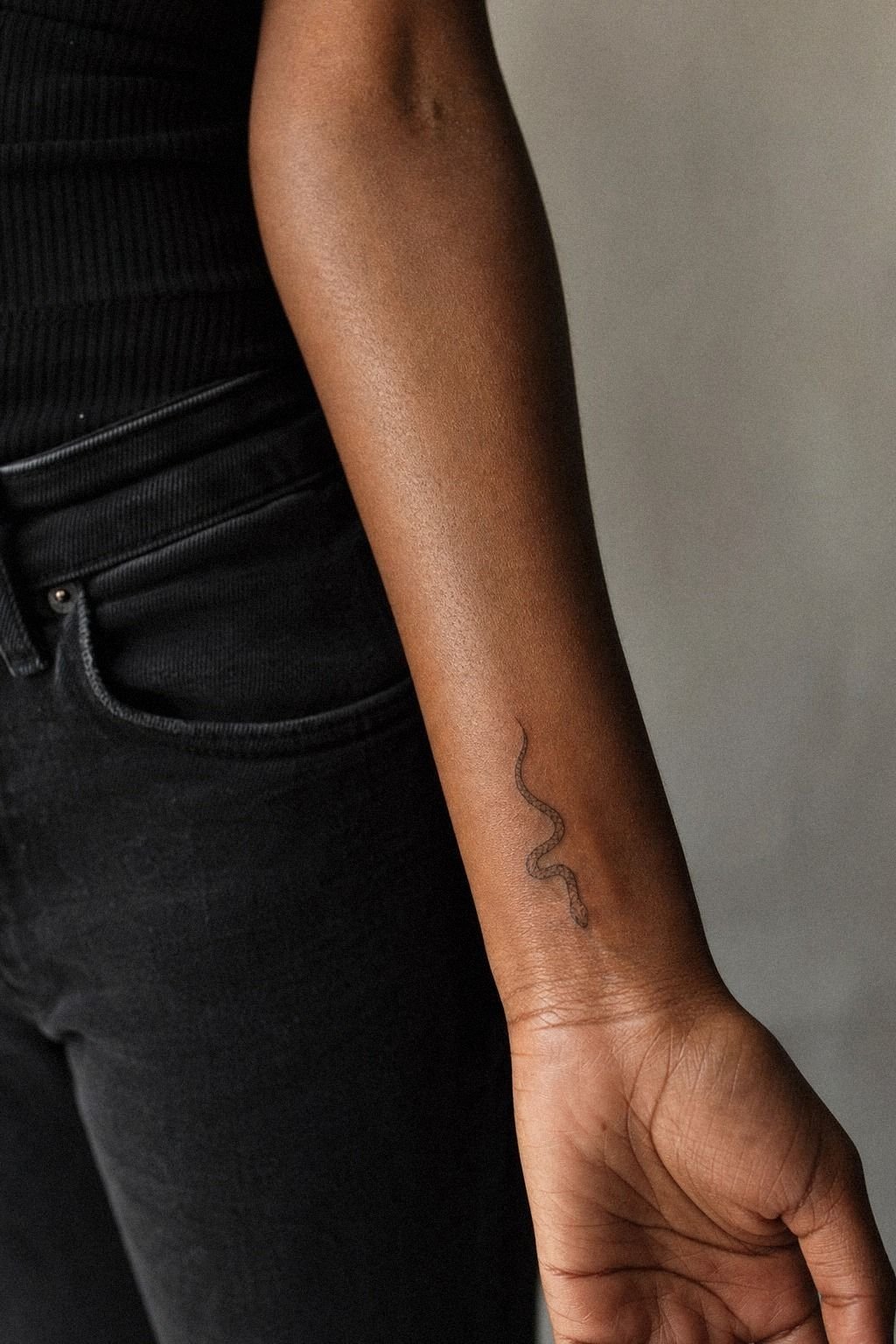
A minimal snake can flow beautifully down the side wrist, but only if you resist the urge to over-detail the scales. This placement is all about silhouette.
You want a graceful S-curve, a clear head, and maybe one or two body bends that echo the wrist instead of fighting it. That is what makes the tattoo feel intentional instead of crammed in.
My preferred setup is black and grey linework with a little negative skin left around the neck and tail. On deep brown skin with a warm undertone, that contrast can look incredibly clean when the artist keeps the belly line simple. But if the snake needs tiny eye detail, dense shading, or micro patterning to look like a snake, it is too small.
Go up the forearm or simplify it. If you want to compare that longer flow, look at side tattoos for women and forearm tattoos for women. The stronger silhouette is usually the smarter call.
12Pick A Birth Flower Side Wrist Stem
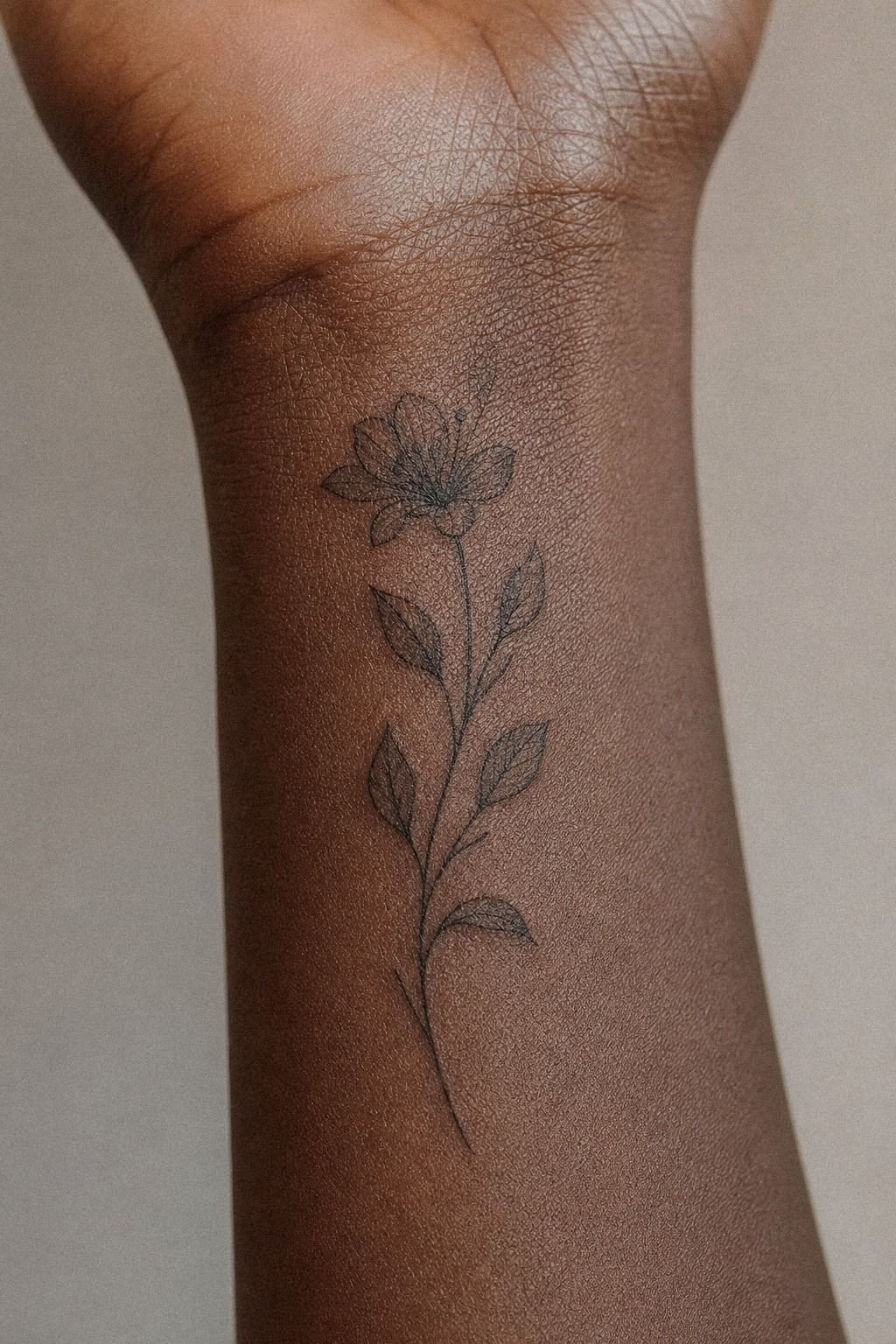
Birth flowers make sense on the side wrist because the meaning is built in, and the stem gives you structure. A January carnation, a March daffodil, a June rose, a September aster, all of them translate well to a small lengthwise design. The honest move is treating the stem like the design itself, not the leaves.
Most clients pick a flower that has meaning first, then ask for “a few leaves” without realizing how much space those leaves eat on a 1.5-inch stem. I would keep the leaves to two or three simple shapes and skip the heavy shading inside the petals. Let single needle outline carry the silhouette, then add the lightest whip shade for depth.
That’s the move that makes a birth flower read at a glance instead of dissolving into a soft cluster by year two.
Colors like deep red, ink black, or muted plum pack better than pale pink and yellow on the side wrist. Pale tones fade faster in any spot, but especially here.
Bold will hold. Pastel won’t.
For more on what survives small skin, why tattoos blur over time is the honest read. And if your birth flower has tiny details (forget-me-nots, lily of the valley), go up the forearm.
The side wrist is not the spot. Less fuss upfront, way better tattoo two years in!
13Place A Moon Phase Along Side Wrist
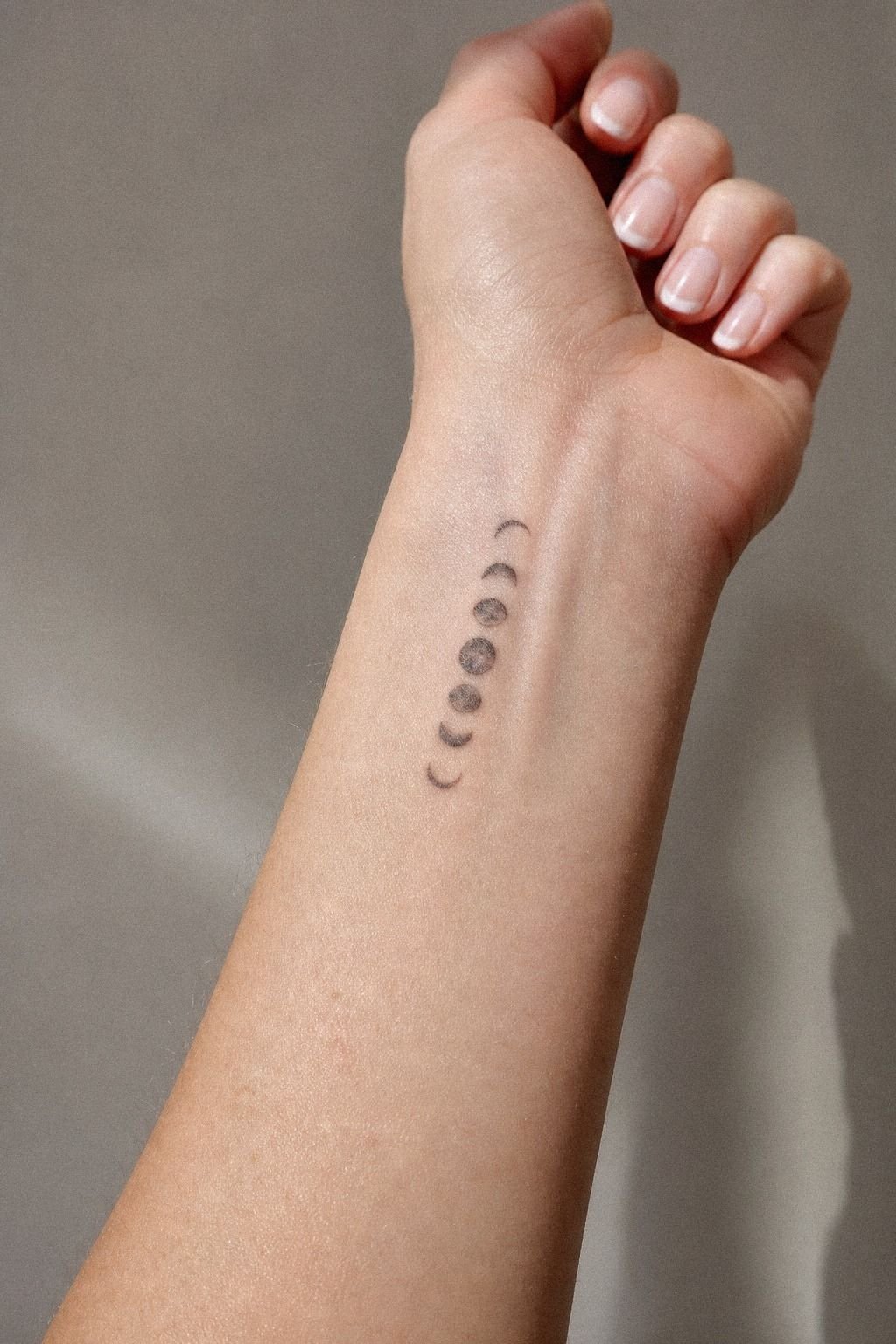
Moon phases work best when they march in a straight, calm rhythm along the side wrist. Do not stack them in a curve unless you have got more length to play with.
Each moon needs its own pocket of skin. That is what keeps the crescents clean and the full moon from swallowing the design after the fresh swelling settles.
I tell clients to keep the phases in solid black or black and grey, never mixed with tiny sparkle filler. A sequence of three to five moons is usually enough on this placement.
More than that, and you are flirting with crowding. If you love symbolism, great.
But the design still has to survive soap, sleeves, and sunlight. For more on long-term line spread, look at why tattoos blur over time.
The cleaner the rhythm, the better it holds.
14Thin Bands Versus Solid Wraps At The Side Wrist
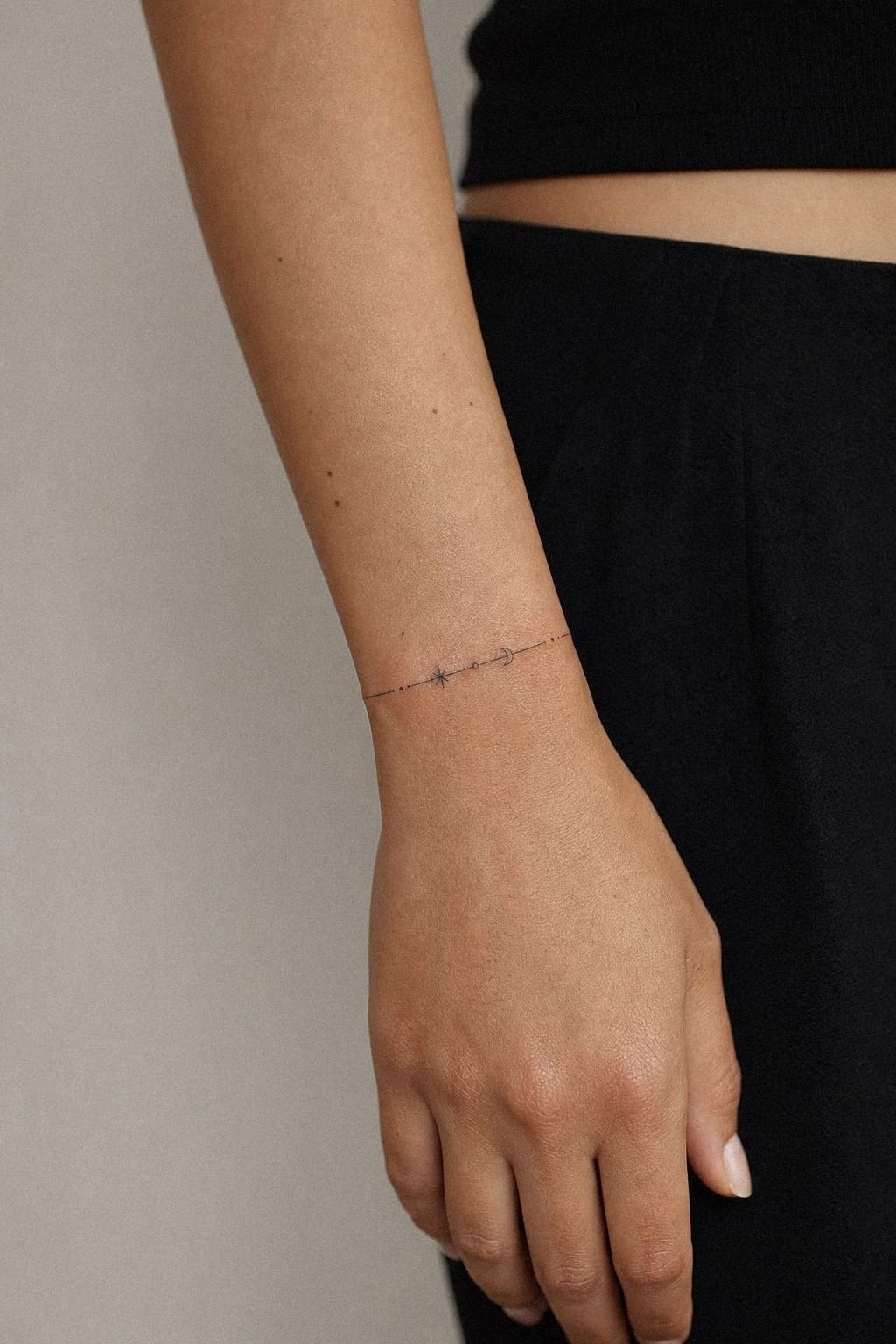
Bracelet tattoos are the easiest side wrist idea to overbuild. The cleanest version is a single thin band, about 2 millimeters wide, in solid black, set lengthwise along the side plane, not circling the wrist.
A single pass with a small liner, no shading, no dotwork trail, no embedded names. One quiet line, healed clean, easy to maintain.
The traps are real. A wraparound band that crosses the crease will fade and feather inside the first six months. A band with names, dots, or micro patterns crammed into the same line becomes soup fast because every bend compresses the design.
I have watched clients pay $300 for a “custom bracelet” that goes muddy by month four, and the fix is almost always simpler: thinner concept, more open skin, zero extras inside the line.
If you want the look of a bracelet with more longevity, two parallel bands stacked about 5 millimeters apart can work, or a band plus a single tiny accent (star, moon, dot) about 3 millimeters off the line. Skip three bands, skip names inside the band, skip anything that needs to wrap fully around the wrist.
For inspiration on small, line-based side wrist layouts, wrist tattoo ideas and bracelet tattoo ideas both have anchors worth a scroll. The best bracelet tattoos look like nothing is there until you lean in. That’s the read you want.
15Plan Matching Side Wrist Tattoos Carefully
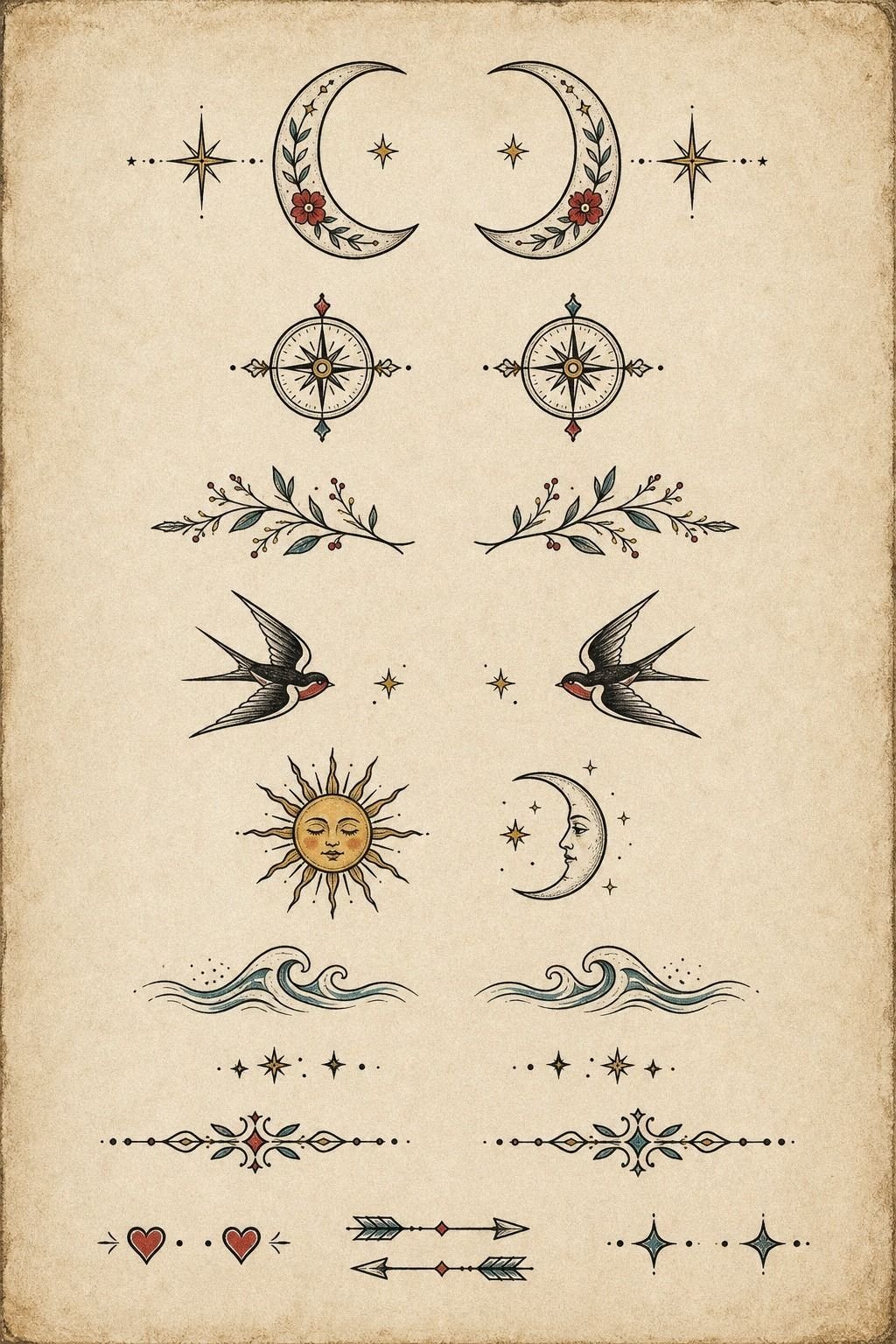
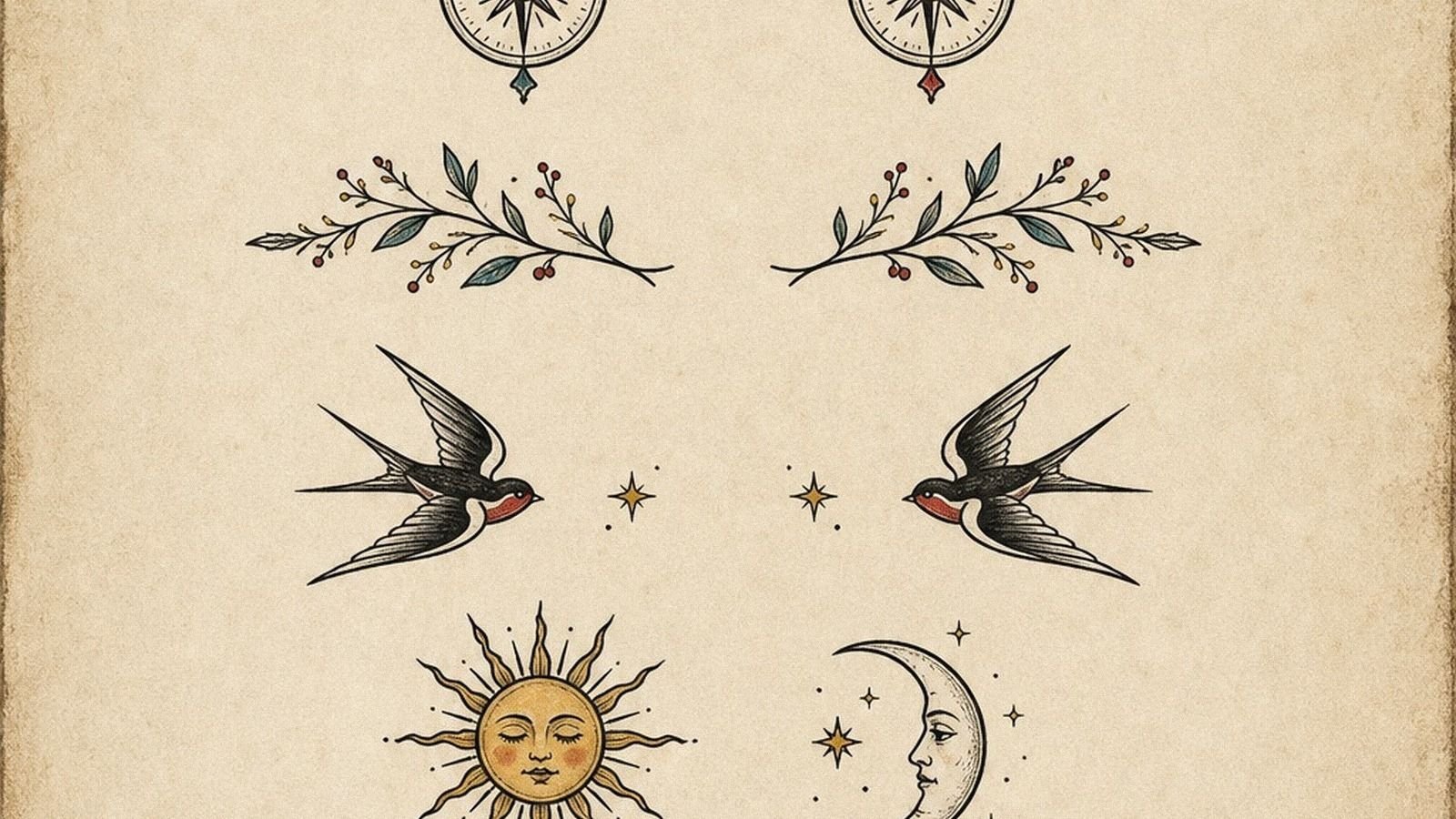
Matching side wrist tattoos can be sweet, but I’m going to say the quiet part out loud: identical is not always smarter. Two wrists don’t bend the same way, and two people don’t heal the same way either. A flash sheet helps because you can pick the same visual language without forcing the same exact tiny shape onto different anatomy.
I would choose a matched flash design family instead of perfect twins. Think two tiny stars with different tilt, two stems from the same set, or two symbols drawn with the same line weight.
That keeps the tattoos related while letting each one sit correctly on the body. And if one person wants a more hidden angle, honor that. Matching should still fit you.
If you are tempted to go super-detailed, browse traditional ship flash tattoos and notice how strong flash stays readable because it is edited hard. That edit is what makes the idea worth it.
16Choose A Micro Butterfly Side Wrist Tattoo
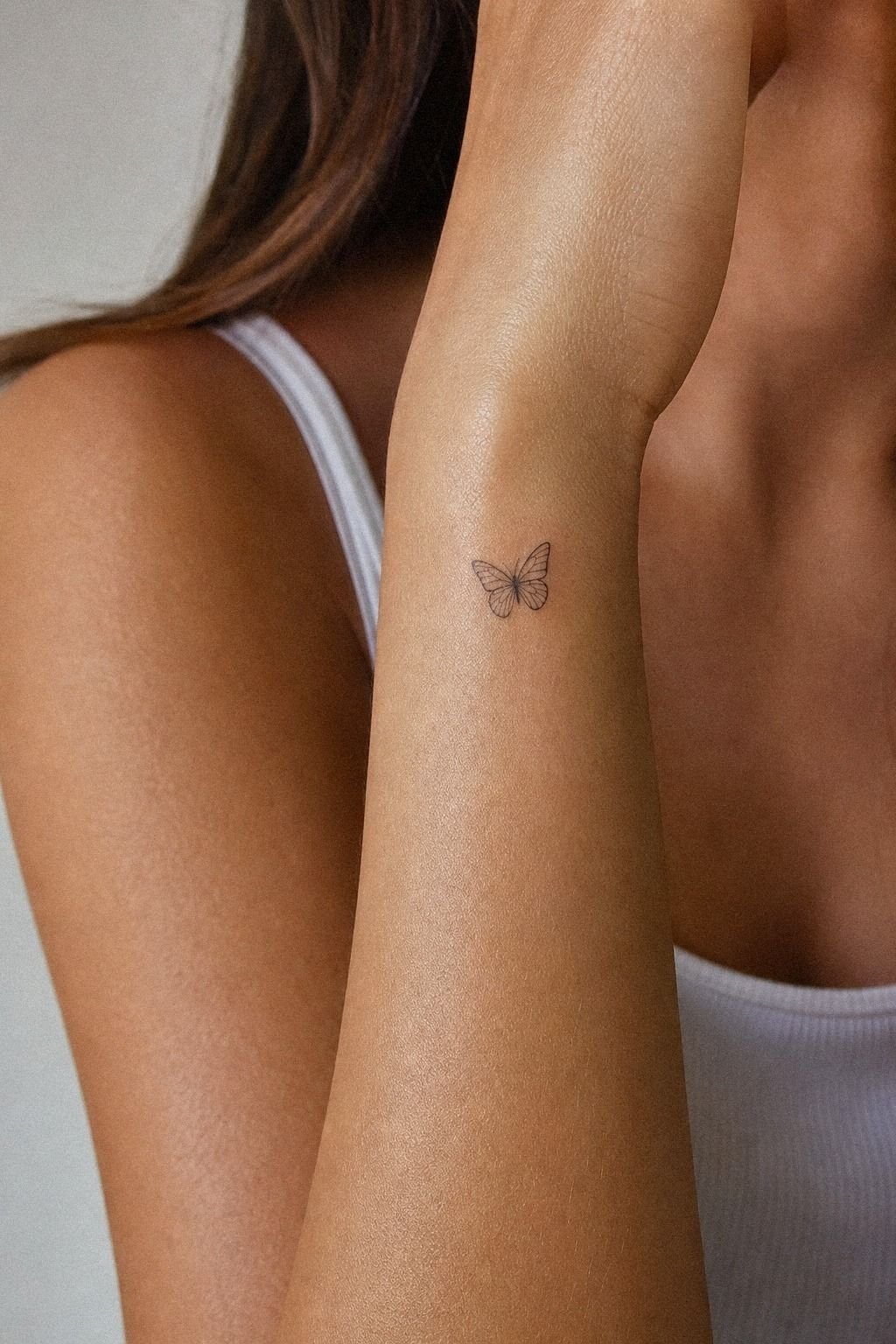
Micro butterflies are everywhere because they can look soft, feminine, and still pretty modern. The problem is scale.
If the wing cuts, body, and antennae all need to happen in less than an inch, the tattoo can get scratchy fast. You need a butterfly shape that reads before the details, not because of them.
I like a micro butterfly with open wings, a simple body, and maybe one inner wing notch on each side. Golden tan skin can make this look especially clean once the fresh redness drops away. But skip the tiny dot trail behind it.
Skip the sparkle dust too. Those little extras are usually the first part to heal fuzzy. If you want a more dramatic silhouette before you commit, compare the flow in side tattoos for women and notice how bigger wing shapes stay readable at a glance.
17Dynamic Triple Black Dots Or Soft Scatter?
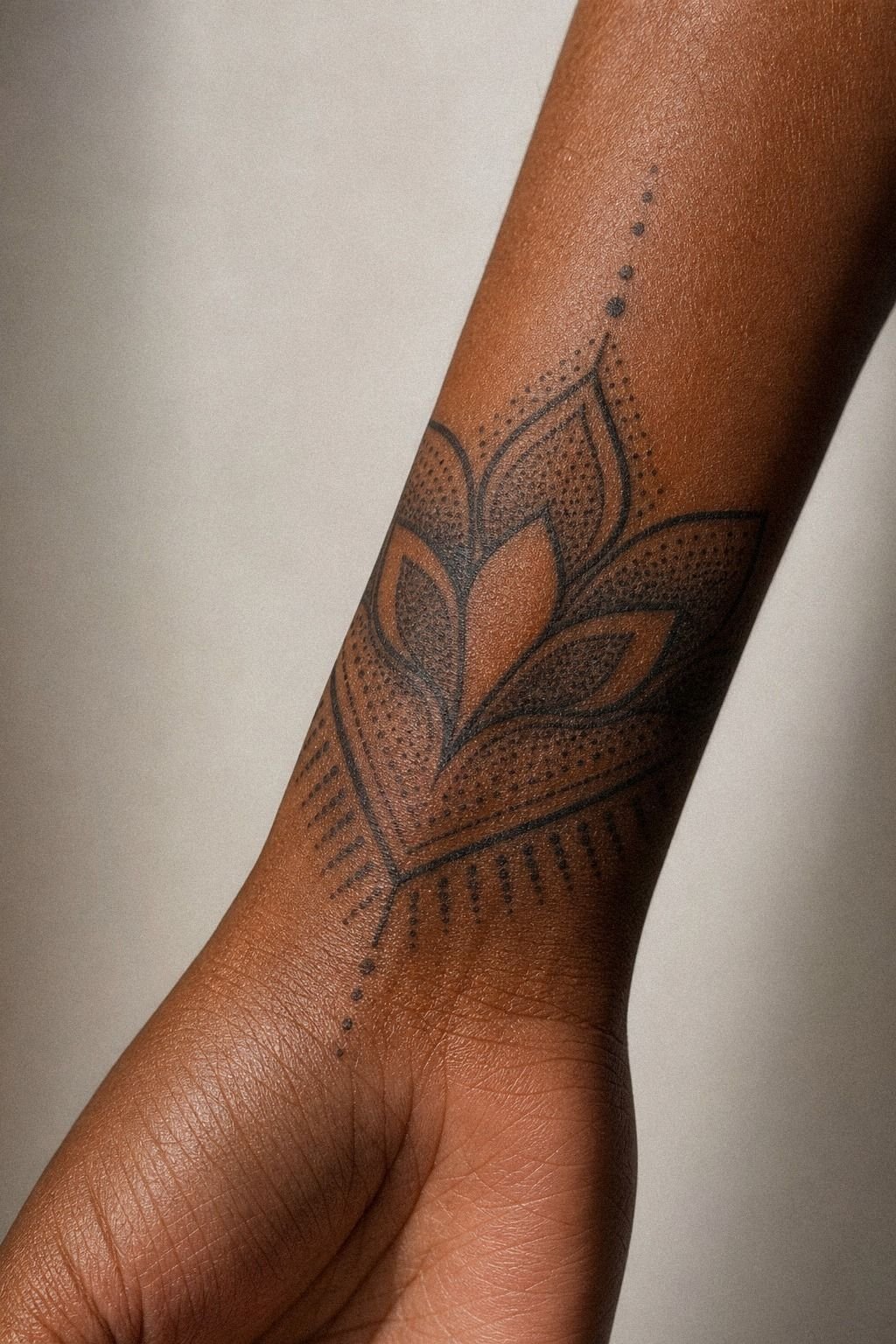
Blackwork dots can be killer on the side wrist if you treat them like design, not filler. The triple-dot setup (three solid black dots in a triangle or short line) reads like a quiet little constellation. Soft scatter (five to seven dots of slightly different sizes drifted along the skin) reads more like motion, or freckles, or a memory.
I would pick the triple version for a first tattoo here. It’s clean, it ages hard, and it gives you an obvious focal point that still feels minimal.
Soft scatter needs careful spacing, or the eye reads it as random ink instead of intentional design. If you go scatter, ask your artist to plan the dot sizes on paper first and keep the gaps at least 5 millimeters apart on skin.
That spacing is what keeps the scatter from collapsing into a smudge at month six.
For both styles, stick to solid black dots at the same ink saturation. Mixing black and grey sizes will make some dots fade faster than others, and the design loses its rhythm. Resist the urge to add color to a single dot.
Trust the black. And if you love the idea of dots but want something with a tiny bit more shape, a 3-dot triangle under a tiny crescent is a sweet side wrist combo. It costs about $80 to $150, heals in a few weeks, and reads clean for years.
Cheap, easy, and it lasts! For more on minimal black designs that survive small skin, small wrist tattoo ideas is the right reference.
18Place Coordinates Along The Side Wrist
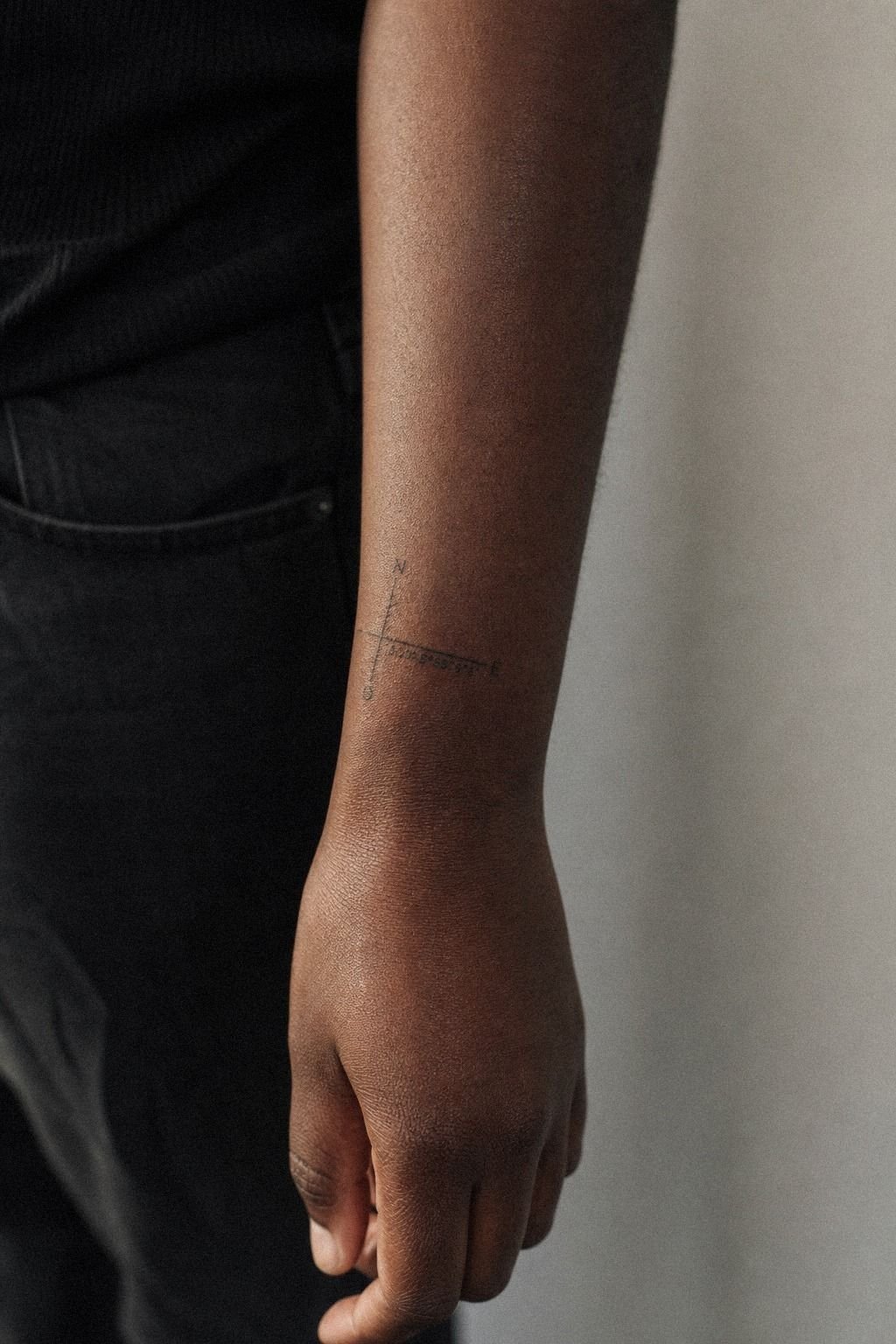
Coordinates belong in a straight, understated layout. Numbers and punctuation need more discipline than people expect, especially on a small side wrist strip. Keep the font plain, keep the line short, and let the meaning do the heavy lifting.
A coordinate tattoo does not need flourish. It needs precision.
I would place micro numerals lengthwise and keep the total under about 2 inches whenever possible. That gives the comma, degree marks, or separators a fighting chance to stay distinct.
If your coordinate is long, shorten the format with your artist instead of forcing every character into the same narrow band. And ask to see the stencil while you bend your wrist.
One awkward wrap can wreck the whole read. For more understated wrist layouts, compare this with small wrist tattoo ideas and choose clarity over sentimentality.
19Keep Side Wrist Aftercare Extra Gentle
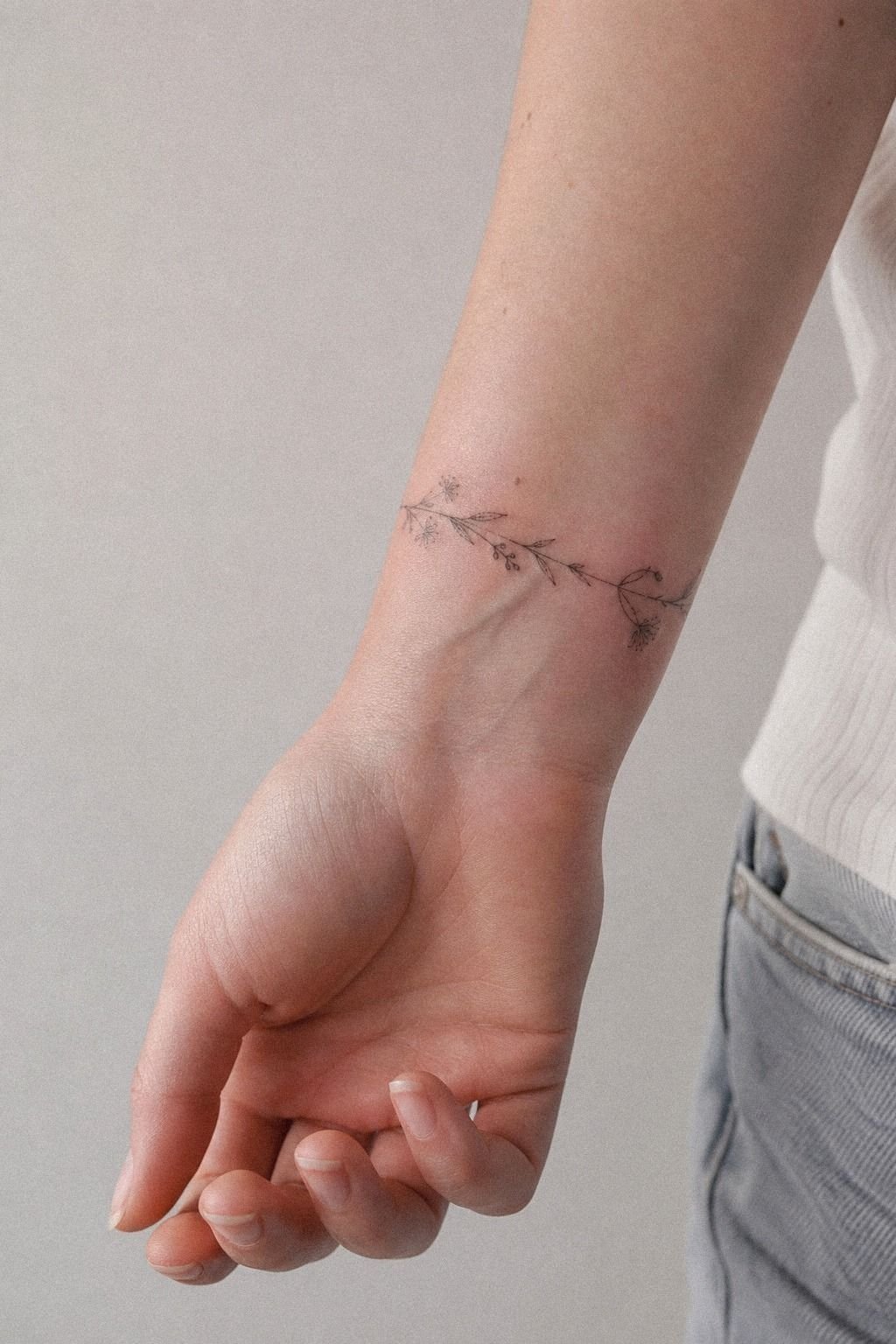
Aftercare is where crisp side wrist tattoos either win or get bullied, because the wrist takes more contact than almost any other placement in your daily life. The first 2 to 3 weeks, treat the side wrist tattoo like an open wound.
Wash with gentle unscented soap, pat dry, and apply a thin layer of ointment or aftercare balm. Don’t suffocate it under a thick glob.
Don’t wrap it in plastic for hours. Let it breathe.
The day-to-day traps are simple to avoid once you know them. Sleeves will rub. Watchbands will press.
Laptops will grind against the wrist while you type, and gym equipment will catch the fresh skin if you go back to lifting too early. For the first week, I tell clients to wear long sleeves loosely or roll them up, skip the watch on that side, and use a wrist rest at the keyboard. None of this is forever, just for the first 7 to 10 days when the tattoo is most vulnerable.
By week two, the tattoo starts to peel like a mild sunburn. Do not pick the flakes.
Do not scratch the edges. Let the skin come off on its own, or you will pull color out and create a hot spot that scars. After about 3 weeks, the surface should look settled, but the deeper layers are still mending until the 2 to 3 month mark. During that window, sunscreen on the tattoo is non-negotiable.
UV will fade a fresh side wrist tattoo faster than almost anything else. A simple SPF 30 stick over the design when you are out is enough.
For more on long-term fade and why some inks shift, why tattoos blur over time is the honest follow-up. The artist controls the linework.
You control the heal. Both matter, and the aftercare stage is where most side wrist tattoos actually win or lose. Skip the gym for the first week, the chlorinated pool for the first month, and the sunscreen step forever.
You have got this!
Why The Three-Millimeter Rule Saves Side Wrist Tattoos
Here is my honest take after tattooing a lot of small placements: most side wrist tattoos do not heal blurry because the idea was bad. They heal blurry because the client pushed for one more detail, one more word, one more little sparkle, and nobody stopped the train. I’ve done it too.
Early on, I let a few designs stay tighter than I should have because they looked cute on the stencil. Fresh, they were fine. Healed, they lost that crisp little snap this placement needs.
The side wrist is narrow, mobile, and high wear. That combo changes the rules.
When I say Three-Millimeter Rule, I’m talking about visual breathing clearance between delicate elements, especially in script, moon phases, numbers, and tiny florals. Not every tattoo needs exactly 3 millimeters everywhere, obviously, but the principle is simple: if separate parts can’t stay separate after swelling, rubbing, and normal aging, they shouldn’t be separate parts at all. That’s why bold will hold isn’t just a trad phrase.
It is physics.
You will also notice that the tattoos that age cutest here are not always the tiniest. They are the clearest.
A 1.75-inch stem with clean gaps often outlasts a 0.75-inch design packed with tiny detail. Same with stars, butterflies, and script.
I would rather move a design slightly up the forearm, widen a loop, or cut an extra ornament than pretend skin will not react like skin. Nobody gets extra points for making their tattoo harder to heal. If that means a slightly bigger stencil and a slightly higher cost, good.
The value is in the healed read, not the cheapest possible appointment.
And yes, side wrist tattoos can absolutely be a first tattoo. They are visible, personal, and easy to enjoy day to day.
But you need an artist who tattoos with restraint, not ego. One clean pull. Crisp and confident lines. Enough contrast to read at a glance.
If the design feels too empty on paper, good. It will probably look just right once it is healed on you.
If you want a safer first-tattoo backup plan, compare the extra length in forearm tattoos for women.
What People Always Want to Know
How much does a side wrist tattoo usually cost?
Usually about $100 to $300 for a small side wrist piece in the US, though some shops have a $50 to $100 minimum and many artists charge about $100 to $250 hourly. For most people, the smartest move is a simple, clear design that heals right the first time. If you are still deciding on concept before you set your budget, compare a few wrist tattoo ideas before booking.
Are side wrist tattoos a good idea for a first tattoo?
Yes, if you keep the design edited and choose the right artist. The big benefit is easy visibility, so you can enjoy it every day and monitor healing fast. Small symbol.
Short script. Clean placement. That combo is way safer than a busy micro design.
If you want a lower-maintenance comparison, forearm tattoos for women shows why more skin can be worth the bigger canvas.
How do I choose a tattoo artist for a side wrist tattoo?
Look for healed photos, not just fresh ones, and zoom in on crispy lines. You want clean fine line work, honest gaps, and a studio that feels spotless.
Portfolio checks. Healed lettering.
Clear aftercare. If the artist’s tiny tattoos already look fuzzy fresh, keep scrolling.
If you need a placement gut check while you compare portfolios, small wrist tattoo ideas is a useful reference.
How much do side wrist tattoos hurt?
They’re usually moderate, not brutal, but the side wrist can feel spicy because the skin is thin and close to bone. The upside is short session time.
Lines feel sharper. Shading is a duller burn.
Most tiny side wrist pieces are over before the spot really starts talking back. For a broader pain map, start with where tattoos hurt less.
How long does a side wrist tattoo take to heal?
Surface healing is usually about 2 to 3 weeks, and full healing often lands around 2 to 3 months. The win is fast day-to-day care if you stay consistent.
Gentle wash. Thin lotion layer.
No pools. No sun. No picking when the flakes start lifting.
For the long-term part, why tattoos blur over time is worth reading too.
What’s the best placement for a side wrist tattoo?
The best placement is usually slightly off the sharpest wrist crease, lengthwise along the side plane, where the design gets less constant rub and keeps cleaner readability. I would move most tattoos a few millimeters rather than centering them on the roughest bend.
That tiny shift matters a lot. If your design keeps feeling crowded, compare it against side tattoos for women and small wrist tattoo ideas.
Will a side wrist tattoo need touch-ups?
Probably one, yes, especially if it’s a small fine line piece. A light touch-up at the 4 to 8 week mark after the first full heal is normal, and most reputable artists include one free touch-up in the original price. The pieces that need constant touch-ups are the ones packed too tight to start.
Spend the time on spacing now, save the touch-up budget later.
Where I’d Start First
If I had to pick one move, I would size the stencil twice before booking. A tiny black symbol at 0.75 inch and 1.25 inch looks very different on paper, and the difference gets bigger on skin.
The size that looks “too small” is usually the size that heals right. Get the spacing honest first.