
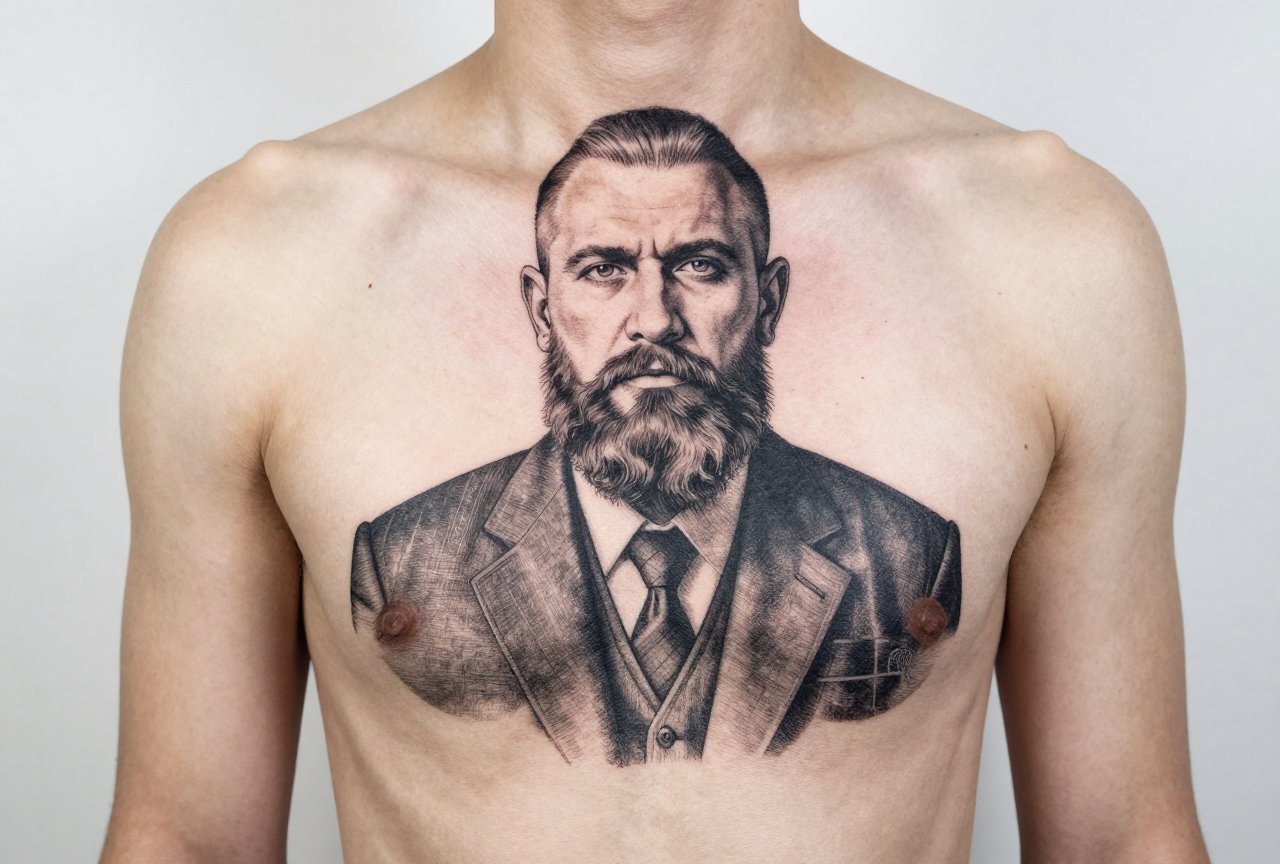
Russian mafia tattoos, also known as Russian prison tattoos or “criminal ink,” carry layered meanings rooted in Soviet-era prison culture and the strict hierarchical systems of Russian criminal underworlds. These tattoos functioned as visual resumes, marking an individual’s rank, crimes served, prison sentences endured, and standing within the criminal world. While some designs indicated elite status among “vor v zakone” (thieves-in-law), others revealed lower positions or specific violations of criminal code.
Symbolism & History
The symbolism of Russian mafia tattoos emerged from the Soviet gulag system and expanded through decades of prison culture. Each image held precise significance that fellow inmates could read instantly.
- Stars on knees and shoulders: Traditionally marked a “vor v zakone,” the highest criminal authority, with knee stars indicating the person would kneel to no one.
- Skulls and crosses: Often signified murder convictions or leadership within prison gangs.
- Cathedrals and churches: The number of domes or cupolas corresponded to the number of prison sentences the wearer had completed.
- Spider webs: Typically indicated drug addiction or connections to the criminal world, with placement affecting specific meaning.
- Barbed wire: Represented prison sentences, with each barb or loop potentially marking a year served.
- Playing cards: Suggested a gambling lifestyle or that the person was untrustworthy within criminal circles.
These tattoos were not chosen freely in their original context. Russian prison tattoo culture operated under rigid rules. Unauthorized tattoos could result in severe punishment, including forced removal through burning or cutting. The system demanded that tattoos accurately reflect one’s actual criminal history. False claims carried dangerous consequences.
Common Variations & Styles
Modern interpretations of Russian mafia tattoo imagery have evolved significantly from their prison origins. Contemporary tattoo artists working in this style typically employ several approaches:
- Traditional black and gray: The classic Russian prison style used crude, hand-poked methods with limited ink, creating distinctive rough-hewn lines that modern artists sometimes deliberately emulate.
- Realistic portraiture: Some designs incorporate detailed faces of famous Russian criminals or symbolic figures from criminal folklore.
- Orthodox religious imagery: Crosses, Madonnas, and saints appear frequently, though in original prison context these often carried coded meanings rather than genuine religious devotion.
- Text-based designs: Russian script phrases from criminal songs or prison poetry, sometimes rendered in ornate Cyrillic lettering.
- Neo-traditional blends: Contemporary artists merge Russian criminal imagery with Western tattoo traditions, creating hybrid styles that reference the aesthetic without claiming authentic prison provenance.
Color palettes remain predominantly black and gray in faithful reproductions, though modern collectors sometimes request color additions that would never have appeared in original prison work.
Best Placements
Placement carries significant weight in Russian mafia tattoo tradition, with certain locations reserved for specific meanings:
- Shoulders and chest: High-visibility areas traditionally reserved for elite status symbols like stars or eagles.
- Fingers and hands: Often marked specific skills, professions, or criminal specialties; rings around fingers could indicate years of juvenile detention.
- Neck and throat: Considered dangerous territory in prison culture, sometimes marking the wearer as someone who had killed a fellow inmate.
- Back: Large canvas for elaborate compositions showing complete criminal biography or religious scenes with hidden meanings.
- Knees: Stars here carried particular prestige, symbolizing refusal to submit to prison authorities.
Modern collectors choosing these designs should understand that placement historically communicated specific messages, even if their personal intent differs entirely.
Who Chooses This Tattoo / Personal Meanings
Contemporary collectors of Russian mafia tattoo imagery come from diverse backgrounds with varied motivations:
- Cultural heritage enthusiasts: Individuals with Russian or Eastern European ancestry sometimes choose these designs to explore family history or regional identity.
- History and criminology students: People fascinated by Soviet history, prison systems, or the documented work of collectors like Danzig Baldaev, who preserved thousands of Russian criminal tattoo designs.
- Aesthetic appreciation: The raw, unpolished quality of traditional Russian prison art appeals to those seeking alternatives to mainstream tattoo styles.
- Personal transformation narratives: Some wearers connect the imagery to overcoming adversity or surviving difficult periods, separate from criminal connotations.
Most modern collectors explicitly reject actual criminal affiliation. The designs frequently serve as conversation pieces about cultural history, artistic tradition, or personal resilience rather than statements of gang membership.
Similar Symbols
Several tattoo traditions share visual or conceptual territory with Russian criminal ink:
- Japanese yakuza tattoos: Similarly functioned as hierarchical markers within organized crime, though with more elaborate artistic traditions and different symbolic vocabulary.
- American prison tattoos: Teardrops, three dots, and gang identifiers serve comparable communicative functions across different cultural contexts.
- Old school sailor tattoos: Swallows, anchors, and nautical stars originally marked professional achievements and travel milestones, much as Russian prison tattoos documented criminal careers.
- Russian Orthodox religious tattoos: Pre-criminal religious imagery from Russian folk tradition sometimes overlaps visually with prison designs, though meanings diverged significantly.
Final Thoughts
Russian mafia tattoos represent one of the most extensively documented and culturally significant tattoo traditions in history. Their meanings emerged from genuine lived experience within brutal prison systems, not artistic invention. For modern collectors, these designs offer powerful aesthetic qualities and genuine historical depth, but they also carry responsibilities. Understanding the difference between appreciation and appropriation matters significantly. The documented suffering, violence, and exploitation underlying this tradition should inform any decision to wear these symbols. Reputable artists working with Russian criminal imagery typically emphasize education, encouraging clients to learn the full context before committing to permanent marks. Whether chosen for heritage connection, artistic appreciation, or personal symbolism, Russian mafia tattoos remain among the most culturally loaded designs in contemporary tattooing, demanding thoughtful consideration from anyone drawn to their stark, uncompromising visual power.
Related Tattoo Meanings
- Russian Jail Tattoo Meaning: Codes of Criminal Underworld
- Gang Tattoo Meaning: Symbolism, History, and Personal Expression
- Spiritual Symbols Tattoo Meaning: Sacred Ink Across Cultures
- Explore more









