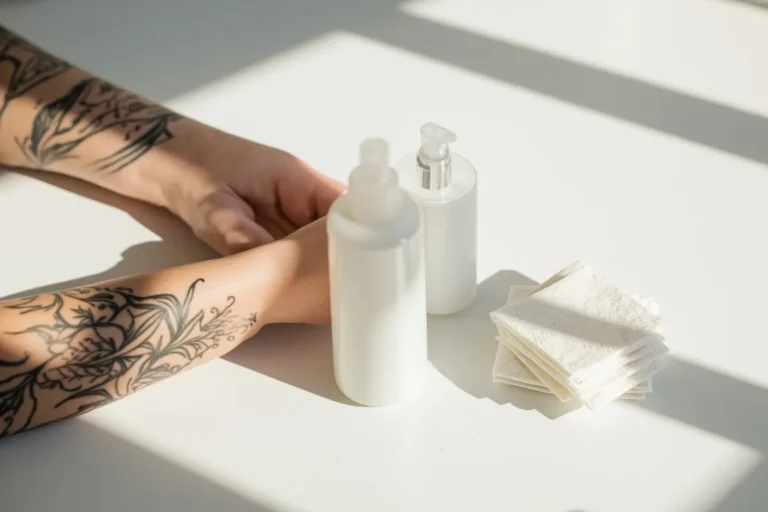
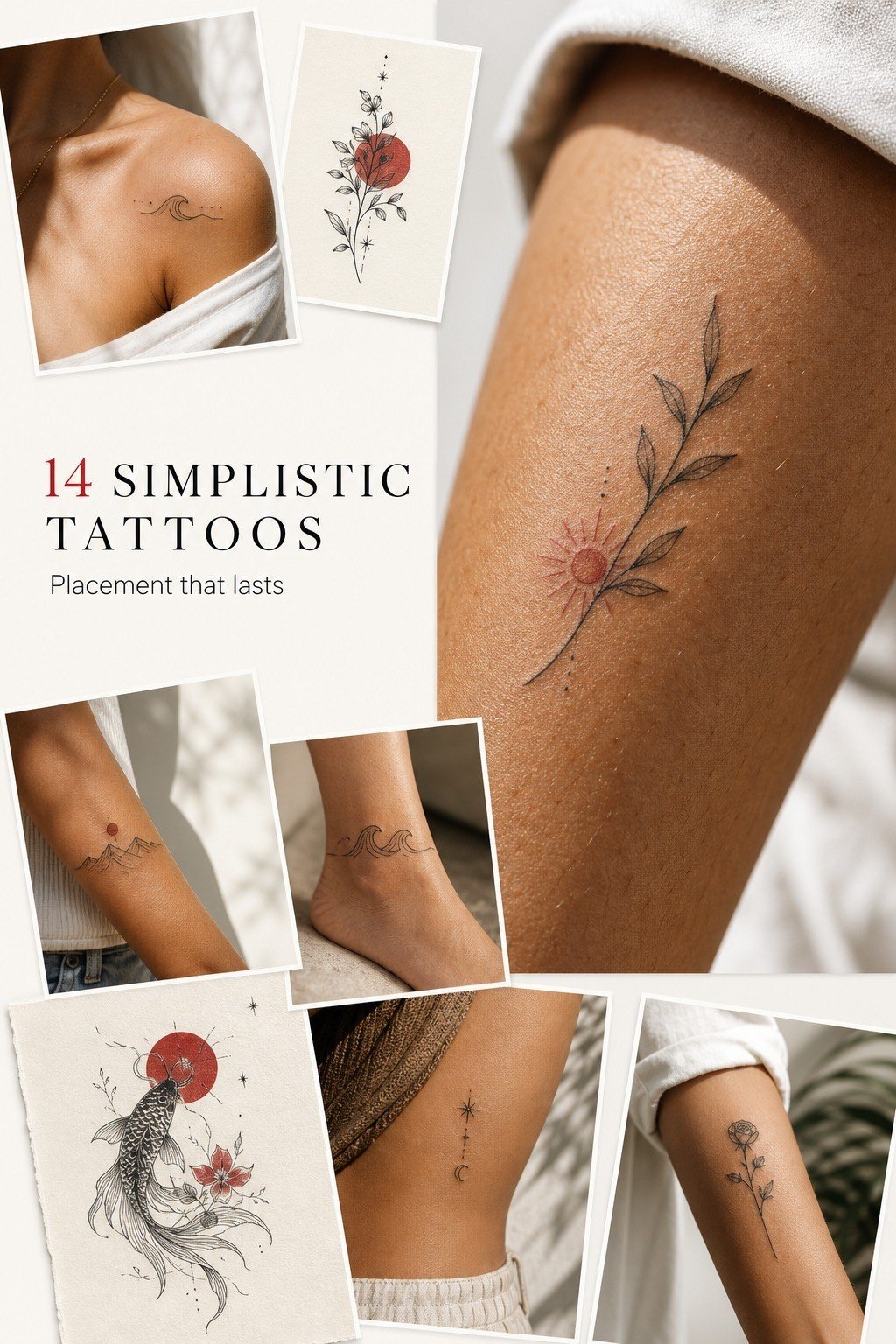
Simplistic tattoos work when the design is clear, the placement is smart, and the linework has enough open skin around it to heal sharp. I see people overcomplicate this all the time. They bring a tiny Pinterest reference, ask for micro detail, then wonder why it softens out. If you want minimal tattoos that still look clean in a few years, this is the order I’d use.
Before You Start: The Three Checkpoints
Before you book anything, check three things: size, placement, and artist fit. A simplistic tattoo usually lands around 1 to 3 inches, takes about 30 minutes to 2 hours, and in the US often starts at a shop minimum of about $50 to $100.
More experienced fine line artists commonly charge about $100 to $250 per hour, especially in bigger cities. That doesn’t mean you need a huge budget.
It means you’re better off with a clean plan.
Here are the numbers I want you to keep in your head before you commit. They are typical tattoo benchmarks, not promises.
- Start With One Clean Symbol
- Pick A Fine Line Simplistic Tattoo
- Place Tiny Ink Behind The Ear
- Choose A Hidden Wrist Placement
- Keep The Meaning Personal And Clear
- Plan A Single Word Tattoo
- Match The Design To Your Pain Tolerance
- Ask For Crisp Black Linework
- Avoid Details That Will Blur Fast
- Test The Size With A Stencil
- Choose A Discreet Rib Placement
- Keep Aftercare Simple And Consistent
- Plan A Touch-Up Before Fading Shows
- Save References For Your Tattoo Artist
1Start With One Clean Symbol
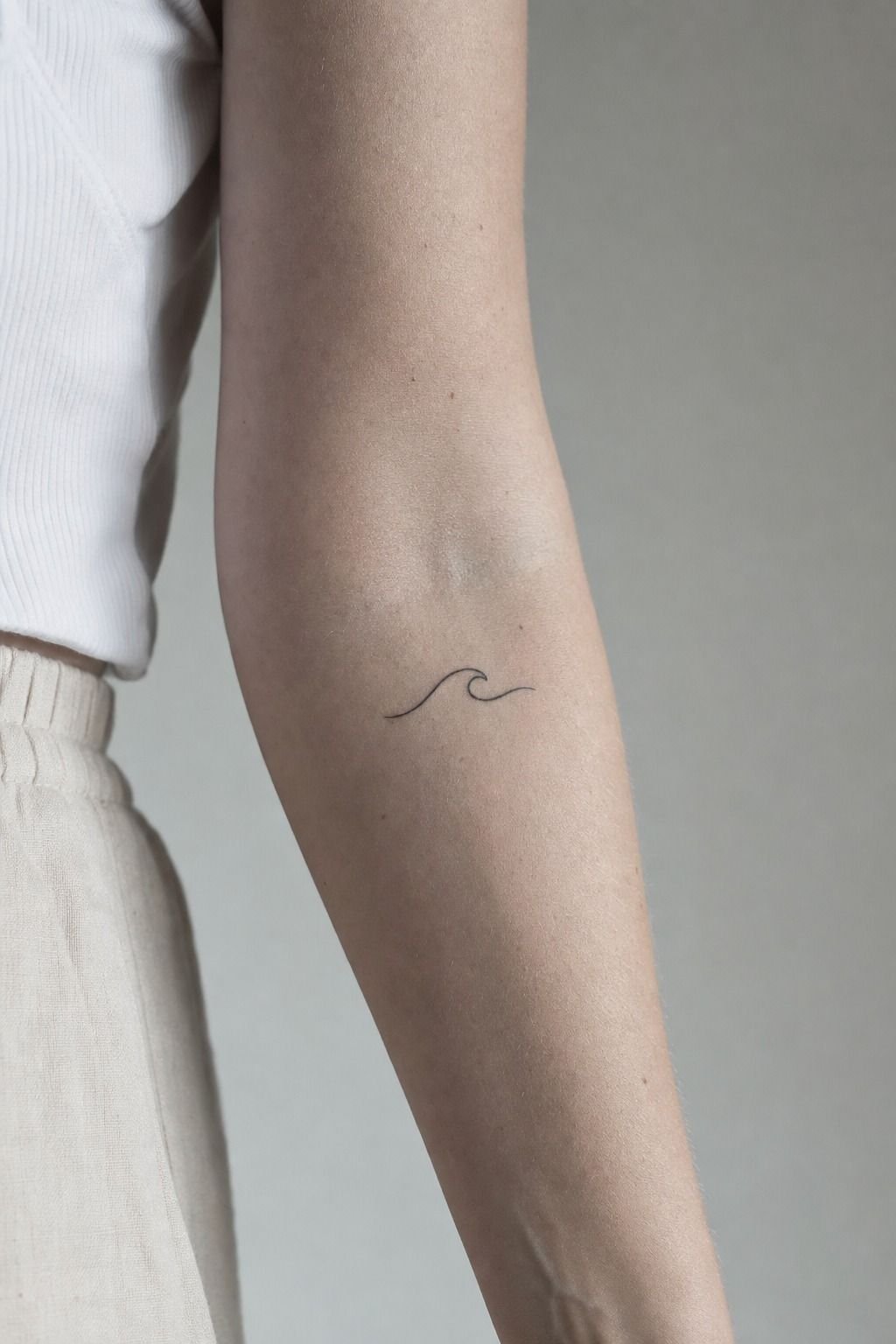
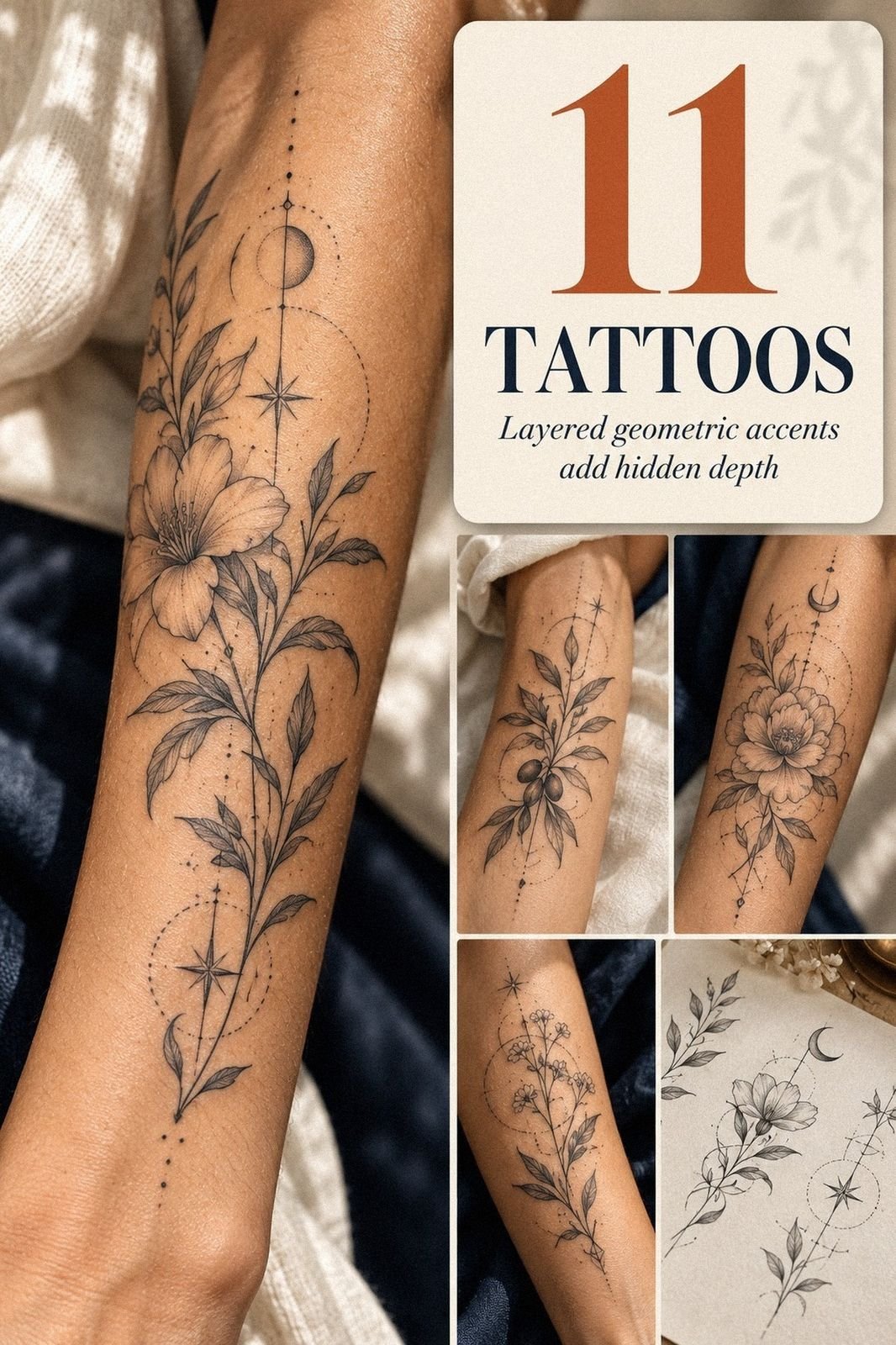
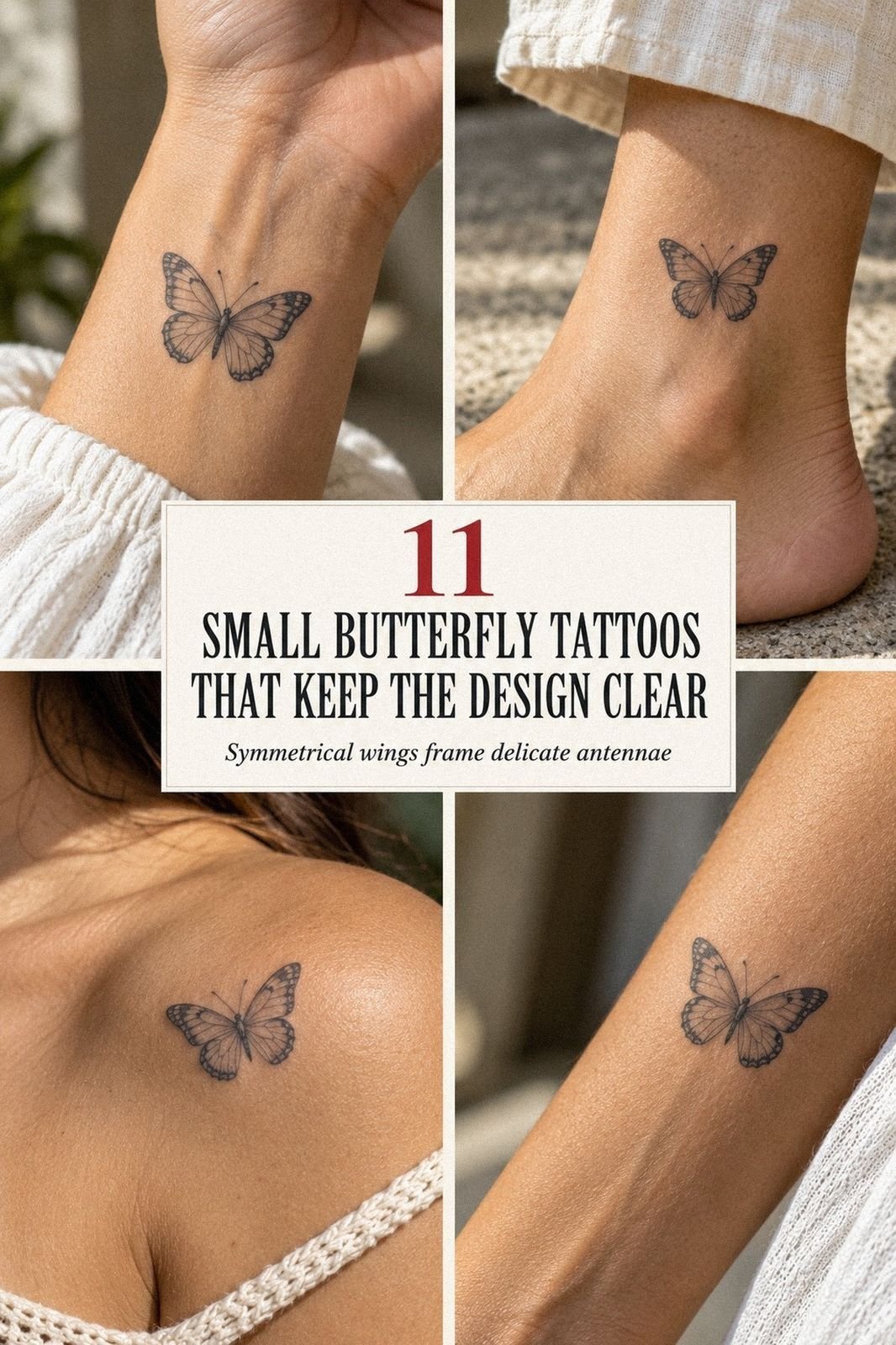
Start with one clean symbol you can explain in a sentence. On a forearm, a tiny moon, sprig, star, or single heart reads better than a stack of mixed icons fighting each other. If your idea needs a paragraph, it needs editing first.
I tell first-timers to sketch the meaning in plain words, then cut it down until one image carries the whole point.
Keep the silhouette obvious from a few feet away. A simple symbol with open skin around it heals nicer than a busy cluster jammed into 1 inch.
Black line ink is still your best friend here because it holds shape longer than pale novelty tones. If you want to understand why tiny complexity gets muddy, read why tattoos blur over time. But if you keep one symbol clean, you’re already ahead, and it’ll age with less drama.
2Pick A Fine Line Simplistic Tattoo
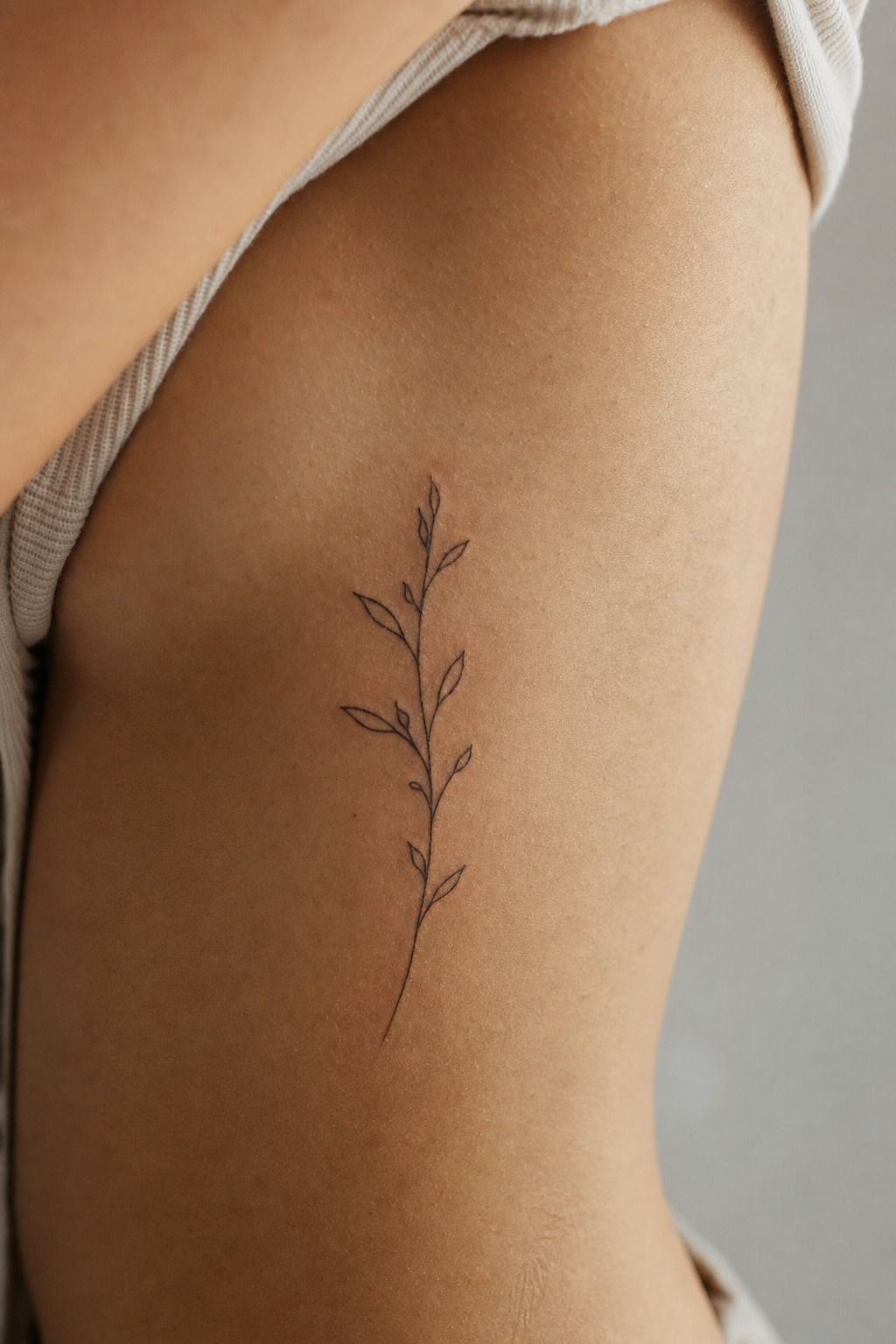
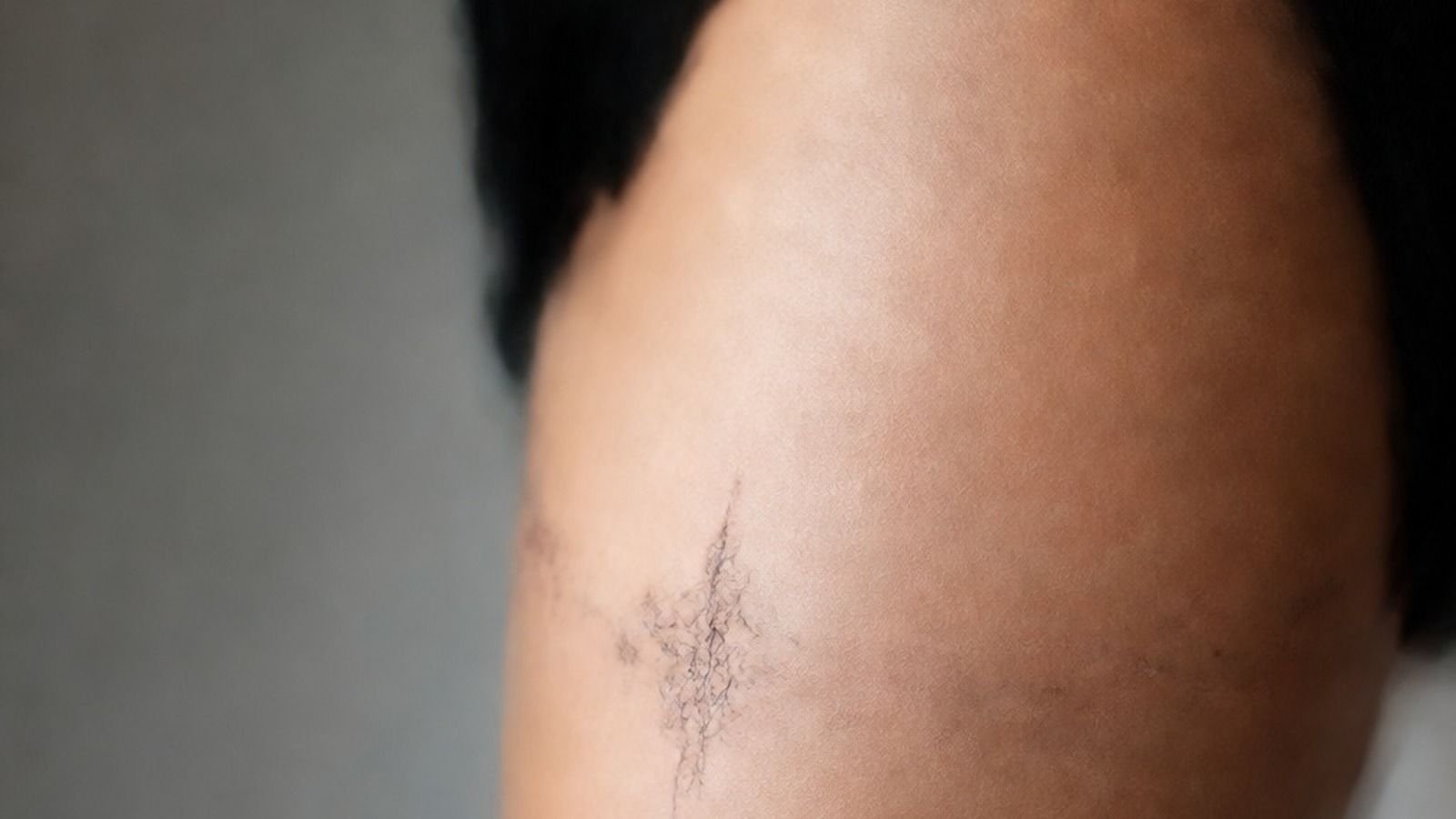
Choose fine line because it suits the idea, not because the phrase sounds soft and trendy. Fine line works best when the design has clear edges, limited turns, and enough open skin for the artist to make one clean pull instead of ten fuzzy ones.
On ribs, where the skin moves with every breath, shaky over-detailed lines get exposed fast. Clean curves win.
Ask your artist whether they use a single needle or a small liner grouping for that look. Either can work if the hand is steady.
What matters is that the line is even, dark enough, and not chewed up from repeated passes. I like fine line for discreet tattoo ideas, but only when the drawing is edited hard. And if you’re tempted by pale alternatives, compare the long-term tradeoffs in white ink tattoos.
Crisp black lasts better, and it’s less fussy later.
3Place Tiny Ink Behind The Ear
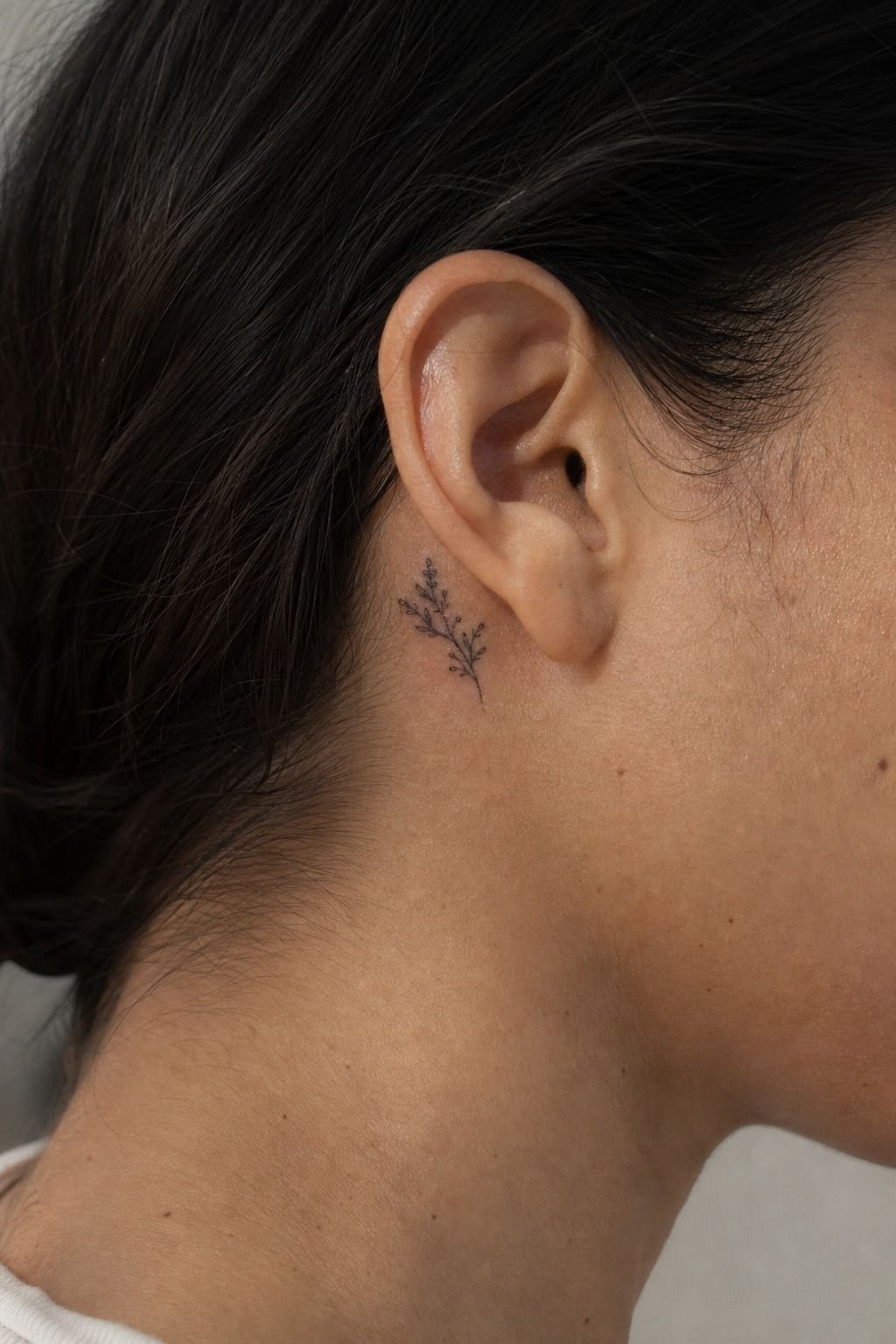
Place behind-the-ear ink only if you want something private, small, and maintenance-friendly in shape, not in aftercare.
4Choose A Hidden Wrist Placement
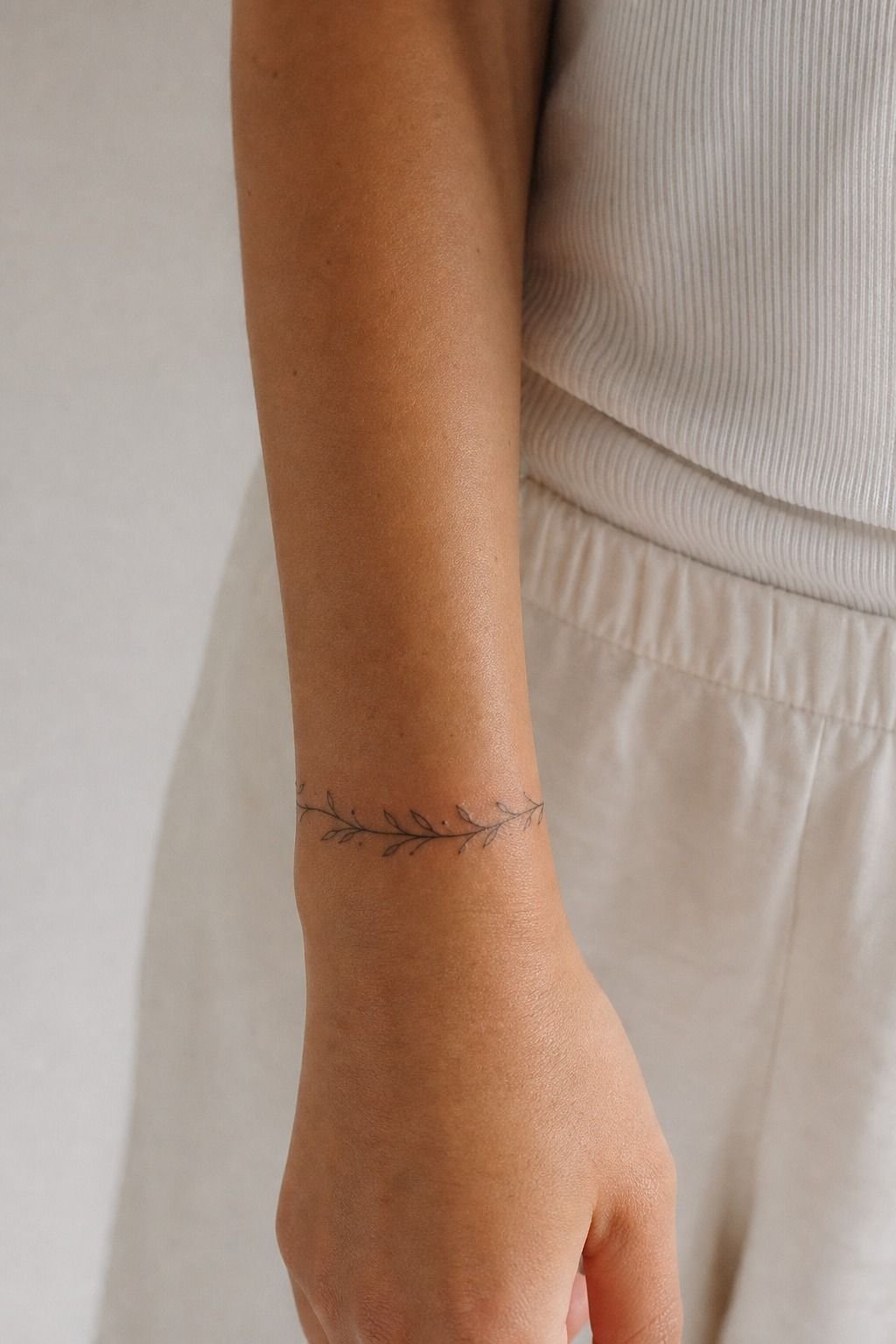
Choose the wrist placement when you want visibility you can control. A simplistic wrap or tiny side-wrist piece can peek when you move, then disappear under a cuff.
That’s why so many small meaningful tattoos land here. The catch is wear.
Wrists bend, rub, catch sun, and live close to cuffs, watches, and sleeves, so scale matters a lot.
Keep the tattoo off the crease and give it more clearance than you think. A design that seems cute at 0.75 inch often ages better at 1.25 to 2 inches, especially if it wraps slightly toward the forearm. Forearm placement usually heals cleaner than the tight bend right on the joint.
For a pain comparison before you commit, check where tattoos hurt less. But for subtle daily wear, a hidden wrist piece still makes sense, and it’ll need fewer touch-ups than fingers.
5Keep The Meaning Personal And Clear

Keep the meaning personal, but do not make the design cryptic just to feel deep. A good flash reference proves the point.
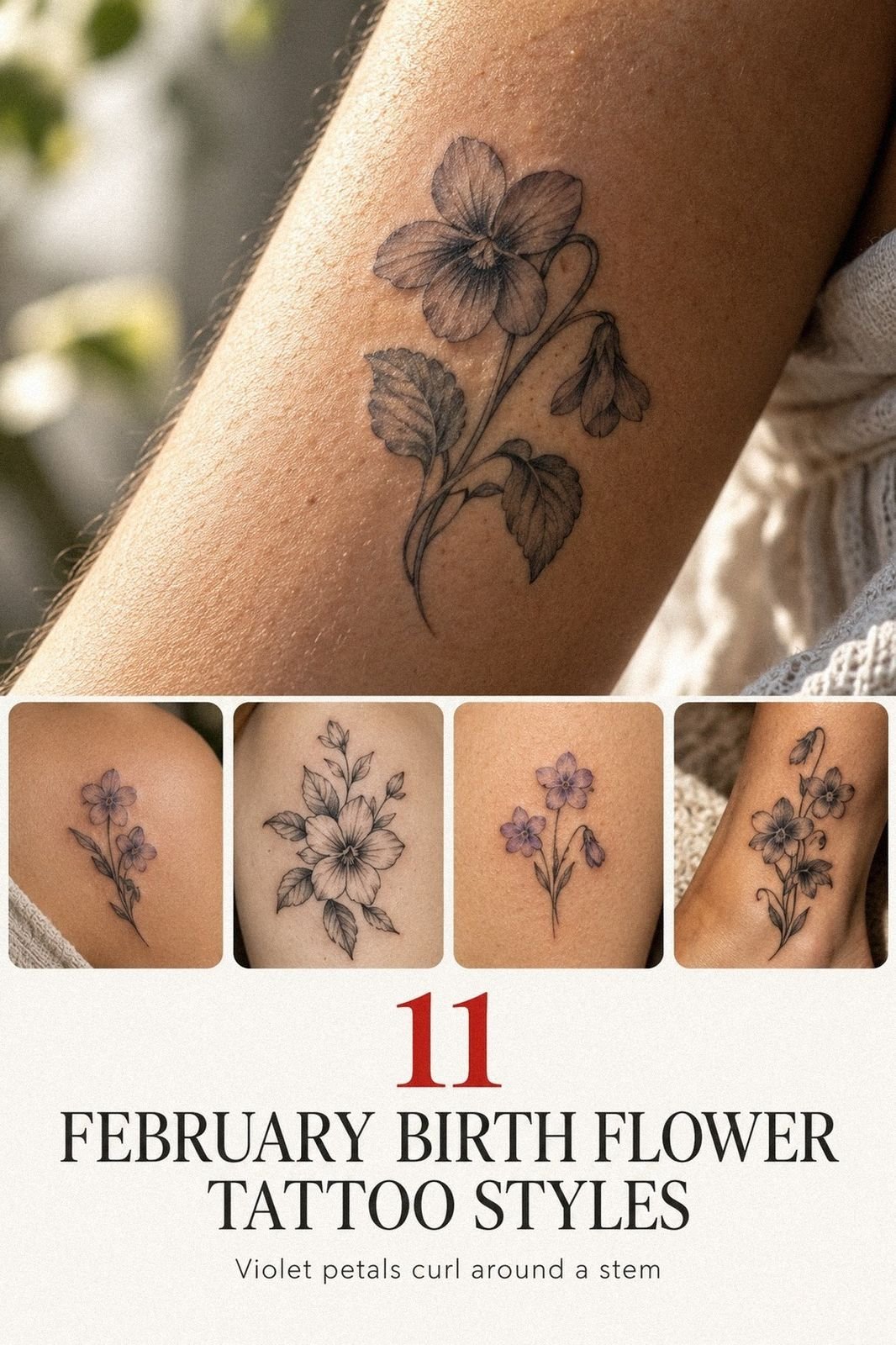
The strongest little designs are often old-school in structure: one subject, one direction, one clean read. Whether the symbol is a birth flower, a tiny talisman, or initials folded into a shape, the idea should land fast when you look at it.
I like using a flash sheet mindset even for custom work. Pick five symbols tied to your story, then cross out the weak ones until only one survives.
That’s how tattoos with deep meaning avoid turning into soup later. If you love bold simplicity from older tattoo traditions, browse the traditional tattoos females guide and the traditional ship flash tattoos for structure lessons.
Simplicity isn’t empty when the symbol is doing real work.
6Plan A Single Word Tattoo
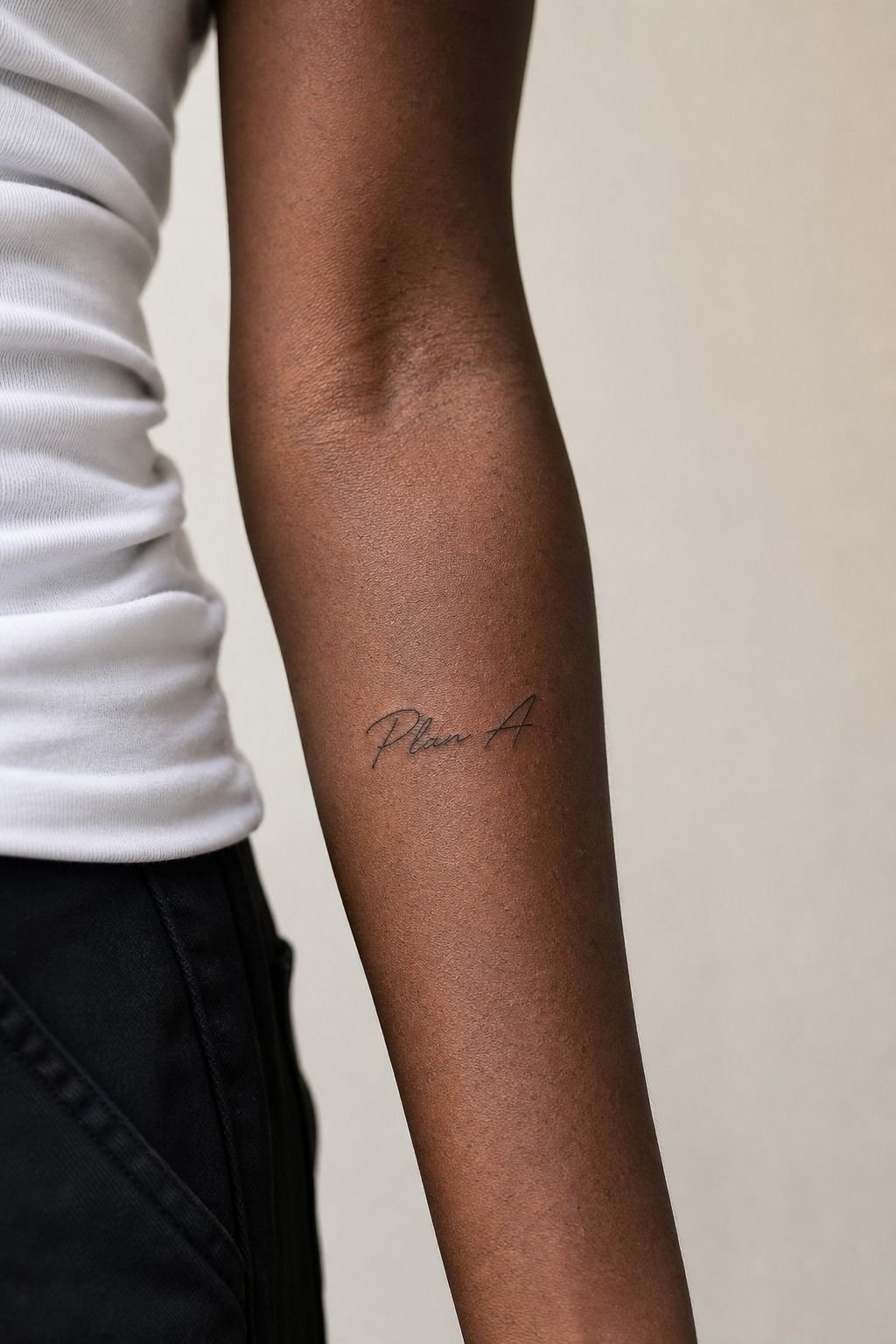
Plan a single word tattoo like a logo, not like a note app screenshot. One word on a forearm can look strong on deep ebony skin when the stroke weight is bold enough and the spacing is generous.
But the wrong script gets messy fast. Tiny loops, hairline upstrokes, and long swashes are the first things that close up.
Pick a word with emotional weight and a letter count that fits the body. Four to eight letters is often the sweet spot for simplistic tattoos, especially if you want it under 3 inches. Ask to see the word in at least two fonts, then choose the version with letter spacing you can still read at arm’s length.
But skip ultra-thin cursive if you want it to age cute on you. Clean lowercase print usually wins, and why tattoos blur over time shows why tiny script can drift.
7Match The Design To Your Pain Tolerance
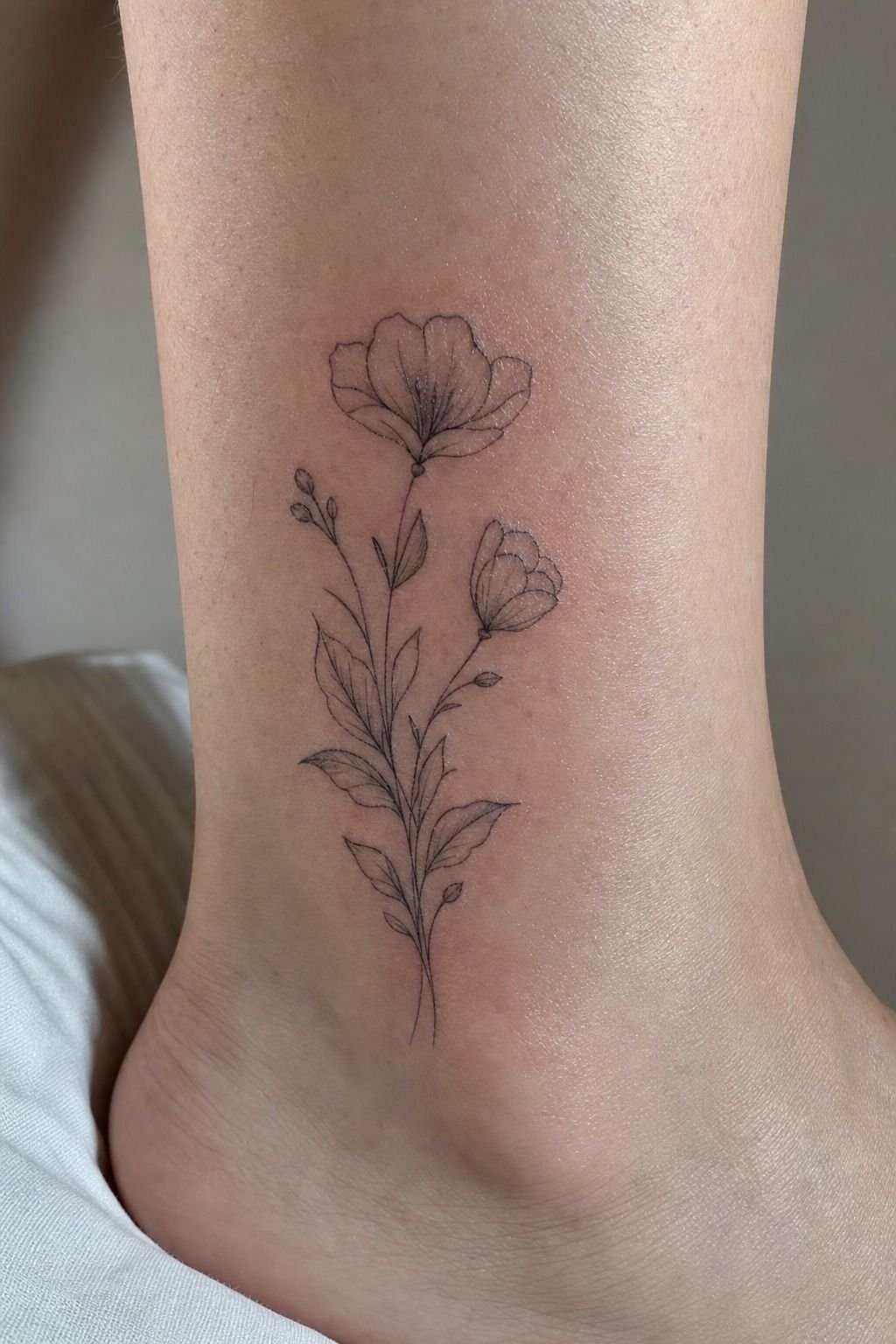
Match the design to pain you can sit through without tensing up. Pain changes the outcome because once you get shaky, your breathing changes, the skin moves more, and the artist has to fight you a little.
On the ankle, even a tiny fine line piece can feel spicy because the skin is thin and the bone sits close. Lines feel sharper there, no question.
If you know you’re nervous, choose a calmer zone for your first simple piece. Outer forearm, upper arm, shoulder blade, and thigh are usually easier sits than ankle, ribs, foot, or sternum.
Placement pain matters more than people admit! If you need a straight comparison, start with where tattoos hurt less.
But the real move is matching your idea to a spot where you can stay relaxed enough for crisp linework, and you’ll sit better.
8Ask For Crisp Black Linework
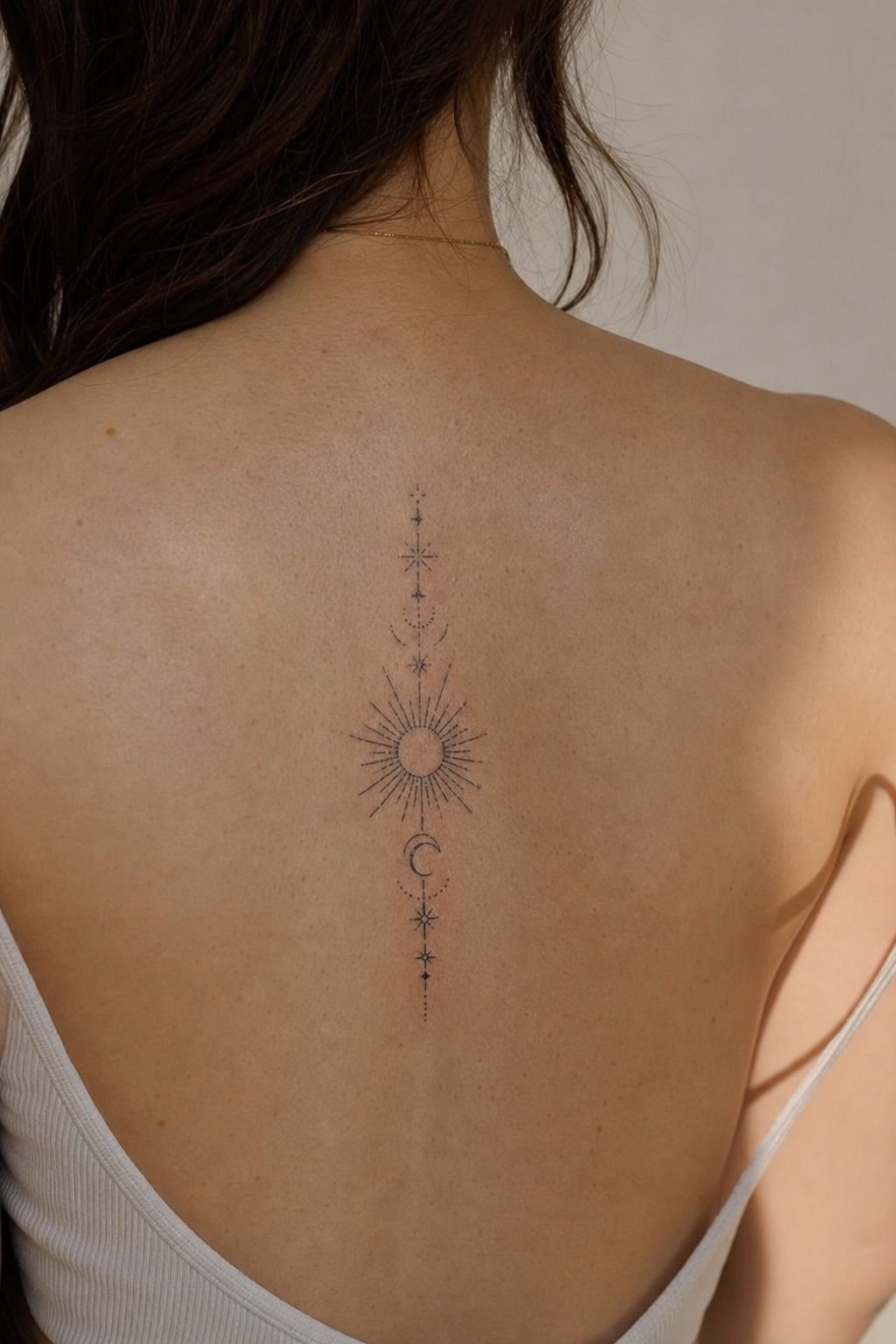
Ask for crisp black linework before you talk about tiny detail.
9Avoid Details That Will Blur Fast
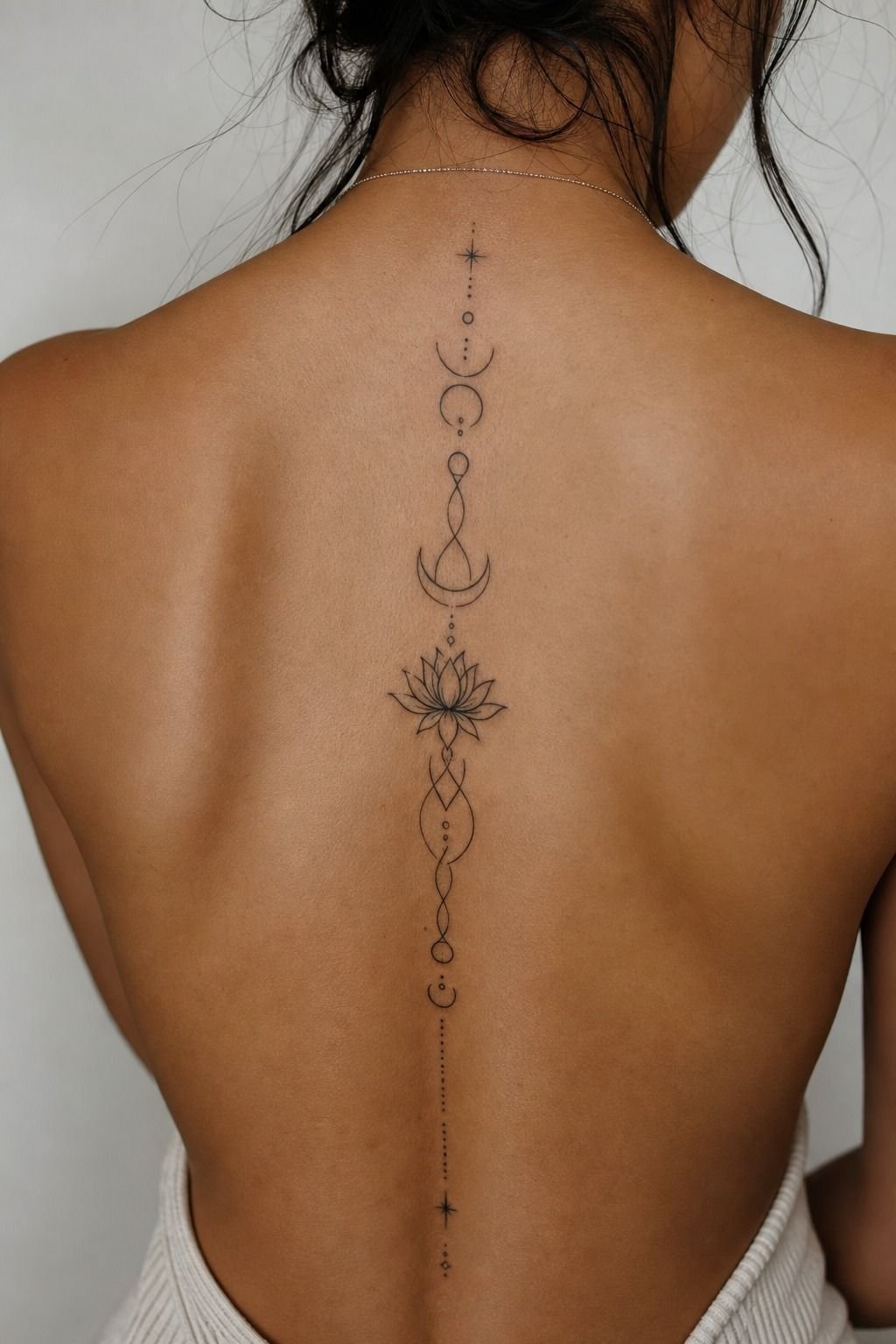
Avoid micro detail that only works on paper. A spine placement looks elegant because the body gives you a long center line, but that does not mean you should fill it with tiny beadwork, micro leaves, or ornamental dust that needs a microscope.
Simple tattoos stay simple by leaving air between elements. The open skin is part of the design.
Use the spine for length, rhythm, and symmetry instead. Think three clean motifs stacked with measured gaps, not fifteen tiny marks trying to look intricate. Negative skin is what keeps the linework from collapsing into blur later.
If you need proof of what fades first, read why tattoos blur over time. But here’s the short version: tiny packed detail loses the fight earlier than bold, edited shapes.
10Test The Size With A Stencil
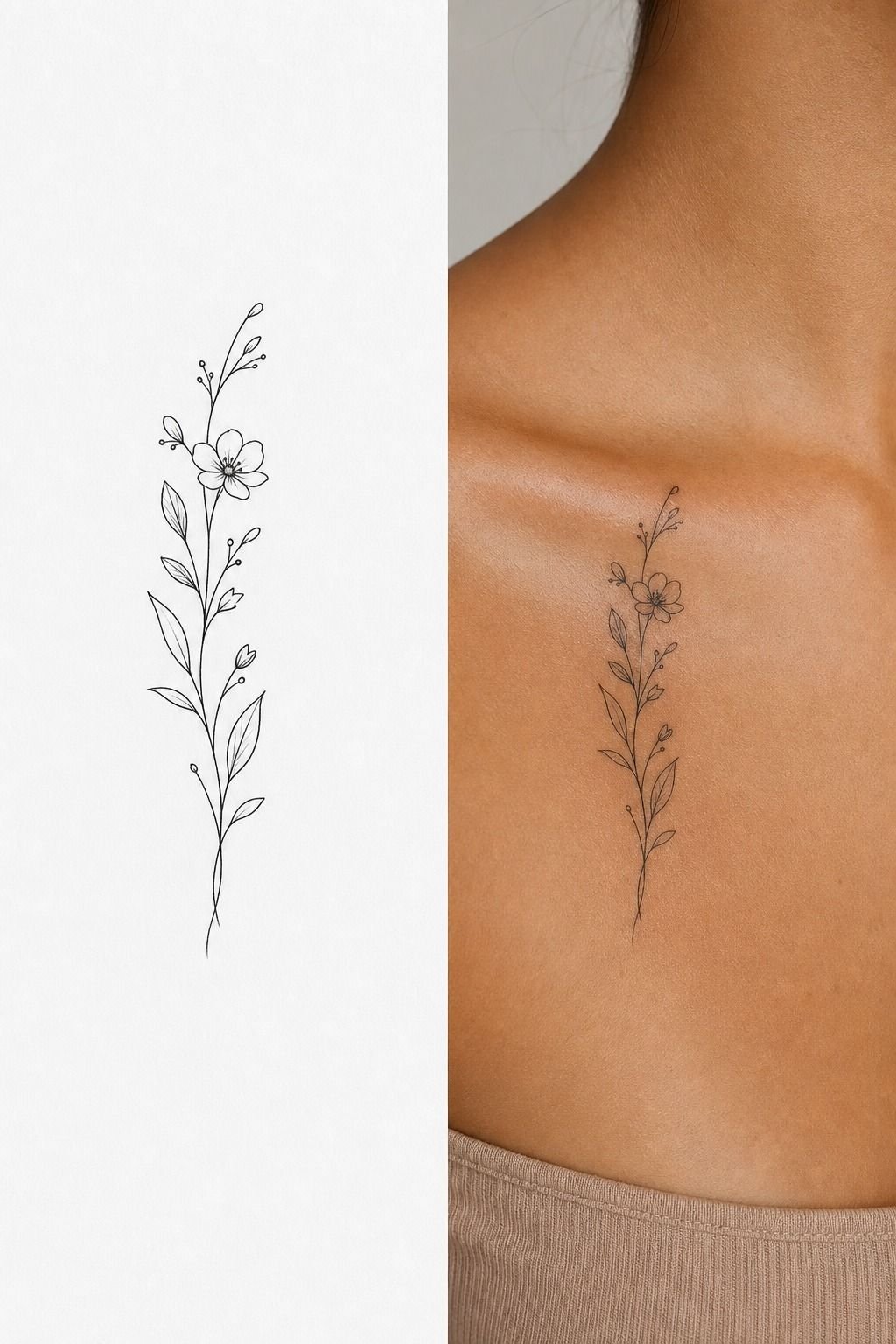
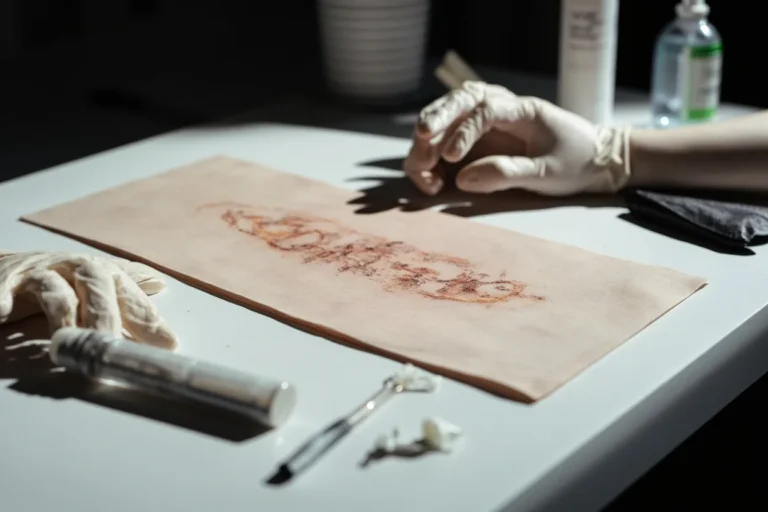
Test the stencil size before the machine ever turns on.
11Choose A Discreet Rib Placement
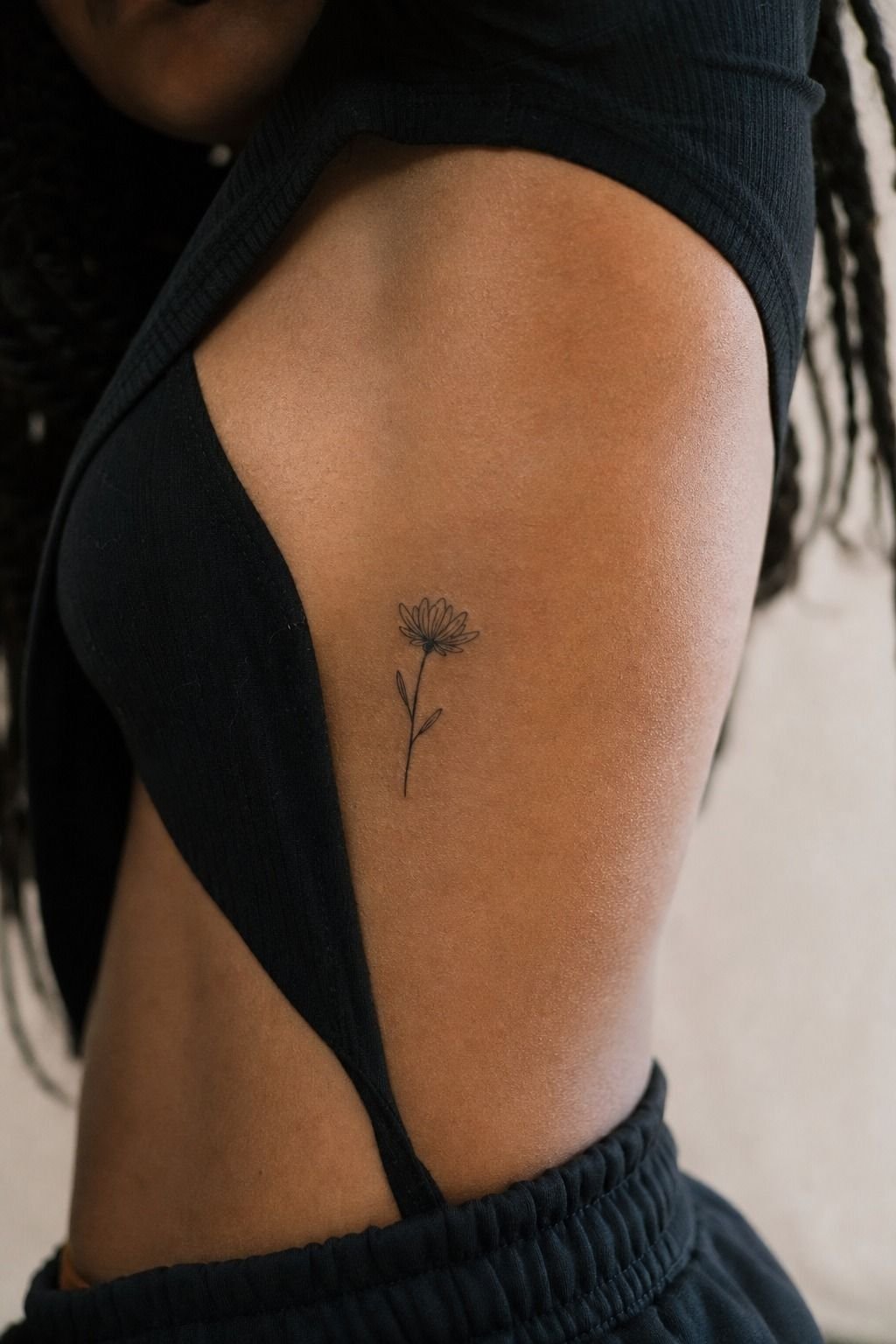
Choose rib placement when you want a tattoo that feels intimate and stays mostly for you. The ribcage can carry a slender phrase, botanical stem, or tiny line drawing beautifully, especially on deeper brown skin where clean black linework can look rich and sharp. It’s a strong placement for hidden tattoos because clothing covers it easily and the vertical anatomy helps long designs sit naturally.
Still, ribs are spicy. Breathing moves the skin, and the sensation can jump from manageable to rude pretty fast.
Keep the first rib tattoo simple, under about 3 to 4 inches, and avoid trying to cram a poem there. Rib placement rewards restraint. If you love discreet tattoo ideas but you’re pain-shy, consider forearm first and come back to ribs later.
You don’t need to prove anything on round one.
12Keep Aftercare Simple And Consistent
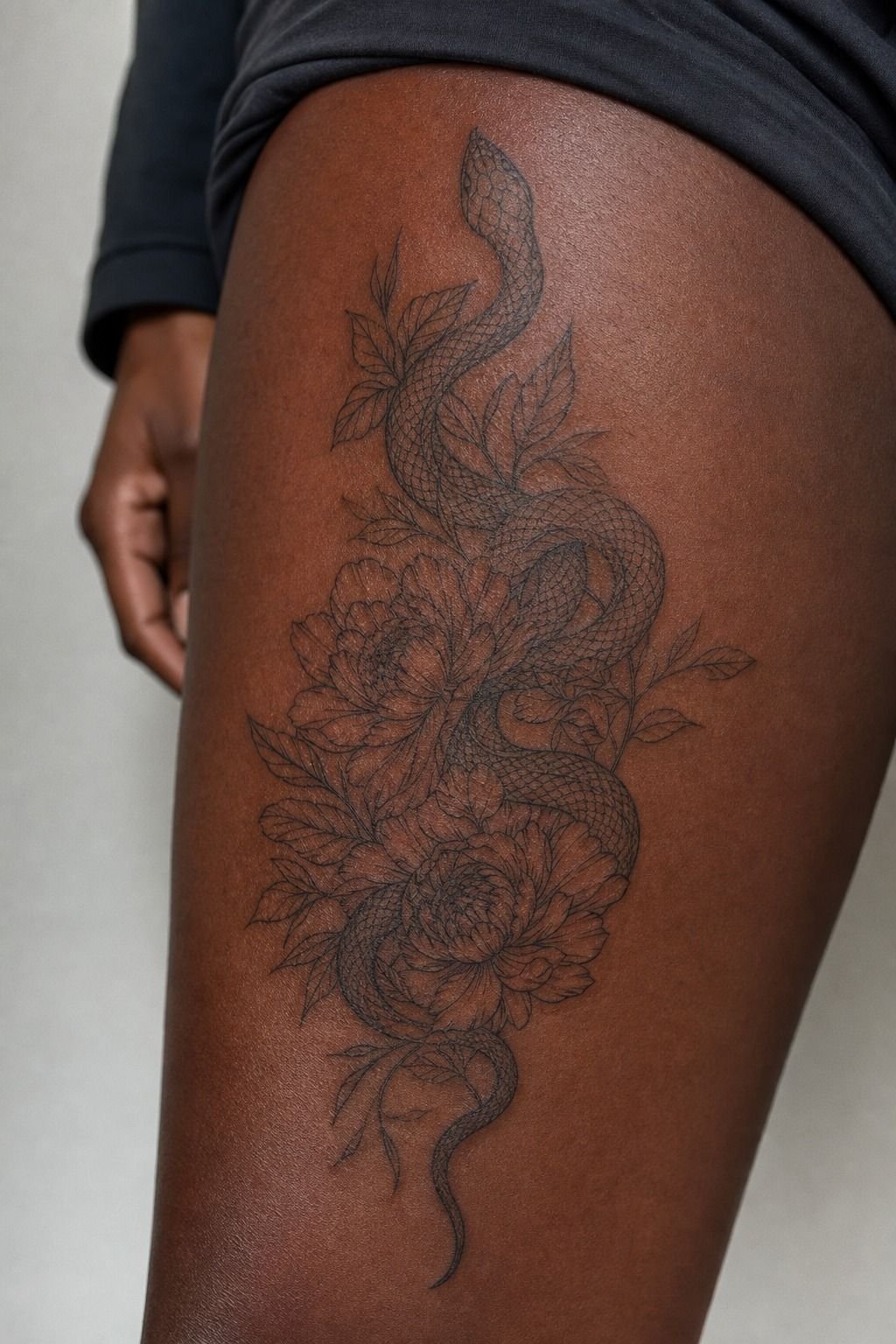
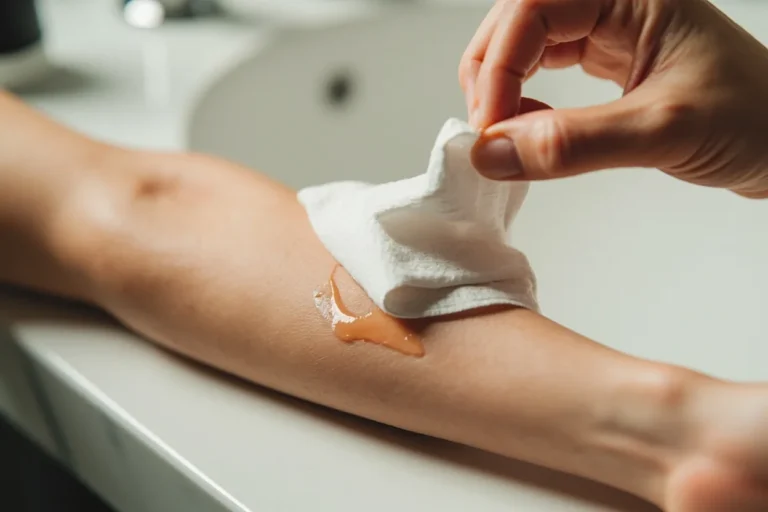
Keep aftercare boring. That’s how minimalist tattoos stay sharp. For the first few days it’s an open wound, so treat it like that: gentle wash, clean hands, thin ointment layer, and no soaking.
On a thigh tattoo, where fabric can rub and gym friction gets real, overdoing products is just as risky as neglecting them. Suffocating skin slows you down.
Use a gentle cleanser and a light unscented moisturizer once the initial weep settles. I usually tell clients to think thin, not glossy, with unscented soap and a breathable lotion.
But don’t pick flakes when it peels like a sunburn. That’s how you pull color before it settles.
Full surface healing is often 2 to 3 weeks, while the final settled look can take 2 to 3 months, so be patient with it, and white ink tattoos is a good reminder that light ink needs even more care.
13Plan A Touch-Up Before Fading Shows
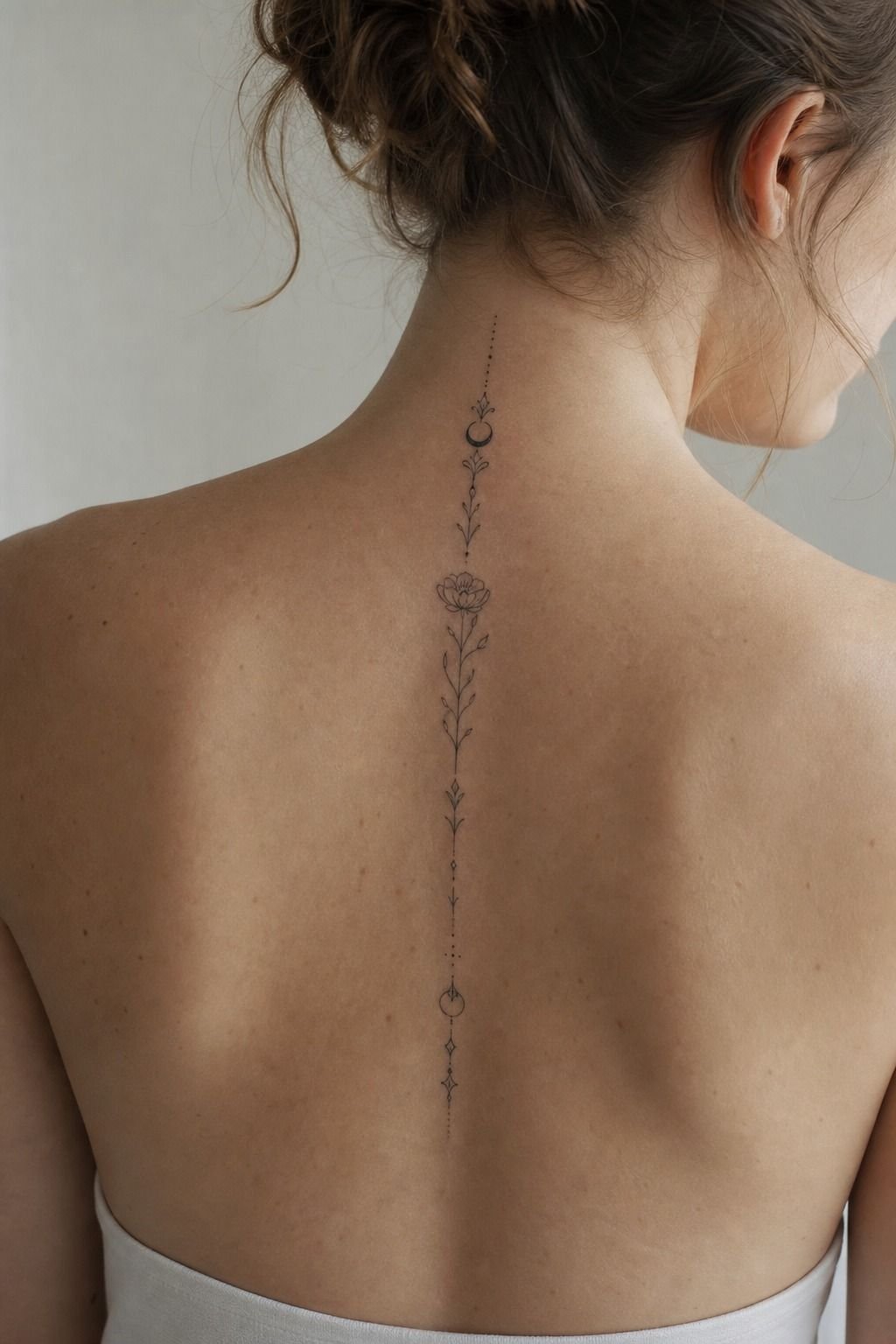
Plan the touch-up window in your head before the tattoo ever softens. That sounds dramatic, but it keeps your expectations honest.
Even healed fine line on a spine will mellow a bit over time because skin is alive, UV exists, and your body keeps moving. A touch-up isn’t failure.
It’s maintenance, especially if the design lives in a high-exposure area.
And ask your artist what their policy is and when they like to reassess healed work. Many artists want to wait until the tattoo is fully settled before judging it, which means around 2 to 3 months minimum.
Touch-up policy matters more than people think because it tells you how the artist stands behind their work. But if you wear sunscreen and choose a low-wear placement, you may not need anything for a long while, and why tattoos blur over time explains why sun changes the timeline.
14Save References For Your Tattoo Artist
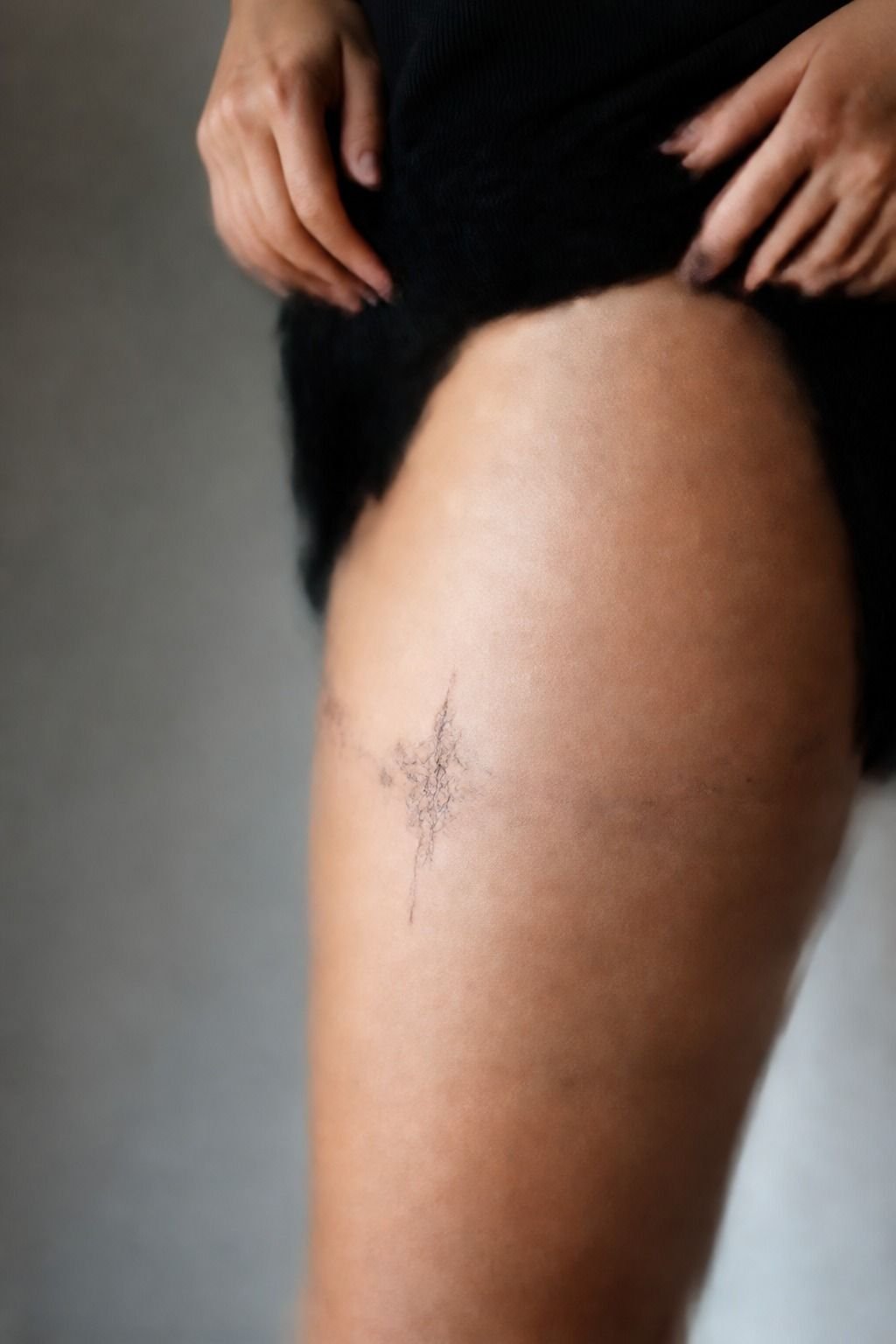
Save reference images to show direction, not to demand a clone. A wrapped thigh reference or placement map helps your artist understand flow on the body, but it should not turn into a copy request. If you want Pinterest-exact, I’m not your artist.
References are there to show line weight, spacing, placement, and mood, not to erase the artist’s hand.
Build a small folder with three to five images: one for placement, one for line quality, one for overall vibe, and maybe one thing you hate. Reference folder beats a twenty-image dump every time.
And include healed tattoos, not just fresh ones under bright lighting. If you want to study how classic structure keeps simple work readable, the traditional pirate tattoos guide and the traditional military tattoos guide are worth a look, and traditional tattoos females guide is useful too.
Why Pick The Clean Read Rule Over Tiny Detail?
Here is the part people skip: simplistic tattoos are not just smaller tattoos. They are edited tattoos.
The clean read rule is the difference. A simple piece has to carry more weight with less information, so every choice matters more: line thickness, gap width, placement, and how the design moves with anatomy.
If one part is weak, you don’t have extra detail hiding the mistake.
I’ve watched tiny tattoos go two very different ways. The ones that heal clean usually have one strong idea, enough open skin, and a placement that isn’t getting sanded down by daily friction. The ones that struggle are often chasing tiny detail for the thrill of looking delicate on day one.
Day one is easy. Year three is the test (and that’s where the truth shows).
And this is why I keep pushing the clean read rule. If a design doesn’t read clearly at a glance, it’s asking skin to do impossible work. Skin is not paper.
It stretches. It gets dry.
It sees sun. It heals with a little softness even when the artist does everything right. But that softness is fine when the design was built with margin in the first place.
You don’t need a complicated symbol to make a tattoo meaningful. You need structure.
You need an artist whose healed linework stays even. You need enough size that the tattoo can breathe on your body instead of shrinking into itself.
Would I rather make a simple tattoo slightly bigger and cleaner, or tiny and impressive for two months? Bigger and cleaner, every time.
That’s the version that holds!
The Questions I Get Asked Most
How much does a Simplistic Tattoos usually cost?
Usually about $100 to $300 for a clean small piece, though some tattoos fall at the shop minimum of $50 to $100 and others cost more with an in-demand artist. Region, placement, and drawing time all matter, and you’re paying for line control.
– Small forearm or wrist piece – Custom draw time – Fine line specialist rates
Are Simplistic Tattoos a good idea for a first tattoo?
Yes, they can be a great first tattoo if you keep the design clear and pick a calmer placement. Simple linework is easier to live with, easier to read, and easier to scale well than a tiny overworked design, and it’ll stress you out less!
– Forearm, thigh, upper arm – One symbol or one word – Clean black line first
How do I choose a tattoo artist for Simplistic Tattoos?
Look for healed photos, steady linework, and a portfolio that shows the style more than once. Healed examples tell you way more than fresh tattoos shot under glossy lighting, and why tattoos blur over time will help you read portfolios smarter.
– Crisp lines in daylight – Fine line specialty – Clean studio setup
How much do Simplistic Tattoos hurt?
It depends on placement more than size. Low-wear placements like outer forearm, thigh, and shoulder are usually easier, while ribs, ankle, foot, hand, and sternum feel much spicier, so you’ll want to choose honestly.
– Lines sharper – Shading duller burn – Bone closer, louder sensation
How long does a Simplistic Tattoos take to heal?
Surface healing usually takes about 2 to 3 weeks, and full settling often takes 2 to 3 months. Consistent aftercare is what keeps the tattoo from getting irritated while it peels and calms down, and it’ll show in the final line.
– Gentle wash – Thin lotion layer – No pools or sun
What’s the best placement for Simplistic Tattoos?
Forearm and upper thigh are my favorite starting points because they give simple linework open skin to sit in and usually age better than high-friction zones. Good placement is half the battle with minimalist ink, and where tattoos hurt less is worth reading first.
– Clear visibility control – Lower daily friction – Easier touch-up life
If You Only Start One Way, Use The Clean Read Rule
If I had to pick one step, I’d start with one clean symbol. A simple tattoo fails when it’s trying to say five things in one inch. Pin that rule first, then choose the placement that lets it stay crisp.