The strength butterfly tattoo combines two of the most loaded symbols in tattooing. Butterflies represent transformation and rebirth. Strength symbols, whether that’s a lion, a sword, a koi fish, lettering, or even a semicolon worked into the wings, anchor that transformation to something harder-won. Together they say: I changed, and it cost me something.
People wear this tattoo to mark survival. Grief, illness, addiction, abuse, a version of themselves they had to burn down before they could move forward. It’s not a soft concept dressed up in pretty wings. The butterfly earns its meaning here. The strength is the whole point.
Core Symbolism: What the Strength Butterfly Actually Means
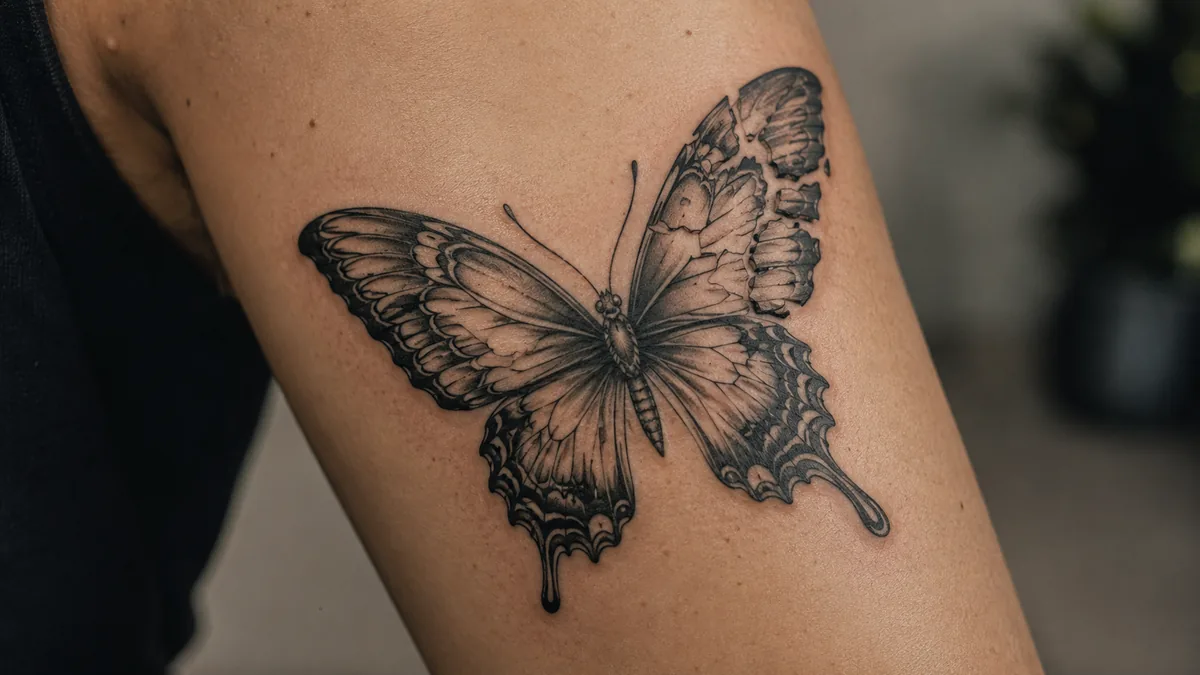
the butterfly tattoo has always meant transformation. The metamorphosis from caterpillar to butterfly is one of the most literal change-metaphors in nature, and humans have been reaching for it across every culture for thousands of years. Add a strength element and you shift the read from passive change to chosen endurance. You survived something. You came out different.
The “strength” layer usually shows up in one of three ways: a strength symbol embedded in or behind the wings, the word itself lettered across the body, or a design choice that gives the butterfly a fierce quality, think bold, heavy linework, warrior imagery, or a color palette that reads powerful rather than delicate. The meaning stays consistent: this person went through the fire.
Cultural and Historical Context Behind the Butterfly
The butterfly doesn't forget the cocoon, it wears it.
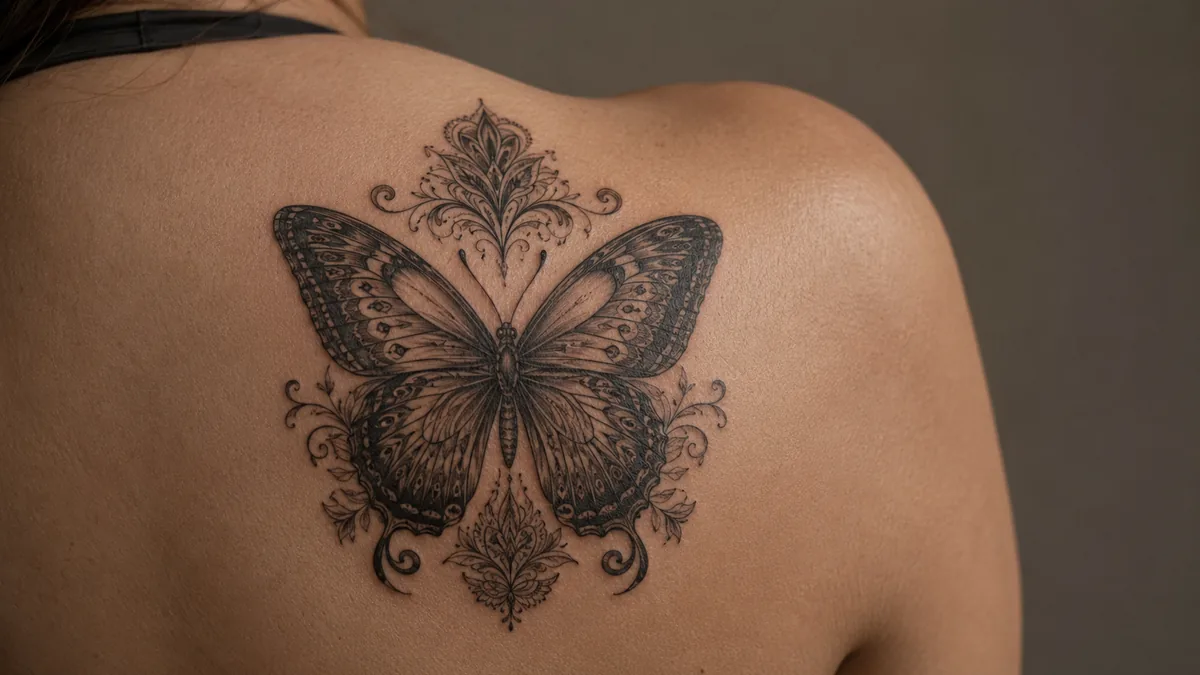
In ancient Greek, the word for butterfly is “psyche,” the same word used for the soul. The goddess Psyche herself is depicted with butterfly wings, and her story is literally about surviving impossible trials to earn her place. That soul-transformation read carried through into early Christian iconography, where the butterfly represented resurrection. These aren’t manufactured meanings. They’re old and they stuck.
In Japanese and Chinese traditions, butterflies represent longevity, grace, and the souls of the departed. In many Indigenous cultures across the Americas, they carry messages between the living and the dead. The strength pairing isn’t traditional in any one culture, it’s a modern, personal evolution of the symbol. But it sits on a foundation that’s genuinely ancient.
Popular Design Variations for the Strength Butterfly
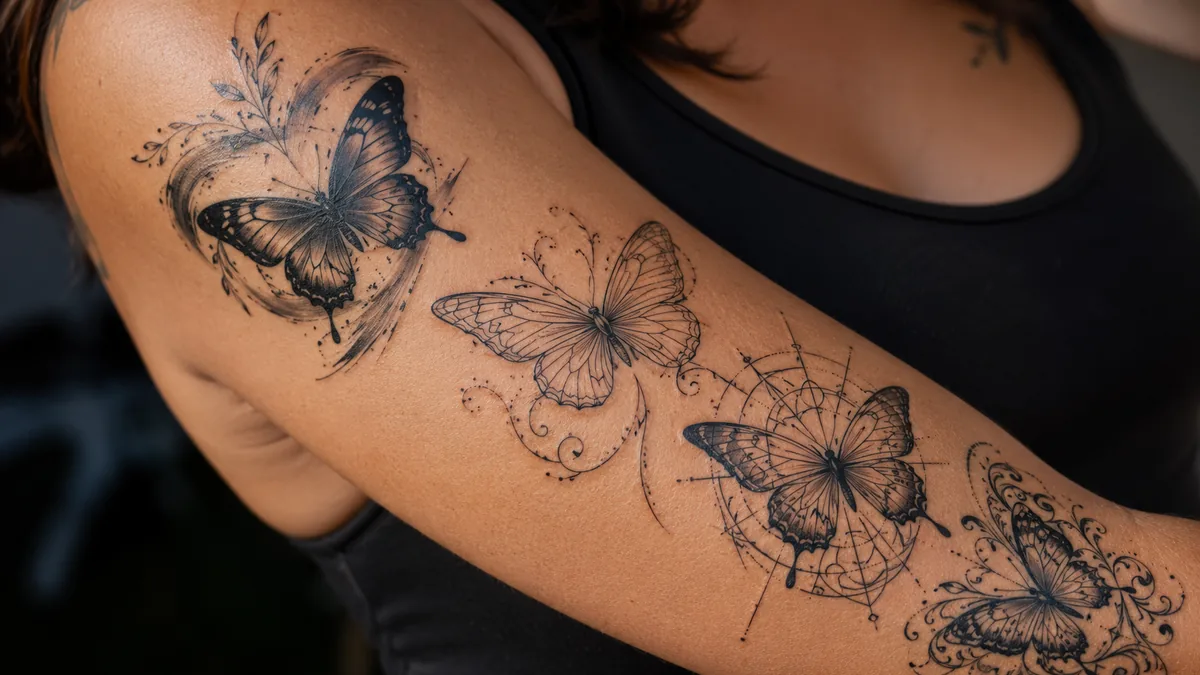
The most common version pairs a realistic or neo-traditional butterfly with the word “strength” either lettered inside the wings or floating below. You also see butterfly-plus-semicolon designs, where the body of the butterfly is the semicolon, a symbol borrowed from the mental health awareness movement meaning the story isn’t over. That combo hits hard because both symbols are about choosing to continue.
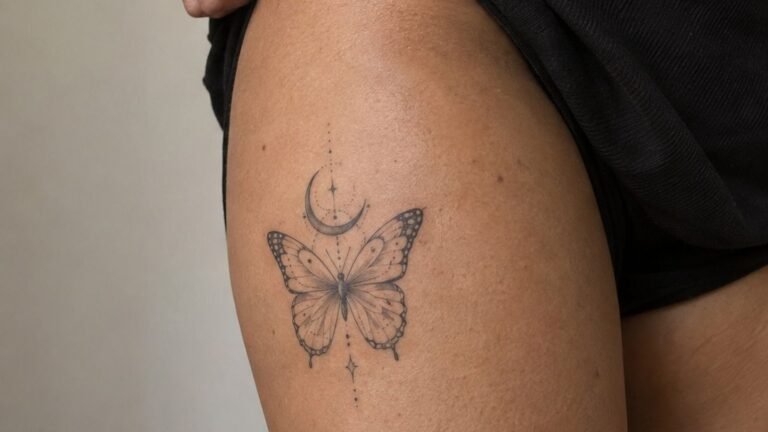
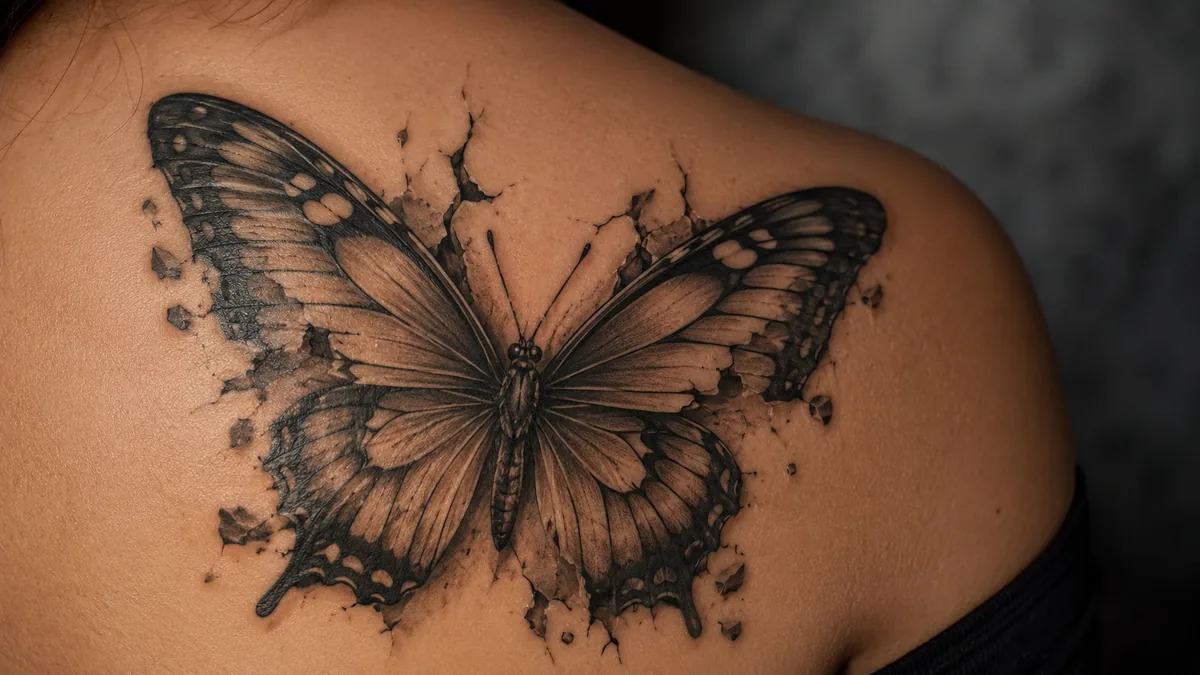
Other strong variations include broken or cracked wings that reveal something inside, thorns or vines weaving through the anatomy, and wings that open into a lion face, a koi, or an eye. Fine line realism keeps it quiet and intimate. Neo-traditional with thick outlines and saturated fills reads bold from across the room. Both work. Pick based on your skin tone and where you’re placing it.
Color vs Black and Grey: How Each Reads
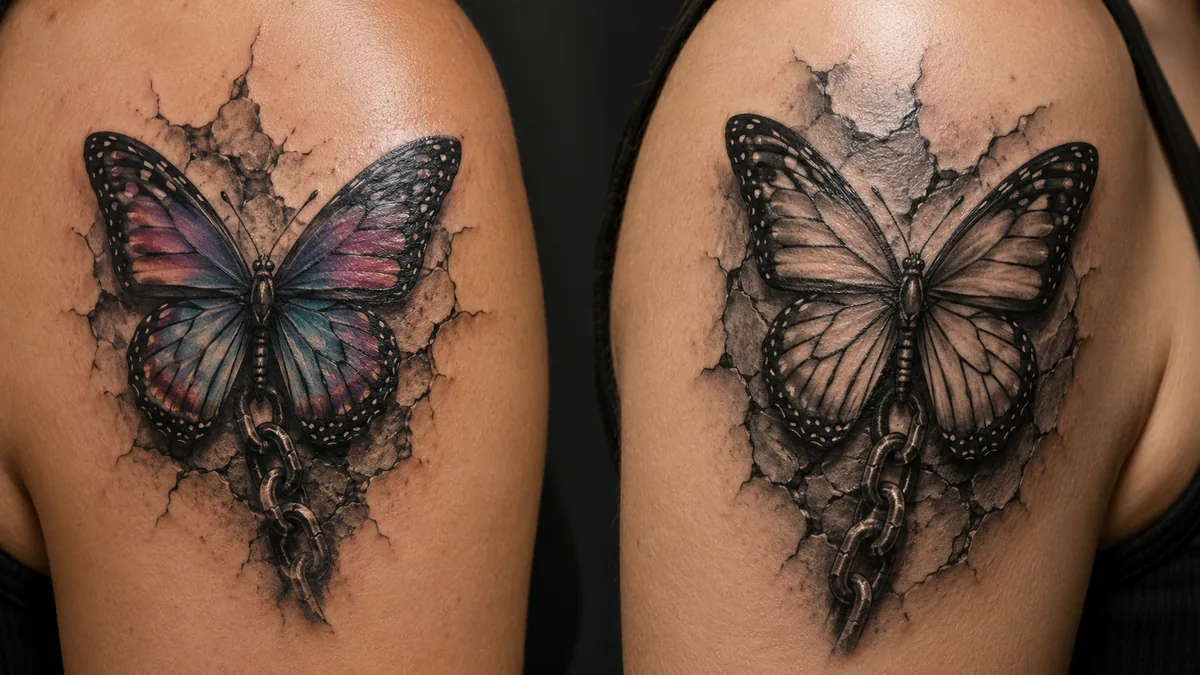
Black and grey is the safer long-term call. A well-executed black and grey butterfly with smooth whip shading and crispy linework will still look clean a decade out. It reads serious. The absence of color keeps the focus on the symbolism and the craft. On darker skin tones, contrast is built through placement and linework weight, skip the pale gray tones and go bolder.
Color brings the butterfly alive. Bold blues, purples, and oranges in a neo-traditional palette age well if your artist uses quality ink and you protect the tattoo from sun. Watercolor-style butterflies look stunning fresh but tend to blur and fade faster, especially in high-wear zones. If you want longevity, ask your artist to build a solid foundation of linework first, even under a watercolor treatment.
Placement, Pain, and How It Ages
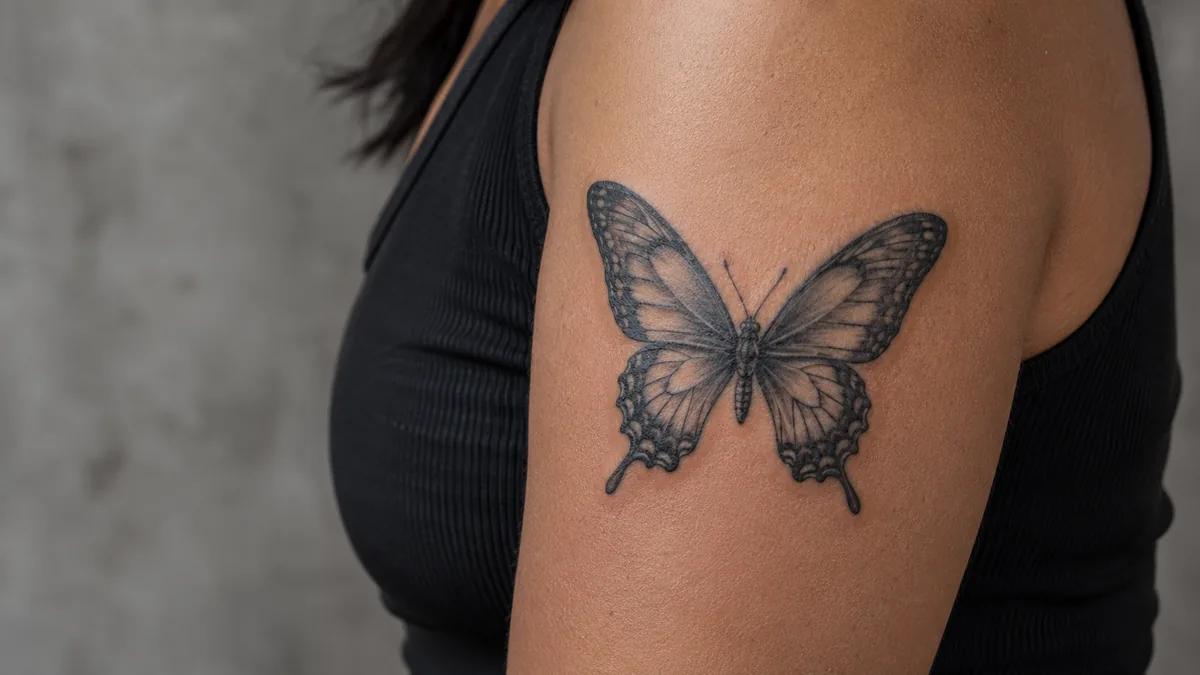
The most popular placements are the upper back, sternum, forearm, and ribs. Upper back gives you real estate for wingspan, reads beautifully, and is a low-wear zone so it holds well over time. Sternum placements are striking and personal, not something everyone sees, but spicy on the pain scale because you’re right on bone. Forearm placement heals nice, keeps it visible, and ages consistently.
Ribs are the classic choice for something meaningful and hidden. Pain level is genuinely high. Fine line work on ribs can spread a little over time if the lines are too thin. For longevity anywhere on the body, bold will hold. Ask your artist to build the lines with enough weight that a little spread won’t destroy the design. Avoid the hands, fingers, and feet for delicate wing details, blowout risk is real there.
Style Guide: Matching the Design to Your Story
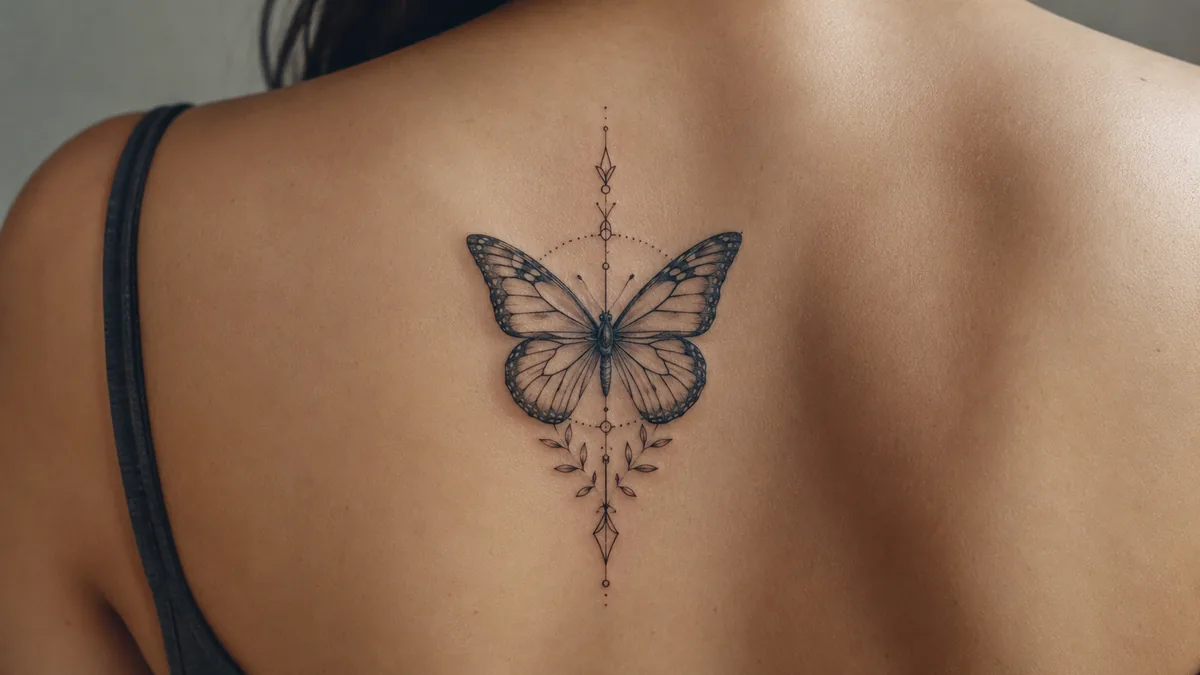
Fine line realism suits people who want something intimate, a quiet reminder that doesn’t announce itself. Blackwork and geometric styles suit people who want structure in the design to reflect the discipline it took to survive. Neo-traditional with bold outlines and rich color suits people who want the tattoo to be seen, who’ve earned the right to take up space and aren’t hiding it.
The semicolon butterfly is almost universally tied to mental health survival, specifically suicidal ideation or self-harm recovery. If that’s your story, it’s a powerful choice and a recognizable one in the community. If it isn’t your story, know that it reads that way to people who know it. Nothing wrong with either choice, just go in with clear eyes about what you’re putting on your skin.
Who Gets This Tattoo and How to Make It Personal
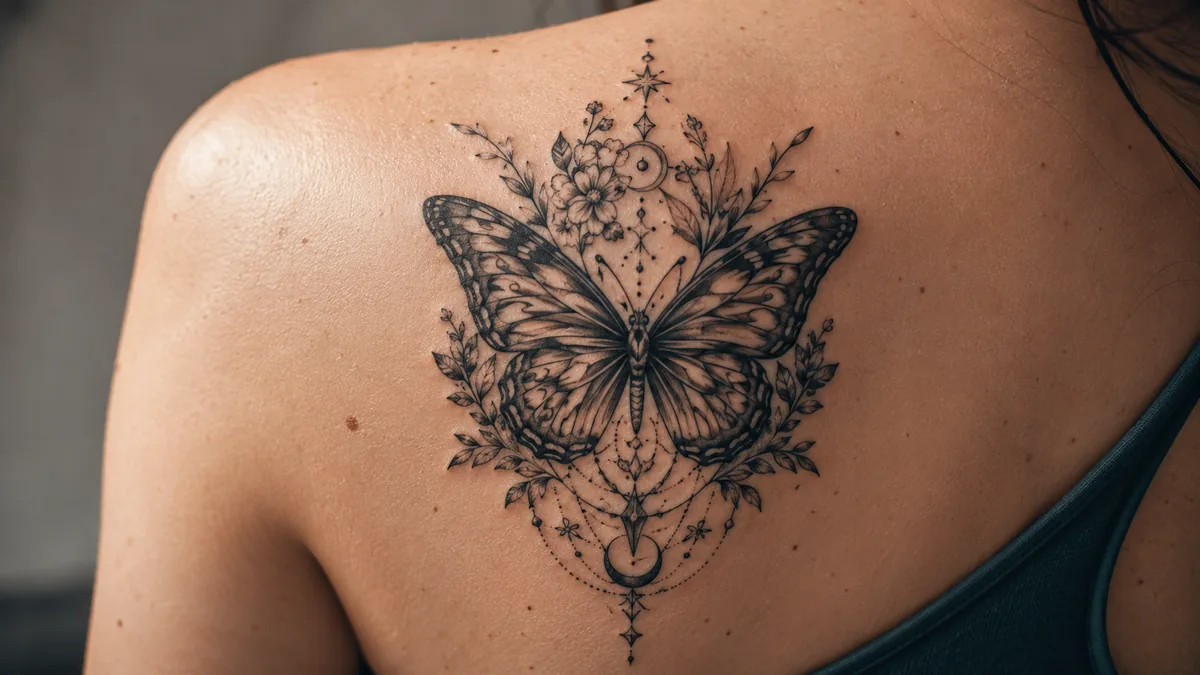
Cancer survivors, people in recovery, people who came out the other side of bad relationships or mental illness, people who lost someone and rebuilt. That’s the crowd. It’s also genuinely popular as a first tattoo for people marking a major life chapter. The symbolism is accessible, the design is versatile, and it doesn’t require explanation to land with the person wearing it.
To make it yours, think about what specific element carries your story. A birth flower inside the wings. A date worked into the linework. Your person’s favorite color. A phrase in their handwriting. Adding one specific, true detail pulls it out of the generic and makes it a document. Your artist can integrate almost anything into the wings if the composition is thought through from the start.