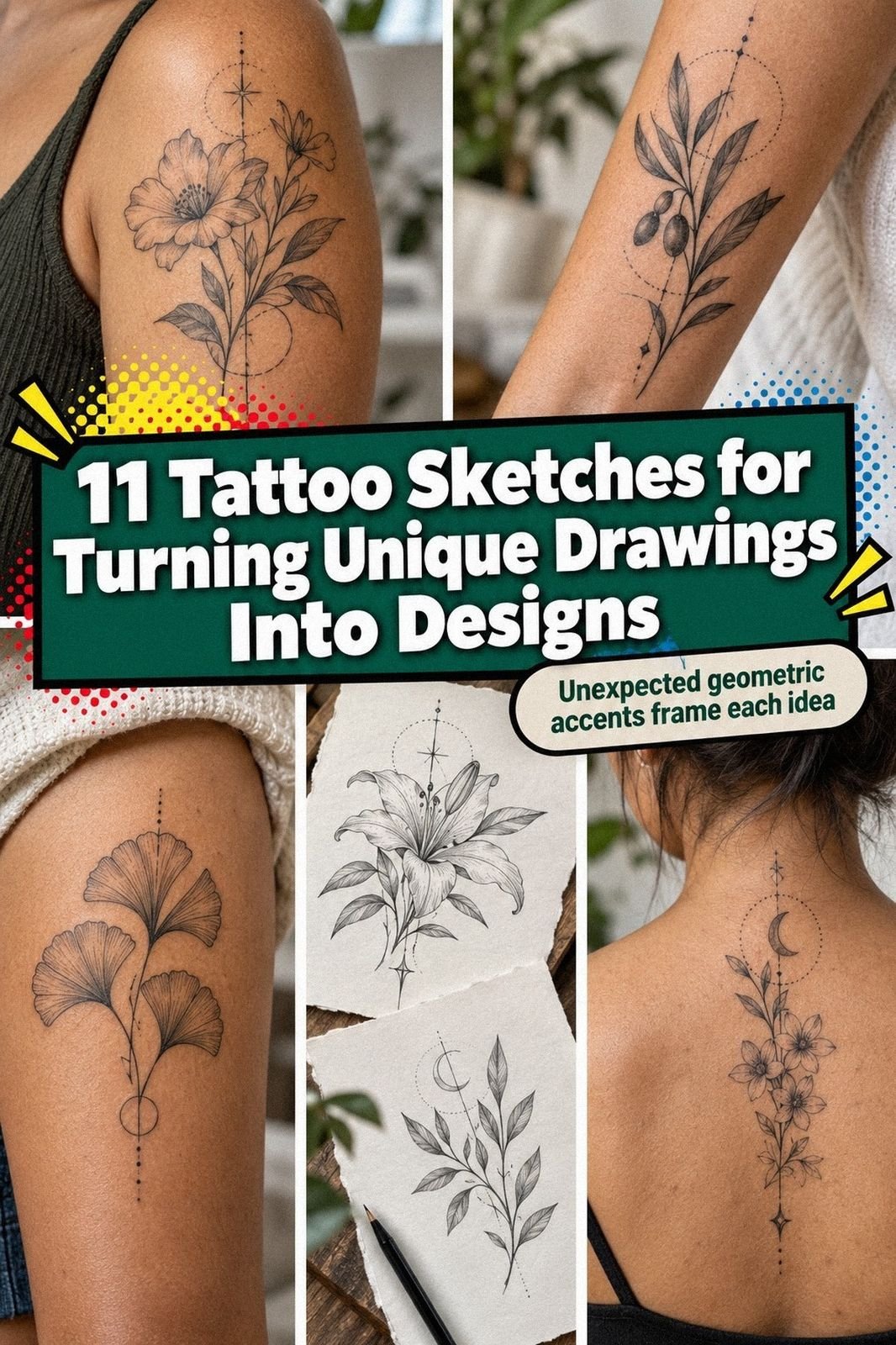
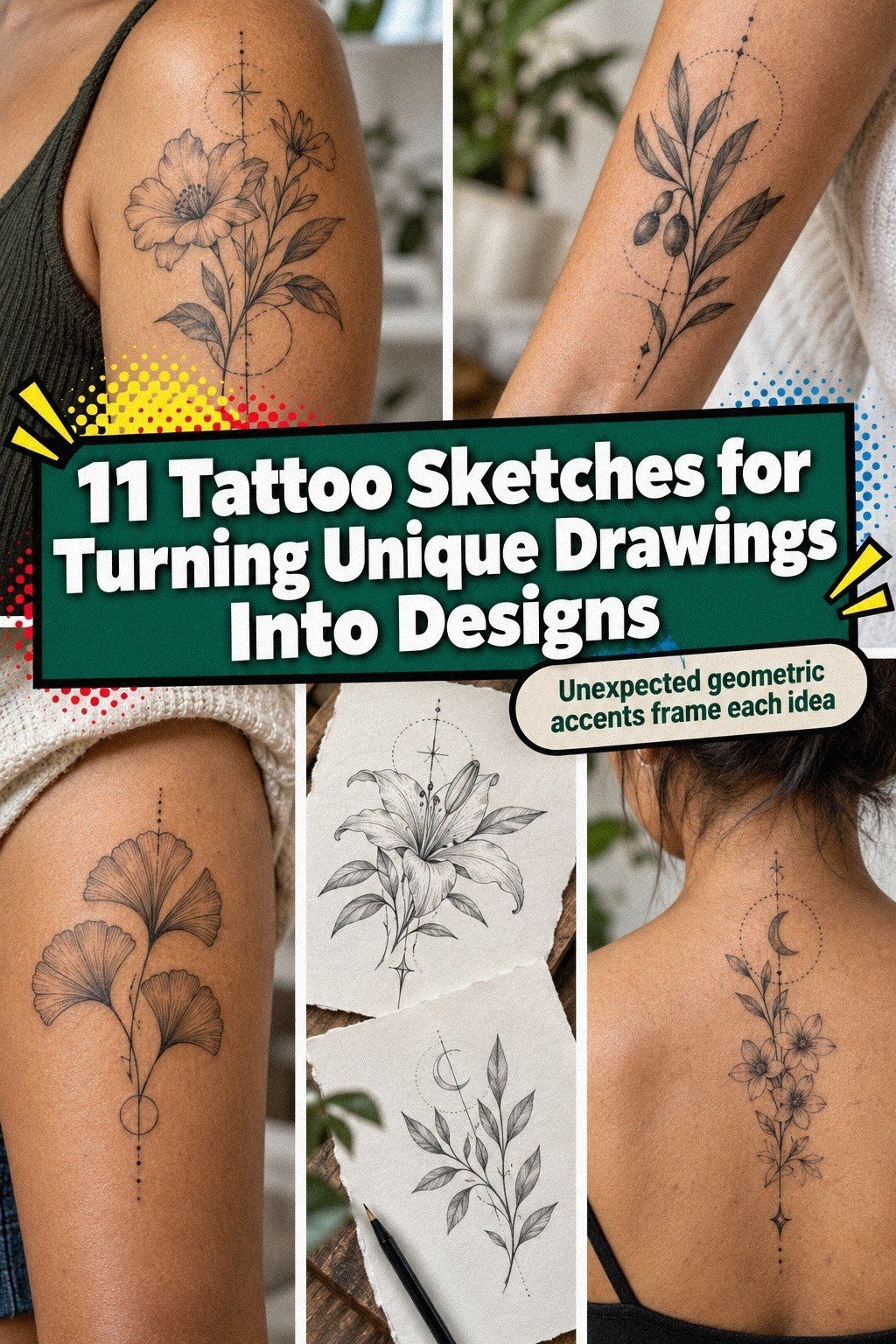
Tattoo sketches unique drawings can stay meaningful for years when the line weight, placement, and scale agree. I once chose a design because it looked striking on paper, then regretted how cramped it felt on skin. You’ll want to test the stencil, check healed examples, and choose a style that still feels personal after the appointment. Don’t rush it!
- Fine Line Botanical Tattoo Sketches: The Stem-to-Space Method
- Bold Blackwork Animal Drawings: Silhouette Over Clutter
- Sketchy Portrait Tattoos With Raw Texture: Can a Portrait Stay Raw?
- Delicate Wrist Symbols With Personal Meaning: The Meaning Anchor
- Ornate Backpiece Concepts in Flowing Linework: Find the Focal Point
- Geometric Forearm Tattoos With Sacred Symmetry: The Three-Axis Rule
- Dainty Ankle Sketches Inspired by Vintage Flash: Small Mark, Strong Memory
- Fierce Neo Traditional Tattoo Drawing Ideas: The Focal-Point Ladder
- Minimal Finger Ink With Crisp Details: One Mark Over Micro Detail
- Ethereal Rib Tattoos Using Soft Shading: The Soft-Shadow Test
- Playful Colorful Tattoo Art for Custom Designs: Joy With Structure
1Fine Line Botanical Tattoo Sketches: The Stem-to-Space Method
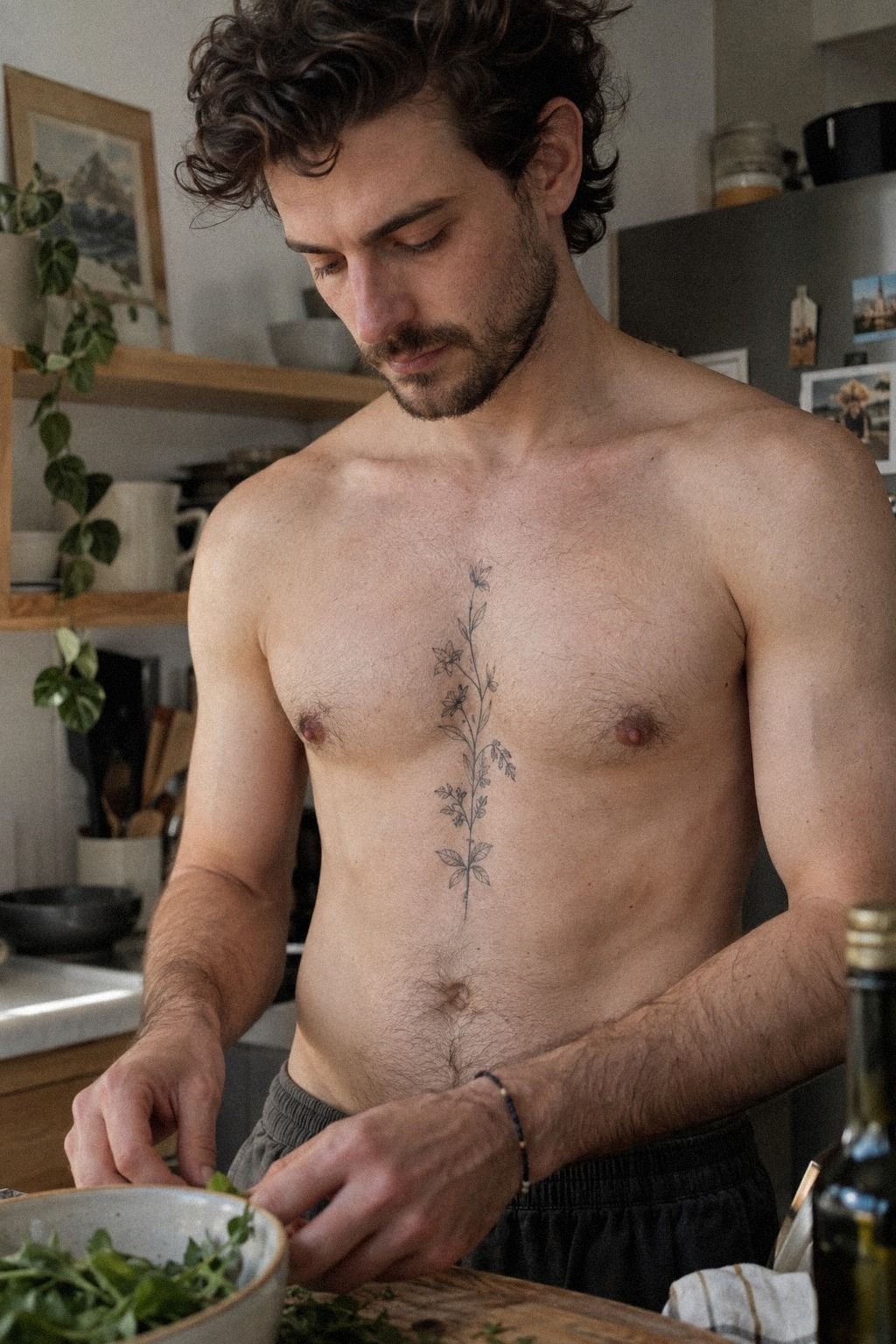
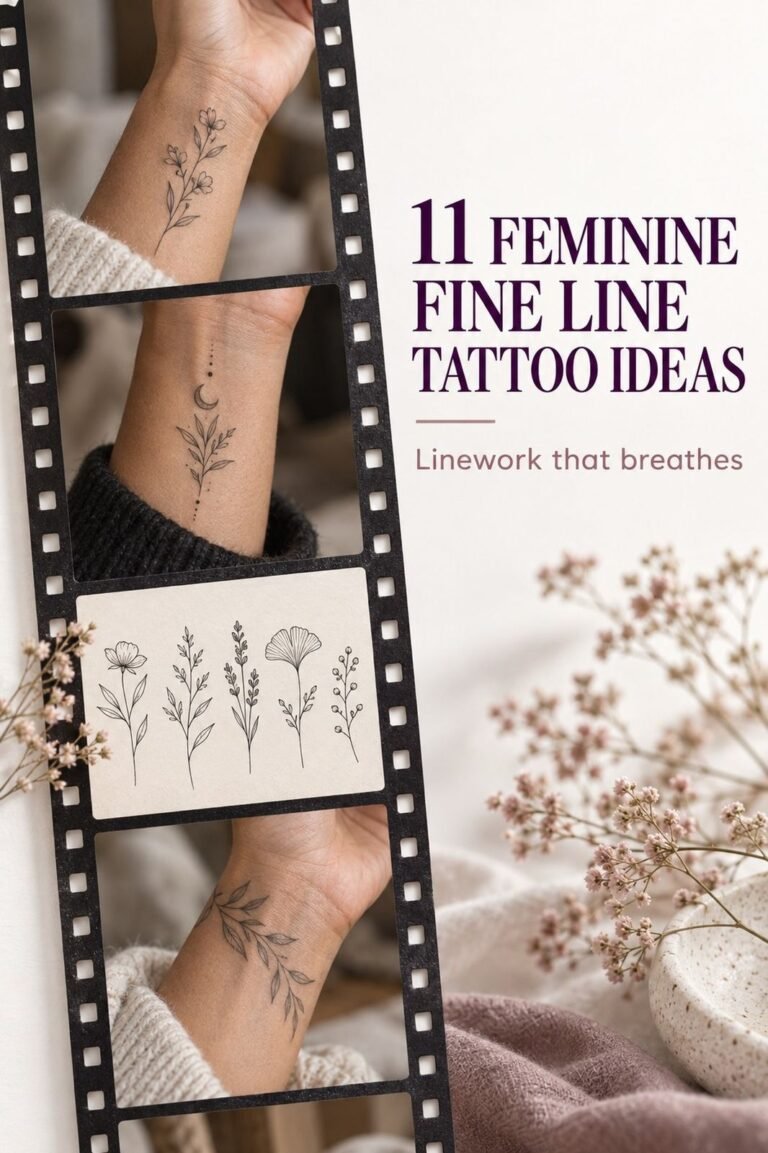
Fine-line botanical work looks delicate, but the strongest version has a clear structure. On a sternum, hair-thin stems can trace the centerline while small leaves open toward the ribs.
Ask your artist for single-needle black ink and enough negative space between each leaf. If you’re saving references, our tattoo design drawings unique guide has graceful sketches to compare.
I’ve learned that more detail isn’t always more elegant. A crowded fern can blur as your skin changes, while three crisp fronds may stay readable.
You’ll want the artist to simplify the reference before transfer, especially if your design is under three inches. The sternum can feel intense, so a shorter session may be kinder for a first tattoo.
I’d skip gray wash here because it can muddy the restrained rhythm that makes this concept feel timeless and feminine. The strongest leaves should remain open, sharp, and easy to follow.
If you’re comparing delicate concepts, our unique tattoo ideas for females includes placements that keep a personal design visible without making it loud. You’ll know this one works when your eye follows the stem before it notices the skin.
– Fine stems, small leaves, and open spacing. – Black ink with a clean taper. – A symbolic sternum placement.
2Bold Blackwork Animal Drawings: Silhouette Over Clutter
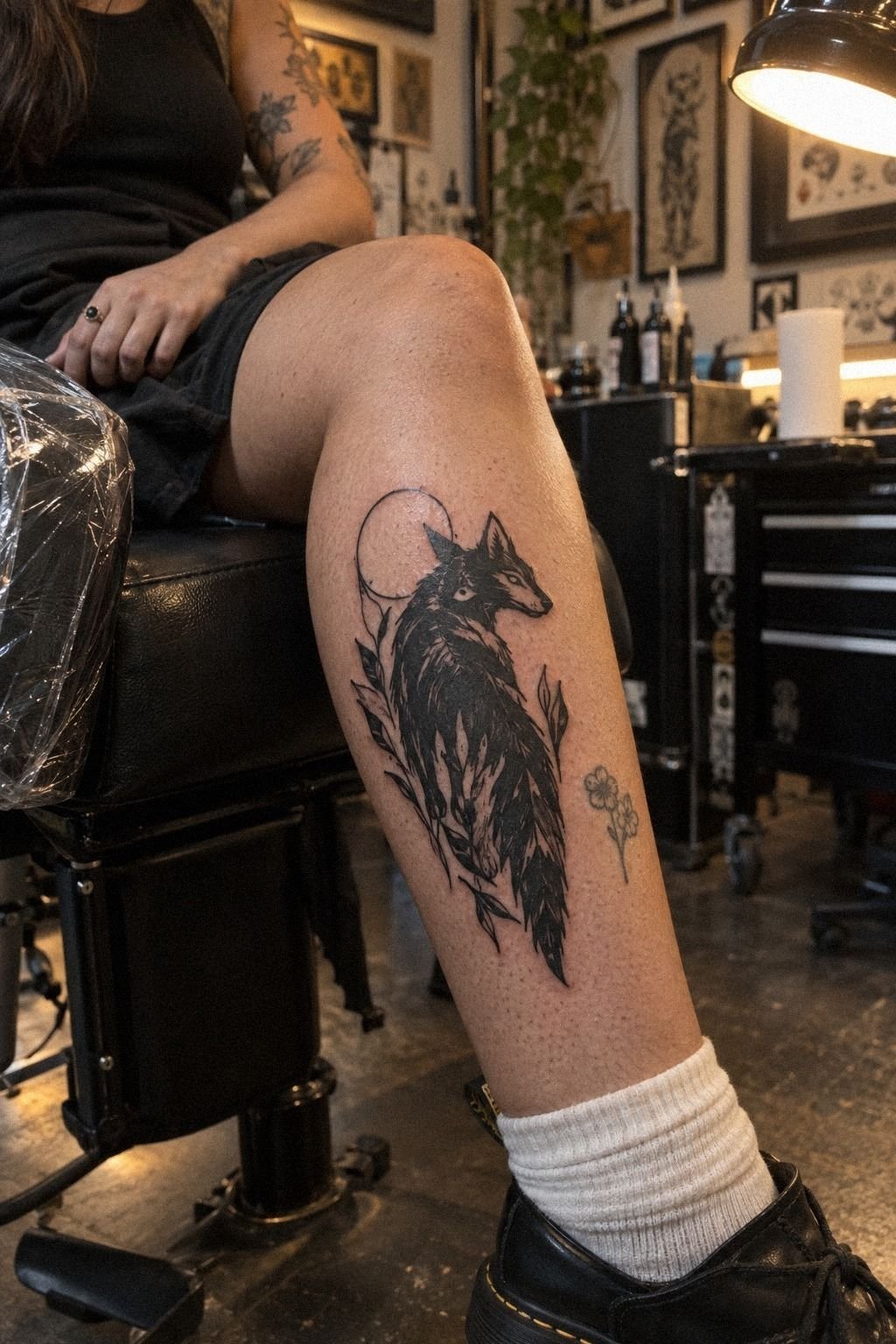
Bold blackwork needs a strong silhouette first. Choose solid blackwork shading that gives the animal weight without turning every section into a dark block. It can feel fierce and powerful, but it shouldn’t become visually flat.
I’d choose one recognizable animal gesture instead of combining antlers, flowers, stars, and decorative marks. You’re looking for an iconic outline that reads from several feet away, then rewards a closer look with smaller cuts and texture.
A calf placement gives you more tolerance than the sternum, and the skin usually offers a steadier working surface. You’ll still want to check the outline while standing, walking, and relaxing your leg.
But don’t confuse bold with oversized. A compact animal can feel memorable when the head, spine, or tail has one daring angle. I’ve seen designs lose their personality after an artist adds too much fill, so I’d protect the white gaps.
You’ll find more creature references in these unique tattoo ideas, but your artist should redraw the chosen animal rather than copy a flash image line for line. If you’re after something edgy and masculine, this approach has presence without needing a giant composition. It’s a strong first choice!
– Dense black ears, wings, or fur. – Crisp contour lines. – Small uninked breaks around the body.
3Sketchy Portrait Tattoos With Raw Texture: Can a Portrait Stay Raw?
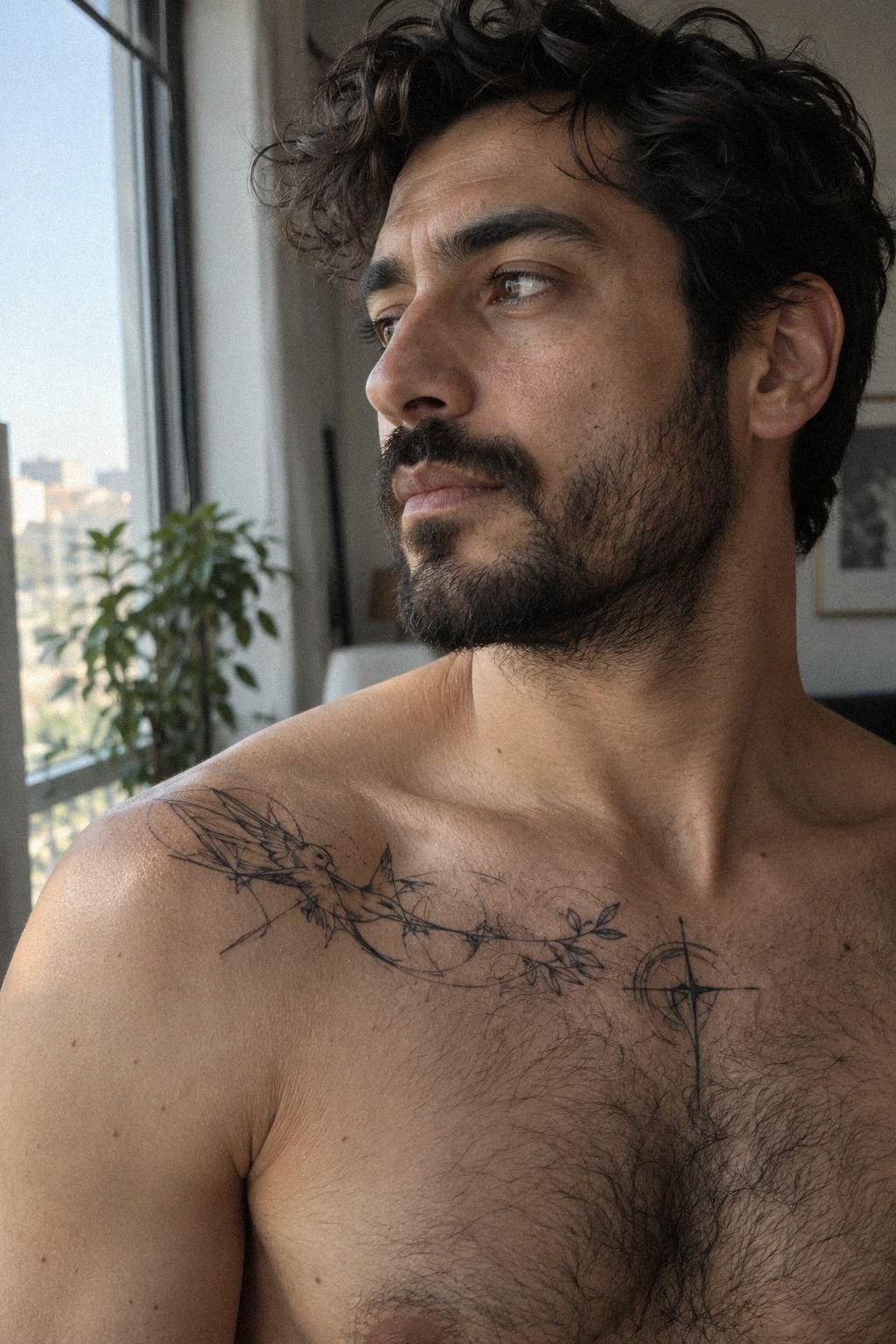
A sketchy portrait works when the face remains readable beneath the loose marks. Ask for graphite-style linework translated into tattoo lines, with only a few deliberate dark accents around the eyes, mouth, or hair.
You’ll want to choose a face with a simple profile or one dominant expression. Tiny portrait details can disappear if the design is too small, and collarbone skin moves more than people expect.
I’d skip a fully photorealistic treatment for a first tattoo. A stylized portrait ages with more grace because the artist has room to preserve the emotional shape. The result can stay expressive without becoming overly literal.
What makes this idea meaningful is the imperfection. A stray line near the cheek or a broken contour can feel haunting when it’s intentional. I’ve gone back and forth on sketch tattoos because some look unfinished when fresh, but healed softness often makes them more human.
If the portrait represents someone important, read our meaningful drawings tattoo meaning guide before you settle on a pose. You’re choosing an emotional symbol, not just a face. That difference matters when the novelty wears off.
– One expressive gaze. – A broken contour around the hair. – Sparse crosshatching near the jaw.
4Delicate Wrist Symbols With Personal Meaning: The Meaning Anchor
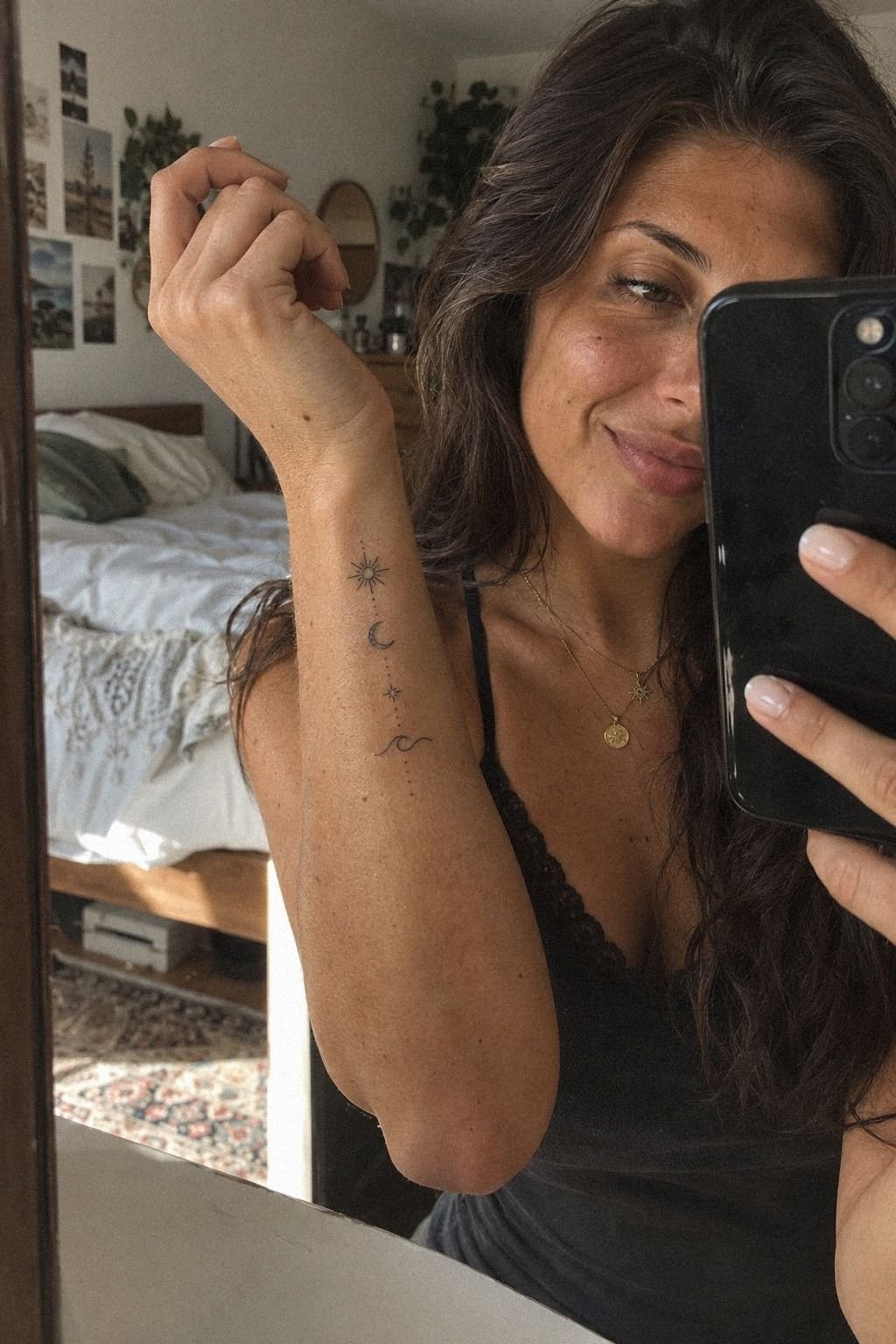
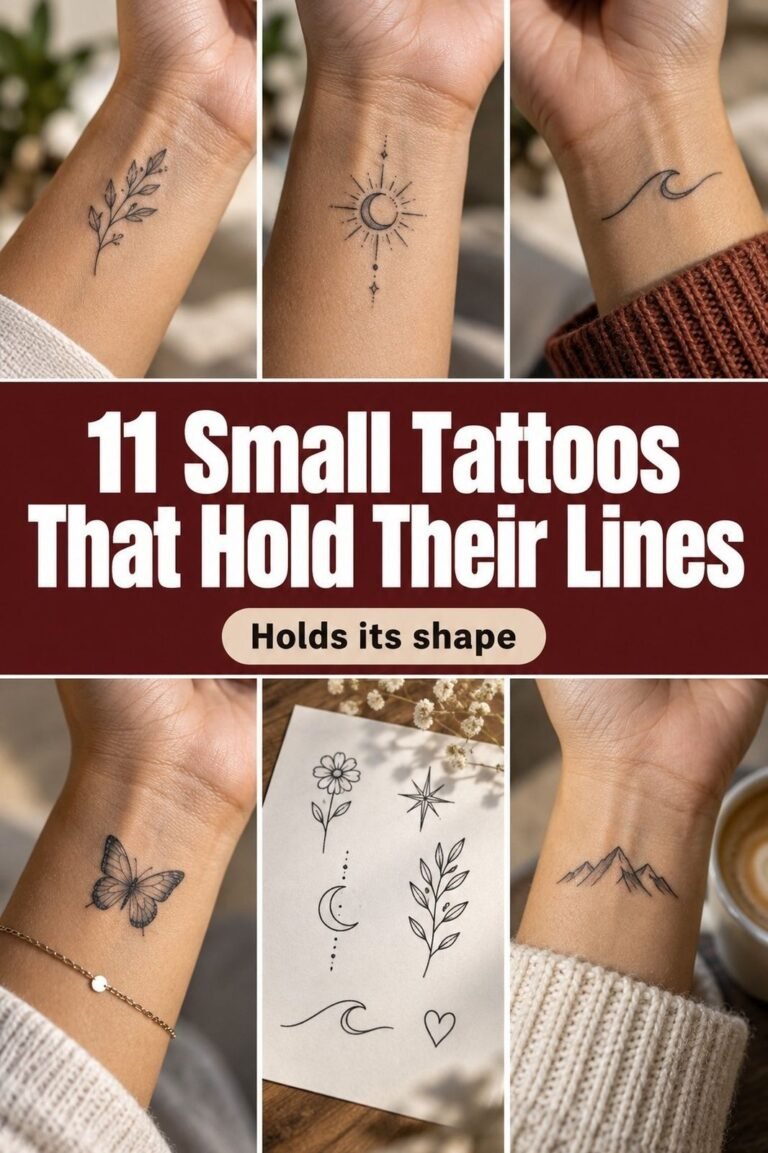
A wrist symbol has to be compact, clear, and personal enough that you won’t tire of seeing it.
5Ornate Backpiece Concepts in Flowing Linework: Find the Focal Point
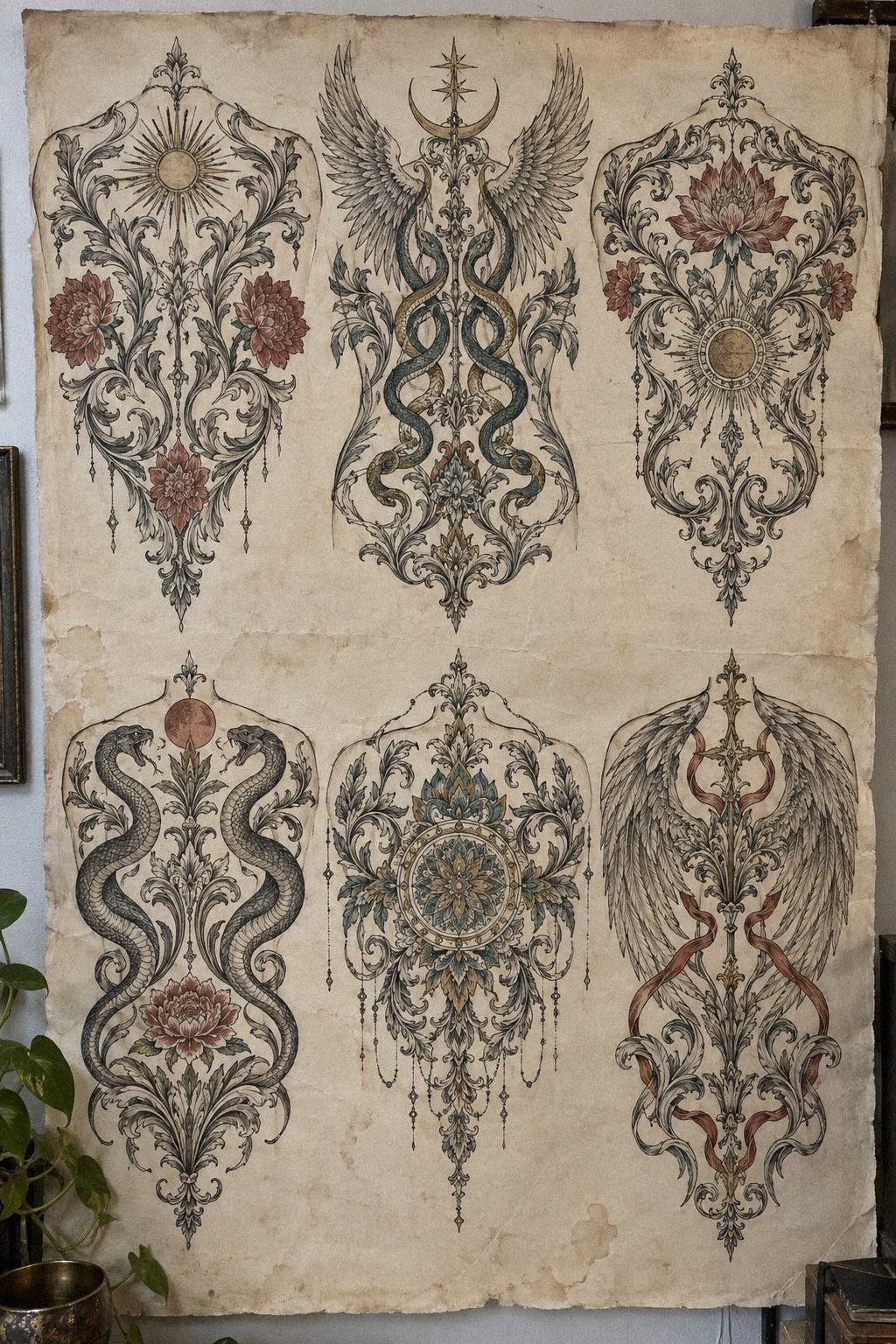
An ornate backpiece needs a strong center before it needs more detail. Use traditional black flash ink as a classic starting point, then let curls, leaves, and borders support the main motif.
You’ll need a larger scale for intricate details to remain crisp. I’d start with one central bird, heart, dagger, or ornamental flower, then test the composition along your spine and shoulder blades.
A design that looks balanced on paper may pull sideways when it follows your anatomy. Your artist should stencil the main silhouette before committing to smaller flourishes.
This is where more isn’t always better. I’d skip five competing focal points because your eye won’t know where to land. A graceful central shape with two supporting arcs feels more polished and gives the piece room to settle over time.
For more traditional references, browse unique American traditional tattoo ideas. You’re not required to make the final tattoo look exactly like the reference. Let the artist adjust the drawing for your body, because a custom curve will look more elegant than a forced copy.
– One dominant central image. – Heavy outer contours. – Flowing leaves and classic ornamental curls.
6Geometric Forearm Tattoos With Sacred Symmetry: The Three-Axis Rule
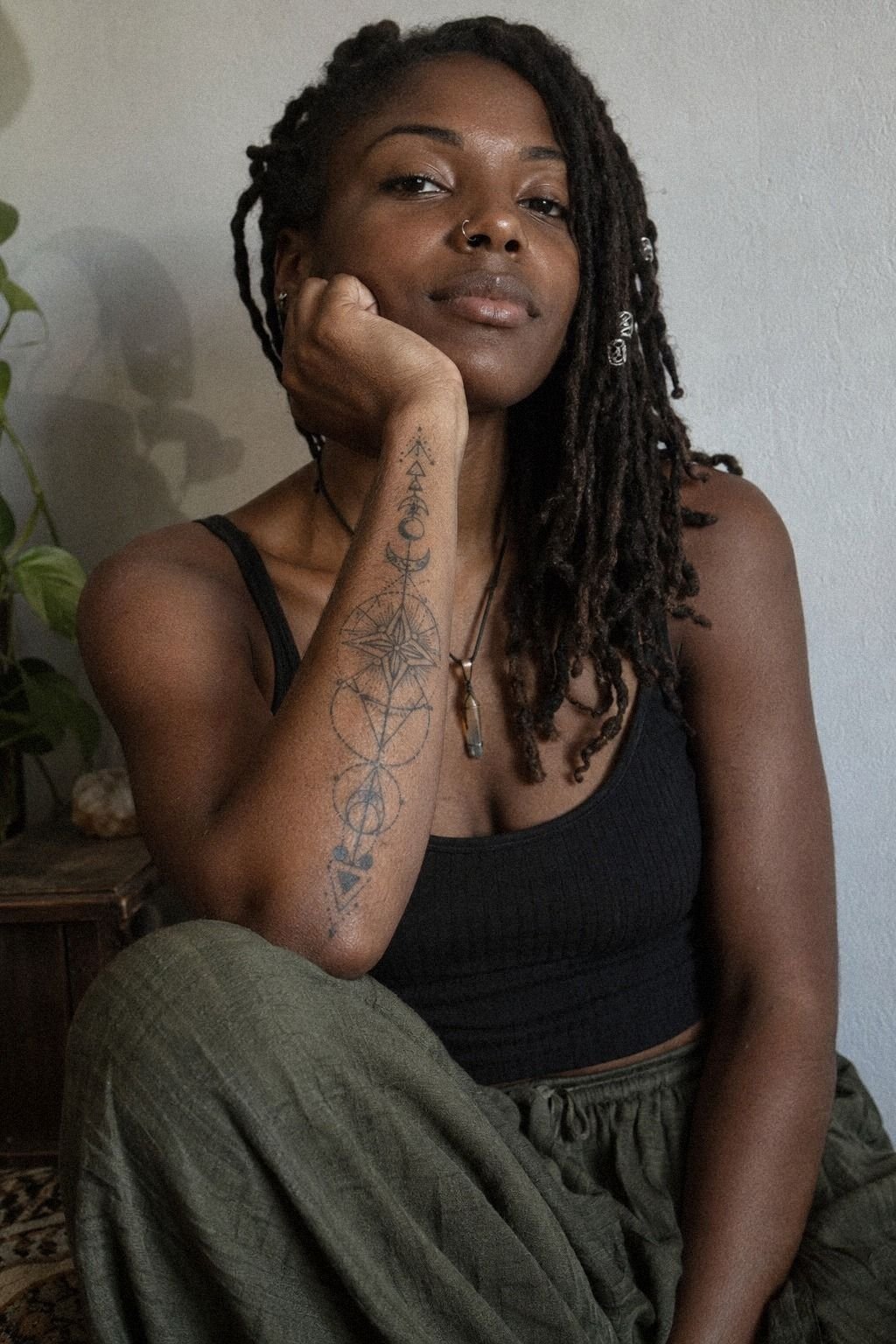
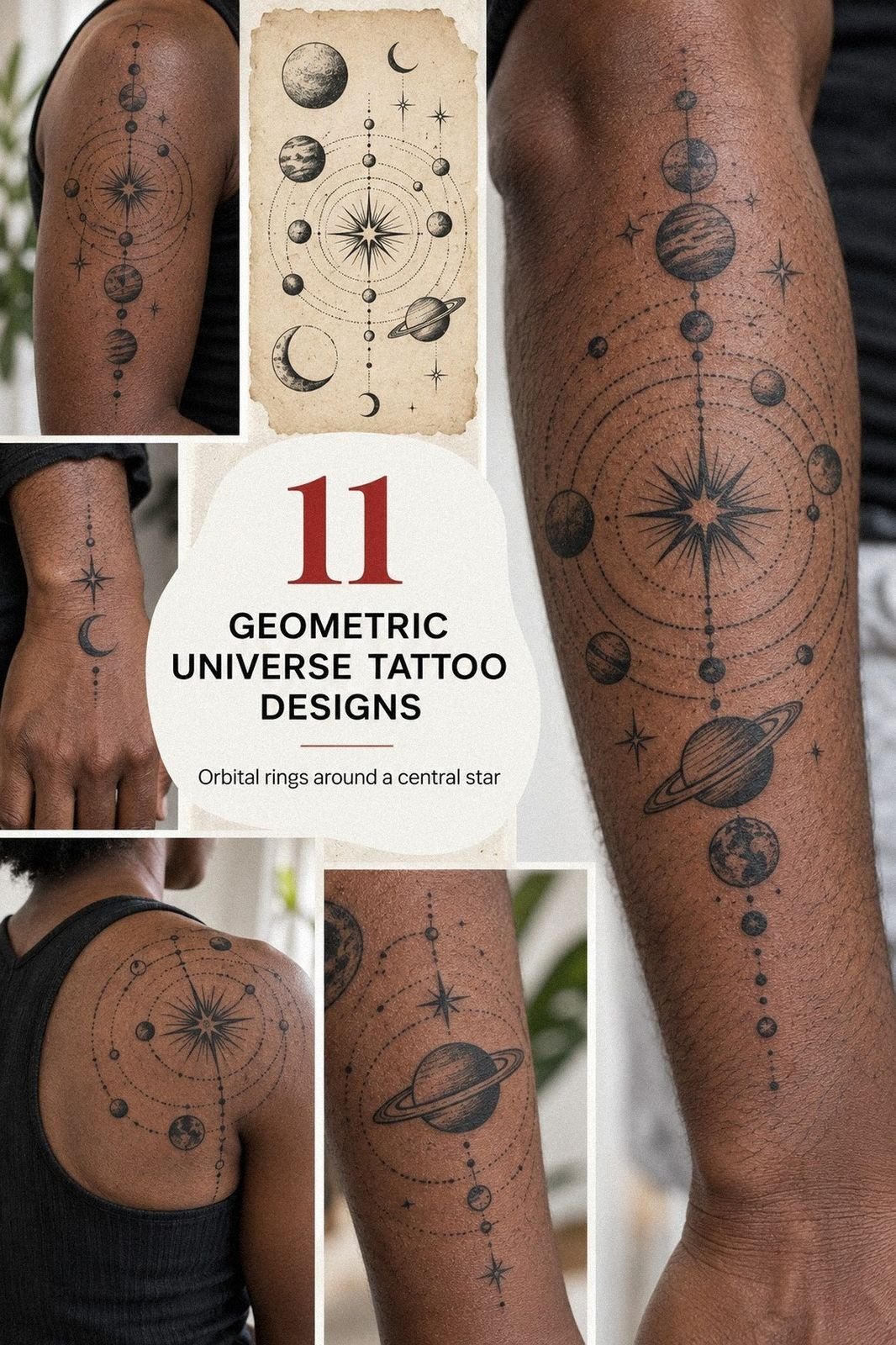
Geometric forearm tattoos depend on alignment more than decoration. Ask for high-contrast geometric linework that respects the natural length of your forearm.
Before you approve the stencil, check it from the front, side, and relaxed position. You’ll want the center axis to remain convincing when your arm turns.
I’d avoid placing a complicated mandala too close to the wrist crease, where movement can make the lower edge look uneven. A slightly higher placement often protects the geometry.
Don’t assume every sacred symbol should be perfectly dense. Open triangles, circles, and tapered rays can create a vibrant result without solid fill.
If you’re choosing a meaningful geometric motif, compare it with these fingerprint tattoo ideas unique, especially if identity and individuality matter to you. The strongest version won’t just look polished. It’ll carry a personal reason beneath the symmetry.
– Three clear axes. – Measured circles. – Black lines against untouched skin.
7Dainty Ankle Sketches Inspired by Vintage Flash: Small Mark, Strong Memory
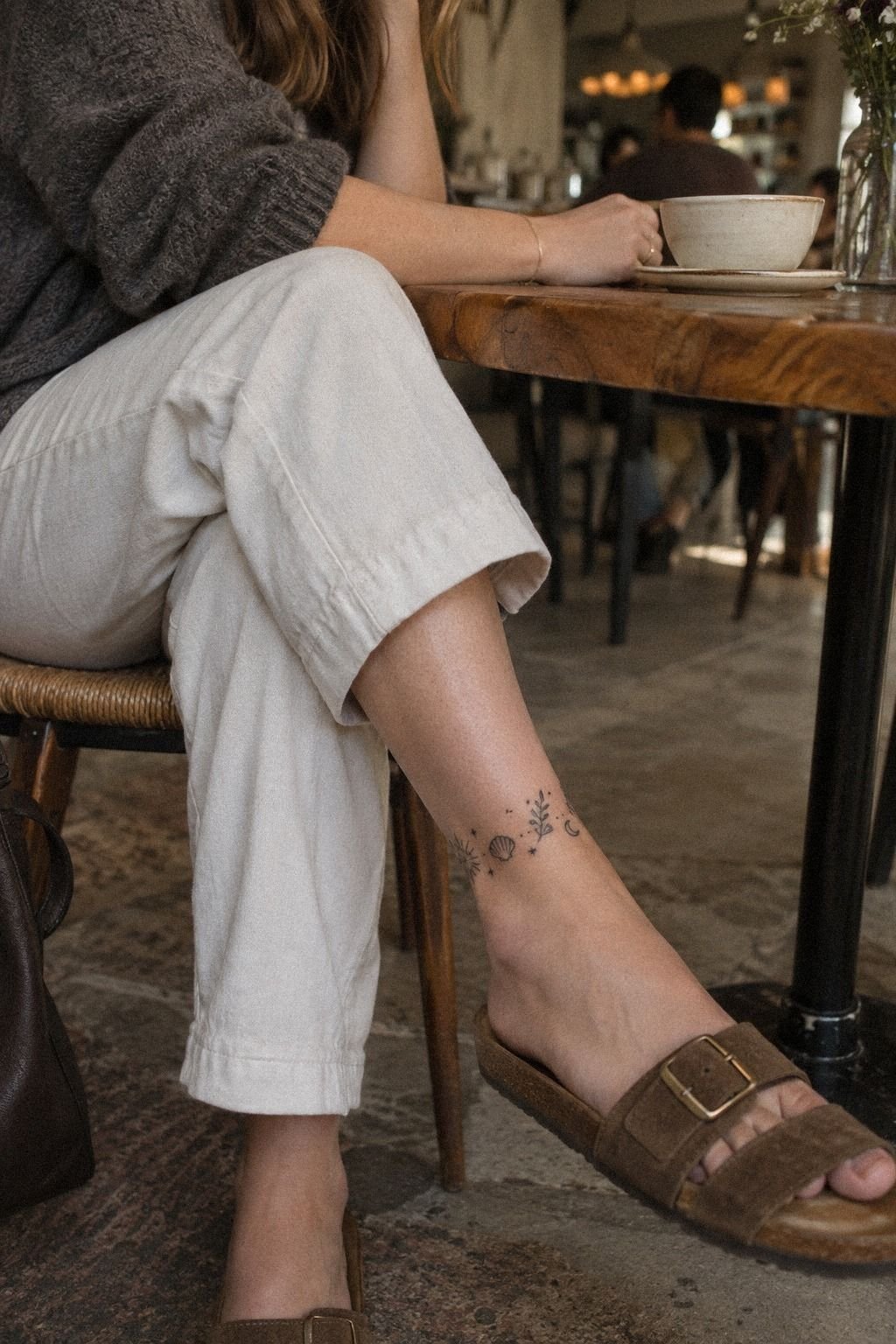
An ankle sketch works best when the outline stays simple.
8Fierce Neo Traditional Tattoo Drawing Ideas: The Focal-Point Ladder
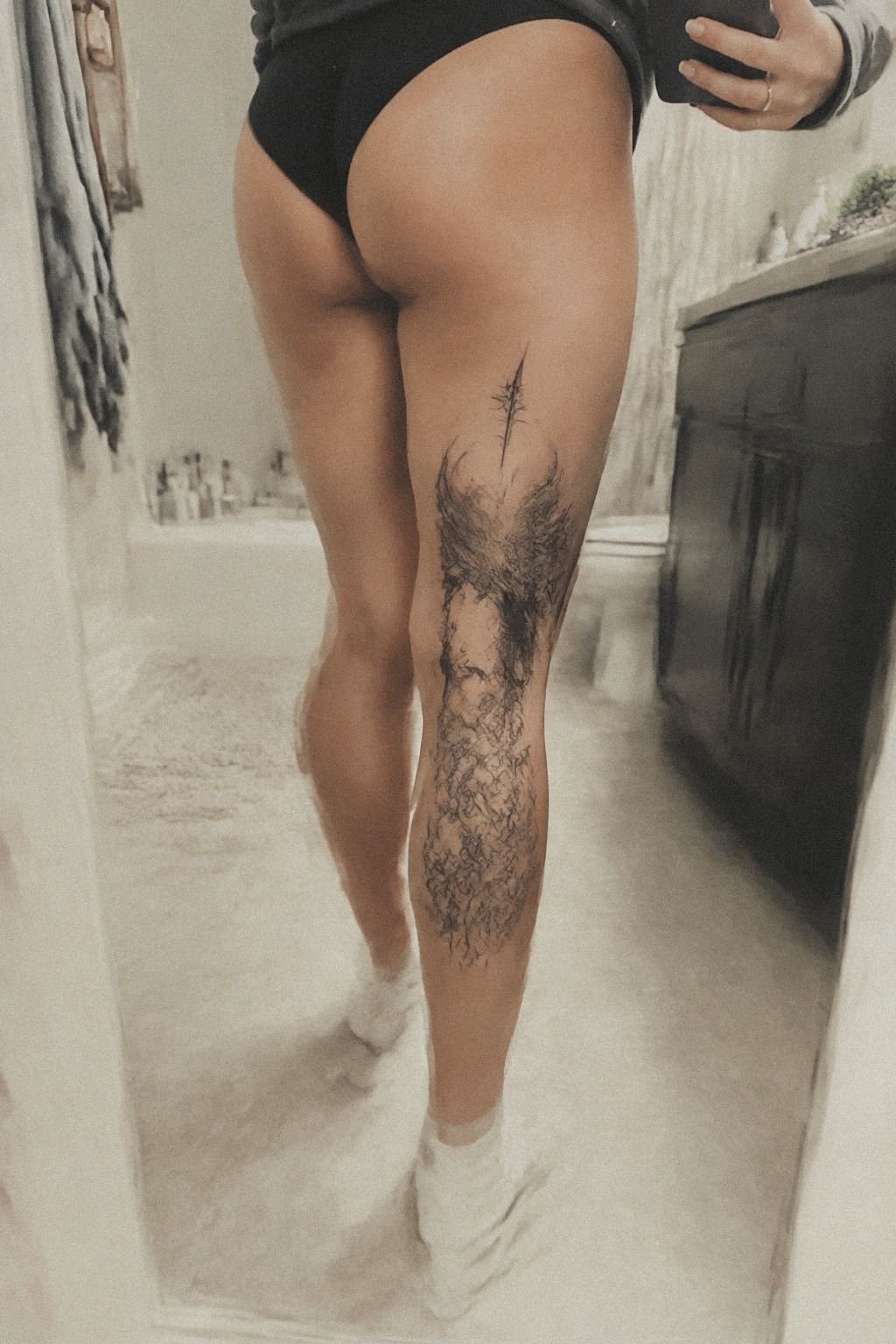
Neo traditional sketches are built for drama. Ask for neo traditional linework with a strong outer border before discussing color.
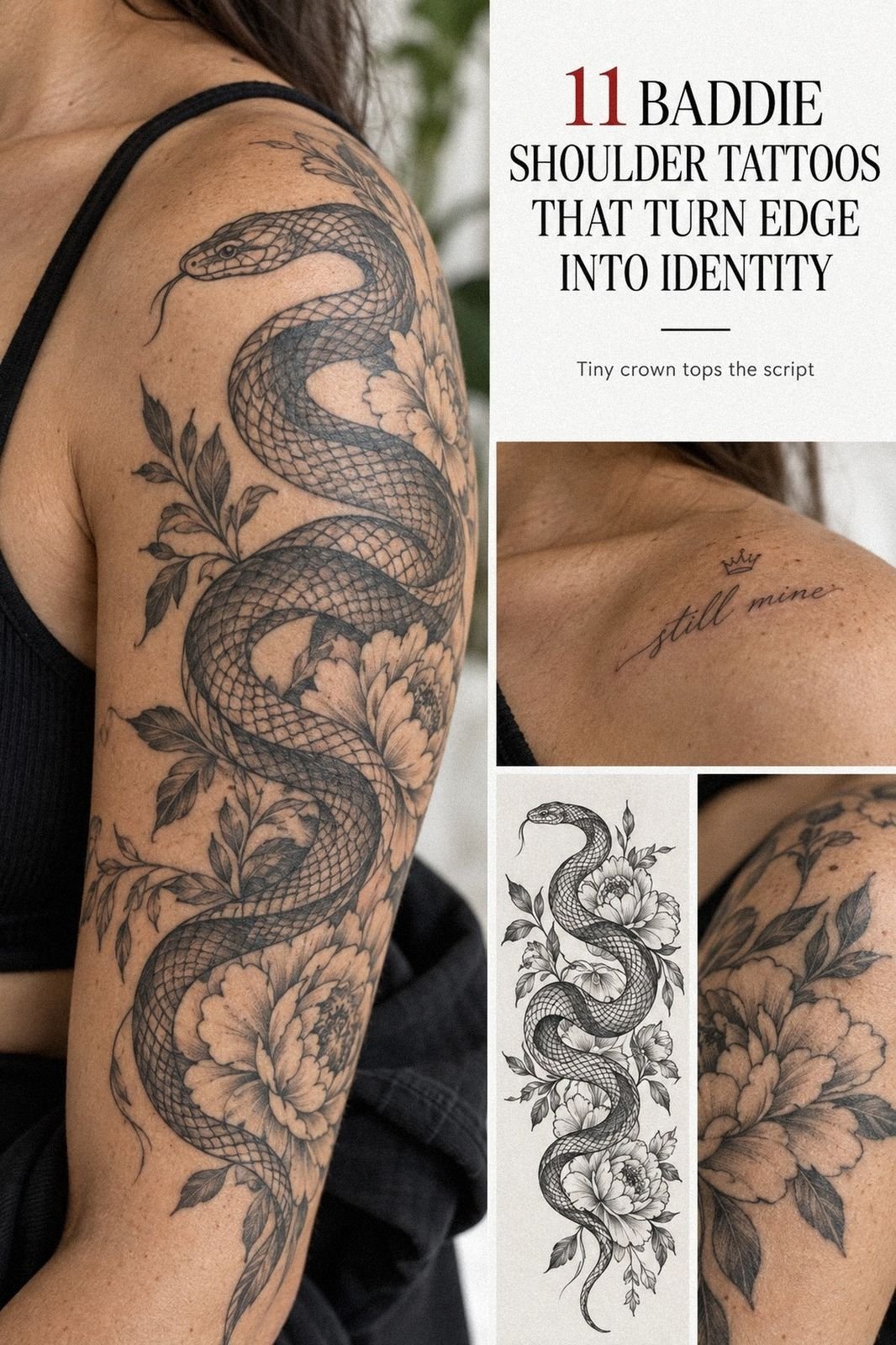
You’ll want one focal point that reads immediately, such as a tiger face, serpent, heart, or flame. Secondary shapes can add movement around it, but every element shouldn’t compete equally.
I’d skip a drawing where every detail shouts because the tattoo will feel noisy instead of powerful. The best hierarchy is clear at a glance and rewarding up close.
If you’re adding color, keep the palette limited. One saturated red, blue, or yellow can look more vibrant than six competing shades. I’ve watched artists simplify references by removing tiny highlights, and that choice often makes the finished tattoo more polished.
Compare the composition with unique American traditional tattoo references if traditional symbolism interests you. You’ll want the final sketch to feel personal rather than like a random flash pick.
A daring design still needs a reason you’ll respect later. That’s a daring move!
– Thick black outline. – One dominant face or emblem. – Controlled color accents.
9Minimal Finger Ink With Crisp Details: One Mark Over Micro Detail
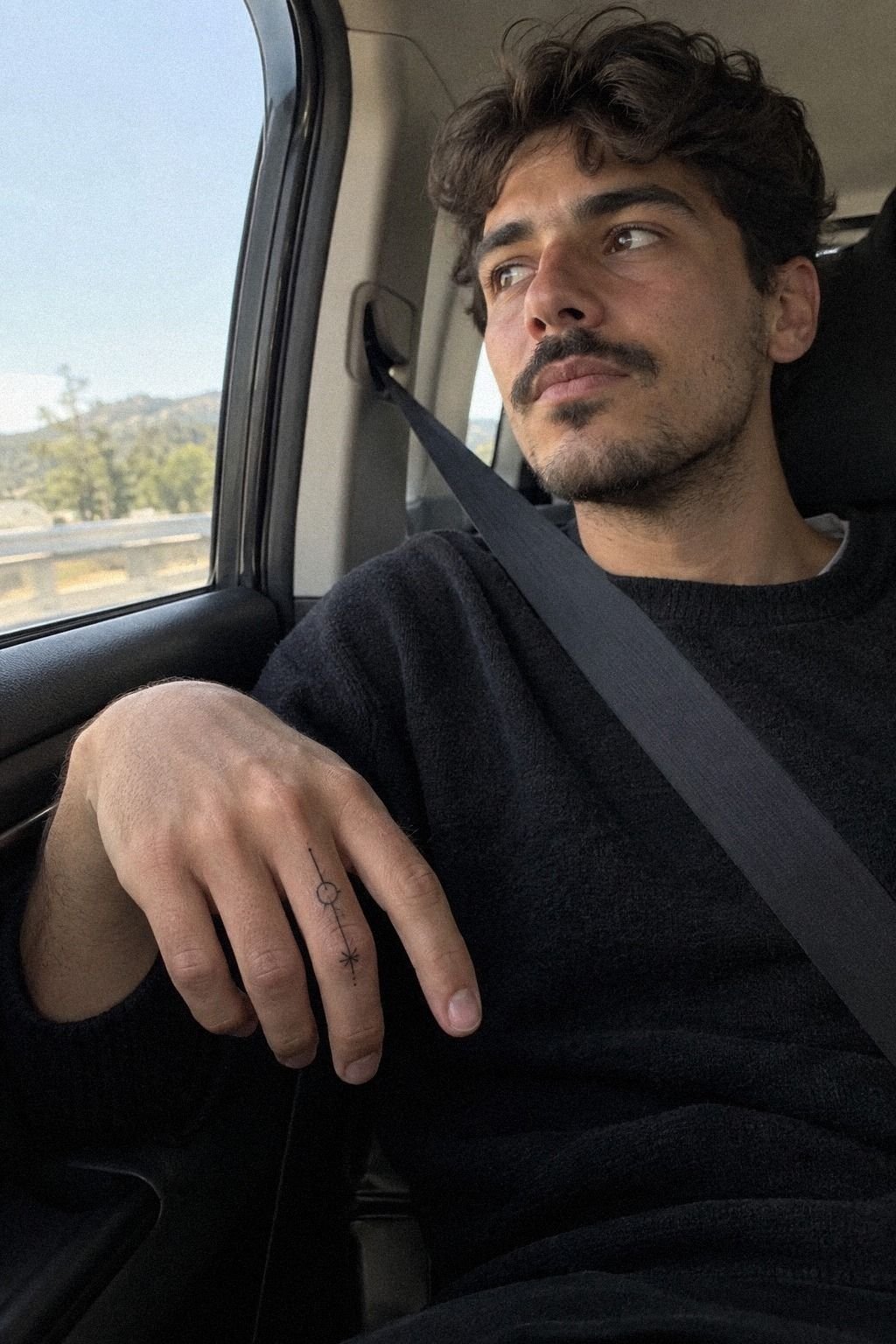
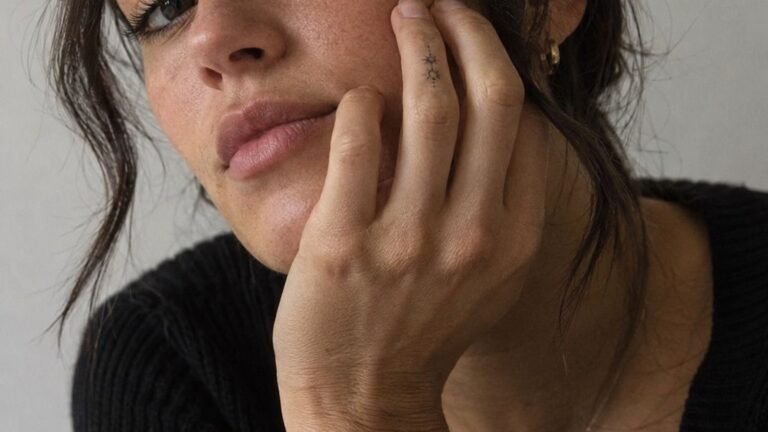
Finger tattoos reward restraint. Ask for crisp black finger ink that uses one symbol or a short mark rather than several fragile lines.
You’ll want to discuss fading before you book. Fingers experience washing, friction, and sunlight, so delicate designs may soften or need maintenance sooner than tattoos on protected areas.
I’d skip pale ink and dense shading here. A sharp black outline gives your artist the best chance of keeping the idea readable.
What would you rather see every day, a tiny symbol with a clear meaning or a crowded drawing you have to explain? I’d choose the first. A small arrow, crescent, initial, or fingerprint-inspired curve can feel understated and personal.
You can explore fingerprint tattoo ideas unique if you want a personal pattern rather than a common icon. Don’t let the small size fool you. The consultation still matters because your artist must account for finger shape and movement.
– One compact mark. – Strong contrast. – Plenty of untouched skin.
10Ethereal Rib Tattoos Using Soft Shading: The Soft-Shadow Test
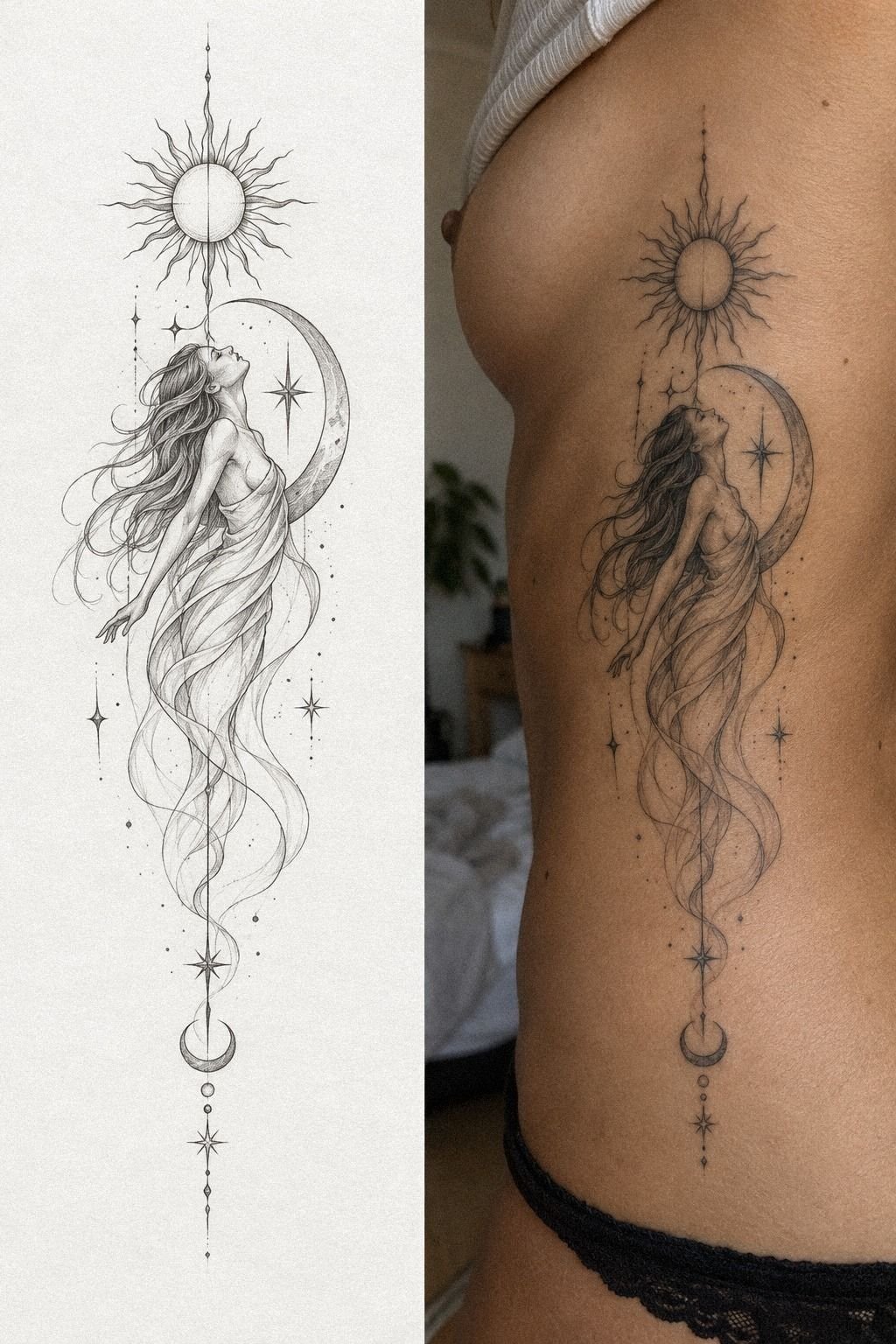
Rib tattoos can keep a personal drawing private while giving it an ethereal quality. Ask for soft gray tattoo shading only where it supports the form.
Rib skin sits close to bone, so you’ll want to plan for a patient session and loose clothing afterward. I’d choose a design with a strong outer shape because delicate interior marks may soften as the tattoo heals.
I’ve seen people overfocus on a fresh stencil and forget healed references. That’s a mistake. A tattoo should still look graceful once the initial brightness fades.
You’ll want to ask for healed examples from the same artist, especially if the design includes thin lines or pale shading. The long-term value of that conversation is hard to overstate.
If you’re collecting meaningful references, our meaningful drawings tattoo meaning guide can help you narrow the story.
– A clear outer contour. – Soft shadows beneath the form. – A symbolic flower, bird, or figure.
11Playful Colorful Tattoo Art for Custom Designs: Joy With Structure
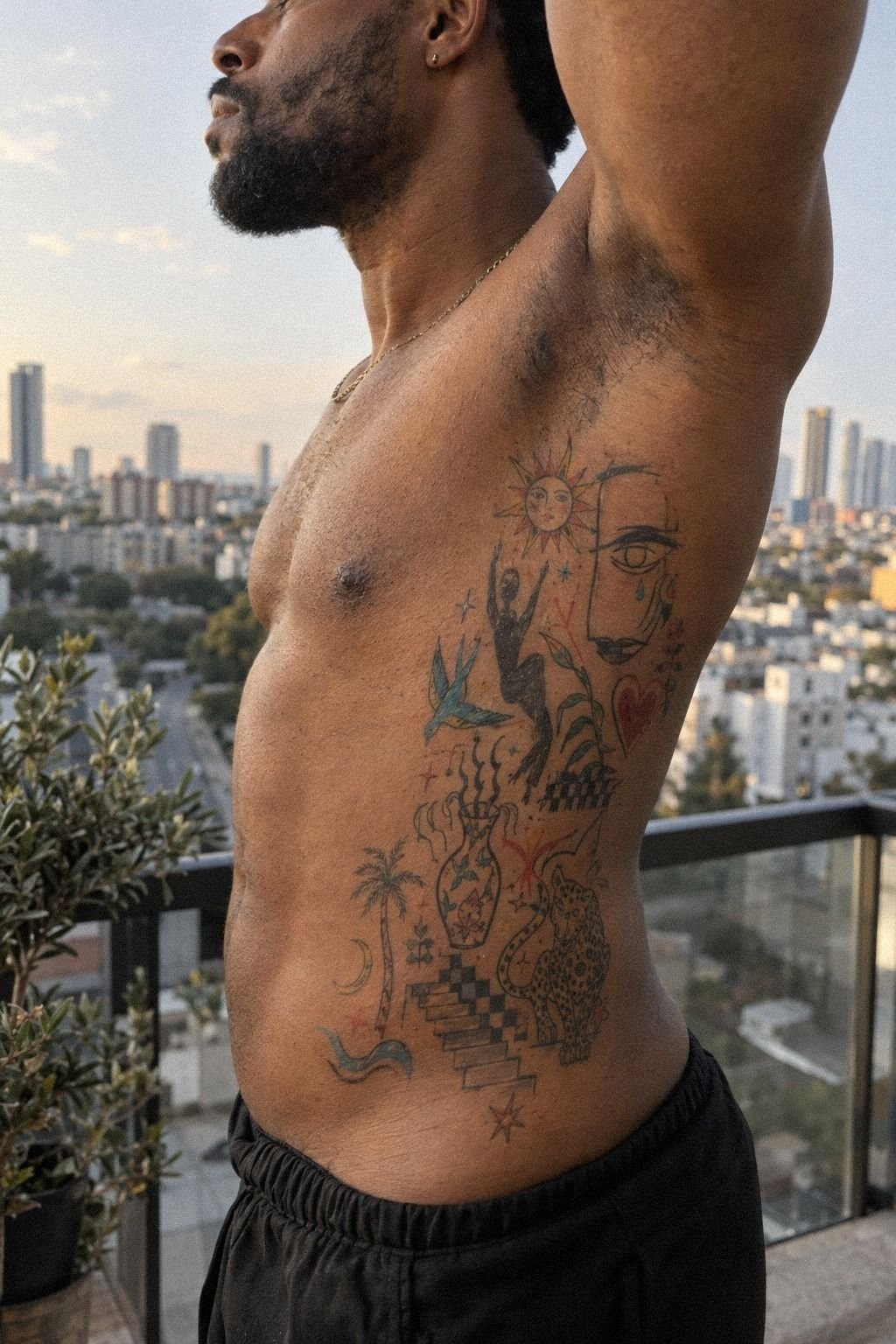
A colorful sketch can feel playful without becoming childish. Ask your artist about opaque tattoo color chosen for your undertone.
You’ll want to bring references that show healed color on comparable skin, not only fresh social media images. I’d skip a pastel-heavy design if the artist can’t show how those tones settle.
Richer reds, oranges, blues, and greens may create a vibrant result, depending on the pigment and your skin. Your artist should explain which colors offer the best value for your budget and maintenance expectations.
I’d combine one whimsical object with a personal detail, such as a favorite fruit with an important date hidden in the leaves. That balance keeps the drawing charming while preserving structure.
For more custom references, our tattoo art drawings design ideas can help you collect directions before the consultation. A good artist will redraw the concept for your skin, placement, and color needs. That’s how a playful sketch becomes an expressive tattoo you’ll keep loving!
– Bright color blocks. – Sharp black contour. – One personal object with a whimsical twist.
Before You Book: Let the Drawing Prove It
Before you pay a deposit, ask to see the drawing at its intended size. The final stencil may reveal cramped gaps, weak proportions, or a focal point that disappears when reduced.
You’ll also want to view it from several angles. A tattoo needs to work while you’re standing, moving, sitting, and checking it casually throughout the day.
I’d save three versions of your favorite idea: the original reference, the artist’s redraw, and the stencil. That record makes it easier to discuss changes without losing the personal reason behind the design.
If you’re still comparing concepts, these cool tattoo design drawings can help you identify what actually attracts you: the symbol, the line weight, the placement, or the overall mood.
Budget, Value, and the Cost of Detail
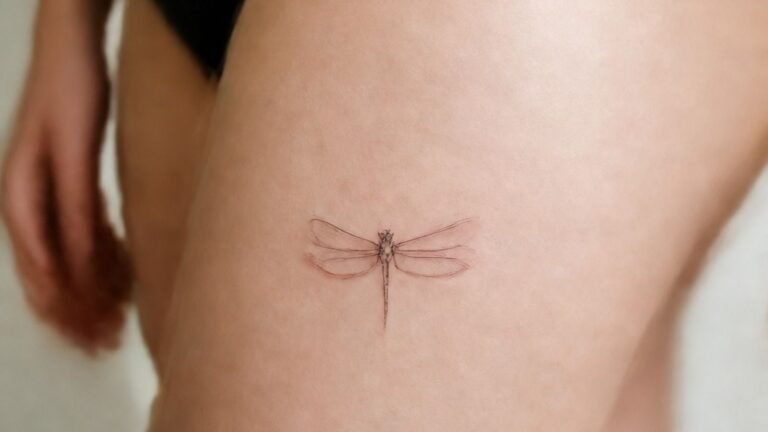
A small tattoo may cost less than a larger custom piece, but size alone doesn’t determine the price. The shop minimum can cover setup, consultation, and a short appointment.
You’ll want to ask whether the quote includes the drawing fee, stencil changes, color, and a future touch-up. That makes the budget easier to judge and protects you from unpleasant surprises.
In the United States, a small tattoo may have a typical shop minimum around $50 to $100, while hourly rates often fall around $100 to $250. A larger custom piece can take more than one appointment.
The cheapest option isn’t always the best value. I’d rather pay for a skilled artist who understands placement and healed results than save money on a design that needs major correction.
For more style comparisons before you commit, review these unique tattoo drawings. You’ll have a clearer sense of what feels worth it before discussing your budget.
Healing and Aftercare: What Holds Up?
The design isn’t finished when the appointment ends. Your artist’s aftercare instructions should guide washing, moisturizing, clothing, and sun protection.
The surface usually heals in about two to three weeks, while deeper healing can take two to three months. You’ll want to avoid swimming and direct sun until your artist says the skin is ready.
I’d resist adding every product recommended online. Gentle washing, suitable moisturizer, and patience usually matter more than an elaborate routine.
If the tattoo becomes unusually painful, hot, swollen, or concerning, contact a qualified medical professional. Your artist can explain normal healing, but they can’t diagnose a health problem.
For a second reference point, compare the placement advice in these unique American traditional tattoo ideas. A bold outline and sensible spacing often improve long-term readability.
How to Choose an Artist With Receipts
Review a portfolio with clean linework, healed photographs, and examples close to your chosen style. A healed portfolio proves consistency, not just one impressive image.
You’ll want to ask how often the artist creates custom drawings instead of reproducing flash. Their answer can tell you whether they’ll protect your idea or rush toward a familiar template.
I’d also check hygiene practices, consultation policies, deposits, and revision limits. Clear policies are part of the value, especially when you’re investing in a larger or more intricate piece.
An artist may be excellent at bold blackwork but less confident with delicate botanical work. Choose the specialist whose recent results match your actual goal.
These American traditional tattoo references are useful when you want to compare line weight and visual hierarchy before contacting an artist.
The Age Test: Will You Still Want It?
Fresh ink can look crisp, striking, and almost luminous, but healing changes contrast. The healed tattoo is the version you’ll live with, so it deserves more attention than the appointment-day result.
You’ll want to ask how the lines may soften, where color could fade, and whether the design leaves enough separation between small elements. Those answers can change the scale you choose.
I’ve learned that a slightly simpler sketch often keeps more personality than a crowded one. Your future self may appreciate the decision to protect the silhouette.
A personal reason helps, too. If you still care about the symbol when the trend feels less exciting, the tattoo has a better chance of remaining meaningful.
For more symbolic directions, save these meaningful tattoo drawing ideas and notice which concepts still interest you after a few days.
Why These Sketches Are Worth Choosing Carefully
I’ve made the mistake of choosing a tattoo from a beautiful screenshot without checking the artist’s healed work. Fresh ink can look sharp, polished, and vibrant, but healing changes the contrast.
You’ll want to judge the idea across time, not only in the appointment chair. Lines may soften, color may settle, and a design that looked spacious on paper may feel tighter on skin.
My rule is simple: the design needs a clear silhouette, a personal reason, and a placement that suits its line weight. A delicate sternum drawing shouldn’t be judged by the same standard as solid blackwork on a calf.
I’d rather see a smaller, well-spaced tattoo than an ambitious sketch packed with detail that won’t age gracefully. That’s usually the better investment.
If you’re still weighing styles, these unique tattoo ideas offer useful directions for comparing symbolism, scale, and placement.
The Questions I Get Asked Most
How much do tattoo sketches unique drawings usually cost?
A small tattoo often falls around $100 to $300 in the United States, though a shop minimum may be about $50 to $100 and hourly rates may run about $100 to $250. The final cost depends on size, placement, artist, region, and detail. Ask for an estimate before booking.
Are tattoo sketches unique drawings a good idea for a first tattoo?
Yes, especially when you choose a readable placement and controlled detail. Clear linework gives your first tattoo a strong visual identity. Forearm, thigh, and shoulder placements can feel more tolerable than ribs, feet, hands, or sternum areas.
How do I choose an artist for tattoo sketches unique drawings?
Review a portfolio with clean linework, healed photographs, and examples close to your chosen style. A strong portfolio proves consistency, not just one impressive image. Check hygiene practices, ask about custom work, and make sure the artist understands your placement.
How much do tattoo sketches unique drawings hurt?
Pain varies by person, but ribs, feet, hands, and sternum are often more sensitive because they have less padding and more bone or movement. Forearm, thigh, and shoulder placements are usually more tolerable. Tell your artist if you need a pause.
How long do tattoo sketches unique drawings take to heal?
The surface usually heals in about two to three weeks, while complete healing can take about two to three months. Gentle washing and sun protection support the healing process. Avoid swimming and direct sun until your artist says the skin is ready.
What’s the best placement for tattoo sketches unique drawings?
The best placement depends on line weight and visibility. Forearm and shoulder placements are practical for readable fine lines, while ribs and sternum can feel more private but often hurt more. Fingers and ankles look striking, though friction may make maintenance more likely.
Where I’d Start First
If I had to pick one, I’d start with the fine-line botanical sternum sketch. Its open spacing gives thin lines room to breathe, and the design can stay personal without relying on heavy shading.
Pin it for later, then ask your artist for a healed example before you commit. You’ll know it’s the right choice when the idea still feels meaningful after the excitement fades. Start there!