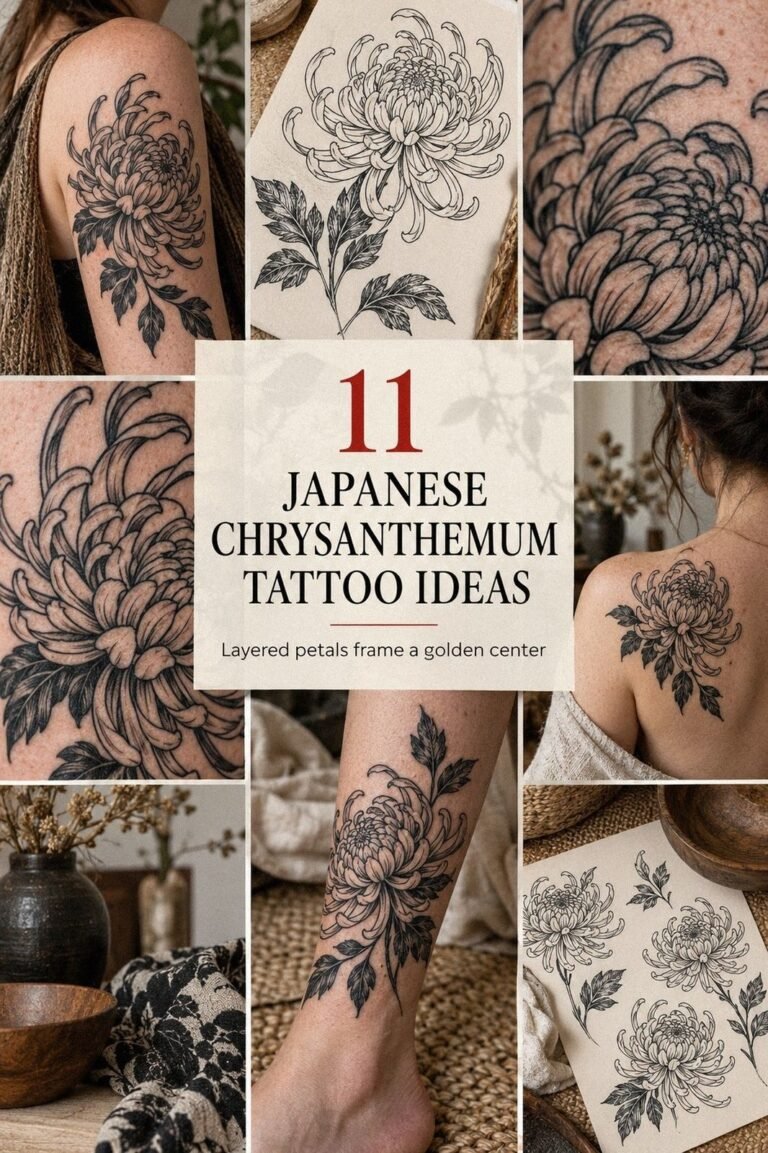
I’ve had a lot of women sit in my chair over the years, and the ones who walk out happiest aren’t always the ones with the biggest pieces. They’re the ones who found something that actually means something to them, placed somewhere that works with their body and their life. “Unique” doesn’t have to mean weird or shocking. It means it’s yours. Here’s what I’ve learned watching thousands of women find their perfect design.
Popular Styles That Actually Hold Up
Some styles are popular for a reason, they age well, they photograph clean, and artists actually enjoy doing them. I’ve tattooed enough faded tribal from the 90s to know that trendy doesn’t always mean timeless. These are the styles I steer women toward when they want something that’ll still look good at their kid’s graduation.
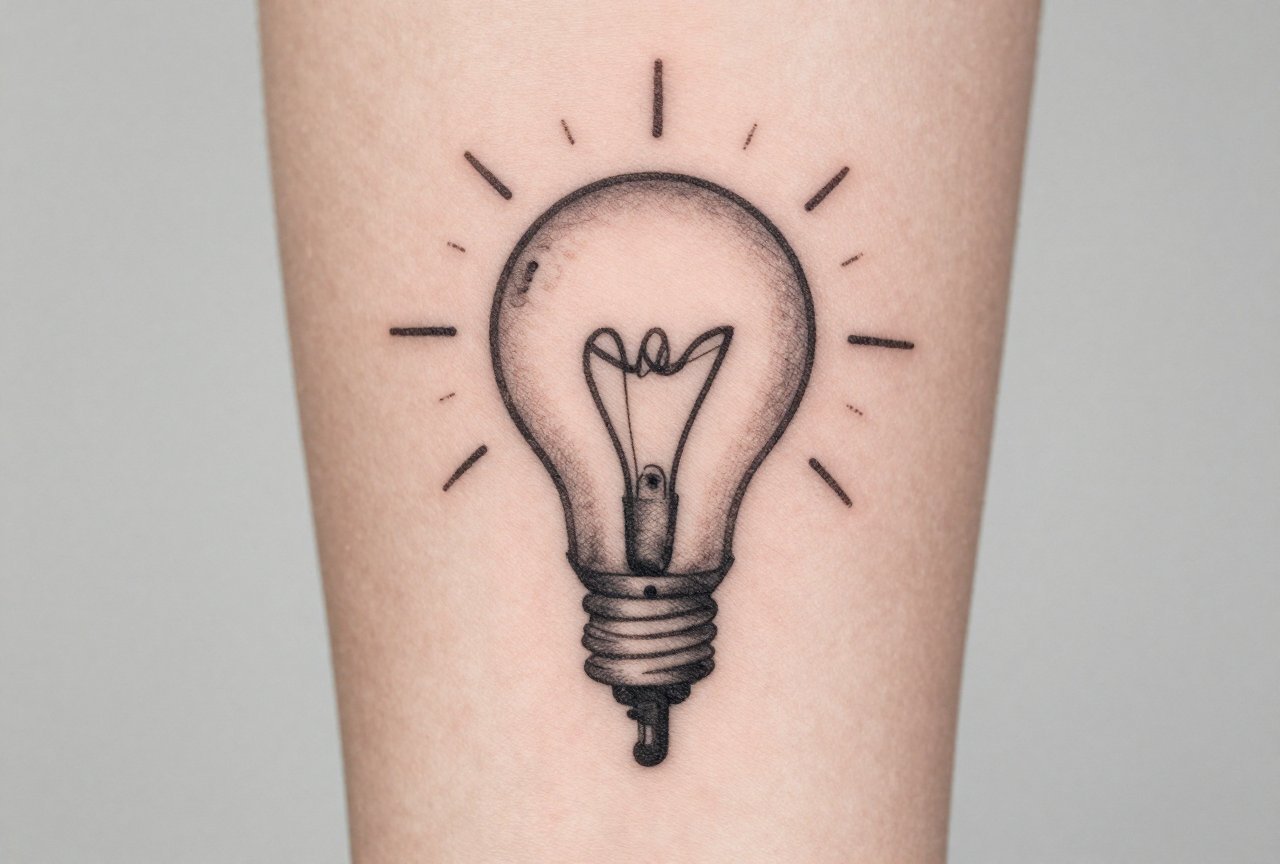
Fine Line and Single Needle
This is huge right now, and for good reason. Single needle work looks delicate, almost like a pen drawing on skin. I’ve done fine line florals on wrists that look like jewelry, tiny script behind ears that reads like a whisper. But here’s the shop reality: fine line fades faster. Those hair-thin strokes? They blur and soften over five to ten years. I always tell clients to expect a touch-up, or to go slightly bolder than they think they want. The sweet spot is fine line with a little weight behind it, enough pigment to last, light enough to feel feminine.
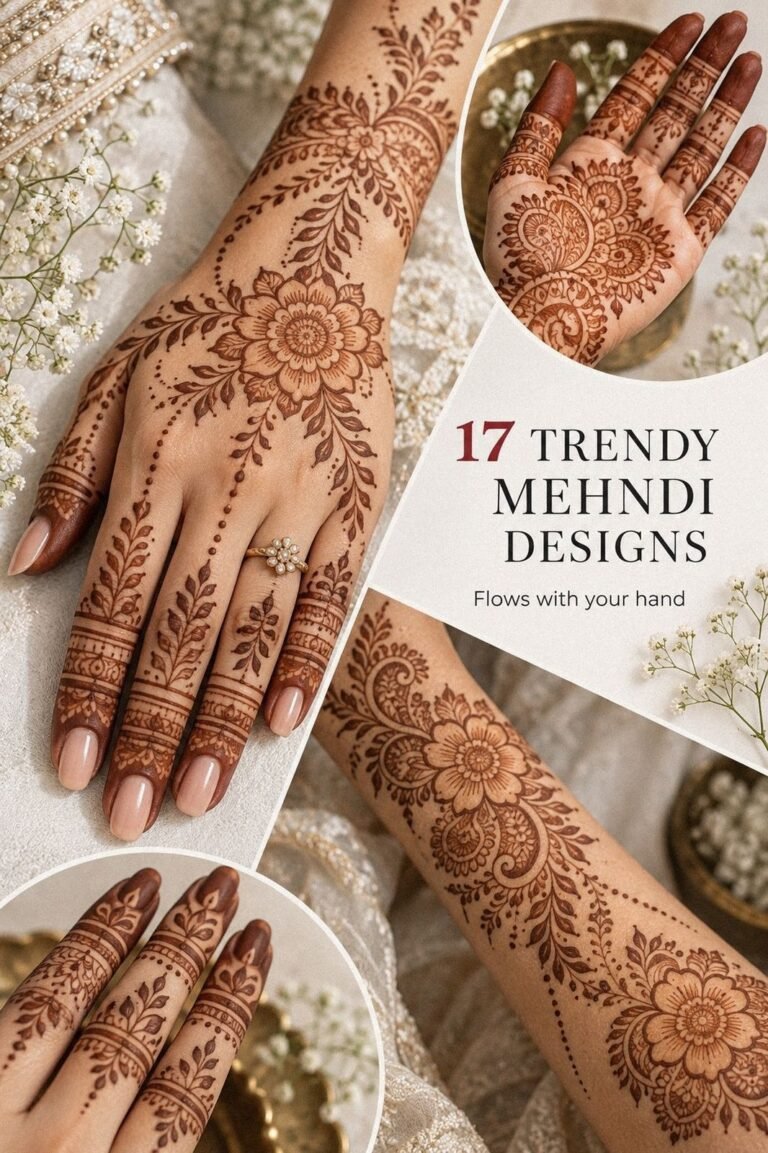
Ornamental and Decorative
Think mandalas, lace patterns, henna-inspired geometry. These flow with the body’s curves in a way that figurative stuff sometimes doesn’t. I’ve done sternum pieces that look like heirloom jewelry, thigh ornaments that frame muscle structure beautifully. The key is finding an artist who understands symmetry on a curved surface. I’ve seen too many Instagram-perfect designs that look crooked in real light because the artist didn’t account for how the body moves.
Design Ideas Beyond the Pinterest Obvious
Everyone wants something “unique” but then shows me the same saved posts. Here’s what’s actually fresh in shops right now, the stuff that makes other artists stop and look.
- Botanical with scientific accuracy. Not just a pretty rose, a Rosa gallica with proper stem structure, maybe paired with its Latin name. I’ve tattooed pressed-flower compositions that look like vintage herbarium pages. They age beautifully because the linework is varied and interesting.
- Personal cartography. Coordinates are played out, but I’ve done soundwave tattoos of a grandmother’s laugh, topographic maps of meaningful hiking trails, constellation charts from specific dates. One client got the exact tide pattern from the beach where she met her partner. That’s the kind of thing no one else has.
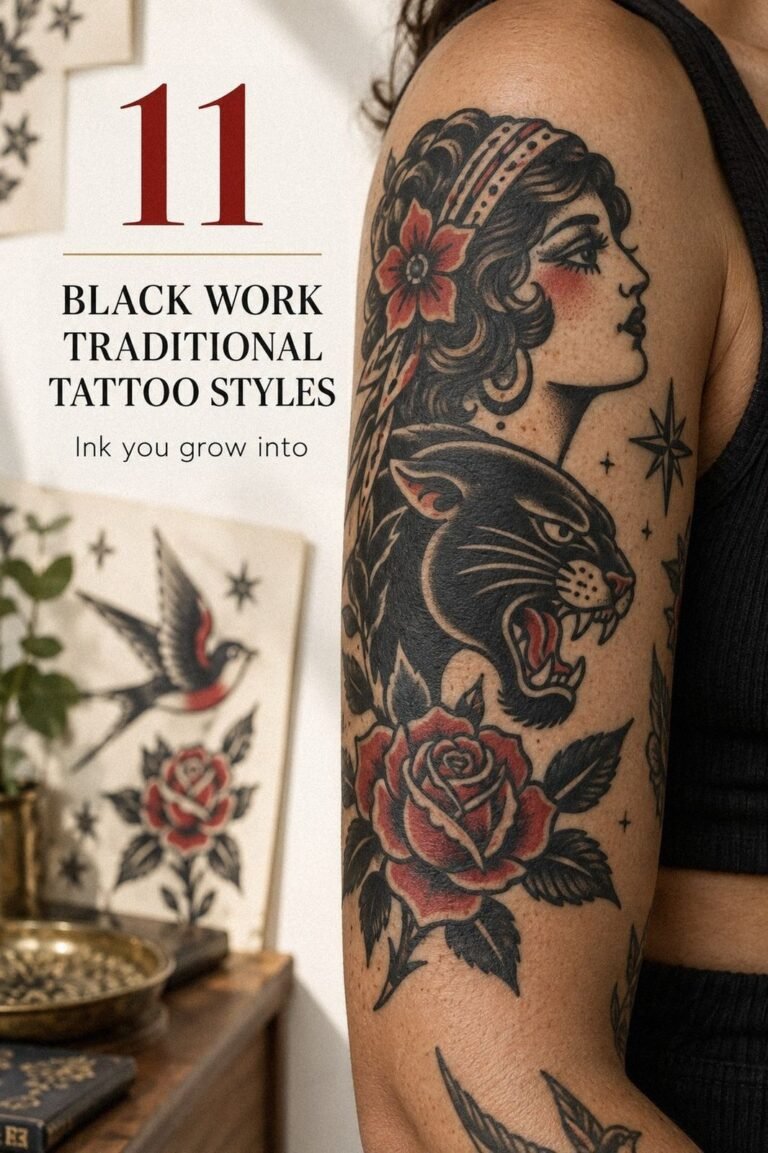
- Reimagined traditional motifs. Take something classic, an anchor, a swallow, a dagger, and let a neo-traditional artist feminize it. I’ve tattooed daggers wrapped in peonies instead of ropes, swallows with art nouveau flourishes. It honors history without being a copy.
- Negative space designs. Using the skin itself as part of the image. I’ve done forest silhouettes where the trees are black but the moon is uninked skin, geometric animals that only exist in the spaces between lines. These need confident execution, hesitant linework kills the effect.
Text and Lettering That Isn’t Basic
Script is the most requested, most botched category I see. “Live Laugh Love” in cursive on a ribcage? Please. But I’ve done beautiful work with typewriter fonts for journal entries, handwritten reproductions of actual letters from deceased relatives, even Braille (though I warn clients it raises and becomes unreadable over time). The trick is making the words part of a larger design, not just floating there. Frame them. Integrate them. Make the typography itself artistic.
Best Placements for Women
Placement changes everything. Same design, different spot, completely different vibe. I spend a lot of consultation time just moving stencil paper around while clients look in the mirror.
Spots That Age Gracefully
Upper arms, outer thighs, upper back, these areas have relatively stable skin over time. I’ve tattooed women in their 50s whose arm pieces from decades ago still read clean because the skin there doesn’t stretch and sun-damage as aggressively. The ribcage is popular but brutal: it hurts, it blurs as we age (breathing moves that skin constantly), and it rarely sees sunscreen.
Hidden vs. Visible
Behind the ear, inner bicep, side of the ribcage, top of the foot, these peek out when you want them to. I’ve had lawyers and teachers who need coverage for work, and these spots let them have their art without professional consequences. Conversely, I’ve done bold forearm and hand pieces on women who wanted their tattoos to be part of their daily presentation. Neither choice is better. I just ask clients to be honest about their lifestyle.
One placement I love that doesn’t get enough attention: the side of the neck, extending slightly behind the ear. It’s intimate, frames the jawline, and can be covered with hair if needed. I’ve done delicate chains and small botanicals there that look like permanent jewelry.
Color Choices: What Lasts vs. What Fades
Black and grey is the safest bet for longevity. I’ve watched color tattoos fade to muddy versions of themselves, especially reds that go pink and yellows that disappear entirely. But color done right is stunning. Here’s the real talk:
- Jewel tones hold best. Deep emerald, sapphire, burgundy, these pigments are stable and fade to still-attractive versions. I’ve got a ten-year-old peony on a client’s shoulder that still reads clearly because we used saturated, dark-based colors.
- Pastels are temporary art. Soft pink, lavender, peach, these look gorgeous for two years, then they’re ghosts. I do them, but I warn clients. Some are fine with that timeline. Others aren’t.
- White ink is mostly a myth. It yellows, it disappears into darker skin tones, it looks like a scar. I turn down white-only designs unless the client has very fair skin and realistic expectations.
My favorite color approach lately: black and grey with one strategic accent color. A greyscale portrait with amber eyes. A botanical piece with one blood-red flower among black ones. That single color pop stays vivid longer because there’s less of it competing for attention.
Tips for Choosing Your Artist
This matters more than the design itself. A mediocre artist can ruin a brilliant concept. I’ve fixed enough bad work to know.
Research Beyond Instagram
Social media shows finished, filtered, freshly-done work. I tell clients to look for healed photos, to ask artists for six-month or year-old examples. Any decent artist keeps these. Also look for consistency, does their line weight stay steady? Do their healed blacks look solid or patchy? I’ve seen accounts with one viral post and fifty mediocre ones. The viral post might not even be their work.
Consultation Red Flags
If an artist rushes you, if they won’t sketch beforehand, if they dismiss your concerns about placement or size, walk. I’ve watched clients get pressured into spots or sizes that don’t fit them because the artist was lazy or arrogant. Good artists ask questions. They want to know how you dress, what you do for work, if you’re planning pregnancy (stomach and chest pieces change dramatically). They care about the tattoo’s life, not just the appointment.
Also: cheap tattoos aren’t good, and good tattoos aren’t cheap. I hate saying it because it sounds like a shop cliché, but I’ve covered enough $50 kitchen ink to know it’s true. Save longer. Wait for the right artist. Your skin doesn’t have a delete button.
Final Thoughts
The most unique tattoo you’ll ever get is the one that actually belongs to you. Not the one with the most Pinterest saves. Not the one your favorite celebrity has. The one that connects to your specific life, your specific body, your specific story.
I’ve tattooed women who cried because they finally felt ownership of their skin after trauma. I’ve tattooed women who laughed through entire sessions because the design celebrated something joyful. I’ve tattooed cover-ups of cover-ups, mistakes that taught hard lessons. Every piece is a conversation between artist and client, between present self and future self.
Take your time finding the idea. Take your time finding the artist. The best tattoos aren’t rushed, they’re the ones you still love when you’re old, wrinkled, and telling stories about the person you were when you got them.
Frequently Asked Questions
Will a fine line tattoo look blurry in a few years?
Fine line work does soften faster than bolder tattoos because there’s less pigment holding the line. I tell clients to expect some gentle spreading over five to ten years, and to plan for a touch-up. Going slightly thicker than the absolute thinnest line helps a lot with longevity.
Is the ribcage really that painful?
It’s one of the tougher spots, yeah. The skin is thin over bone, and you’re breathing the whole time which moves the area. I’ve had clients tap out and come back for multiple sessions. The pain is manageable for most, but don’t let anyone tell you it’s easy.
Can I get tattooed while breastfeeding?
Most reputable shops won’t tattoo you until you’re done breastfeeding. It’s not about the ink itself, but about infection risk and your body’s healing resources being diverted. I always ask clients to wait, it’s temporary, but a tattoo is forever.
How do I know if an artist’s Instagram photos are real?
Look for consistency across their feed, not just one banger post. Check if they post healed work, videos of the tattooing process, and client interactions. Reverse image search if something feels off. Real artists have a recognizable style that develops over time, not a random collection of disparate pieces.
More Tattoo Ideas
- Traditional Tattoo Stencils: Complete Guide
- Realistic Phoenix Tattoos: Complete Style Guide
- Original Tattoo Ideas That Actually Feel Like You
- Explore more