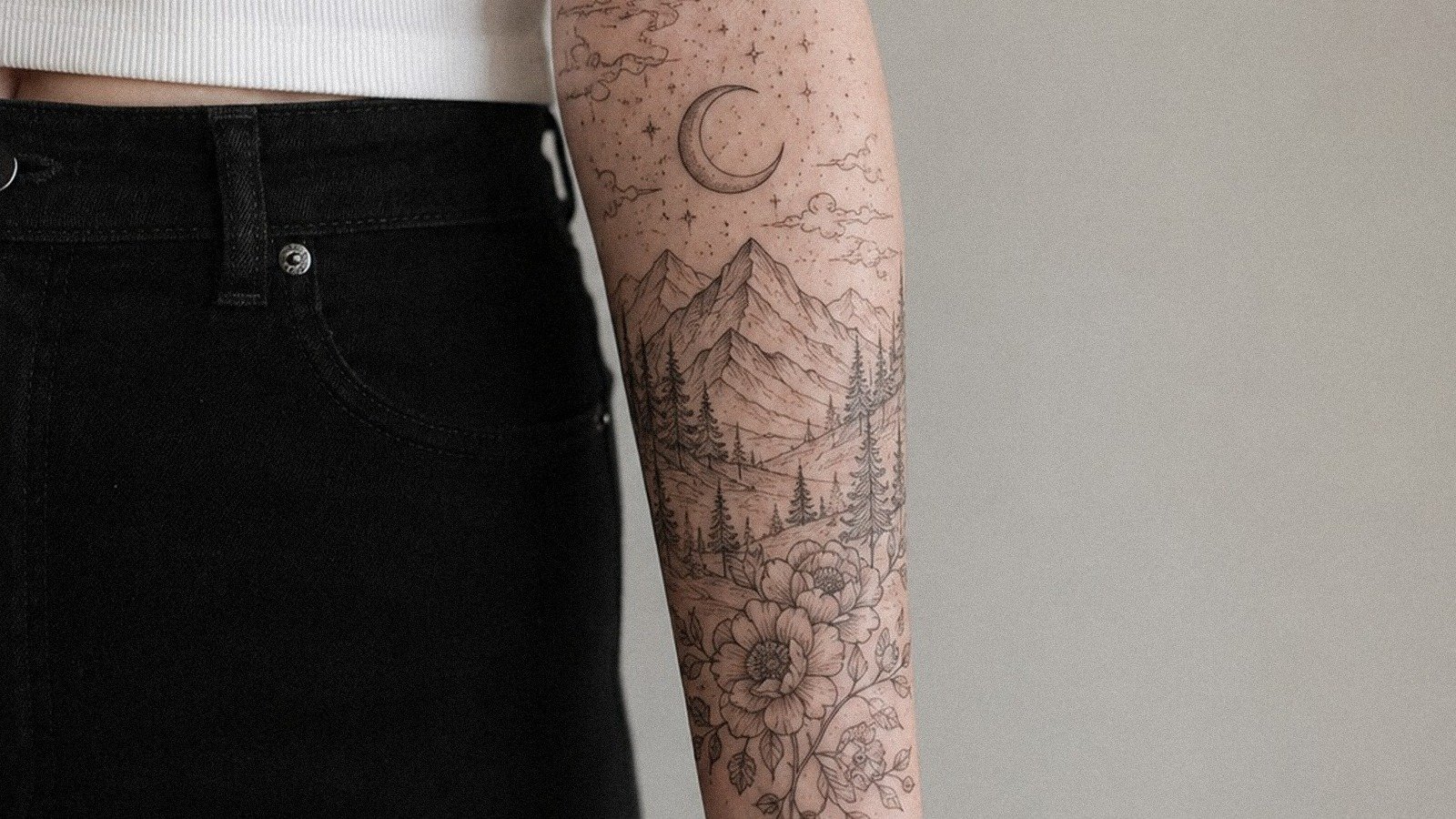
I’ll be honest with you, I almost talked a client out of her leg sleeve last spring. She’d brought in three Pinterest boards of florals that wrapped the thigh, dropped behind the knee, and crawled down the shin. Pretty on screen. The problem was the design she’d picked for the kneecap was a tight cluster of five-needle dots meant to read crisp at three inches. On knee skin, with all the bending and the sun exposure, that cluster was going to mush into a bruise within two summers. We redrew it before we touched a machine, and that sleeve still reads clean at three years healed. Bodies move, knees bend, sun burns, and ink migrates. Plan for all of it!
That’s the whole game with a leg sleeve. It’s not one tattoo, it’s a chain of placements that each age, bend, fade, and stretch on their own schedule.
Plan it as a chain and your ink reads clean for years. Plan it as one big image and the knee eats your work in a season.
Here’s the order I walk every leg sleeve client through, start to finish, with the parts most artists skip because they’re not the fun part. If you want the budget breakdown first, my sleeve tattoo cost guide has the realistic hourly ranges so you know what you’re signing up for before the first consult.
- Start with a leg sleeve plan that maps pain zones
- Pick a leg sleeve style that matches your ink history
- Where should the focal piece sit for full leg flow?
- Keep calf and thigh tattoos stylistically consistent
- Plan a leg sleeve around hide-and-seek placement
- Commit to color all the way or skip it on a leg sleeve
- Match leg sleeve blackwork to existing arm pieces
- Ask for a leg sleeve consult before booking long sessions
- Check healed leg sleeve work before committing to an artist
- Build a leg sleeve around a single narrative thread
- Try a half leg sleeve first to test the concept
- Why does white ink fail on sun-exposed legs?
- Keep leg sleeve shading loose for aging on skin
- Plan leg sleeve touch-ups around summer sun exposure
- Start with a thigh anchor piece before the leg sleeve
1Start with a leg sleeve plan that maps pain zones
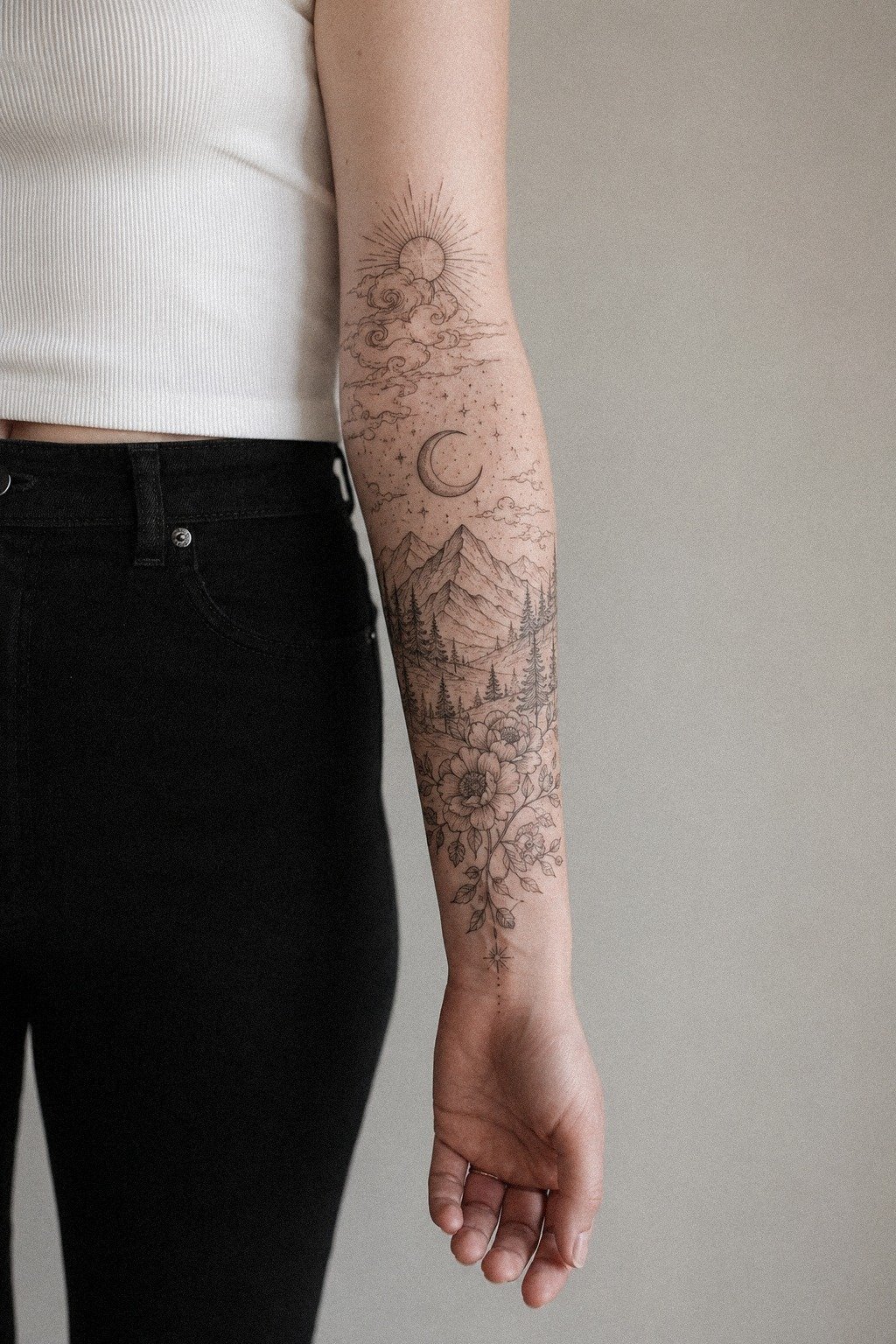
Before you pick a single motif, draw the leg on paper and mark the spicy zones in red, the chill zones in black. The spicy ones are the kneecap, the shin bone, the ankle bone, behind the knee, and the inner thigh.
The chill ones are the outer thigh, the outer calf, and the quad above the knee. Your leg sleeve plan should put the most detailed, smallest-line work in the chill zones, and the boldest, simplest shapes in the spicy ones.
That’s not a style preference, it’s physics. A five-needle dot on the kneecap doesn’t survive.
A solid black band over the shin absolutely does.
I keep a printed pain map in the consult folder at the studio. We sit with the client for ten minutes and circle where the work will live.
If you can’t tell the difference between spicy and chill zones on your own leg, ask your artist. Most will draw it out for free if you’re booking a real piece.
And if you’re budgeting hours, know that spicy zones usually run a third longer per square inch because the artist has to go slower to keep the skin calm, especially over the tibia and the kneecap. A leg sleeve isn’t a flat canvas.
Treat it like terrain, and if you want the real talk on what each zone feels like before you book, my does leg tattoo hurt breakdown goes knee to ankle in honest terms.
2Pick a leg sleeve style that matches your ink history
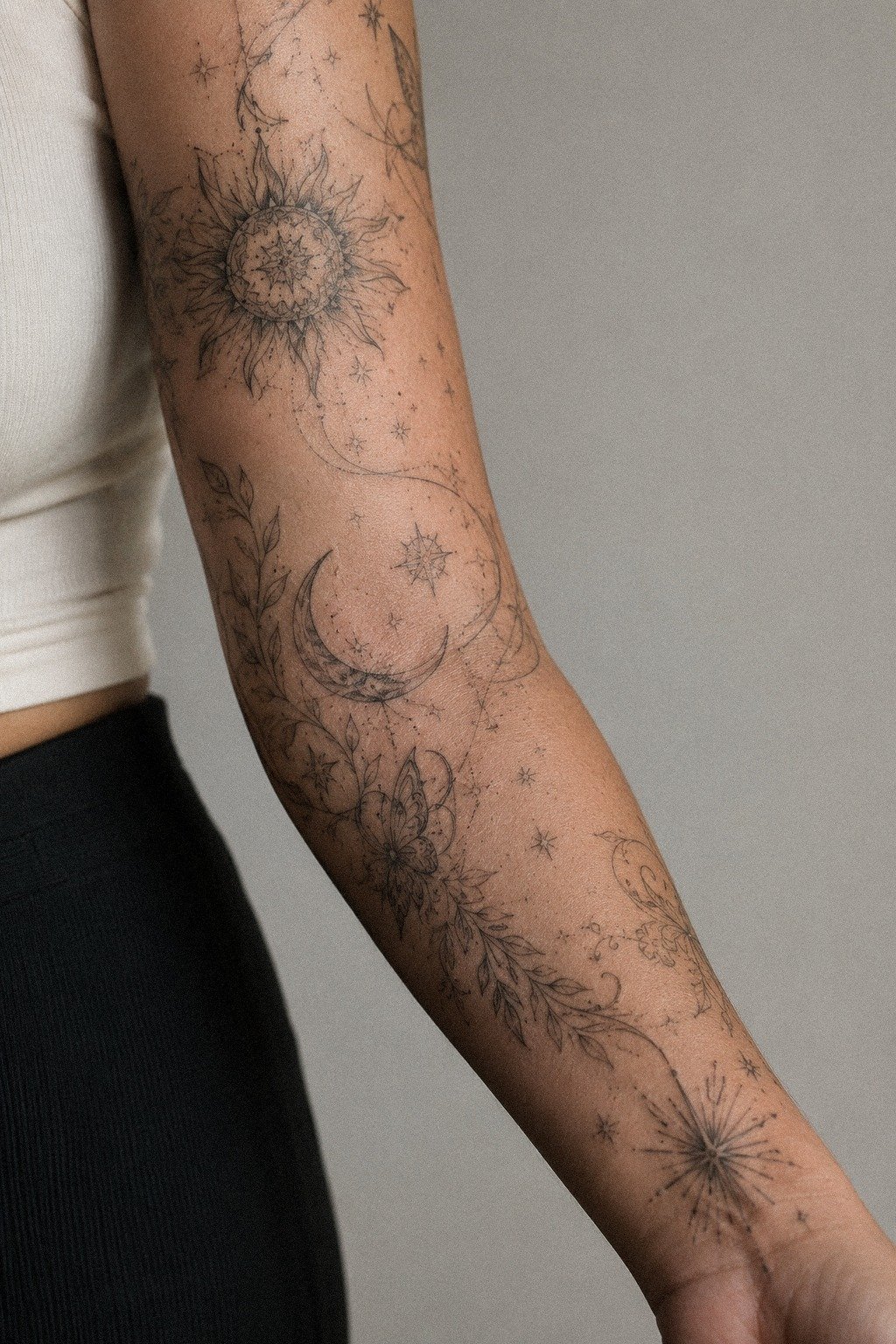
Your leg sleeve should talk to the tattoos you already have. If your arms are heavy black and grey realism, a soft watercolor thigh piece is going to look like it wandered in from another person. If your arms are clean American traditional with bold black outlines, a single-needle fine-line calf will look lost the first day and mush by year three.
Match the family, then match the line weight.
I’ll show clients two or three reference photos of healed work from artists with a similar background, and ask what pulls them. Nine times out of ten, the answer is the line weight, not the subject.
Bold will hold. A 9RL round liner at a confident hand will age like iron.
A 3RL single-needle line looks gorgeous at two weeks and turns to soup at five years, especially on legs that see sun. If you already collect fine-line work on your arms, you can push the leg sleeve a little finer with single needle work. If your arms are bold, keep the leg bold with 9RL needles and confident line weight. Consistency reads as a collection.
Mismatch reads like two different people lived in the same skin. If you’re building the design out from scratch, my create sleeve tattoo design walkthrough covers the brief side of the process.
3Where should the focal piece sit for full leg flow?
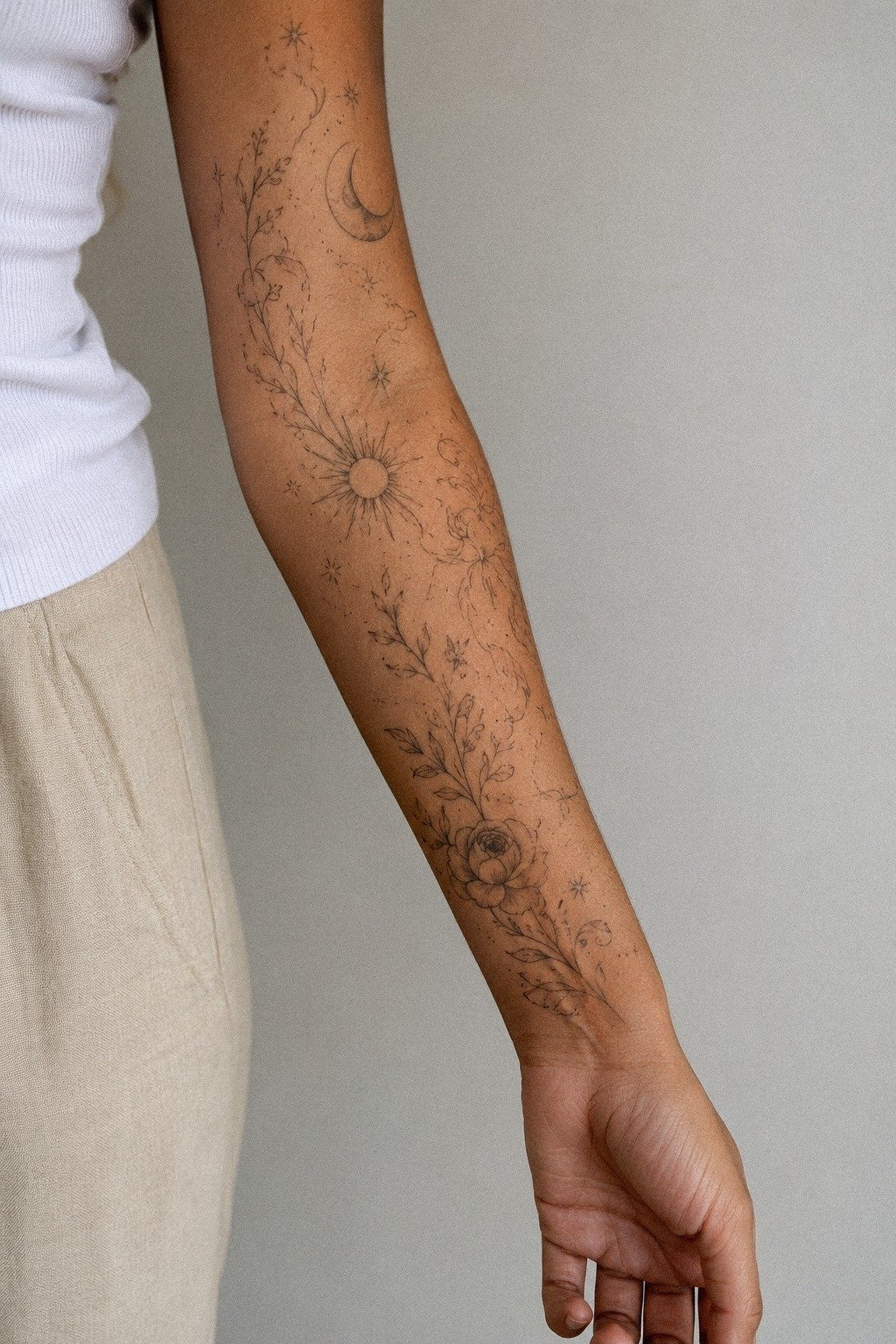
The knee is the hinge of the leg sleeve. It’s where the eye either flows or stutters. Most clients want to hide it, which is a mistake.
The knee is the highest-wear zone on the leg, but it’s also the spot that ties thigh to calf. If you skip it, your sleeve reads as two pieces, thigh and shin, with a gap.
If you crown it, the whole leg moves together.
The move is to pick a focal motif that handles bending. A round shape (moon, eye, sun, single bloom) bends better than a long line.
A radial mandala with the knee cap dead center bends better than a horizon line that crosses the kneecap. And keep the detail count low in that spot, ideally under fifteen elements in the focal cluster. I sketched a snake coiled around a client’s kneecap last fall and the radius was perfect for the joint.
She came back at three months healed, kneeled down for me, and the linework still held its shape. That’s the goal.
Solid!
If you want full leg flow without a heavy focal, run a band of solid black across the kneecap, maybe two inches tall. It reads as one continuous sleeve even when the knee is bent at ninety degrees. Boring on paper, bulletproof in five years.
Bold will hold.
4Keep calf and thigh tattoos stylistically consistent
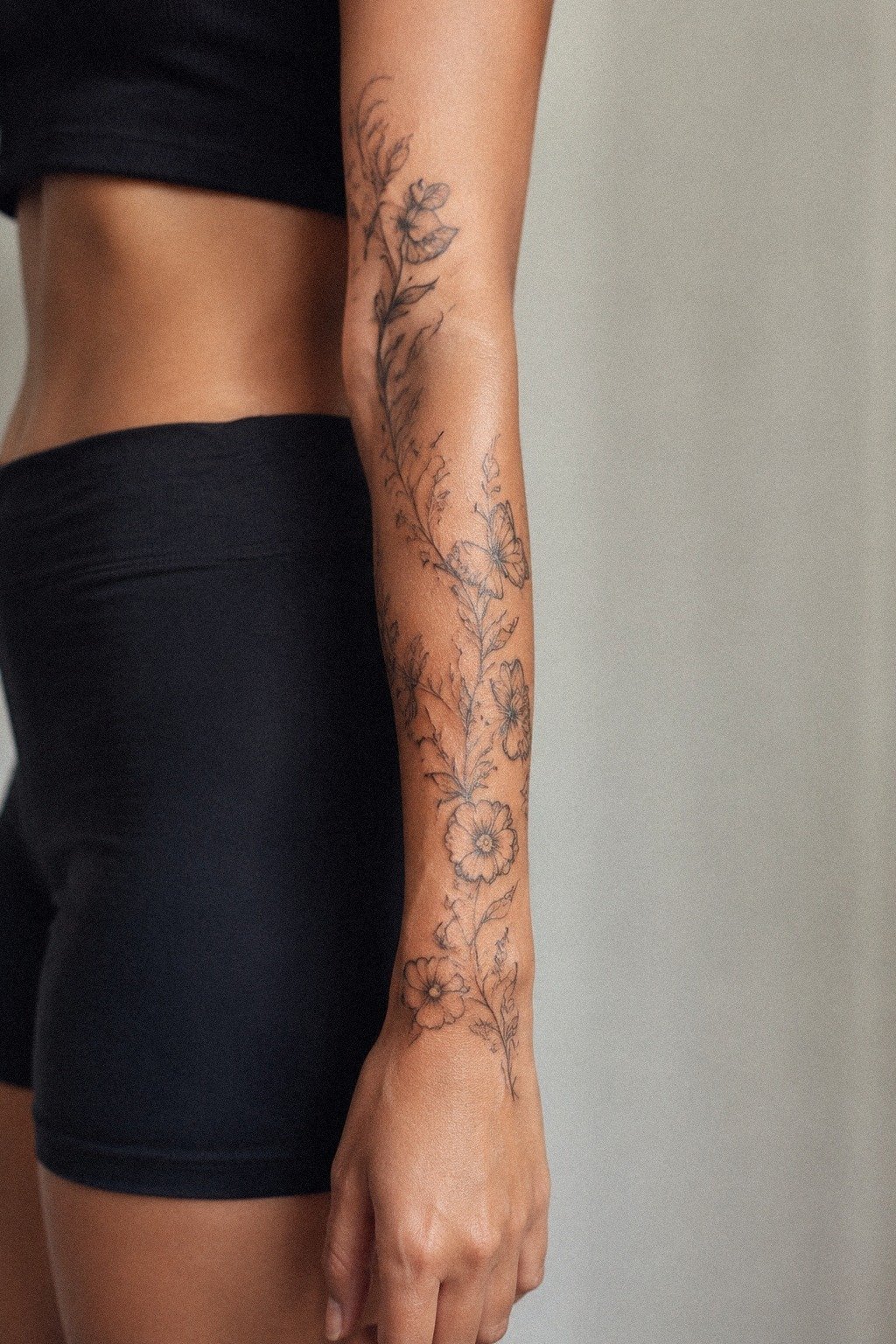
Calf and thigh are the two largest panels you have. They’re also where you spend the most hours, which means the temptation to try a different style here is real.
Don’t. Your leg sleeve will look like a sampler, not a piece. Pick one visual language for the whole leg and let it breathe across both panels.
I worked on a leg sleeve last year where the thigh was Japanese-influenced neo-traditional and the calf was American traditional. Both artists were great.
The leg looked like a United Nations meeting. We ended up doing a five-hour cover-up session on the calf to bring it into the same visual family, and the client paid for a session she didn’t need to pay for.
Consistency saves you money, sessions, and heartbreak. If you’re mixing influence families, my chicano sleeve tattoo guide is a good example of how to lock a style family tight across one limb.
If you want to break the rule (and there are reasons to), break it on the inner thigh or behind the calf, the spots that hide in shorts. Keep the visible panels locked in. Most collectors I know keep a folder on their phone called rules with the leg sleeves they love most in it, and every single one of those files is one style, top to bottom.
5Plan a leg sleeve around hide-and-seek placement
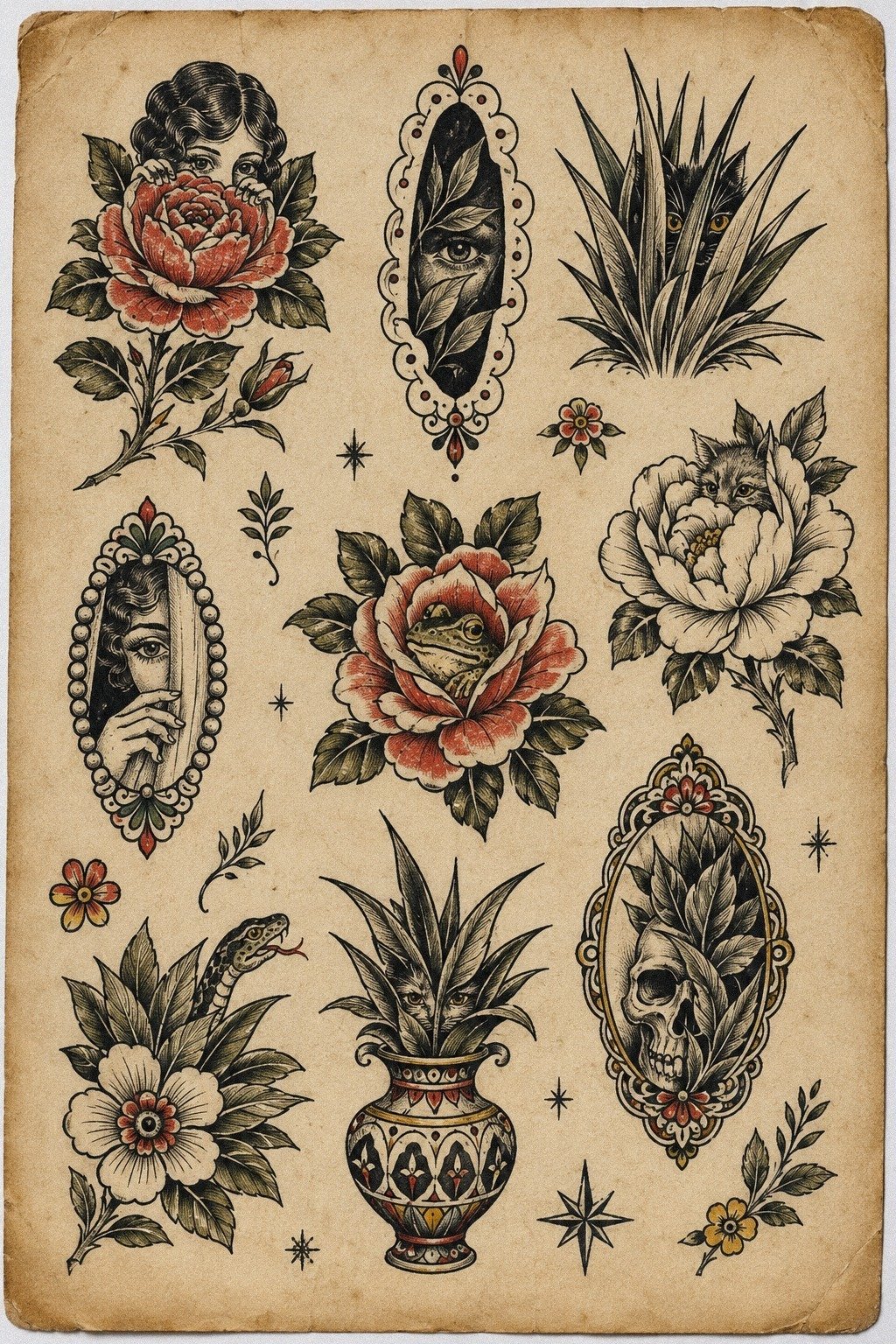
Hide-and-seek is my term for tattoos that reveal more as you move. A sleeve that shows a small ankle motif when you’re standing and a full thigh composition when your shorts ride up, that’s a hide-and-seek sleeve.
It works beautifully on legs because pants and skirts and swimsuits each reveal different slices. Plan the full composition as a vertical scroll, then grade the importance of each motif by how often it gets seen.
Your daily-driver placement (the shin, the outer calf, the visible thigh in shorts) gets the boldest, simplest work. The hideaway spots (inner thigh, behind the knee, the high thigh under shorts) get the slow burn, the stuff only you and your partner see.
I drew a full leg sleeve where the inner thigh had a tiny family portrait in micro realism, the kind of thing nobody would ever spot in public. The client cried at the reveal.
That’s what hide-and-seek does. It lets you put the personal stuff in the personal places and keep the public stuff readable with bold black outlines.
For a deeper look at how collectors plan reveal-and-conceal across a full limb, the full sleeve tattoo guide walks through the same logic on arms.
If you’re not sure how to grade a motif, ask your artist to print your full sleeve design at three scales: full leg, knee-up, calf-down. The pieces that vanish at calf-down aren’t doing daily work, so they don’t need to be hero pieces.
The pieces that need to read at full leg from six feet away are your anchors. Build outward from there.
6Commit to color all the way or skip it on a leg sleeve
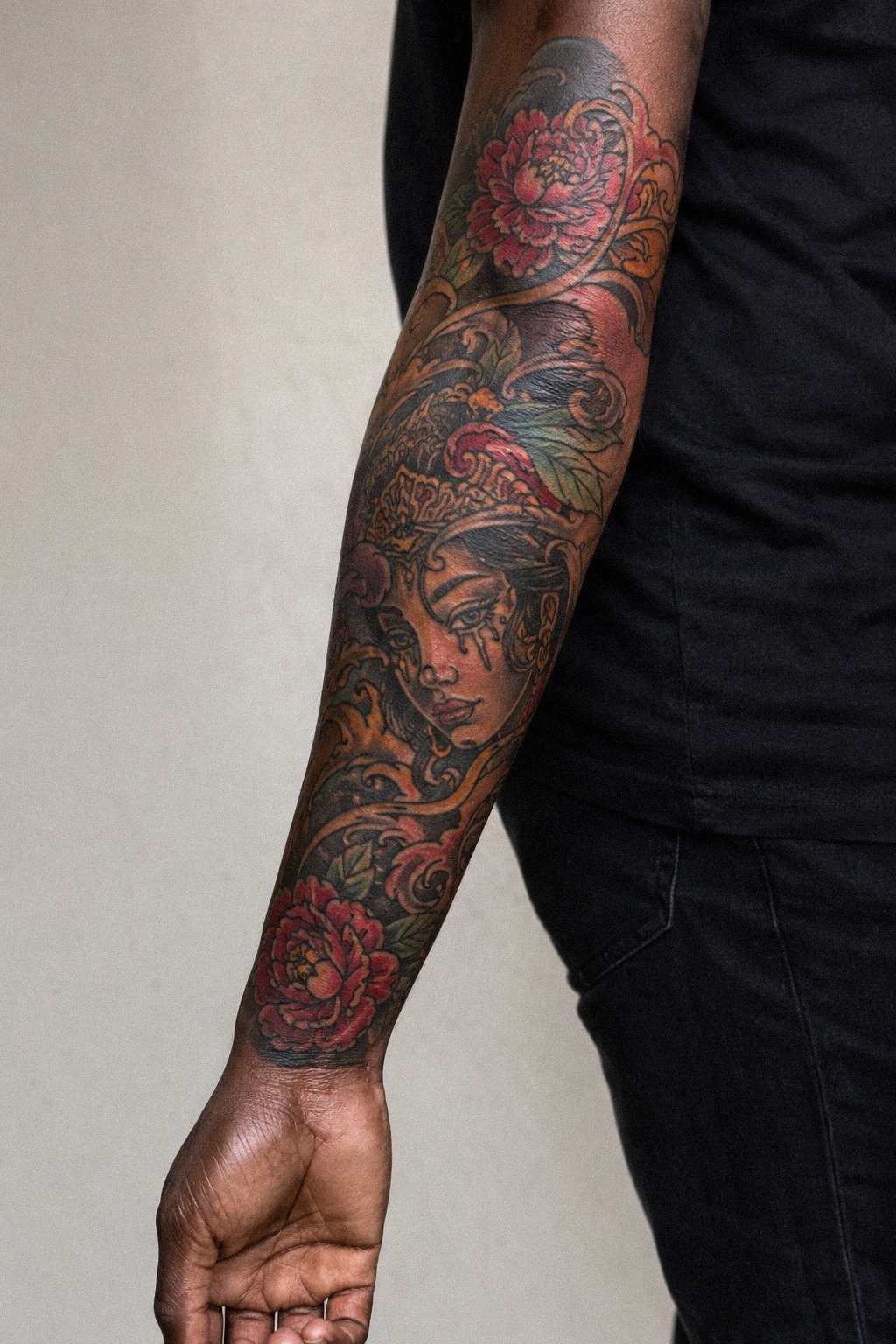
If color is what you want, commit all the way or skip it.
7Match leg sleeve blackwork to existing arm pieces
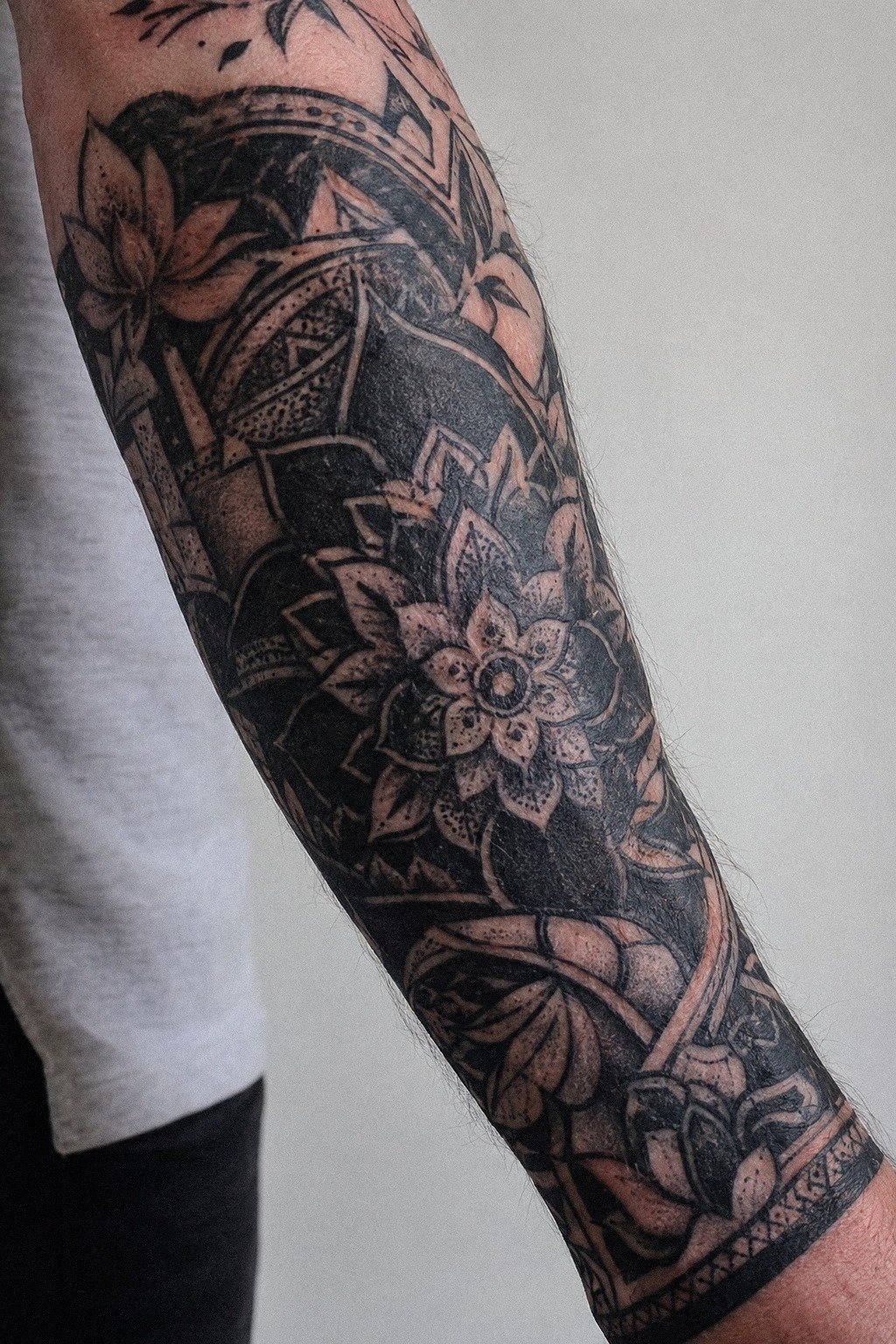
If your arms already have blackwork, your leg sleeve should match the same visual logic. A heavy blackwork arm with bold geometric panels doesn’t want a soft illustrative leg. A blackwork arm with ornamental dotwork doesn’t want a heavy tribal leg.
Match the negative space. Match the density. Match the way the artist uses skin as a canvas versus ink as a focal point.
I had a client last year who had a full blackwork geometric sleeve on one arm and came in wanting a watercolor thigh. I asked him to put a hand over his arm and imagine just the leg for a second.
It looked naked. We redrew the watercolor into a blackwork piece with selective color accents, and the whole body read as one collection. The watercolor would have fought the arm every single day.
For collectors who want that scrappy, collected-over-time look without losing family, my patchwork tattoo sleeve ideas piece is a masterclass in mixing pieces without breaking the visual logic.
If you don’t have arm pieces yet and you’re starting with the leg, you’ll save yourself a lot of pain by starting with a body-wide vision. Pick the visual language that fits your personality, not just the trend, and let the leg be the first chapter. Most of my long-term collectors build out from their first piece, so that first piece matters more than people think.

8Ask for a leg sleeve consult before booking long sessions
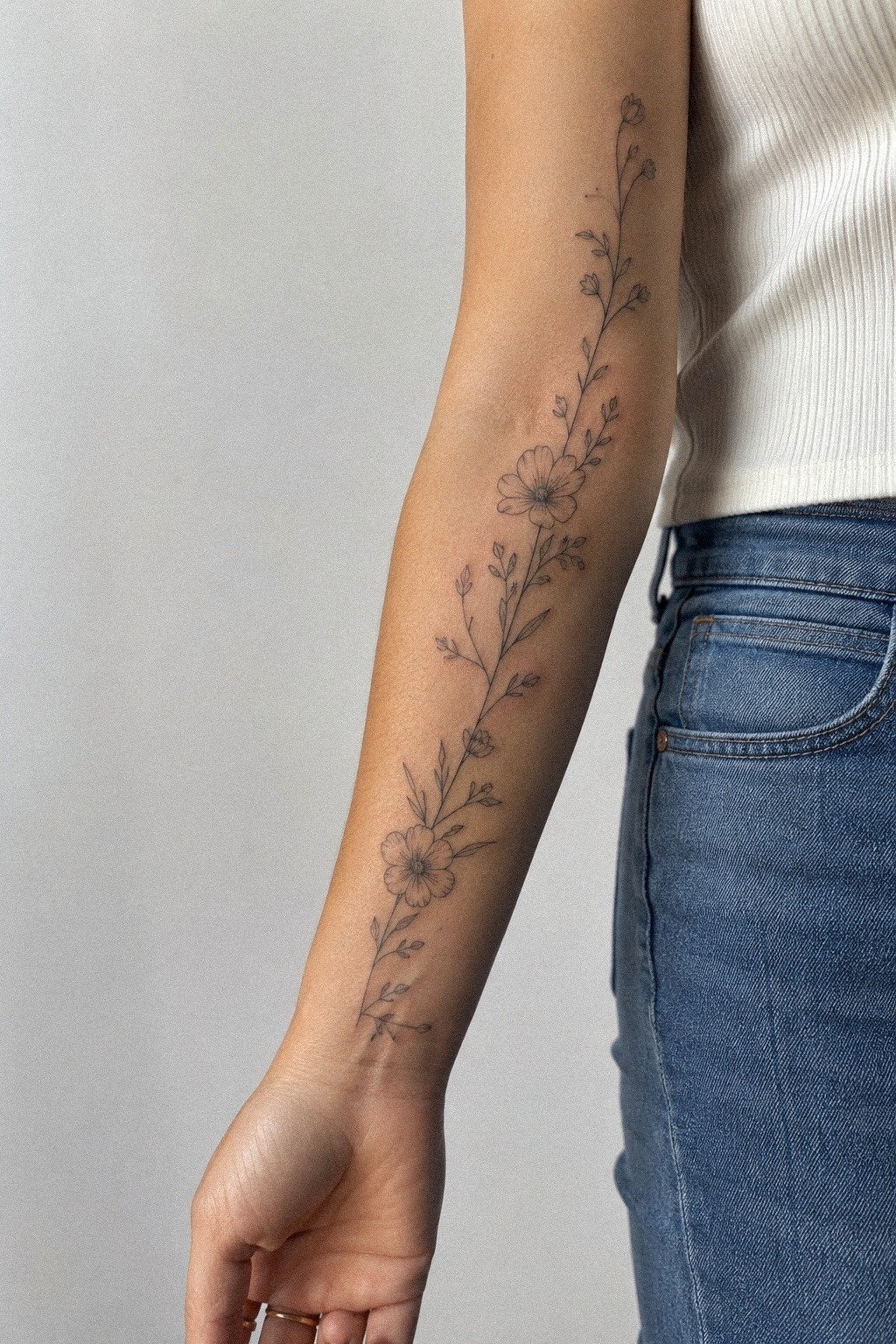
A consult is not a luxury. A leg sleeve is a fifty-to-eighty-hour project over six to twelve months, and you should never sign up for that without sitting in front of your artist for an hour first.
A real consult covers the pain map, the style match, the line weight, the color palette, the order of sessions, and the budget. If your artist doesn’t offer a consult, find a different artist.
Most studios charge between $50 and $200 for a consult, and many apply that to the first session if you book. Cheap compared to the $4,000 to $12,000 a full leg sleeve will run you.
Bring references on a single mood board. Bring your existing tattoo photos. Bring a list of what you want covered and what you want hidden.
The more you bring, the better the consult goes. If you want to ballpark the hours before you even book the consult, the how long sleeve tattoo takes breakdown gives you a realistic session count per panel.
I do consults at my studio on Saturday mornings, and the ones that go well are the ones where the client has thought about the leg as a system, not a single piece. The ones that go badly are the ones where they hand me a Pinterest board and say make this work. That’s how you end up with a five-needle dot on a kneecap.
9Check healed leg sleeve work before committing to an artist
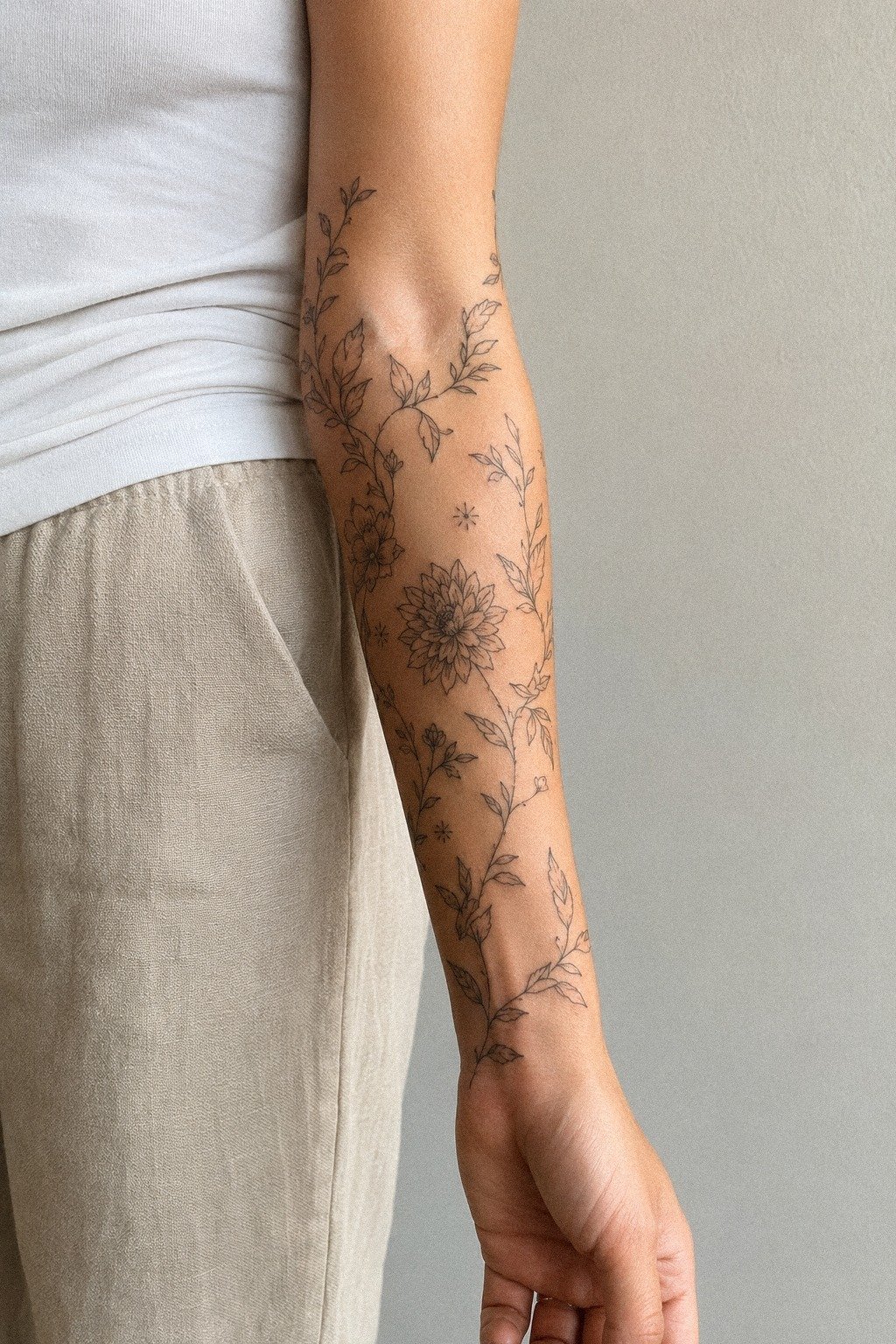
Fresh tattoos lie. They look better than they’re going to look at six months, two years, ten years. Always check healed work, ideally on the legs specifically.
An artist who kills it on arms might be sloppy on calves because they don’t push the contrast, they don’t pack the color solid, they don’t account for the way the calf muscle moves the ink around.
Ask to see healed photos taken six months or more after the session. Ask to see clients standing in daylight, not just under studio lighting.
Ask if the artist has a public Instagram where clients post their own healed results, or a private Pinterest board of healed work. Most reputable artists will tag or repost client photos.
If all you see is fresh flash from the studio account, be cautious. Fresh flash is marketing.
Healed work is proof.
I’m not saying don’t book an artist without a healed photo portfolio. I’m saying weight the healed work more than the fresh work.
The fresh work tells you the artist can tattoo. The healed work tells you the artist can tattoo well.
Both matter. Healed matters more for a fifty-hour project.
Worth the extra month of searching.
10Build a leg sleeve around a single narrative thread
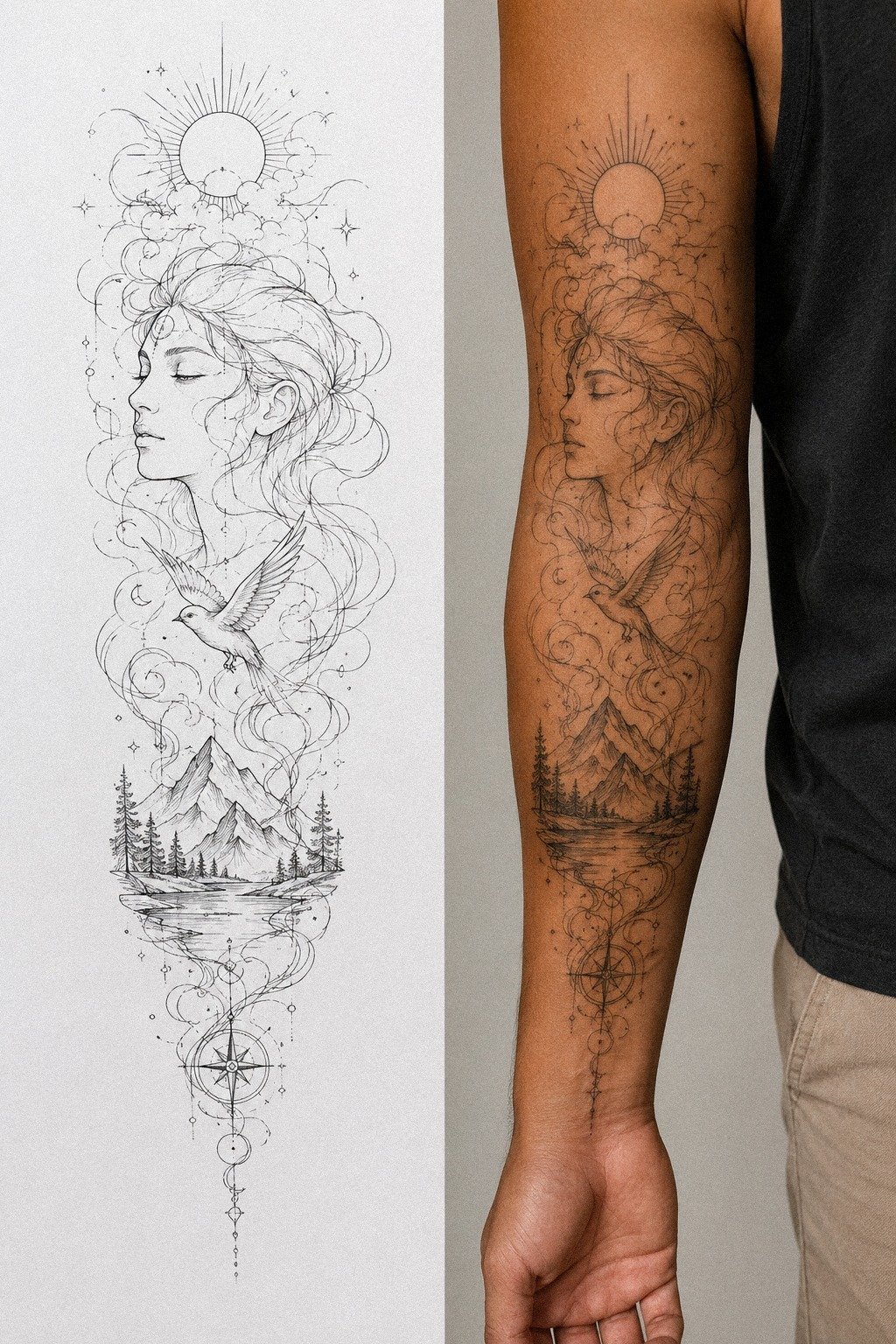
A narrative thread turns a leg sleeve from a collection of cool tattoos into a story you carry with you.
11Try a half leg sleeve first to test the concept
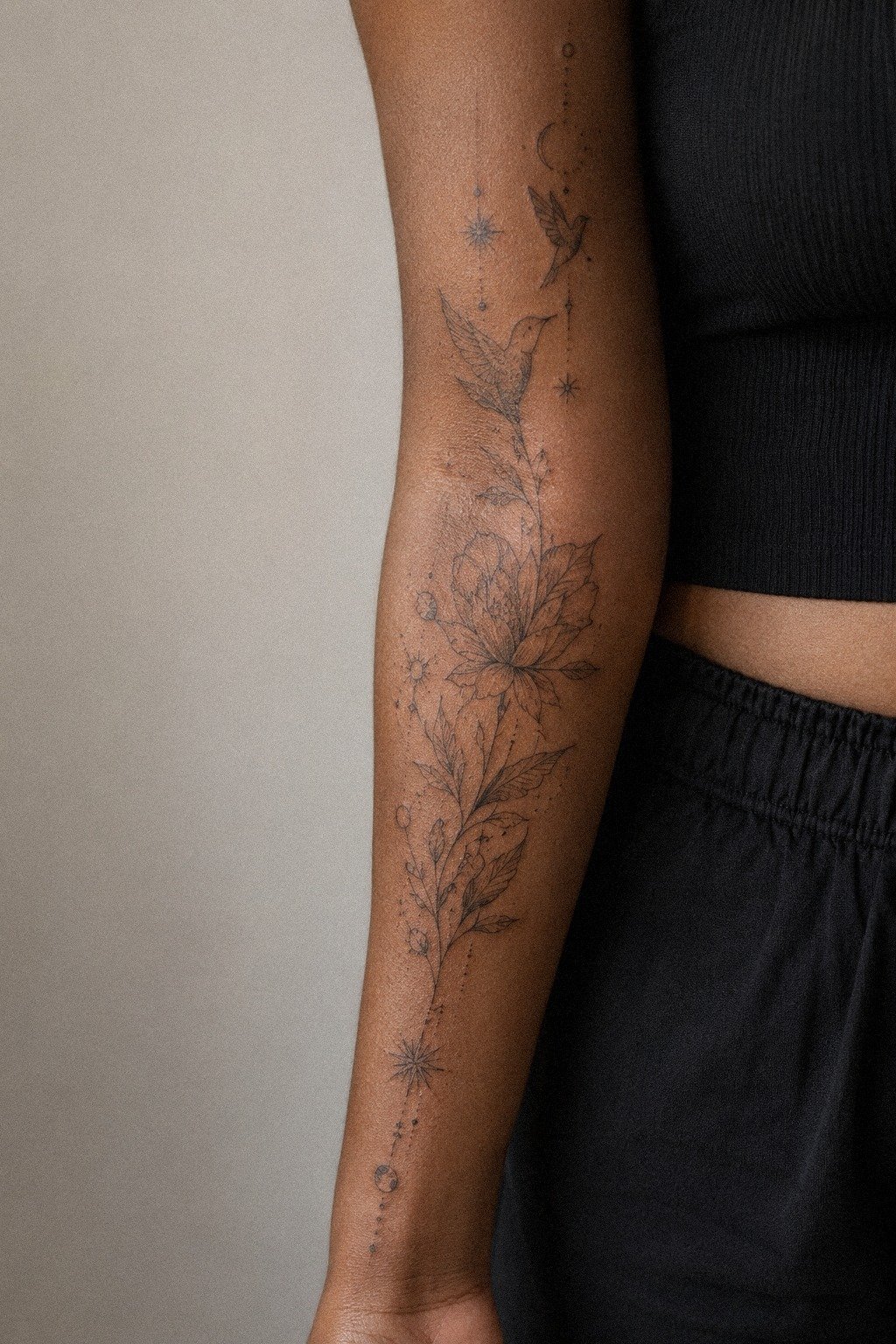
A half leg sleeve (calf only, or thigh only) is the smartest test run for a full leg sleeve. It lets you live with the visual language for a year before you commit to the rest.
If you hate the line weight at twelve months, you’ve only got a half sleeve to rework, not a full one. If you love it, the artist already knows your skin, your pain tolerance, your color palette, your healing pattern.
Half sleeves also cost half as much and take half the time, which means you can afford a better artist for the test run. And the better the artist on the half, the better the full sleeve will be, because they’ll already know how your skin takes pigment and how it ages in the sun.
I’ve watched clients save money on the second half because the artist had their baseline dialed in. If you want a gallery of strong half-sleeve references to bring to your consult, the half sleeve tattoo ideas roundup is a solid starting point.
My rule of thumb is: if you’re under thirty, do the half first. If you’re over thirty and you’ve been collecting for years, you probably already know what you want and can go full. The half sleeve isn’t a smaller commitment, it’s a smarter one.
12Why does white ink fail on sun-exposed legs?
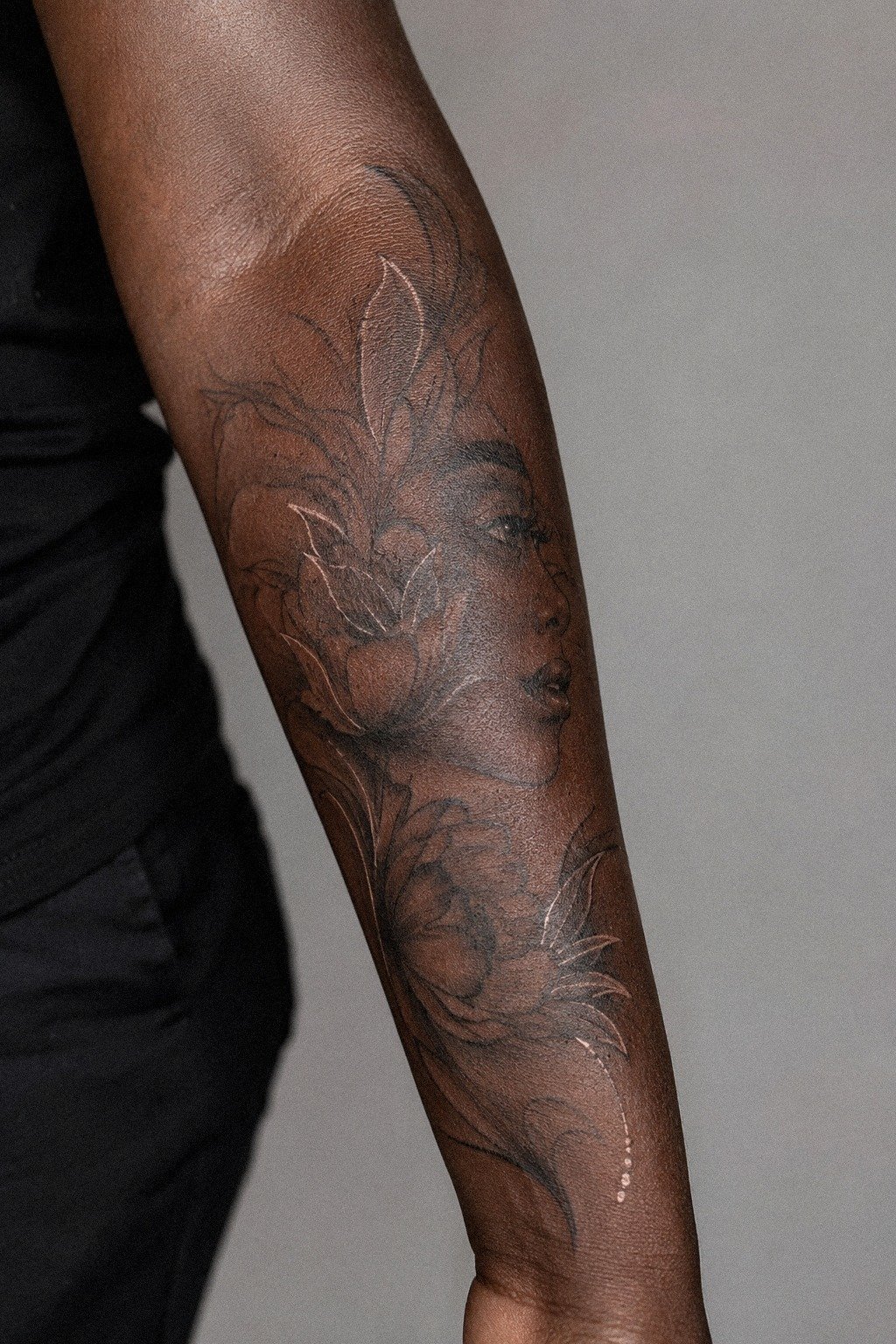
White ink is gorgeous in the studio and brutal in the sun. Every white highlight you put on a leg sleeve will fade, yellow, or disappear within three to five years if that leg sees real UV. That’s not a tattoo shop myth, it’s how titanium dioxide behaves in living skin.
If you want the white to last, the leg sleeve needs to live under pants most of the time. If the leg sees sun, use a pale skin-tone ink or a very light wash instead, and accept that the highlight will soften over time.
Bold will hold in the sun, white will not. The same logic shows up across color-packing in any limb, and the full sleeve tattoo guide covers how to plan around it on arms.
I use white ink for leg sleeves in three situations only. One, a tiny highlight on a blackwork eye that doesn’t see direct sun. Two, a hidden inner-thigh motif that never gets UV.
Three, a deliberate this fades element where the aging is part of the design. Outside those three, white ink on a leg is a slow-motion disappointment.
Save yourself the heartbreak, and save yourself the touch-up budget!
If your artist pushes white highlights on a sun-exposed leg without flagging the fading, that’s a red flag. A good artist tells you what survives and what doesn’t. The great ones design around it.
13Keep leg sleeve shading loose for aging on skin
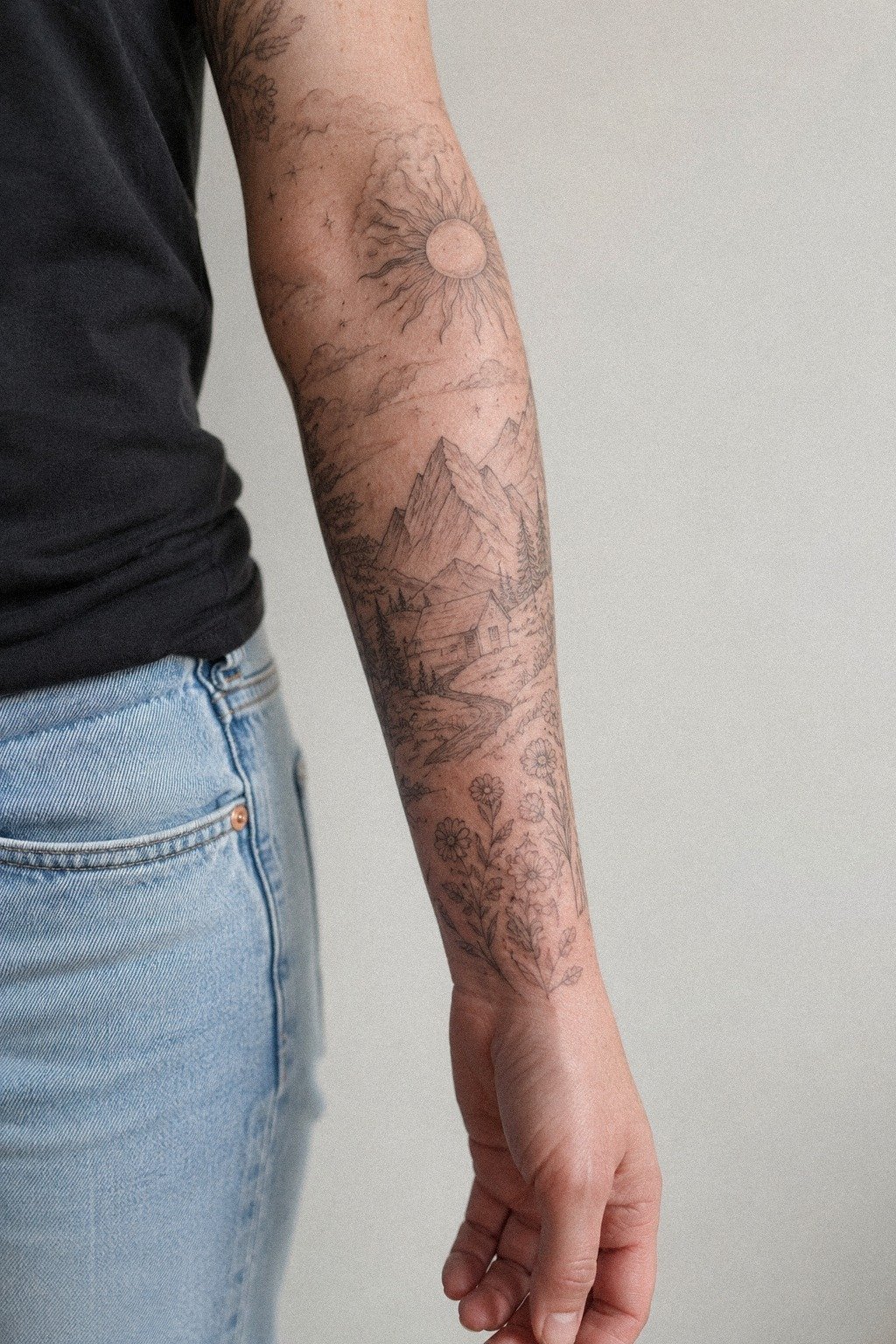
Loose shading ages better than tight shading. That’s not a style preference, it’s how ink migrates under living skin over years.
A tight grey wash that looks crisp at three months will look muddy at five years because the pigment spreads microscopically. A loose whip shade that looks soft at three months will still look soft at five years, because there’s room for the spread.
The same goes for stippling, dotwork, and any small-mark shading technique. Big dots age better than tiny dots.
Soft gradients age better than hard edges. This is also why traditional American tattoos age so well, because the artist leaves room for the ink to breathe inside the line.
Bold will hold. Soft will forgive.
If your artist packs every gradient tight and sharp, ask them about loose shading options. A good black and grey artist can whip shade a thigh in an hour with magnum needles and soft gradients, and it’ll look better at year five than the tight pack the other studio would have done. Worth the conversation every single time!
14Plan leg sleeve touch-ups around summer sun exposure
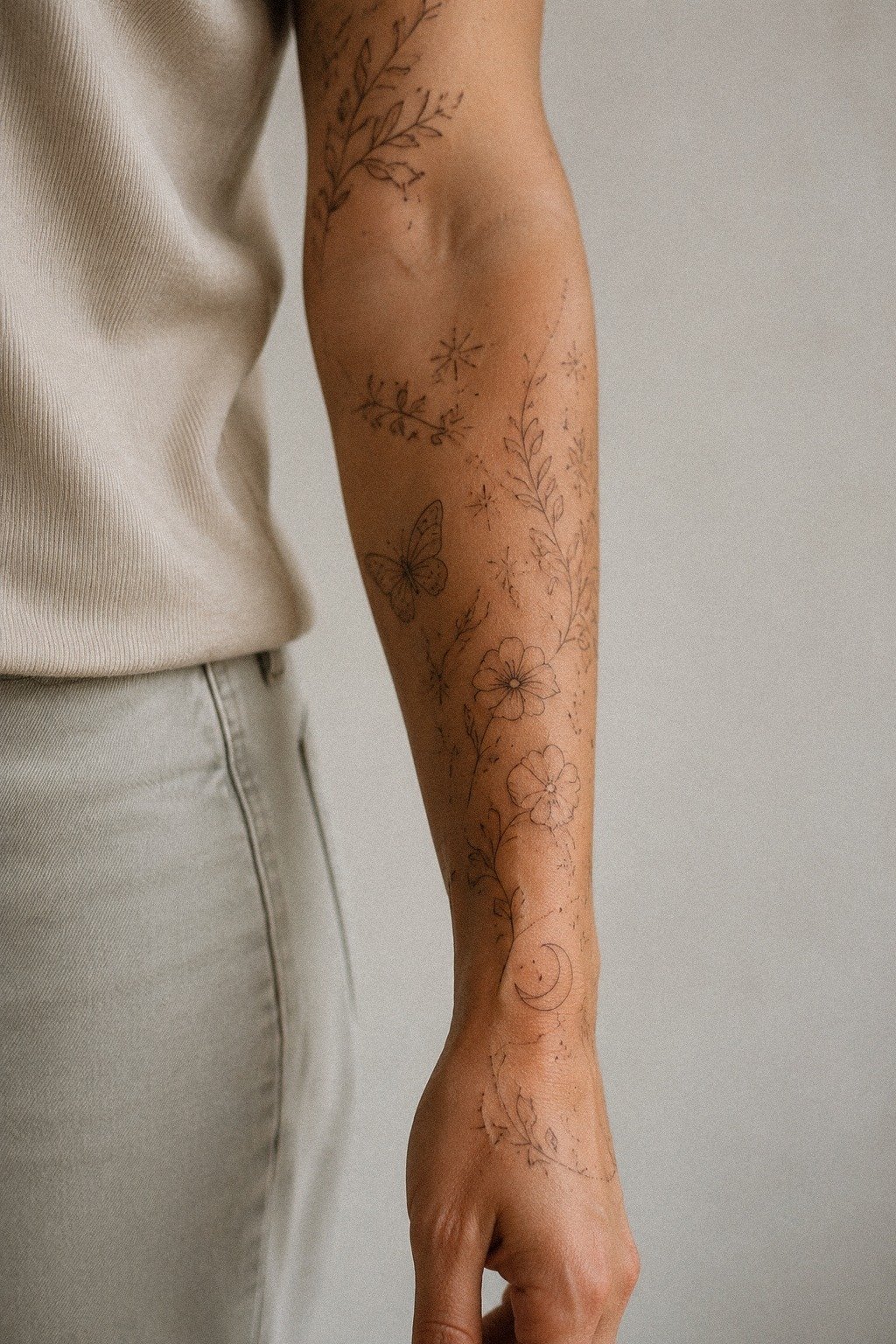
Every leg sleeve needs touch-ups. The question isn’t if, it’s when.
Most of mine need a thirty-to-sixty-minute touch-up somewhere between years two and four, usually on the outer calf or the knee area, the spots that catch the most UV. Plan the touch-up budget into the original sleeve cost so it doesn’t feel like a surprise.
Save before you start!
The best time to get a leg sleeve touched up is fall or winter, when the leg has had six months without direct sun. Skin that hasn’t been UV-stressed holds pigment better and heals cleaner. Spring touch-ups on a sun-exposed leg are slower to settle and may need a second pass.
If you tan in summer, the leg sleeve will fade faster, period. Sunscreen on the leg isn’t optional, it’s part of the aftercare for life.
Budget the touch-up into your original sleeve quote the same way you’d budget the sleeve tattoo cost guide baseline.
I tell every leg sleeve client the same thing at the end of their last session. You’re not done.
You’re at halftime. The leg will need you in year three with sunscreen, and in year five with a touch-up appointment. Budget for both.
15Start with a thigh anchor piece before the leg sleeve
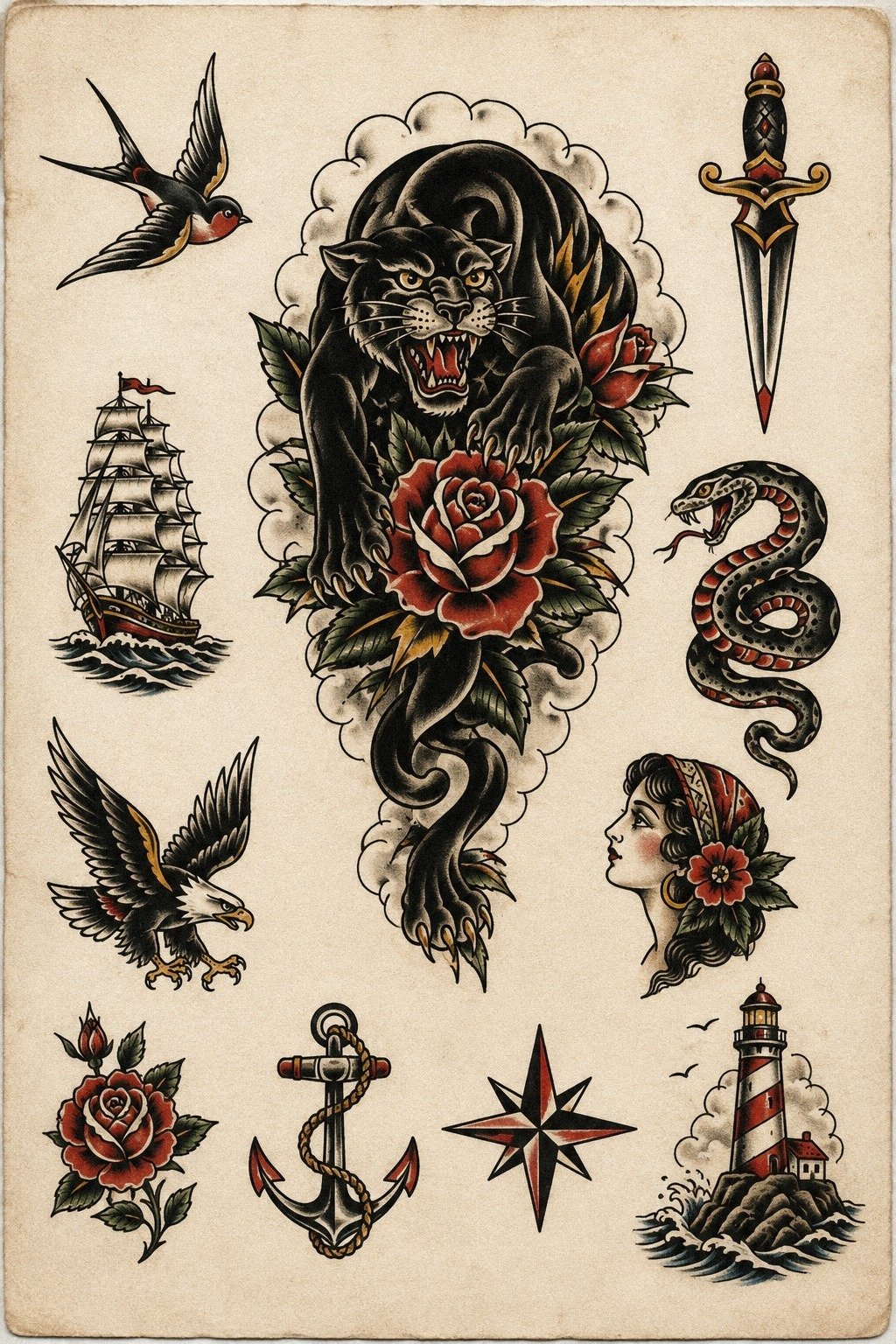
If you’re planning a leg sleeve and you haven’t started yet, start with the thigh.
The Body Map I’d Hand Every First-Time Sleeve Client
A leg sleeve isn’t one tattoo, it’s a chain of placements that each behave differently. Before you book your first session, sit down with this map. It tells you where to put the hero pieces, where to hide the personal stuff, and where the ink is going to fight you every summer.
Print this and bring it to your consult. Use it as the first conversation with your artist, before you talk about subjects, before you talk about style.
The map sets the rules. The art fills them in.
What I’d Tell My Younger Self Before Her First Leg Sleeve
If I could go back eight years and sit my younger self down before her first leg sleeve, this is what I’d say. Stop collecting references for a month and start collecting leg sleeves specifically.
Make a folder on your phone of fifty healed leg sleeves, all photographed in daylight, all at least a year old. Look at the line weight.
Look at the color. Look at where the ink has held and where it’s drifted.
You’ll start to see a pattern within an hour. The sleeves that aged best weren’t the most detailed at the start. They were the boldest, the simplest, the ones that respected the leg as a moving canvas. The sleeves that aged worst were the ones that tried to make the leg a flat poster.
Your leg isn’t a poster. It bends at four points, it tans in summer, it loses pigment where the sun hits.
Design for that, not for the studio mirror.
Also, and this is the part that took me the longest to learn, your artist matters more than your design. A bold simple design with a sloppy artist will look worse at year three than a complex design with a great artist.
Pick the artist first. Pick the design second.
Pick the studio third. Most of my collector friends ended up with leg sleeves they love because they spent more time choosing the artist than the motifs, and most of them regret leg sleeves because they rushed to book with whoever had availability first.
Crispy lines from a confident hand outlast trendy composition from a sketchy one every single time.
And finally, your leg sleeve will change how you feel about your body. I know that sounds soft. I know this is a tattoo article.
But after two years of wearing mine, I stand differently. I cross my legs differently.
I wear shorts in summer when I used to hide. That’s not a side effect of the ink. That’s the whole point of getting inked in the first place.
Plan for it.
The Questions Worth Answering First
How much does a Leg Sleeve Tattoo usually cost?
A full leg sleeve in the US runs about $4,000 to $12,000 depending on the artist, the city, and the detail level. Hourly rates typically land between $100 and $250, and a sleeve usually takes 50 to 80 hours over six to twelve months.
Most studios have a minimum shop rate of $50 to $100 per session even for tiny pieces. Don’t bargain-hunt on a fifty-hour project.
For a deeper breakdown, the sleeve tattoo cost guide goes panel by panel.
Are Leg Sleeve Tattoo a good idea for a first tattoo?
Yes, especially if you start with the thigh or a half leg sleeve. The outer thigh is low-pain, easy to hide, and gives you a forgiving canvas to test an artist’s style.
Most first-timers do better on a leg than on a rib or wrist because the pain is manageable and the healing is straightforward. Just commit to the consult first, don’t book blind.
The half sleeve tattoo ideas gallery is a good warm-up if you want to test the waters.
How do I choose a tattoo artist for Leg Sleeve Tattoo?
Look at healed photos on the legs specifically, not just arms. Ask to see client photos taken six months or more after the session.
Check that the artist’s line weight matches what you want. Bold will hold, fine lines drift. Confirm the studio’s hygiene (autoclave, single-use needles, gloves).
A real consult costs $50 to $200 and saves you years of regret. If you want the full sourcing checklist, the create sleeve tattoo design post has the questions I ask before booking any artist myself.
How much do Leg Sleeve Tattoo hurt?
It depends on the zone. The outer thigh, outer calf, and quad are chill, a dull scratch you can breathe through. The kneecap, shin bone, ankle bone, behind the knee, and inner thigh are spicy, real sting, real ache.
Most people tap out at the knee before they tap out anywhere else. Plan your sessions around the spicy zones, and don’t book a spicy zone as your first session. The full does leg tattoo hurt guide breaks down each panel with real client notes.
How long does a Leg Sleeve Tattoo take to heal?
Surface healing takes two to three weeks, full settling takes two to three months. During those first weeks, treat it like an open wound with gentle unscented soap and a thin layer of ointment.
No soaking, no picking the flakes, no sun. The peel will look like a sunburn peeling.
Don’t pull the flakes or you’ll pull pigment out with them. After month three, sunscreen on the leg becomes part of the aftercare for life.
What’s the best placement for Leg Sleeve Tattoo?
The outer thigh and outer calf are the two best placements for bold work and large flow. They’re low-pain, low-sun, and they age well. Plan the hero pieces for those two panels. Save the knee, shin, and ankle for bold simple shapes that can survive the bend and the UV.
Where I’d Start First
If I had to pick one step, I’d start with the thigh anchor piece. You can’t plan a chain reaction from the middle of the chain. Get the thigh right, then build down. Pin this and book the consult.
Worth it!