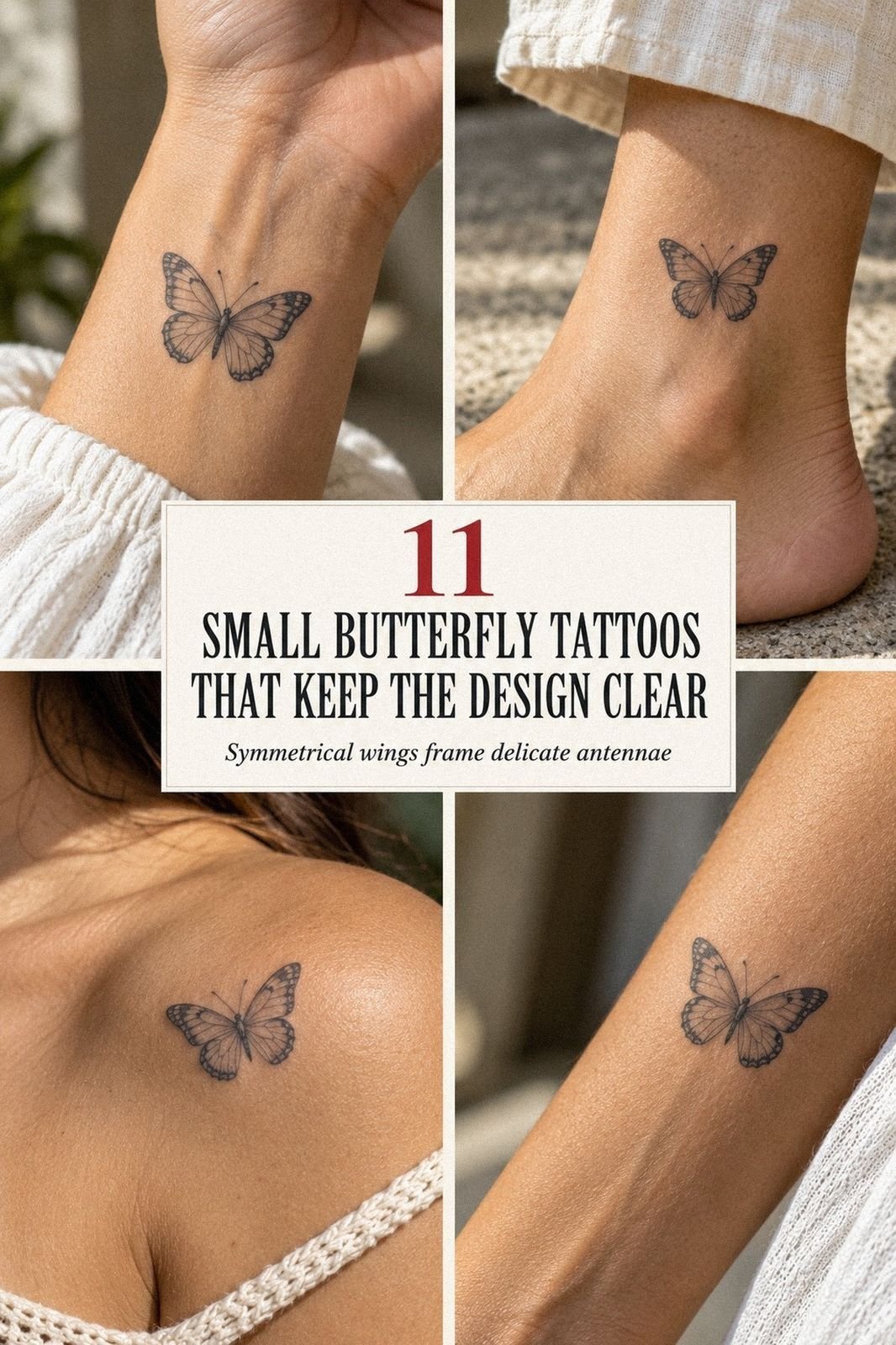
I’m Hazel, and I’ll say it straight: the lower leg gives you some of the best tattoo real estate on the body. It’s visible when you want it to be, easy to cover when you don’t, and it gives a design enough breathing room to stay clean over time.
The catch is placement. A tiny, hyper-detailed design near the ankle can turn to soup.
A bold piece with decent contrast on the outer calf can look solid for years. Your skin, movement, shoe friction, and design size all matter.
If you’re collecting references, start with small tattoo ideas for women, then decide whether you want a delicate detail or a piece that reads from across the room.
Why does the lower leg work so well for a tattoo?
The lower leg has several useful planes: the outer calf, inner calf, shin, ankle, and the soft space above the ankle bone. That means you can go subtle, graphic, feminine, dark, or seriously bold without forcing one shape into the wrong spot.
It’s also a mostly low-wear placement compared with fingers, feet, and hands. Your tattoo still gets sun and clothing friction, but it won’t get chewed up as fast as a toe tattoo or a tiny finger symbol.
Pain is manageable for most people. The fleshy outer calf is pretty chill.
The shin and ankle are spicier because there’s less padding over bone. Lines feel sharper, shading feels like a dull burn, and color packing is usually the spiciest part.
Choose the outer calf for artwork that needs flow
The outer calf is my favorite lower-leg placement for a medium tattoo. It has a natural curve, enough skin for movement, and a shape that works with florals, snakes, butterflies, daggers, or an illustrative animal.
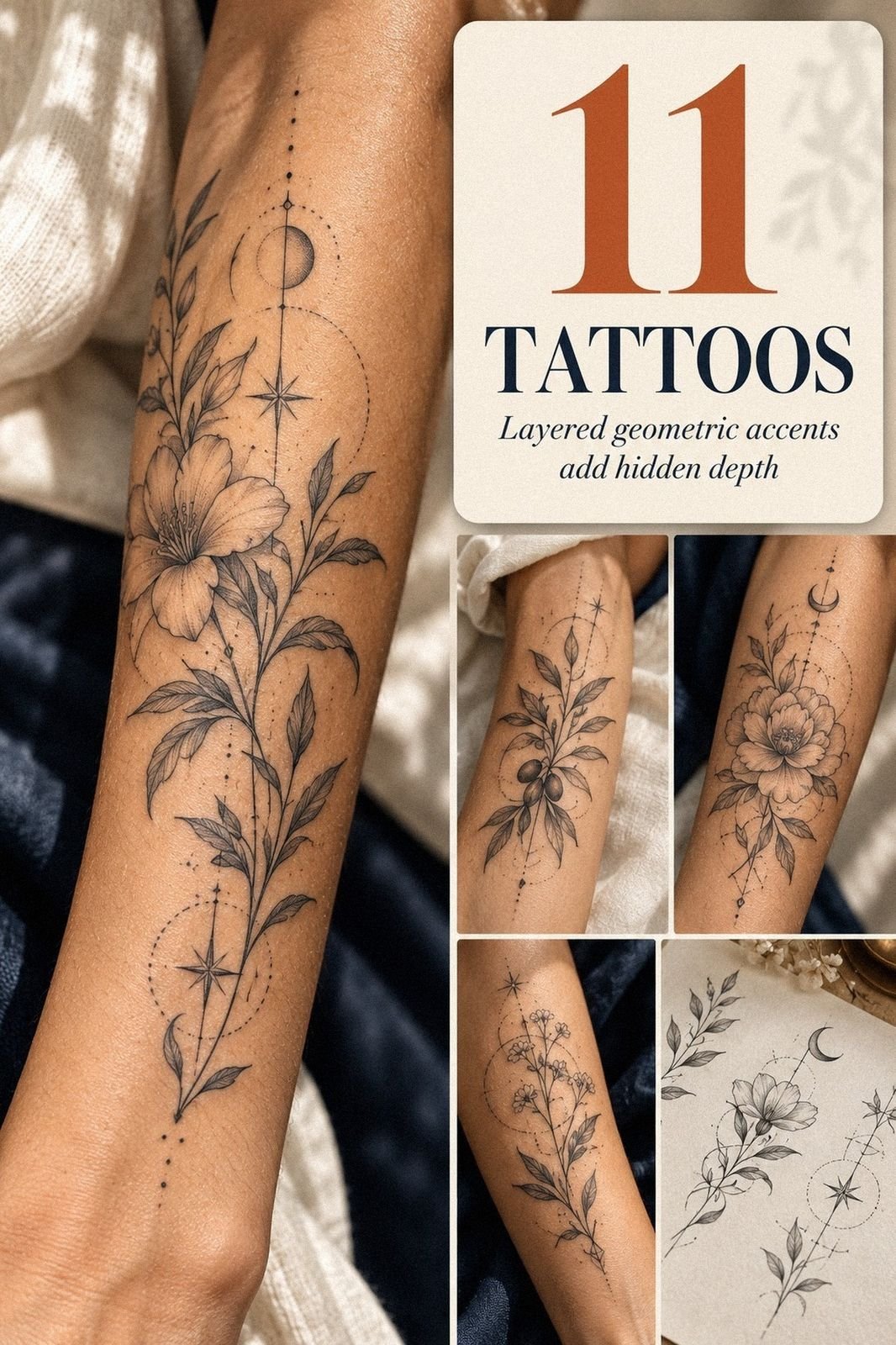
A vertical design usually heals and ages nicer here than a tiny horizontal design squeezed into a narrow strip. Think stemmed flowers, a long-winged moth, a slim dragon, or a clean lettering piece with space around it.
If you want something more dramatic, look through black and grey tattoo ideas before booking. Black and grey gives you depth without relying on tiny color details that may disappear first.
Delicate florals versus bold botanicals
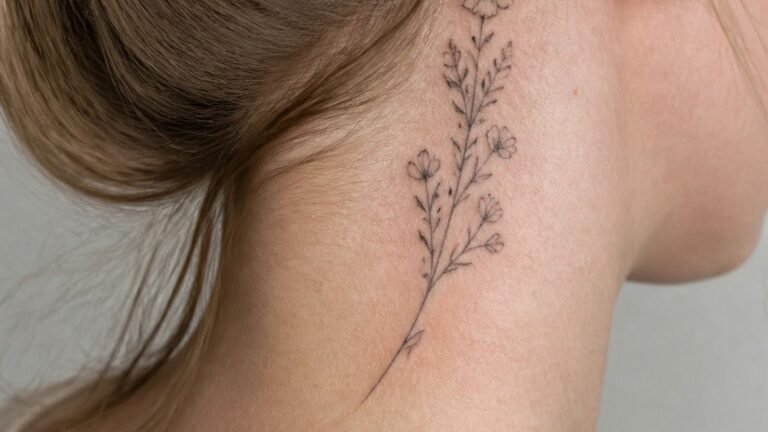
Fine-line flowers can look soft and beautiful on the lower leg. But fine line still needs structure.
I anchor delicate petals with a few crispy black lines, selective grey wash, and open skin. Otherwise, that pretty little bouquet can heal flat.
For better longevity, go slightly larger than your Pinterest reference. Add leaves, a stem, or a simple background shape. Those choices make the tattoo feel intentional instead of lonely.
A bold botanical piece with solid black leaves or muted red ink can be incredibly striking. Black is your best friend for longevity. Color is spice.
For more direction, see floral tattoo ideas and fine line tattoo ideas. Bring references for vibe, not a screenshot you expect copied exactly.
What makes an ankle tattoo worth it?
An ankle tattoo is worth it if you accept that it needs the right scale. The skin is thin, the bone sits close, socks rub there, and low-cut shoes can irritate a fresh tattoo. It’s a cute placement, but it isn’t magic.
A simple star, initial, tiny flower, wave, or clean ankle bracelet can work beautifully. A tiny portrait, miniature landscape, or full quote crammed around the ankle? That’s where things get fuzzy.
That size on an ankle is gonna mush out if every detail is microscopic. Bump it up the lower leg so it breathes and ages nicer.
For a first tattoo, a simple ankle piece can be a solid value because it’s usually a shorter appointment. Just don’t choose it only because it looks small. Small doesn’t always mean easy.
Hazel’s rule for tiny lower-leg tattoos
I tell clients this all the time: tiny tattoos need simple shapes and confident execution. One clean pull, not ten fuzzy ones.
The best tiny lower-leg tattoo ideas are usually:
– Single-needle flowers – Angel numbers – Mini hearts – Simple moons – Small stars – Short initials – Minimal waves – Tiny cherries – A clean bow – Small paw prints
That’s enough detail. Don’t ask your artist to fit an entire life story into a two-inch tattoo. It may look sharp on day one, then turn to soup later.
If meaning is the priority, meaningful tattoo ideas can help you narrow the concept before you choose the final drawing.
Fine line against blackwork: pick your maintenance level
Fine line can feel elegant, subtle, and personal. It’s great for soft florals, names, symbols, and little illustrative pieces. But it needs a skilled artist who understands skin depth, line weight, and negative space.
Scratchy work and weak contrast won’t hold.
Blackwork is louder, more graphic, and usually easier to read years down the road. Think heavy silhouettes, ornamental shapes, bold snakes, checkerboard details, or dark botanicals. Bold will hold.
Neither style is automatically better. The real question is what you want to see on your leg in ten years.
Most US artists charge around $100 to $250 per hour. A shop minimum often lands around $100 to $200, even for a small piece.
That’s not a rip-off. Sterile setup, drawing time, supplies, and experience cost money.
Let the shin do the visual heavy lifting
The shin is a strong placement for a vertical tattoo. It’s a little more intense pain-wise, but it makes artwork feel deliberate. A centered design can look crisp with shorts, skirts, boots, or sneakers.
I like daggers, sacred hearts, ornamental panels, snakes, branching florals, and tall lettering on the shin. The key is respecting the narrow shape. Let it run vertically instead of trying to make it wide.
A shin tattoo with enough black contrast reads clean from a distance. That’s a big deal. You want a tattoo that still has a readable silhouette when someone isn’t standing six inches away.
Browse lettering tattoo ideas if words are part of your plan. Keep the script simple and give every letter space.
Can a lower-leg tattoo be your first tattoo?
Absolutely! The outer calf is one of the more forgiving first-tattoo placements. You can sit comfortably, the area gives the artist room to work, and the healing process is usually straightforward if you don’t ignore aftercare.
I’d avoid a huge calf wrap for your first session unless you’ve thought it through. Start with a design you can finish in one sitting, usually two to four hours max.
If you need a break, take one. Tap out for five rather than pass out on me.
A first tattoo should feel exciting, not like a test of endurance. First tattoo tips can help you prepare for the appointment, pain, and healing window.
Traditional flash has a reason it lasts
American traditional is one of the smartest styles for lower legs. It’s built around bold outlines, strong black, simple shapes, and saturated color. Roses, panthers, swallows, daggers, cherries, and hearts all work because they’re readable.
That’s not old-fashioned in a bad way. It’s practical tattoo design. A good trad tattoo still looks like itself after years of sun, movement, and regular life.
Flash is also a strong budget choice. Your artist may already have a pick-and-stick design ready, which cuts down custom drawing time. A custom piece can be worth the money, but flash can give you more tattoo for your budget.
Check out American traditional tattoo ideas if you want a bold lower-leg design that won’t disappear.
Build a calf patchwork sleeve with a plan
A lower-leg patchwork sleeve can look amazing, but random placement is how it gets messy fast. You need a rough map before you get your third or fourth tattoo.
Start with one anchor piece on the outer calf. Then add smaller designs that have a shared visual language: same black level, similar line weight, matching color palette, or repeated subject matter.
You don’t need every tattoo to match perfectly. You do need them to stop fighting each other.
Leave breathing room. Don’t pack every gap immediately. Fresh skin between tattoos keeps the whole collection looking cleaner and gives you flexibility later.
For pairing ideas, matching tattoo ideas and minimalist tattoo ideas are useful starting points.
A snake tattoo can follow the calf beautifully
A snake tattoo has built-in flow. It can curl around the calf, slip down the shin, or sit above the ankle with its body following the leg’s movement. That makes it a flexible choice for both fine line and blackwork.
For a softer look, add peonies, wildflowers, or a small moon. For a darker look, use black scales, a dagger, thorns, or a bold ornamental frame.
Just don’t make every scale tiny. Your artist should simplify the pattern so it heals clean.
A snake is usually worth spending more on if you want a custom fit. A good artist will draw it for your actual leg shape, not slap a flat stencil onto a curved body part.
What does a lower-leg tattoo cost in real life?
Cost depends on size, style, artist demand, city, and how much custom drawing is involved. Cheap isn’t the same as good value. A bargain tattoo that needs covering later is expensive in the worst way.
Ask for the artist’s hourly rate, minimum, deposit policy, and estimate before booking. A deposit is normal. It holds your appointment and covers drawing time if you bail.
If you’re on a budget, choose a smaller design from an artist’s flash sheet, save for the right artist, or split a larger piece into sessions. Don’t pressure an artist to shrink a design below the size where it’ll heal nice.
Red ink, black ink, and the color question
Black ink gives you the best long-term contrast. It’s sharp, versatile, and easy to build around later. If you’re unsure, black and grey is almost never a bad call.
Red ink can look gorgeous on the lower leg, especially in fine-line florals, bows, hearts, and ornamental accents. But it should support the design, not carry every tiny detail. I like a strong black structure with red as a punchy accent.
Full color can be bright and fun! A good artist packs color with solid saturation using the right magnum needles, without overworking the skin. If color is patchy on day one, it’s not going to magically become saturated after healing.
Look at red ink tattoo ideas and color tattoo ideas before deciding how much color you actually want.
Make aftercare part of the tattoo’s value
The first few days, it’s an open wound. Treat it like that.
Wash it gently with unscented soap, pat it dry with a clean paper towel, and use a thin layer of the aftercare product your artist recommends. Don’t suffocate it under a thick layer of ointment. Clean and lightly moisturized is the goal.
It’ll peel like a sunburn. Don’t pick the flakes or you can pull color out.
Skip pools, lakes, hot tubs, long baths, and heavy gym friction while it heals. Loose pants or clean shorts are usually easier than tight leggings rubbing a fresh calf tattoo.
Surface healing usually takes two to four weeks. The tattoo may look dull or shiny during the silver skin stage.
That’s normal. Tattoo aftercare matters just as much as the appointment.
Which lower-leg placements fade fastest?
The lower leg itself does pretty well, but some spots need more maintenance than others. The ankle, foot, and area right under a sock line see more rubbing and movement. The inner ankle can be especially spicy to tattoo and irritating to heal.
High-wear zones are for people who accept touch-ups. That doesn’t mean avoid them. It means go in with your eyes open.
For the best long-term value, use the outer calf, upper calf, or broad shin area. Keep your design simple enough to age cute on you, wear sunscreen once it’s healed, and don’t let every summer cook it in direct UV.
Match the artist to the style, not the trend
This is the part people skip, then regret. A great realism artist might not be the right person for delicate botanical fine line. A killer trad artist may not do the soft, single-needle work you saved.
Look at healed photos. Not just fresh tattoos under studio lights.
Check whether lines are crispy, black is solid, shading is soft, and older work still has contrast. If an artist’s portfolio is full of blurry micro-detail, keep looking.
For a lower-leg tattoo, I’d ask:
– Do you have healed photos in this style? – Would you make this reference larger for better aging? – Is this placement likely to need touch-ups? – What’s the realistic budget for this design? – Can this be done in one session? – What aftercare product do you recommend?
That’s how you get a solid tattoo instead of gambling on a pretty feed.
Final call: go a little bigger than you think
The best lower-leg tattoos for women are the ones that fit the leg, not just the screen. Give the design enough skin, enough contrast, and enough money in the budget to get it done right.
A soft floral on the outer calf, a bold snake on the shin, a clean ankle symbol, or a colorful trad rose can all work beautifully! Pick the one that still makes sense when it’s healed, lived in, and ten years older.
That’s the tattoo worth getting.