Men’s wrist tattoos can stay crisp for years when the design, placement, and aftercare agree. I learned that after choosing a fine-line piece the week I turned 30, then watching it settle without losing its sharp rhythm. My wrist looked bare before. Now it carries something personal, expressive, and still readable.
The patch of skin I’d been saving was plain, pale, and easy to ignore. I’d turn my wrist under shop lights and see every vein, crease, and cool-pink shadow, but there wasn’t a mark worth keeping. My first idea was too ornate, too large, and too eager to explain itself.
The artist placed a small single-needle stencil beside my wrist bone so I could judge the scale honestly. It looked almost timid on paper, but the open spacing gave it a crisp outline and a meaningful pause. I didn’t want a loud symbol that would blur into a dark patch later.
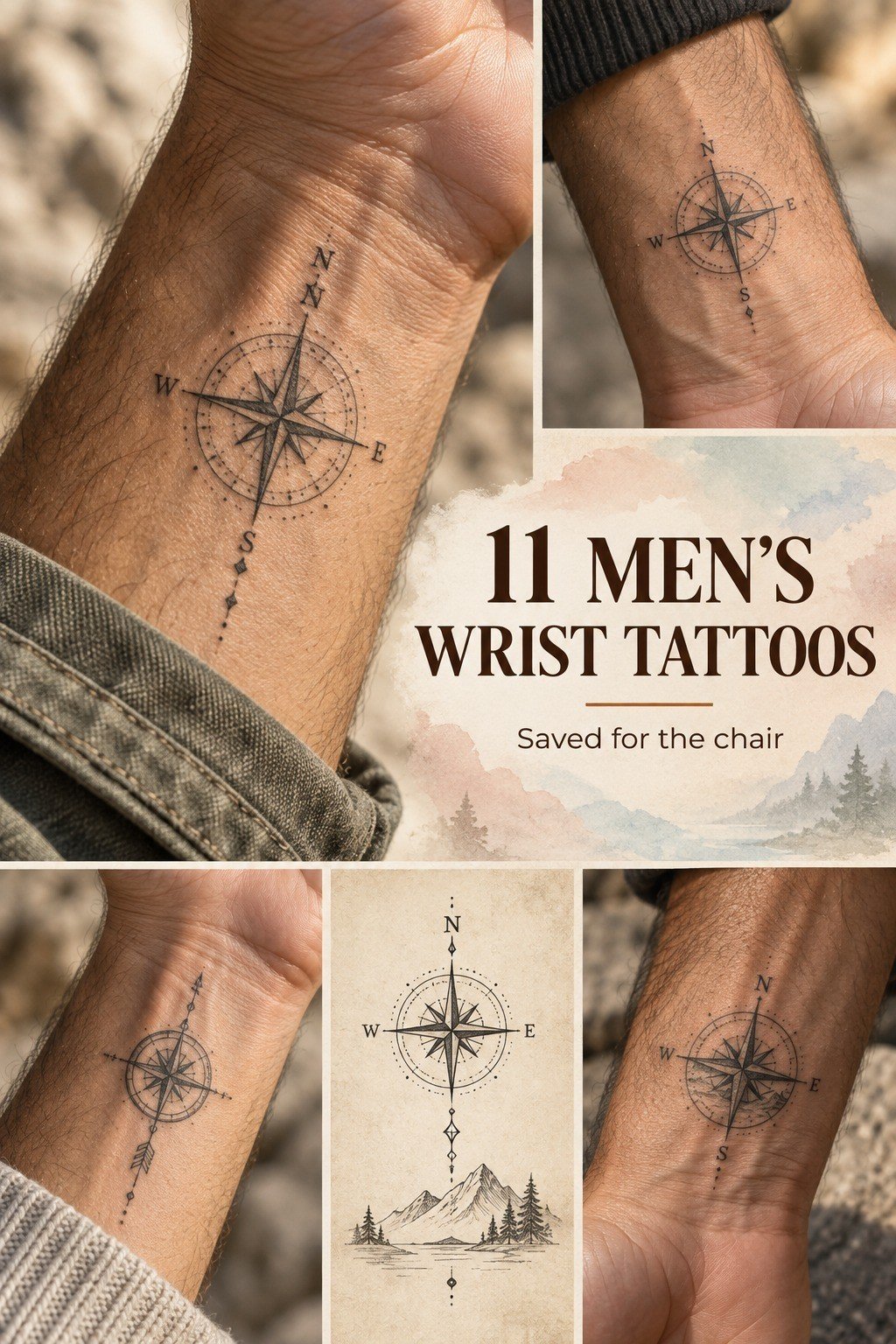
- Choosing a Striking Compass for My Wrist: The Compass Line Rule
- Testing Intricate Linework Around My Elbow: Is Fine Line Too Delicate?
- Matching Bold Symbols to My Skin Tone: The Contrast Test
- Placing Minimal Ink Beside My Wrist Bone: The Bone Gap Rule
- Comparing Finger Tattoos With Wrist Designs: Wrist Over Fingers
- Selecting Fierce Script for My Inner Wrist: Can Small Lettering Stay Clear?
- Building Forearm Flow From a Wrist Tattoo: The Three-Point Flow
- Balancing Ornate Detail With Wrist Movement: Ornament Over Density
- Checking Pain Before My First Wrist Session: What Can I Tolerate?
- Protecting Crisp Ink During Wrist Healing: The Aftercare Clock
- Finding Meaning in My Personal Wrist Tattoo: Why This Mark Stayed
1Choosing a Striking Compass for My Wrist: The Compass Line Rule
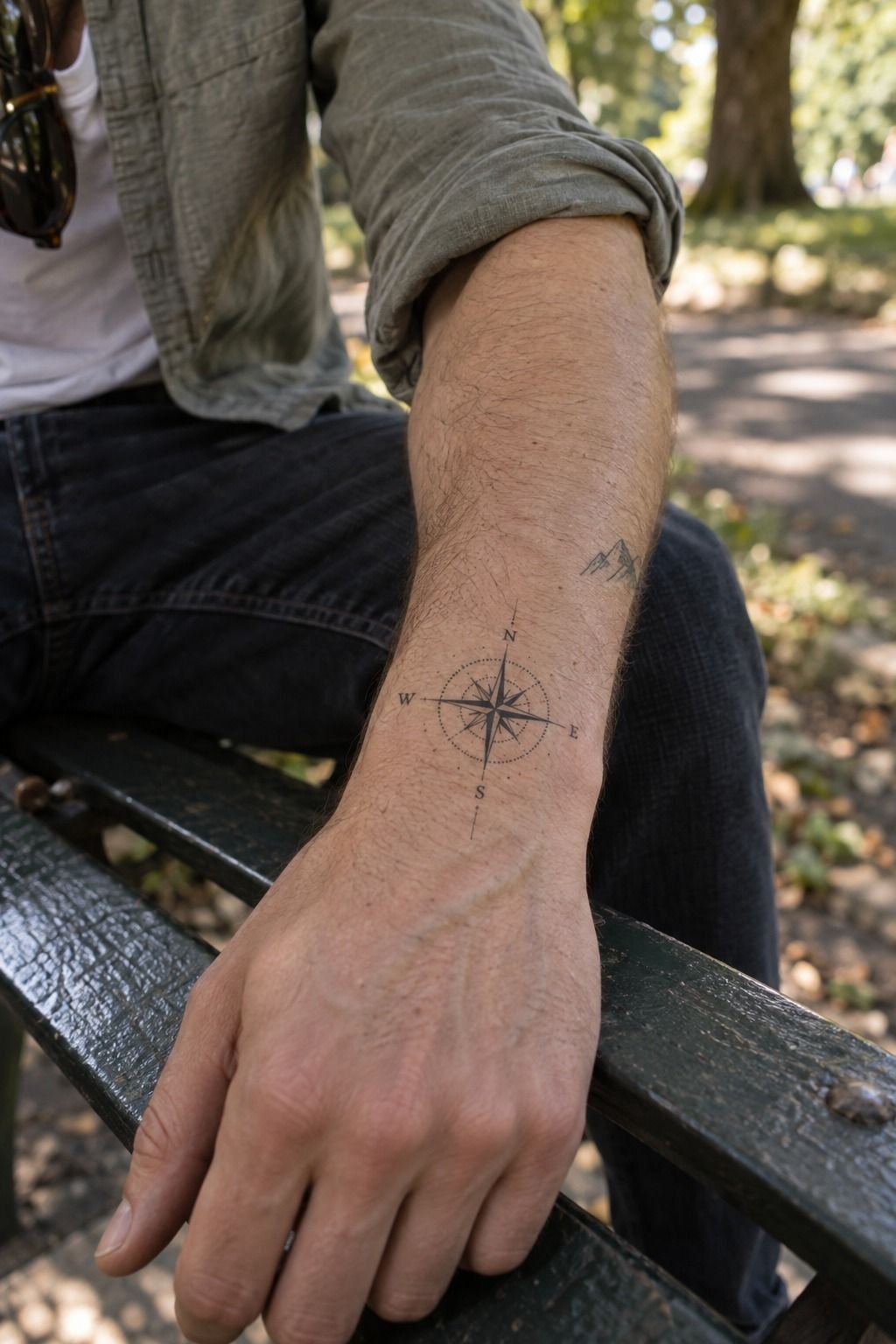
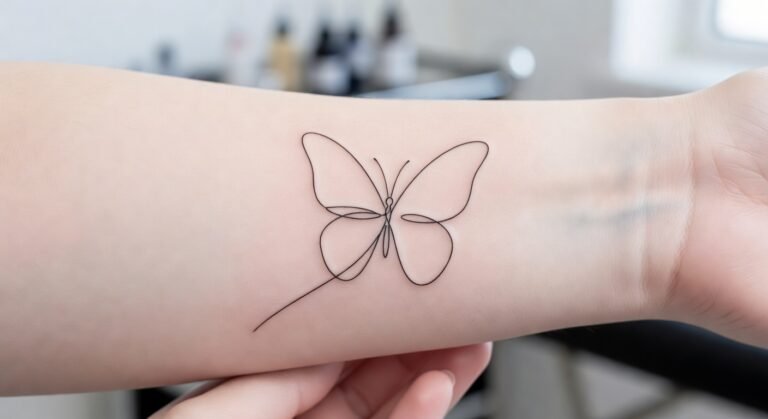
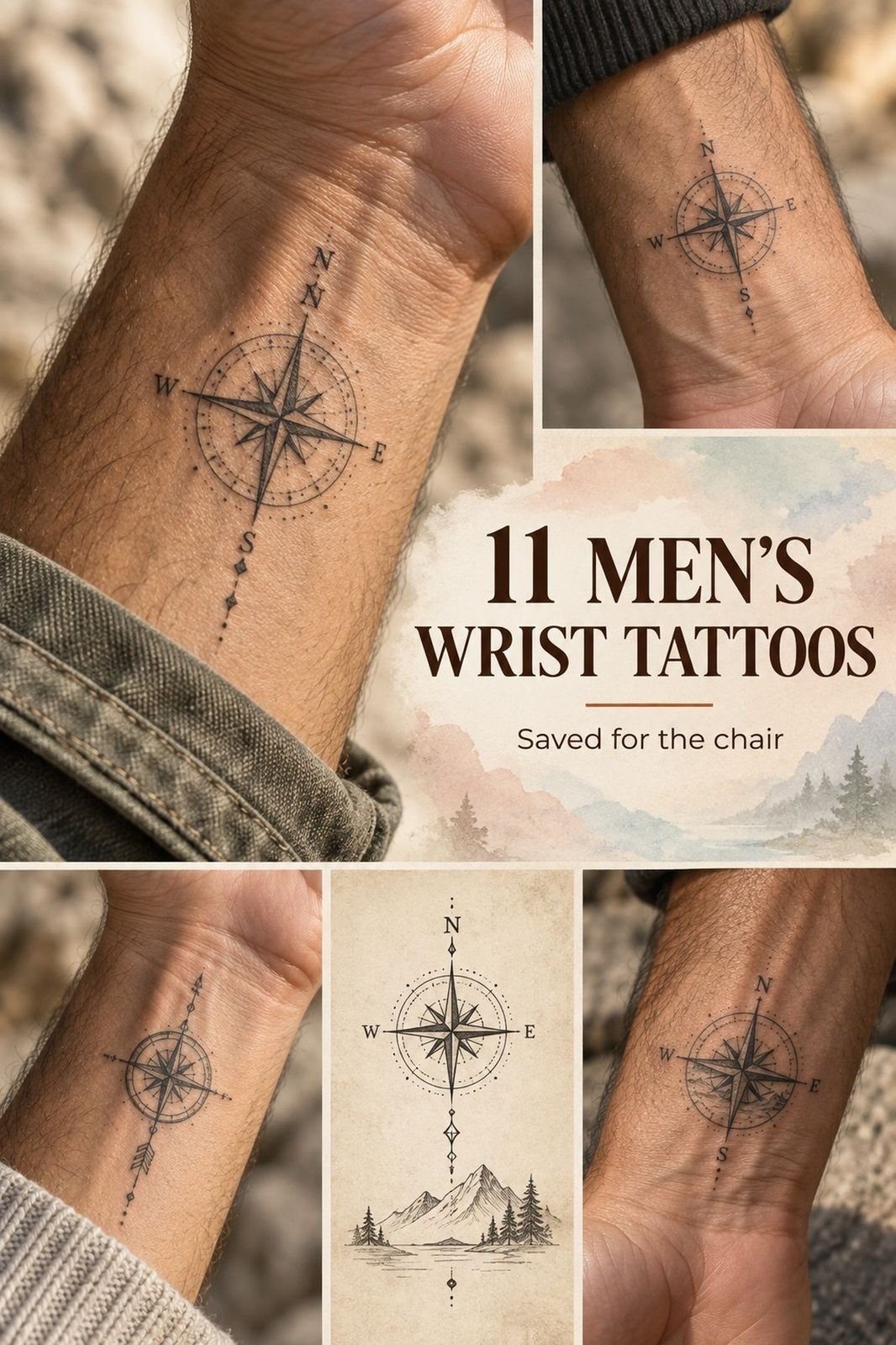
I started with a striking compass because I wanted direction without a giant travel emblem. The reference showed hair-thin lines on fair, cool-pink skin, and the design looked crisp from the front without pretending to be heavy blackwork.
You’ll want to rotate your wrist before approving anything, because a symbol can read differently when your hand bends. I also compared small tattoos for men before settling on the scale.
The artist used a fine-line compass with a tiny center point and four restrained arms. I’d skip a packed north star here. It’s iconic, sure, but dense points can swallow the delicate spacing that makes a small wrist tattoo feel polished.
My turning point came when the stencil moved half an inch toward the thumb side. The image suddenly looked more personal and less like a flash-sheet stamp. You can compare that placement with these front wrist tattoos before your appointment, but your wrist crease should still guide the final decision.
The shop’s light made the black ink look softer than it did outdoors. That mattered.
A crisp design needs breathing room, and the black pigment had enough contrast against my skin to stay expressive without looking aggressive. I left with a minimal compass that felt personal rather than decorative.
2Testing Intricate Linework Around My Elbow: Is Fine Line Too Delicate?
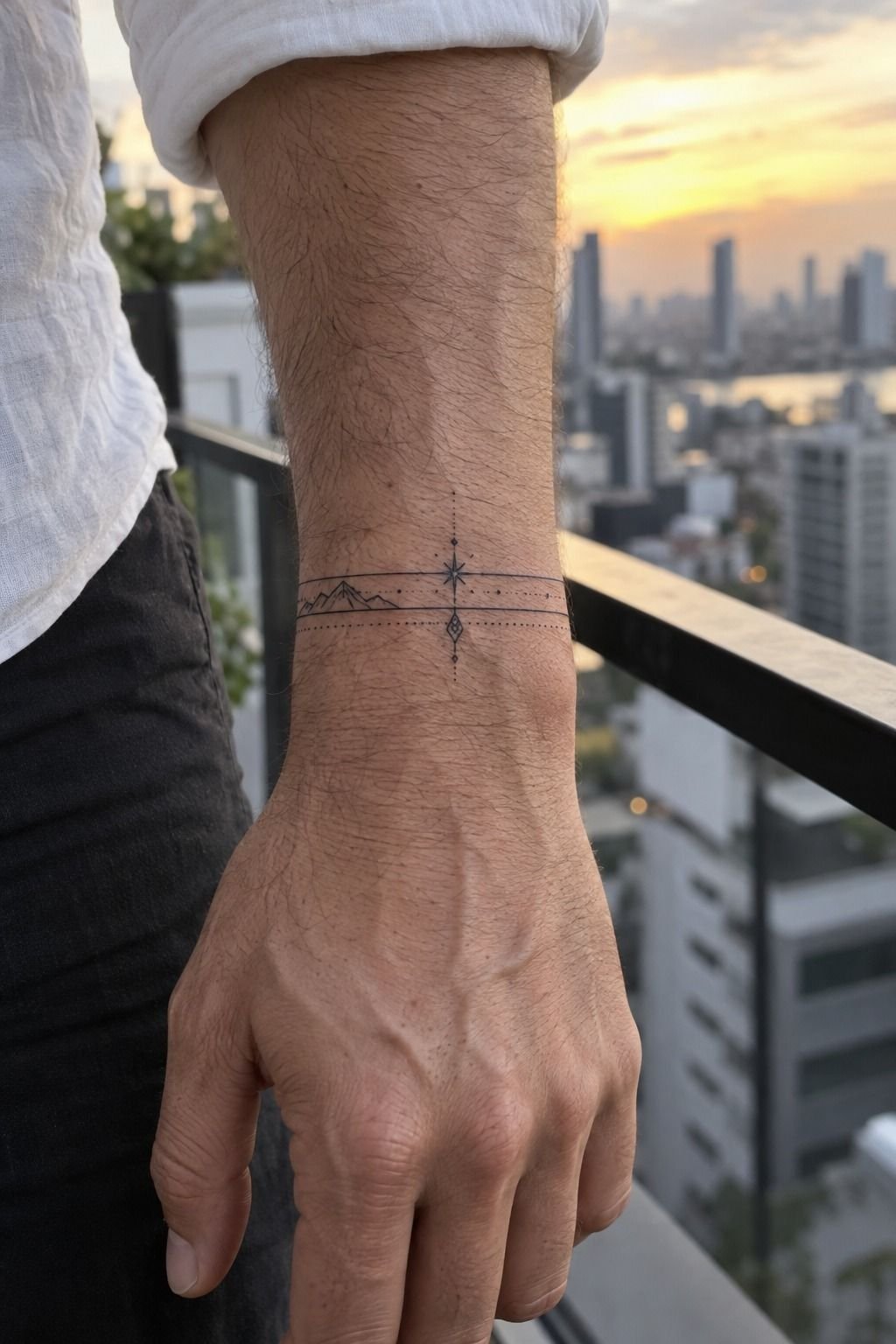
I tested intricate linework around the elbow area because my wrist design needed a future path, not a random endpoint.
3Matching Bold Symbols to My Skin Tone: The Contrast Test
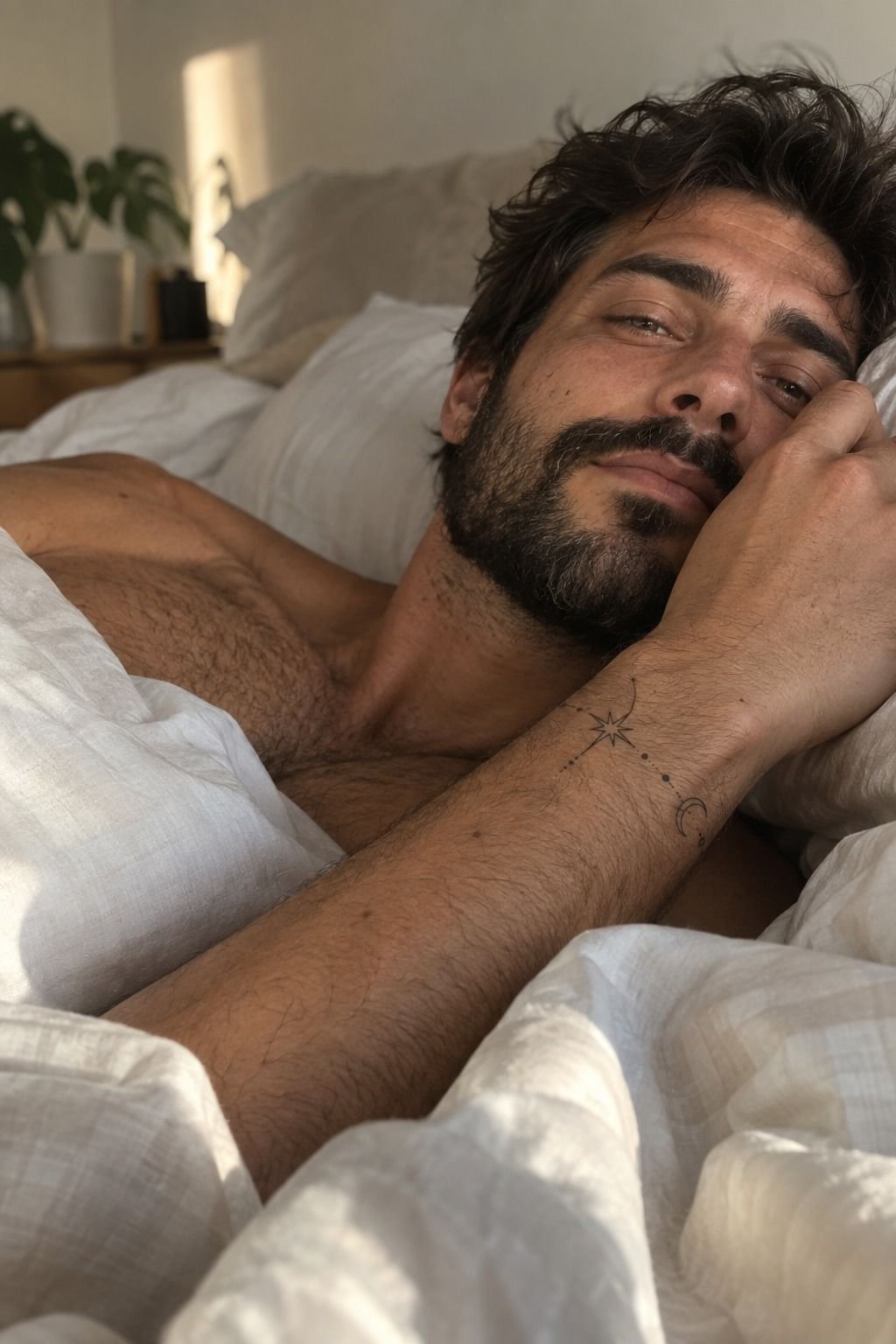
I chose a bold symbol for medium olive skin, but I didn’t mean a heavy block of ink. The reference showed black hair-thin lines, and the olive undertone made the design look warm in direct sunlight. You’ll need to judge contrast under more than the cool lamps inside a studio.
The artist tested the image beside a black ink swatch, then wiped the skin clean before placing the stencil. That quick comparison made the difference obvious. A symbolic mark can be sharp and expressive without becoming visually noisy, especially when the negative space stays generous.
But I almost picked a softer gray wash because it looked gentle on the printed reference. I changed my mind. Gray can appear elegant at first, while crisp black gives a small symbol stronger staying power.
For another placement option, see these front wrist tattoos and notice how contrast changes with the viewing angle.
The mark felt empowering once it was on my skin because it didn’t need a caption. The symbol carried a personal meaning, while the olive-skin contrast kept its edges visible.
You’ll want your artist to show healed work, not only fresh photographs, before you commit. I also checked examples of hand tattoos for men to understand how darker marks read on more exposed skin.
4Placing Minimal Ink Beside My Wrist Bone: The Bone Gap Rule
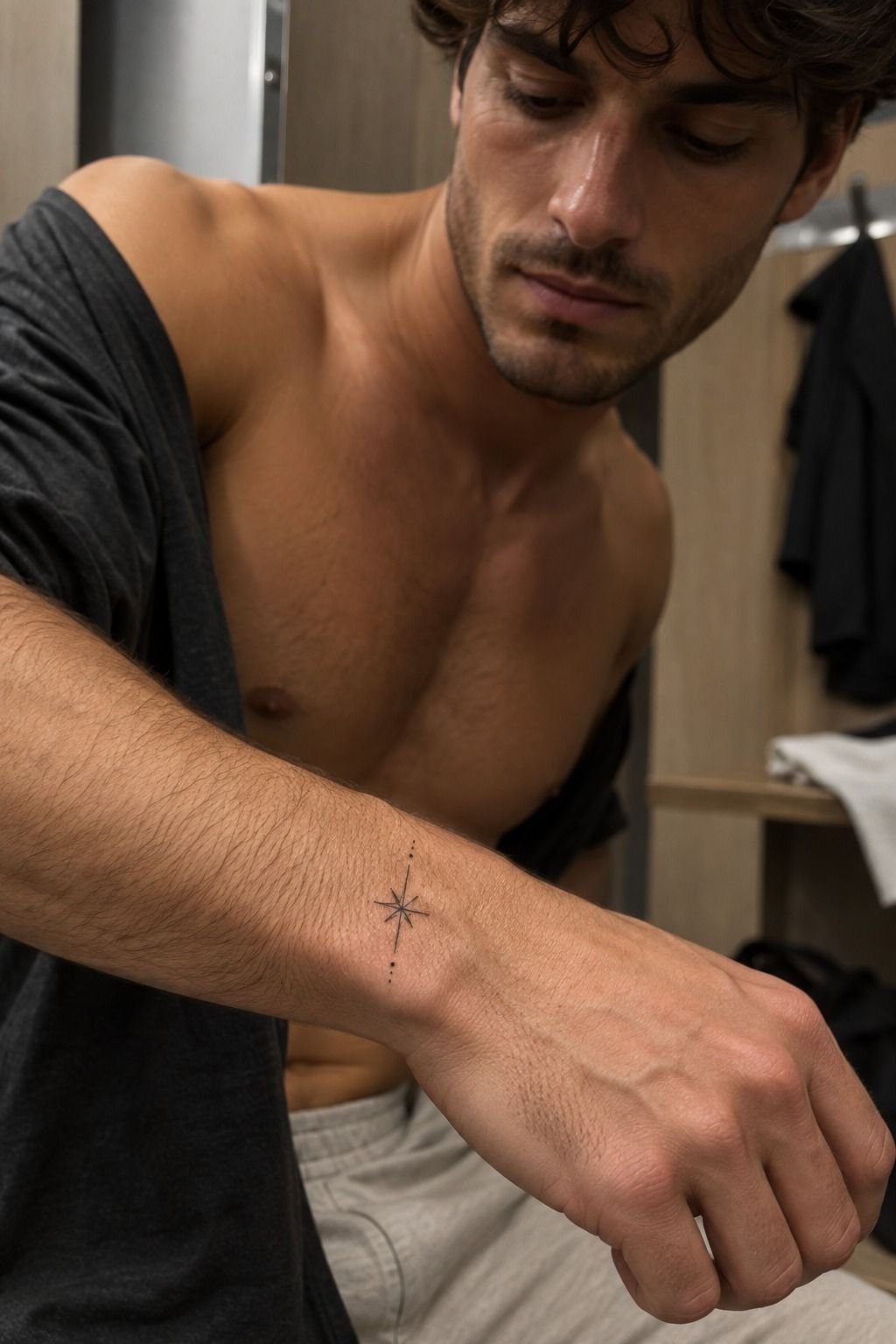
I placed minimal ink beside my wrist bone instead of directly over the crease.
5Comparing Finger Tattoos With Wrist Designs: Wrist Over Fingers
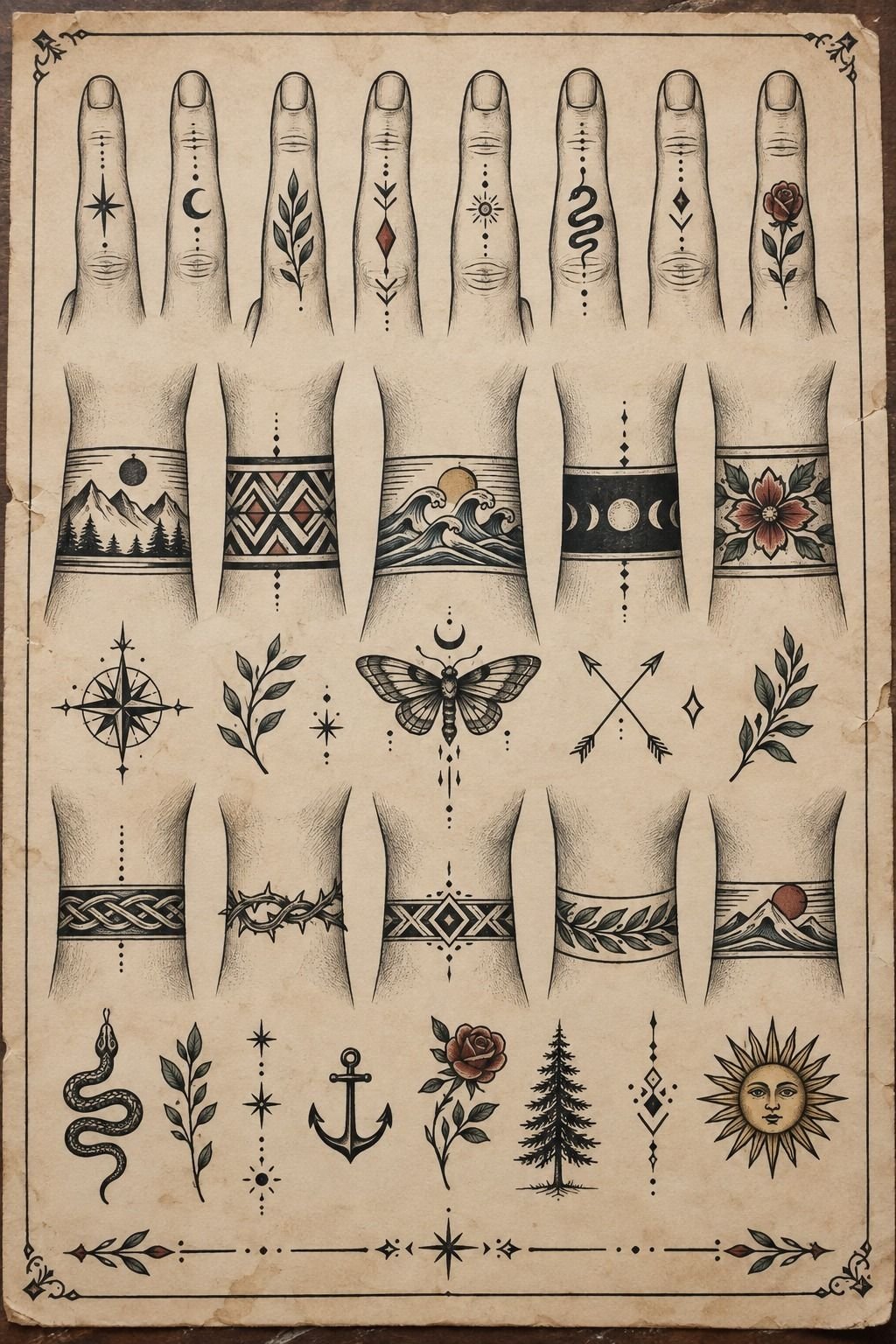
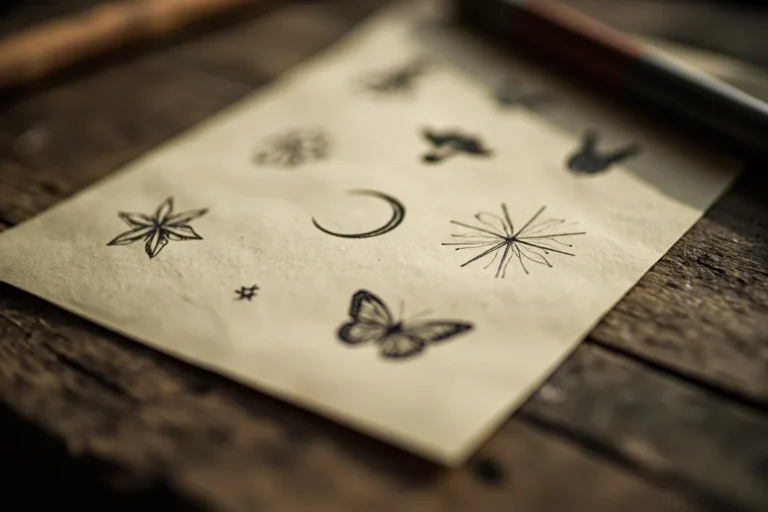
I compared finger tattoos with wrist designs using a traditional flash sheet on aged off-white paper. Several hand-drawn black fine-line ideas looked playful and classic there, but the wrist gave each symbol more room to breathe. You’ll want to consider visibility, movement, and how often your hands face water before choosing.
The flash sheet included aged off-white paper, black outlines, and small symbols with no shading. I liked the vintage feeling, yet I’d choose the wrist over fingers for a first piece. Finger tattoos can look fierce and expressive, but frequent washing and friction make their aging less predictable.
I traced two options with my finger and photographed them beside my phone for scale. The wrist version looked more polished from a normal distance, while the finger idea needed close inspection. And if you’re drawn to hand placement, these hand tattoos for men show how much more visible that choice becomes.
The decision felt surprisingly emotional. The wrist design could stay private under a cuff or appear when I wanted it to, which made it more meaningful.
Your first tattoo doesn’t have to announce itself all day. The black flash designs gave me options, but the wrist gave me control.
I’d also compare more small tattoos for men before choosing a highly visible spot.
6Selecting Fierce Script for My Inner Wrist: Can Small Lettering Stay Clear?
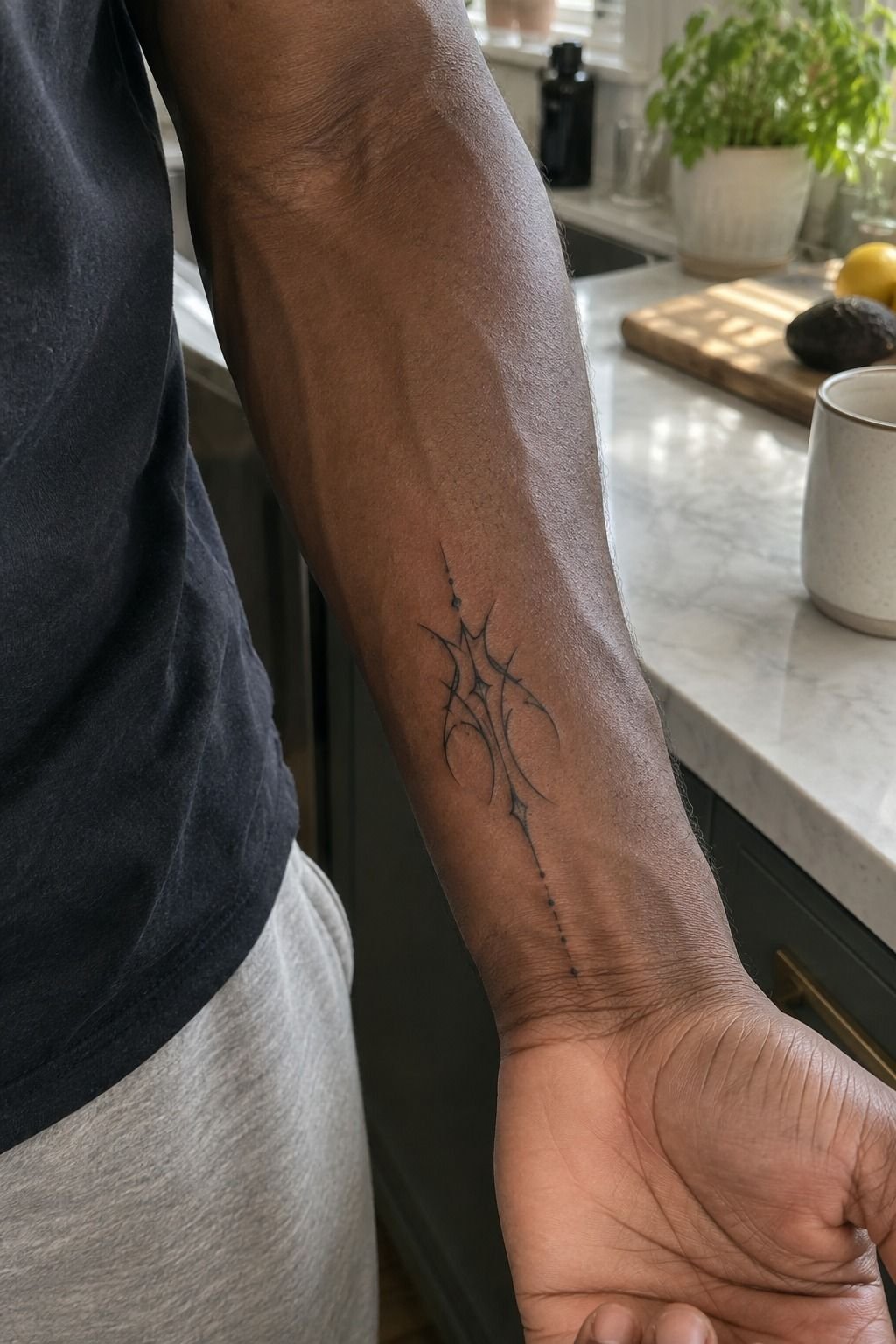
I selected fierce script for my inner wrist because the phrase mattered more than the image.
7Building Forearm Flow From a Wrist Tattoo: The Three-Point Flow
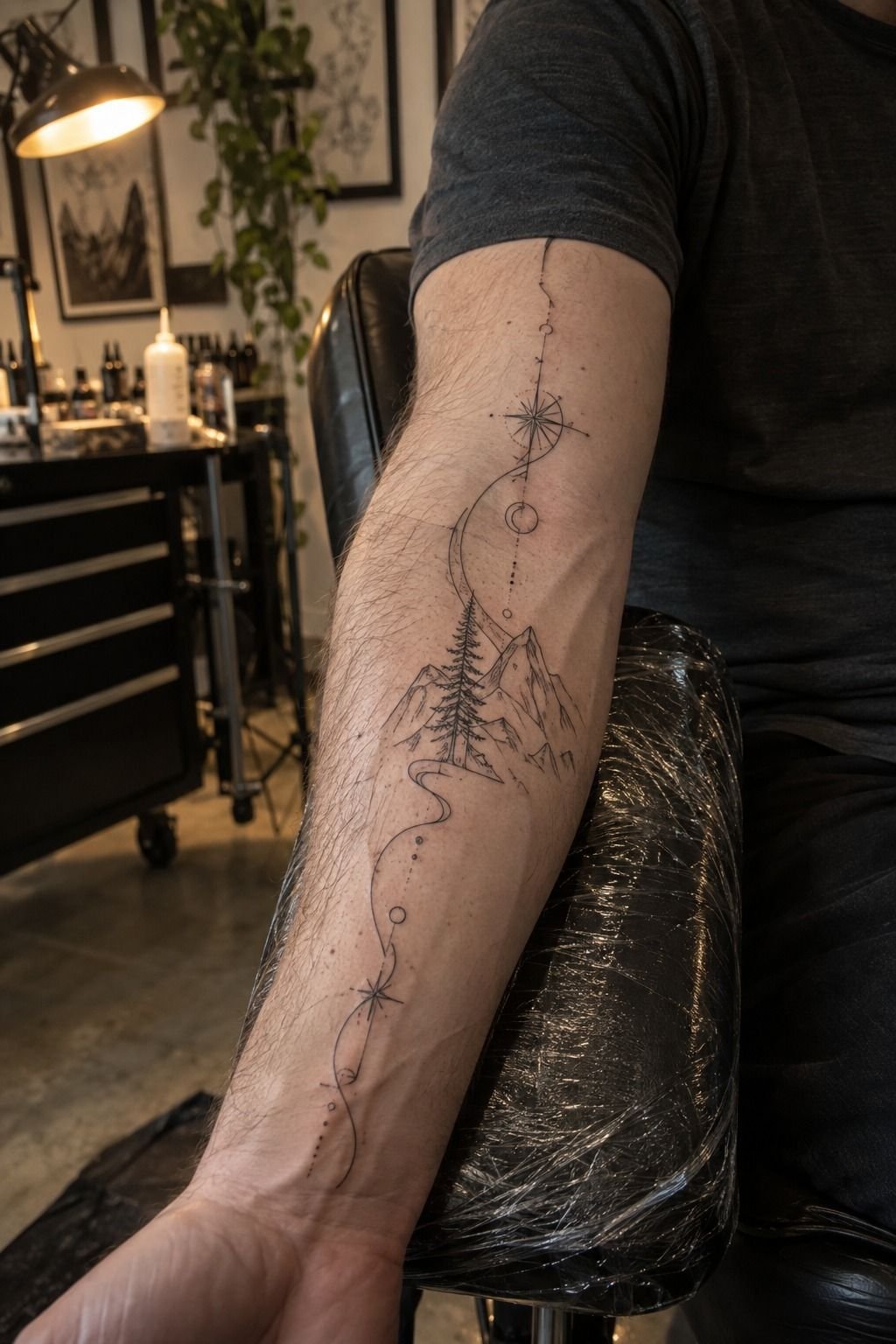
I built forearm flow from the wrist tattoo instead of treating the mark as a lonely island. The reference showed fair cool-pink skin and a fine-line design extending naturally onto the forearm. You’ll want to map the wrist, forearm, and elbow as three separate visual points before adding anything.
The artist used a forearm stencil map with a small anchor near the wrist and two lighter guide marks above it. The lines didn’t form a rigid chain. They curved gently, so the movement felt flowing when my arm rested and still made sense when I bent it.
I made one mistake here. I assumed a larger design would create stronger flow, but the oversized stencil swallowed the original tattoo.
We reduced it and kept the open skin. If you’re planning a longer composition, these forearm tattoos for guys can help you compare scale and visibility.
The final layout looked graceful rather than busy. My single-needle forearm line connected the pieces without forcing them into one solid panel. You’ll appreciate that restraint later, especially if you decide to add another meaningful mark after the first one has settled.
I also saved a few small tattoos for men for ideas that could remain separate.
8Balancing Ornate Detail With Wrist Movement: Ornament Over Density
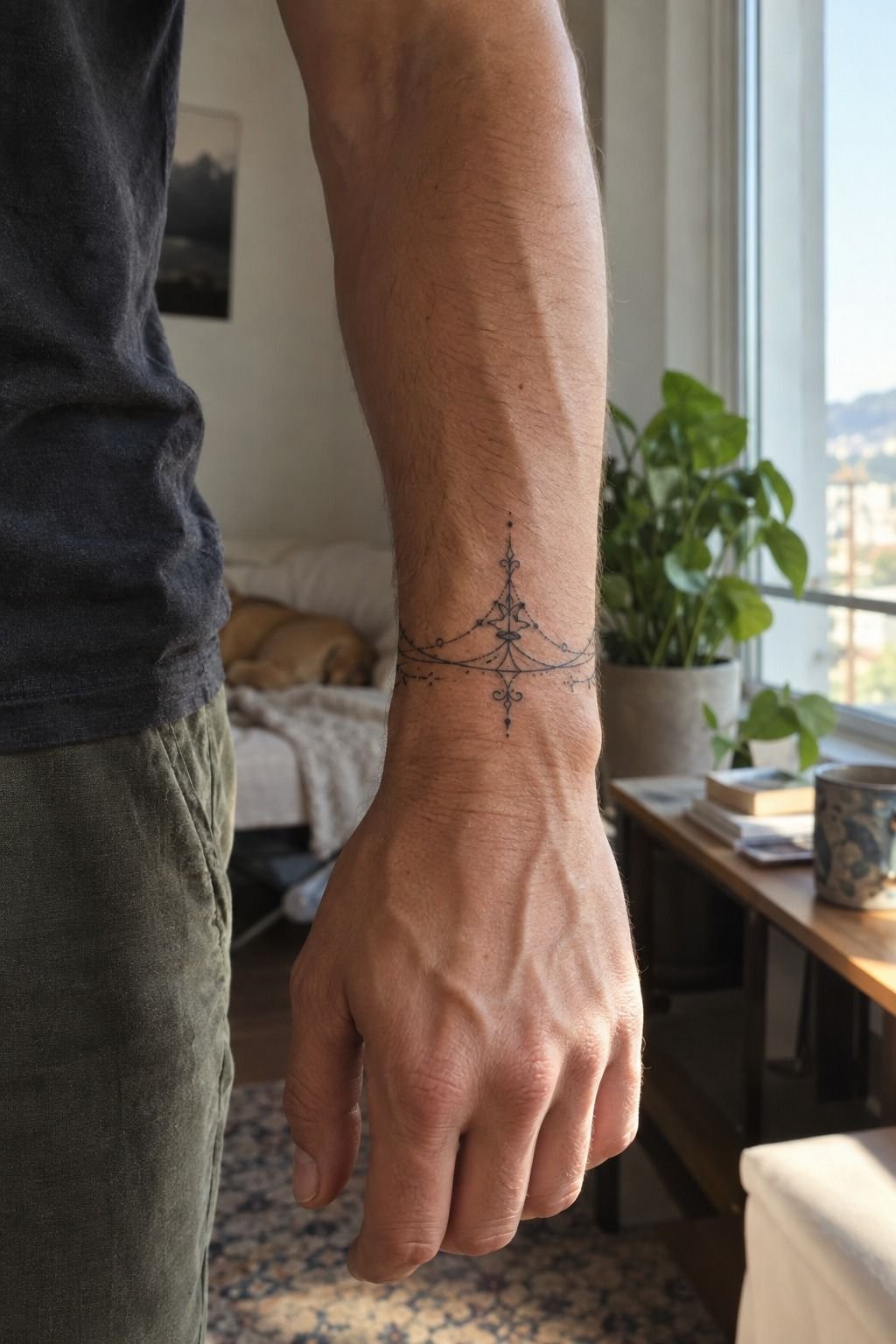
I balanced ornate detail with wrist movement by choosing one focal shape and leaving the rest quiet.
9Checking Pain Before My First Wrist Session: What Can I Tolerate?
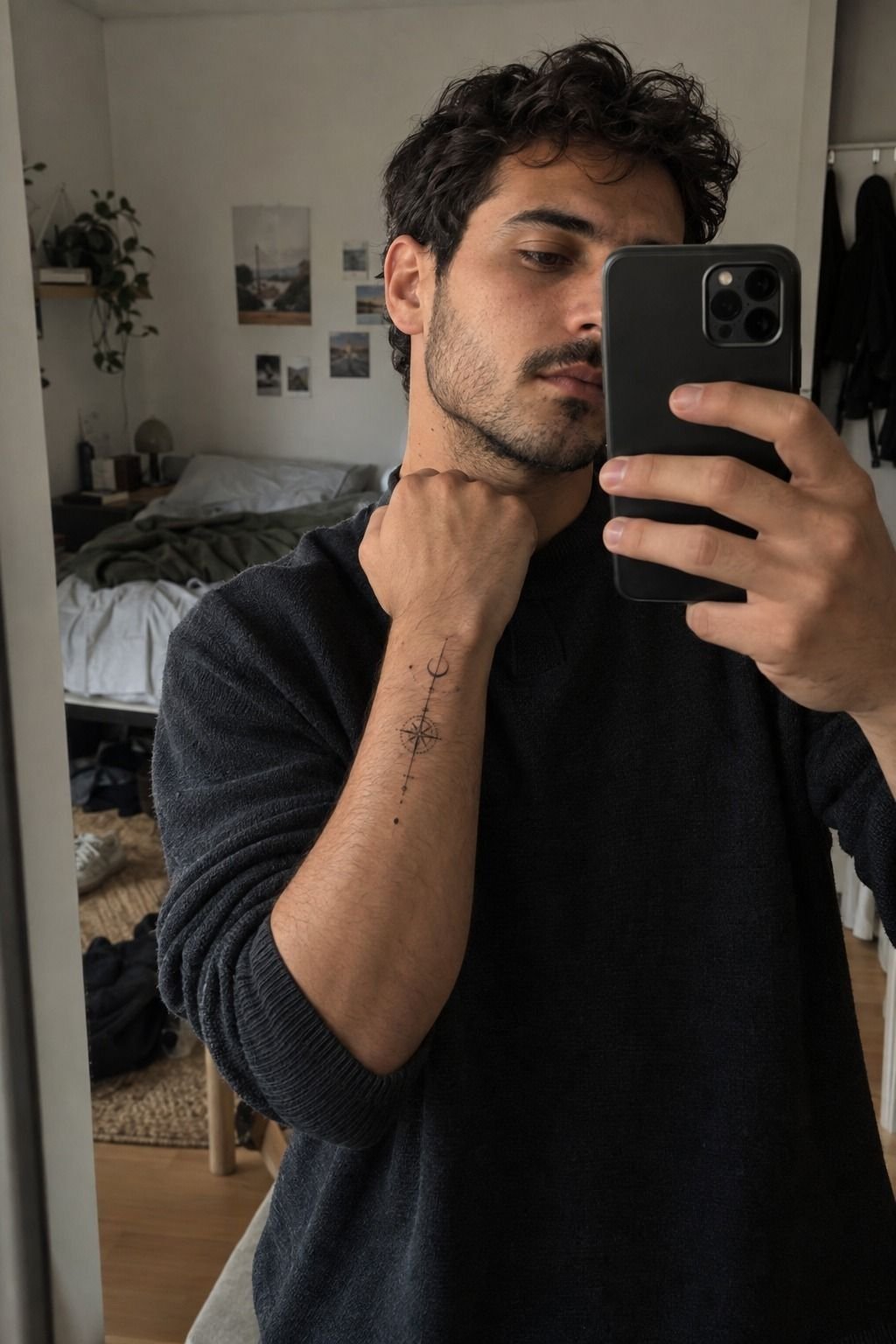
I checked pain before my first wrist session because confidence doesn’t erase nerves. The medium olive skin in the reference showed a delicate fine-line tattoo near the bone, where the sensation can feel sharper than expected. You’ll want to eat, hydrate, and ask your artist how long the appointment should last.
My session used a disposable barrier film and lasted around one to two hours, depending on stencil changes and pauses. The wrist felt sharp in short bursts, but the sensation stayed manageable for me. I’d rather take a calm break than pretend you’re comfortable and tense every muscle.
Pain varies from person to person. Ribs, feet, hands, and the sternum are commonly more painful, while the forearm, thigh, and shoulder are often more tolerable. If you’re weighing hand placement, these hand tattoos can help you think through visibility as well as sensation.
The emotional shift came halfway through, when I realized the hard part was choosing, not enduring. Your first wrist tattoo can feel raw and intimate without becoming dramatic. The fragrance-free barrier film protected the fresh work while I left the studio feeling relieved and quietly proud.
10Protecting Crisp Ink During Wrist Healing: The Aftercare Clock
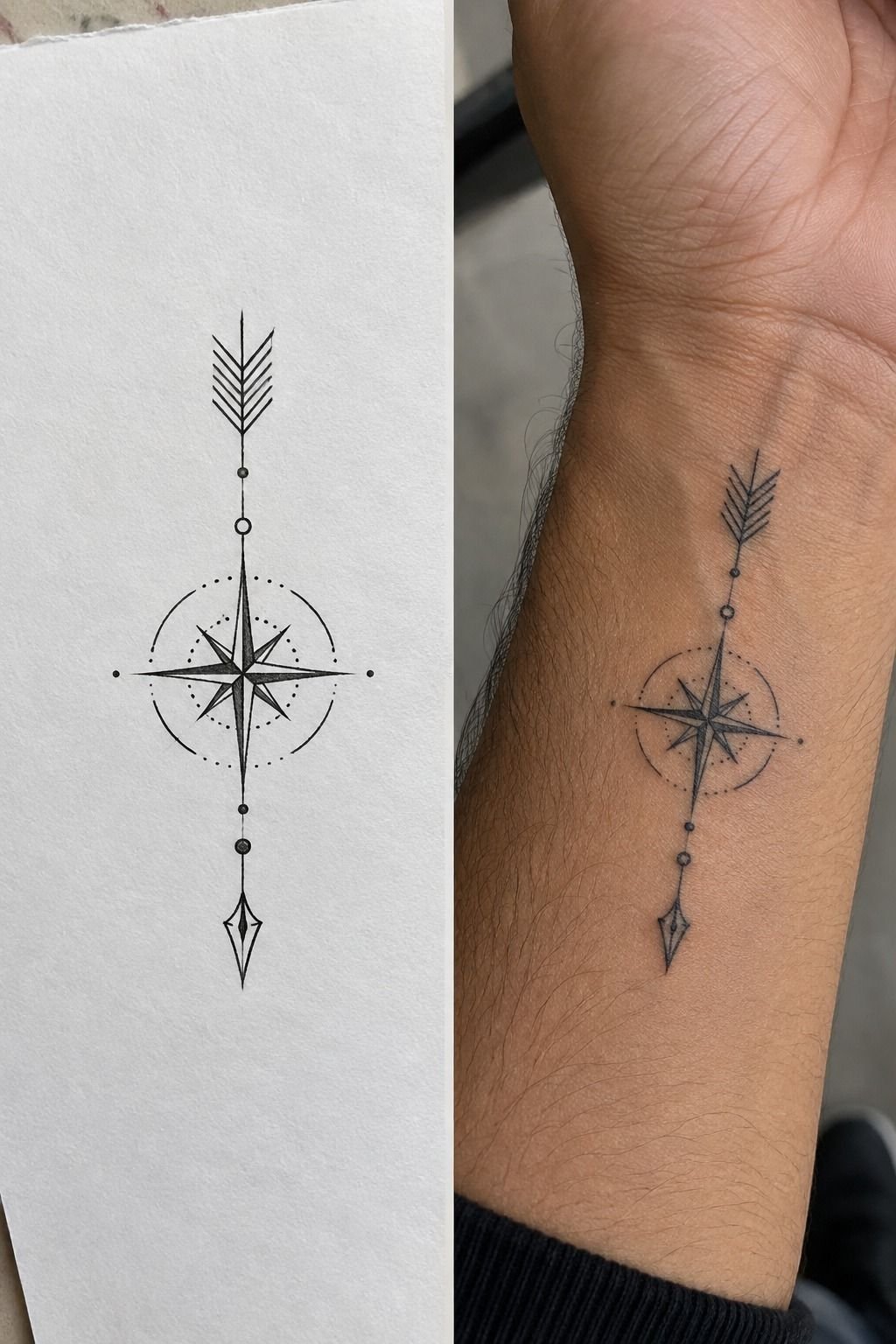
I protected crisp ink during wrist healing by treating the aftercare as part of the design. The artist charged $25 for an aftercare kit, though I didn’t use every product in it. You’ll want patience, because fresh ink never shows its final softness immediately.
The artist covered the tattoo with second-skin film and gave me simple instructions. I removed it as directed, washed gently, applied a light moisturizer, and avoided picking at flakes. I’d skip swimming and direct sun while the surface healed, even if the tattoo looked fine after a few days.
Surface healing typically takes about two to three weeks, while complete healing can take around two to three months. UV exposure can make fine lines spread or fade faster over time. If you’re planning more work later, these back tattoos for men offer useful ideas for protecting larger compositions too.
The healed result looked crisp rather than frozen. A little softness made it feel lived-in, while the healed black linework kept its shape. Your aftercare choices won’t rewrite the artist’s work, but they can protect the sharp, meaningful result you paid for.
11Finding Meaning in My Personal Wrist Tattoo: Why This Mark Stayed
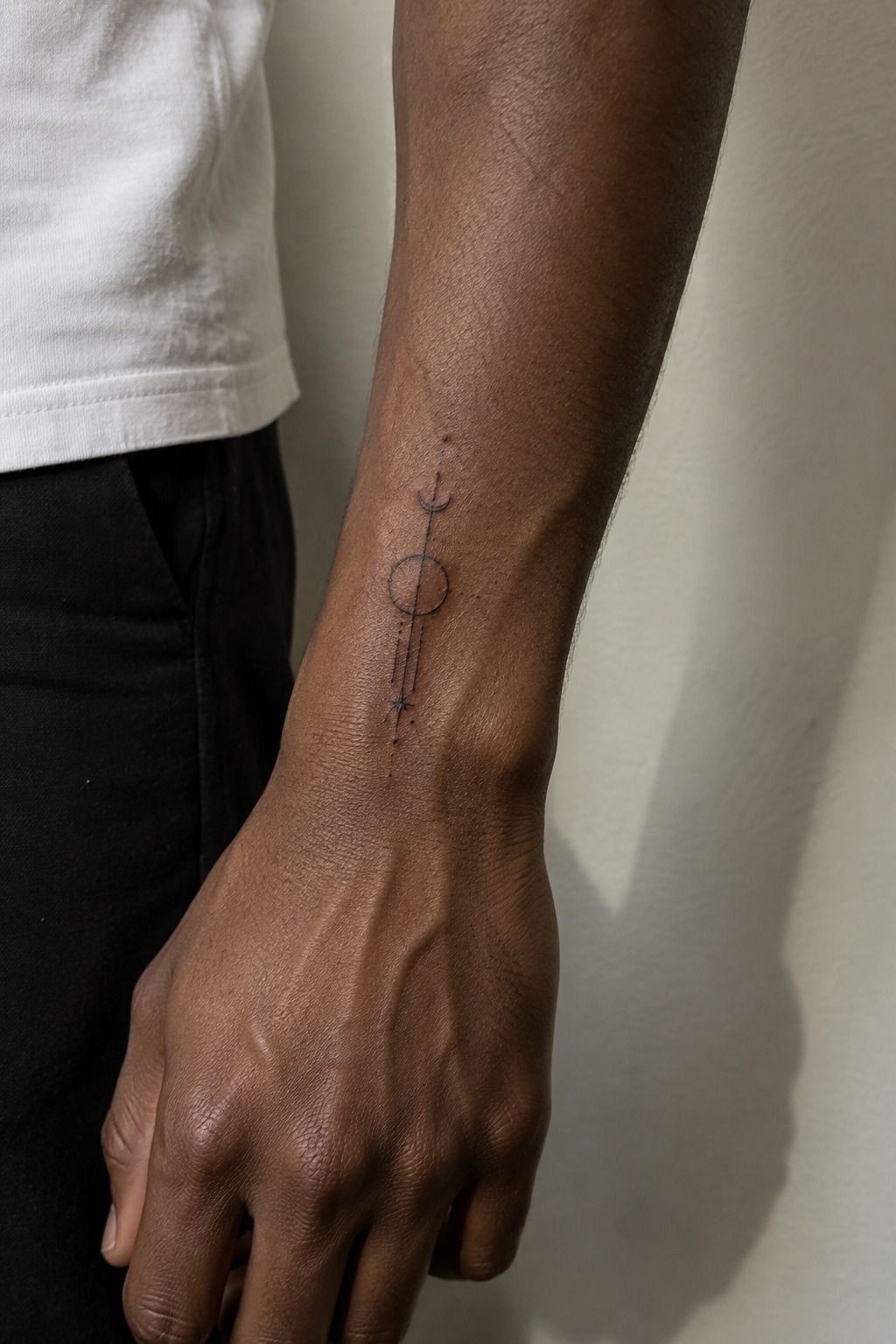
I found meaning in my personal wrist tattoo by choosing a symbol connected to a decision I’d already made.
How I Read a Healed Portfolio Before Booking
I read a healed portfolio before I looked at an artist’s newest posts. Fresh work can be striking, but settled tattoos reveal line spread, fading, spacing, and consistency. Take the healed photos seriously!
I asked to see several healed tattoo examples from different skin tones and placements. One photograph proves very little. A pattern across multiple clients tells you far more about technique and judgment.
I also checked whether the small designs stayed readable from a normal distance. If every portfolio piece is large, shaded, or heavily saturated, you won’t know how the artist handles delicate wrist work. These small tattoos for men helped me compare the amount of detail I actually wanted.
The best portfolio wasn’t the flashiest one. It was the one that showed consistent edges, thoughtful spacing, and honest healing.
That felt more trustworthy than a feed full of dramatic fresh ink. An artist’s healed portfolio tells you what remains after the excitement fades.
What Changes With Skin Tone and Sun: Contrast Has a Cost
Skin tone changes how black ink reads, but it doesn’t decide whether a design can work. The artist explained how contrast, line weight, and placement interact. I paid $200 for the session and another $40 for a later check-in, which felt fair for that level of attention.
A skin-tone consultation helped me avoid judging the stencil under one kind of studio light. We checked it beside a window, under a cooler lamp, and with my wrist turned. The black line looked different each time, yet the shape stayed readable.
Sun exposure also matters. A wrist catches daylight often, especially if you wear short sleeves. You’ll want a practical plan for sunscreen after healing, not just an optimistic promise that the ink will stay strong forever.
I compared the same concern in several front wrist tattoos.
I chose a slightly heavier outline than my first draft. It still looked delicate, but the extra weight gave the symbol a stronger edge.
That small adjustment made it feel polished and durable. The slightly heavier outline was barely noticeable, yet it improved the long-term balance.
A Small Wrist Tattoo Is Still a Big Decision
A small tattoo can take less than two hours and still deserve serious thought. My appointment minimum was $100, and the final total reached $220 after consultation and stencil changes.
The price wasn’t the difficult part. Deciding what deserved permanent space was.
I tested the design on my wrist for several days before booking. I wore it while typing, driving, exercising, and washing my hands. The stencil looked playful in one position and strangely tilted in another, so I adjusted the angle.
You can use side wrist tattoos for placement references, but your own movement matters more than any saved post. A tattoo should fit the way your hand actually works. My daily movement test caught a problem I wouldn’t have noticed while sitting still.
I’d also ask whether your job, family, or daily routine makes a visible mark complicated. That isn’t fear.
It’s useful planning. A meaningful tattoo can still be inconvenient if you haven’t thought through visibility.
The visible tattoo decision should feel deliberate, not accidental.
Three Questions I Ask Before Booking
Before booking, I ask three questions: Can I see healed work? What happens if the stencil feels wrong?
What aftercare does the artist recommend? Those answers tell me more than a polished online profile.
The artist explained the stencil revision policy before taking a deposit. I liked that clarity. Some studios include revisions, while others charge for additional design time.
Ask before you book!
I also asked how the artist handles movement near the wrist crease. A confident answer included relaxed and flexed positions, not just a quick glance at the skin.
That showed me the consultation would be practical. I later compared the same issue across hand tattoos.
Finally, I asked what the quoted price covered. The answer included setup, stencil placement, tattooing, cleanup, and written aftercare. Clear details made the appointment feel calm instead of rushed.
The written aftercare instructions were simple enough to follow without guessing.
What I’d Keep and What I’d Cut
If I designed the tattoo again, I’d keep the compass, the open spacing, and the slight angle toward the thumb. I’d cut the extra star I nearly added. The revised compass stencil looked cleaner after that edit.
I’d also remove any tiny wording that needs a close-up to understand. Fine lettering can be meaningful, but not every private thought needs to become permanent ink. Sometimes the strongest mark is the one that leaves something unsaid.
You can compare more side wrist tattoos before deciding whether your piece should face you or everyone else. I preferred a direction that made sense when I looked down at my own hand. The side-wrist angle gave the tattoo a more private rhythm.
The result feels bold enough to notice and understated enough to live with. That balance is why I haven’t grown tired of it. The open spacing gives the design room to remain readable as the years pass.
The Appointment Details I Didn’t Expect
The appointment itself was quieter than I imagined. The artist spent nearly twenty minutes checking the stencil, cleaning the skin, and asking me to move my wrist. The actual tattooing took less time than the decision.
The sterile setup mattered to my confidence. Fresh gloves, sealed supplies, clean surfaces, and clear instructions helped me relax. Hygiene isn’t a glamorous part of the story, but it deserves direct attention.
I brought water and ate beforehand, which helped. I’d also wear something with sleeves that could move away from the wrist without rubbing the fresh tattoo. A sleeve opening that stayed clear made the session easier.
The last surprise was how emotional the final wipe felt. The mark was tiny, but it represented a decision I’d carried for months. That small mark still makes me smile!
How Much It Cost
My wrist tattoo stayed within the typical US range for a small, fine-line appointment, but the final amount depends on the artist, region, minimum, design time, and session length. I wouldn’t choose a cheaper artist just to save a little money. Clean healed work matters more than a low starting quote.
The main cost wasn’t the black tattoo ink itself. It was the artist’s judgment, the stencil revisions, the clean setup, and the time spent making a small design sit correctly on a moving joint. You’ll want to ask about the minimum before booking.
I also budgeted for aftercare without buying a pile of products. A gentle cleanser, a simple fragrance-free moisturizer, and sun protection were enough for my routine.
That felt practical, especially since the tattoo needed patience more than constant attention. The fragrance-free moisturizer was all my skin needed once the surface had closed.
If you’re comparing artists, review healed photographs and ask what the quoted price includes. A strong portfolio should show crisp edges, balanced spacing, and readable linework after the first excitement has passed. My healed wrist design was worth paying for because the decision still feels right.
What I Learned About Men’s Wrist Tattoos
I used to think a wrist tattoo had to be either bold enough to announce itself or so minimal that nobody would notice. I was wrong. The strongest pieces sit between those extremes, using crisp linework, deliberate spacing, and a personal idea that doesn’t need to perform for strangers.
My first mistake was choosing from a screen without testing the stencil on my actual wrist. The design looked elegant in a square preview, then felt crowded when my hand bent.
I also underestimated how much a single millimeter of placement could change the balance. That small correction made the mark feel polished rather than accidental.
The stencil placement mattered more than the original sketch.
I’ve learned to value healed photographs more than fresh studio shots. Fresh ink can look sharp, but healed work tells you how the lines behave after the skin has settled. If an artist can show consistent healed examples, you’re seeing a more honest version of the result.
And I’d skip any artist who rushes your questions. A thoughtful consultation should cover placement, line weight, skin tone, movement, pain, and aftercare.
You’re trusting someone with a permanent mark, so hesitation isn’t weakness. It’s useful information.
A thoughtful consultation should leave you clearer, not pressured.
The part I keep returning to is restraint. My tattoo became more expressive when I removed extra detail, shortened the script, and gave the symbol breathing space around it.
That choice made the design feel timeless, graceful, and quietly fierce. Your best idea may be the one that survives editing.
The open skin was part of the design, not an empty mistake.
What People Always Want to Know
How much do men’s wrist tattoos usually cost?
A small wrist tattoo commonly costs about $100 to $300 in the US, depending on the artist and region. Boutique minimums may sit around $50 to $100, while hourly rates often range from $100 to $250. Review side wrist tattoos for scale ideas before booking.
Are men’s wrist tattoos a good idea for a first tattoo?
Yes, the wrist can be a meaningful first placement because it offers visible, manageable linework and a clear view during healing. The wrist placement is often tolerable, though everyone’s pain response differs. Start with a personal design, not a trend you’ll outgrow.
How do I choose a tattoo artist for men’s wrist tattoos?
Choose an artist with clean linework, healed photographs, and strong hygiene practices. A healed portfolio matters most, because fine lines can soften after the appointment. Ask about their experience with small symbols, skin tone, wrist movement, and stencil adjustments.
How much do men’s wrist tattoos hurt?
Wrist tattoos can feel sharp near bone, but pain is personal and usually comes in short bursts. Forearm placement is often more tolerable than ribs, feet, hands, or the sternum. Eat beforehand, hydrate, and request a pause if you need one.
How long do men’s wrist tattoos take to heal?
Surface healing usually takes about two to three weeks, while complete healing can take around two to three months. Wash gently, moisturize lightly, avoid picking, and skip direct sun and swimming during the early stage. Your artist’s instructions should guide the routine.
What’s the best placement for men’s wrist tattoos?
The front wrist offers easy visibility, while the side wrist can feel more discreet and graphic. The final position should match your daily movement and desired visibility. Compare front wrist tattoos with side tattoos before approving the stencil.
Where I’d Start First
If I had to pick one, I’d start with the minimal ink beside the wrist bone. The small skin gap protects the line from the deepest crease, so the design stays readable as your hand moves. Pin that placement for later, then bring your own meaning to the stencil.
Before booking, I’d compare healed examples, ask about the minimum, and test the stencil while my hand bends. You don’t need the loudest design. You need one that still feels meaningful after the novelty fades.
My final choice was a sleek compass with open spacing, clear black linework, and a personal reason behind it. It’s not the only strong option, but it’s the one I’d choose again.