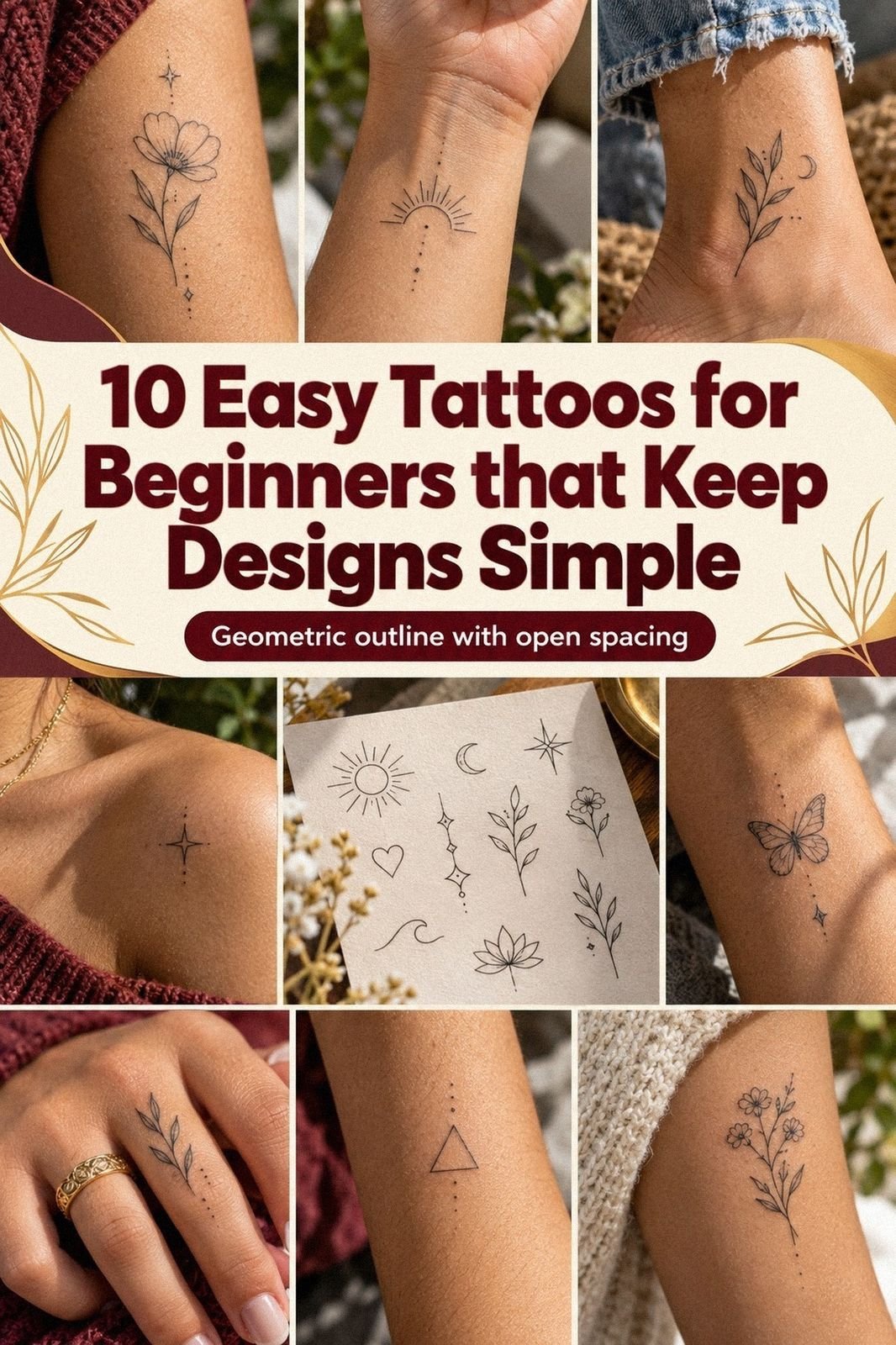
Easy tattoos for beginners work best when the idea is clear, the placement suits you, and the line weight can age gracefully. I once chose a tiny detail that was too delicate for its location, and it blurred sooner than I expected. Your first tattoo doesn’t need to be dramatic. It needs to feel personal, crisp, and right for your skin.
- Tiny Botanical Linework Tattoos for Beginners
- Can Self-Drawn Finger Marks Stay Clear?
- Celestial Wrist Stencils: Moon, Star, and Sun
Start with a design that still speaks to you when the novelty wears off. A meaningful symbol, an understated outline, or a playful little mark can become a strong first choice. The best design rarely needs to be complicated.
Editor’s note: Think about shape, placement, healing, and future visibility before you fall in love with a placement decision. A graceful idea can become awkward if the scale is wrong, while a simple mark can look striking for years when it suits your body. Compare a few options in these 15 simple tattoos that prove less ink lasts longer before booking.
- Tiny Botanical Linework Tattoos for Beginners
- Can Self-Drawn Finger Marks Stay Clear?
- Celestial Wrist Stencils: Moon, Star, and Sun
- Choose a Minimal Animal Silhouette
- Geometric Ankle Shapes Versus Dense Patterns
- Heart and Initials: Keep the Meaning Legible
- Behind-the-Ear Symbols That Stay Understated
- Bold Outlines for a First Tattoo
- Let a Floral Shoulder Stencil Follow You
- Playful Tiny Food Tattoos with Clean Linework
- Meaningful Minimalist Tattoos for Inner Forearms
1Tiny Botanical Linework Tattoos for Beginners
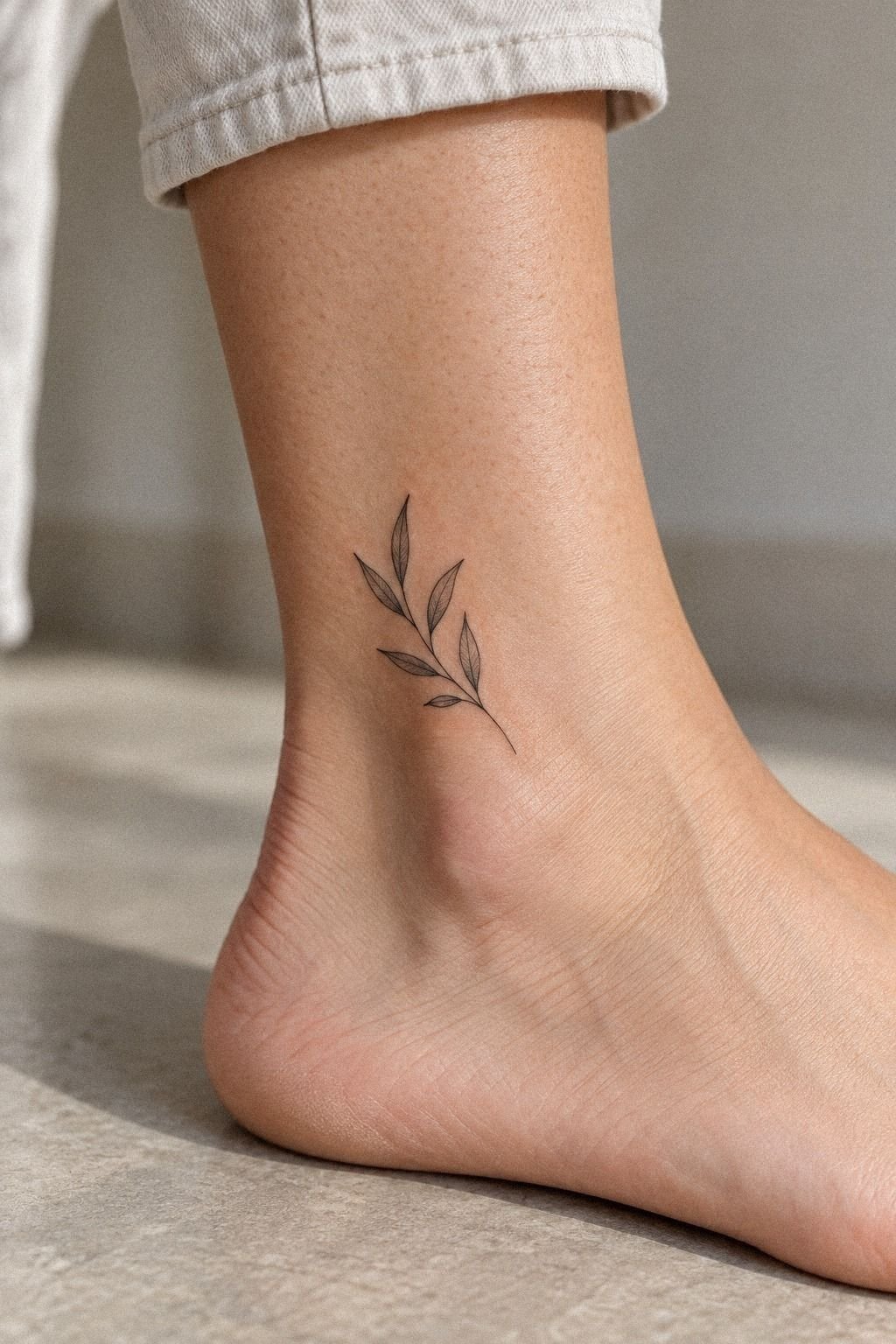
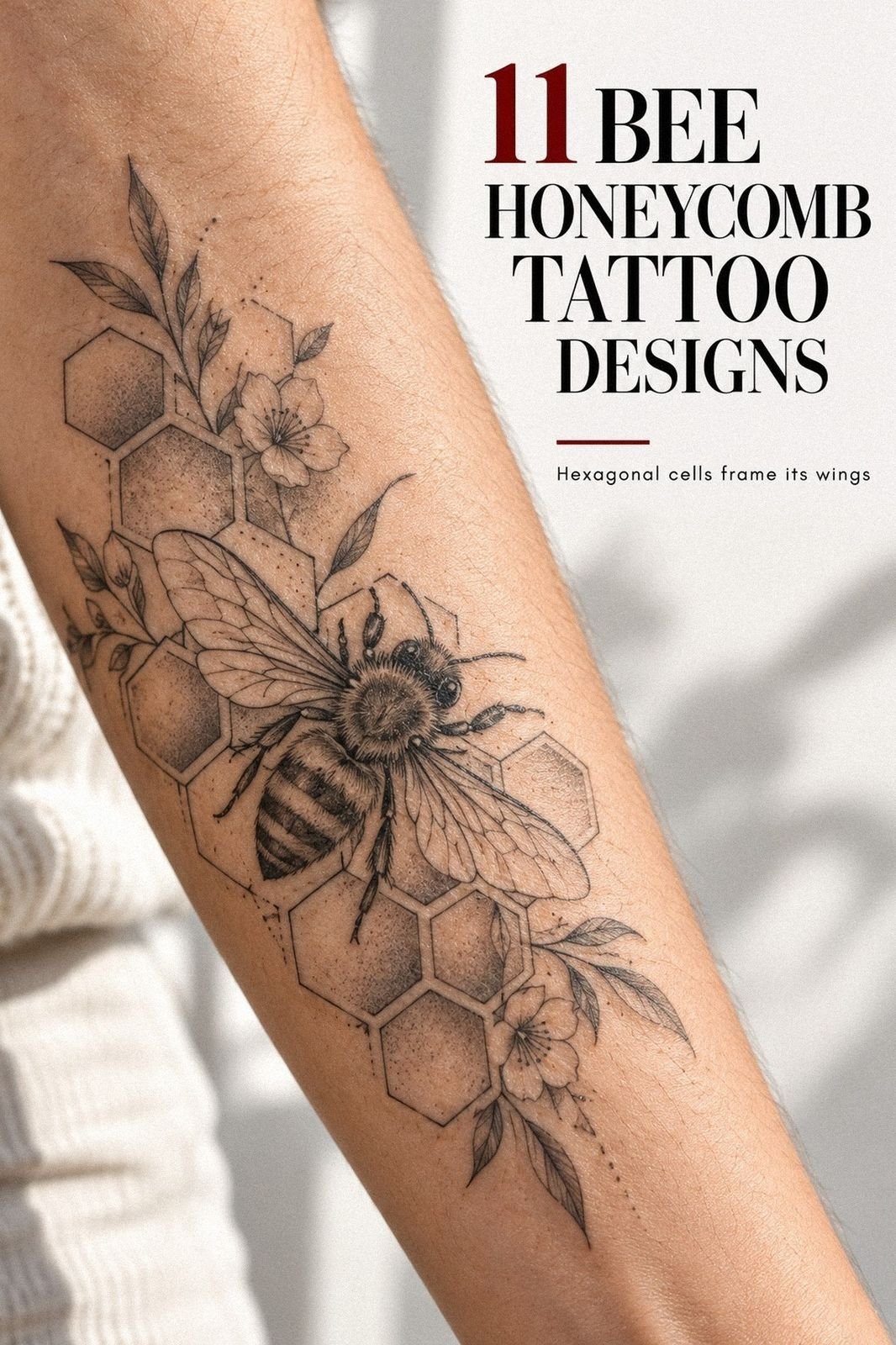
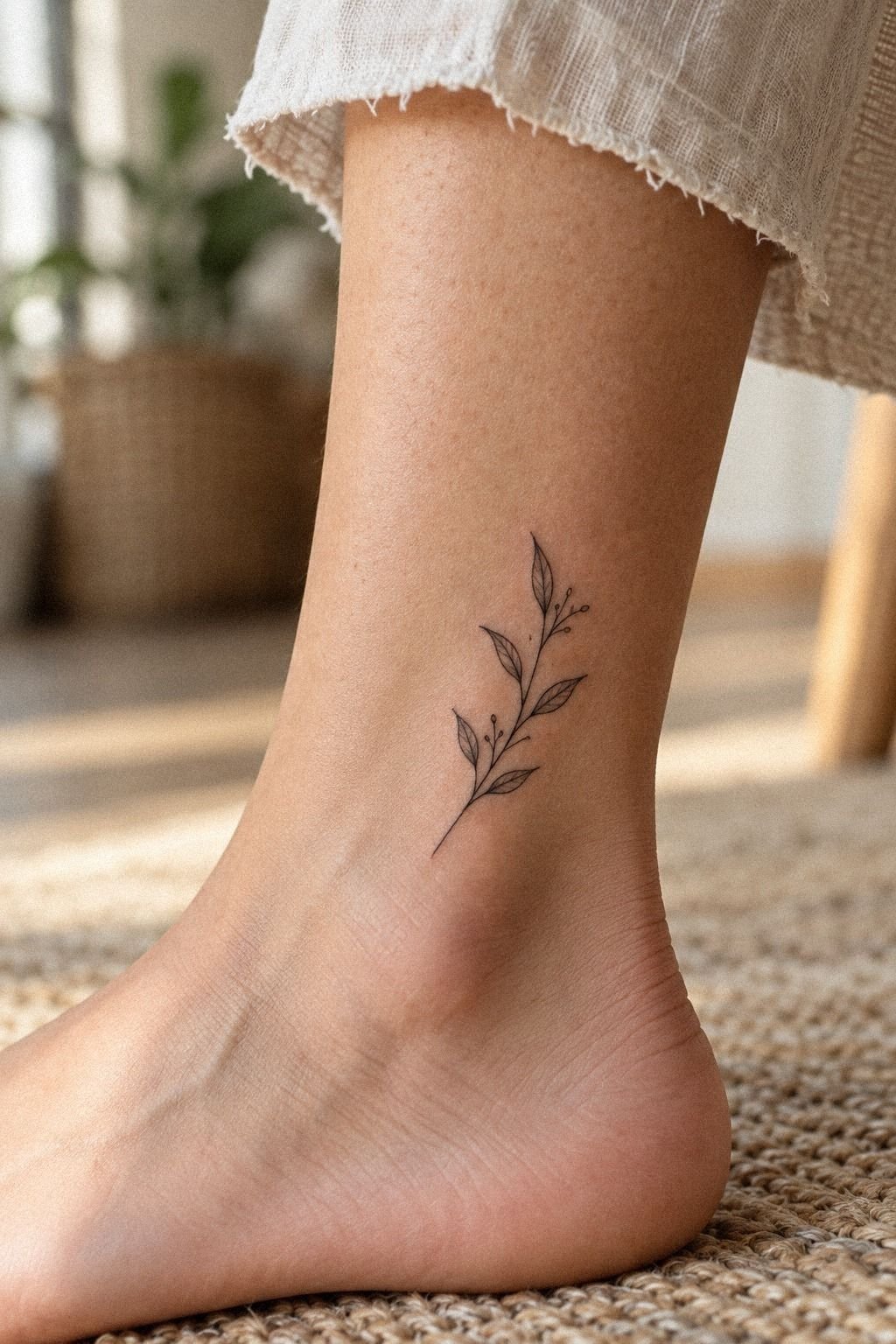
A small botanical sprig on the upper arm is a graceful starting point, especially when you want single-needle linework that feels personal without taking over your skin. A leaf, stem, or tiny bud can look delicate while remaining readable from a short distance.
I’ve found that a simple stem ages better than a crowded bouquet. Your artist can draw the leaves with small gaps, then adjust the design to your arm’s curve. A fern, olive branch, or wildflower can feel symbolic without looking overly ornate.
Try to choose one dominant plant shape. A flowing stem with two leaves often looks more polished than a dense cluster of petals. If the design has too many tiny intersections, the lines may soften into one dark patch over time.
– Fine botanical linework. – One flowing stem. – Small negative spaces. – Clear line spacing.
Ask to see healed photos, not only fresh work. If you’re comparing ideas, browse these 15 simple tattoos that prove less ink lasts longer before you commit. The difference matters because very fine lines may spread as they age.
Your upper arm is usually more forgiving than hands or feet, and that makes it a powerful choice for a first session. You won’t need to hide the piece, but you can cover it when you want. That’s a practical balance, and your future self will appreciate it!
2Can Self-Drawn Finger Marks Stay Clear?
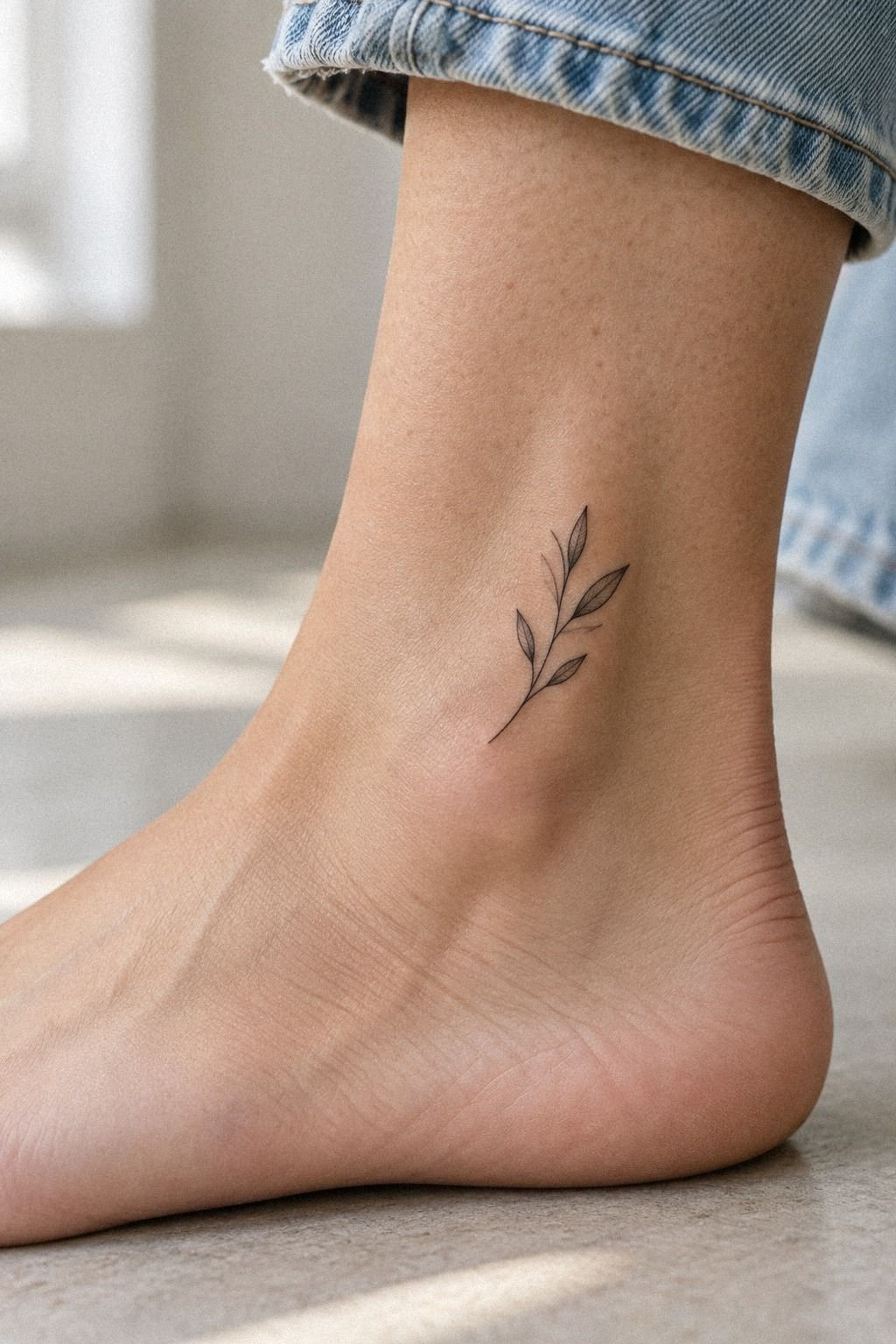
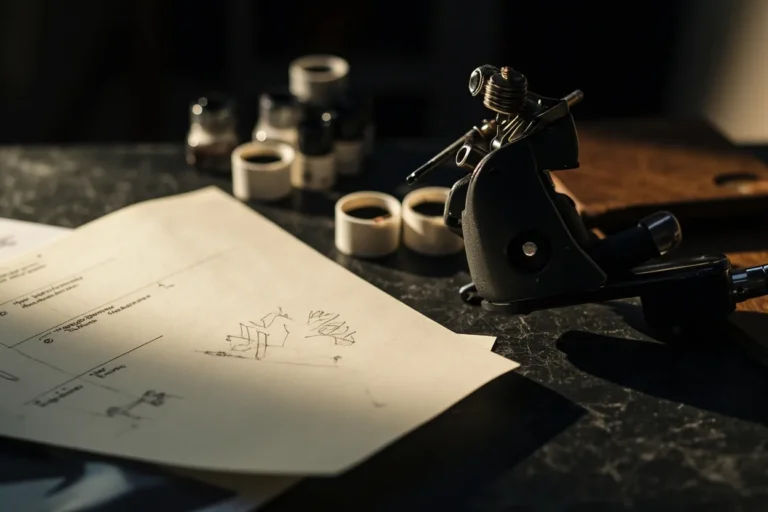
Self-drawn finger tattoos can be playful, but you should draw the idea on paper first, not tattoo your own skin. A paper sketch lets you test whether the symbol still feels clear when it becomes very small.
Finger skin experiences frequent movement, washing, and friction, so a tiny mark may fade or soften faster than one on the upper arm. I’d treat finger placement as a deliberate choice rather than the easiest place to begin.
If you love the raw, personal feeling of a hand-drawn symbol, ask a professional artist to refine the shape while keeping its imperfect character. That can preserve the idea without sacrificing hygiene or longevity.
3Celestial Wrist Stencils: Moon, Star, and Sun
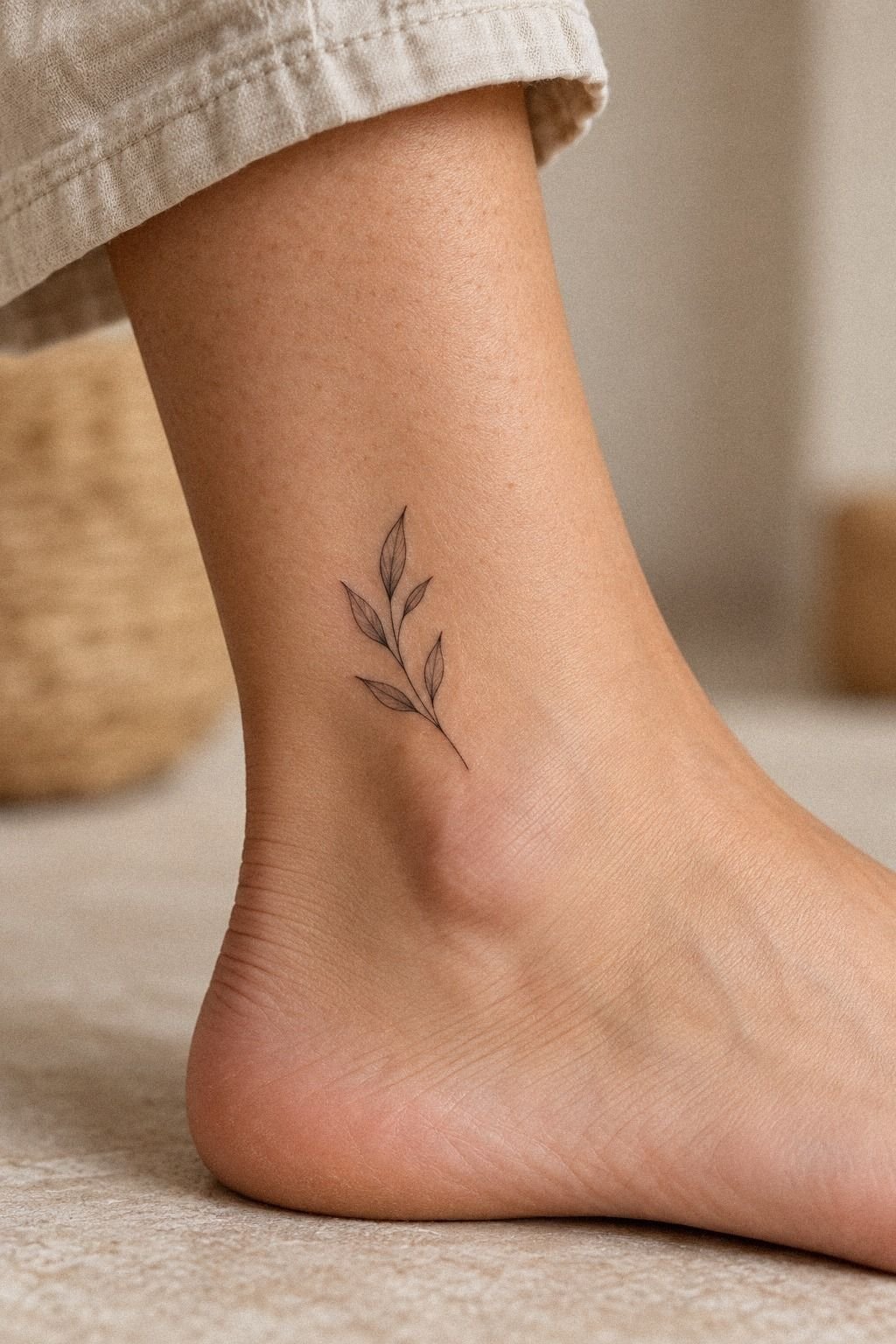
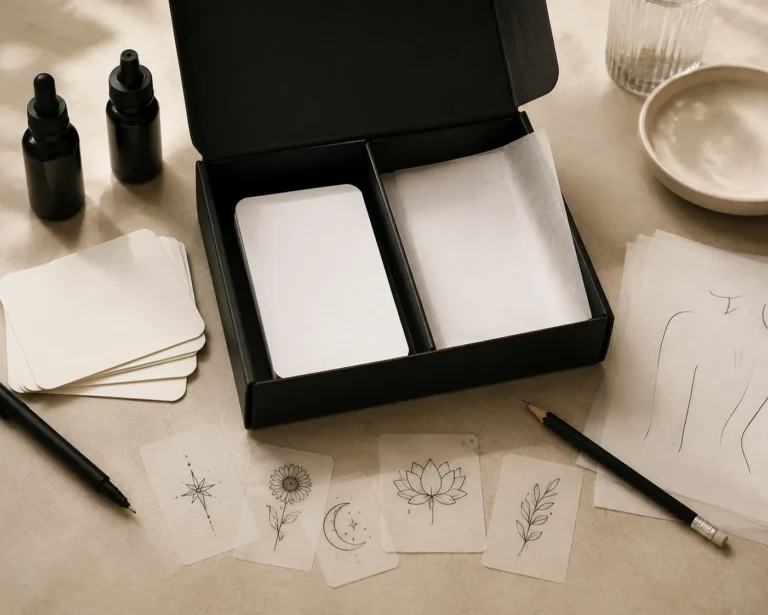
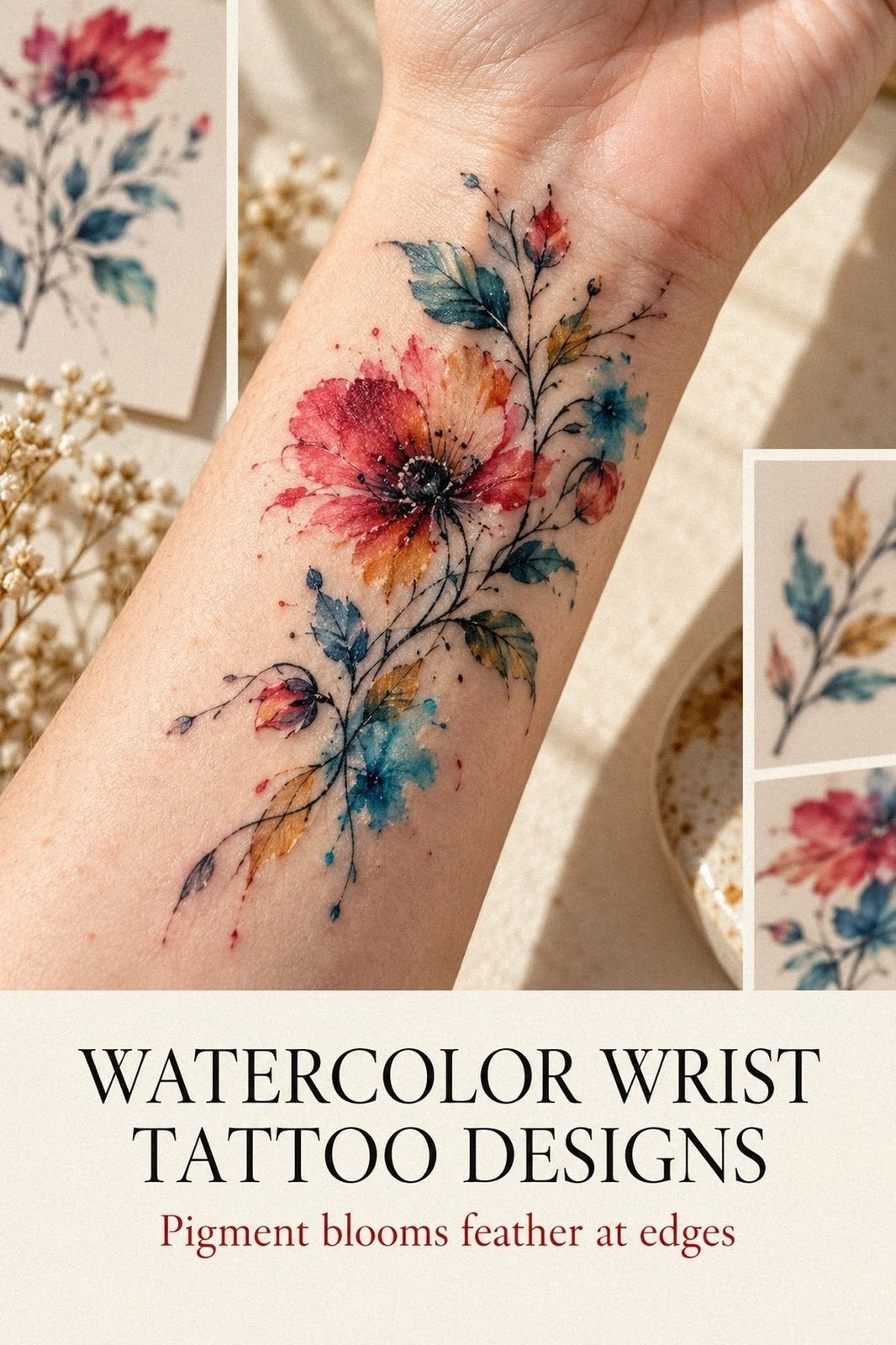
A celestial wrist stencil gives you a clean way to test a moon, star, sun, or constellation before the appointment. A crescent with one small star can look sleek and expressive when the shapes aren’t packed together.
I’d choose one main symbol with two supporting marks rather than a full night sky. A crescent can feel timeless, while a crowded constellation may become difficult to read. If you’re using a temporary stencil, ask your artist to place it at several angles before the final transfer.
Your wrist can be more sensitive than the upper arm, but it gives you an easy view of the finished work. That wrist placement makes the design personal and empowering. You can compare more examples in this wrist tattoos for men collection, even if you’re choosing a different body type or symbol.
Keep the stencil crisp, with open spacing between the celestial marks. I wouldn’t add heavy shading here because it can make a small design feel crowded. Your best version is probably the quietest one, with enough open skin around every line.
A moon can feel ethereal, a sun can feel vibrant, and a tiny star can feel sacred. Choose the celestial symbol that carries the right emotional weight rather than the one that looks most impressive on a flash sheet.
4Choose a Minimal Animal Silhouette
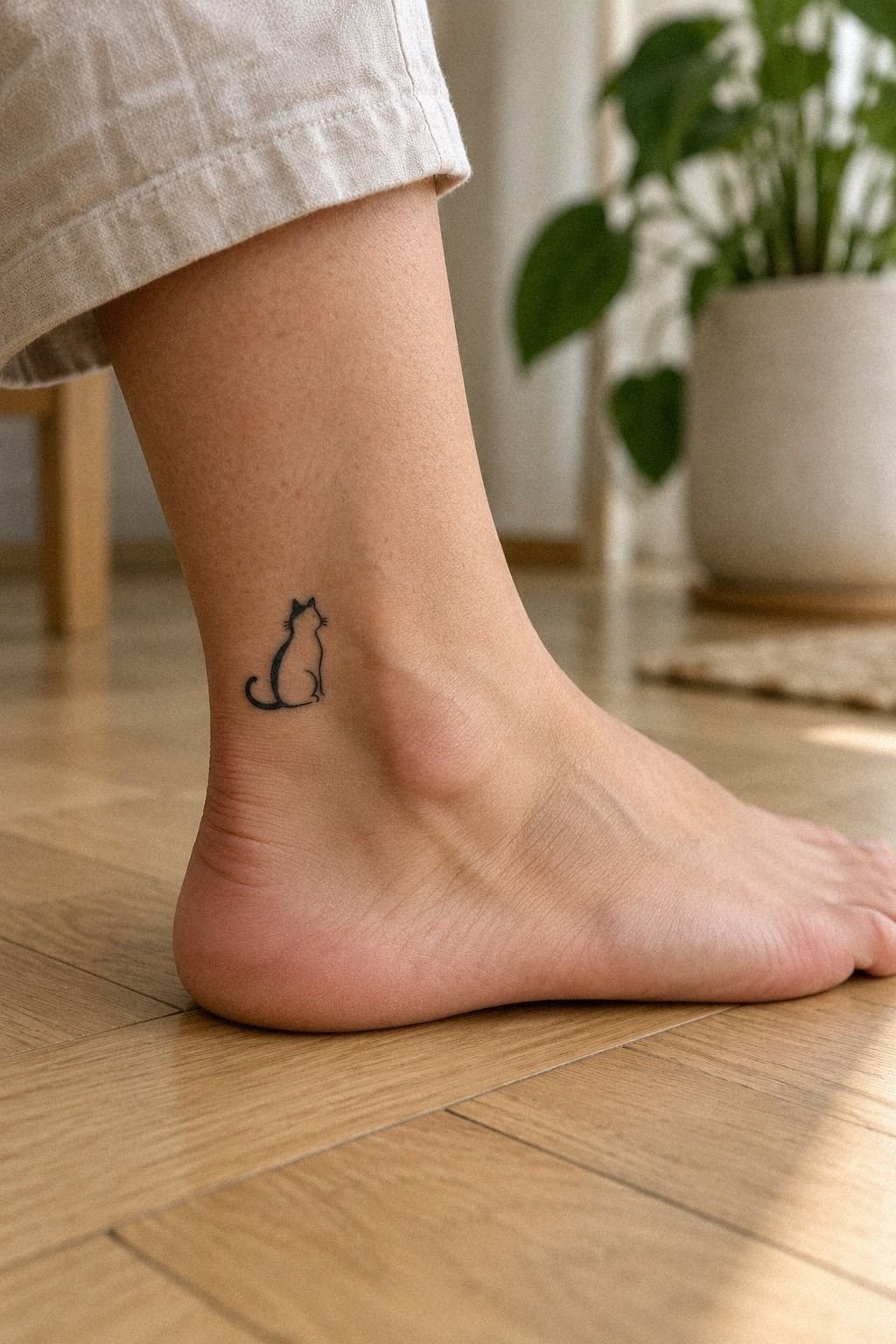
An animal silhouette can carry a lot of meaning with very little ink. A minimal contour can suggest a rabbit, cat, bird, fox, or whale without needing a full scene or a long explanation.
Choose an animal you can explain in one sentence. If you need five symbols to make the idea understandable, the design probably needs editing. I’ve seen a simple animal profile feel more powerful than a detailed portrait because the outline leaves room for the viewer’s imagination.
Your upper arm gives the silhouette enough space to breathe. Ask your artist to show you the design at the intended size, then check whether it remains readable from several feet away. A bold outline can remain readable longer than a fragile cluster of micro-details.
If you’re unsure whether a silhouette feels too plain, add one meaningful feature, such as a tail curve, wing notch, or tiny ear angle. Don’t force shading into every gap. The easy tattoos collection has more simple references for comparing subjects before you book.
A fierce fox, whimsical bird, or dainty cat can all work beautifully if the contour is intentional. Trust that instinct!
5Geometric Ankle Shapes Versus Dense Patterns
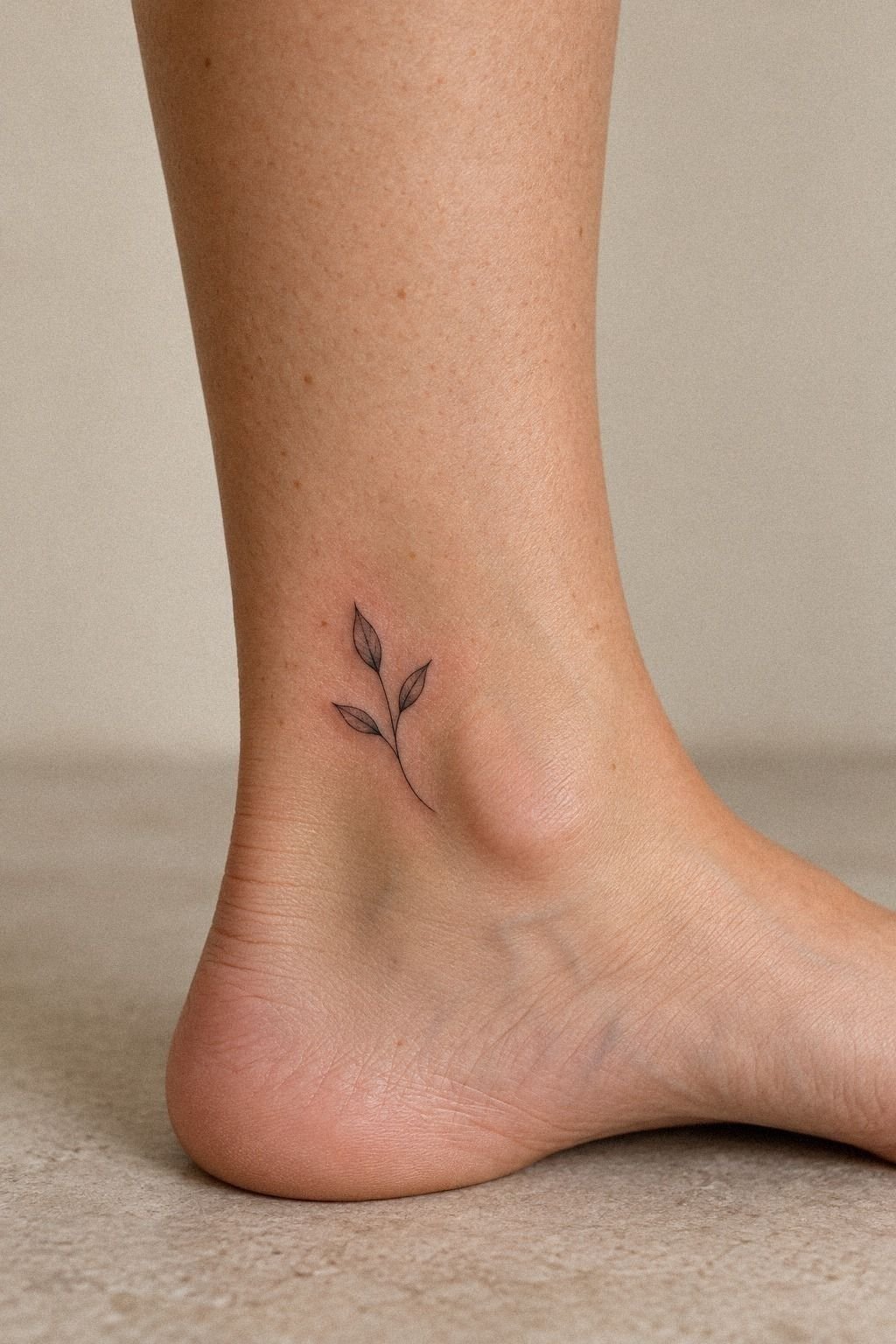
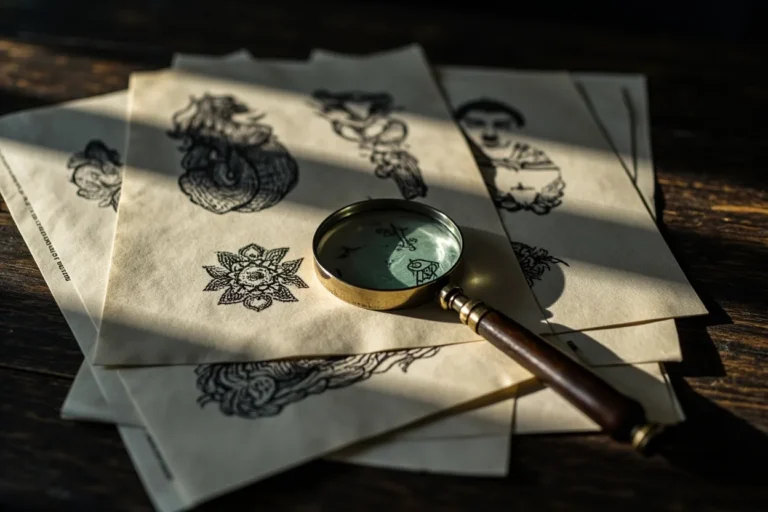
A geometric ankle tattoo works beautifully as a flash sheet idea because you can compare several shapes at once. Look for triangles, arcs, stars, grids, or small diamonds with clean spacing and a crisp outline.
Your ankle has a strong visual edge, but it can be a tender placement. I’d skip a dense mandala for a first tattoo because the tiny sections can blur into one dark patch. A triangle or open-circle design gives you the same sharp mood with fewer lines to protect.
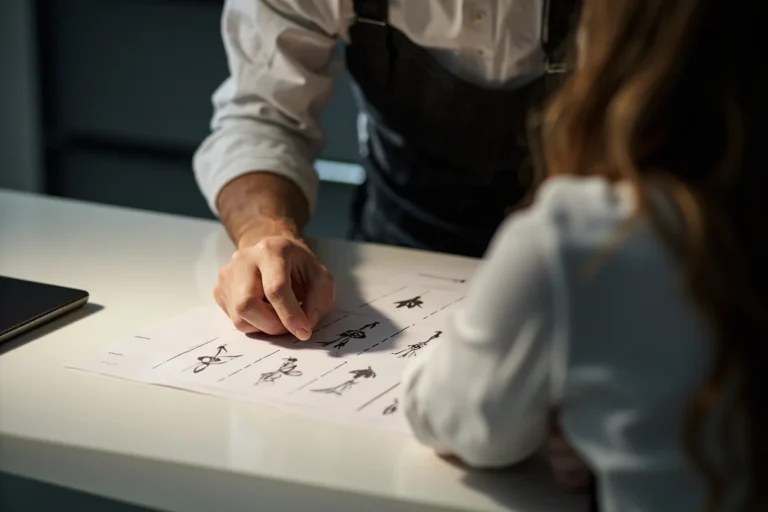
When you’re reviewing a flash sheet, mark the design that still looks clear when you squint. That’s a useful test. If you’re collecting geometric ideas, save the design beside your preferred placement so your artist can adjust the proportions rather than copy a shape blindly.
The strongest version usually has one repeated form and one interruption. Three open triangles, a broken circle, or a line that stops before the edge can feel daring without becoming ornate. Your ankle needs generous spacing to keep each shape visible after the skin settles.
A geometric tattoo can be bold or understated depending on scale. The key is keeping the geometric design simple enough that every shape remains visible after healing.
6Heart and Initials: Keep the Meaning Legible
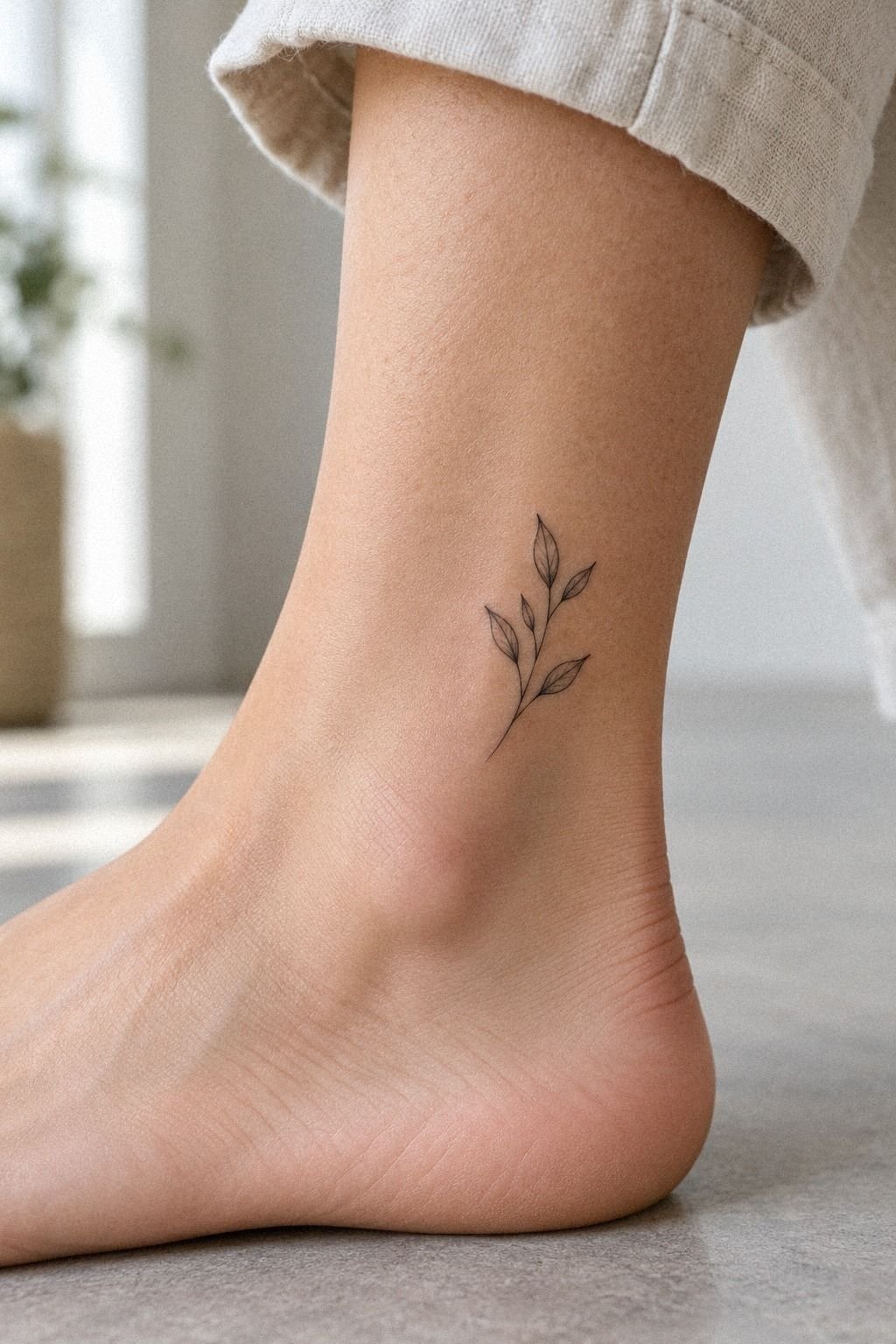
A small heart with an initial is one of the most meaningful beginner choices because the message is immediate. Your heart can honor a person, place, pet, or private promise, and the initial gives it a personal anchor.
I’d avoid squeezing a long name into a tiny design. One letter is usually more elegant, and your artist can choose a handwritten letter shape that won’t collapse as the lines soften. A heart with a slightly uneven curve can feel romantic and expressive rather than factory-perfect.
Your forearm is a practical placement because you can see the tattoo easily and protect it during the early healing period. Ask for a stencil placement first, then move it a little higher or lower until the mark follows your natural arm line.
If you’re still choosing between symbols, these simple tattoo ideas can help you narrow the meaning. The reference doesn’t need to dictate your design; it simply helps you notice which shapes continue to feel personal.
Keep the heart open unless you have a strong reason for solid fill. An open outline gives the design a delicate quality, while a small dark center can become the visual focus. Your artist should tell you if the chosen size needs a slightly bolder line.
An initial can feel classic, feminine, or masculine depending on the lettering. Choose a letterform that looks like it belongs to your story, not a font you selected in a hurry.
A Placement Check Before You Book
I like to test a small design in three positions before deciding. Use a washable marker or temporary transfer on the upper arm, forearm, or wrist, then wear your usual clothes and check how often you notice it.
Visibility changes the emotional experience of a tattoo. A mark you love in private may feel different when it appears in every photograph or workday outfit. Give yourself a few days with the idea and try a visibility test before you make the appointment.
7Behind-the-Ear Symbols That Stay Understated
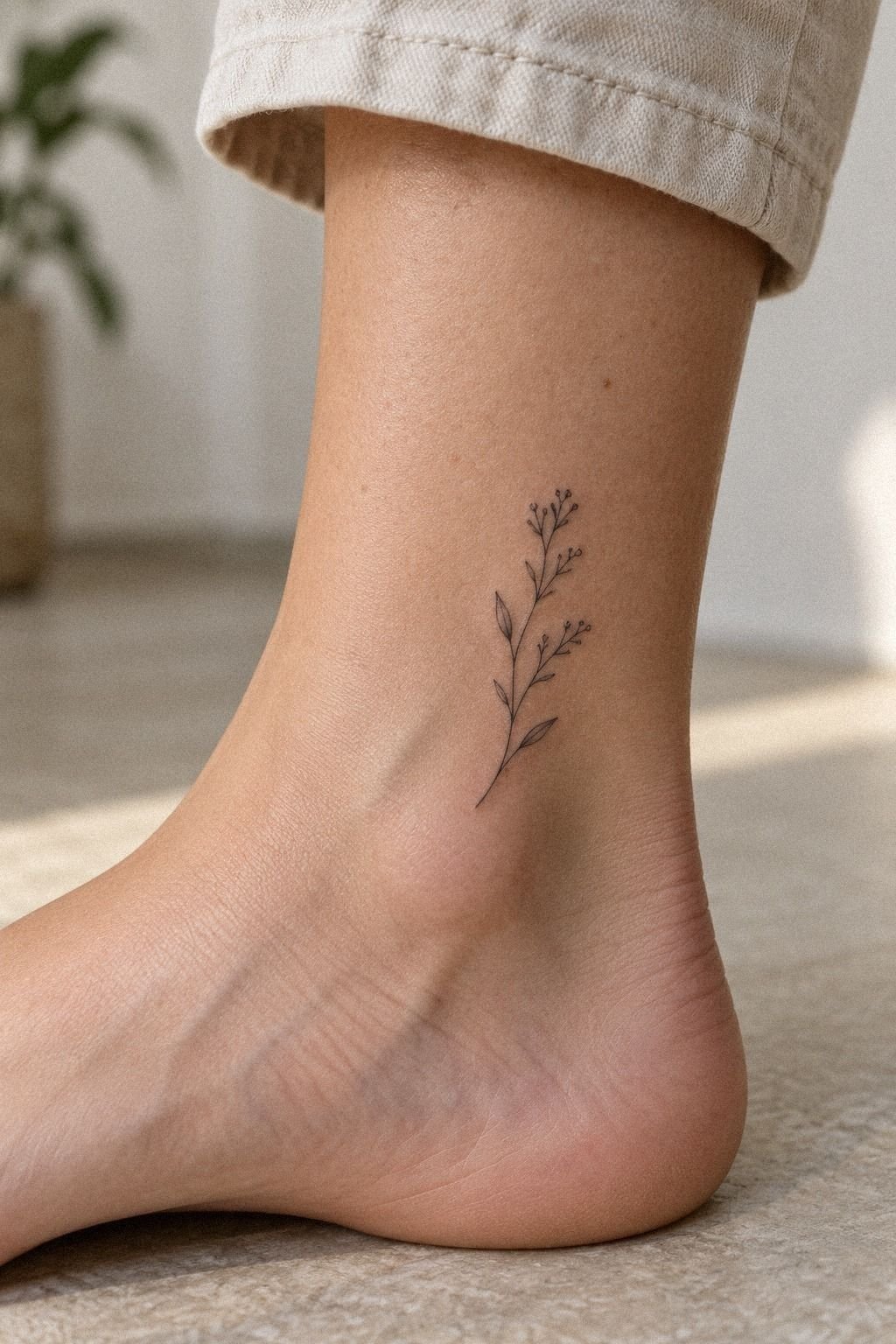
Behind-the-ear tattoos can feel discreet, intimate, and a little daring. This behind-the-ear placement works well for a tiny star, initial, leaf, crescent, or other mark that doesn’t need much space.
Because the area is small and curved, avoid designs with too many intersections. A tiny symbol with clear edges will usually feel more polished than an intricate image reduced until every line touches.
Ask your artist to show you the stencil from the front, side, and behind before committing. A meaningful mark can remain understated while still feeling personal and expressive.
8Bold Outlines for a First Tattoo
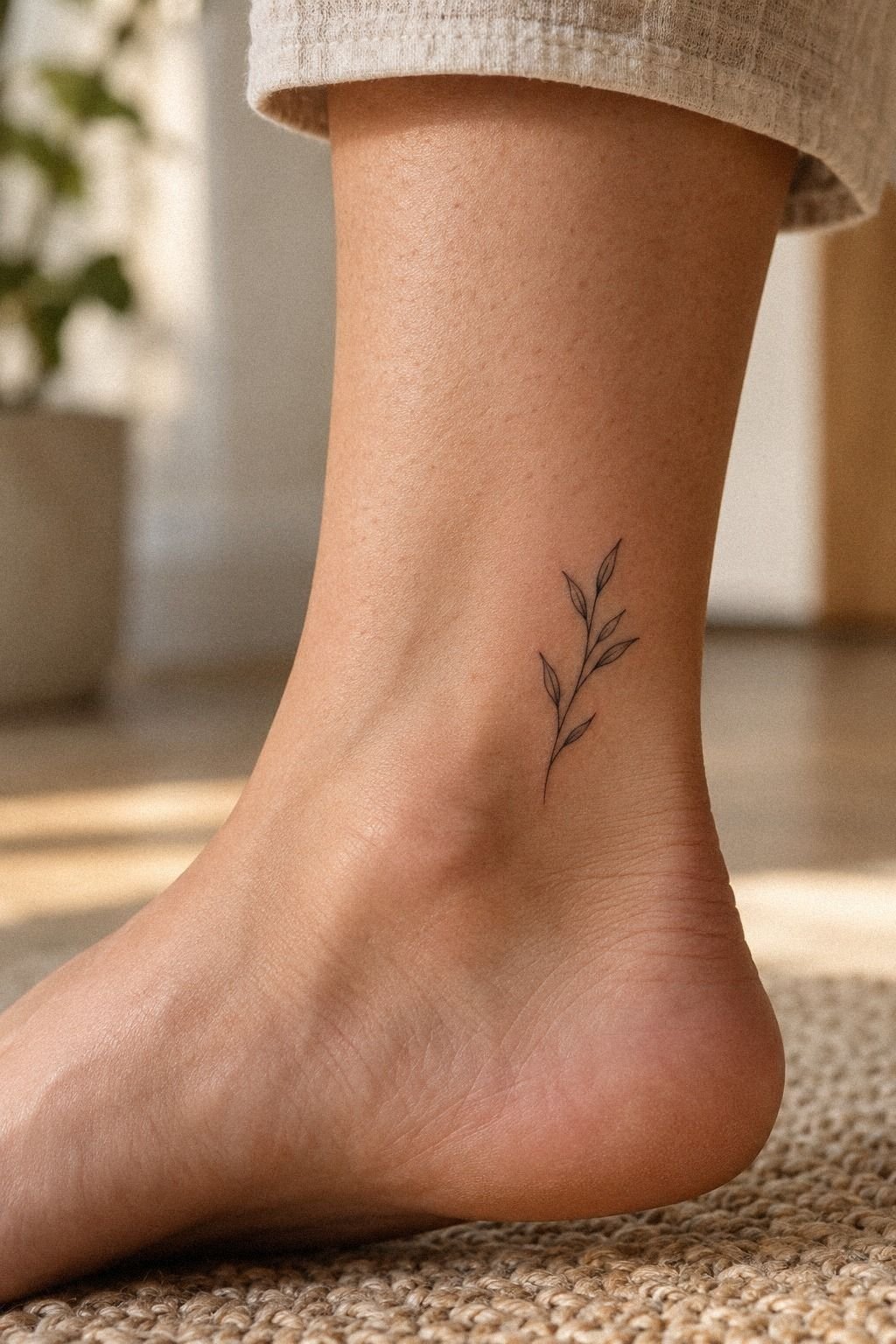
A bold outline is a strong beginner direction because the shape remains readable without complicated shading. Think of a small flame, star, fruit, eye, or abstract mark with a bold outline.
Your artist should help you decide where the outline needs to thicken. A line that looks bold on paper may appear much lighter once transferred, while an overly heavy contour can swallow the interior shape. I’ve made the mistake of choosing a design that looked crisp at full size but became cramped when reduced.
Choose one silhouette with a clear center. A bold outline can be fierce, playful, or symbolic depending on the subject, so you don’t need extra decoration to make it memorable. If you’re comparing graphic references, line drawing simple Star Wars tattoos shows how recognizable shapes can stay simple.
Your first tattoo should feel like something you can live with, not a test of how much detail you can tolerate. Strong outlines help your design speak clearly. They also give your artist room to make small placement changes without losing the main idea.
An outline can look iconic when the clear silhouette is intentional. That’s a sharp advantage for a first piece!
A Clear Way to Compare Fresh and Healed Work
Fresh ink often looks darker, sharper, and more saturated than settled ink. When you review an artist’s healed portfolio, pay attention to whether small gaps remain open and whether the design still has the intended character.
Ask how long the example has healed and whether the placement is comparable to yours. A fine-line wrist tattoo and a bold upper-arm outline may age differently, even when the drawings appear similar. That healing timeline matters more than a fresh appointment-day result.
9Let a Floral Shoulder Stencil Follow You
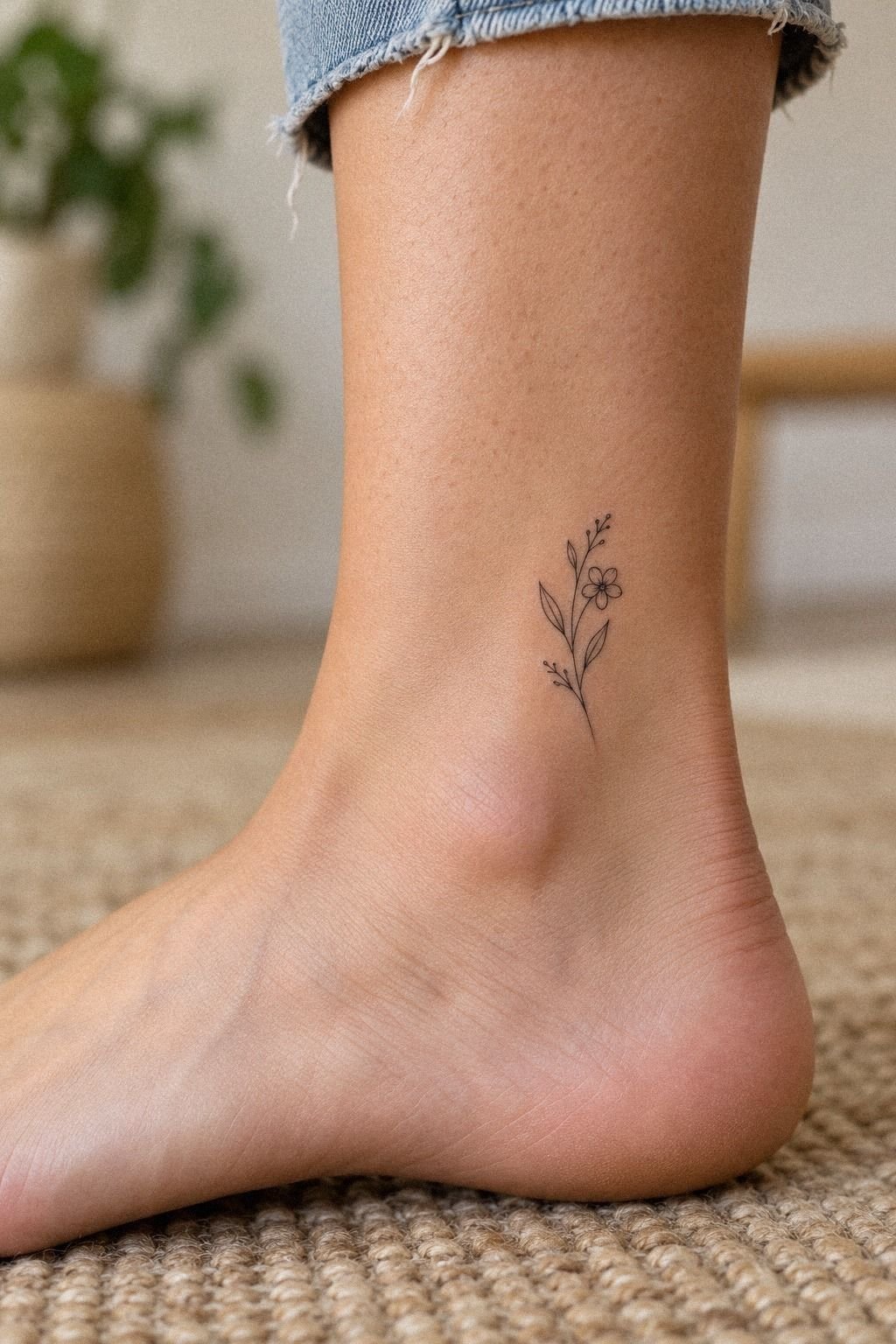
A floral shoulder stencil gives your artist a flexible starting point because the floral stencil can follow the shoulder’s natural curve.
A single bloom, leaf branch, or small cluster can feel delicate without becoming overly intricate. Ask your artist to adjust the stem and petals to the shoulder curve instead of treating the stencil as a fixed shape.
I’d keep one flower dominant and leave a little open skin around it. A graceful stem can feel elegant and timeless, while too many petals may become difficult to read as the lines settle.
If you want a softer meaning, choose a flower connected to a person, season, or memory. A single bloom can be understated and still carry a powerful story.
10Playful Tiny Food Tattoos with Clean Linework
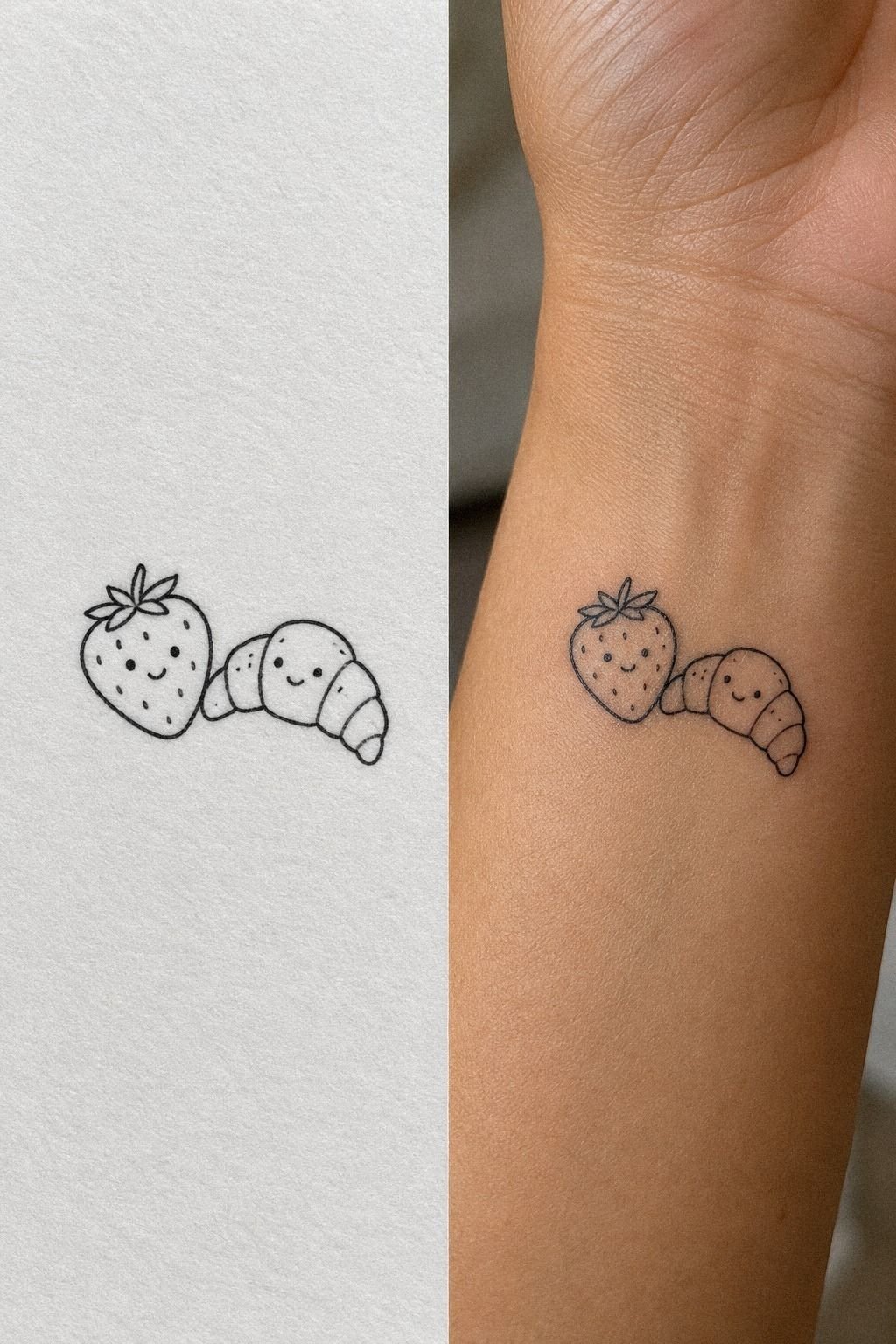
Tiny food tattoos can be whimsical without becoming childish. A lemon, noodle bowl, cherry, toast slice, or tiny coffee cup can hold a surprisingly personal story.
Your artist should keep the food recognizable through one or two signature details. A cherry needs its stem, a lemon needs its curve, and a toast slice needs its crust. Anything beyond that may turn into visual noise at a small scale.
I like the playful option because it gives your first tattoo a little humor. A favorite snack can remind you of a family ritual, a trip, or a person without explaining the whole story to anyone else.
Look closely at healed work when you compare references. Fresh ink can appear darker and sharper than settled work, so your expectations should be based on both stages. If you’re choosing a design from easy tattoo stencils, ask whether the stencil is meant for professional transfer or only for planning.
A tiny food tattoo can be bold in meaning while remaining dainty in size. Keep the linework crisp, and don’t add shading just because the paper version has extra detail. Simple wins here!
Food symbols can also feel vintage, romantic, or gritty depending on the subject. A tiny matchbook, cherry, or slice of toast may say more about you than a generic symbol.
11Meaningful Minimalist Tattoos for Inner Forearms
A small word, symbol, or personal mark on the inner forearm can feel meaningful without demanding a complicated design. This inner-forearm symbol is easy to see, easy to discuss with your artist, and simple to connect with your own story.
Consider a tiny constellation, initial, date, line, or abstract shape that carries a private association. A minimal design can still be sacred, expressive, or empowering when the meaning comes from you.
The inner forearm gives a little more length than the wrist, so your artist may be able to preserve small gaps and graceful curves. Ask whether the chosen size supports the detail before approving the stencil.
I like this placement for someone who wants a personal reminder that remains visible during ordinary days. A personal mark doesn’t need to be explained to everyone else to feel powerful.
The Smallest Design Still Needs a Plan
Small does not automatically mean easy. A small tattoo design still needs enough separation between lines, a sensible placement, and a scale that lets the artist work accurately.
If you reduce a drawing until every detail touches, it stops being minimal and starts becoming muddy. Remove one feature, enlarge the remaining shape, and ask whether the result still carries the same feeling.
A Short Consultation Checklist
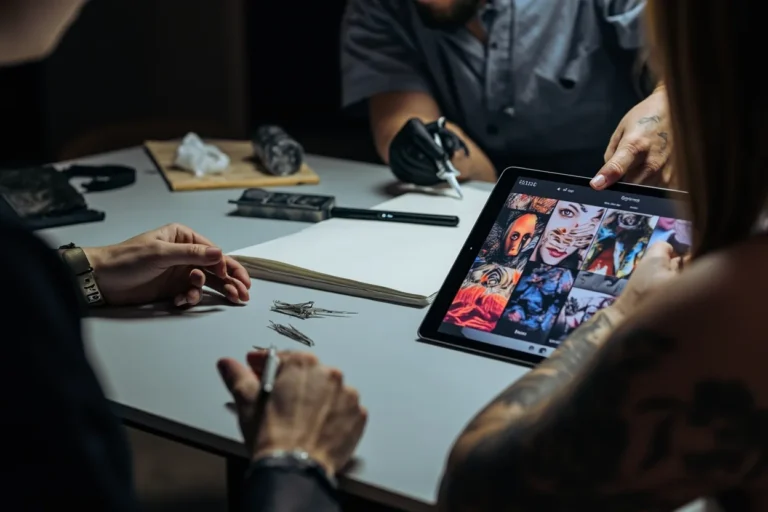
Bring your preferred concept, placement, approximate size, and questions about healing to the consultation. A clear appointment plan helps your artist explain what needs to change before the stencil reaches your skin.
Ask how the design may age, whether the line weight suits the placement, and what aftercare instructions they recommend. You don’t need to arrive with every detail fixed, but you should leave understanding the important decisions.
The Three-Check First-Tattoo Rule
I use three checks before approving any beginner tattoo: can you read the shape, can you explain why it matters, and can you picture it on your body for years? A design can be striking and still be wrong for your chosen placement.
The first check is clarity. If the design only works when you zoom in, ask whether a slightly larger version would age better.
The second is meaning. It doesn’t need to be deep or sacred, but you should feel something when you see it.
The third is context, including your work, clothing, and comfort with visibility. A visible placement may feel empowering one day and inconvenient the next, so think about your actual routine.
I learned to stop judging a tattoo only by its fresh appearance. A healed photo tells you more about line spread, contrast, and spacing than a bright appointment-day image. If you’re comparing artists, look for consistent healed work and clean studio practices.
Your artist should answer questions about placement, line weight, healing, and touch-ups without rushing you. A typical surface healing period is about 2 to 3 weeks, while complete healing can take roughly 2 to 3 months.
Here are the practical figures worth keeping in mind for a typical US appointment:
These numbers vary by artist, region, size, and complexity. Your artist may charge a shop minimum even when the tattoo takes a short session, so ask before booking. You don’t need the cheapest appointment; you need clean work, clear communication, and a design that suits your skin.
A polished consultation should leave you with clear answers about scale, placement, price, and aftercare. If you still feel pressured, keep looking!
The Questions I Get Asked Most
How much does an easy tattoo for a beginner usually cost?
I usually tell beginners to expect about $50 to $100 for a boutique minimum, while hourly rates often run around $100 to $250. Your final price depends on the artist, region, size, placement, and detail. A clear quote protects your budget, so ask before booking.
Are simple tattoos a good idea for a first tattoo?
Yes, I think simple tattoos can be a strong first choice because clear shapes are easier to place, discuss, and care for. Your subject can still be meaningful, expressive, and personal. Open linework gives your artist room to adjust the design.
How do I choose a tattoo artist for a simple beginner tattoo?
I review an artist’s portfolio for clean linework, healed photos, and designs similar to mine. I also check the studio’s hygiene practices and ask how the artist handles the chosen placement. A fine-line specialist is worth seeking out, even if booking takes longer.
How much do simple tattoos hurt?
Pain varies by person and placement. I generally expect ribs, feet, hands, and sternum to feel more sensitive, while the forearm, thigh, and shoulder may be more tolerable. Your placement usually matters more than the simplicity of the design.
How long does a simple beginner tattoo take to heal?
I treat the surface as a 2-to-3-week process, while complete healing can take roughly 2 to 3 months. I wash gently, moisturize as directed, and avoid sun and swimming during early healing. Good aftercare helps the lines settle cleanly.
What’s the best placement for a simple first tattoo?
I usually suggest the forearm, upper arm, shoulder, or wrist because you can see the design and discuss its scale easily. Hands and feet may be more sensitive and exposed to friction. The best placement balances meaning, visibility, comfort, and aging.
Can I make these designs on a budget?
I sketch ideas myself, use paper stencils for planning, and compare artists before booking. I don’t tattoo myself or buy an at-home needle kit. A simpler professional design is the safer budget choice because hygiene and skill still matter.
Where I’d Start First
If I had to pick one, I’d start with the tiny botanical upper-arm sprig. Its open stem gives fine lines room to age, and the placement is easier to live with than a hand or foot tattoo. Pin the botanical sprig for later, then ask your artist for a healed-work portfolio.
If that design doesn’t feel like you, choose the symbol that remains personal after you remove the trend, the color, and the pressure to make your first tattoo impressive. A clear idea in the right place will always feel more right than a complicated one you chose too quickly.