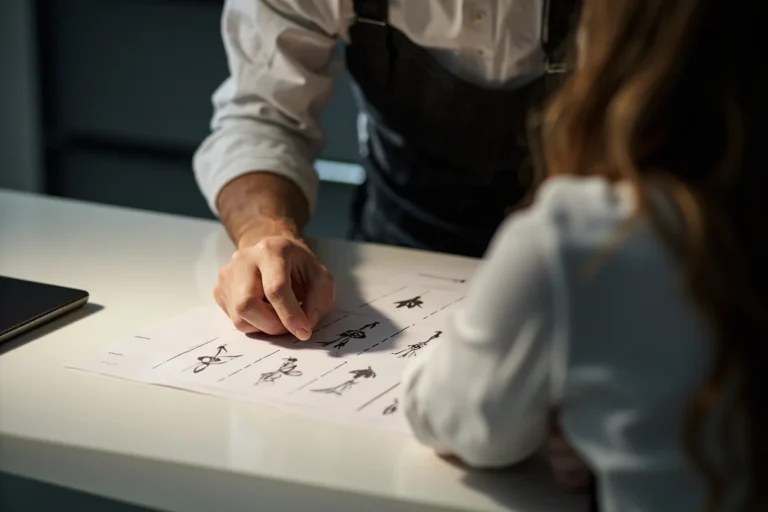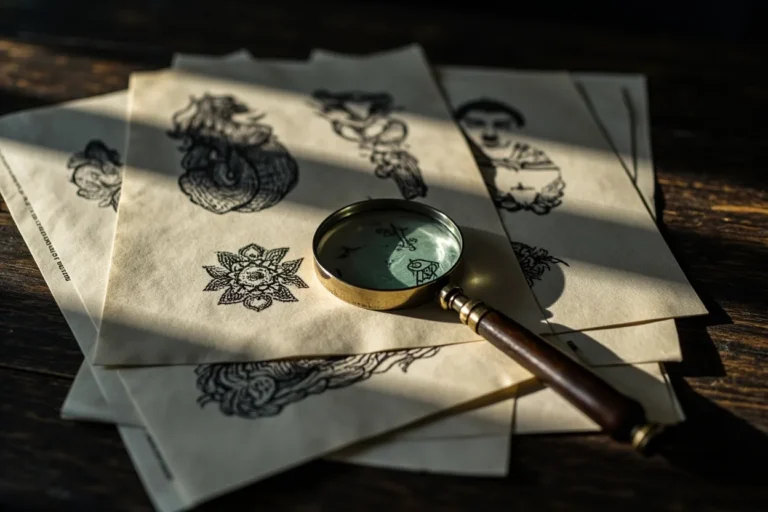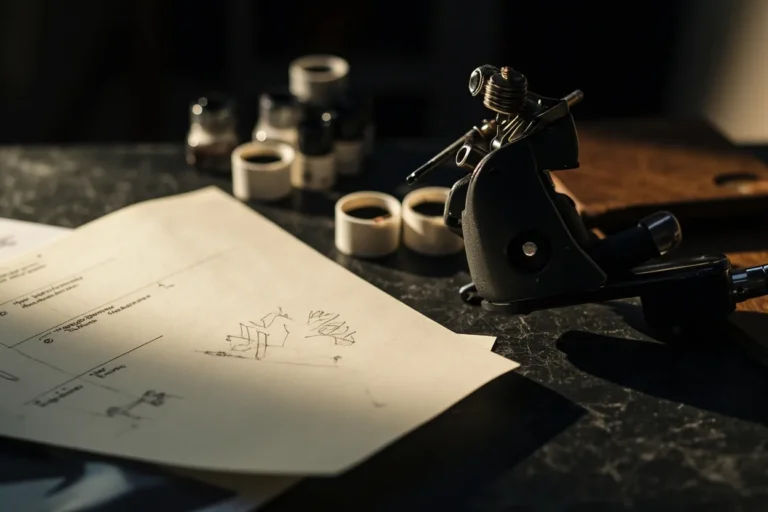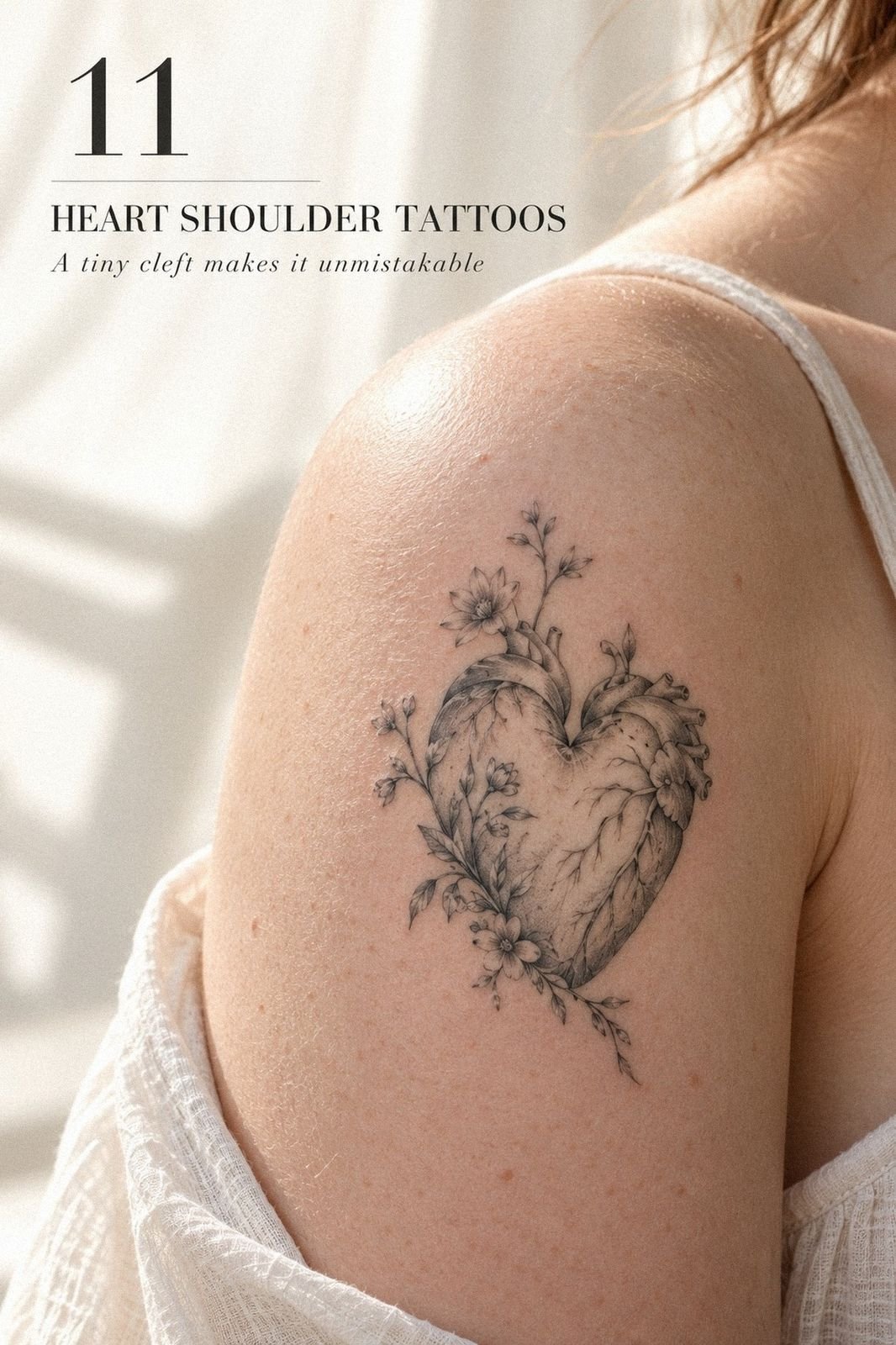
Tattoo design drawings can make a first tattoo feel less like a gamble and more like a clear decision. I once approved a sketch before checking how it would sit on moving skin. That small mistake changed the placement, scale, and line weight. These ideas will help you choose a striking design with fewer regrets!
- Draw a Fine-Line Botanical Tattoo
- Can a Memorial Sketch Stay Personal?
- Choose Bold American Traditional Lines
- Draw a Fine-Line Botanical Tattoo
- Can a Memorial Sketch Stay Personal?
- Choose Bold American Traditional Lines
- Wrist or Finger? Test the Delicate Stencil
- Map a Geometric Forearm Design
- Let Blackwork Carry the Animal
- Keep a Minimalist Finger Outline Honest
- Build an Ornate Back Composition
- Why Does Watercolor Need a Strong Outline?
- Follow the Spine with Symbolic Rhythm
- Make a Playful Ankle Illustration Read Clearly
1Draw a Fine-Line Botanical Tattoo
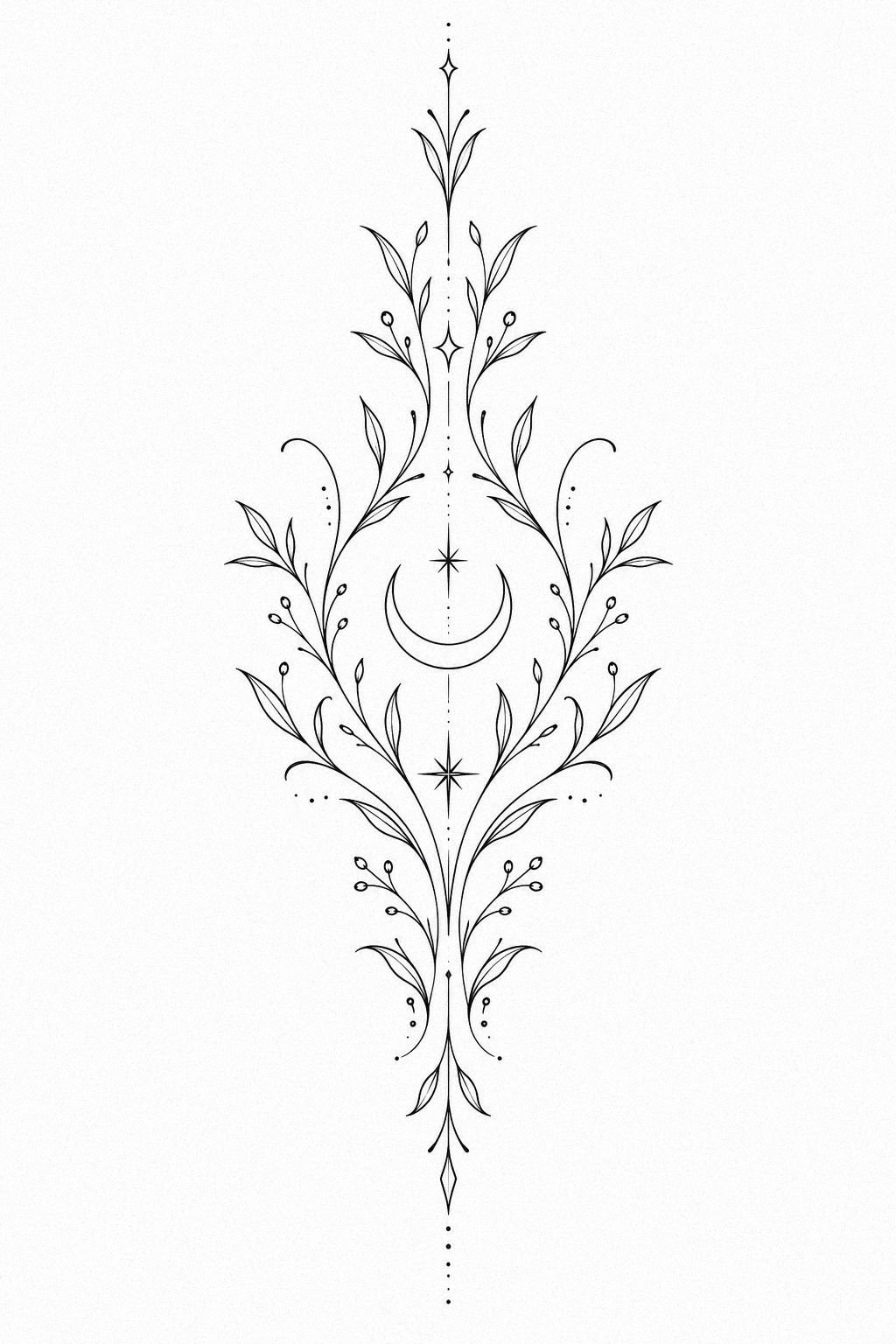
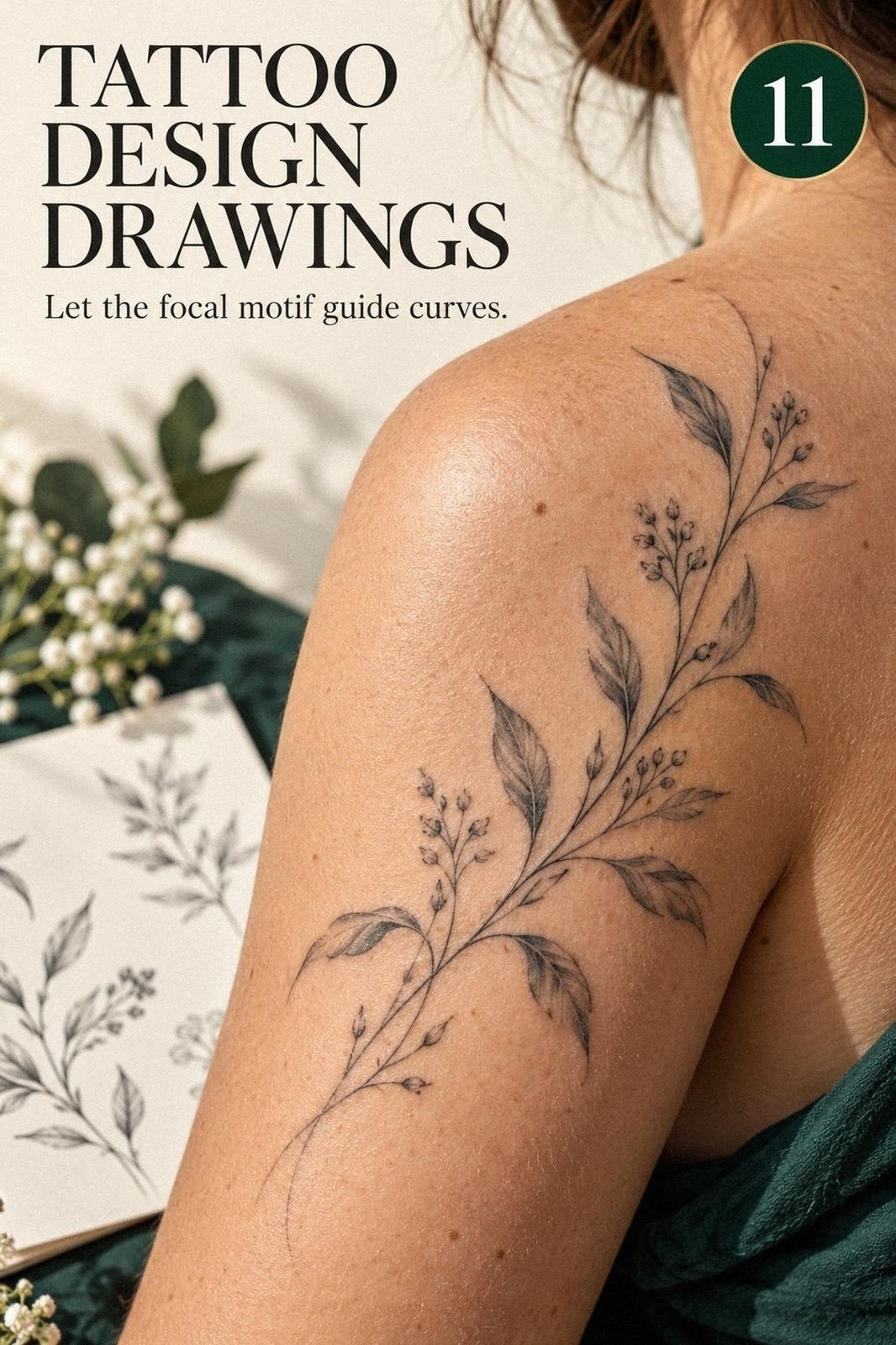
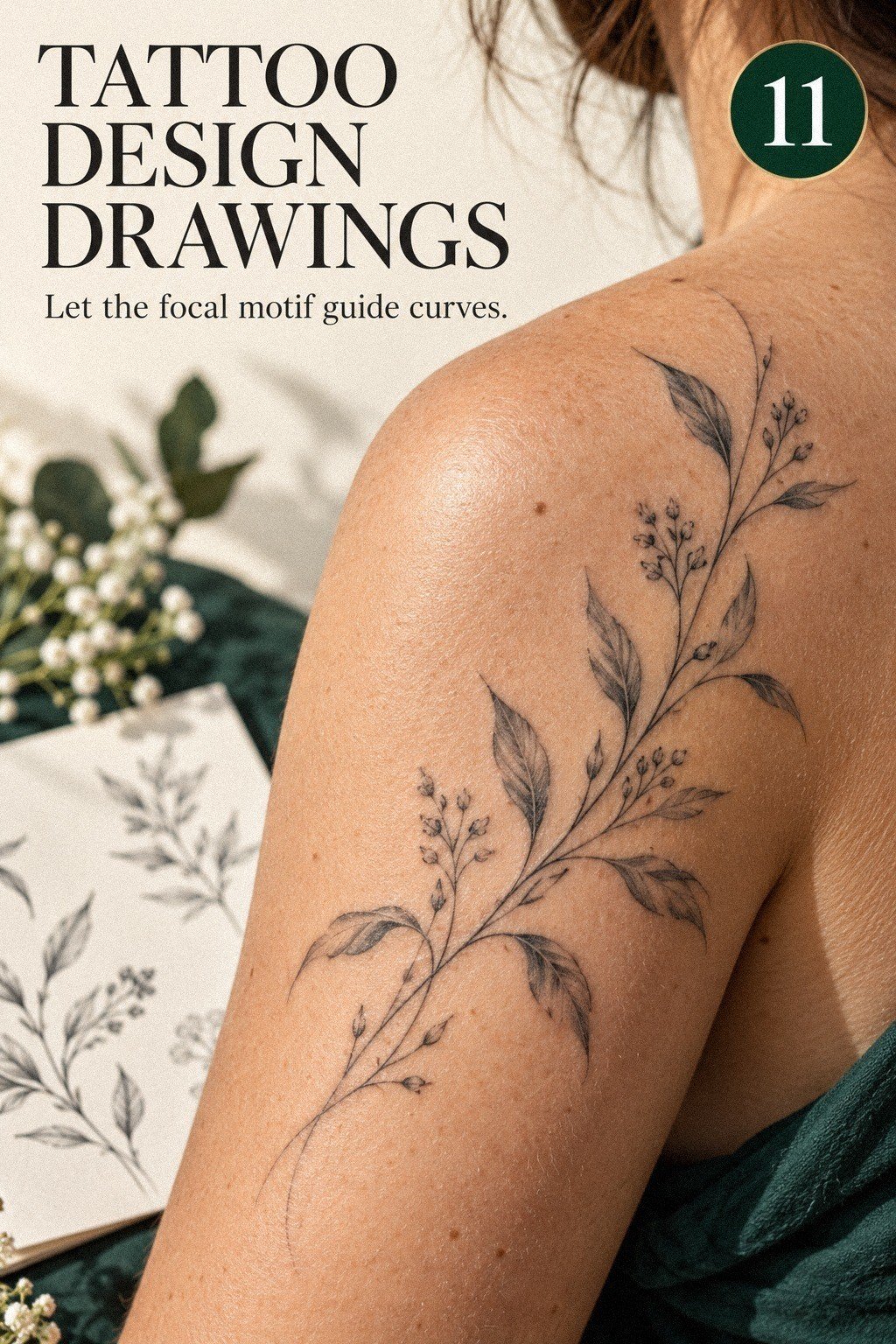
A fine-line botanical tattoo can look delicate without becoming vague. For your ankle, ask for hair-thin single-needle linework with enough breathing room between leaves, stems, and petals. I’d choose one recognizable sprig over a crowded bouquet because tiny overlaps can blur as your skin changes.
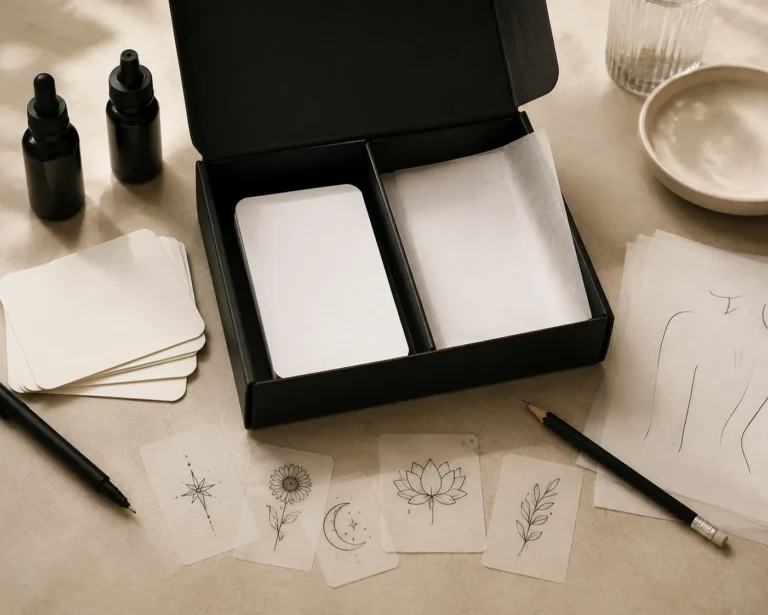
Your artist can transfer the drawing with thermal stencil paper, then adjust the curve while you’re standing. You’ll want to watch the design from the side, not only straight on. A stem that looks graceful on paper may feel awkward when it wraps around your ankle.
For fair, cool-pink skin, terracotta pigment with restrained olive accents can keep the design crisp while matching a warmer botanical palette. Avoid asking for every vein in every leaf. The most intricate botanical drawings still need a strong outer shape, and your artist can’t rescue details that sit too close together.
The surface usually heals in about 2 to 3 weeks, while the tattoo settles more fully over roughly 2 to 3 months. You’ll need gentle washing, light moisturizing, and protection from direct sun. The ankle can be tender, but many people find the placement manageable with clear aftercare instructions.
If you’re comparing softer floral concepts, save these unique tattoo design drawings beside your favorite. My opinion is clear: skip the miniature jungle. One flowing botanical stem will age with more grace and give your first tattoo a cleaner silhouette.
2Can a Memorial Sketch Stay Personal?
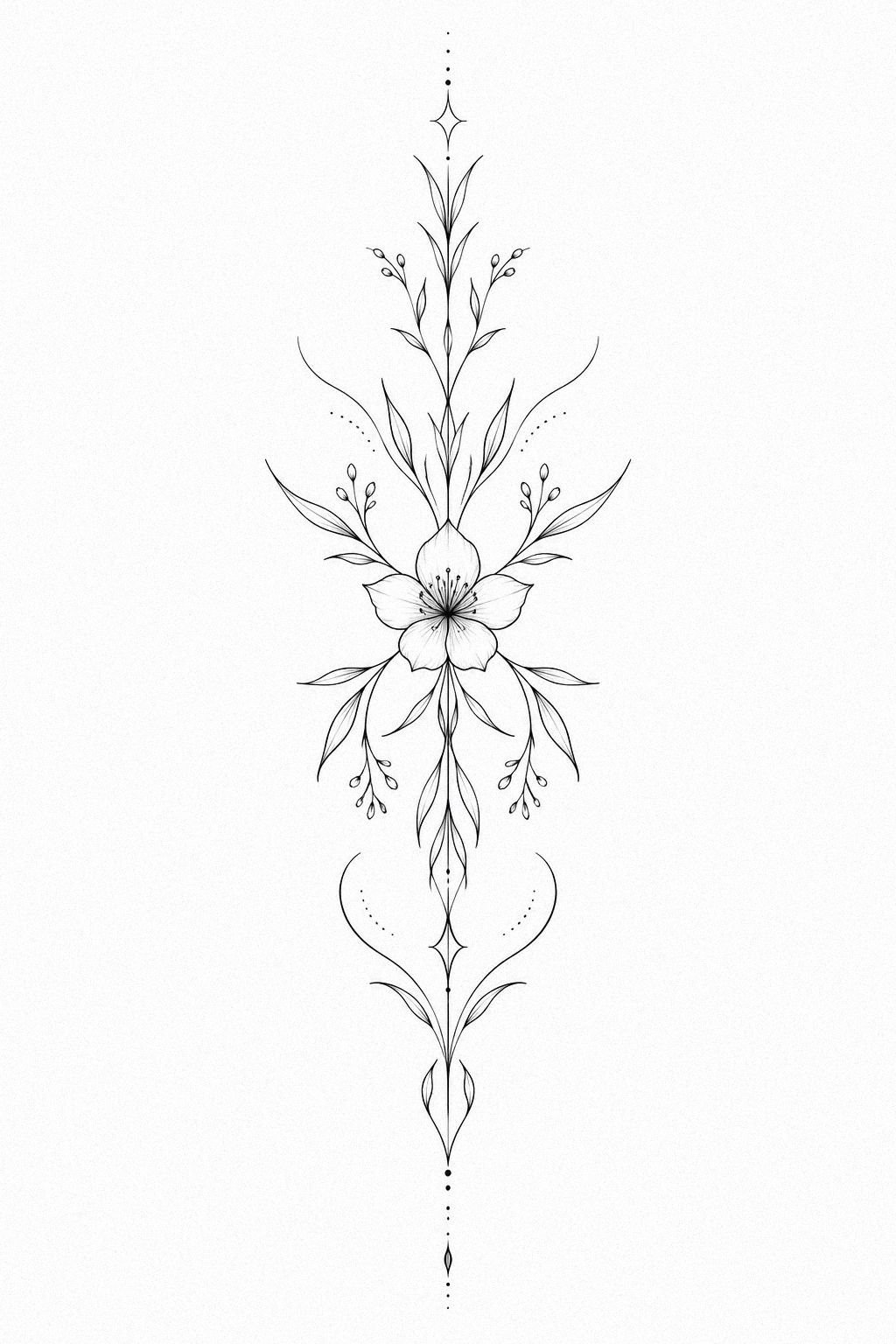
A memorial sketch should carry meaning without turning into a paragraph on your skin. Start with one memorial symbol, such as a flower, initial, date, or small emblem that connects naturally to the person you’re honoring.
3Choose Bold American Traditional Lines
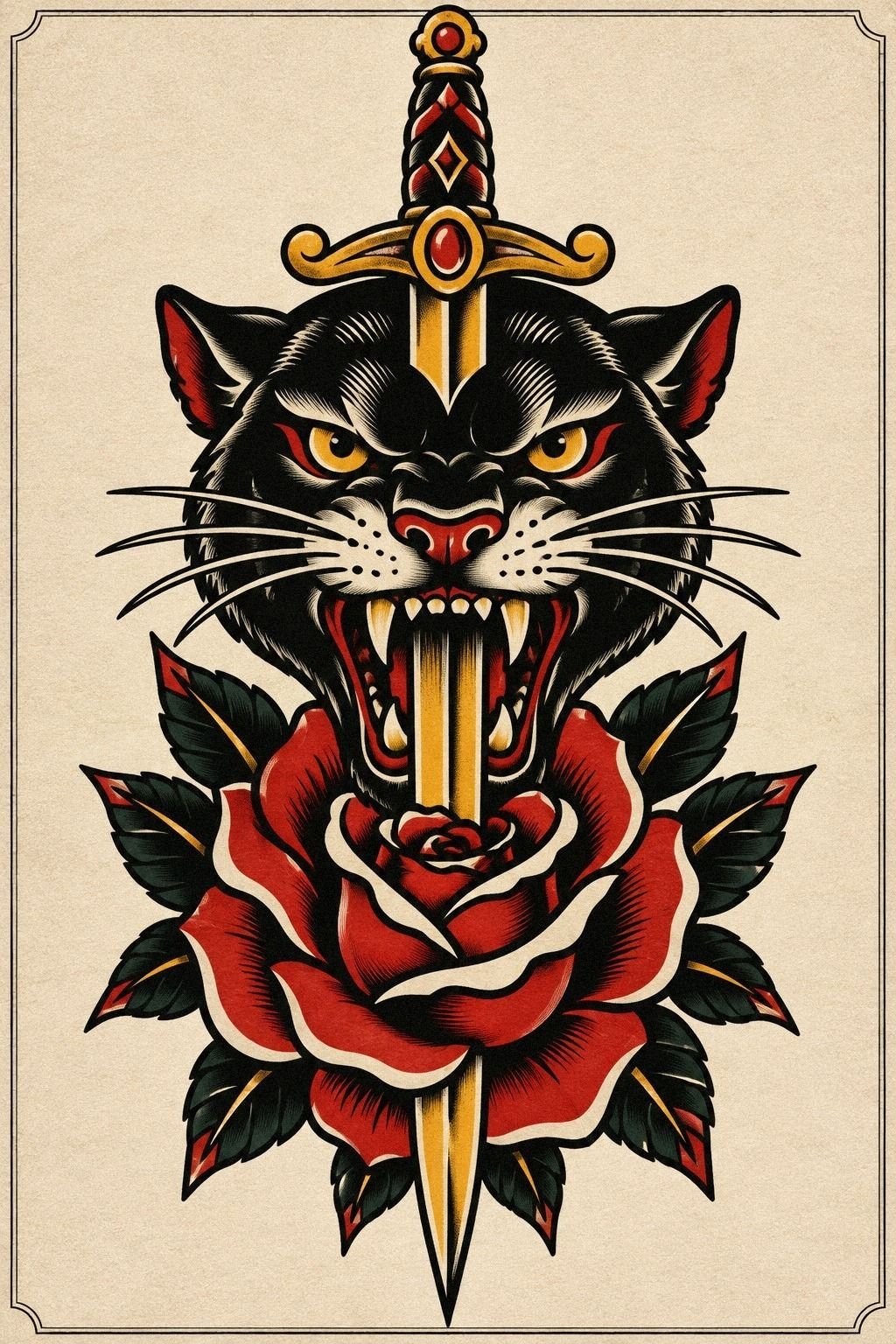
Traditional tattoo drawings work beautifully when you want a first piece with instant structure. A collarbone design can use a compact shape, bold outlines, and confident color blocks. A classic American traditional palette makes a small design read clearly.
Choose a strong central image, such as a rose, swallow, dagger, or heart, with minimal internal clutter. I’d choose bold outlines over delicate shading here because the style depends on visual authority. The drawing should look finished even before color enters the conversation.
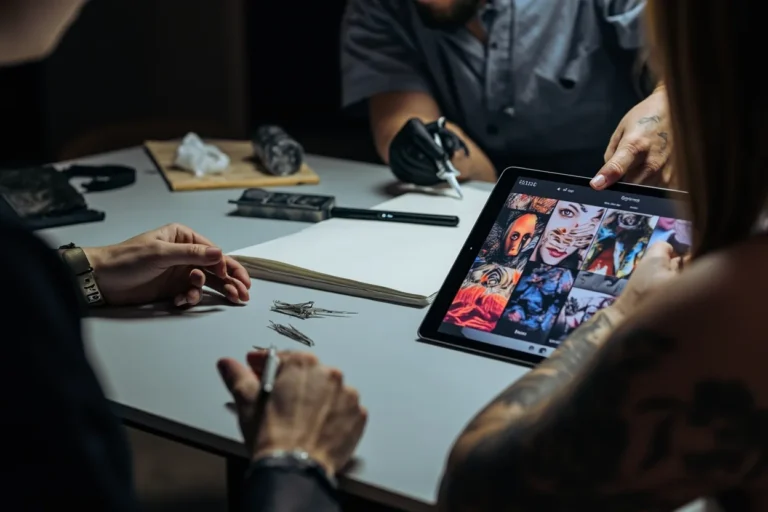
Ask to see the sketch at the intended size on your skin. A design that seems charming on a tablet can become cramped when the outer contour is reduced. Your artist may use plum, grey, and rose-gold-inspired pigment depending on your skin tone.
The collarbone placement is visible and expressive, but it can feel sensitive near the bone. You’re choosing an iconic emblem that needs clean spacing, stable proportions, and a shape your body can carry naturally.
Compare the concept with these cool tattoo design drawings before you book. One fierce central image with a crisp outline will look more intentional than six tiny symbols competing for attention!
4Wrist or Finger? Test the Delicate Stencil
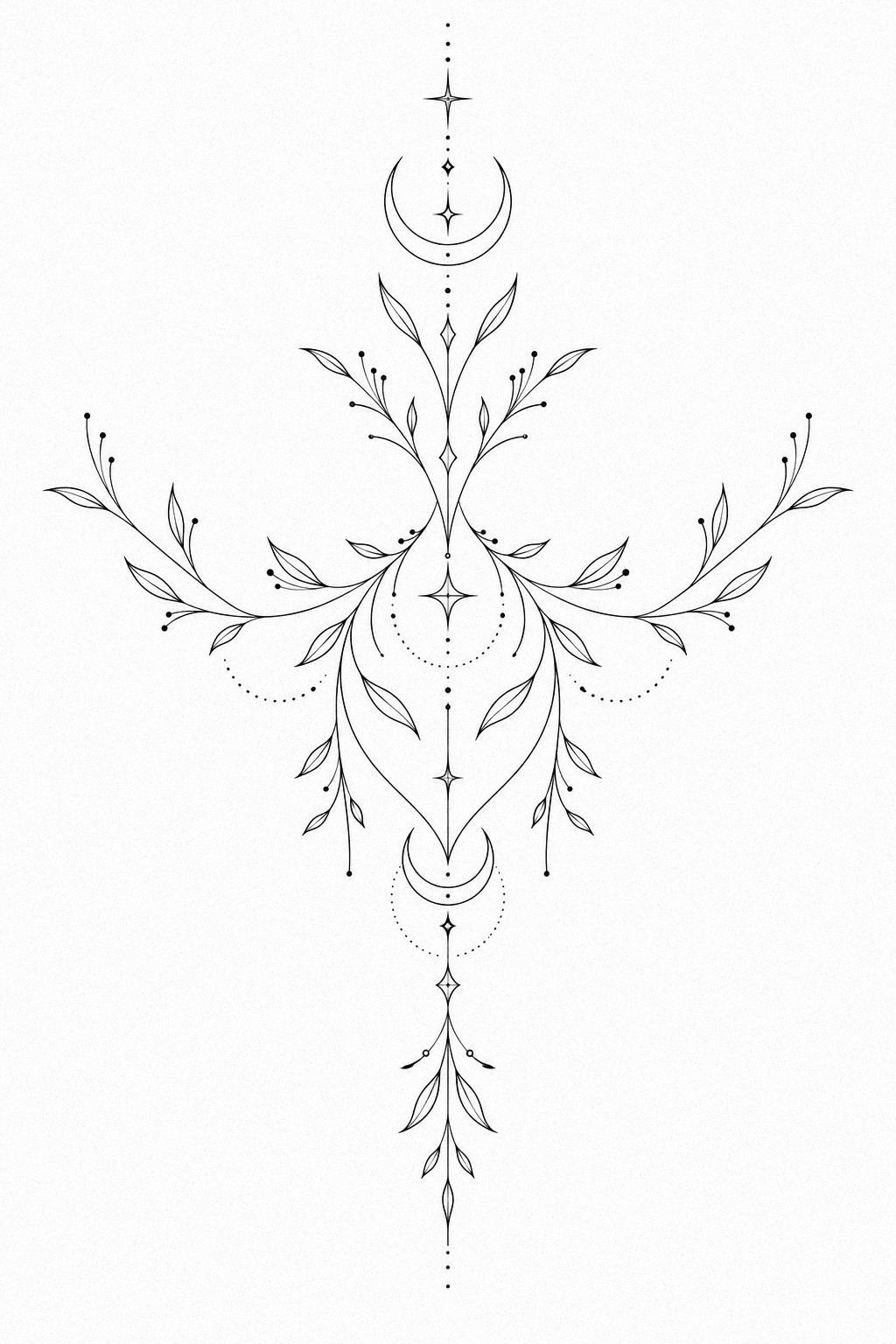
A wrist tattoo needs restraint because the area is narrow, visible, and constantly moving. Test the wrist placement while bending your hand so the stencil follows your natural motion.
5Map a Geometric Forearm Design
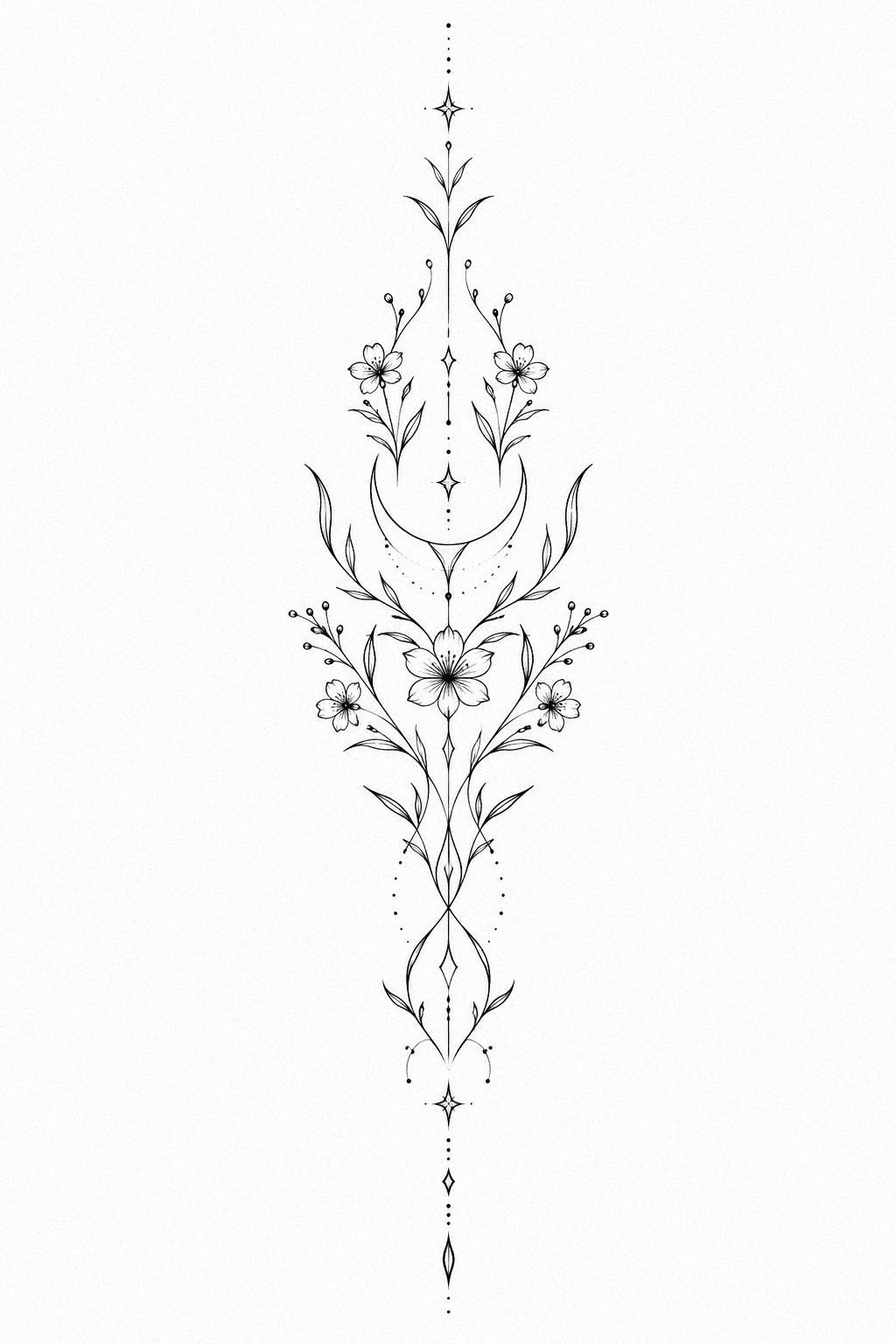
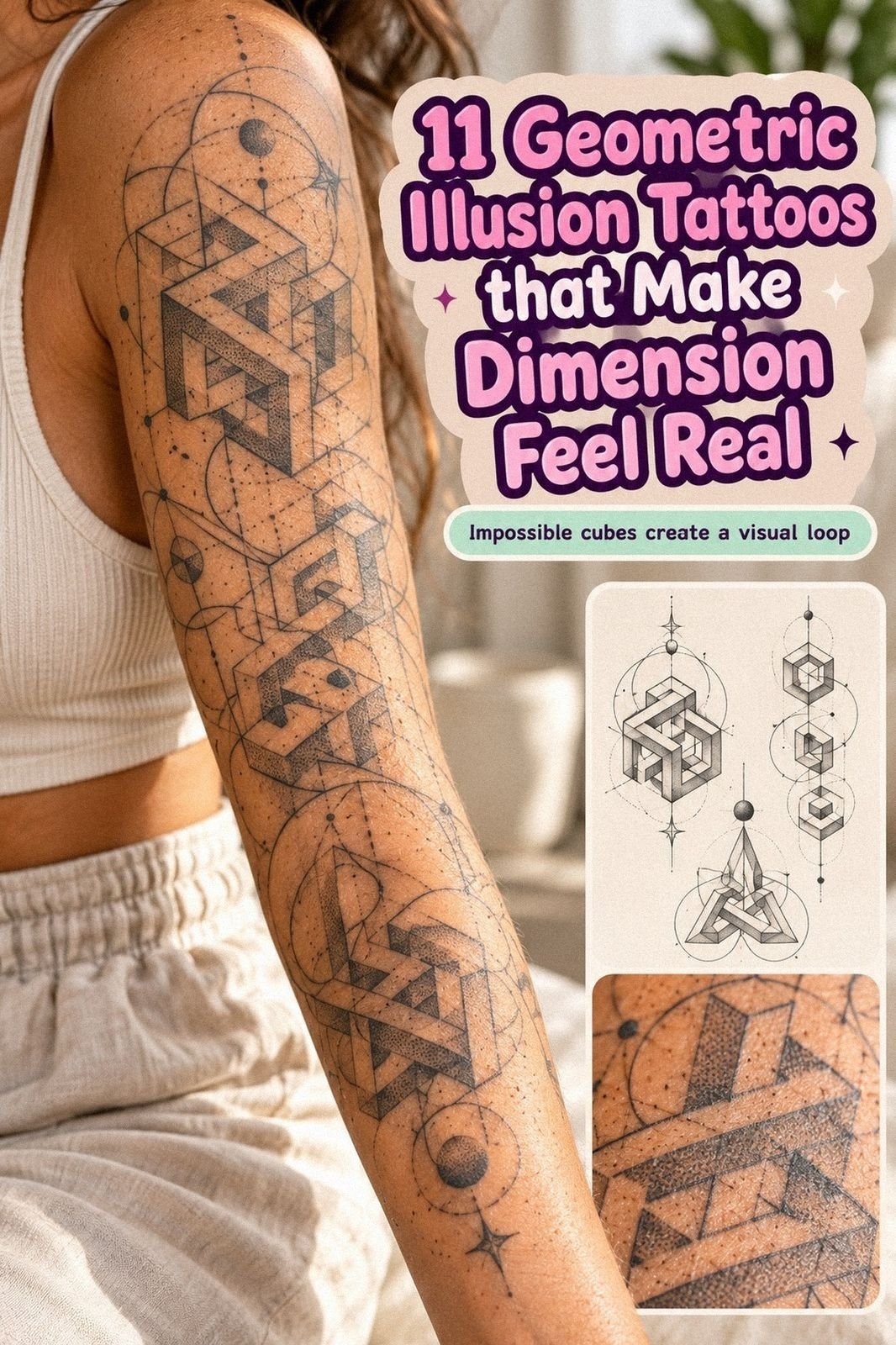
Geometric tattoo design sketches give you a useful balance between order and personality. Your forearm length gives circles, triangles, arches, and repeated lines enough space to read without forcing them together.
Start with one governing form, such as a triangle, arch, sun, or repeating line. Then ask how the shape will sit when your arm turns. I’ve seen people approve a geometric drawing from one angle, then realize the lines twist oddly when they reach for something.
An emerald-and-gold drawing can make the concept feel crisp before it reaches the skin. You’ll want the final tattoo to keep the hand-drawn character without copying every paper wobble. A polished geometric piece can still feel raw and personal when one line is intentionally imperfect.
I’d avoid packing the forearm with tiny measurements or symbolic marks unless they truly matter to you. Negative space is what keeps geometric work sharp. Your artist can use clean emerald linework with selected cream accents, but every added detail should earn its place.
If you’re building a reference folder, pair this with tattoo design website ideas for broader direction. The strongest choice is a striking geometric anchor with one repeated motif, not a full flash sheet copied onto your arm.
6Let Blackwork Carry the Animal
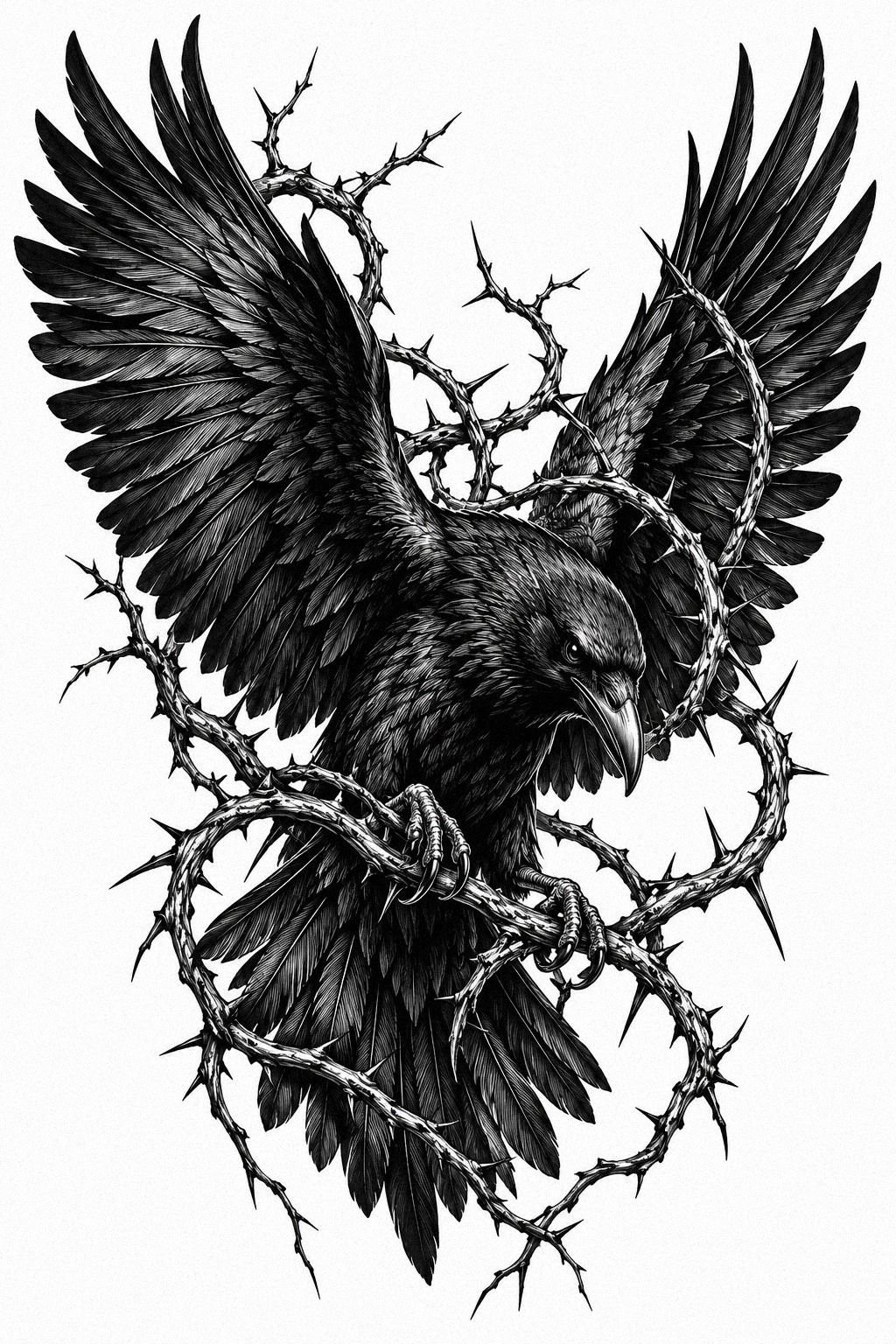
Blackwork animal drawings are a strong choice when you want weight, contrast, and immediate presence. An inner-forearm design can hold a wolf, raven, panther, or bear with solid blackwork and carefully preserved skin breaks.
For deep ebony skin, contrast comes from shape, spacing, and healed visibility, not from piling on more black. Your artist should show healed examples on similar skin tones whenever possible. That evidence can tell you more than a dramatic fresh result.
The drawing can include fur texture, but it needs a readable outer contour first. Ask whether the animal will still look recognizable from several feet away. A fierce face with one sharp eye, pointed ear, or sweeping jaw can feel more expressive than a mass of tiny marks.
Blackwork may take more time than the sketch suggests because saturated areas need consistent coverage. Discuss the expected session length and how the design will be divided if it’s larger. Don’t judge the final appearance while the tattoo is swollen or glossy.
My preference is a powerful animal silhouette with one symbolic detail, such as a moon, branch, or star. For more unusual references, browse tattoo design book ideas. Graphic clarity will give you a stronger first blackwork piece.
7Keep a Minimalist Finger Outline Honest
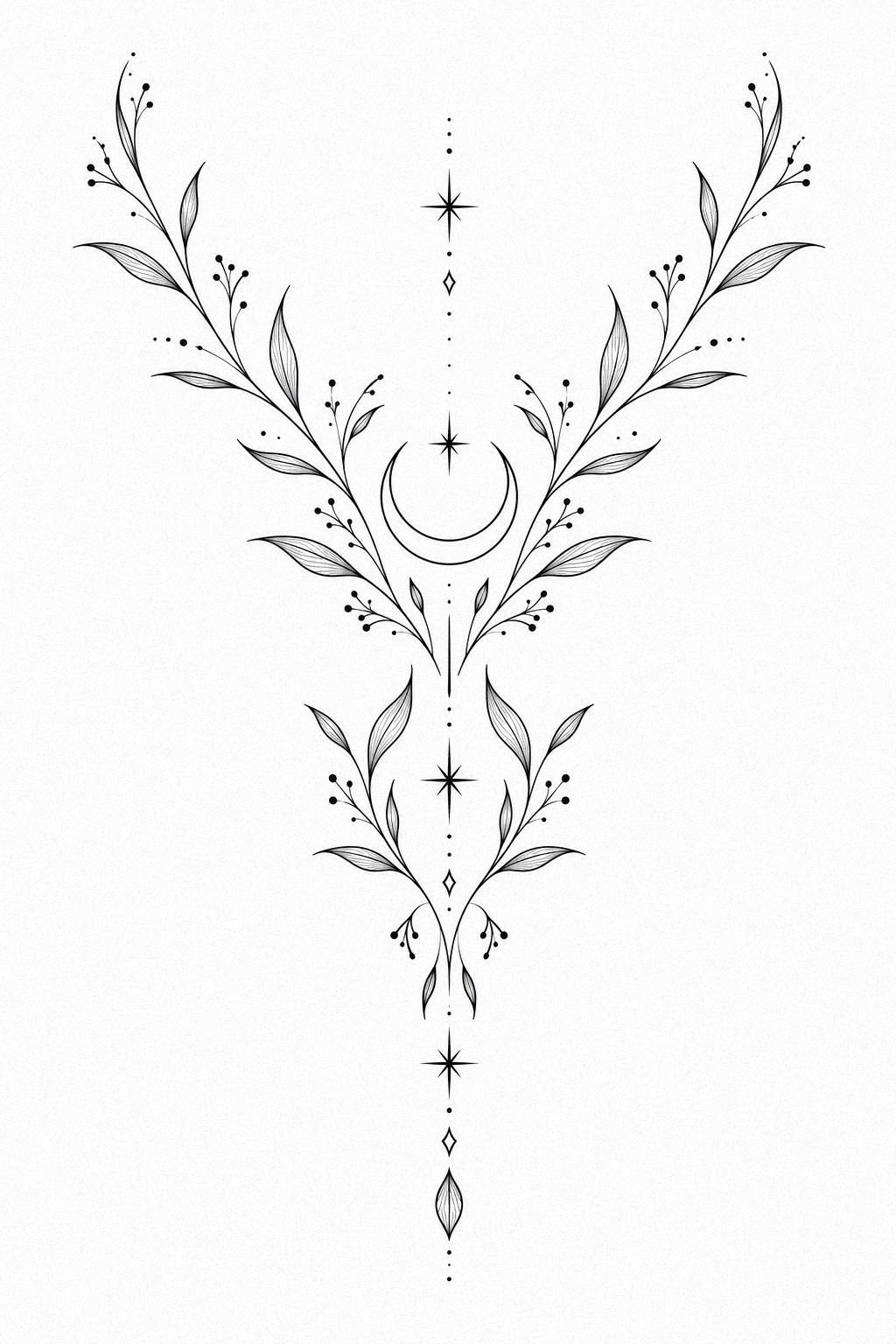
Finger tattoos demand a very small design, so your idea needs to survive constant movement and exposure. A minimalist finger outline might be a tiny star, curved line, initial, or symbol with only a few deliberate strokes.
Before you approve the stencil, bend and straighten your finger. You’ll want to see whether the drawing breaks across a finger joint or shifts toward the side. I’d place the design where its main shape stays visible rather than forcing a centered image that folds when your hand moves.
Finger tattoos can fade or soften sooner because hands meet water, sunlight, friction, and daily work. Your artist should explain possible touch-up needs honestly. That doesn’t make the idea a bad one, but it does mean you’re choosing a personal fine-line mark with realistic expectations.
Keep the design crisp and avoid tiny words unless your artist believes the scale is workable. The finger doesn’t give you much room for correction. If you’re unsure, print the drawing at its intended size and live with it for several days.
You can compare compact symbols in these tattoo design ideas. I’d choose a delicate crescent symbol over a miniature quote every time. It’s minimal, expressive, and less likely to turn into a fuzzy line puzzle!
8Build an Ornate Back Composition
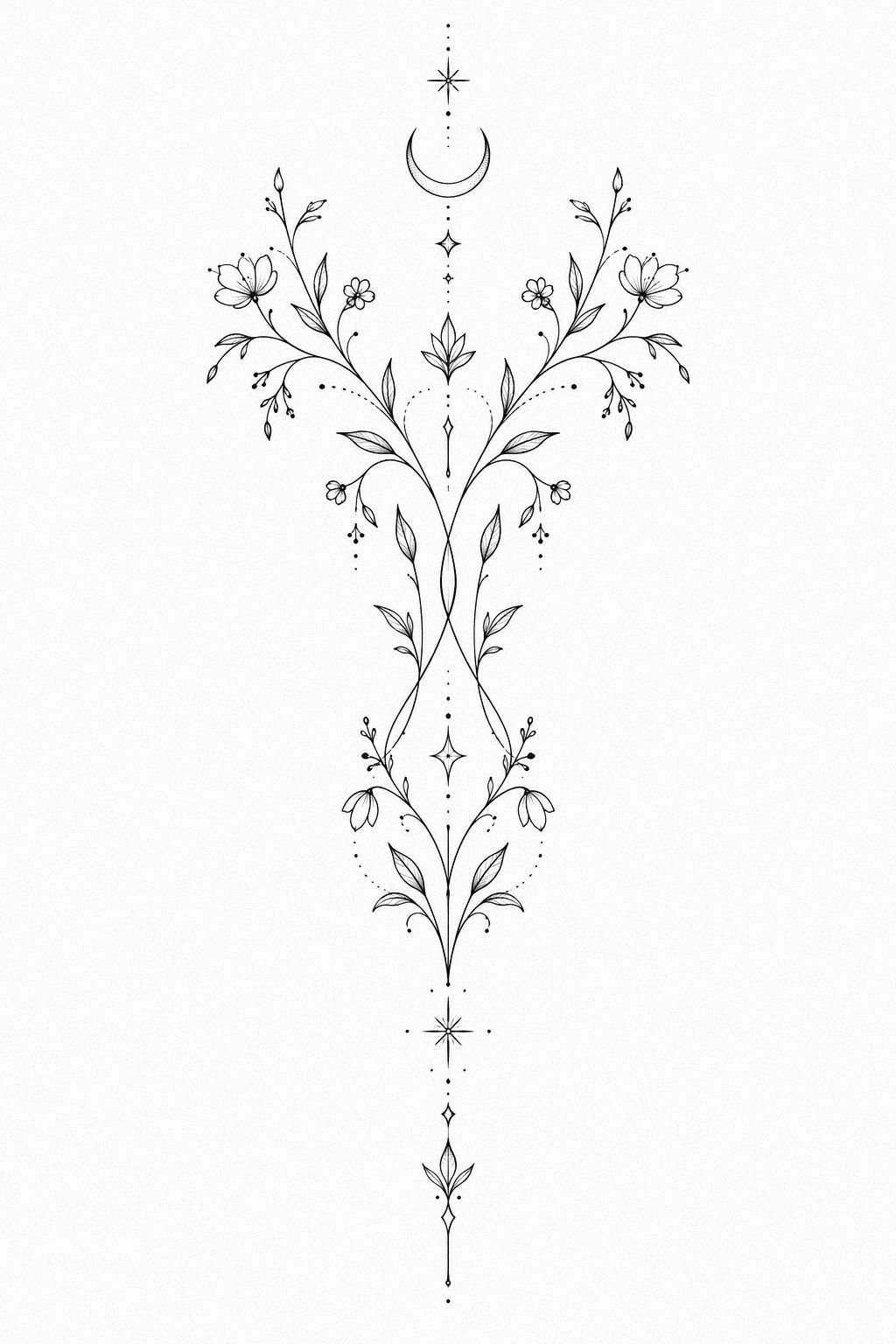
An ornate back tattoo gives you more surface for a graceful, detailed back composition. Keep the central shape recognizable so the intricate details support the idea instead of swallowing it.
9Why Does Watercolor Need a Strong Outline?
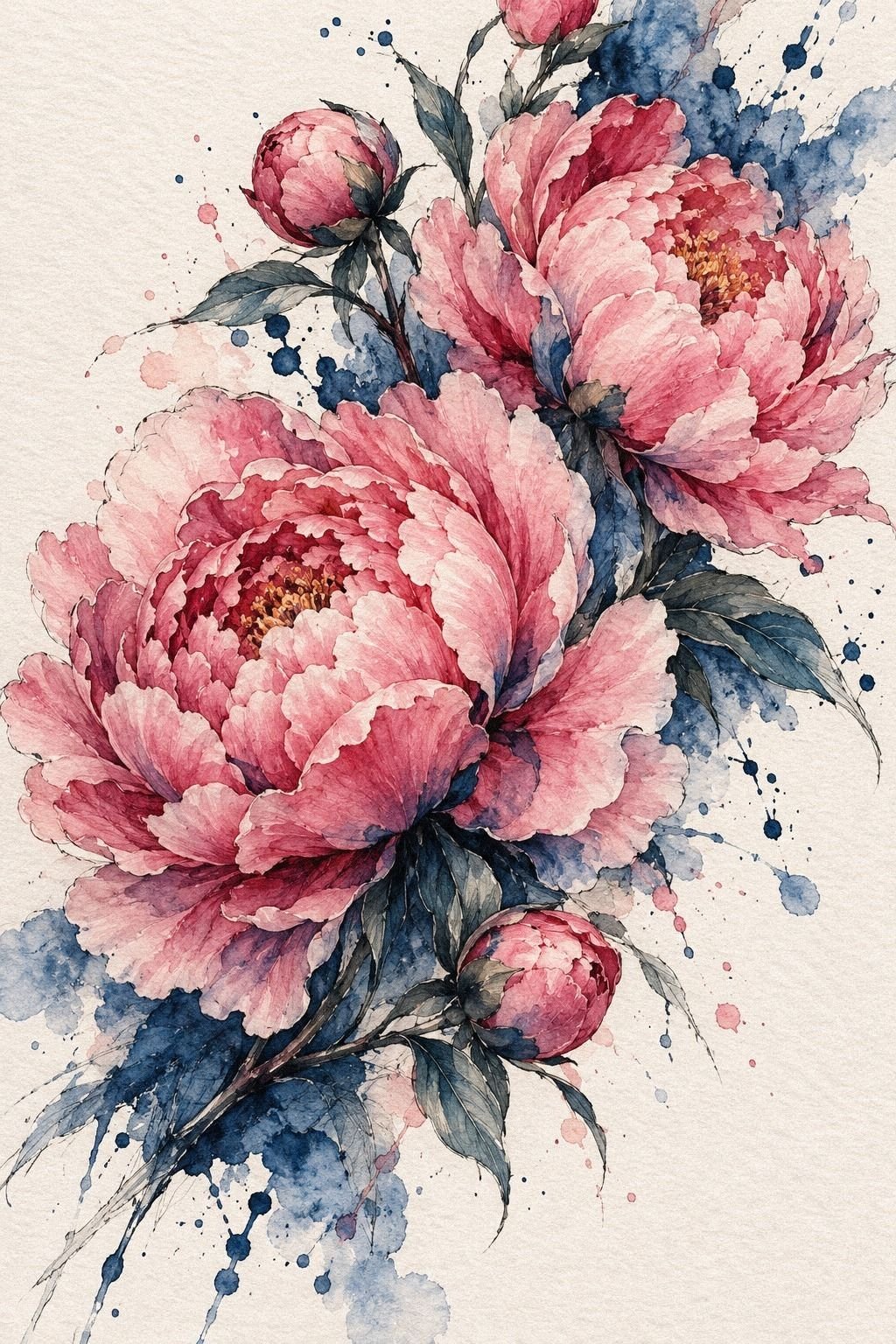
Watercolor floral tattoos can feel vibrant and expressive when the drawing has a strong stem underneath the color. A sternum placement suits a delicate wildflower sprig with midnight-blue stems and copper-and-ivory color that follows the natural rhythm of the plant.
Your artist should begin with a clear outline, even if the finished tattoo appears soft. That color structure helps the flower remain legible after the brightest color settles. I’d avoid treating the tattoo like a painted sticker because skin and paper hold color differently.
Ask about the chosen watercolor pigments, saturation, and how the design may look once healed. A layered approach can create variation, but your artist shouldn’t promise that every pale wash will stay identical forever.
The sternum placement can be more sensitive than the outer forearm, especially over bone. Consider the design’s width and how it sits with your breathing and posture. A small floral sprig can feel romantic without becoming overly sweet when the stems stay crisp.
Sun protection matters if you want the colors to remain lively. Once the skin heals, consistent sunscreen use can help protect a vibrant, ethereal design from losing contrast too quickly.
For more references, compare your favorite drawing with this watercolor tattoo design. I’d choose one elegant wildflower branch over a full bouquet. The lighter composition gives the design a more ethereal quality.
10Follow the Spine with Symbolic Rhythm
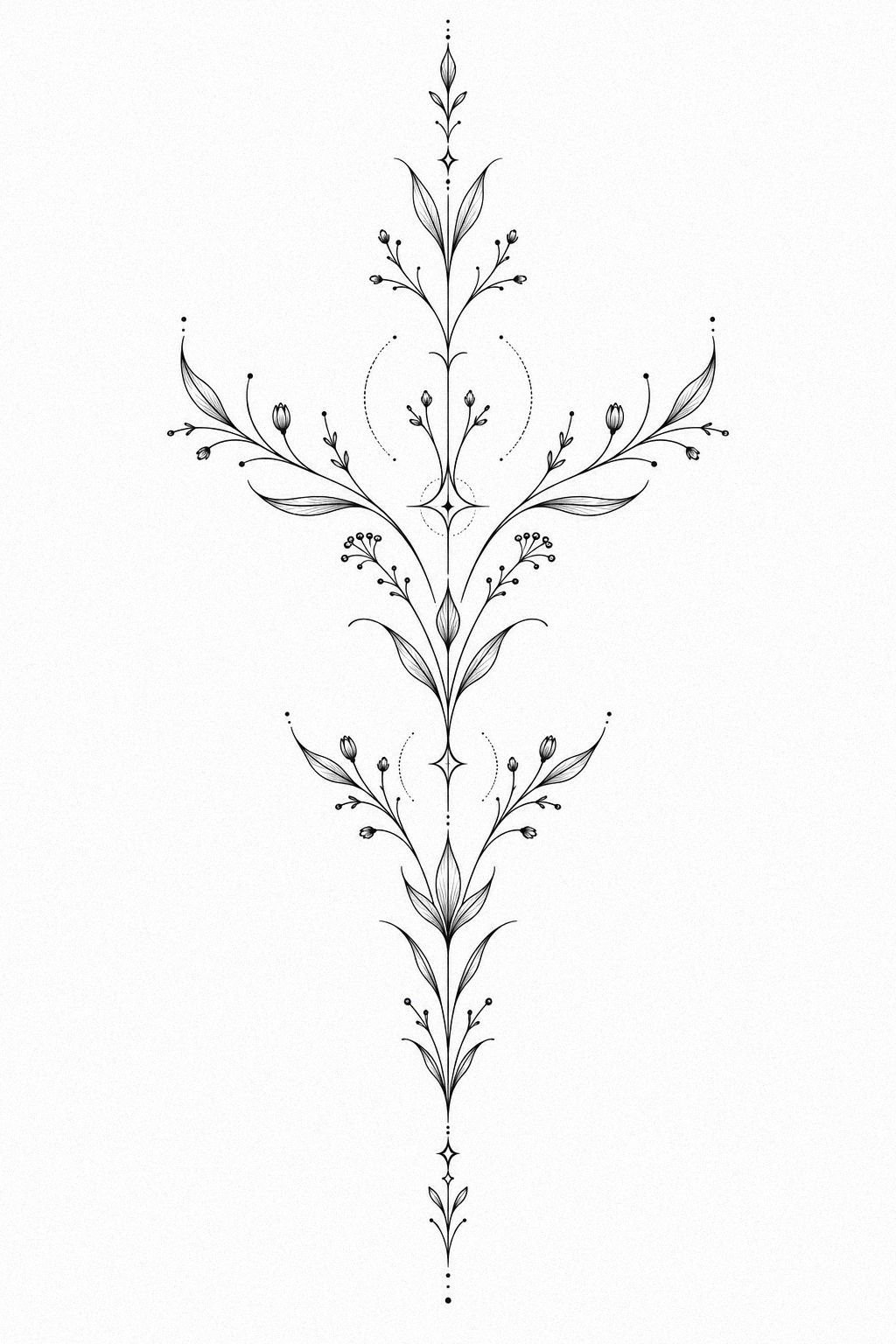
A spine tattoo stencil should be judged twice, first on paper and then on the body. Choose a symbol with a strong vertical rhythm, such as a constellation, botanical stem, chain of moons, or repeated geometric mark.
Your artist can use white stencil paper to position the design directly along the center line. Check it while standing naturally, not while twisting to see it. A centered drawing can shift visually if your posture changes.
The spinal center line deserves careful attention because even a small adjustment can change the balance of the whole design. Ask to view the stencil from behind, from the side, and while standing relaxed.
The spine can be more painful than the outer forearm or thigh because the area follows bone and has less padding. Ask about staged sessions and whether the design should be completed gradually. You don’t want to rush a long stencil simply because the drawing looks simple.
A symbolic spine tattoo doesn’t need to be enormous to feel powerful. A narrow, clean vertical linework design may look more refined than a wide composition that competes with your natural shape.
Healing still requires gentle washing, light moisturizing, and avoiding pools and direct sun. A simple healing routine makes it easier to protect the design while the skin settles. If you’re choosing between several symbols, save these tattoo stencil design ideas for comparison.
11Make a Playful Ankle Illustration Read Clearly
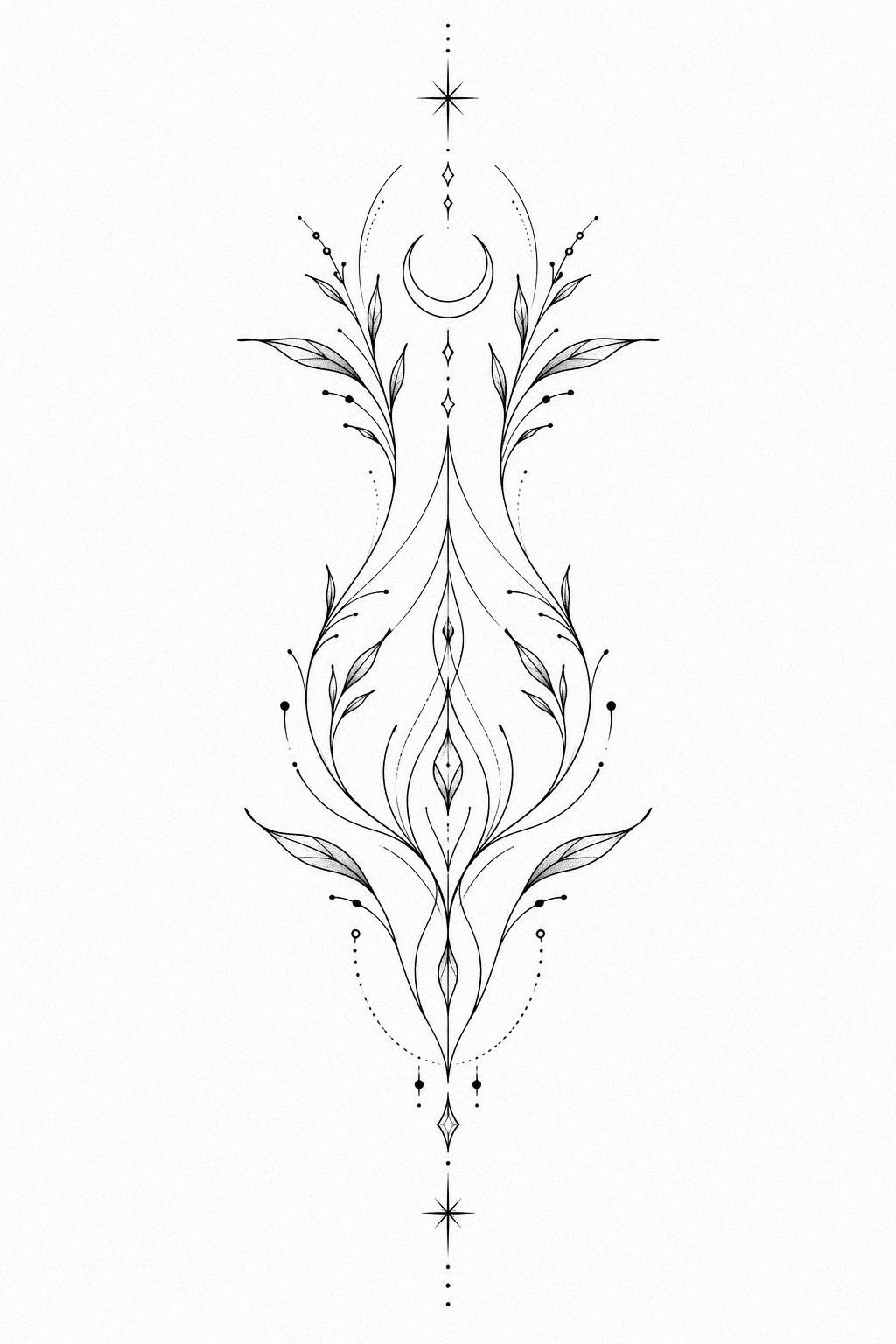
A playful ankle tattoo can give your first piece personality without demanding a huge commitment. A playful ankle illustration might feature a tiny creature, fruit, star, matchbox, or animated object with one clear gesture.
Choose a subject that feels expressive through posture and shape rather than dozens of facial details. I’d skip an overly tiny character if the design needs a readable face shape. A dainty concept still needs enough scale to remain recognizable.
Ask your artist whether the ankle placement should sit above the bone, beside it, or slightly toward the lower leg. The position changes how the illustration moves when you walk. A crisp terracotta contour with olive accents can keep the tattoo recognizable while adding personality without crowding it.
Skin tone matters when choosing contrast. Your artist should explain how the proposed pigment will read on your brown skin tone, especially if the design uses delicate lines or muted color.
Ankle tattoos can experience friction from socks and shoes, so plan your appointment around comfortable clothing and calm aftercare. The shoe friction may affect healing, particularly if the tattoo sits beneath a tight cuff.
The surface may heal in about 2 to 3 weeks, but full settling can take 2 to 3 months. For a wider set of playful references, browse bee tattoo design ideas.
My favorite approach is a whimsical ankle illustration with one bold gesture. It should make you smile, but it still needs a shape your skin can carry for years.
The Negative-Space Rule: Why Clean Drawings Age Better
I’ve changed my mind about first tattoos more than once. I used to think a more detailed drawing showed better planning, but the opposite is often true. When every leaf, line, and dot competes for attention, the design can lose its identity.
A visual anchor gives your artist something stable to protect as the tattoo heals. It might be a bold outline, a central symbol, or one uninterrupted curve. Without that anchor, even an intricate tattoo can become visually noisy.
The best decision usually starts with design placement, not subject. A symbolic design that fits your wrist may fail on your back, while a botanical drawing that feels plain on paper can look graceful around an ankle.
You’ll want to test the stencil in motion, under ordinary light, and at the size you can realistically wear. This placement test protects the value of your idea before you spend money on the appointment.
I’d also ask to see healed work from the same style and similar skin tone. A healed portfolio is more valuable than a polished promise because fresh tattoos can look sharper and darker than they will later.
There’s no shame in choosing a smaller first tattoo. A compact design lets you learn how your skin reacts, how you handle the appointment, and how you feel about permanent visibility. That’s a smart choice for a first tattoo, not a timid one.
A Budget Lens for Your First Tattoo
The cost depends on size, placement, artist experience, region, color, and whether the drawing is custom. A custom design may cost more than flash work, but price alone doesn’t prove quality. Look for clear communication and healed work first.
Here’s a practical planning table using common US ranges:
A shop minimum may apply even when the tattoo takes less than an hour. Ask whether the quoted price includes the consultation, drawing time, and appointment itself.
An hourly tattoo rate can make larger work easier to estimate, but ask how the artist rounds time. A small tattoo may still be priced by the shop minimum rather than by exact minutes.
A booking fee or deposit may reserve your appointment and cover custom drawing time. These policies vary, so read the terms before sending money.
These are estimates, not promises. Knowing your tattoo budget before you book makes the final decision feel less stressful. If you’re comparing styles, the tattoo design book can help you decide where custom work is worth the added cost.
Your Placement Audit Before You Book
Hold the printed drawing against your skin at its actual size. Then walk, bend, reach, and look at it from the angles other people will see. A design that feels sleek on a screen may feel oversized or too hidden once it meets your body.
Think about visibility at work, sunlight, friction, and how often the area moves. Your placement check should include pain tolerance, healing logistics, and whether you’ll still enjoy seeing the tattoo every day.
A first tattoo doesn’t need to be the most daring choice in the reference folder. An empowering symbol in a practical location may give you more lasting satisfaction than an edgy idea chosen in a hurry.
If you’re still deciding, compare cool tattoo ideas with your actual placement. Consider daily visibility before choosing a spot that looks exciting but becomes difficult to cover.
The best design is the one that feels meaningful, readable, and realistic for your life. Check skin movement before you commit, especially around joints, ribs, ankles, and hands.
What Should You Ask Before Booking?
Ask whether the artist has healed examples in the style you want. Check line quality, color retention, spacing, and how the artist works with your skin tone. A stylish social feed can’t replace healed work.
Ask how the design will be scaled, whether the stencil can be adjusted, and what happens if you change your mind during the consultation. Your artist should be comfortable discussing stencil adjustments before the appointment begins.
Ask about the appointment length, deposit, aftercare, touch-ups, and total cost. A clear aftercare plan helps you compare value instead of choosing by the cheapest number.
A meaningful tattoo should also feel like a personal decision. You don’t need everyone else to understand the symbol. You need to recognize yourself in it, whether the idea is feminine, masculine, sacred, or simply yours.
A Short Healing Reality Check
The surface commonly heals in about 2 to 3 weeks, while complete settling can take around 2 to 3 months. During that time, keep the area clean, avoid unnecessary friction, and follow the instructions your artist gives you. Surface healing is only the first stage.
A tattoo may look darker, shinier, or less crisp while it settles. Don’t panic over small changes during the first days. The healed result is the one you should judge, not the temporary swelling and shine.
Sun exposure can affect color and contrast over time. Once the skin is fully healed, regular sunscreen can help protect a vibrant or delicate design. That simple sun protection habit protects the money and meaning you’ve invested.
The Questions Worth Answering First
How much does a tattoo design drawing usually cost?
A typical US tattoo design may cost about $100 to $300, depending on size, placement, artist, and region. A design fee may be separate from the tattoo appointment, while a small custom drawing may still meet a shop minimum of about $50 to $100. Ask for a range before booking.
Are tattoo design drawings a good idea for a first tattoo?
Yes! They’re a strong starting point when the drawing has clear lines and a placement you can tolerate.
A readable first tattoo plan gives you a better chance of liking the result as it heals. Outer forearms, thighs, and shoulders are often more manageable than ribs, feet, hands, or the sternum.
How do I choose a tattoo artist for tattoo design drawings?
Look for clean linework, healed photos, a style match, and visible studio hygiene. A relevant portfolio matters more than follower count. You can compare artist portfolios through tattoo sketches and unique drawings before sending an inquiry.
How much do tattoo design drawings hurt?
Pain depends on the person and the placement. Ribs, feet, hands, and the sternum are often more sensitive, while the outer forearm, thigh, and shoulder are usually more tolerable. Your pain-sensitive placement can make a first session feel far less intimidating when you plan honestly.
How long does a tattoo design drawing take to heal?
The surface commonly heals in about 2 to 3 weeks, while complete settling can take around 2 to 3 months. Simple aftercare means washing gently, moisturizing lightly, avoiding direct sun, and staying out of pools while the skin recovers. Follow the artist’s healing timeline rather than judging the tattoo too early.
What’s the best placement for tattoo design drawings?
The best placement depends on visibility, pain tolerance, and the design’s line weight. An outer forearm gives fine drawings room to read, while an ankle or wrist feels more discreet. Your placement choice should support the design instead of forcing it into an awkward shape.
The Final Three Checks Before You Commit
Before booking, check the design at its actual size. Check it while your body moves. Check healed examples from the same style and a similar skin tone.
Then check the design scale against your budget, schedule, and tolerance for touch-ups. A smaller design may be the better value if it preserves the main idea and gives the lines enough room.
Finally, ask whether the concept still feels meaningful without explanation. If the answer is yes, you’re probably close.
If you need a long defense of it, simplify the drawing. A personal symbol should feel clear to you.
If I Had to Pick One
If I had to pick one, I’d start with the fine-line botanical ankle design. Its clear stem, controlled scale, and natural curve give your first tattoo room to age gracefully.
Pin this tattoo design drawings guide for later and bring one focused consultation sketch to your appointment. The strongest first tattoo is personal, crisp, and practical enough that you’ll still feel good about it years from now.