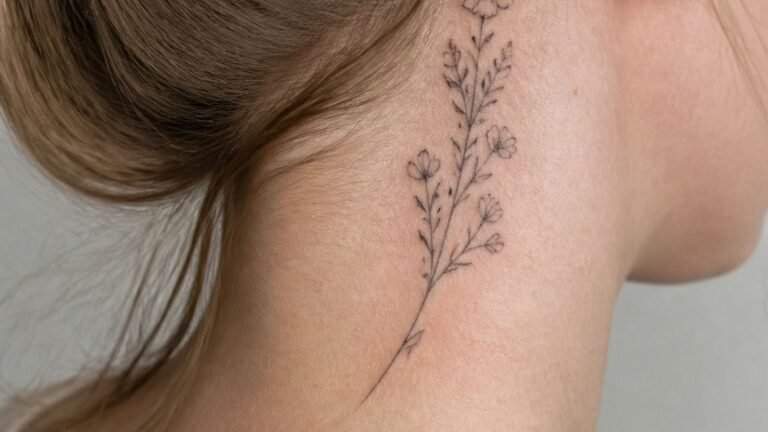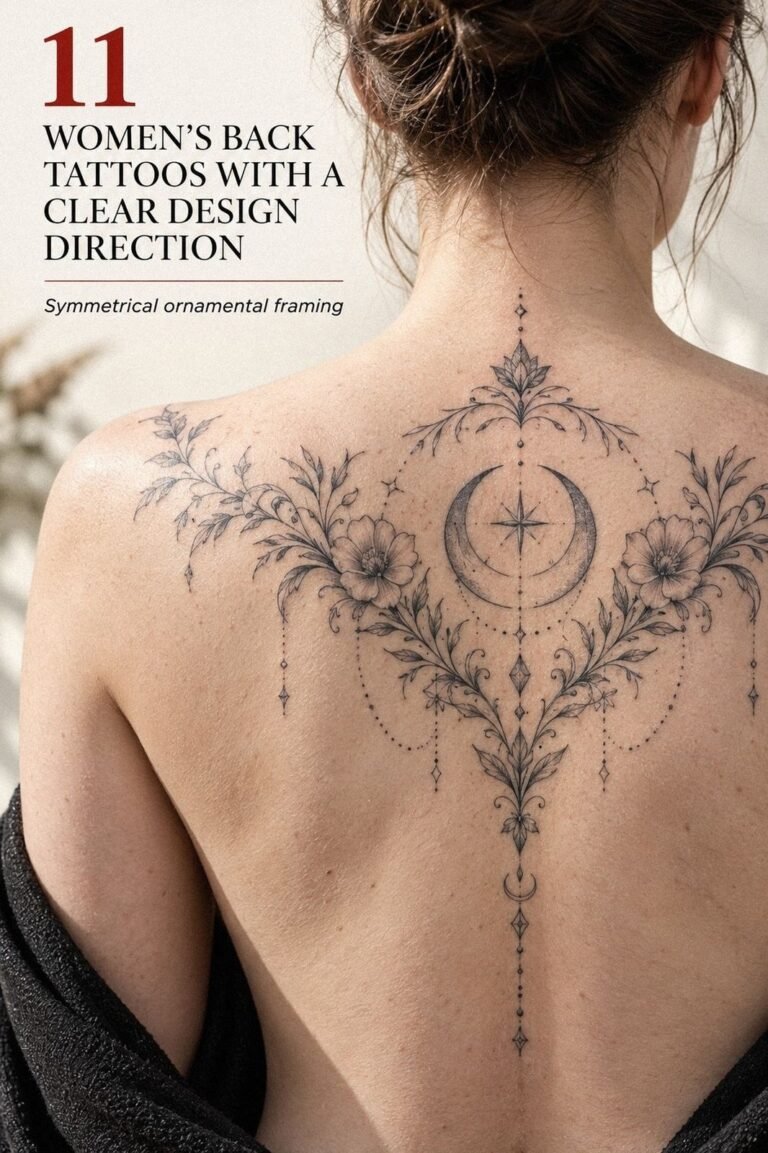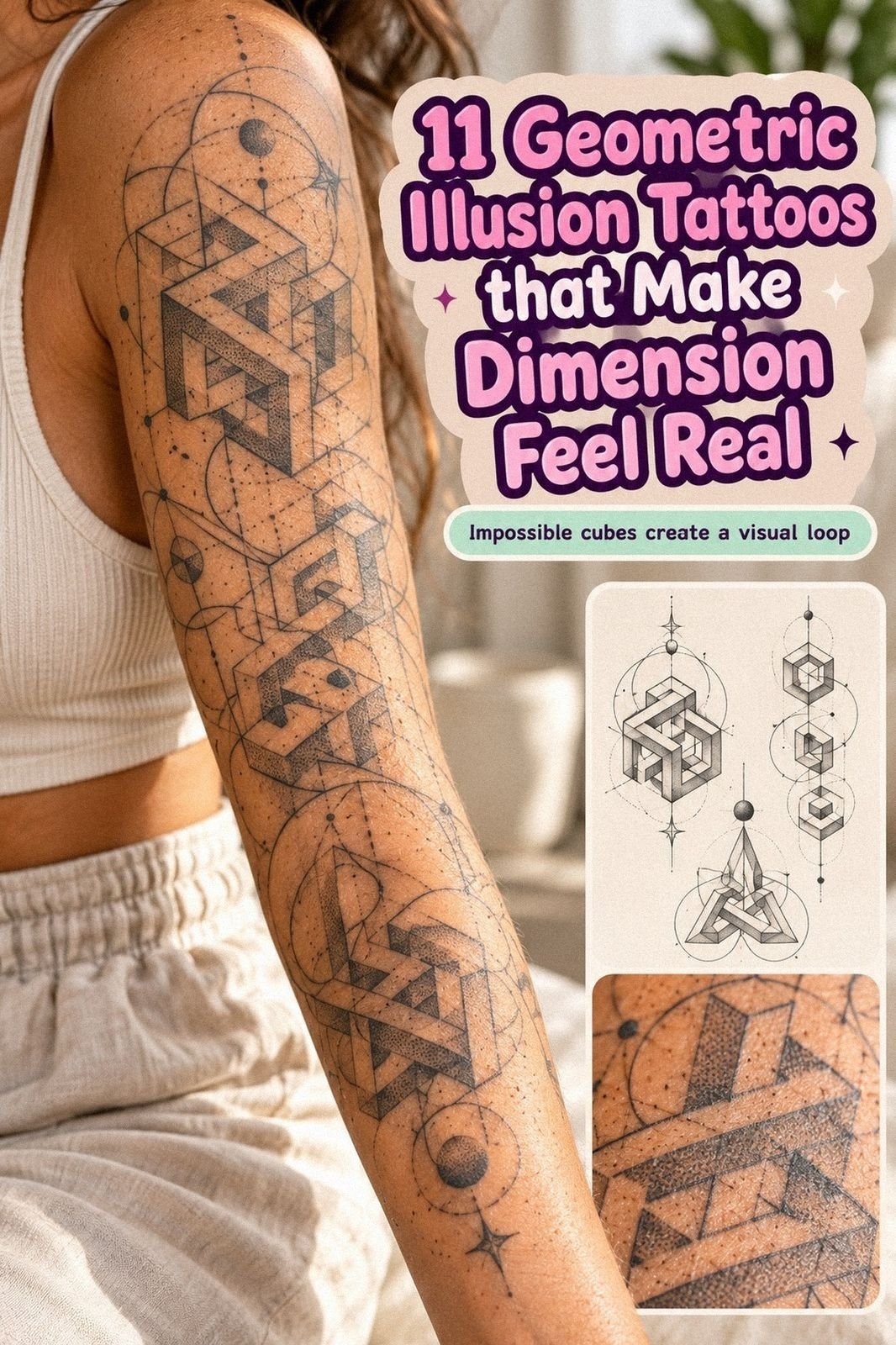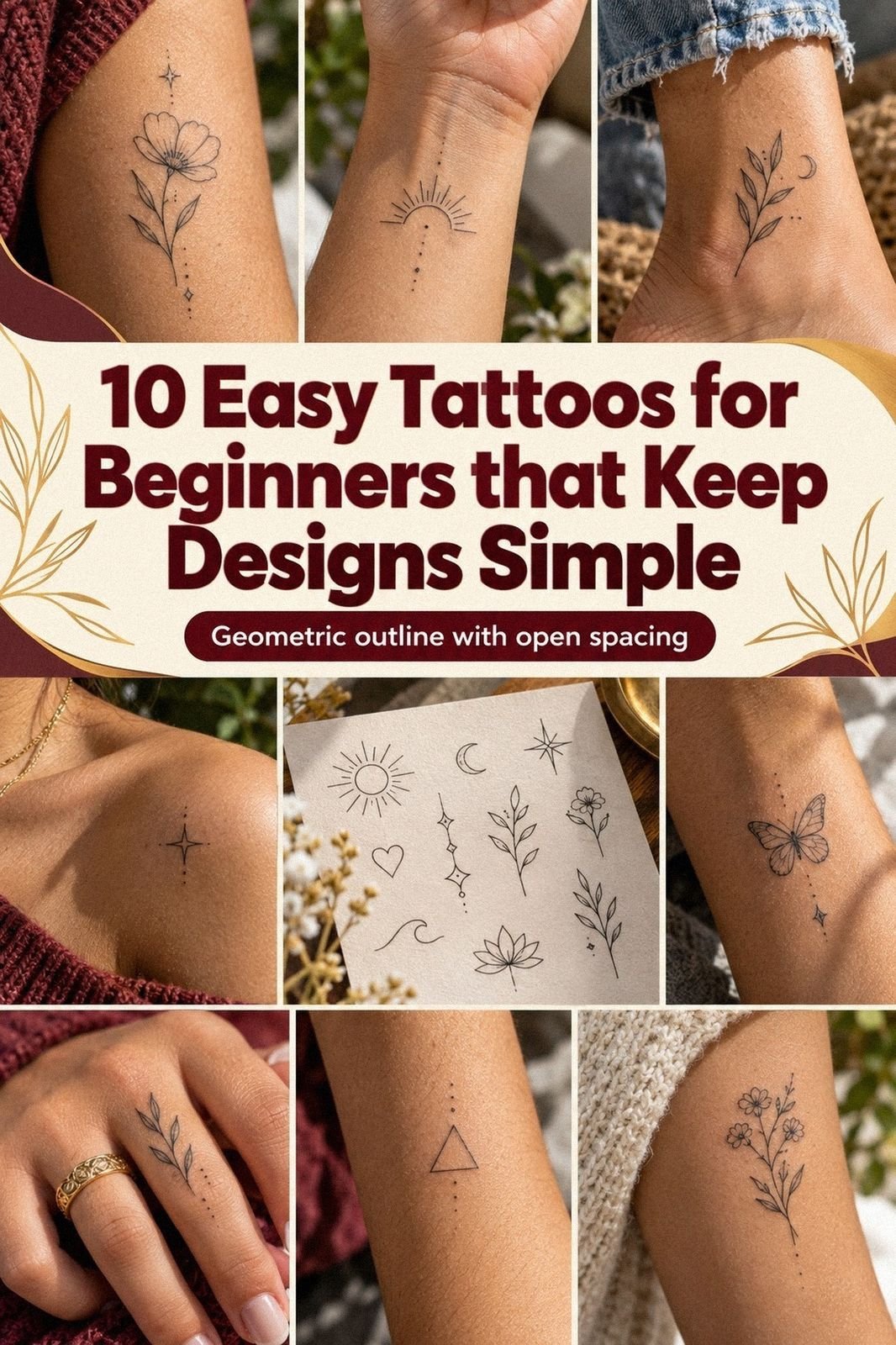
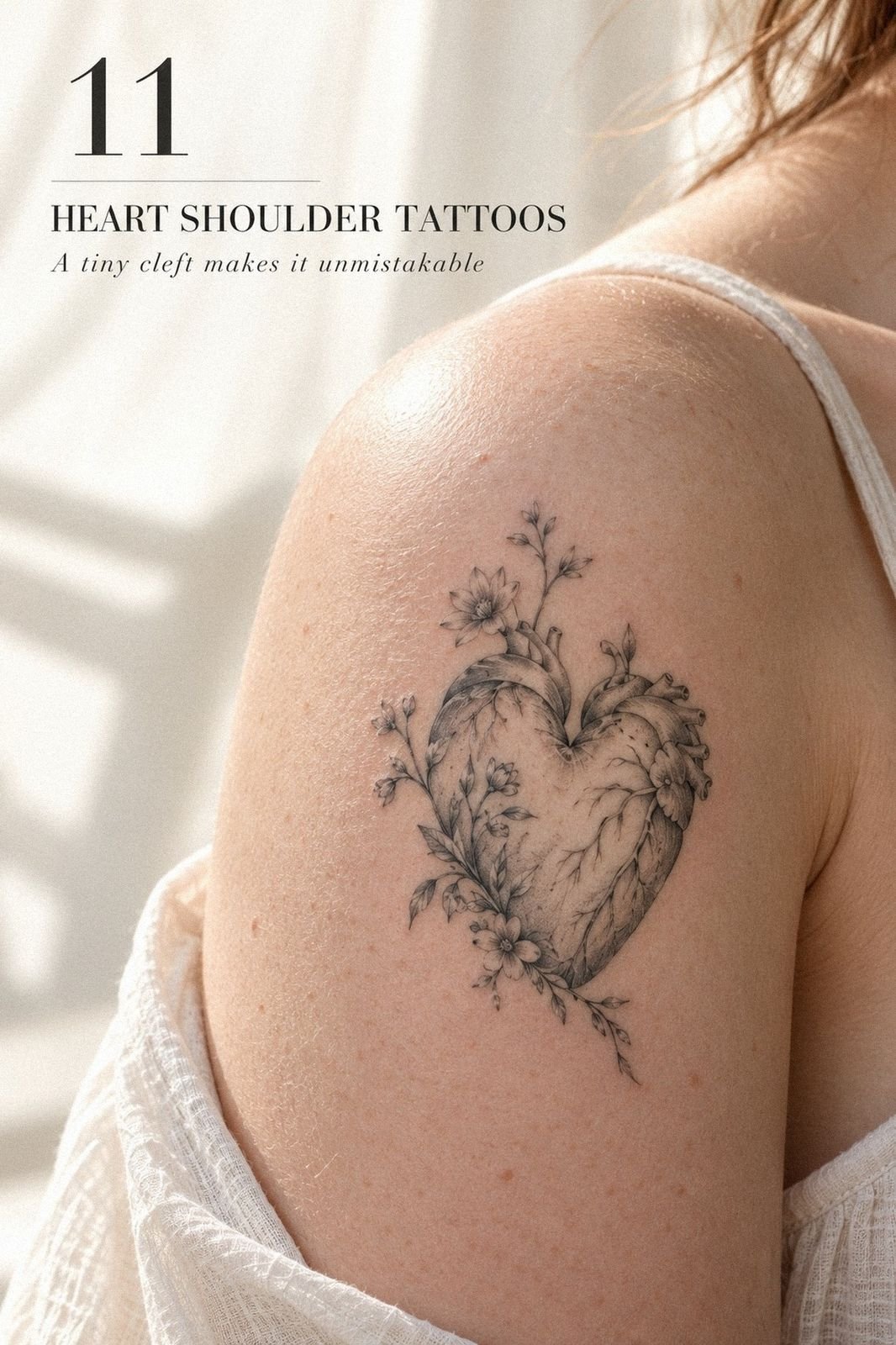
A heart shoulder tattoo can be delicate, personal, and easier to plan than you’d expect. The hard part isn’t finding a heart shape. It’s choosing meaning, scale, placement, and line weight before your appointment, so your first ink still feels crisp and meaningful years later. Start here!
- ✓ Start With a Meaningful Shoulder Heart Symbol
- ✓ Is Delicate Linework Right for a Feminine Heart?
- ✓ The Collarbone Curve: Place the Heart With Intention
- Start With a Meaningful Shoulder Heart Symbol
- Is Delicate Linework Right for a Feminine Heart?
- The Collarbone Curve: Place the Heart With Intention
- Keep Initials Crisp Inside the Heart Outline
- Neck or Shoulder? Plan the Future Connection Carefully
- Choose Bold Ink for a Fierce Shoulder Design
- Add Flowers Around a Romantic Heart Tattoo
- Let Your Shoulder Shape Decide the Final Placement
- Negative Space Over Heavy Fill
- Before Booking: Prepare Skin for Sharp, Lasting Linework
- Protect Your Heart Tattoo During Healing
1Start With a Meaningful Shoulder Heart Symbol
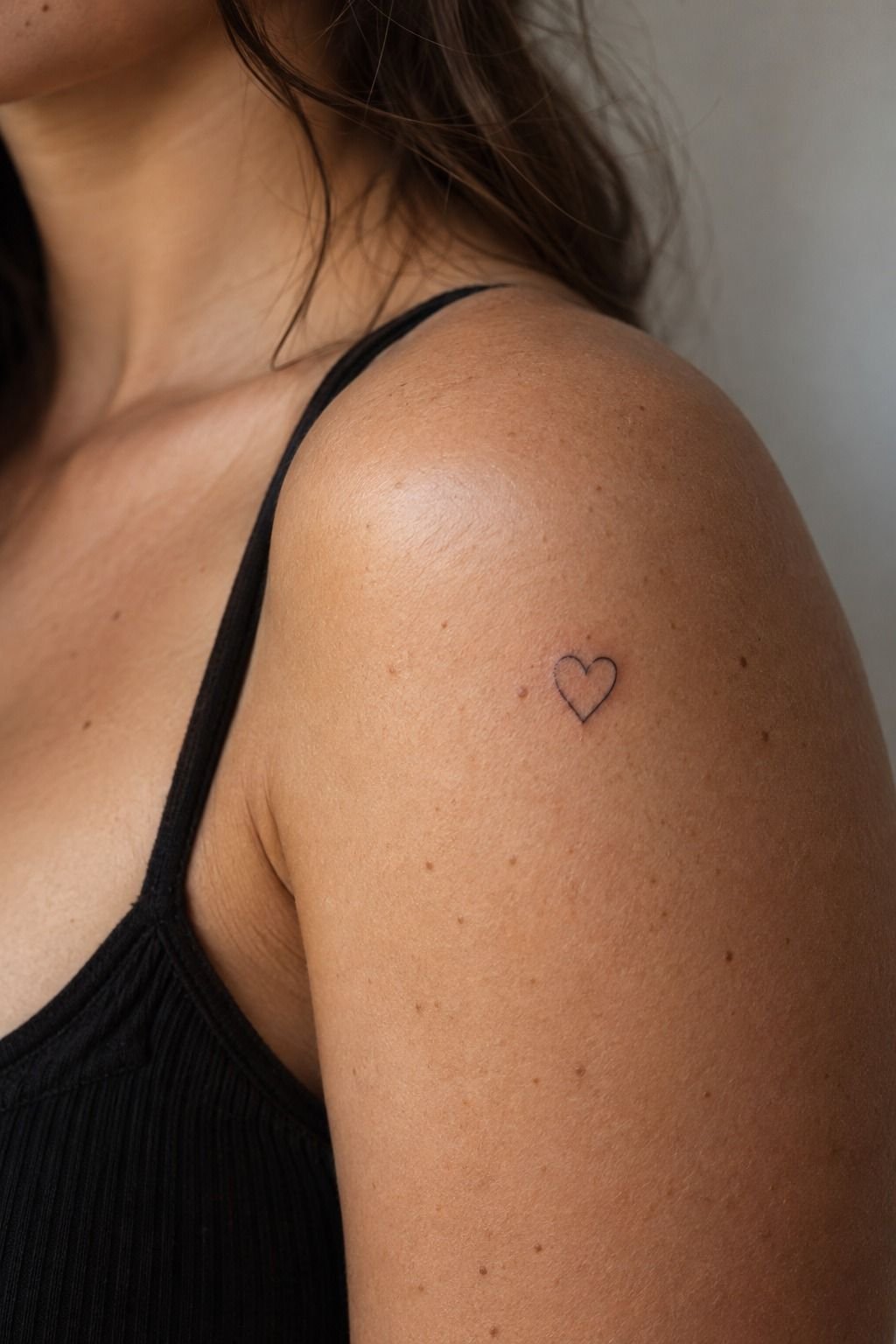
Begin with the reason you want the heart, not the outline you saved. Your symbol might represent a person, a private promise, recovery, family, or a love that changed your direction.
Write one sentence before you search for references. If you can’t explain what the heart means to you, your design may feel decorative instead of meaningful.
I’d skip copying a random flash image just because it looks romantic. A personal detail gives your heart shoulder tattoo more emotional weight, whether that detail is an initial, a birth flower, a date, or a tiny break in the outline.
Your first tattoo doesn’t need ten symbols to feel expressive. A single terracotta-toned heart can be more striking than a crowded design. Olive, muted red, or deep charcoal can also work if the color supports your meaning and your artist recommends it for your skin.
Before you book, save three references and circle what you like in each one. Maybe one has a sharper point, another has a wider top, and the third has a slightly uneven hand-drawn edge. I’d choose one dominant quality, such as timeless simplicity, then let the artist redraw it for your shoulder.
If you’re comparing possible meanings, read about sacred heart tattoo meaning before you settle on a symbol. The right design should feel personal before it feels stylish. That’s the part that makes the cost worth it!
2Is Delicate Linework Right for a Feminine Heart?
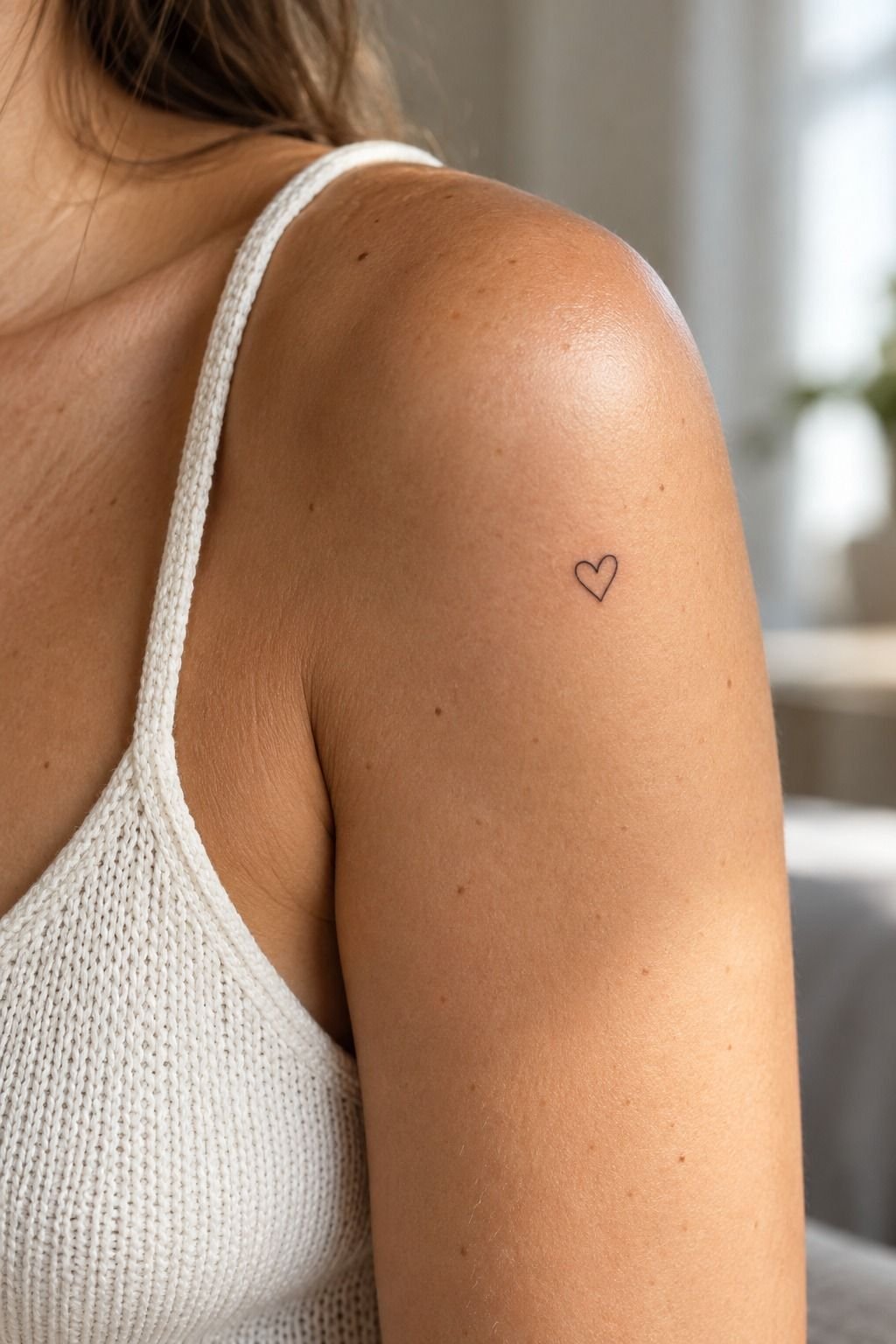
Your reference should show the actual line quality you want, not only the subject. For a delicate linework style, ask whether the artist has healed examples at a similar size.
A feminine heart can remain crisp without becoming overly ornate. One clean contour, a small opening, or a restrained botanical detail may say more than several tiny interior marks.
I’d be careful with ultra-fine lines around the shoulder. Movement, sun exposure, and natural healing can soften them, so ask whether a slightly stronger line-weight plan would protect the design.
3The Collarbone Curve: Place the Heart With Intention
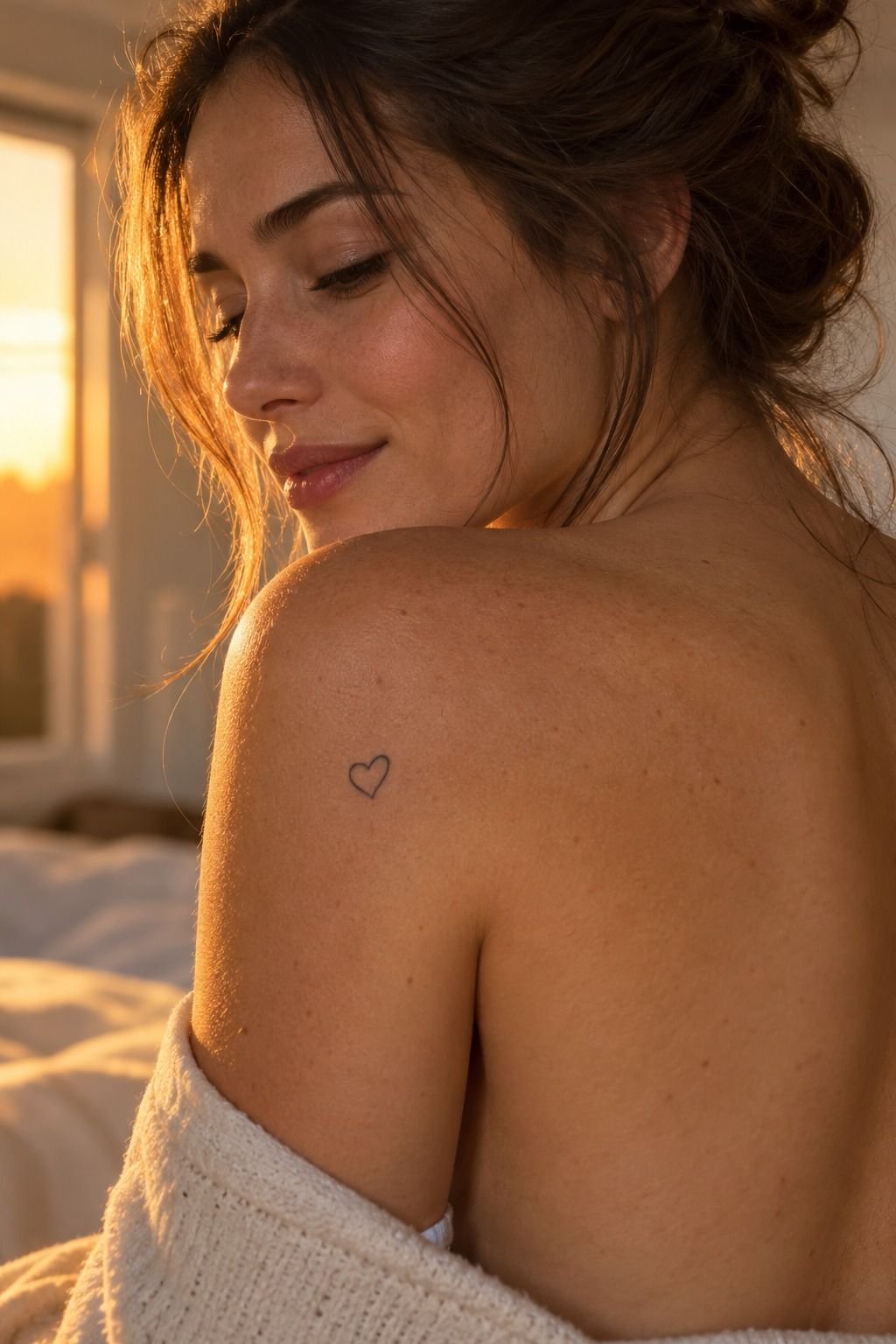
Hold the design along your collarbone curve before you commit to the final stencil. A heart can sit toward the front shoulder, follow the natural slope, or angle slightly toward the chest. Each position changes how visible and personal it feels.
Ask your artist to check the design while your arm hangs naturally and again while it’s lifted. Skin shifts. A shape that looks balanced in one position may feel tilted in another, and it’s worth taking a few extra minutes before the needle starts.
If you want a more visible placement, compare the front shoulder with the shoulder cap. If you want something more private, look at the upper shoulder blade. The best choice depends on your clothing, work environment, comfort, and how often you want to see the tattoo.
A consultation that includes several stencil positions usually offers better value than rushing into the first placement. You can also compare shoulder tattoo ideas before deciding whether a more central or more outward position suits you.
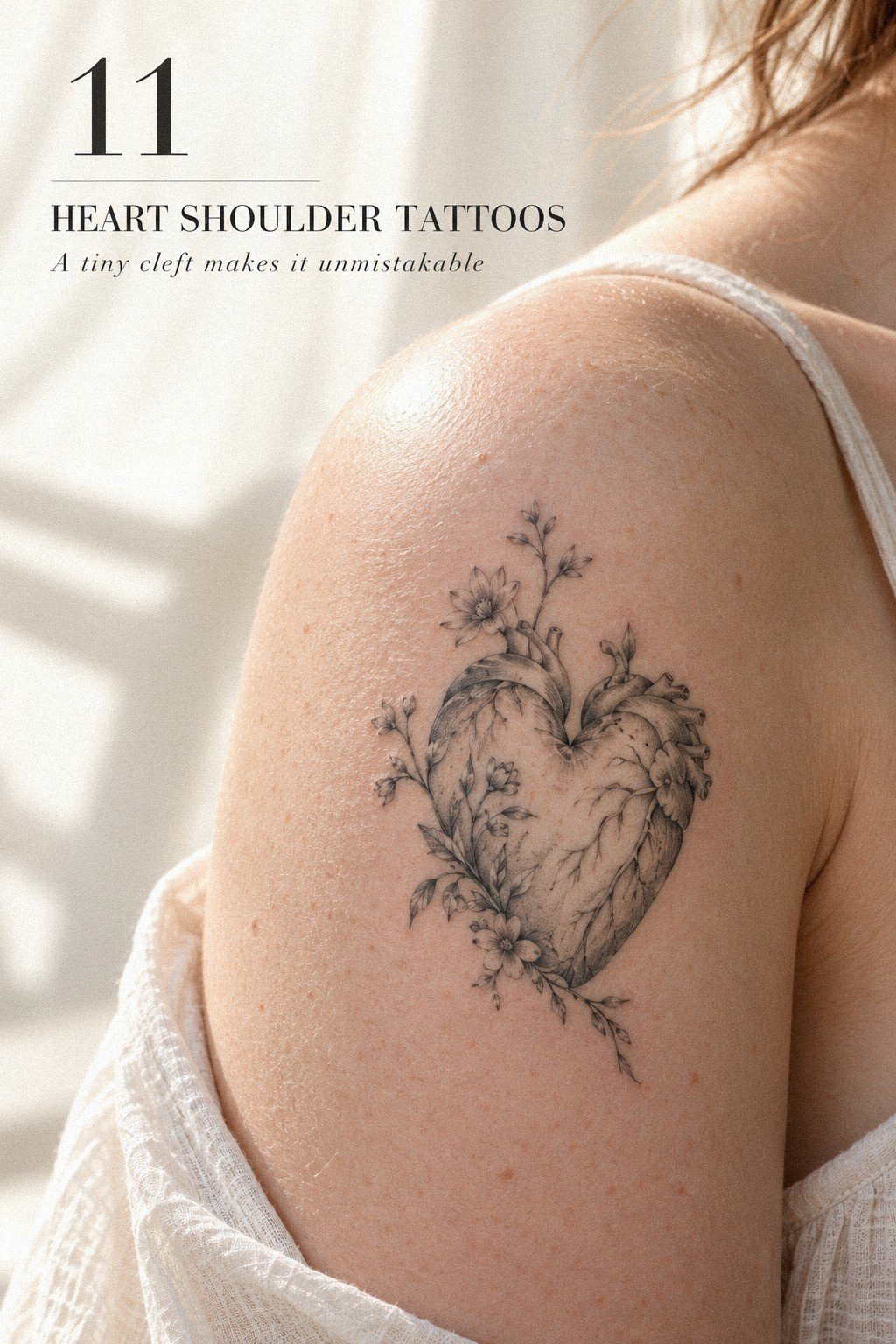
4Keep Initials Crisp Inside the Heart Outline
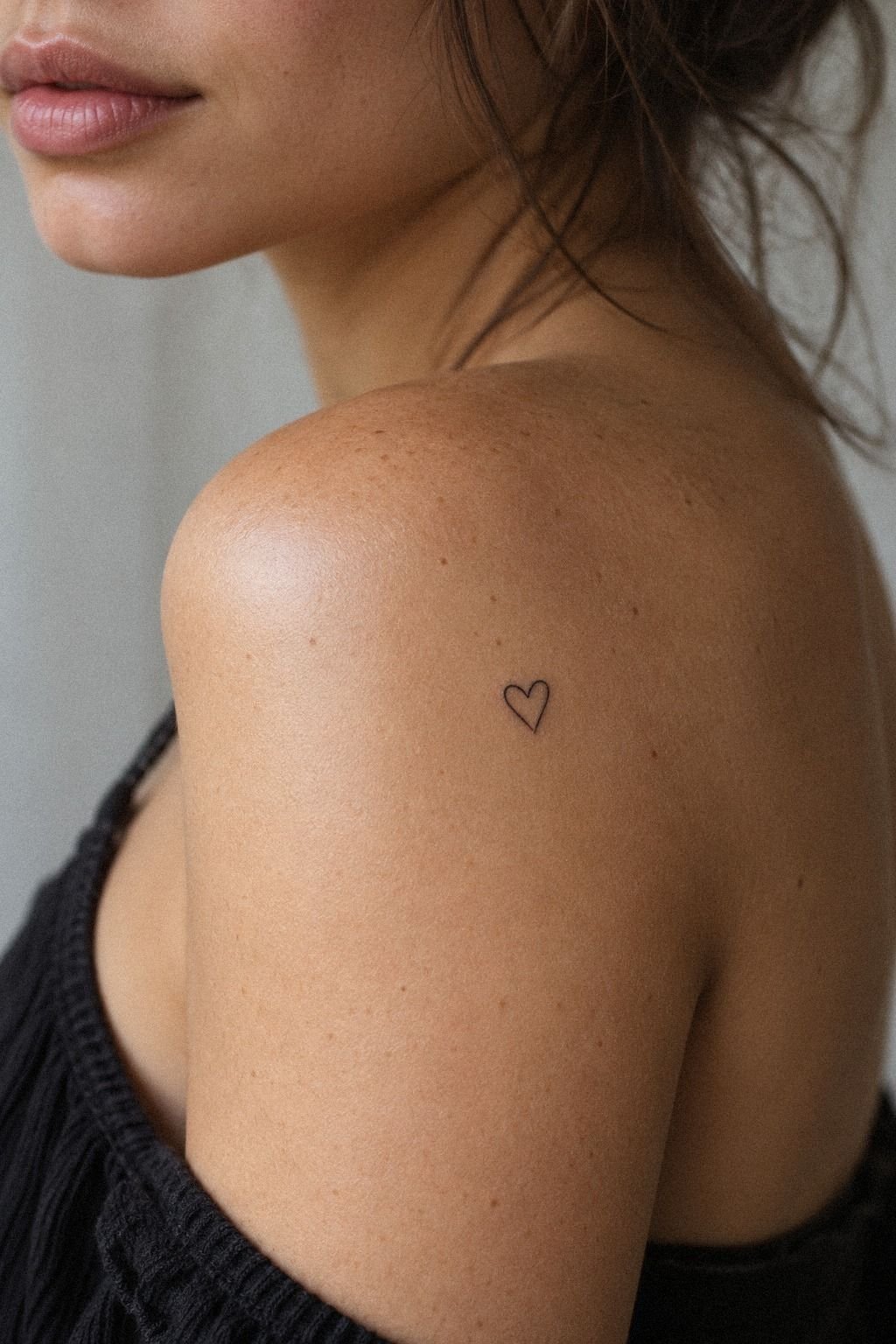
Initials can make a small heart intensely personal, but they need enough space to stay readable. Choose one initial or two very small characters rather than forcing a full name inside the shape. Your artist can test several letterforms on paper before creating the shoulder stencil.
Ask for lettering that matches the heart’s mood. A sharp serif can feel classic, while a rounded handwritten mark may feel more intimate and playful. I’d skip ultra-thin script if your heart is smaller than a coin.
Place the initials away from the sharpest curve so the heart outline remains clear. You might center them, tuck them near one upper lobe, or place them beneath the heart as a separate mark.
If you’re unsure, ask your artist to show the stencil at the intended size on your shoulder. You can also study sacred heart tattoo meaning before deciding whether the initials should stay private or become part of a larger story.
Lettering adds design time, so include it in your budget. Paying for a careful test is usually worth it when the initials carry the emotional center of the piece.
5Neck or Shoulder? Plan the Future Connection Carefully
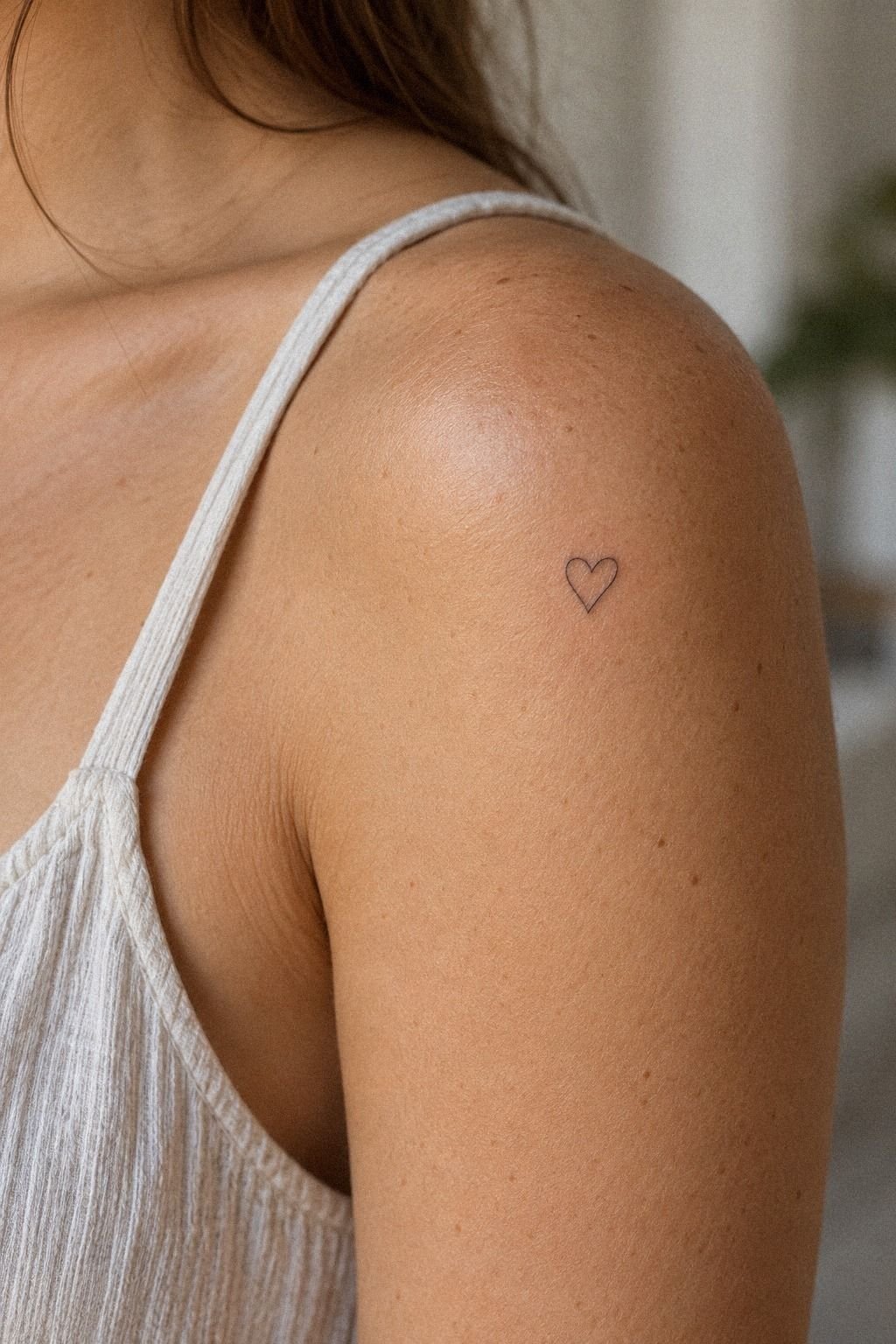
A heart near the shoulder can become the first point in a future connection toward the neck. Don’t rush into a full chain of designs, though. Your first piece should still look finished on its own.
Think about direction before detail. A small heart can point toward the neck, follow the collarbone, or angle inward toward the chest.
Each choice creates a different feeling. A heart aimed upward may seem empowering, while one angled toward the center of your body can feel more private and symbolic.
I’d avoid adding a neck element simply because the open skin feels unfinished. The heart should have enough visual strength to stand alone. That gives you more flexibility and protects your future budget.
Ask your artist to sketch the heart with a possible branch, then remove the branch for the first appointment. If a neck connection remains part of your plan, review examples of a heart neck tattoo before you approve the stencil.
A future connection can be flowing, graceful, and meaningful, but only if the first design leaves room for a thoughtful next decision. Good planning matters!
6Choose Bold Ink for a Fierce Shoulder Design
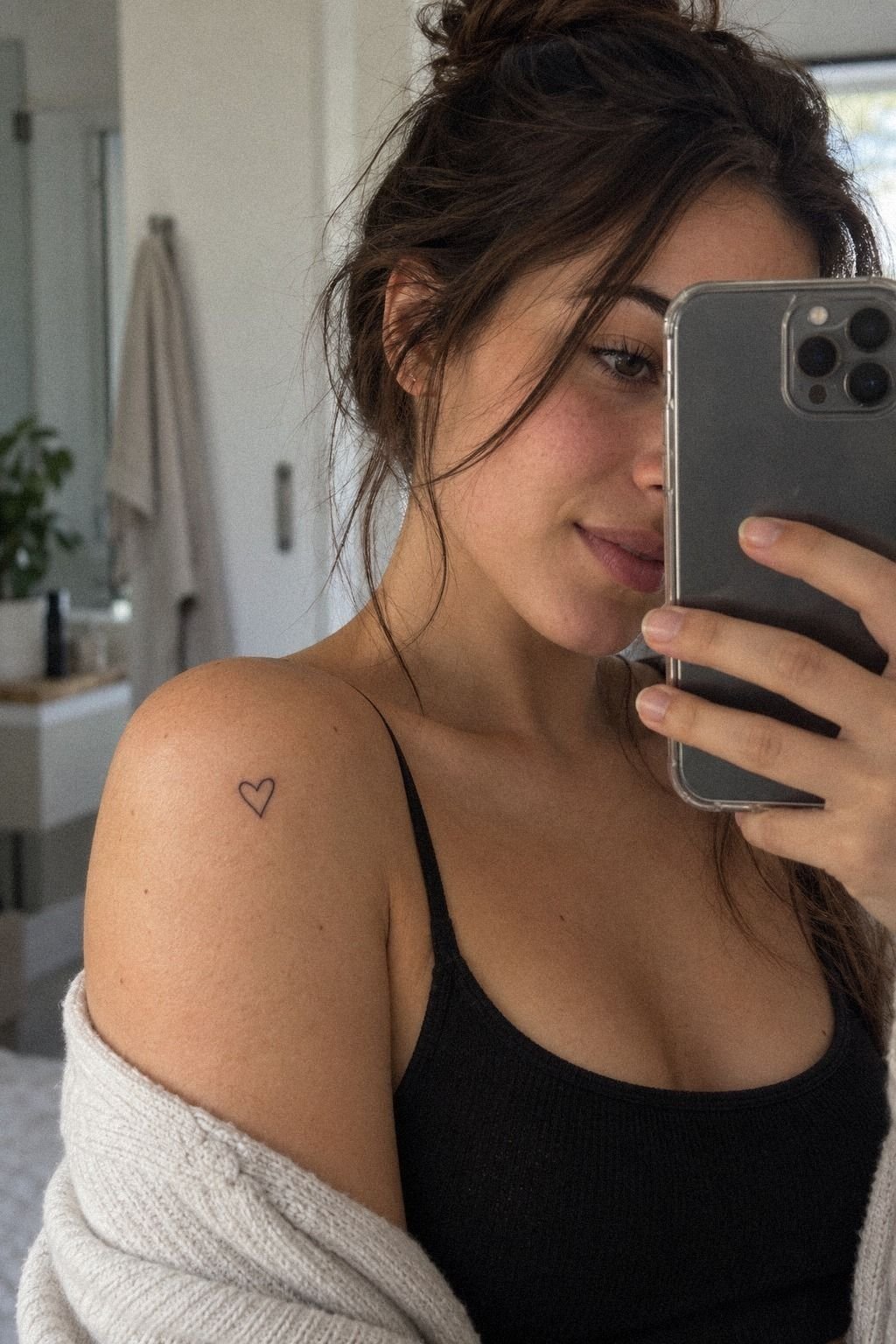
A small heart doesn’t have to whisper-thin. A bold outline or forest-green ink can give the design a fierce presence without making it oversized.
Rust-toned accents may work beside a darker heart if the artist confirms that the colors suit your skin and the intended scale. Keep the palette focused so the symbol remains readable.
Ask whether the artist recommends saturated color placement or a stronger black contour. The right choice depends on the design, your skin, and how much contrast you want after healing.
7Add Flowers Around a Romantic Heart Tattoo
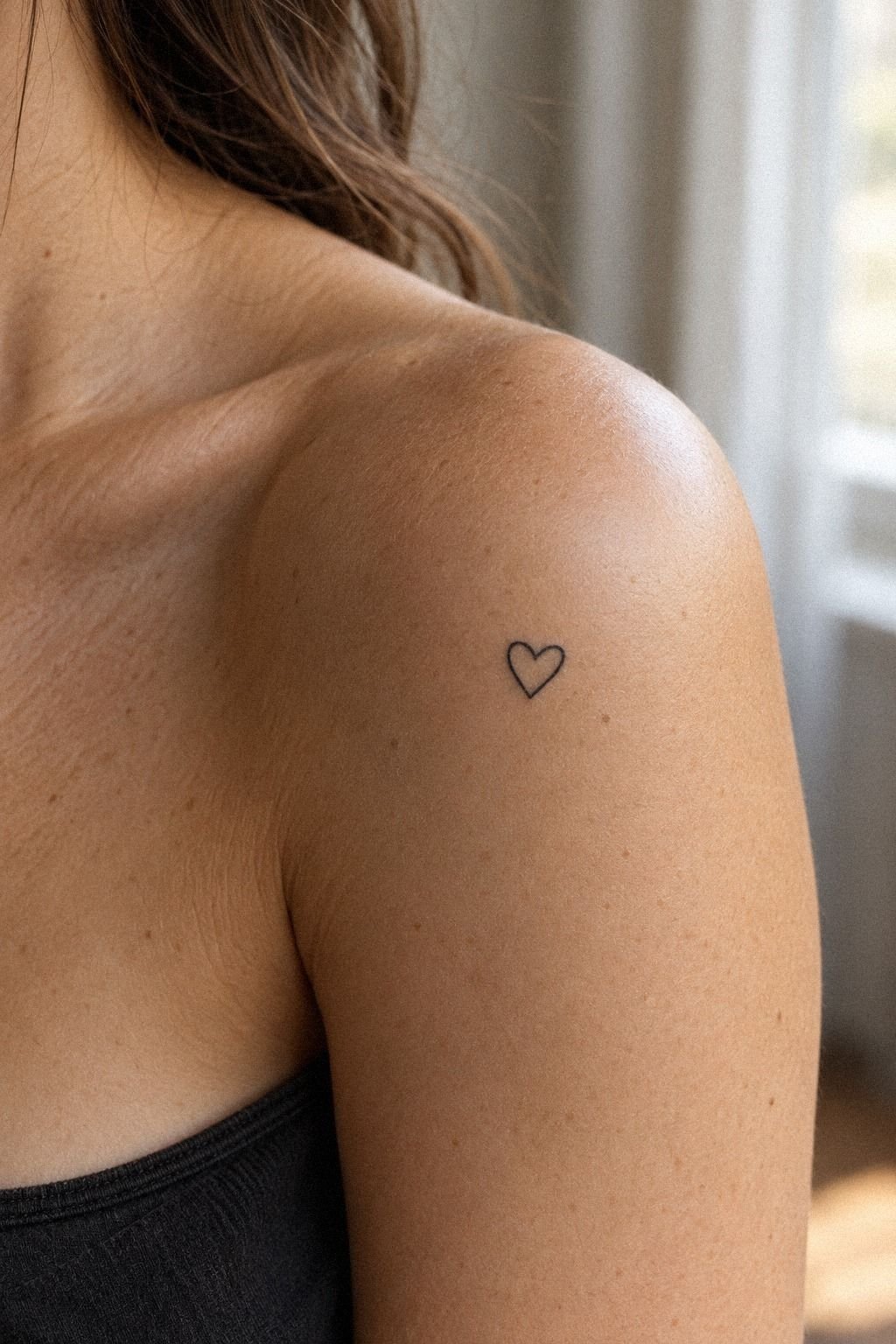
A single flower can make the heart feel romantic without burying its central meaning. Choose one bloom with a clear silhouette, then let the stem guide the eye around the heart.
Think about the emotional language of the flower. A thorned stem can feel edgy, a small wildflower can feel personal, and a simple leaf can make the design more graceful without adding much ink.
I’d skip mixing five different flowers in a tiny shoulder piece. Their petals will compete, and the original heart may disappear into the detail. One intentional botanical element often has more impact than an intricate cluster.
Ask for the botanical element to follow your shoulder rather than sit beside it as a separate mark. A thin stem can angle toward the collarbone, while leaves can soften the edge near the upper arm.
If you want a larger botanical direction, compare your idea with realistic heart tattoo references, then simplify the details for your first appointment. The extra drawing time may affect the cost, so ask for a clear quote before booking.
8Let Your Shoulder Shape Decide the Final Placement
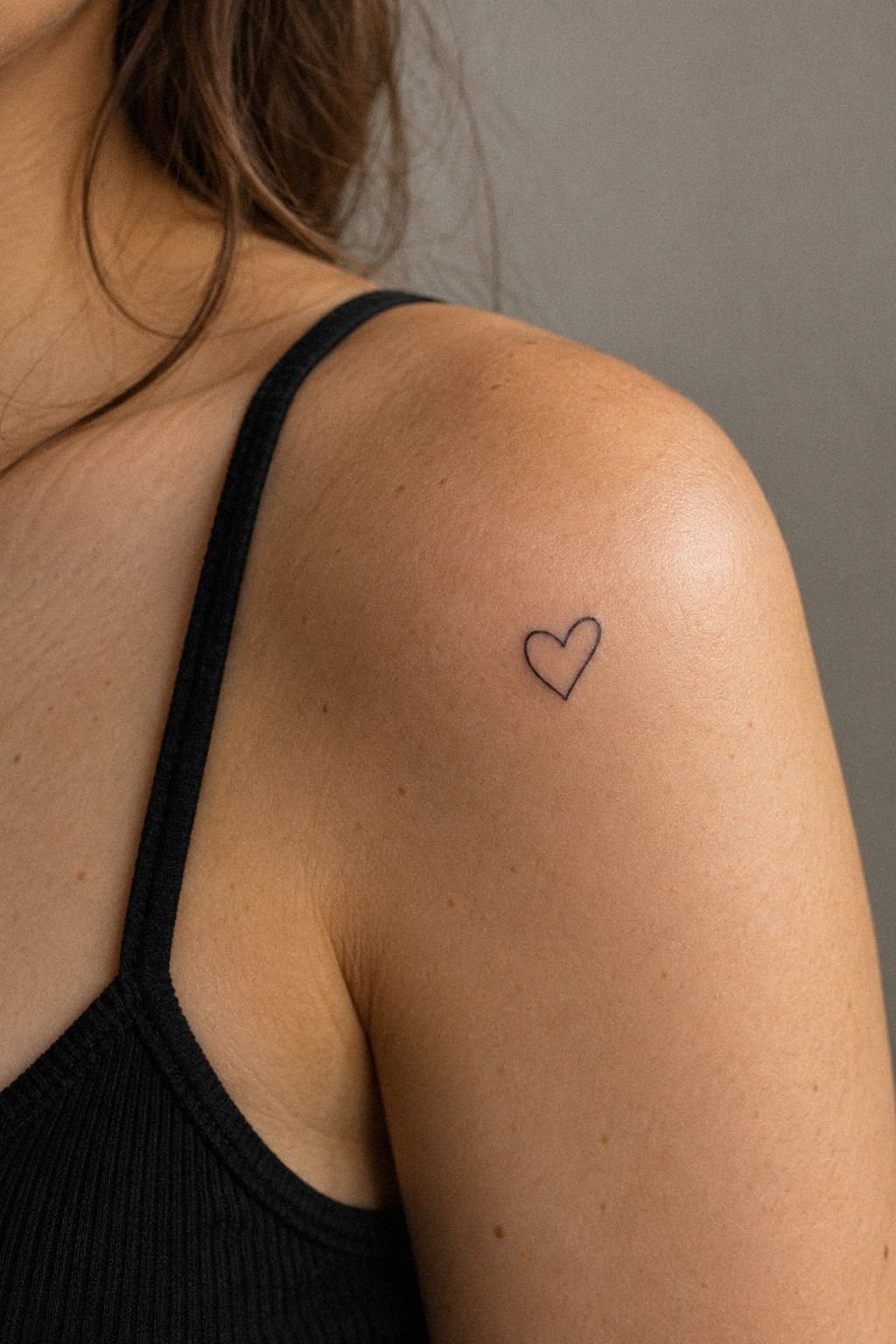
Your shoulder shape should decide the final position, not a template from someone else’s body. The same heart can look sleek on one person, dainty on another, and more bold when it follows a broader shoulder line.
Ask the artist to place the stencil at two or three positions. Check it from the front, side, and slightly behind. You’ll notice quickly whether the heart feels centered, too high, too close to the collarbone, or disconnected from the shoulder’s natural movement.
Clothing matters, too. Think about bra straps, backpack straps, work shirts, and anything that may rub the area during early healing. A slightly different placement can make aftercare easier and protect the fresh linework.
If you’re weighing a shoulder cap against the front shoulder, compare shoulder tattoo ideas and ask which placement gives the best balance of visibility, comfort, and long-term value.
9Negative Space Over Heavy Fill
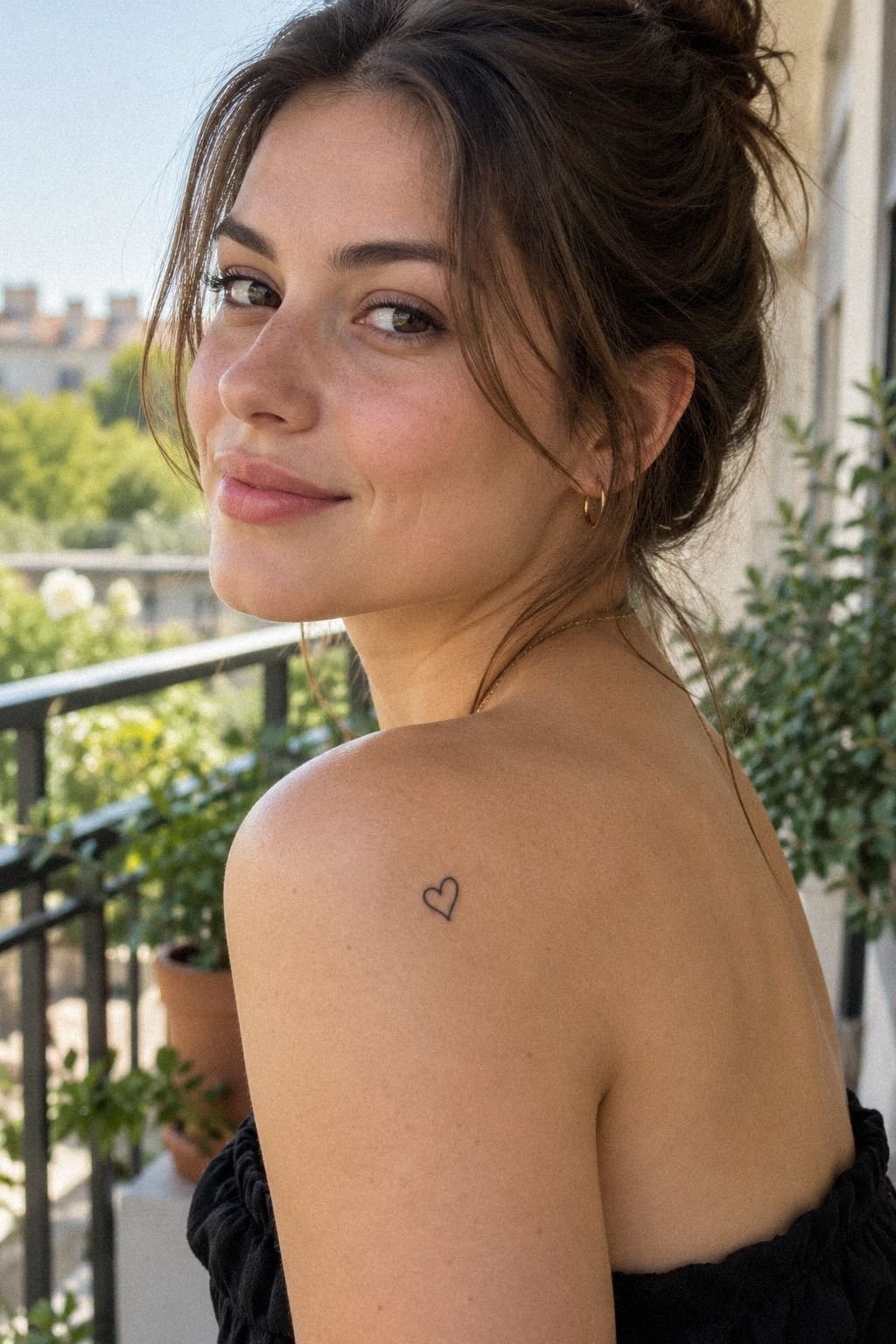
Negative space can make a small heart feel minimal without making it forgettable.
Leave enough open skin between the outline, initials, and any botanical detail. That spacing keeps the negative-space design readable as the tattoo settles.
10Before Booking: Prepare Skin for Sharp, Lasting Linework
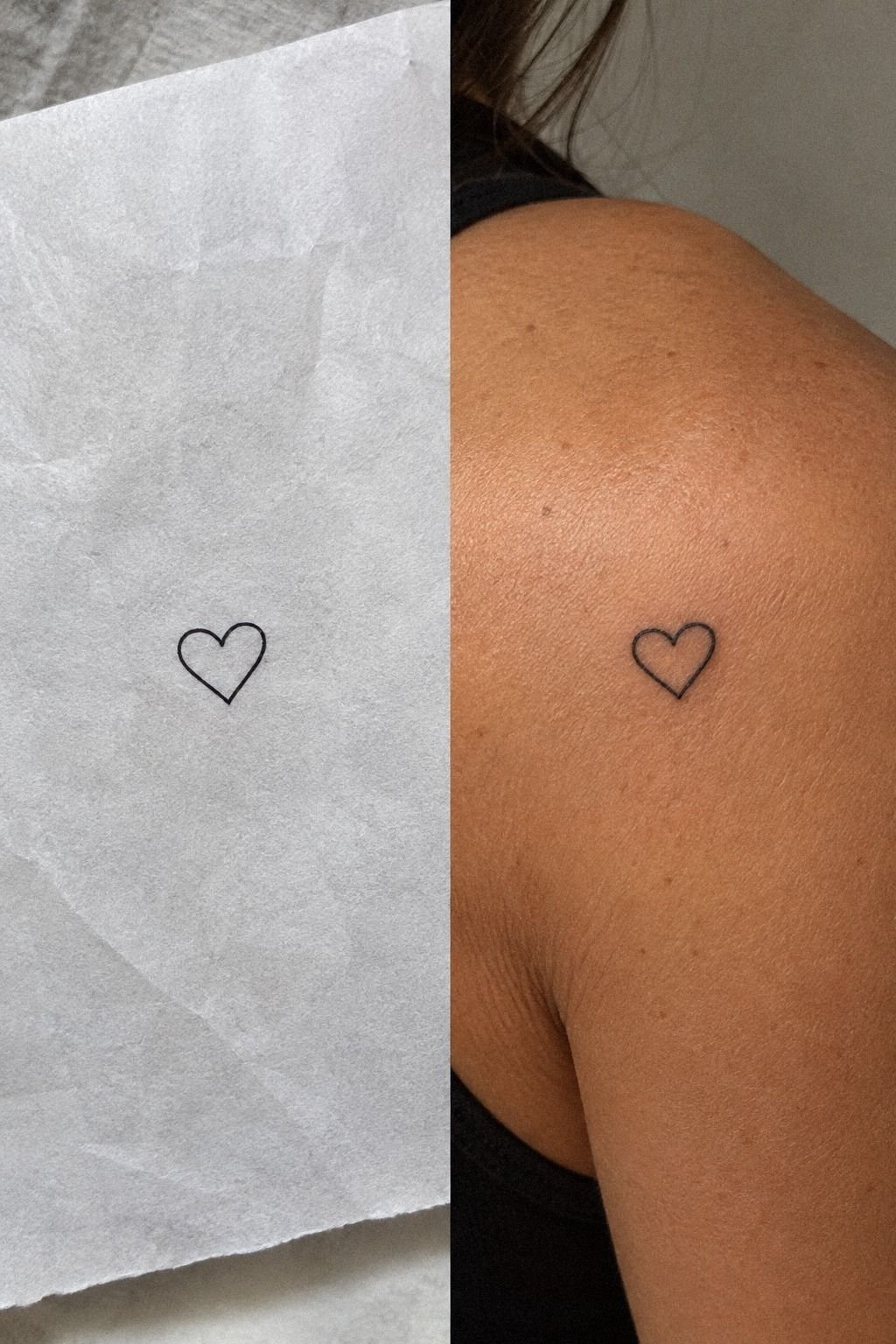
Preparation starts before the appointment. Arrive with clean skin and enough time to discuss the stencil, placement, line weight, and aftercare. Don’t squeeze the consultation into the last ten minutes of the day.
Ask whether your skin needs a different stencil position because of freckles, scars, dryness, or recent sun exposure. Don’t arrive with a fresh sunburn, and don’t assume a larger design will take the same session time as a tiny heart.
A small piece may be quick, but consultation, setup, stencil placement, and linework still take time. I’d rather spend an extra fifteen minutes checking the position than regret a crisp heart placed too high.
Use these figures as practical planning markers for a typical US appointment:
Your final cost depends on the artist, region, design complexity, and minimum charge. Ask whether the quoted price includes the custom drawing time and stencil adjustments.
A studio minimum may make a tiny tattoo cost more than its size suggests. That doesn’t automatically mean it isn’t worth it. You’re paying for the artist’s time, sterile setup, skill, and judgment, not only the minutes the needle touches skin.
A thermal stencil, disposable razors, sterile gloves, and black tattoo ink are ordinary studio supplies, but hygiene should never be treated as optional. If you’re comparing styles, save shoulder tattoo ideas and bring only the references that match your intended scale.
11Protect Your Heart Tattoo During Healing
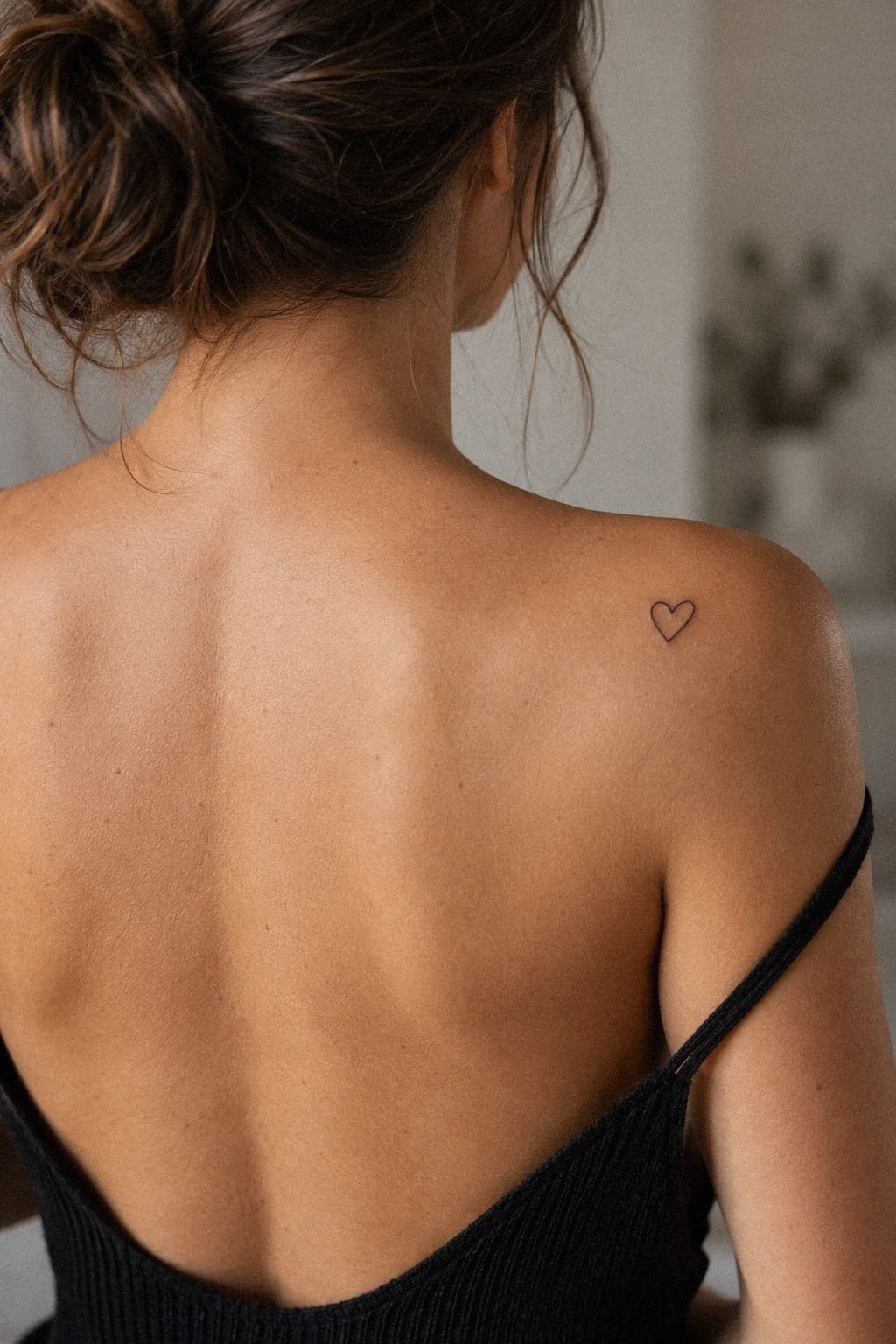
Aftercare should follow your artist’s instructions and your skin’s response. Wash gently when instructed, keep the area lightly moisturized, and don’t pick at flakes or scabs. Your goal is calm healing, not constant touching.
Surface healing often takes about 2 to 3 weeks, while complete healing can take about 2 to 3 months. During that time, avoid unnecessary sun exposure, swimming, and friction from tight straps.
A gentle routine helps preserve the clarity of fine linework. I’d skip aggressive scrubbing even after the skin looks normal because deeper healing may still be underway.
Once healed, use sun protection whenever the shoulder will be exposed. Ultraviolet light can soften tattoo lines over time, and very fine lines may spread more noticeably than heavier blackwork.
Your heart should remain readable, but no tattoo stays frozen forever. If you’re interested in a stronger color direction later, compare it with red shoulder tattoo only after this piece has fully settled.
The Cost Is Part of the Design
A heart shoulder tattoo can be affordable, but “small” doesn’t always mean cheap. The artist’s minimum, custom sketching, color, placement adjustments, and consultation time all affect the final cost.
If your budget is tight, simplify the design before you compromise on hygiene or artist experience. Removing three tiny details may improve the result more than choosing a less suitable artist.
Ask for the total price before booking. You’ll know whether the design is worth it, whether the value matches your expectations, and whether you need to save longer.
A realistic budget also helps you avoid impulse decisions. If the quote feels higher than expected, ask what could be simplified while keeping the heart’s meaning intact.
How Your Artist Handles Fine Line
Fine-line work requires control, spacing, and a strong understanding of how skin moves. Look for healed results, not only fresh tattoos. Fresh work can appear polished even when the long-term result won’t meet your expectations.
Ask how the artist chooses line weight for the size you want. A confident artist may recommend a slightly thicker line, a larger heart, or fewer interior details. That advice can protect the design’s value.
You should also ask how the artist handles corrections during stencil placement. A thoughtful consultation feels collaborative, not rushed. If someone refuses reasonable questions, I’d keep looking.
For a more detailed comparison, explore realistic heart tattoo ideas and notice how much visual space each detail requires. An intricate idea may need a larger scale than you first imagined.
What Makes a Heart Feel Personal?
Personalization doesn’t require a complicated design. An initial, a tiny date, a meaningful flower, or an unusual angle can make the heart feel symbolic and iconic without turning it into a crowded cluster.
I’ve changed my mind about tiny tattoos more than once. At first, I thought a smaller heart would always feel safer, but size alone doesn’t prevent regret. A vague design at one inch can feel less satisfying than a clear, intentional heart at two inches.
That distinction matters. Your tattoo should be small because the idea is focused, not because you’re afraid to commit. If the larger version gives the outline better balance, it may be worth the extra cost.
You can also make the symbolism more private. A discreet initial or a subtle break in the line may mean everything to you while looking simple to everyone else. That kind of restraint can feel sacred and understated.
When Is a Tiny Heart Worth It?
A tiny heart is worth it when the shape remains readable and the artist can place it confidently at that scale. It isn’t worth it when the design depends on lettering, shading, or several miniature symbols that have nowhere to breathe.
Very thin lines can soften or widen, especially with sun exposure and poor placement. Solid black elements and sensible spacing tend to remain more readable, while intricate details need enough room.
If you want a more dramatic reference point, look at skeleton heart tattoo ideas and notice how structure changes the feeling. A gritty or daring direction may need more space than a simple outline.
My strongest opinion is simple: don’t choose the most delicate version just because it looks appealing in a reference. Choose the finest line your artist can place confidently at the size you can maintain. That may be sharp, elegant, and graceful, but it still needs enough visual weight to survive real movement and real time.
What I’d Decide Before Booking
I’d decide the meaning, placement, and line weight before I worried about decorative extras. Those three choices control nearly everything else. A small heart on the shoulder can feel personal, powerful, and timeless when the shape suits your body.
Start with a short consultation list:
– Meaning sentence: Explain what the heart represents. – Three references: Circle the exact details you like. – Size range: Bring a preferred measurement in inches or centimeters. – Two placements: Compare the front shoulder, cap, collarbone, or blade. – Healed examples: Ask for work in the style you want. – Budget estimate: Confirm the studio minimum or hourly rate. – Aftercare plan: Ask about washing, moisturizing, sun protection, and swimming.
Your artist should answer clearly and show work that resembles your requested style. I’d be cautious if someone dismisses healed photos, rushes placement, or treats hygiene questions as annoying.
A polished consultation feels calm, specific, and collaborative. You should leave knowing the cost, the timeline, the placement, and the reason behind each design choice.
Why This Small Symbol Still Works
Small heart tattoos remain popular because the symbol is instantly readable while still leaving room for interpretation. The design can be iconic without feeling predictable when you personalize its angle, line quality, initials, or botanical detail.
You don’t need to force uniqueness through complicated decoration. Your choices can do that work. A clean outline with one meaningful interruption may feel expressive than an overloaded design.
A classic heart can also become more vintage, whimsical, or edgy depending on the lettering, flower, line weight, and color. That flexibility is part of its lasting appeal.
The current interest in fine-line work also makes people question longevity. That’s fair. Very thin lines can soften or widen, especially with sun exposure and poor placement.
If you’re still comparing styles, review red heart tattoo and skeleton heart tattoo ideas. They show how color, structure, and line weight can shift the mood without changing the core symbol.
A Few Things Worth Answering
How much does a Heart Shoulder Tattoo usually cost?
A small heart shoulder tattoo typically costs about $50 to $100 at a studio minimum, while hourly rates often run about $100 to $250 in the US. The final price varies by artist, region, size, detail, and whether your design needs custom drawing time. Ask for the full cost before booking so you can judge the value clearly.
– Studio minimum – Hourly pricing – Custom sketch time – Size and placement
Are Heart Shoulder Tattoos a good idea for a first tattoo?
Yes, a shoulder heart can be a meaningful first tattoo because the placement is often more tolerable than ribs, feet, hands, or sternum. You’ll still want a clear design, a reputable artist, and a size that keeps the outline readable after healing. If the design feels honest and the budget works, it can be a strong first choice.
– Moderate shoulder comfort – Simple visual shape – Personal symbolism – Manageable aftercare
How do I choose a tattoo artist for Heart Shoulder Tattoos?
Choose an artist with clean linework, healed photos, strong hygiene practices, and experience with the style you want. Your artist should discuss placement honestly and show how they’d adapt the design to your shoulder. Look for consistent healed results, not only fresh tattoos.
The right artist may cost more, but that added value can protect the result.
– Fine-line portfolio – Healed work – Studio hygiene – Clear consultation
How much do Heart Shoulder Tattoos hurt?
Shoulder tattoos are often more tolerable than tattoos on the ribs, feet, hands, or sternum, though every person feels ink differently. The closer the design sits to bone, the more intense it may feel.
Your comfort depends on placement, nerves, session length, and personal sensitivity. Ask for breaks if you need them.
– Shoulder cap – Collarbone edge – Upper arm – Individual pain response
How long does a Heart Shoulder Tattoo take to heal?
The surface commonly heals in about 2 to 3 weeks, while complete healing can take about 2 to 3 months. Follow your artist’s aftercare, wash gently, moisturize as directed, and avoid sun, swimming, and picking. Patient aftercare protects clarity while the skin settles.
– Surface healing – Deeper healing – Gentle washing – Sun protection
What’s the best placement for Heart Shoulder Tattoos?
The front shoulder gives you easy visibility, while the shoulder cap creates a stronger graphic position. The upper back or shoulder blade feels more private and can support future designs.
The best placement follows your movement, clothing habits, comfort level, and preferred visibility. Compare several stencil positions before you decide.
– Front shoulder – Shoulder cap – Collarbone curve – Shoulder blade
Where I’d Start First
If I had to pick one step, I’d start with the placement stencil. A meaningful heart can still feel wrong if it sits against the collarbone at the wrong position. Check it while your shoulder relaxes and moves.
Then confirm the artist, cost, line weight, and aftercare plan. Save shoulder tattoo ideas if you need another placement reference, but let your own shoulder shape make the final decision. Give the design room to stay personal.