Gender-neutral tattoo ideas work by ignoring the fake rulebook. Flowers can be bold. Snakes can be elegant. Geometric marks can be soft. The tattoo belongs to the body wearing it.
Quick answer: Good gender-neutral tattoo ideas include abstract marks, animals, plants, blackwork, geometric shapes, traditional motifs, personal objects, dates, stars, moons, and custom symbols placed for the wearer’s body and visibility needs.
Gender-neutral tattoo directions
Choose the design by structure and meaning, not gender category.
| Option | Best use | Keep in mind |
|---|---|---|
| Abstract mark | Personal but open-ended | Must look intentional |
| Animal symbol | Strength, memory, identity | Use a clear silhouette |
| Botanical design | Organic body flow | Can be soft or bold |
| Blackwork shape | Graphic statement | Needs negative space |
| Traditional motif | Classic tattoo language | Choose meaning carefully |
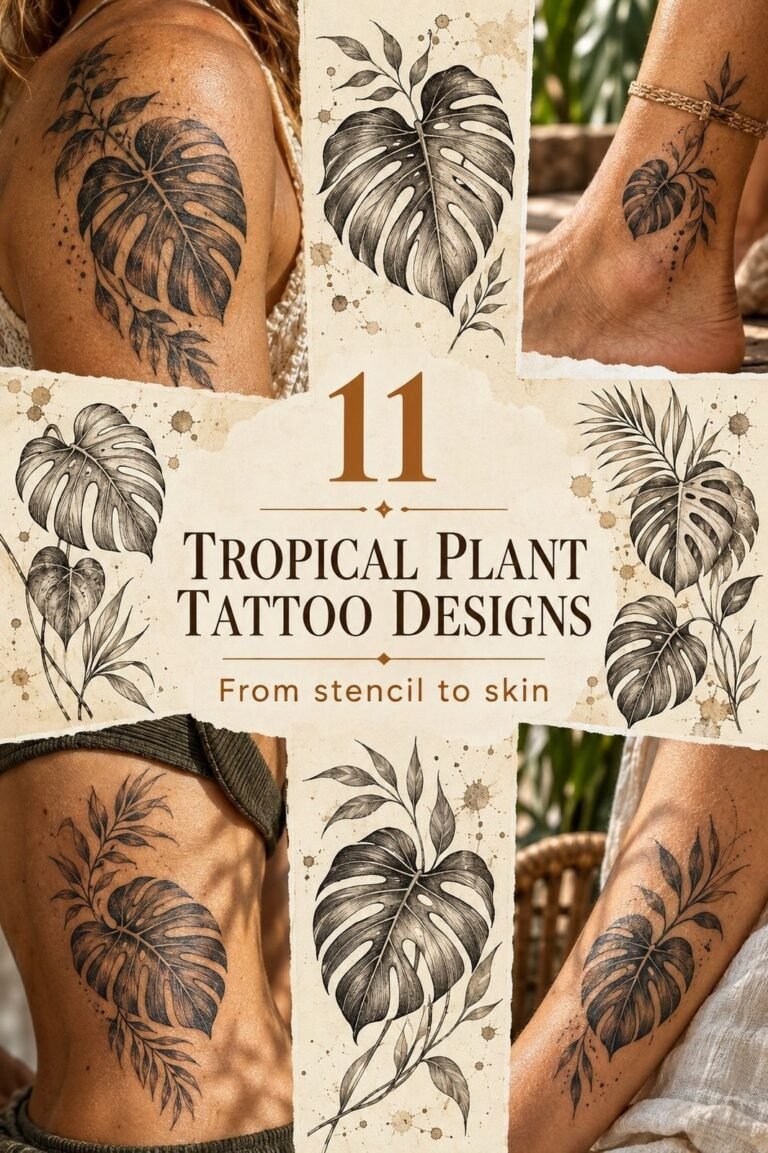
Geometric shapes, botanicals, single-needle animals, neo-traditional skulls, blackwork mandalas, and abstract dot-work all land well regardless of who’s wearing them. These styles don’t rely on traditionally feminine curves or masculine aggression. They read clean on any body because the design carries its own weight. A simple snake coiled around a forearm works on a 110-pound person and a 220-pound person the same way.
Placement matters more than the design itself for keeping things feeling balanced. Sternum, spine, outer forearm, calf, and ribcage are all solid spots that don’t push toward any gender read. Fine line florals on a full sleeve feel completely different than the same florals tight on a wrist. Think about how the piece sits relative to your body’s natural lines, not any cultural expectation about what belongs there.
What makes this work on real skin
The best tattoo for your body is the one that would look right on anyone's body.
Placement can change the gendered feel of a design more than the symbol itself. A flower on the shoulder, a snake on the rib, or a star on the wrist can read many ways.
If you do not want the tattoo boxed into a gendered aesthetic, avoid references that rely too heavily on styling around the tattoo.
Skin tone and texture affect how any tattoo heals and reads long-term. Saturated black and grey holds up better across a wider range of skin tones than pastel color work. Fine line stuff looks crispy fresh but fades faster on oily skin or high-wear zones like hands, fingers, and inner wrists. If you want longevity, bold will hold. A 3mm line beats a 1mm line every time when you’re five years out.
Body composition changes how a design stretches over time. Weight fluctuations, muscle gain, and aging all shift skin. A small geometric piece on the ribs stays tight. Something large on the stomach or inner thigh is going to move more over the years. That’s not a reason to avoid those placements, but your artist should account for it by keeping lines bold and avoiding hyper-detailed micro work in zones that stretch significantly.
Before you book or apply it
Tell the artist what mood you want and what stereotypes you want to avoid.
- Choose a style family first.
- Use placement to control visibility and mood.
- Ask the artist for body-aware adjustments.
- Keep symbols personal instead of generic.
Research your artist’s healed work, not just their fresh photos. Fresh tattoos always look great. Healed photos show you if their fine lines blur into blowouts, if their black fills grey out patchy, or if their shading actually whip shades smooth. Ask specifically for healed shots. Any solid artist has them. If they dodge the question, keep looking. Budget-wise, quality gender-neutral pieces in established studios run $150 to $300 for palm-sized work, more for complex blackwork or full botanicals.
Henna and jagua are legitimate temporary options if you want to test placement before committing. Natural black henna from jagua fruit stains dark and lasts two to three weeks. Stay away from black chemical henna marketed at festivals, it can cause chemical burns and scarring. If you’re going permanent, stop retinol and exfoliants on the area two weeks out. Don’t tan or sunburn the skin before your appointment. Hydrated, healthy skin takes ink and heals way better than dry or irritated skin.
Mistakes to avoid
Do not make the tattoo neutral by making it bland. Neutral can still be strong, strange, soft, or dark.
Do not let an artist push a gendered version of the idea if that is not what you want.
Don’t let anyone convince you a design is too small to work as intended. Artists underprice and undersize work all the time to close a sale, and then the detail disappears into scar tissue after healing. If your artist says a piece needs to be bigger to hold, trust that. A mandala that looks intricate at two inches is going to be a grey blob at three years. Size it right from the start or simplify the design.
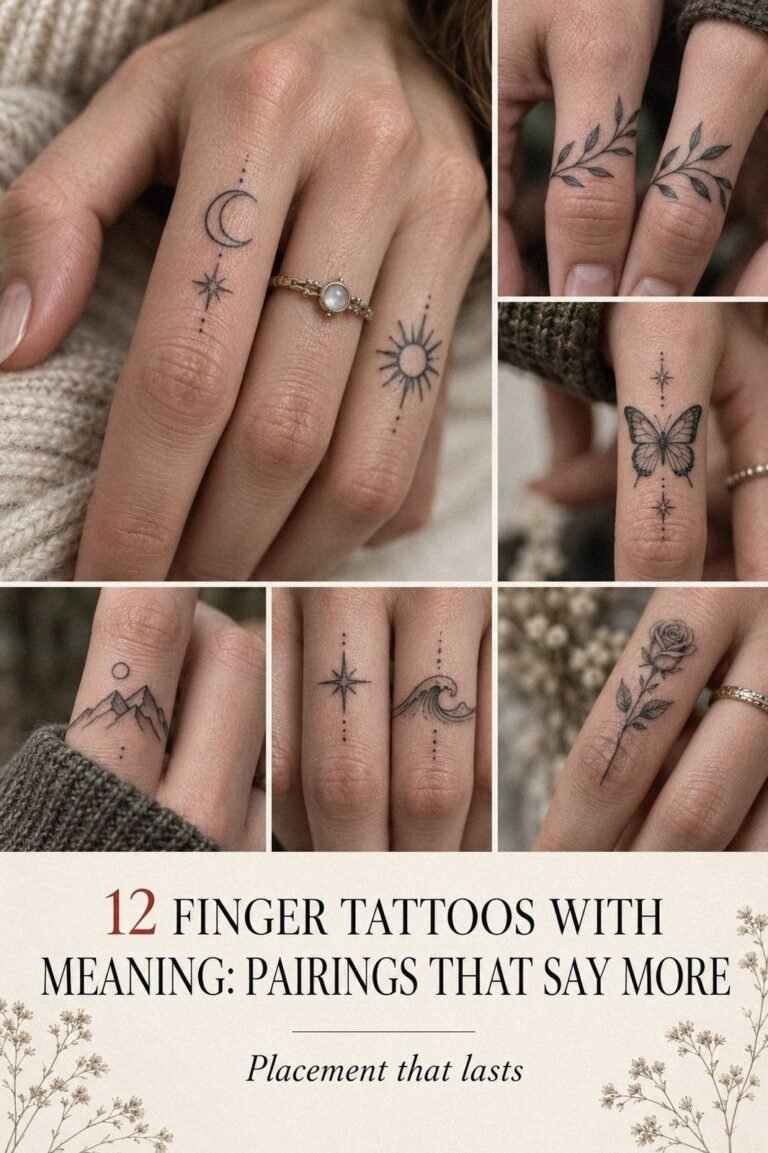
Avoid picking a placement just because it’s trendy right now. Behind the ear, finger tattoos, and sternum pieces all have real tradeoffs. Behind the ear is spicy pain-wise and fades fast from sun exposure and hair product contact. Finger tattoos blow out easily and need touchups every year or two. These aren’t bad placements, but go in knowing what you’re signing up for. A reputable artist will tell you the downsides upfront instead of just taking your money.