Tattoo ideas by personality are useful only if they lead to better decisions. The point is not to label yourself. The point is to notice which designs you will still want to live with after the first excitement fades.
Quick answer: Quiet personalities often suit small symbols, fine line, and hidden placements. Bold personalities may prefer traditional, blackwork, sleeves, and visible pieces. Dark, romantic, classic, and minimal personalities each point toward different style, scale, and placement choices.
Personality routes for tattoo ideas
Use personality as a filter, not a rule. The best tattoo still needs proper execution.
| Direction | Best fit | What to watch |
|---|---|---|
| Quiet | Hidden symbols, fine line, tiny objects | Too small can fade badly |
| Bold | Traditional, blackwork, large florals | Needs strong artist fit |
| Dark | Snakes, moths, black florals, sigils | Avoid muddy detail |
| Romantic | Flowers, script, ornaments, moons | Do not overload meaning |
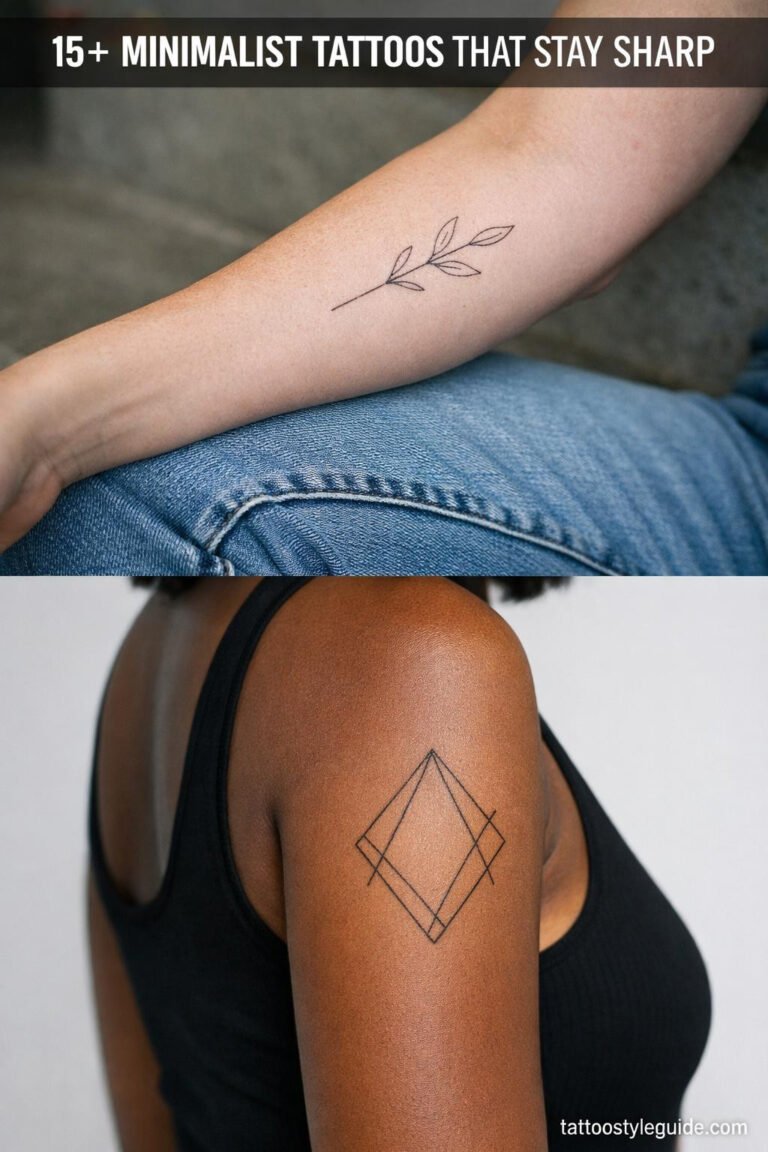
| Minimal | Clean marks, geometry, one-word script | Every line must be precise |
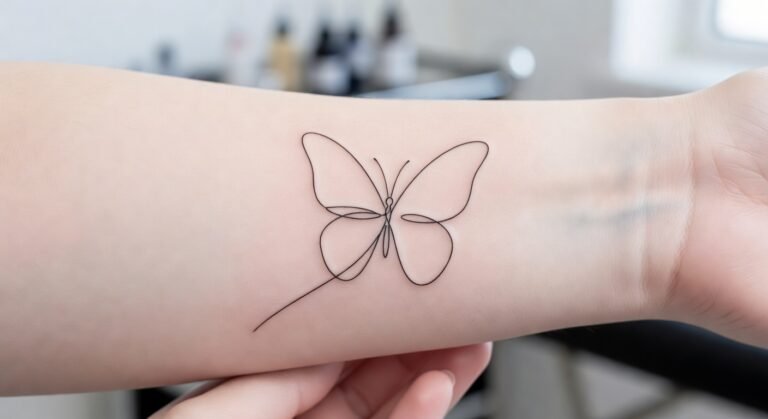
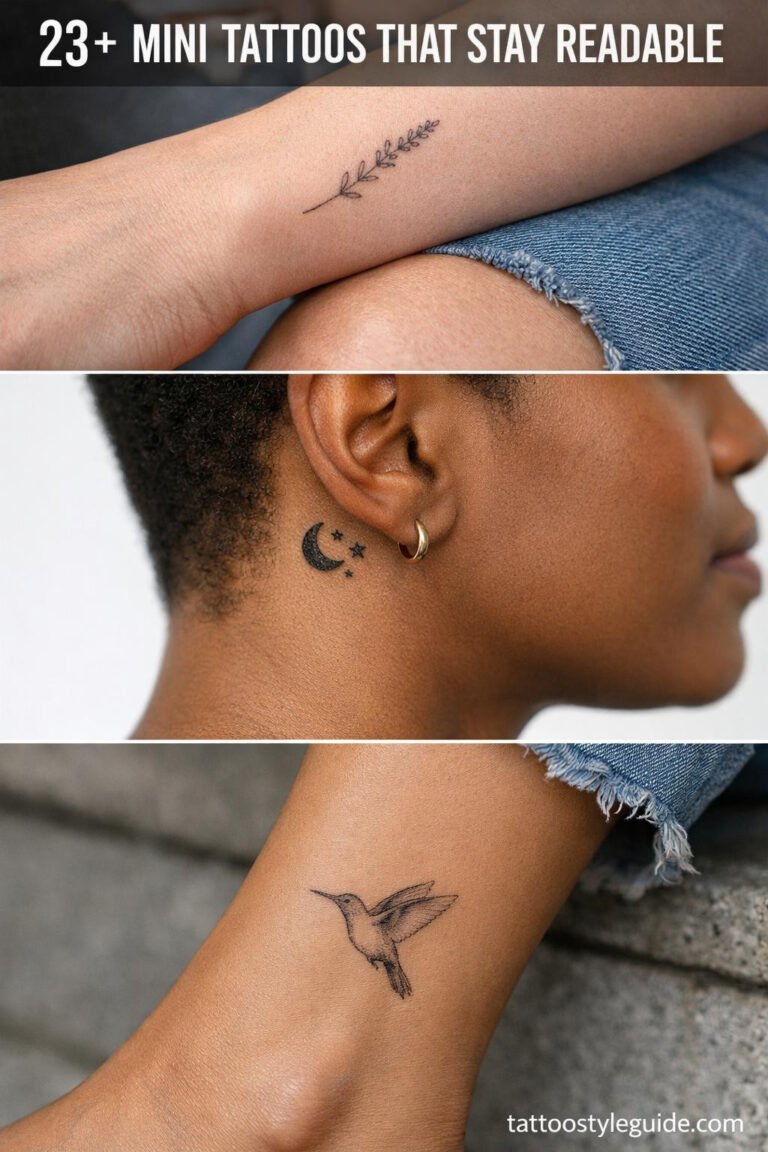
Quiet personalities almost always land on fine line or black and grey. Think single-needle botanicals on the forearm, small geometric shapes on the wrist, or a minimal portrait on the upper arm where a sleeve would feel like too much. These read clean up close but don’t demand attention from across the room, which is exactly the point.
Bold personalities need designs that hold up at distance and over time. Traditional American, neo-trad, or Japanese with thick outlines and saturated color fill are built for that. A solid black outline won’t blur into the skin the way a hairline stroke can. Dark and romantic types usually find their ground in black and grey realism or ornamental work, heavy on texture, placed on the ribs, sternum, or thigh where there’s real canvas.
Your style has to survive daily life
The tattoo that fits your personality is the only one you will never regret.
A tattoo can match your inner world and still clash with your work clothes, jewelry, climate, or future tattoo plans. Visibility is part of personality too.
If you change aesthetics often, choose a tattoo with stronger personal meaning or a more classic style. If your style has been stable for years, you can take more visual risk.
High-wear zones like hands, fingers, and the inside of the wrist fade fast. Fine line work on a finger can look blown out and muddy inside two years, especially if you work with your hands. If you’re a bold personality going for a statement piece, a thigh or upper arm holds color and detail far longer than anything near a joint.
Minimal styles look sharp fresh out of the shop but single-needle lines are genuinely spicy to touch up. Healed, they can lose crispiness in areas that see a lot of sun or friction. Your artist should talk to you about skin tone too. Fine line on deeper skin tones needs the right needle grouping and ink saturation or the detail disappears after healing, usually around weeks four to six.
How to narrow the idea
Use these checks before sending references to an artist.
- Save ten tattoos, then remove the ones you only like for the photo.
- Choose one style family before choosing final details.
- Decide whether visibility is a feature or a problem.
- Ask which idea still feels like you without trend styling.
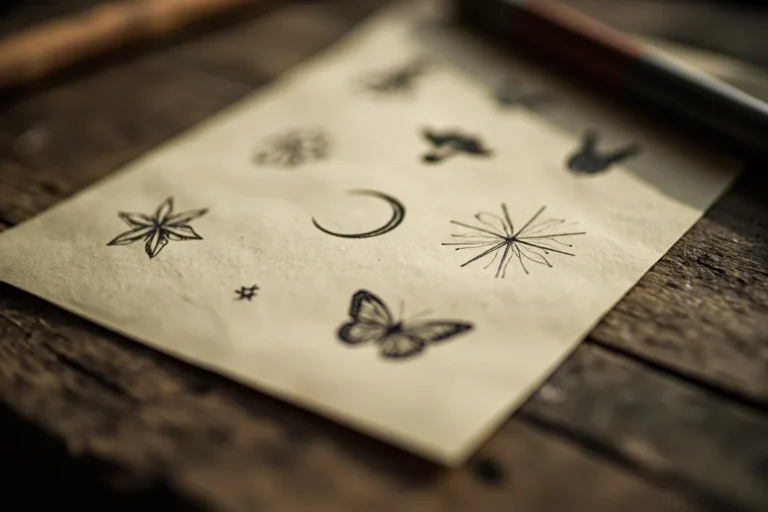
Pull three reference images that share a visual quality, not just a subject. If all three have heavy black fill and gritty texture, your style is talking to you. Bring those to a consultation and ask the artist what technique matches that look. Whip shading gives a loose, gestural feel. Packed black and grey realism needs a completely different hand. Knowing the technique helps you book the right artist.
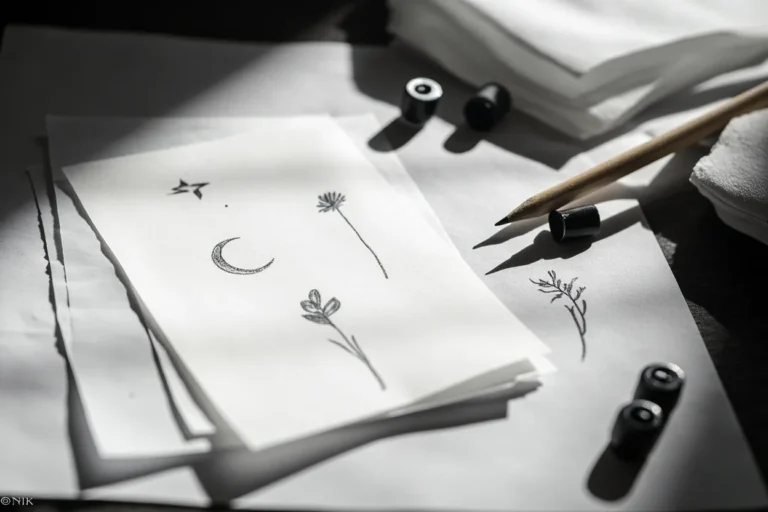
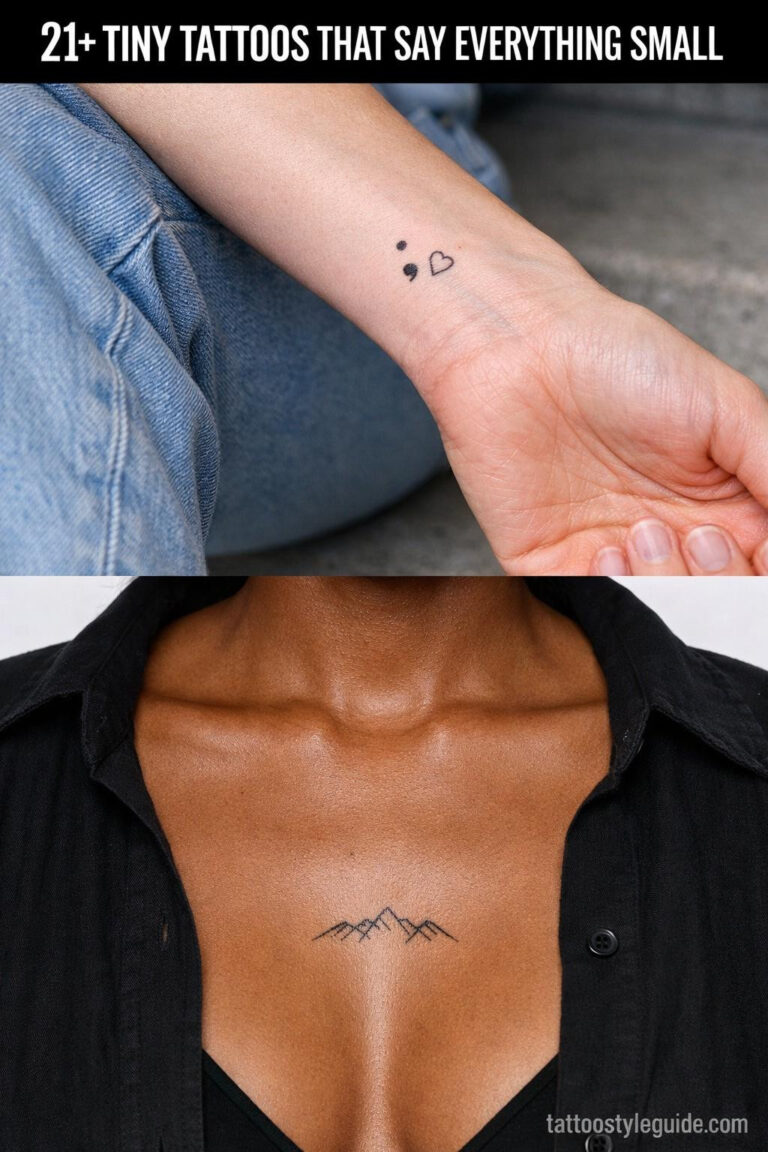
Size is a real filter too. If you want something minimal, sketch a rough outline on paper and hold it against the body part you’re thinking about. Tiny designs on the forearm or collarbone read well. The same design scaled down to a finger becomes unreadable in a couple years. Give fine line work room to breathe, typically two inches minimum, so the detail doesn’t close up as it heals.
Personality traps
The common trap is forcing a tattoo to prove something. Bold people can have quiet tattoos. Soft people can have blackwork. The tattoo should serve the wearer, not a mood board category.
Avoid getting a tattoo for the version of yourself you hope will exist next month. Pick something that connects to a longer pattern.
The biggest trap for quiet types is going too small because they’re nervous. A half-inch script piece on the wrist will blowout and spread. Lines that thin were never meant to hold long term. Bump the size up, keep the design simple, and the tattoo will actually look minimal and clean five years from now instead of a grey smudge.
Bold personalities sometimes overload a placement with too many elements trying to make a statement. A sleeve that’s wall-to-wall imagery with no background or negative space turns muddy fast. Your artist will tell you bold will hold when there’s breathing room between elements. Dark and romantic clients often want the whole chest done in one session. That’s a brutal sit, six-plus hours is realistic, and the healing on a large sternum piece takes a solid three to four weeks of careful aftercare.