Rabbits show up on skin more than people expect, and they carry a lot of weight for such a small animal. Luck, fertility, speed, transformation, trickster energy. Depending on the design and the person wearing it, a rabbit tattoo can read sweet and gentle or sharp and loaded with meaning.
This isn’t a tattoo you just slap on because it looks cute. Well, some people do, and that’s fine too. But if you want the meaning behind it, here’s what rabbit tattoos actually represent, where they come from, and how to wear one that holds up long-term.
Core Symbolism: What a Rabbit Tattoo Actually Means
Rabbits are most commonly associated with luck, fertility, and abundance. The lucky rabbit’s foot is a real piece of American folk culture, so luck is the first meaning most people land on. Beyond that, rabbits reproduce fast, which ties them to themes of new life, growth, and creative energy. They’re not just about having babies. Fertility in a broader sense covers creativity, projects, ideas taking off, cycles of renewal.
Speed and intuition are the other big ones. Rabbits bolt. They read their environment fast and move without hesitation. People who connect with that quick-thinking, reactive, trust-your-gut energy often identify with the rabbit. Sensitivity too. Rabbits are alert animals, highly tuned in to their surroundings, and that resonates with people who feel things deeply.
The Trickster Side: Cunning and Survival
Small animal, deep roots, the rabbit has meant luck and life across every culture that ever watched one run.
Across a lot of cultures and folk traditions, the rabbit isn’t just a soft prey animal. It’s a survivor who uses brains over muscle. Br’er Rabbit from American Southern folklore, rooted in African storytelling traditions, is the classic example. The rabbit outwits bigger, stronger animals every time. That trickster quality, winning through cleverness and adaptability, is a powerful tattoo meaning that often gets overlooked.
People who’ve had to fight for what they have, navigate tough situations, or survive through smarts rather than strength connect hard with this reading. A rabbit tattoo in that context is a statement of resilience. It’s not prey. It knows exactly what it’s doing. If you want that energy front and center, lean into a more dynamic pose. Running rabbit, or one looking back over its shoulder.
Cultural and Historical Context
In Chinese and East Asian cultures, the rabbit is one of the twelve zodiac animals. If you’re born in a Year of the Rabbit, like 1963, 1975, 1987, 1999, or 2011, the animal represents your sign. Chinese zodiac rabbit people are said to be calm, elegant, and lucky. The rabbit also appears in Chinese moon mythology. The Jade Rabbit, called Yutu, lives on the moon and pounds medicinal herbs. That lunar connection links the rabbit to cycles, femininity, and healing.
In Celtic tradition, rabbits were seen as liminal creatures, animals that lived between worlds, underground and above ground. They were associated with the goddess Eostre, which is where the Easter rabbit connection comes from in Western culture. In Japanese folklore, the moon rabbit also appears, pounding rice cakes. These are real, documented cultural threads, not invented meanings, and they give a rabbit tattoo genuine historical depth if that matters to you.
Popular Design Variations and Styles
Traditional American rabbit tattoos hit clean with bold outlines, solid fills, and that classic read-from-across-the-room clarity. They age well because bold will hold. Neo-traditional adds more line weight variation and texture, still saturated, but with more detail in the fur and shading. These styles hold up in high-wear zones better than delicate work.
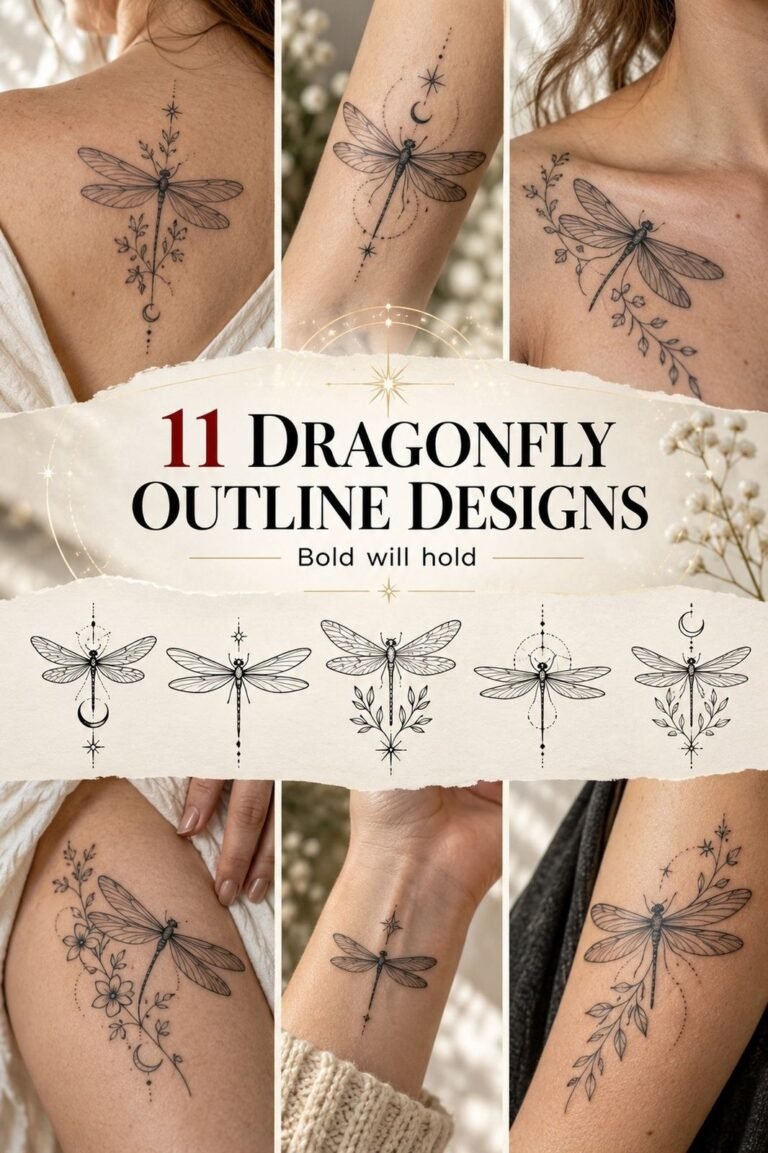
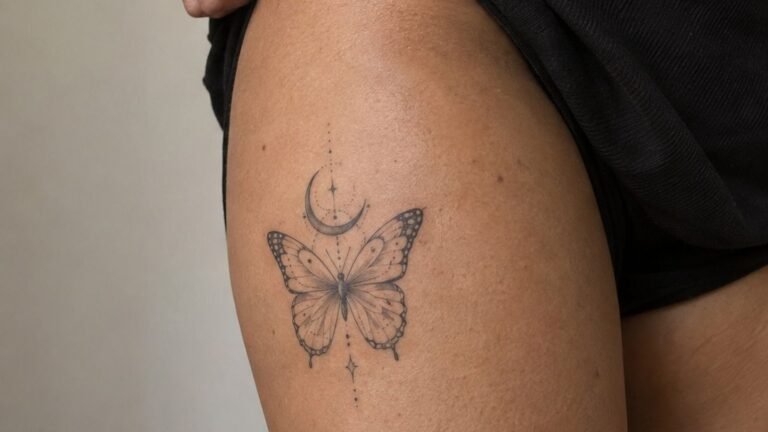
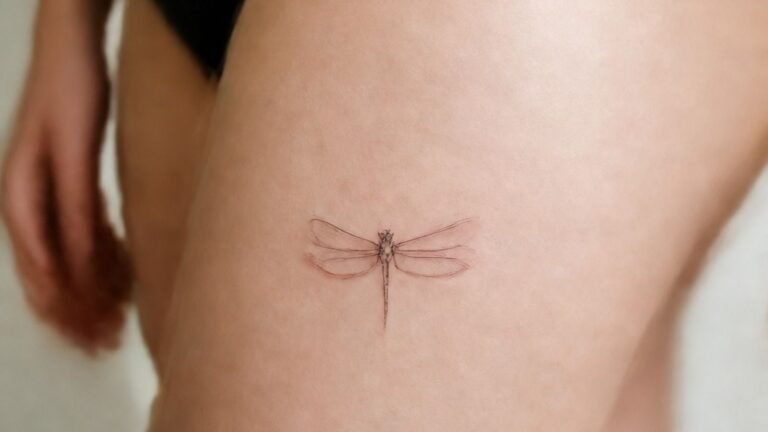
Fine line rabbit tattoos are extremely popular right now, especially small single-needle pieces with intricate fur texture or geometric elements. They look incredible fresh. Be honest with clients about longevity though. Fine line on soft skin, like the inner arm or ribs, can blur over time. Placement matters as much as style. Watercolor rabbit tattoos exist but need solid linework underneath or the shape bleeds out after a few years. Blackwork rabbits with graphic or geometric patterns are another solid option that ages well.
Black and Grey vs. Color: Which Works Better
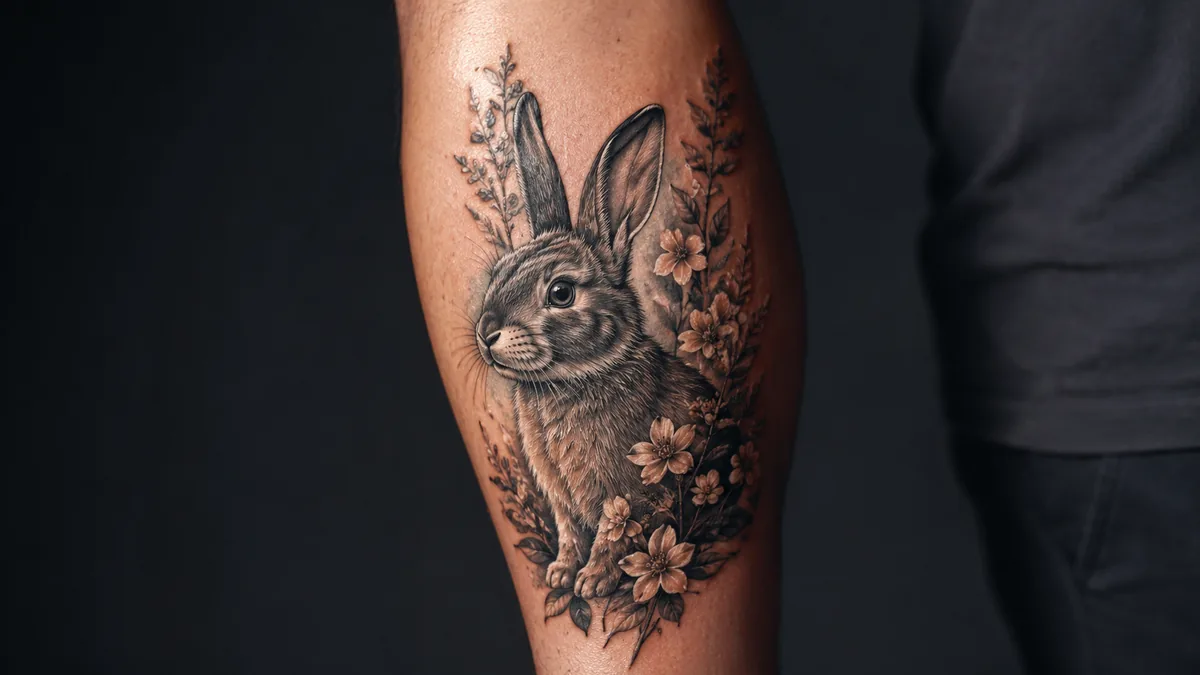
Black and grey rabbit tattoos are the workhorse. Whip shading creates beautiful fur texture, and the softness of grey wash suits the animal’s energy. A well-executed black and grey rabbit with solid contrast reads sharp and stays readable as it heals and settles. The gradient in the fur gives the piece dimension without relying on color that can fade unevenly.
Color rabbit tattoos can be stunning, especially in traditional or neo-traditional styles where you’re using saturated pigments in bold shapes. A bright white rabbit with pink eyes in a classic style, or a rich brown cottontail with deep green foliage, holds color well if the lines are crispy and the fill is solid. Pastel or watercolor-style color is the tricky one. It looks soft and beautiful fresh, but pastels fade fastest, especially in sun-exposed placements like forearms and shoulders.
Placement and How It Ages
The upper arm, thigh, and calf are the strongest placements for rabbit tattoos. Good skin, lower movement, heals nice, holds detail long-term. The back and shoulder blade give you room to go bigger if you want a full scene, like a rabbit in a moon landscape or a forest setting. These low-wear zones are where fine line work actually has a fighting chance. The forearm works well for medium-sized pieces in traditional or neo-trad styles because the skin is firm.
Avoid the inner wrist, fingers, and feet for detailed rabbit pieces. High-wear zones plus thin skin equals blowout risk and fast fading. The ribcage and sternum are spicy on the pain scale, especially on leaner frames, but the placement looks clean on the right body. Behind the ear and ankle are doable for a tiny minimal rabbit, but expect touch-ups. Small fine line pieces in those spots can ghost out within a few years depending on how your skin heals.
Who Gets Rabbit Tattoos and How to Make It Personal
Chinese zodiac rabbit people get them a lot, and that’s a clean, personal reason. Parents get rabbit tattoos for kids born in rabbit years, or to represent their own sign. People who’ve been through hard seasons and came out on the other side through quick thinking and adaptability, that trickster-survivor angle lands for them. Artists and creative people connect with the fertility-of-ideas meaning. People who identify as highly intuitive or emotionally sensitive get the alert, tuned-in rabbit.
Making it personal comes down to pose, setting, and detail choices. A rabbit mid-leap reads different from one sitting still and calm. A rabbit under a full moon leans into the lunar symbolism. Adding botanicals like clover or wildflowers ties into luck and nature. A skeleton rabbit flips the meaning toward mortality and impermanence. Work with your artist on what resonates, and be specific. The right design choice turns a cute animal tattoo into something that actually means something every time you look at it.