
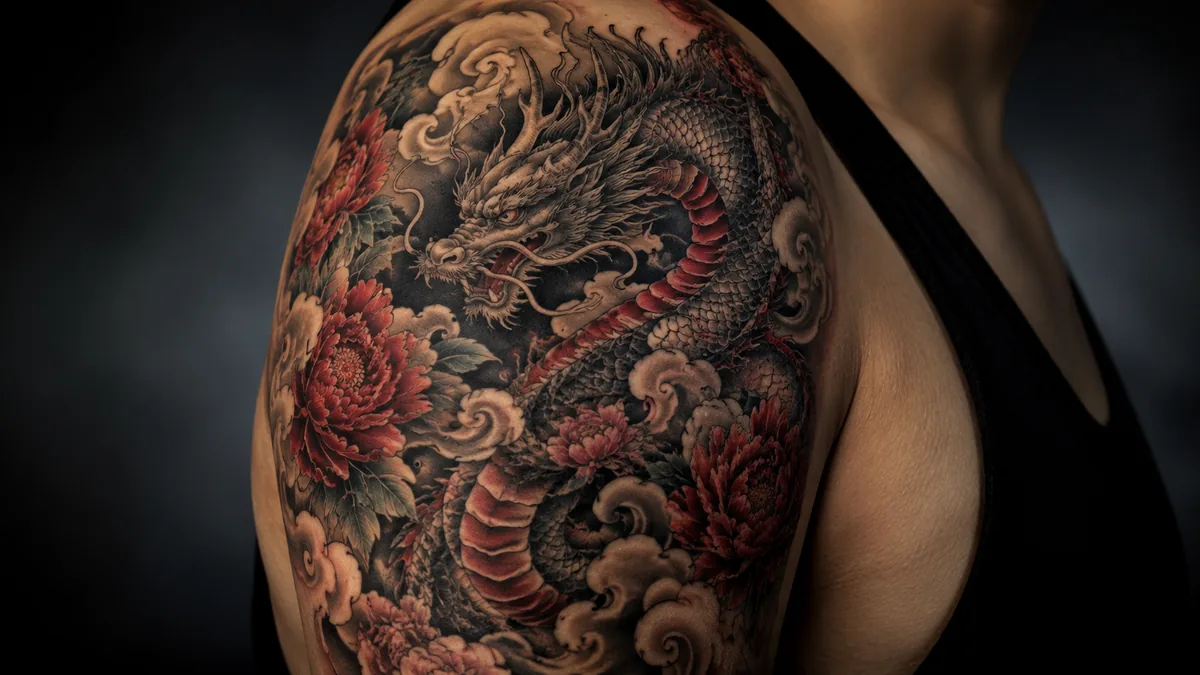
Chinese tattoos have been one of the most requested designs in American shops for decades. Whether it’s a single character, a dragon, a phoenix, or a koi fish, these designs pull from a rich visual language that goes back thousands of years. People get them for the meaning, for the aesthetic, or both. Either way, they hold up on skin when done right.
The key is knowing what you’re actually putting on your body. Chinese symbolism is layered. A character that looks cool can mean something completely specific, and the imagery in traditional Chinese art carries real cultural weight. This guide breaks down what these tattoos actually mean so you walk into the studio informed.
Core Symbolism: What Chinese Tattoos Actually Represent
Chinese tattoo designs most commonly represent virtues, luck, power, or personal identity. Single characters are the most literal, each one carrying a specific meaning. Popular choices include ai (love), long (dragon), li (strength), fu (fortune), and yong (courage). These aren’t decorative shapes. Each character is a word with a precise definition, and in Chinese culture, written language has always been considered sacred.
Beyond characters, Chinese-inspired imagery draws from Taoist, Buddhist, and Confucian traditions. Koi fish represent perseverance and transformation. The lotus means rising above difficulty, purity born from mud. Dragons symbolize power, wisdom, and good luck. Unlike Western dragons, Chinese dragons aren’t evil. They’re revered, associated with emperors and celestial strength. That distinction matters when you’re wearing one.
Historical and Cultural Background
One wrong stroke and your "strength" tattoo reads "failure."
Chinese tattooing has a complicated history. In ancient China, tattoos were used as punishment, marking criminals and outcasts. The practice was looked down on by Confucian society because defacing the body was seen as disrespecting your ancestors. Despite this, tattooing persisted among certain minority ethnic groups in China, like the Dai and Li peoples, where it carried spiritual and protective meanings.
The Western fascination with Chinese characters as tattoos exploded in the 1990s and early 2000s. It’s calmed down since, but the designs themselves have never gone away. Today’s clients tend to be more intentional about it. Chinese-American clients getting characters tied to family heritage, people with genuine cultural connections, or anyone who’s done the homework on what their chosen symbol actually says.
Popular Design Variations and Styles
Single characters done in bold brushstroke calligraphy are still the classic. They read clean, age well, and translate easily to any size from a wrist to a back piece. Traditional Chinese dragon tattoos are another staple, usually done with the long serpentine body, antler-like horns, and scaled texture. These work great as sleeves or wrapping pieces because the anatomy of the dragon fits the body’s curves naturally.
On the more decorative side you’ve got Chinese peonies, which symbolize prosperity and femininity, cherry blossoms for transience and beauty, and tigers for courage and protection. Full scenes from Chinese ink painting translate beautifully into black and grey, with misty mountain landscapes, cranes in flight, and temple imagery. These are statement pieces, usually covering the back, chest, or a full sleeve.
Black and Grey vs. Color
Black and grey is where Chinese tattoos shine hardest. Traditional Chinese ink painting is itself a monochromatic art form, so the style translates naturally. A brushstroke character in solid black is clean, timeless, and reads from across the room. A black and grey dragon with whip shading on the scales hits differently than a colored version. The contrast is crisp, and it ages without the color shifting.
That said, color works beautifully on certain designs. A red and gold dragon carries the look of traditional Chinese lacquerware and temple art. Koi fish in orange, red, or blue pop on the skin and hold their story visually. Phoenix pieces in red and gold are stunning when the artist saturates the feathers properly. Just know that saturated color needs touch-ups over time, especially in high-wear zones like hands and forearms.
Best Placements and How They Age
For single characters, the wrist, inner forearm, back of the neck, and behind the ear are classic spots. Small characters in these areas stay readable if the lines are kept bold. Fine line characters on fingers or hands are risky because skin in those zones exfoliates fast and lines can blow out or fade patchy. If the character matters to you, put it somewhere it’ll last. Ribs, bicep, and shoulder blade are solid low-wear options.
Larger pieces like dragons and full scenes need real estate. Backs, chests, and full sleeves give the design room to breathe. A dragon wrapped around a full sleeve is a multi-session commitment but it pays off. These designs age well in those zones because the skin doesn’t see the same daily friction. Characters with thick brushstroke lines hold their shape over years. Thin decorative lines in high-detail scenes need a good artist who knows how they’ll settle.
Pain Zones to Know Before You Book
Placement affects pain as much as it affects aging. The ribs are spicy, especially for large panel pieces. The spine, sternum, and back of the knee are also rough spots. If you’re getting a full dragon sleeve, expect the inner arm and elbow ditch to test you. The shoulder, outer forearm, and upper back are comparatively manageable, good starting points if this is your first big piece.
Characters on bony spots like the ankle, collarbone, or top of the foot carry more sting than they look. The back of the neck ranges from mild to rough depending on how close you get to the spine. Small character pieces are quick sessions regardless of zone, so the pain is short-lived. Bigger scenes on the ribs or full back are long sessions. Break it into multiple appointments. Your artist’s line quality depends on your ability to stay still.
Who Gets Chinese Tattoos and How to Make It Personal
The client base is genuinely diverse. Chinese, Taiwanese, and broader East Asian diaspora clients often get characters representing family names, ancestral hometowns, or personal values tied to their upbringing. Non-Chinese clients frequently choose these designs for the aesthetic or for a meaning that resonates universally, strength, love, balance. Both are valid reasons. The problem only shows up when someone doesn’t verify what their character actually says before they sit down.
Making it personal comes down to specificity. Don’t just pick a character from a generator. Work with a translator you trust, ideally a native speaker, and verify the meaning in context, not just the dictionary definition. Add personal elements to larger pieces: a specific flower, a combination of symbols that tells your story. A dragon paired with a birth flower or an animal from your Chinese zodiac year turns a general design into something that’s genuinely yours.









