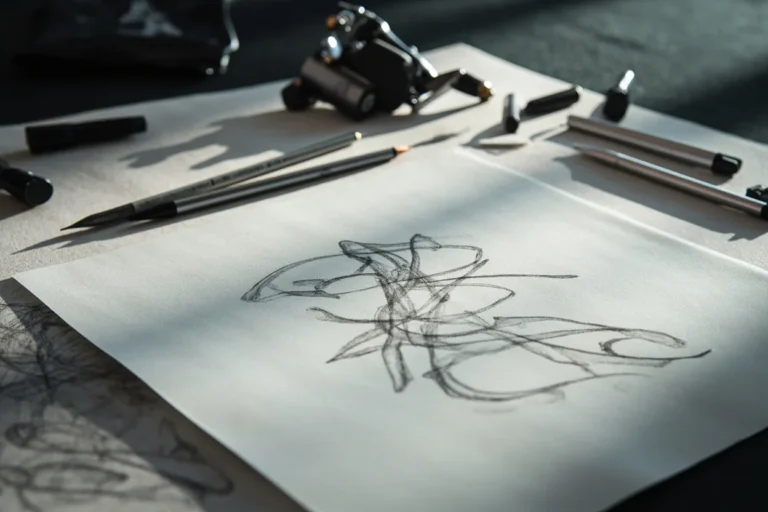
Drawing a temporary tattoo that doesn’t look like a smudgy sticker takes some know-how. You can absolutely fake it till you make it, or till you commit to the real thing, with the right supplies, placement, and technique. This guide walks you through what actually works, what artists notice when they see a temp, and how to keep your skin happy underneath.
What You’ll Actually Need
Skip the ballpoint pen from your junk drawer. That stuff fades patchy and can irritate skin. Here’s what seasoned temp artists reach for:
- Skin-safe markers or pens: Actual body art markers like Inkbox Freehand or BIC BodyMark. They’re formulated for skin, not paper.
- Stencils: You can buy them, laser-print your own on cardstock, or freehand if you’ve got steady nerves.
- Setting spray or powder: Hairspray works in a pinch, but translucent setting powder or a light coat of liquid bandage spray lasts longer without that crusty look.
- Alcohol wipes: Prep the skin. Oils and lotions are the enemy of adhesion.
- Cotton swabs and makeup remover: For cleanup. You’ll mess up. Everyone does.
Some folks swear by Sharpies. Here’s the honest truth: fine-point Sharpies work for tiny details, but they dry the skin out and the color shifts weird as they fade. If you must, seal them well and don’t go over the same spot ten times.
Prep Your Canvas (Your Skin)
Shave and Exfoliate First
Hair under a temp tattoo looks like dirt under a microscope. Shave the area 24 hours before, not right before, freshly shaved skin can sting when marker hits it. Exfoliate gently with a washcloth or mild scrub. You’re removing dead skin so the ink sits on the freshest layer, which means it lasts longer and looks cleaner.
Where to Place It
Real tattoo artists talk about “flow” and “movement” with placement. For temps, think about what rubs. Inner forearm? Great. Outer bicep? Also great. Palm of your hand, inside of your elbow, or anywhere your jeans waistband hits? That’s gone in a day. Friction is the killer.
Skin stretches differently too. The ribcage moves when you breathe. The ankle bone has zero give. If you’re drawing something with straight lines, flat areas like the outer thigh or upper back are forgiving. Curved areas need the design to bend with the body, or it looks like a sticker that doesn’t belong.
The Drawing Process
Start With a Light Guide
Use a pale eyeliner pencil or a very light wash of marker to sketch your outline. This is your roadmap. Most people skip this and regret it when the wing of their eagle ends up two inches lower than intended. Step back. Look in a mirror. Check from multiple angles.
Line Work vs. Shading
Single-pass lines look crisp. Going over the same line ten times makes it fuzzy and raises the skin slightly, which leads to faster fading. For shading, stippling, tiny dots, works better on skin than trying to smooth gradient. Skin isn’t paper. It has texture, pores, hair follicles. Dots read as tone from a distance. Hatching (parallel lines) can work too, but keep the spacing consistent.
If you’re mimicking a real tattoo style, know this: traditional American flash uses bold black outlines and limited color fills. Fine-line single needle work is trendy now but harder to fake convincingly because any wobble screams “I drew this myself.” Bold and slightly imperfect reads more authentic than shaky delicate work.
Color Real Talk
Black and dark blue last longest. Reds and purples fade fastest. Yellow and white barely show up on most skin tones unless you’re very pale. If you want color, go saturated. Pastels look like bruises on skin.
Layering colors works if you let each layer dry completely. Wet ink on wet ink turns muddy. Patience here is annoying but necessary.
Sealing It So It Stays
Your temp tattoo is only as good as your seal. Here’s the hierarchy from shop talk:
- Liquid bandage spray: Best option. Dries fast, flexible, doesn’t crack. Spray thin coats, let dry between layers, three coats minimum.
- Hairspray: The old standby. Cheap, available. Downside: gets tacky, can yellow, smells like a salon. Use unscented if possible.
- Setting powder + hairspray: Dust powder over the design, then mist. Creates a more matte finish that looks less “coated.”
- Cosmetic sealant: Mehron or Ben Nye make these. Designed for body paint, work decent for marker too. Matte finish, less plastic-looking.
After sealing, don’t touch it for ten minutes. Seriously. Go make coffee. Pet your dog. The temptation to poke and check is real and universal, and it ruins the finish.
Making It Last (And Fade Cleanly)
During Wear
Avoid scrubbing in the shower. Pat dry, don’t rub. Skip lotion directly on the design, oils break down the seal. If you swim, chlorine is harsh; salt water is gentler but still fades things. Gym sweat plus friction from machines? Kiss it goodbye.
When You’re Done With It
Don’t scrub raw. Baby oil or makeup remover breaks down the seal gently. Let it sit for a minute, then wipe. If you used a real body art marker like Inkbox, those are semi-permanent and stain the top skin layer for up to two weeks. That’s the point, but know what you’re signing up for. For Sharpie or regular marker, rubbing alcohol works but dries the skin, moisturize after.
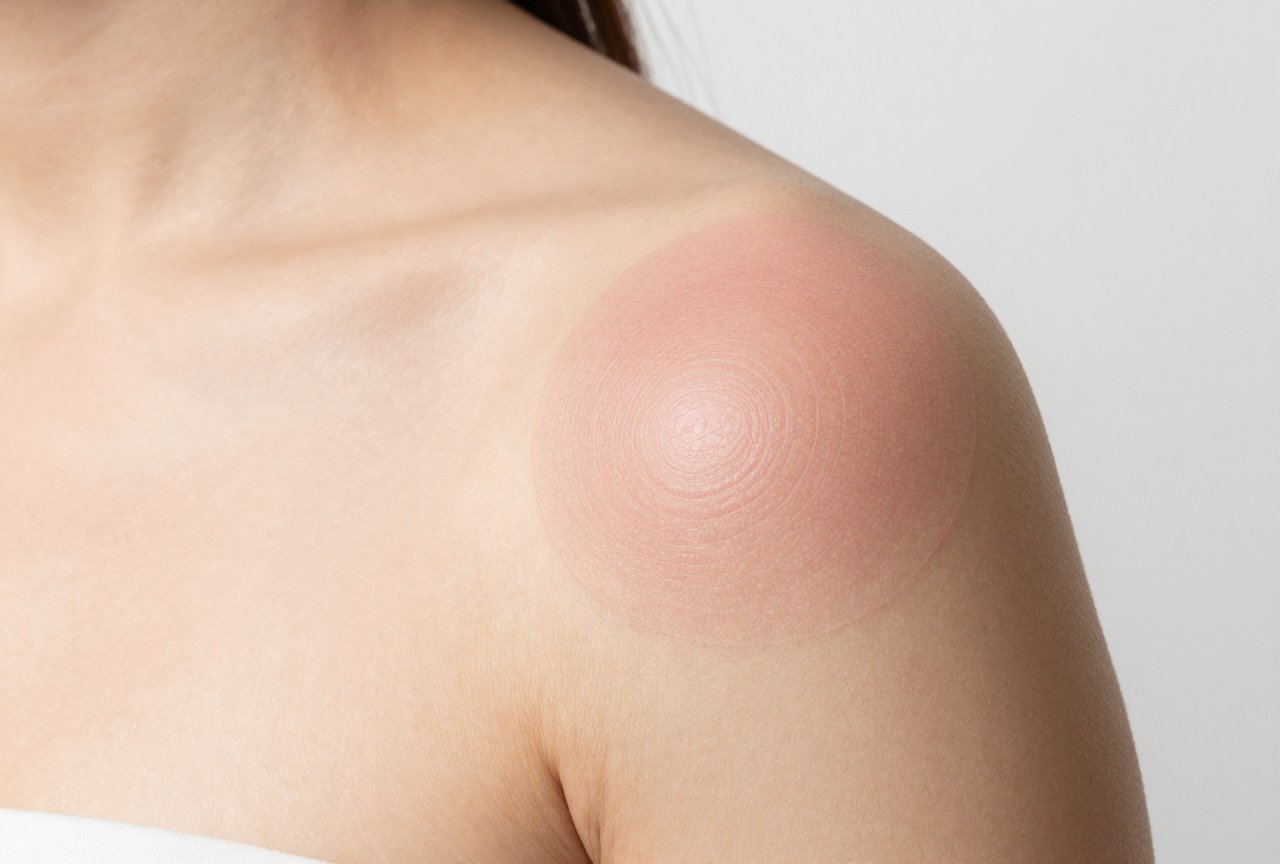
Redness after removal is normal. Broken skin, raised welts, or pus means you had a reaction or scrubbed too hard. Cool compress, leave it alone, don’t draw there again until fully settled.
What Real Tattoo Artists Notice
I’ve sat in shops where artists laugh good-naturedly at terrible temps, and I’ve seen them impressed by clever ones. The difference is usually placement and confidence. A well-placed temp that follows muscle flow looks intentional. A random tiny thing floating in the center of a huge empty space looks like a mistake.
Artists also notice if you’re using a temp to test drive a real tattoo idea. That’s smart. Most respect it. Bring a photo of your temp to a consultation. It shows you’ve lived with the image, checked it in different lighting, seen how it works with your clothes. That’s more than most first-timers do.
One thing: don’t ask a real artist to “just trace this temp I did.” They won’t. They’ll redraw it properly, accounting for how ink spreads in skin (called blowout), how lines thicken over time, and how the design ages. What looks good in marker is often too detailed for tattooing. Skin blurs things over years. Artists design for that future.
Key Takeaways
- Use actual body art markers, not office supplies, for best results and skin safety.
- Prep skin by shaving and exfoliating; avoid high-friction areas for longer wear.
- Sketch lightly first, use stippling for shading, and keep line work bold and clean.
- Seal with liquid bandage spray or hairspray; multiple thin coats beat one thick one.
- Test placement and design before committing to permanent ink, artists respect this.
- Remove gently with oil or makeup remover; never scrub skin raw.
Drawing temporary tattoos is a low-stakes way to wear art, test ideas, or just have fun for a weekend. Do it well and it passes the glance test. Do it poorly and it’s still just ink that washes away. The skill builds with practice, and the mistakes are never permanent. That’s the beauty of it.
Related Tattoo Guides
- How to Get Started as a Tattoo Artist: A Real Guide
- How Long After a Tattoo Can You Swim? A Real Guide
- Tattoo Cost Guide: What You ll Actually Pay in 2024
- Explore more
Frequently Asked Questions
What kind of pen or marker should I use to make a temporary tattoo look realistic?
Use a fine-tip alcohol-based marker like a Sharpie or specialized body marker for crisp lines that mimic real tattoo needles. Avoid washable markers since they bleed and fade too quickly to look convincing.
How do I make the temporary tattoo shading look like real ink under skin?
Build up tones gradually with light cross-hatching instead of solid blocks of color, since real tattoo ink sits at varying depths in skin. Leave some skin showing through in highlight areas to create the illusion of dimension and healed pigment.
Should I draw on bare skin or can I use lotion first?
Apply a very thin layer of lotion and let it absorb completely before drawing, as slightly moisturized skin prevents the marker from soaking in too aggressively and creating blotchy lines. The surface should feel dry to the touch, not slick.
How do I make a temporary tattoo last longer without looking faded or cracked?
Seal your finished design with a light mist of hairspray or a thin layer of liquid bandage, then avoid scrubbing the area and pat it dry after showering. Reapply sealant every day or two to maintain that slightly glossy, fresh-ink appearance.