It hurts. Not the most comforting opener, but you deserve honesty. Laser tattoo removal feels like hot rubber bands snapping against your skin, fast and sharp, with a deep heat that lingers after the machine stops. Most people put it a notch or two above getting the tattoo in the first place. The difference? A tattoo session builds; removal is concentrated, relentless, and over quicker. You’re looking at anywhere from a few seconds to maybe twenty minutes of actual zapping, depending on your piece’s size. The real test isn’t the pain itself, it’s the repetition, the waiting between sessions, and the mental game of watching ink fade slower than you’d like.
What the Sensation Actually Feels Like
Everyone asks for comparisons. Here’s the honest breakdown from people who’ve sat for both sides of the needle.
The Snap-and-Burn Reality
That rubber band snap description gets thrown around because it’s accurate. The laser fires in nanosecond pulses, too fast for your nerves to process individually, so they bundle the signal into one sharp crack of heat. On bone-heavy spots like ankles, wrists, ribs, or collarbones, you’ll feel it radiate deeper. Fleshier areas like the outer arm or thigh absorb some of that punch. I’ve watched tough guys with full sleeves tap out on a small ankle removal. I’ve also seen tiny women chat through shoulder work like they’re at the dentist. Your pain tolerance isn’t the only variable; placement and ink density matter enormously.
After the Machine Stops
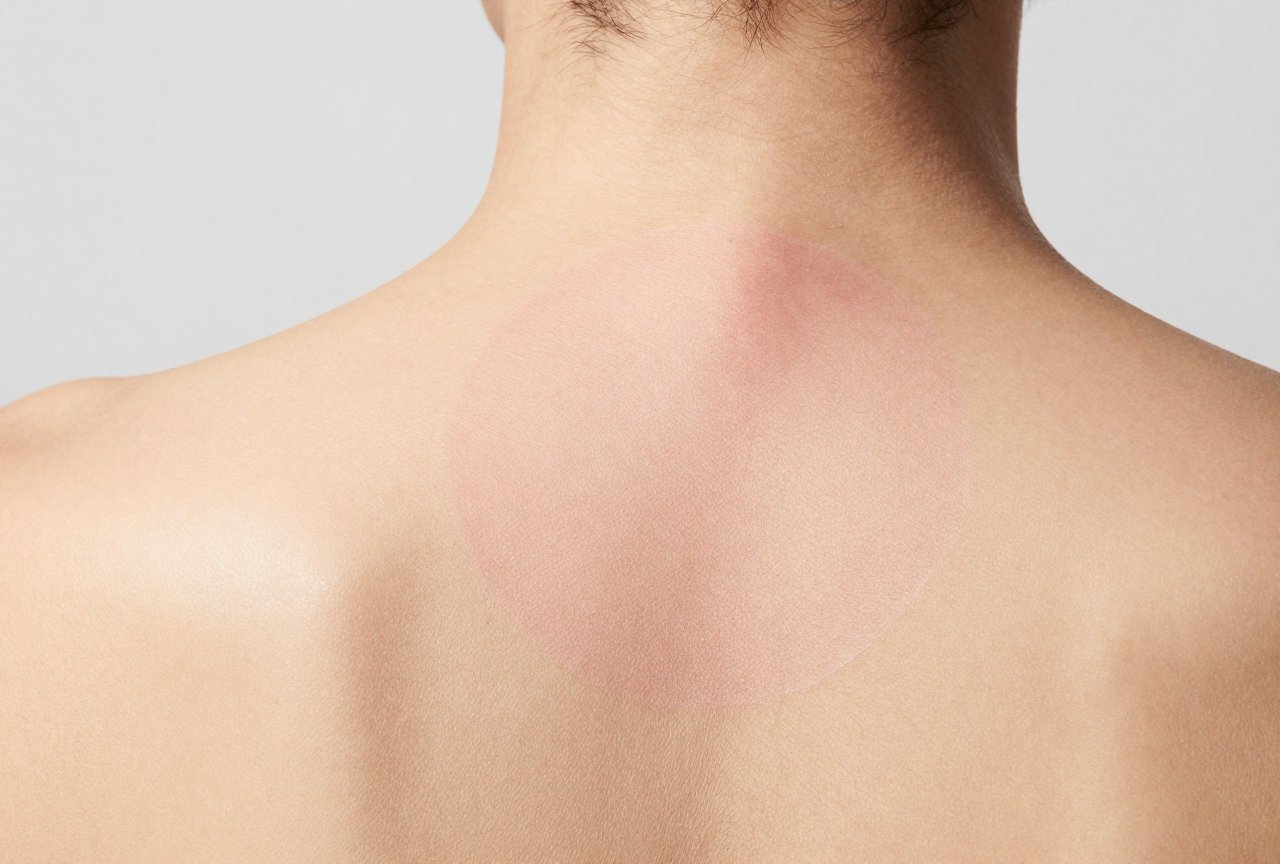
The immediate aftermath is its own thing. Skin turns white and frosty-looking, called “frosting,” and it’s just water vapor from the laser’s heat. That fades in minutes. What stays is a sunburn-deep throb, sometimes with swelling that makes the area feel tight. I’ve had clients describe it as the feeling of holding your hand too close to a stove burner, then someone slapping the burn. Not fun, but not unbearable either. The first hour post-session is usually the worst. By evening, most people are just dealing with a dull ache and the temptation to scratch.
What Makes It Hurt More or Less
Not all removals are created equal. Several factors crank the dial up or down.
- Ink color: Black absorbs all laser wavelengths, so it responds fastest, but that also means more heat concentrated in one spot. Colors like yellow, green, and light blue fight the laser harder, requiring different wavelengths and often more sessions, which means more cumulative pain.
- Age of tattoo: Fresh, dense ink from the last couple years sits stubborn and thick. Older tattoos, especially sun-faded ones, break down easier. Less ink equals less heat needed.
- Line work vs. shading: Solid black tribal or traditional bold lines hold more pigment than soft gray wash. Shaded areas often clear faster with less intensity per pass.
- Artist quality: Heavy-handed work, blowouts where ink spread under the skin, or scar tissue from the original tattoo all complicate removal. The laser has to work harder, you feel more.
- Your skin tone: Darker skin requires more careful wavelength selection to avoid hypopigmentation. Some technicians use lower energy settings across more sessions, stretching out the process.
Machine Technology Matters
Q-switched lasers were the standard for years; they work, but they hurt more and need more sessions. Picosecond lasers, PicoSure, PicoWay, shatter ink with shorter pulse durations. Less surrounding heat damage, less pain per session, typically fewer sessions overall. If you’re shopping around, ask what machine they run. The newer tech costs more per session but can save you sessions and suffering in the long run.
What Actually Helps During the Session
Reputable shops aren’t going to strap you down and torture you. They’ve got tools to take the edge off.
- Topical numbing cream: Applied 30-60 minutes before, these help with surface sensation. They don’t kill deep pain entirely, but they dull the initial shock. Some places include this; others charge extra.
- Cooling devices: Cold air blown across the skin during treatment, or contact cooling built into the laser handpiece, makes a noticeable difference. Ask if your technician uses one.
- Local anesthetic injections: Rare for standard removal, but some medical spas offer them for large pieces or particularly sensitive clients. This is more common in dermatology settings than tattoo shops.
- Distraction: Bring headphones. Seriously. The sound of the laser alone, a sharp crackling buzz, ratchets anxiety for some people. Your favorite album, a podcast, anything to occupy your brain helps more than you’d think.
Don’t show up hungover, don’t skip breakfast, and don’t decide this is the day to prove you don’t need breaks. A good technician will pace the session and check in. Speak up if you need a minute. Nobody’s handing out medals for stoicism.
The Session-to-Session Grind
Here’s the part nobody likes: you need multiple sessions, usually 6 to 12, spaced 6 to 8 weeks apart. The pain doesn’t necessarily get worse each time, but the psychological weight builds. You’re not just managing one afternoon; you’re signing up for a year-plus commitment.
Why the Wait Between Sessions
Your lymphatic system clears the shattered ink particles. Rush this and you risk scarring, permanent texture changes, or hypopigmentation, light spots that may never tan again. That healing period means the area is tender, sometimes itchy, sometimes blistering lightly. I’ve seen people pop blisters thinking they’re helping. Don’t. Keep it clean, keep it dry, keep it out of the sun. The aftercare is simpler than a fresh tattoo, no ointment marathon, but the stakes for messing it up are higher. Sun exposure on healing removal skin can cause darkening that looks worse than the original tattoo.
Cost and the Pain of Your Wallet
Pain isn’t just physical. Small tattoos might run $100-200 per session. Full sleeves or large back pieces can hit $500-800 per pop. Multiply by 8-10 sessions. Most places won’t quote a guaranteed removal because bodies and inks vary too much. Some offer package deals at a slight discount. Shop around, but don’t bargain-hunt with your skin. A burned or scarred removal looks worse than the tattoo you hated.
Insurance doesn’t cover cosmetic removal. If you’re removing for a medical reason, like an allergic reaction to ink, document everything with a dermatologist and appeal. Success rates vary wildly by carrier.
Cover-Up vs. Removal: The Honest Conversation
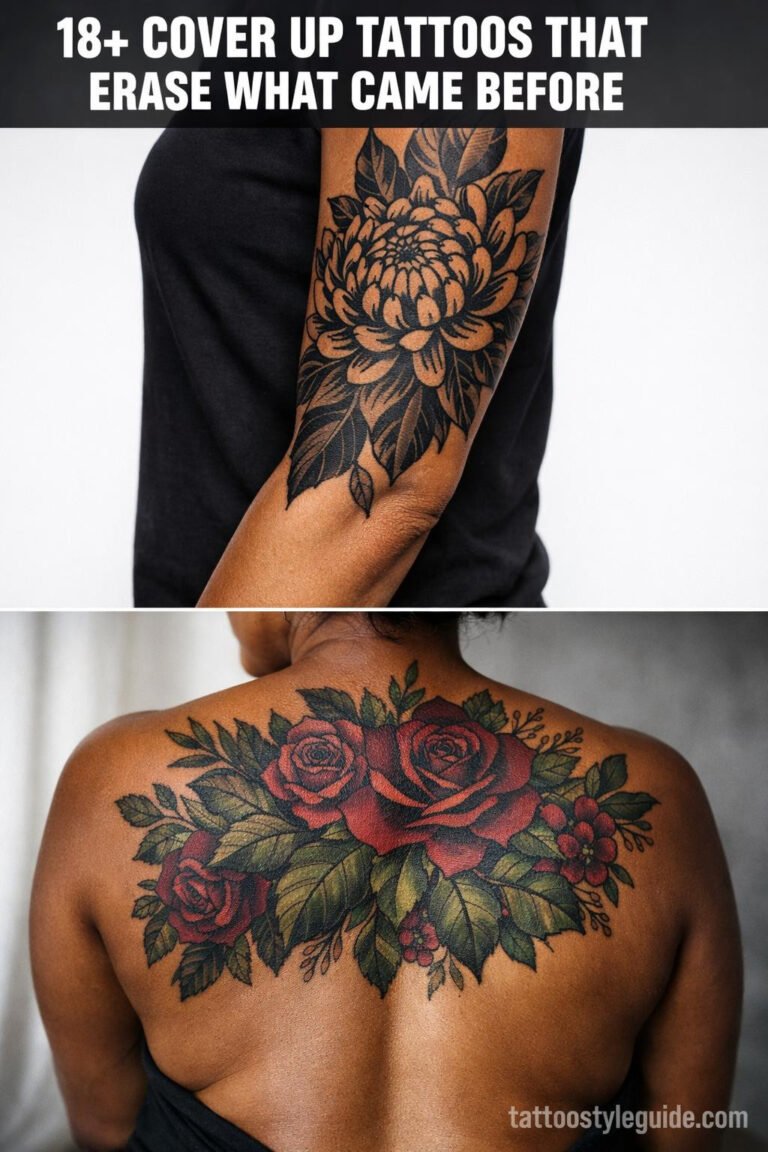
Before you commit to the laser road, talk to a tattoo artist about cover-up options. A skilled artist can work wonders incorporating old pieces into new designs. Sometimes a few laser sessions to lighten the original, called “fading for cover-up”, gives the best of both worlds: less pain, less cost, less time, and you end up with art instead of bare skin. I’ve sent clients to removal specialists for two sessions of lightening, then welcomed them back for a killer new piece. It’s worth the consultation.
Key Takeaways
- Tattoo removal hurts more than getting tattooed, but sessions are short and manageable with numbing options and cooling.
- Black ink and dense line work hurt more per session but often clear faster; light colors and stubborn greens need more sessions total.
- Picosecond lasers reduce pain and session count compared to older Q-switched machines, ask what technology your provider uses.
- Plan for 6-12 sessions minimum, spaced 6-8 weeks apart; the full process takes a year or more.
- Aftercare is simple but critical: no sun, no picking, no rushing the healing timeline.
- Consider partial fading for cover-up as a less painful, less expensive alternative to complete removal.
- Cost adds up fast; prioritize technician skill over bargain pricing to avoid permanent skin damage.
Removal is a marathon in a sport you didn’t choose to enter. But people finish it every day. Go in with realistic expectations, take care of yourself between sessions, and remember: the ink didn’t get there overnight, and it won’t leave that way either. You’ve got this.
Related Tattoo Guides
- How to Take Off a Tattoo at Home: What Actually Works
- How to Treat a New Tattoo: A Real-World Aftercare Guide
- How Long to Leave Saniderm On a New Tattoo
- Explore more
Frequently Asked Questions
Does tattoo removal hurt more than getting the tattoo?
Most people say yes, it hurts more. The laser delivers rapid bursts of heat that shatter ink particles, creating a snapping sensation against your skin, whereas getting tattooed is more of a consistent scratching or burning feeling.
What does the pain actually feel like during a session?
Clients commonly compare it to a rubber band snapping hard against sunburned skin or hot grease splattering. The sensation is intense but very brief, and most modern clinics use cooling devices to numb the area before each laser pulse.
How long does the pain last after each appointment?
The sharp pain subsides within minutes, but you will feel soreness similar to a bad sunburn for one to three days. Blisters and scabs may form and cause tenderness for up to two weeks depending on your healing response.
Can numbing cream make it painless?
Numbing creams help reduce surface discomfort but do not eliminate the deeper stinging sensation entirely. Many technicians also use cold air or ice packs during treatment, though complete painlessness is unrealistic for most people.