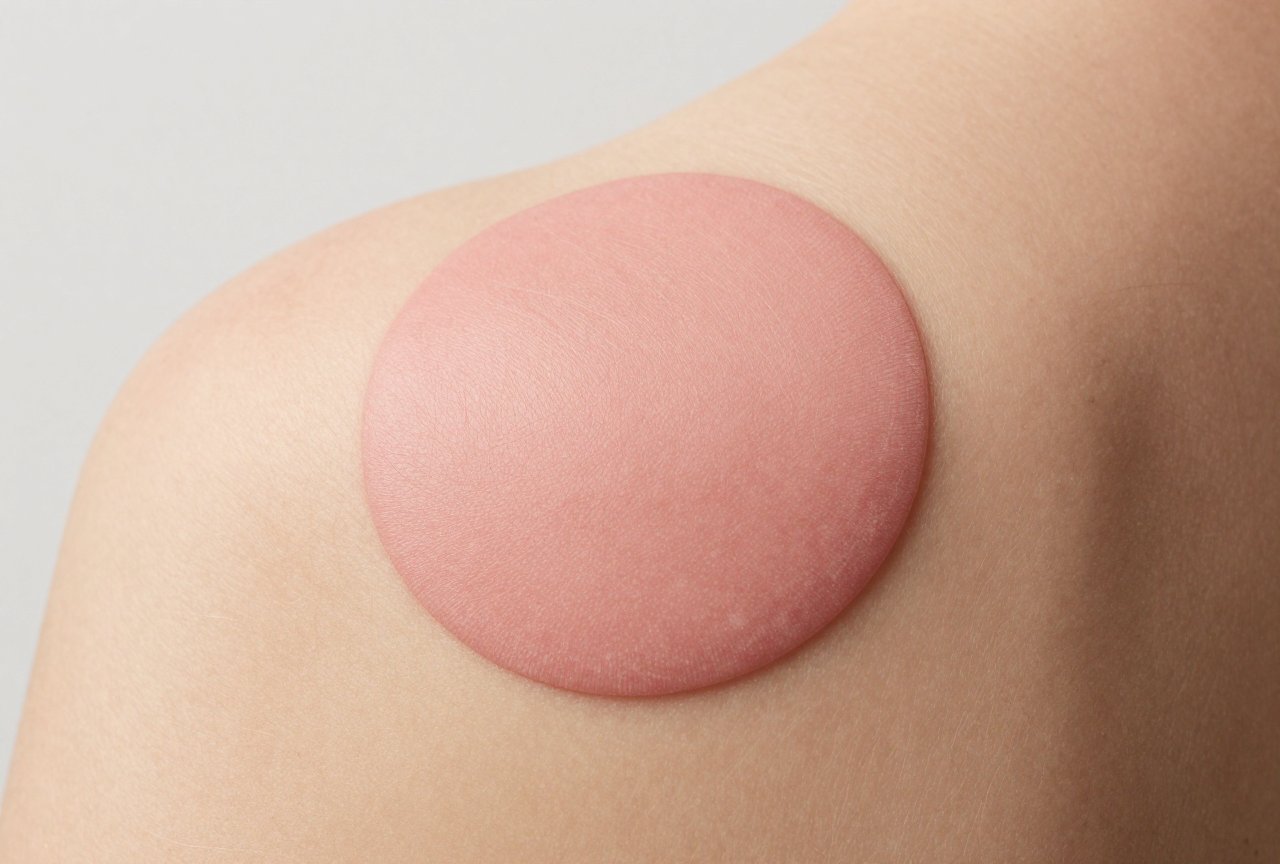
Short answer: yes, tattoo removal can leave a scar, but it’s often far less noticeable than the tattoo was. Most people end up with faint, flat discoloration or slight texture changes rather than raised, ugly keloids. The laser itself doesn’t cut skin like a scalpel, but it does create controlled damage that your body has to process. How that healing goes depends heavily on your aftercare, your skin type, the artist’s original work, and whether the tech knows what they’re doing.
How Laser Removal Actually Works on Skin
Laser removal isn’t erasing anything. It’s breaking ink particles into tiny fragments so your lymphatic system can flush them out over weeks. That process involves heat, inflammation, and repeated sessions spaced 6-8 weeks apart. Each zap creates a frost-like whitening on the skin that fades in minutes, then redness, swelling, and sometimes blistering over the next few days.
The laser targets pigment, not just tattoo ink. Darker skin tones carry more risk because the device can’t always distinguish between melanin and black ink. A skilled tech adjusts wavelengths and pulse duration, but there’s always a trade-off between effective ink shattering and collateral skin stress.
Why Some Scars Show Up Immediately
If the laser settings are too aggressive, you can get pinpoint bleeding or even open wounds. That’s not normal. Proper treatment should feel like a rubber band snap with hot aftermath, not like your skin’s being burned off. Scars from overtreatment tend to be hypopigmented patches, lighter than surrounding skin, that may or may not repigment over months.
Scars You Didn’t Know Were Already There
Here’s something removal techs see all the time: the tattoo itself was scarred during application. Heavy-handed artists, especially in the 90s and early 2000s, would overwork skin until it had permanent texture changes. The ink hid those scars. Once removal progresses, the ghost of the original damage appears. Clients blame the laser, but the trauma was baked in years ago.
What the Scar Usually Looks Like
Most post-removal marks aren’t Hollywood scars. They’re subtle:
- Hypopigmentation: lighter patches where melanin production got disrupted. Common on darker skin, sometimes permanent.
- Hyperpigmentation: darkened areas from inflammation response, usually fades over 6-12 months with sun protection.
- Textural changes: slightly raised or indented skin where collagen remodeled unevenly.
- Shadow outlines: faint gray lines where residual ink particles linger deep in dermis.
Rarely, people develop keloids, raised, spreading scars from overactive collagen production. If you’ve keloided from piercings, cuts, or previous tattoos, laser removal carries real risk. Honest consultations should screen for this history.
Factors That Make Scarring More Likely
Not all removal journeys are equal. Some variables stack the deck against clean healing:
- Location: Ankles, wrists, and sternum have thin skin and poor blood flow. They scar more easily than a meaty thigh or upper arm.
- Age of tattoo: Fresh ink is dense and requires more aggressive treatment. Older, faded tattoos break faster with less trauma.
- Color complexity: Blues and greens need specific wavelengths that penetrate deeper. More sessions, more cumulative skin stress.
- Your picking habit: Blisters and scabs are inevitable. Pop them, scratch them, let clothing rub them raw, you’re guaranteeing a mark.
- Sun exposure: Tanned or recently sunburned skin reacts unpredictably to laser. Techs should reschedule you, but not all do.
Smoking’s another quiet factor. Nicotine constricts blood vessels, slows healing, and correlates with worse cosmetic outcomes. Vape if you must, but know it’s working against your results.
Aftercare That Actually Minimizes Marks
Shop culture around laser aftercare varies wildly. Some chains hand you a printed sheet and rush you out. Better operations walk you through specifics. Here’s what actually matters:
The First 48 Hours
Keep it cool, literally. Ice packs wrapped in cloth reduce swelling. No hot showers, no gym, no saunas. The area will feel sunburned and tight. Blistering typically peaks around day two, don’t drain them. The fluid protects raw dermis underneath.
Weeks Two Through Six
Scabs will form. Let them fall off naturally. I know it’s maddening when a corner lifts and catches on your shirt. Trim loose edges with clean scissors if you must, but don’t pull. Once skin closes, silicone gel sheets or vitamin E oil can help mature scars flatter. Sunscreen is non-negotiable, SPF 50, reapplied, for months. UV on healing skin deepens discoloration dramatically.
Moisturize with fragrance-free lotion. Your artist probably recommended something similar for the original tattoo. The principles overlap: don’t suffocate it, don’t let it dry crack, don’t let anything dirty touch it.
What Removal Costs and Pain Actually Mean
Full removal typically runs 10-15 sessions, sometimes more for dense professional work. Budget $200-500 per session depending on size and market. That’s not hype, it’s a genuine commitment. Most people don’t finish. They fade enough for a cover-up and stop.
Pain’s real but manageable. Numbing cream helps the first ten minutes, then heat builds and overwhelms it. I’ve heard clients describe it as bacon grease splatter, or a thousand rubber bands snapped fast. It’s brief, though, seconds per area. The aftermath throbs for hours, dulls by day two.
Some shops offer local anesthetic injections. They work better but add cost and a second needle experience. Your call.
When to Consider Alternatives
Not everyone should laser. Surgical excision literally cuts the tattoo out and stitches the skin, trading ink for a linear scar. It’s fast, one session, but only practical for small pieces. Dermabrasion sands skin down, brutal healing, unpredictable results, largely outdated.
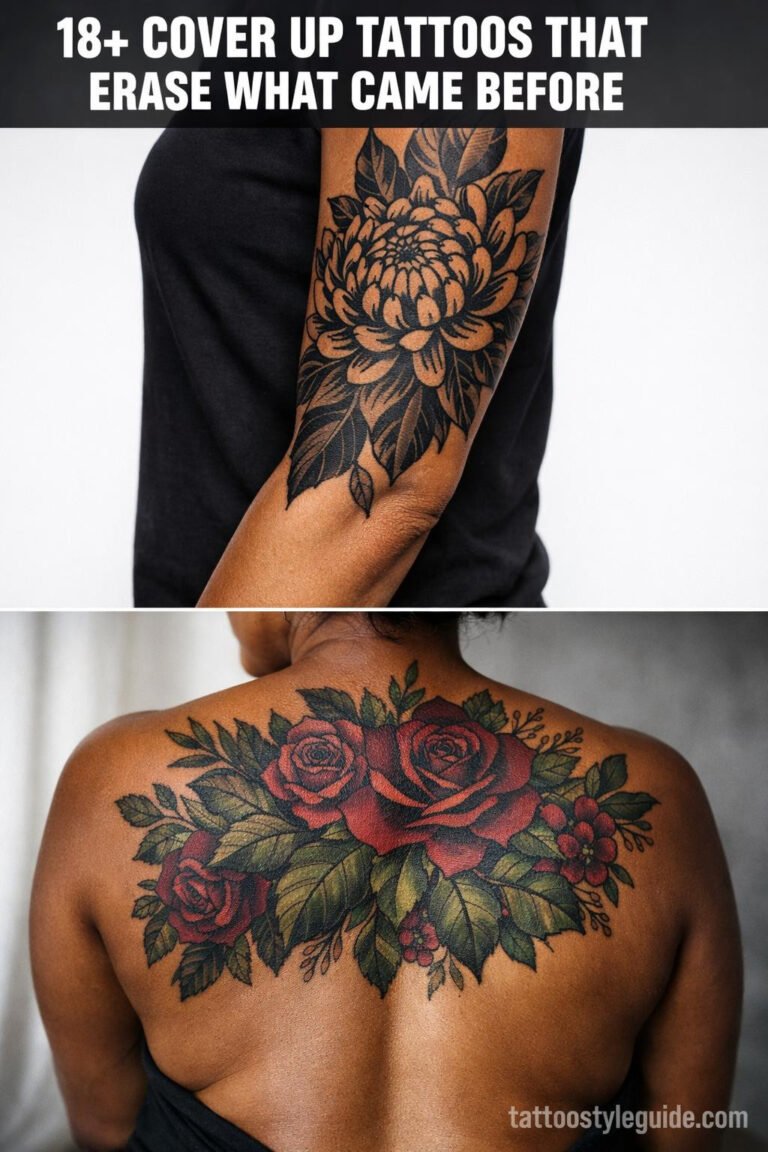
Cover-up tattoos remain the underrated option. A skilled artist can work over almost anything if you give them enough room and flexibility. Dark, dense cover-ups require less removal prep than you’d think. Sometimes four laser sessions to lighten, then new art, beats chasing complete disappearance.
If your tattoo is already scarred from application, removal will expose that damage. Manage expectations. A dermatologist can sometimes improve old scars with microneedling or other treatments, but that’s a separate conversation.
Key Takeaways
- Laser removal can scar, but serious scarring is uncommon with proper technique and aftercare.
- Most marks are subtle: light or dark patches, slight texture changes, not dramatic raised scars.
- Original tattoo application damage often reveals itself during removal, falsely blamed on the laser.
- Aftercare discipline, no picking, sun protection, patience with blisters and scabs, makes the difference.
- Smoking, poor circulation areas, and aggressive sun exposure increase scar risk significantly.
- Full removal is expensive and lengthy; many people opt for partial fading followed by cover-up work.
- Consult with experienced, honest techs who assess your skin type and tattoo history realistically.
Scars are part of the body’s vocabulary. They tell stories, sometimes ones we didn’t choose. Tattoo removal gives you a chance to rewrite that story, but the page isn’t perfectly blank afterward. Go in clear-eyed, care for the skin diligently, and you’ll likely get results you can live with comfortably. The ghost of old ink beats a piece you hated every time you caught it in the mirror.
Related Tattoo Guides
- Andres Acosta: Tattoo Artist Profile Style Guide
- How Long Does a Tattoo Peel? A Realistic Healing Timeline
- How Much Does Tattoo Removal Hurt? Real Talk
- Explore more
Frequently Asked Questions
Does laser tattoo removal always leave a scar?
No, laser removal does not always leave a scar when performed correctly by a trained professional on healthy skin. Scarring typically only occurs if the laser settings are too aggressive, the aftercare instructions are ignored, or the tattoo already contained scar tissue from the original application.
How can I tell if my tattoo already has scar tissue underneath?
Raised, bumpy, or shiny skin within the tattoo design usually indicates underlying scar tissue from the original tattooing process. This pre-existing scarring will remain after removal, though the ink itself can still be eliminated.
What does normal healing look like versus actual scarring after removal?
Normal healing involves temporary redness, swelling, and light scabbing that resolves within 1-2 weeks without permanent texture changes. True scarring appears as lasting raised, indented, or discolored skin that persists months after the area has fully healed.
Can I reduce my risk of scarring during the removal process?
Yes, choose a reputable clinic with experienced practitioners, avoid sun exposure before and after treatments, follow all aftercare instructions precisely, and never pick at scabs or blisters. Proper hydration and patience between sessions also give your skin the best chance to recover without permanent marks.