Short answer: you can’t fully erase a homemade tattoo at home with lemon juice, salt, or any cream you bought online. The ink sits in your dermis, below the layer of skin that sheds and regenerates. To actually remove it, you need professional laser treatment. But there are ways to fade it, cover it, or make peace with it while you save up for the real fix. Here’s what I’ve learned from fifteen years in shops watching people walk in with their cousin’s hand-poked disasters.
Why Homemade Ink Is Different from Shop Work
Machine tattoos deposit ink at a relatively consistent depth, roughly 1.5 to 2 millimeters. Homemade tattoos? All over the place. Some lines sit too shallow and blow out or fade weird. Others go too deep, causing scarring that traps ink in scar tissue. That inconsistency makes removal harder, but not impossible.
The Ink Itself
Professional pigments are formulated for stability and predictable laser response. Your buddy’s “India ink” from the craft store? Could be carbon-based, could be who-knows-what. Some homemade inks contain metals that react unpredictably with laser wavelengths. I’ve seen yellows turn black, blacks turn green. A reputable laser tech will do a test spot first. Demand this.
Scar Tissue Complications
Homemade tattoos often come with scar tissue built right in. The needle was probably a sewing needle, maybe guitar string, definitely not sterile. Scarring doesn’t hold ink the same way healthy skin does, and it doesn’t release it the same way either. Laser removal on scarred skin requires more sessions, more patience, and a technician who knows when to back off.
What Actually Works: Professional Laser Removal
Q-switched or picosecond lasers shatter ink particles small enough for your lymphatic system to carry away. It’s the only method that actually removes tattoo pigment. Everything else is fading, covering, or lying to you.
- Q-switched Nd:YAG: The workhorse. Good for black ink, handles most skin tones reasonably well.
- Picosecond lasers (PicoSure, PicoWay): Shorter pulse duration means less heat, less collateral damage, potentially faster results. Costs more.
- Multiple sessions: Amateur tattoos often need 6-10 sessions. Homemade ones with unpredictable depth? Could be 8-15. Spaced 6-8 weeks apart minimum.
Pain is real. I’ve had clients say it’s like hot rubber bands snapping, others say it’s worse than the tattoo itself. Numbing cream helps some. The area will blister, scab, itch like hell. Don’t pick. Don’t sunbathe. Your tech will give you aftercare specifics, follow them exactly.
What Doesn’t Work (And Might Hurt You)
The internet is full of dangerous nonsense. I’ve seen the aftermath in my chair.
Topical Creams and “Natural” Remedies
Those fade creams? At best, they might slightly lighten a very fresh, very superficial tattoo. They don’t touch dermis-level ink. The ones with high acid content can burn your skin, causing more scarring that actually traps ink deeper. Lemon juice and salt scrubs? You’re exfoliating your epidermis while the ink laughs from below. I’ve seen people give themselves chemical burns trying this.
Surgical Excision
For tiny homemade tattoos, a dermatologist can sometimes cut the tattoo out and stitch the skin closed. Leaves a scar, obviously. Only works if there’s enough loose skin around it. I’ve seen this on fingers, behind ears, little stick-and-poke dots. Not practical for anything larger than a quarter.
Dermabrasion and Salabrasion
Sanding your skin off. Rubbing salt in the wound. These are pre-laser techniques that should stay in the past. High infection risk, guaranteed scarring, unpredictable results. Just don’t.
Cover-Up: The Honest Alternative
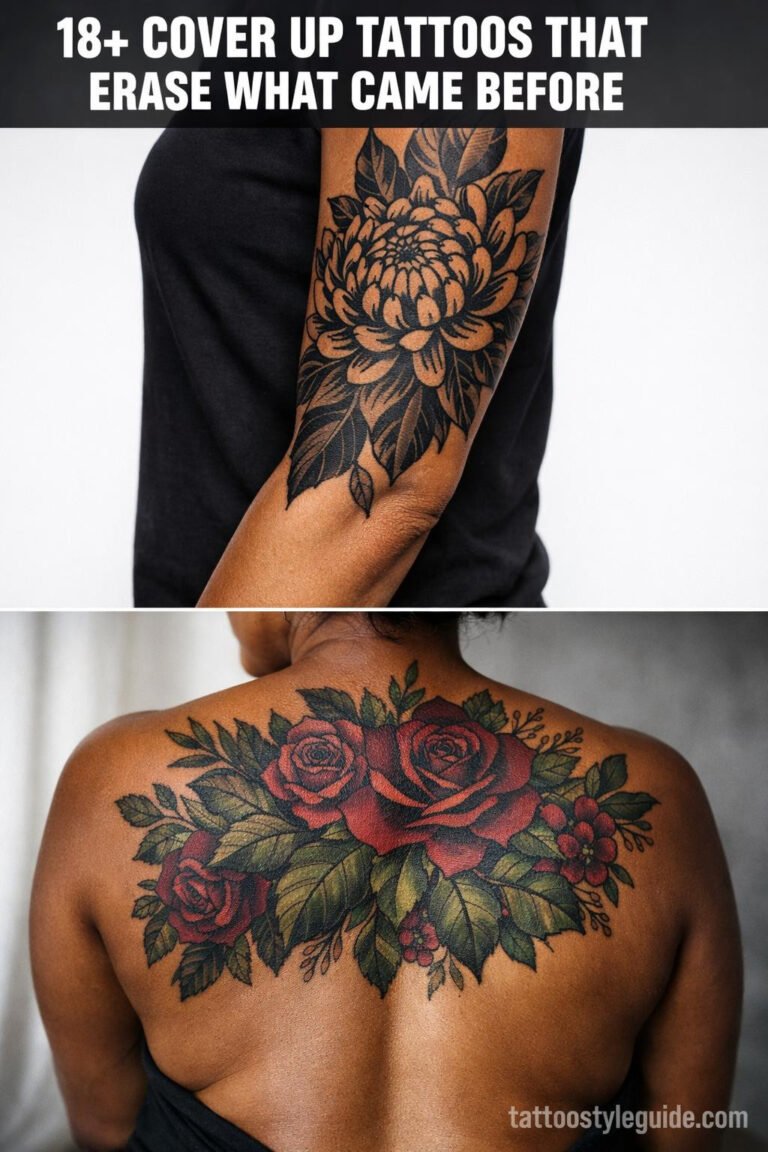
Sometimes removal isn’t the goal. Sometimes you just want that blurry “MOM” heart to stop embarrassing you. A skilled artist can work wonders, but there are realities.
Black ink covers black ink only if the new design is heavier, darker, larger. That tiny homemade cross? You’re looking at a palm-sized blackwork piece minimum. Colors over black? Generally no. The old ink will muddy anything light or bright.
- Let it fade first: Even a few laser sessions to lighten the old tattoo gives your cover-up artist way more options. This is called “R20” or fade-to-cover.
- Find the right artist: Not every tattooer does cover-ups well. Look for portfolios with healed results, not just fresh photos. Ask specifically about covering homemade tattoos.
- Be flexible on design: Your idea of a delicate watercolor butterfly might not be possible. Trust your artist’s redesign.
Cost runs similar to any custom piece, $150 to $500+ depending on size, location, artist’s rate. Good cover-up work takes longer, costs more, and hurts more than a clean skin tattoo. Worth it for the right result.
What to Expect: Timeline and Cost Reality
Let’s talk numbers without BS. Laser removal varies wildly by geography, machine type, and tattoo size.
Small homemade tattoo (under 2×2 inches): roughly $200-$400 per session. You might need 8-12 sessions. You’re looking at $1,600-$4,800 over 1-2 years. Larger pieces, multiple colors, deep scarring? Double that. Some places offer package deals. Some let you pay per session. Shop around, but don’t bargain hunt with your skin.
Healing between sessions matters. Blisters form, sometimes big ones. Don’t pop them. The skin looks worse before it looks better, frosting immediately after, then redness, then possible hyperpigmentation or hypopigmentation, especially on darker skin tones. This is why finding a laser technician with experience on your specific skin tone is crucial, not just convenient.
When to Just Leave It
Here’s something the removal industry won’t tell you: some homemade tattoos are fine. They mark a moment. They’re funny stories, or they remind you of who you were. I’ve got a crooked little dot from my first stick-and-poke attempt at seventeen. Never covered it. Never lasered it. It’s part of my timeline.
If the tattoo isn’t in a highly visible spot, isn’t causing professional problems, isn’t tied to trauma you need to release, maybe sit with it awhile. The urgency fades. Sometimes literally; homemade tattoos often lighten significantly on their own over 5-10 years as your immune system slowly processes that amateur ink.
Key Takeaways
There’s no magic eraser for homemade tattoos. Professional laser removal is the only path to actual removal, and it’s expensive, painful, and slow. Cover-ups work with the right artist and realistic expectations. Home remedies range from useless to actively harmful. The most important step is consulting with professionals, both a laser technician for honest assessment and potentially a tattoo artist if cover-up is your route. Don’t rush. Don’t DIY your undoing of a DIY tattoo. Your skin has already been through enough.
Related Tattoo Guides
- How to Remove a Tattoo at Home: What Actually Works
- How to Take Off a Tattoo at Home: What Actually Works
- How to Treat a New Tattoo: A Real-World Aftercare Guide
- Explore more
Frequently Asked Questions
Can I remove a homemade tattoo with salt and lemon juice like I saw online?
No, these home remedies are ineffective and dangerous. They can cause severe chemical burns, permanent scarring, and hyperpigmentation without actually removing the ink from your dermis.
How long should I wait before trying to remove a fresh stick and poke?
Wait at least six to eight weeks for the tattoo to fully heal before pursuing any removal method. Attempting removal on unhealed skin dramatically increases infection risk and permanent damage.
Is laser removal the only option that actually works for homemade tattoos?
Professional laser removal is the safest and most effective method, though complete removal typically requires multiple sessions over months. For very small homemade tattoos, surgical excision by a dermatologist may be an alternative option.
Will a homemade tattoo fade on its own if I just leave it alone?
Some fading occurs over many years due to sun exposure and natural skin turnover, but the ink remains permanently embedded in your dermis. Homemade tattoos often use irregular ink that may fade unevenly or blur, but they rarely disappear completely without intervention.