Most tattoos need somewhere between 6 and 12 sessions to fade significantly or disappear, spaced about 6 to 8 weeks apart. That’s the honest answer I give people who sit in my chair asking about cover-ups versus full removal. Some blowout-heavy blackwork clears faster. Dense color packing on a lower leg? You’re looking at the long end of that range, maybe beyond. I’ve watched clients celebrate at session four and I’ve seen others grind through fifteen. Your skin, your ink, your artist’s technique, and the laser tech’s skill all write the timeline together.
What Drives Your Session Count
There’s no universal calculator. After twelve years around machines and healed skin, I can usually ballpark someone’s journey by looking at a few specific factors. Here’s what actually matters.
Ink Color and Density
Black and dark blue absorb laser wavelengths easiest. They break down fastest. I’ve seen solid black tribal work fade dramatically in 5-6 sessions. Red holds stubborn. Green and teal? Those are the nightmare colors every removal tech curses under their breath about. Yellow and white often turn dark or gray before they lift, if they lift at all. Heavy saturation, think traditional Japanese backgrounds or solid color packing, means more sessions than wispy linework. The laser shatters ink particles; your lymphatic system carries them away. More ink, more trips.
Tattoo Age and Quality
Older tattoos have already faded from sun and body chemistry. That head start helps. Fresh, bold ink fights harder. Amateur work, kitchen mag specials, stick-and-pokes, often sits uneven and too shallow or too deep. Sometimes that’s actually easier to break. Professional work with proper needle depth and consistent saturation? Beautiful to wear, tougher to remove. I’ve tattooed over faded home jobs that cleared in four sessions. I’ve also watched pristine professional pieces need twelve-plus.
Where It Lives on Your Body
Blood flow is your friend in removal. Areas with strong circulation flush ink faster.
- Torso and chest: Generally respond well. Good vascular supply.
- Upper arms and shoulders: Moderate. I’ve seen decent results here, though dense bicep pieces can surprise you.
- Forearms and hands: Tricky. Thin skin, lots of movement, slower fading. Hand tattoos often need extra sessions.
- Lower legs and feet: The worst. Poor circulation, thicker skin. Ankle pieces are notorious for dragging out to 15+ sessions.
- Back: Mixed bag. Large surface, but some areas have sluggish blood flow.
I tell clients with lower leg pieces to mentally prepare for the marathon. Your body literally can’t clear the ink as efficiently there.
The Laser Technology Gap
Not all lasers are equal. This is where shop talk matters. Q-switched lasers were the standard for years. Picosecond lasers, PicoSure, PicoWay, shatter ink with shorter pulse durations. Faster shattering, less heat damage to surrounding skin, often fewer sessions. But they’re not magic. I’ve heard clients say “I heard picosecond removes anything in three sessions.” No. It helps. It doesn’t rewrite physics. The tech’s settings, their eye for reading skin response, their willingness to turn down the power rather than blast you, that matters as much as the machine name.
What Happens in a Session
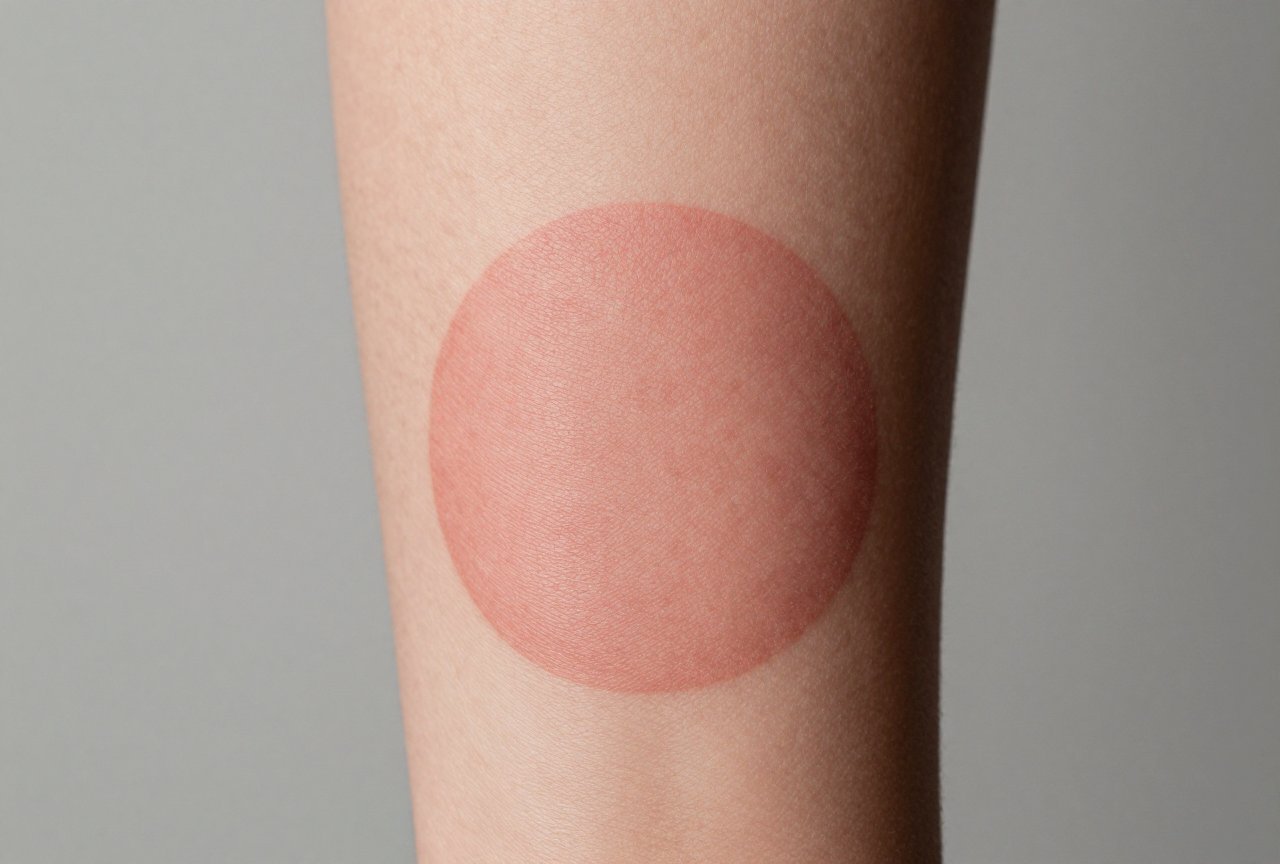
They’ll shave the area, maybe numb it depending on the clinic. The laser fires in quick pulses. Smells like burning hair and ozone. Feels like hot rubber bands snapping, or bacon grease, depending on who you ask. A palm-sized piece takes maybe 10-15 minutes of actual zapping. Then white frosting on the skin, ink particles releasing gas, looks freaky but normal. Redness, swelling, maybe blistering after. You go home with ointment and instructions.
Healing Between Sessions
This is where people sabotage themselves. Six to eight weeks minimum between sessions. Your skin needs to recover fully. The ink needs time to continue breaking down. I’ve had clients book session four after three weeks because they’re impatient. The tech should refuse. If they don’t, find a better tech. Rushing increases scarring risk and doesn’t speed anything.
Aftercare is straightforward but strict: keep it clean, don’t pick blisters, no sun exposure, no soaking. Sun is the enemy of removal. Freshly lasered skin hyperpigments easily. I see people show up tan for their next session and the tech has to turn them away or turn the laser down. Either way, you’re paying for a wasted appointment.
Blistering and Scabbing Reality
Blisters happen. Don’t panic. Don’t pop them. They protect the healing skin underneath. Scabs fall off when ready. Picking pulls ink deeper or scars the skin. I’ve had clients who picked and ended up with permanent texture changes that made their cover-up harder than the original removal would have been.
Pain, Cost, and Managing Expectations
Removal hurts more than getting tattooed. There’s no way around that. Getting tattooed is controlled, rhythmic, endorphin-producing. Removal is destructive by design. Numbing cream helps. Some clinics offer injection numbing. Most people white-knuckle through it knowing it’s temporary.
Cost runs roughly $200-$500 per session depending on size and market. Multiply by your session count. Full removal of a medium piece often totals $2,000-$5,000. More than the original tattoo, usually. Insurance doesn’t touch this. Some clinics offer package deals, buy eight, get two free. Worth asking about if you’re committed.
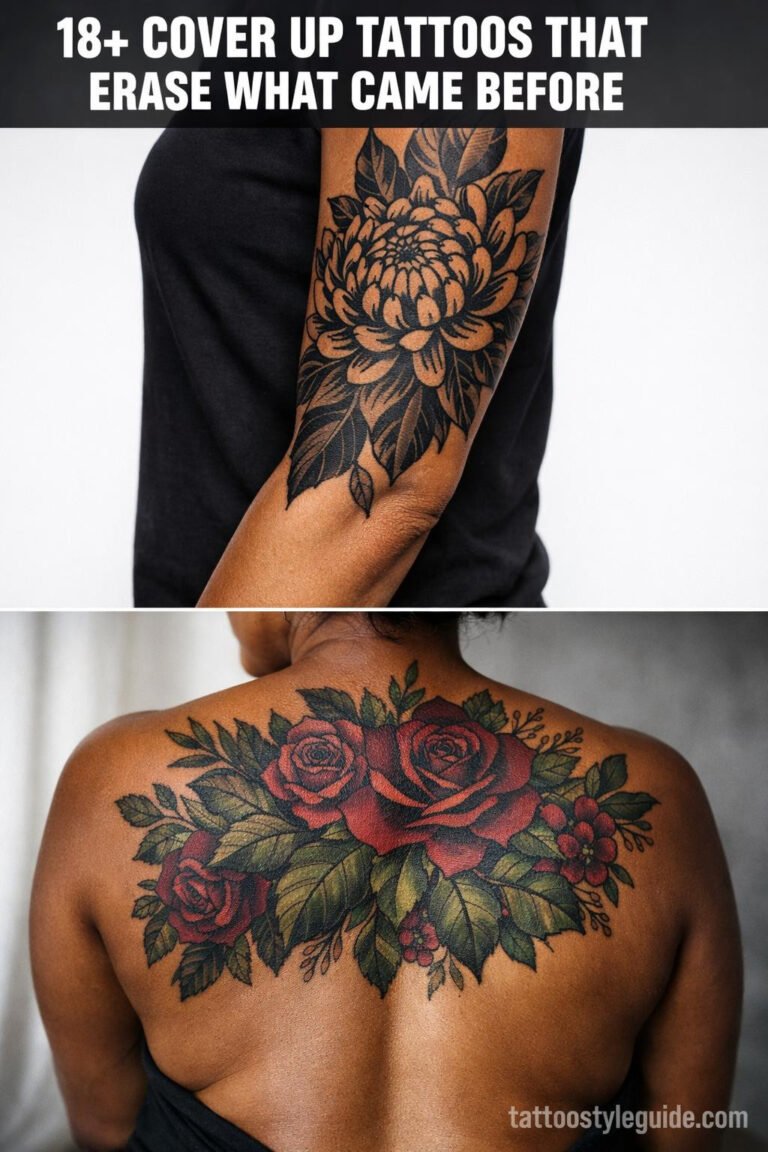
I always ask clients: are you removing for a cover-up or for clean skin? Cover-ups need less fading, sometimes 3-5 sessions opens enough space for me to work. Clean skin demands more. Be honest with your goals so you’re not paying for sessions you don’t need.
When Removal Doesn’t Work
Some tattoos don’t fully disappear. White ink turns dark. Cosmetic tattoos (lip liner, eyebrows) can paradoxically darken. Yellow and fluorescent greens may never fully lift. Scarring from the original tattoo or previous removal attempts limits what lasers can safely do. A good tech will tell you this upfront. If someone guarantees complete removal in a set number, they’re selling, not informing.
Skin type affects outcomes too. Darker skin carries higher risk of hypopigmentation, light spots where pigment is lost. Experienced techs use longer wavelengths and conservative settings. It takes longer, but preserves your skin’s integrity.
Key Takeaways
- Plan for 6-12 sessions, spaced 6-8 weeks apart. That’s roughly a year to two years of commitment.
- Black and blue fade fastest. Green, teal, and yellow fight hardest.
- Lower legs and feet heal slowest. Torso and upper arms move quicker.
- Picosecond lasers help but aren’t miracle machines. Tech skill matters enormously.
- Don’t rush sessions. Healing time is working time.
- Cover-ups need less removal than clean skin. Define your goal early.
- Budget realistically: removal often costs more than the original tattoo.
- Some tattoos won’t fully disappear. Honest assessment beats false promises.
I’ve sent dozens of clients to removal over the years. Some come back for cover-ups on faded ghosts. Others just want the chapter closed. Either way, knowing what you’re walking into, session count, timeline, pain, cost, lets you make the choice with eyes open. The laser doesn’t care about your deadline. Your skin does the actual work, and skin takes time.
Frequently Asked Questions
Can I get a cover-up after just 2-3 removal sessions?
Often yes, depending on the original tattoo’s density and your new design. Many tattoo artists can work over significantly faded ink, especially if the new piece uses darker colors or strategic placement. Ask your tattoo artist to consult with the removal tech on timing.
Why does my tattoo look worse before it looks better?
The laser breaks ink into smaller particles that your body then flushes. Some ink may rise to the surface temporarily, and colors like white or yellow can darken initially before fading. This is normal and usually resolves between sessions.
Will laser removal leave a scar if I follow aftercare perfectly?
Proper aftercare dramatically reduces scarring risk, but no removal is zero-risk. Blistering and scabbing are common; actual scarring usually comes from infection, picking, or overly aggressive laser settings. Choose an experienced tech and keep your hands off.
Can I tan or swim between removal sessions?
No tanning, freshly lasered skin burns and hyperpigments easily. Swimming pools, hot tubs, and soaking baths should wait until skin is fully healed, usually 2-3 weeks, to avoid infection and irritation. Showers are fine; keep it gentle.
Related Tattoo Guides
- Small Tattoo Prices: What You ll Actually Pay in 2024
- When Is a Tattoo Fully Healed? A Real Timeline
- How to Draw a Cheshire Cat Tattoo: Artist s Guide
- Explore more