Tattooing isn’t magic, and it’s not as mysterious as the internet makes it seem. If you’re new to this, you want to know what actually happens when you walk into a shop, how to not look lost, and how to walk out with something you’ll still love at fifty. I’ve tattooed for over a decade, and I still remember how intimidating my first shop felt. This guide breaks down the real process, no fluff, no gatekeeping, so you know what to expect and how to get a tattoo that ages well.
Before You Book: What First-Timers Actually Need to Know
Finding the Right Artist, Not Just the Right Shop
Shops have reputations, but your tattoo is one person’s hands for hours. Scroll Instagram or walk in with printouts of work you love. I tell clients to look at healed photos, not fresh ones, red, swollen skin hides a lot of sins. A bold traditional rose that looks crisp after three years? That’s the artist you want. Something photorealistic that blurs into a gray smudge? Pass.
Walk into shops. Feel the vibe. Are people actually working, or is everyone staring at their phones? Good shops hum with activity, needles buzzing, artists sketching, the smell of green soap and ointment. Ask about the artist’s specialty. Someone who crushes black-and-gray portraits might struggle with bright watercolor. No shame in that. We all have lanes.
- Check portfolios for healed work, not just fresh tattoos
- Ask how long they’ve been tattooing their current style
- Book consultations, good artists want to talk before they stencil
- Red flag: artists who rush you or dismiss your questions
Design Reality: What Works on Skin
Your Pinterest tattoo probably has details that won’t survive. Skin is living, stretching, shedding material, not paper. Lines spread. Colors fade differently. I’ve had clients bring in tiny script they want behind their ear, and I have to explain that those hair-thin letters will blob together in two years. It sucks to hear, but it sucks more to live with.
Bold holds. Simple ages better than busy. Black lasts longer than pastels. A palm-sized design with strong outlines and limited color? That’ll look good in a decade. Something the size of a quarter with twelve shades and no black? Fading city.
Day Of: Walking Into the Shop
What to Bring and How to Prep
Eat a real meal. Not a granola bar, a sandwich, some protein, something that sits in your stomach. I’ve had clients pass out on hour two because they were nervous and skipped breakfast. Bring water. Bring a phone charger or a book. Don’t bring three friends. Most shops have limited space, and your artist needs to move around you.
Wear clothes that give access to the spot. Getting your thigh done? Shorts or underwear you don’t mind adjusting. Ribs? A shirt you can lift or remove easily. We see people in complicated outfits and it’s just awkward for everyone.
- Eat within two hours of your appointment
- Avoid alcohol for 24 hours, it thins blood and makes you bleed more
- Moisturize the area for a few days prior (dry skin tattoos poorly)
- Shower beforehand, this is close work, and we appreciate it
The Stencil and Placement Check
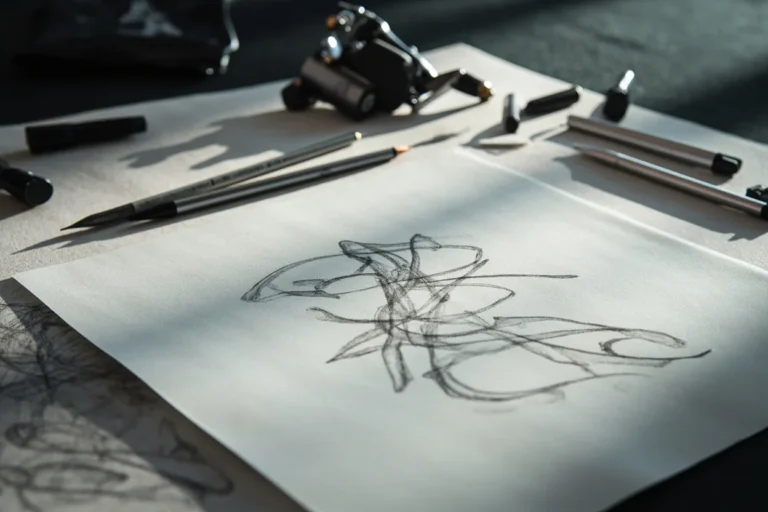
Your artist will print or draw a stencil, apply it with transfer gel, and have you look in the mirror. This is your moment. Speak up. I’ve had clients say “it’s fine” when the angle’s slightly off, then regret it for years. We can move it. We can resize. We can flip it. Better five minutes of adjustment than a lifetime of “if only.”
Check it standing, sitting, and with your arm or leg in different positions. A bicep tattoo looks different flexed versus relaxed. A hip piece shifts when you sit. In my chair, I make clients move around before we start. It’s normal. It’s smart.
The Tattoo Process: What It Actually Feels Like
Pain is personal, but there are truths. Bone hurts more than muscle. Thin skin hurts more than thick. The ribs, feet, hands, and inner bicep are spicy. The outer arm, thigh, and calf are manageable. Most of my first-timers are surprised, it’s not the screaming agony movies suggest. It’s a hot, scratchy vibration that becomes dull and rhythmic after twenty minutes.
Endorphins kick in. Adrenaline too. Around hour two, you might hit a wall. That’s normal. Ask for a break. We prefer short, frequent pauses to one long stop where you swell up and we lose our groove. Bring candy or juice, sugar helps when you crash.
Line work and shading feel different. Outlines are sharper, more pinpoint. Shading and color packing are broader, more like a cat scratch repeated. Some people prefer one to the other. I had a client who nearly fell asleep during black fill on her back, then the white highlights made her grip the armrest.
Aftercare: The Part That Actually Matters
First 48 Hours
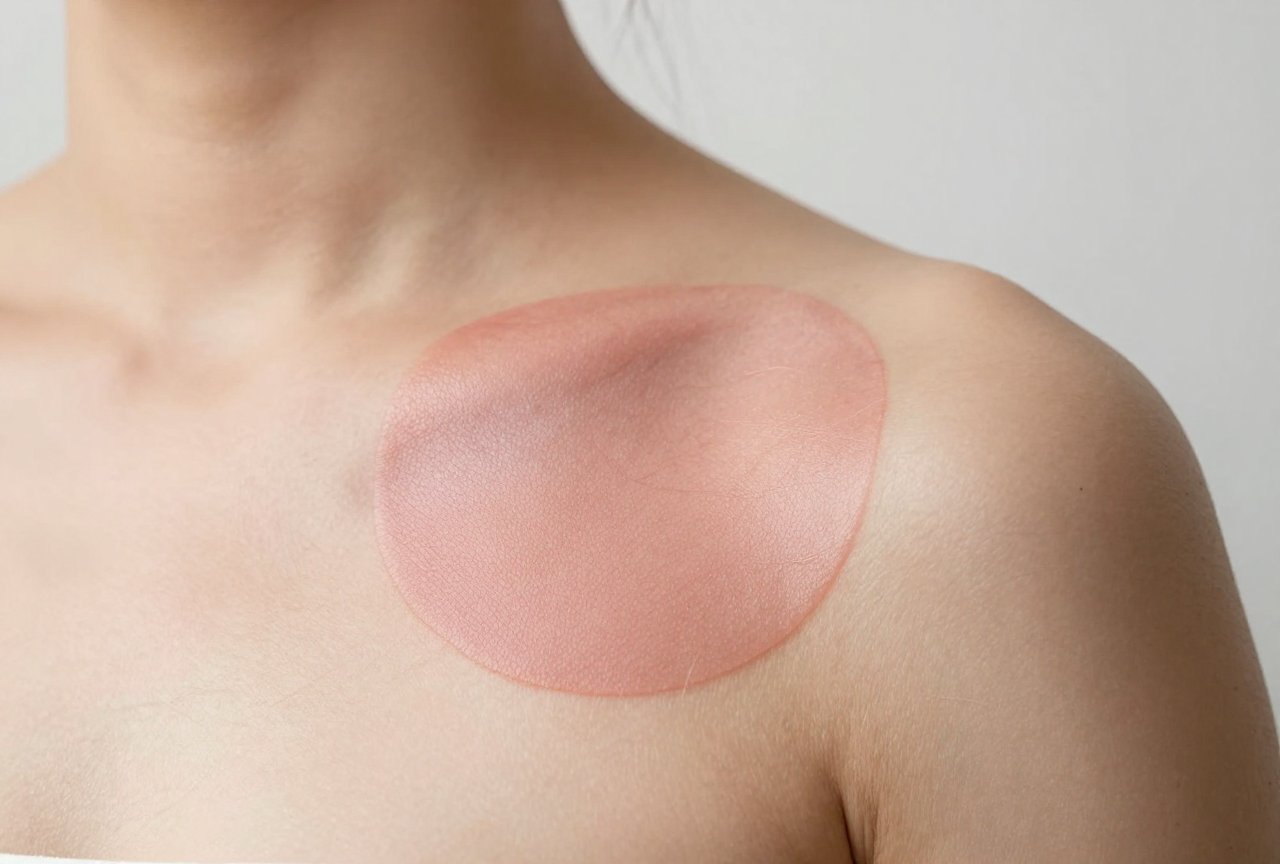
Your artist will bandage you. Leave it on as long as they say, usually two to six hours, sometimes overnight with a second-skin wrap. Wash with unscented soap and lukewarm water. Pat dry with paper towels, not your bacteria-harboring bath towel. Apply a thin layer of recommended ointment. Thin. I can’t stress this enough. I’ve seen more tattoos ruined by over-moisturizing than under-moisturizing. A shiny tattoo is a suffocating tattoo.
Days 3-14: The Gross Middle
It’ll itch. It’ll flake. It’ll look like it’s falling apart. That’s normal. Don’t pick. Don’t scratch. I’ve watched clients undo perfect line work because they couldn’t stop peeling scabs. Let the dead skin shed naturally. Switch from ointment to unscented lotion around day four. Keep it clean, keep it lightly moisturized, keep it out of direct sun and soaking water, no pools, no hot tubs, no long baths where it submerges.
- Wash 2-3 times daily with gentle, fragrance-free soap
- Apply lotion whenever it feels tight or itchy
- Sleep on clean sheets, especially the first week
- Wear loose clothing over the area
What It Costs and How to Tip
Good tattoos aren’t cheap. Cheap tattoos aren’t good. In most US cities, minimums run $80-150 for something tiny. Hourly rates for experienced artists range $150-300+, with specialists charging more. A solid palm-sized piece might be $400-800. Half sleeves start around $1,500 and climb fast. We price for our time, our overhead, our years of practice, and the permanent nature of what we’re doing.
Tipping is standard. Twenty percent is appreciated. Cash is king. I’ve had clients tip nothing and clients tip fifty percent because they loved the experience. It balances out, but if you can afford to, show respect for the work. We remember.
Key Takeaways
Research artists, not just shops. Bold and simple ages better than intricate and tiny. Eat before you go, speak up during stencil placement, and expect manageable pain that shifts throughout the session. Aftercare is where tattoos live or die, thin ointment, no picking, keep it clean. Budget realistically and tip your artist. Most importantly, don’t rush. The tattoo you wait six months for from the right person beats the walk-in you got because you were impatient. I’ve covered thousands of bad decisions with bigger, more expensive pieces. Start smart, and you’ll wear something you’re proud to explain.
Frequently Asked Questions
How do I know if a tattoo artist is actually good and not just Instagram-famous?
Look for healed photos in their portfolio, not just fresh, swollen work. Ask how long they’ve been tattooing their current style specifically. A good artist will explain their process and show you examples of how their work ages. Fame doesn’t equal technical skill, plenty of incredible artists have small followings because they’re too busy tattooing to post daily.
Can I bring my own design, or do I have to pick from flash?
Most artists prefer custom work now, but bring reference images, not a finished piece you want copied exactly. We can draw something original that fits your body and will age well. Flash, pre-drawn designs on the wall, is still common in traditional shops and totally valid if you find something you love.
Why does my artist refuse to do the tattoo I want?
Usually because it won’t heal well or look good long-term. Tiny finger tattoos, white ink only, and super detailed micro-work often fall out or blur. A refusal is professional honesty, not gatekeeping. Good artists will suggest alternatives that capture what you want while actually working on skin.
How long before I can work out or go to the beach after getting tattooed?
Skip the gym for 2-3 days minimum, sweat and gym bacteria are rough on fresh work. Avoid swimming, hot tubs, and soaking for 2-3 weeks. Light showers are fine. I’ve seen clients get infections from pools in week one, and it ruins the tattoo and their health. Patience pays here.
Related Tattoo Guides
- How to Transfer a Tattoo Stencil to Skin: A Pro Guide
- Treating a Tattoo Infection at Home: A Realistic Guide
- Is Laser Tattoo Removal Dangerous? A Real Tattoo Artist s Guide
- Explore more