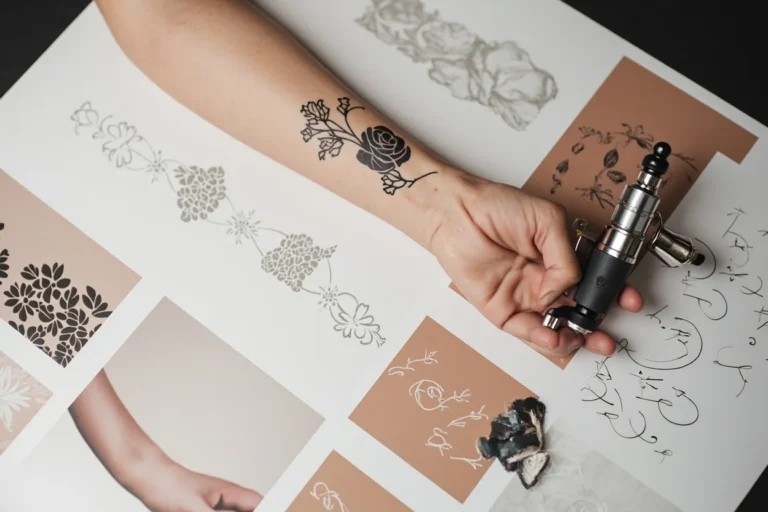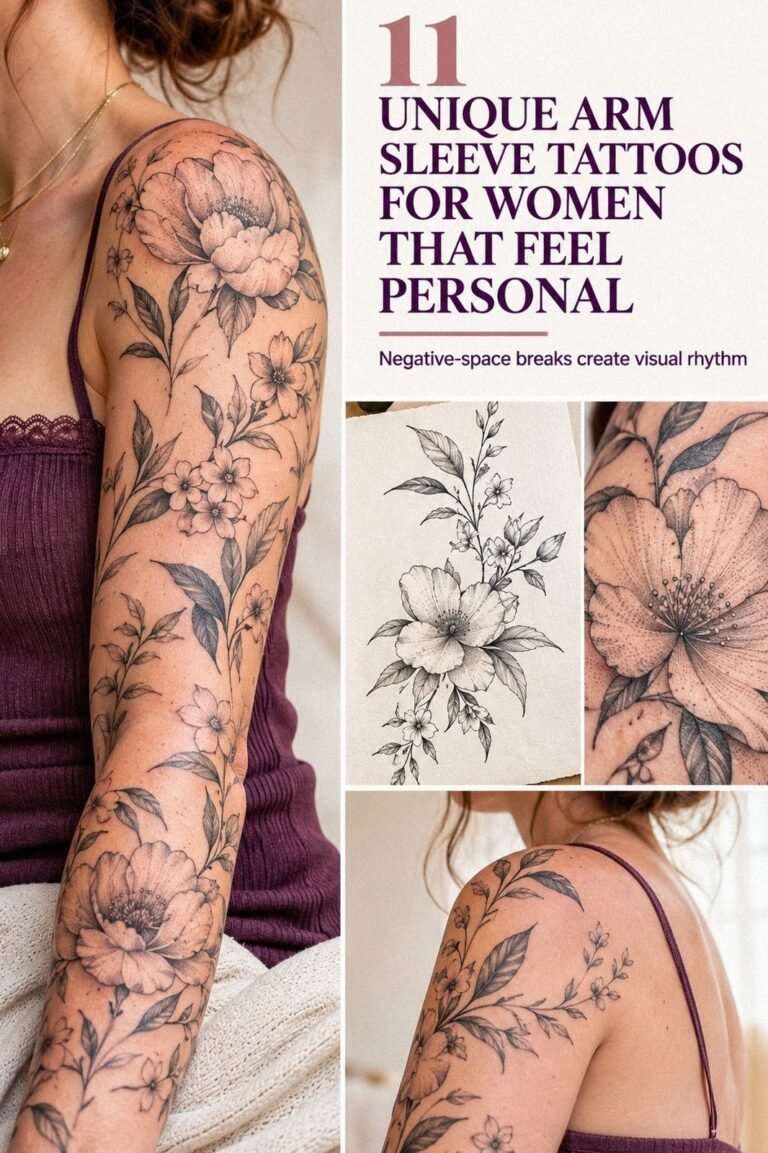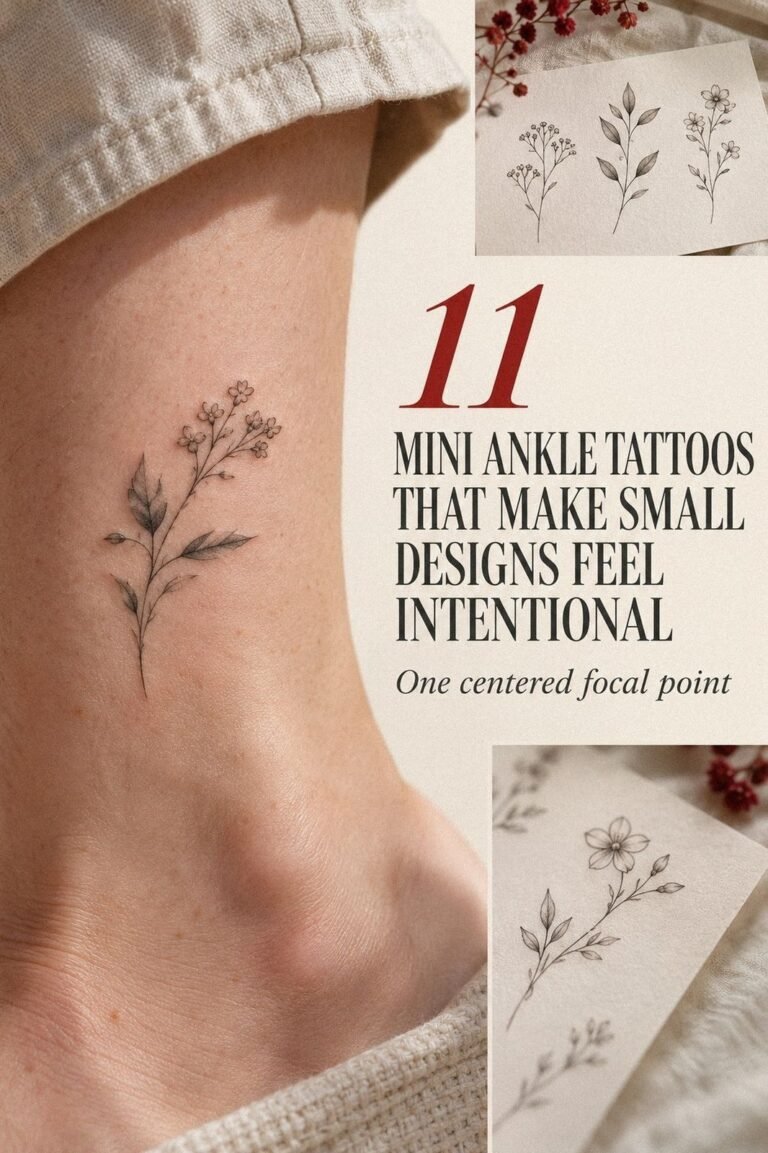

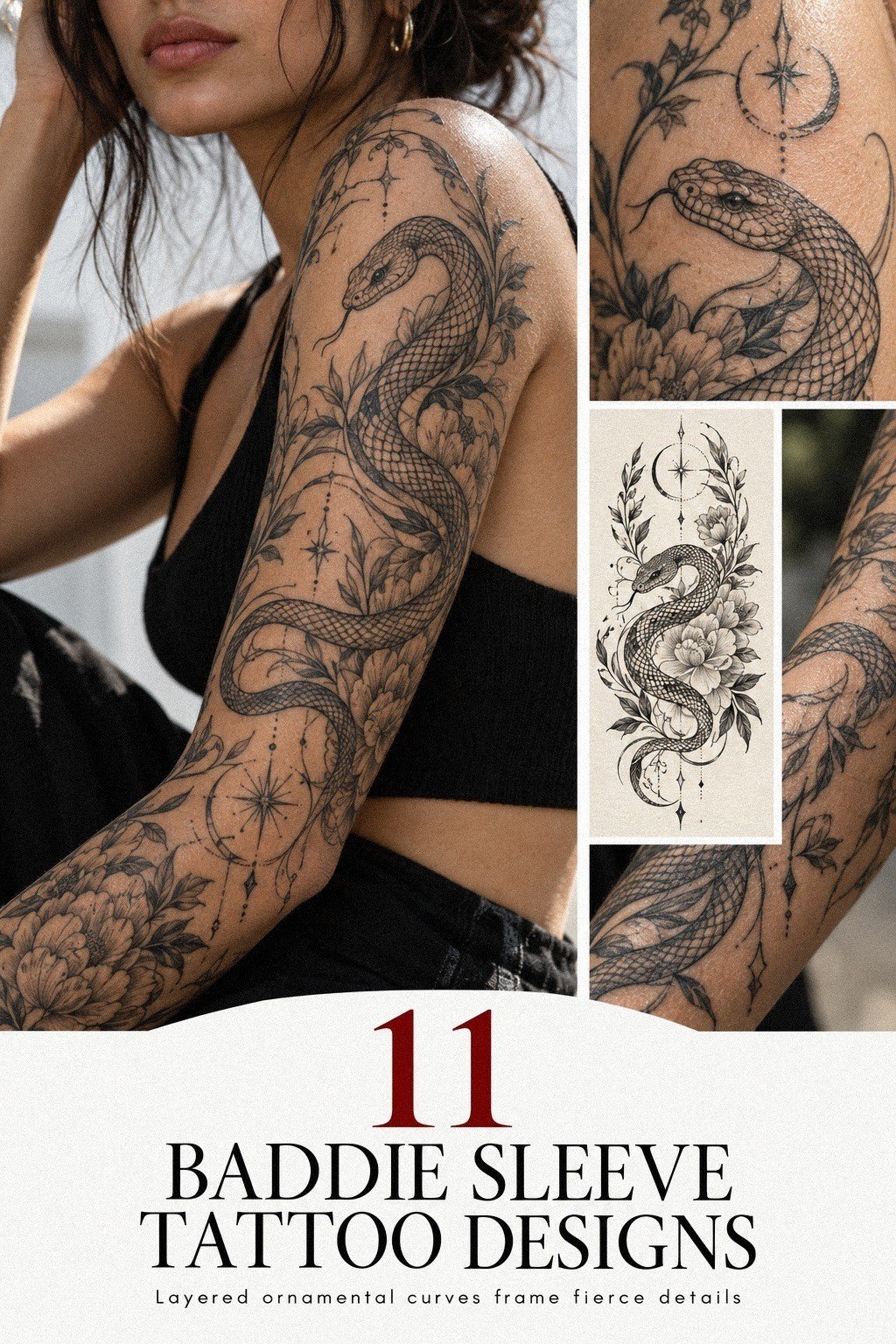
Baddie Sleeve Tattoo layouts can stay crisp healed designs at work when you plan placement before collecting motifs. I once chose a pretty design with no breathing space, and the sleeve became muddy fast. Now I use negative space, varied scale, and coverable zones first. The result feels sleek, personal, and easy to hide under a long sleeve.
Don’t overthink: Let a Delicate Baddie Sleeve Breathe.
My one rule is simple: choose the cover strategy before choosing the final motif. A cover-first placement plan keeps your sleeve intentional, wearable, and easy to adjust!
- Baddie Sleeve Tattoo With Fierce Snake Linework
- Let a Delicate Baddie Sleeve Breathe
- Adapt Back Tattoo Motifs for the Arm
- Cute Baddie Sleeve Tattoo With Playful Charms
- Frame Bold Gothic Florals With Open Skin
- Keep Minimal Baddie Tattoos Symbolic
- Build Sharp Geometry Around the Arm
- Feminine Baddie Sleeve Tattoo With Graceful Butterflies
- Can Powerful Script Share a Baddie Sleeve?
- Sage Green Versus Warm Cream Contrast
- Personal Baddie Sleeve Tattoo With Meaningful Details
1Baddie Sleeve Tattoo With Fierce Snake Linework

A slim snake creates an intricate serpent path around the forearm without filling every inch. For Baddie Tats, keep the serpent narrow, with the head near the wrist and the body curling toward the elbow. That route gives you movement while leaving enough skin visible for an understated finish.
You’ll get a stronger sleeve if the coil follows your arm instead of fighting its natural shape.
Ask for fine-line terracotta-and-olive ink with a consistent needle grouping and restrained shading. A tiny eye, pointed tongue, and a few scales can make the design feel edgy without turning it into a heavy band. I’d skip packed scales across the whole snake, because they blur sooner and are harder to conceal beneath a work shirt.
Your artist can leave a two-finger-width gap between the snake and nearby motifs. That space matters when you’re building Baddie Forearm Tattoos that still read clearly from a distance. You’ll also want the head placed where a cuff or long sleeve can cover it quickly.
– Slim serpent curve. – Small pointed head. – Clean negative space. – One blackwork anchor near the elbow.
See sticker sleeve tattoo ideas if you want to compare this flowing layout with separated motifs. The snake remains my favorite starting point because it looks powerful without demanding a full blackout sleeve.
2Let a Delicate Baddie Sleeve Breathe

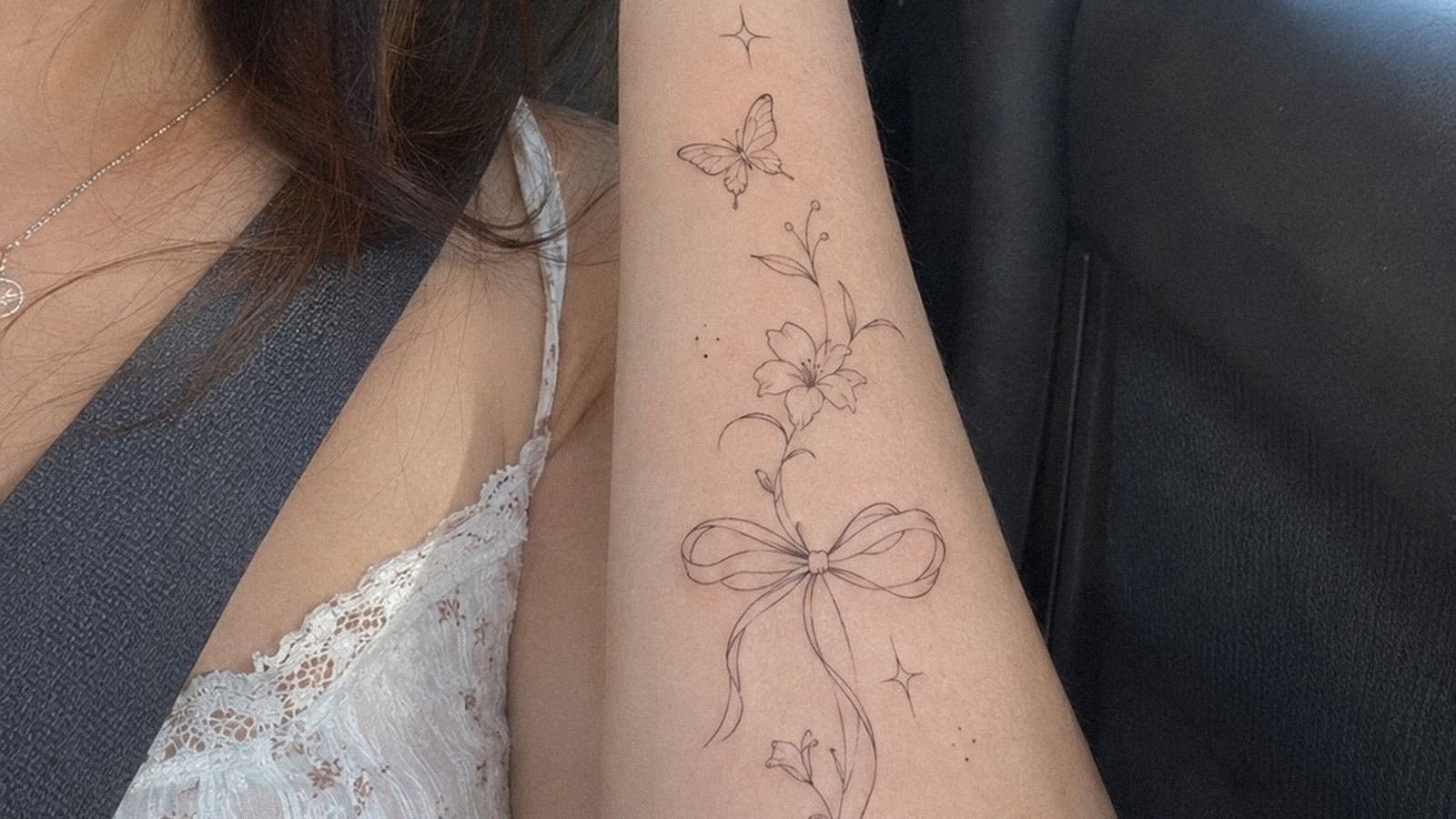
This layout suits someone who wants a delicate sleeve structure with enough organization to feel intentional. Use a few small motifs rather than forcing every saved idea into one appointment.
A crescent, tiny bow, star, or initial can create a graceful rhythm along the outer forearm. Keep the marks dainty but readable, and leave clear skin spacing around each one. That spacing makes the arrangement easier to cover and keeps the design from looking crowded after healing.
A coverable charm arrangement gives you room to add another motif later without weakening the original idea. The result feels personal, stylish, and easy to conceal.
3Adapt Back Tattoo Motifs for the Arm

Back tattoo motifs can shrink beautifully for an arm sleeve when you preserve their main silhouette. Think sweeping wings, a centered moon, a large flower, or an ornamental feminine face. Your Baddie Back Tattoos reference should feel adapted, not copied at a smaller size, because tiny details can collapse when the original design was meant for broad skin.
Start with ornamental plum-and-grey ink around one central image, then let smaller marks travel toward the wrist. A symmetrical moth or sternum-style emblem can become the upper anchor, while two curved elements follow the forearm. That creates a graceful flow and keeps the sleeve readable when your arm is resting at your side.
I’d avoid squeezing an entire back composition onto one arm. It sounds dramatic, but the result often loses the open skin areas that made the original design work. Your artist can simplify the border, enlarge the central symbol, and reserve the smallest details for zones that won’t bend constantly.
A healed plum-and-grey ink reference is useful here, especially if you’re borrowing a high-contrast design. You’ll want crisp edges after the skin settles, not a fresh example that hides spread. Browse patchwork tattoo sleeve ideas for ways to break a large motif into smaller, coverable pieces.
The best version feels iconic while still belonging to your arm.
4Cute Baddie Sleeve Tattoo With Playful Charms

Cute Baddie Tattoos can look playful without becoming childish when the charms share one visual language. Pick a theme, such as tiny hearts, bows, flames, or stars, and repeat one line weight throughout the arrangement.
A whimsical charm near the wrist can be paired with a slightly larger symbol above the elbow. Keep the details crisp and the generous spacing so the sleeve stays stylish rather than visually noisy. This approach feels personal, dainty, and easy to conceal.
5Frame Bold Gothic Florals With Open Skin

Gothic florals give a sleeve a bold, dramatic center without requiring full coverage.
6Keep Minimal Baddie Tattoos Symbolic

Minimal Baddie Tattoos look strongest when every icon has a reason to exist. Pick three to five symbols such as a key, moon, eye, flame, or initial. Your sleeve becomes meaningful when the marks connect through your story, even if nobody else understands the reference.
Ask for thin forest-green linework with rust accents and enough weight to remain readable after healing. Very fine lines can soften, so your artist may strengthen the outer edge while keeping the interior airy. That balance creates an elegant, subtle finish that works well on deep ebony skin, warm brown skin, or any tone when the contrast is planned correctly.
I’d skip placing every symbol in a straight vertical row. A slight diagonal movement looks more natural and gives you better cover options beneath a sleeve. You’ll also want to leave clear skin around each icon, because cramped minimal work can lose its quiet character faster than a larger design.
– Small crescent. – Open eye. – Personal initial. – One solid forest-green symbol. – Two inches of visible skin between clusters.
Before booking, read the sleeve tattoo cost guide so you understand how a custom layout may be priced. Your design doesn’t need to be ornate to feel sacred or personal. In fact, restraint often makes the meaning hit harder.
7Build Sharp Geometry Around the Arm

Sharp geometry gives Baddie Tattoos Shoulder and forearm layouts a precise backbone. Start with one triangle, diamond, or angular border, then place organic details inside it. Your artist can build a sleeve that feels modern without filling your entire arm in solid ink.
Use charcoal geometry with dusty-rose accents, measured line weight, and deliberate negative space. A triangle around an eye, a diamond behind a moth, or intersecting arcs near the elbow can make the design feel crisp while remaining easy to conceal. I’d skip random abstract marks, because geometry only works when the angles repeat with purpose.
The arm’s movement matters here. You’ll want the strongest shape aligned with the forearm when your hand hangs naturally, not when you twist your wrist for the stencil placement. A good artist will check the design standing, seated, and with your elbow bent.
Keep it deliberate!
Keep the wrist section lighter and reserve the darkest geometric shape for the upper forearm. This makes the sleeve easier to cover and gives your eye a clear stopping point.
See leg sleeve tattoo ideas for another example of how repeated geometry can guide a larger composition. The finished layout feels polished when every angle has a job.
8Feminine Baddie Sleeve Tattoo With Graceful Butterflies

Butterflies can look romantic and ethereal when their wings vary slightly instead of repeating like stickers.
A graceful butterfly rhythm works best when one butterfly is dominant and the others remain smaller. Keep the details clear, the placement flowing, and the surrounding skin open enough for each wing to stay readable.
A coverable butterfly arrangement can move from the upper forearm toward the elbow without overwhelming the wrist. The result feels feminine, expressive, and easy to adapt later.
9Can Powerful Script Share a Baddie Sleeve?

Script can make a sleeve deeply expressive, but the lettering needs room to breathe. Choose a short phrase, handwritten initial, or single meaningful word instead of squeezing a full paragraph into a narrow area.
Ask for legible script lettering with enough spacing between characters. The phrase should follow the arm’s natural direction, and the artist should show how it looks with your elbow bent. A romantic script can sit beside a gritty moth or sharp border when one visual detail connects them.
I’d place the lettering on the upper forearm or outer arm if easy coverage matters. Keep the wrist area lighter, and avoid placing delicate text directly across a crease. The result can feel empowering, timeless, and personal without becoming the only thing people notice.
10Sage Green Versus Warm Cream Contrast

Color contrast can make Baddie Tats feel vibrant without turning the whole sleeve into a saturated block. Pick sage-green ink as the main color, then keep the surrounding linework restrained and dark. Your artist can use warm cream-inspired highlights in a flower center, butterfly wing, or small flame while preserving a sharp overall structure.
Ask to see healed color work on skin similar to yours. Color can shift subtly as it settles, and certain tones may need more careful sun protection. I’d skip using several bright colors in equal amounts, because the eye loses a clear focal point and the design becomes harder to cover visually.
A split concept can help you compare a sage-and-neutral version with a mostly monochrome version before your appointment. You’ll see whether the color adds meaning or only adds noise. For work, place the brightest detail on the outer forearm or upper arm, where a long sleeve can hide it quickly.
Use neo-traditional color packing only where the design can support it. A single sage flower with dark leaves may feel more iconic than a rainbow of small symbols.
Check the flower sleeve tattoo guide if the amount of color may change your session plan. Your color choice should serve the motif, not compete with it.
11Personal Baddie Sleeve Tattoo With Meaningful Details

A personal sleeve often begins with one detail nobody else could choose for you. It might be a birth flower, a handwritten initial, a constellation, or a symbol connected to someone you love. Your Baddie Tattoos Shoulder layout becomes more meaningful when the references feel specific rather than pulled from a trend list.
Build the design around one custom terracotta-and-olive motif, then add supporting marks with different sizes. A small date can sit near the wrist, a flower can follow the forearm, and a larger emblem can rest above the elbow. That scale shift keeps the sleeve balanced while giving each element a clear role.
I’d write down what each symbol means before your consultation. You don’t need to show the list to anyone, but it’ll help you remove details that only looked appealing for five minutes. And if your idea still matters after a few weeks, it’s more likely to feel timeless on your skin.
Typical tattoo healing is about 2 to 3 weeks at the surface, while complete healing can take roughly 2 to 3 months. During that period, gentle washing, light moisturizing, and avoiding sun and swimming matter. This table gives useful US planning ranges:
For placement and timing comparisons, see how long sleeve tattoo takes and half sleeve tattoo ideas. Your artist, region, design size, and session length can change the final cost, so treat the table as a planning range rather than a promise.
Cover the Sleeve Before Booking
Start by identifying the parts of your arm that must disappear beneath work clothing. The wrist and hand are usually harder to conceal, while the upper arm gives you more flexibility. That makes a cover-first sleeve map useful before you choose your first motif.
Place the most personal or darkest element where coverage is easiest. Keep smaller accents near areas that may occasionally show, especially if you need a conservative option during meetings or customer-facing shifts.
Your plan doesn’t have to limit the sleeve. It gives the composition a practical placement order. First choose the coverable anchor, then build the lighter pieces around it.
What Should Stay Visible at Work?
If some ink can show, decide which marks you’d be comfortable revealing. A tiny star or clean geometric line may feel less noticeable than script, a face, or a large saturated flower.
I’d keep visible-work details simple and easy to explain. You don’t need to hide the personality of your sleeve; you only need to control which part appears first.
A cuff, fitted long sleeve, or lightweight overshirt can change how much skin is visible throughout the day. Test your usual work clothing before booking so the sleeve coverage matches your real movements.
Fine-Line Versus Blackwork
Fine-line tattoos can look delicate and elegant, but they need sufficient spacing and aftercare. Blackwork creates stronger contrast and may remain more legible from a distance, though large solid areas can make a sleeve feel heavier.
The best choice depends on your motif, skin, placement, and artist. A healed linework portfolio tells you more than a fresh tattoo example, especially when you’re comparing tiny details.
You can also combine both approaches. Use fine lines for symbols and botanical marks, then reserve selective blackwork for one focal point. That contrast keeps the sleeve visually expressive without making every section compete.
Test the Sleeve in Three Positions
I like to test the layout in three positions: arm relaxed, elbow bent, and hand turned outward. A tattoo that looks perfect in one stencil position can tilt or compress during ordinary movement.
Ask your artist to check three-position placement before the session begins. It takes a few extra minutes and can prevent a beautiful motif from looking permanently off-center.
Run a work-sleeve coverage check with your usual clothing before booking. If the focal design disappears completely, move it slightly higher. If too much shows, reserve that area for a lighter supporting mark.
Feminine and Gothic Motifs Together
Absolutely! A soft butterfly, a thorned rose, and a sharp ornamental border can share one sleeve when they repeat a line weight, border, or limited color choice.
Use shared motif details to connect the styles. Maybe every piece has one pointed edge, one open center, or one small red accent. That repeated cue makes the collection feel intentional.
I’d avoid giving every symbol the same emotional tone. A romantic butterfly can sit beside a gritty moth or fierce serpent. The tension is what makes the sleeve feel personal.
For more mixed-placement references, compare full sleeve tattoo ideas with patchwork sleeve tattoos. Keep the strongest contrast away from the wrist if easy coverage is your priority.
Protect a Bold Idea With Negative Space
Negative space isn’t unfinished skin. It separates motifs, protects small details, and gives the eye a place to pause. Without it, even a meaningful sleeve can become difficult to read.
A negative-space border around a flower or symbol can make the central mark feel more iconic. It also gives you flexibility if you decide to add another piece later.
I’d rather see three well-spaced tattoos than ten crowded ones. More ink doesn’t automatically create a stronger composition, especially when your sleeve needs to remain coverable.
Choose the Focal Motif First
Pick the one image you’d still want if you could only keep a single tattoo. That’s your focal motif. Everything else should support it, echo it, or give it enough contrast to stand out.
A single focal image might be a snake, flower, moth, butterfly, or phrase. Choose based on personal meaning and arm flow, not only on what looks striking online.
Once you have that anchor, vary the scale of the surrounding pieces. One medium symbol, two small accents, and several open areas can create a more stylish result than a dozen equally sized motifs.
The Three-Anchor Rule That Makes a Sleeve Feel Personal
I used to think a sleeve needed more motifs to feel complete. That was my mistake.
The strongest layouts I’ve seen usually have three anchors: one dominant image, one repeated visual detail, and one area of open skin that lets the whole composition breathe. For you, that could mean a snake, curved lines repeated in smaller charms, and a clean strip near the wrist.
The first anchor should carry the emotional weight. A snake, gothic flower, or meaningful script can do that job, but you shouldn’t ask every element to shout.
Your second anchor creates rhythm through repetition. Maybe each butterfly has one dark wing edge, or each geometric border uses the same sharp corner.
The open area is where many people get nervous. I get it.
When you’ve paid for a session, untouched skin can look like unfinished work in the stencil stage. Give it time, though.
Negative space protects fine lines from crowding, makes future additions easier, and gives you a cover point when work requires a long sleeve.
I’d also choose placement based on your actual week. If you work in a setting where visible ink needs covering, keep the wrist and hand clear, then concentrate the design on the forearm and upper arm. Your sleeve should fit your life, not only your saved ideas.
That’s the personal decision that makes every other choice easier.
A Few Things Worth Answering
How much does a Baddie Sleeve Tattoo usually cost?
A Baddie Sleeve Tattoo often falls around $100 to $300 for a smaller piece, while a larger sleeve can cost much more. A shop may set a minimum of about $50 to $100, and hourly rates often sit around $100 to $250.
Your artist, region, design density, and session length will affect the quote. Bring your reference images, placement plan, and desired size so you can receive a useful estimate.
Is a Baddie Sleeve Tattoo a good idea for a first tattoo?
Yes, absolutely! A manageable forearm or upper-arm layout can be a practical starting point. Clear linework and more tolerable placements may make the first experience less intimidating.
You don’t need to book a full sleeve immediately. A single meaningful motif gives you time to learn your aftercare routine and decide whether you want more pieces later.
How do I choose a tattoo artist for Baddie Sleeve Tattoo?
Choose an artist whose portfolio shows clean linework, healed tattoos, and the exact style you want. Healed portfolio examples reveal aging and line spread better than fresh work.
Check studio hygiene, consultation quality, and placement experience too. You’ll want someone who explains scale, skin movement, and aftercare without rushing your decision.
How much do Baddie Sleeve Tattoo hurt?
Pain varies by placement, but forearm, thigh, and shoulder areas are often more tolerable than ribs, feet, hands, or sternum. Placement choice can matter as much as the design.
Your session length, sensitivity, sleep, and stress can change the experience. Ask for breaks when you need them, especially during a longer appointment.
How long does a Baddie Sleeve Tattoo take to heal?
The surface usually heals in about 2 to 3 weeks, while complete healing can take roughly 2 to 3 months. Gentle aftercare supports a cleaner result.
Wash with mild soap, moisturize lightly, avoid swimming during the early healing period, and protect healed ink from strong sun. Don’t pick peeling skin, even when it gets irritating.
What’s the best placement for Baddie Sleeve Tattoo?
The forearm and upper arm are strong choices when you want visibility, easier cover-up options, and generally more tolerable sessions. Outer forearm placement also gives fine-line designs a clear readable path.
Hands, feet, ribs, and sternum can hurt more and may experience more friction or fading. Your artist can help you choose a placement that fits both your work routine and your long-term plans.
Where I’d Start First
If I had to pick one, I’d start with the fierce snake layout. Its curve gives your sleeve movement, while the open skin keeps fine lines readable and easy to cover at work. Pin the snake idea for later and compare it with the sticker sleeve tattoo guide.
The whole strategy is choosing the placement before the pressure hits! A coverable focal motif, deliberate spacing, and one unmistakable personal detail will give you a sleeve that feels stylish now and still makes sense later.