The blue butterfly tattoo is one of those designs that looks delicate but carries real weight. It’s not just a pretty bug. People reach for this image when they want to mark a serious change, a loss, a new chapter, or a belief that something bigger is watching over them.
The color blue does a lot of work here. It shifts the meaning from generic butterfly symbolism into something more specific: calm, spiritual depth, and rarity. Blue butterflies are uncommon in nature, which is exactly why they hit different as a tattoo choice.
Core Meaning: What a Blue Butterfly Tattoo Actually Symbolizes
The butterfly itself has meant transformation for centuries across cultures, no debate there. You start as one thing, you change, you become something else entirely. That’s the base layer. Add blue and you’re stacking in peace, clarity, and a sense of the spiritual or the rare. People who get this tattoo are usually marking a transition they earned the hard way.
Good luck is another reading that shows up consistently. In some traditions, spotting a blue butterfly is considered a sign of good fortune or a message from the universe. That idea carries into the tattoo. It becomes a talisman on the skin, a reminder that better things are on the way or already here.
Spiritual and Memorial Symbolism
Blue butterflies don't exist to be subtle, neither should the tattoo.
A big reason people get blue butterfly tattoos is to honor someone they’ve lost. Butterflies are widely associated with the soul crossing over, and blue specifically is tied to heaven, peace, and the presence of a spirit checking in. It’s one of the most common grief tattoos in American studios right now, and it’s earned that spot.
Many clients believe a blue butterfly appearing after a death is a sign from that person. The tattoo memorializes that moment. It’s personal, it’s quiet, and it doesn’t need to explain itself to anyone. The spiritual layer here is honest and consistent across the consultations I’ve sat through.
Cultural and Historical Background
Butterflies have been meaningful across cultures for thousands of years. In ancient Greek, the word for butterfly and soul is the same: psyche. That connection between transformation and the spirit has never really left Western symbolism. Blue specifically doesn’t have one dominant cultural origin, but across East Asian art traditions, blue butterflies appear in poetry and painting as symbols of joy, love, and fleeting beauty.
In Irish and Celtic folklore, butterflies were connected to souls of the dead and considered sacred. Blue as a color held associations with protection and the divine in many ancient European traditions. These threads are real, and they inform why the blue butterfly keeps appearing in tattooing as something deeper than decoration.
Popular Design Styles and Variations
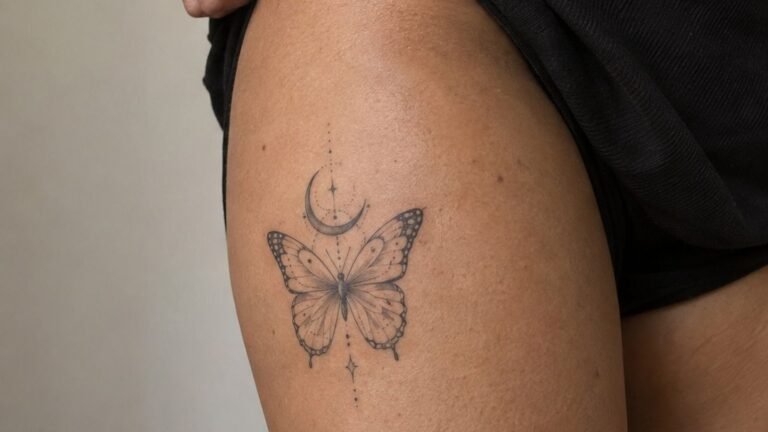
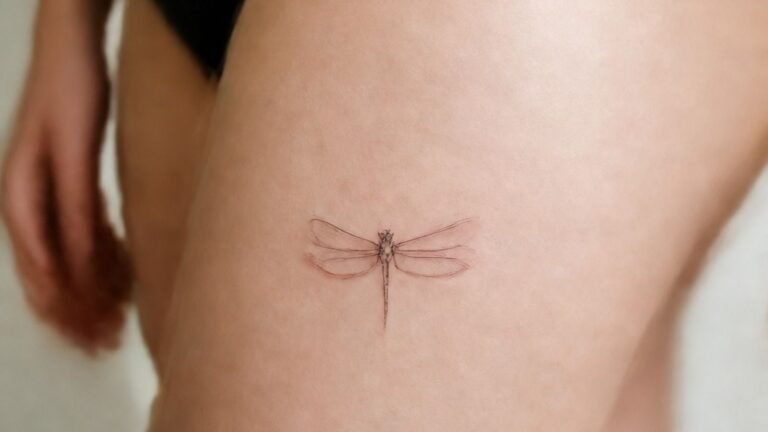
Fine line is the dominant style for blue butterfly tattoos right now. Single needle work with crisp, delicate wing detail, sometimes with a subtle watercolor wash behind it. It reads beautifully on lighter skin tones but needs a skilled hand to hold long-term. On darker skin, you want more contrast built in, bolder outlines, and saturated pigment so the blue doesn’t disappear after healing.
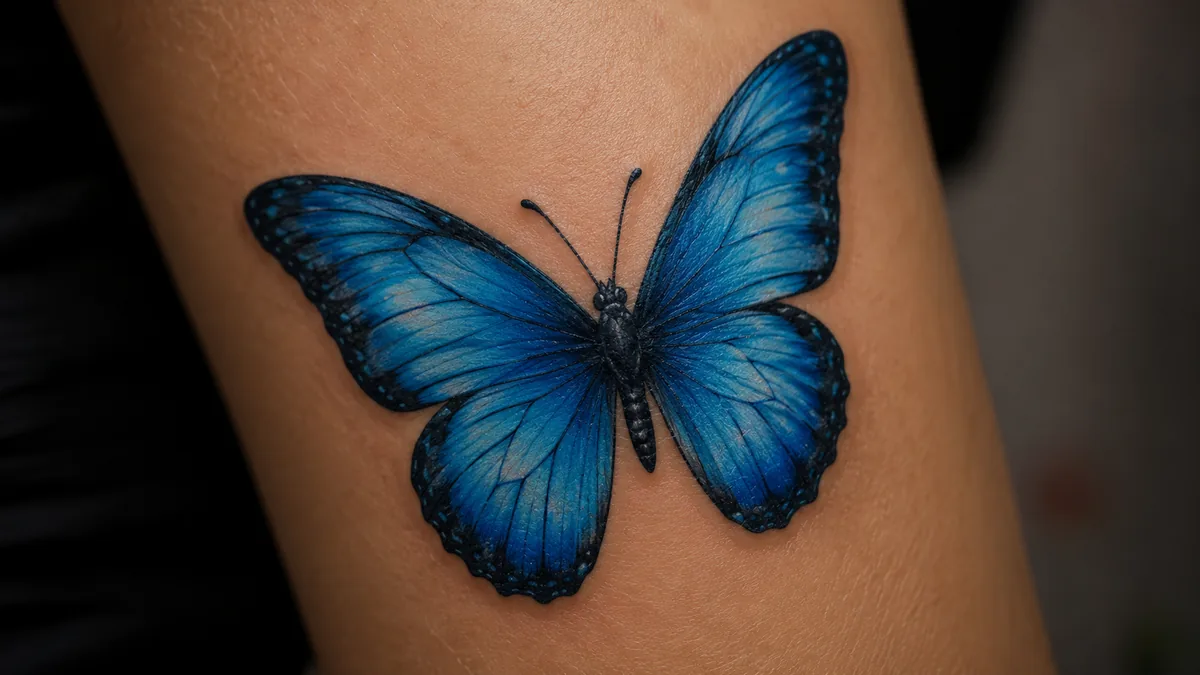
Realistic butterflies with full wing texture and dimension are also popular, especially when the piece is large enough to give the artist room to work. Neo-traditional takes add bold outlines and stylized color fields that age much better than ultra-fine line work. Some clients want a morpho butterfly specifically, that iridescent electric blue, and that’s where a great colorist earns their rate.
Color vs. Black and Grey
Full color blue butterfly tattoos are stunning fresh out of the wrap. The challenge is longevity. Blues can fade and shift over time, especially lighter shades. A good artist uses high-quality pigments, goes slightly heavier than you think you need, and educates the client on sun protection. A faded blue butterfly looks muddy. You want saturated and solid so it still reads clean five years out.
Black and grey blue butterfly tattoos are a different animal. They rely on shading and linework to suggest the shape and translucency of the wings. Done right with strong contrast and clean whip shading, they’re timeless and age far more predictably. Some artists do a hybrid: black and grey wings with a single pop of blue ink in a specific section. That restraint often makes the piece stronger.
Best Placements and How the Tattoo Ages
Shoulder blade, upper arm, collarbone, and ribcage are the most requested spots. These are all relatively low-wear zones, meaning the skin doesn’t fold and crease constantly, so fine detail stays sharper longer. The back of the neck works well for smaller pieces. Inner wrist and ankle are popular choices too, but those are high-wear areas and fine line work there can blur within a few years without touch-ups.
Ribcage placements are spicy, no way around it. But the canvas is excellent for a larger, more dramatic piece. Fingers and hands are the worst zone for color and detail retention on butterflies. Bold will hold is real advice. If you’re going on a high-wear spot, size up slightly, use bolder lines, and accept that touch-ups are part of the deal.
Who Gets This Tattoo and How to Make It Personal
Blue butterfly tattoos cut across age groups and backgrounds. Young women get them as first tattoos and as memorial pieces. Men get them more often than the industry used to acknowledge, usually in black and grey or as part of a larger sleeve. Survivors, people in recovery, and people who’ve come through grief reach for this image because transformation is the most honest thing it says.
Making it personal is straightforward. Add a birth date, initials, or a meaningful flower. Choose the exact species that resonates: a morpho for raw beauty, a common blue for something more understated. Let your artist know the story behind it so they can make design decisions that serve the meaning. The best tattoos are specific. Vague looks vague on skin.