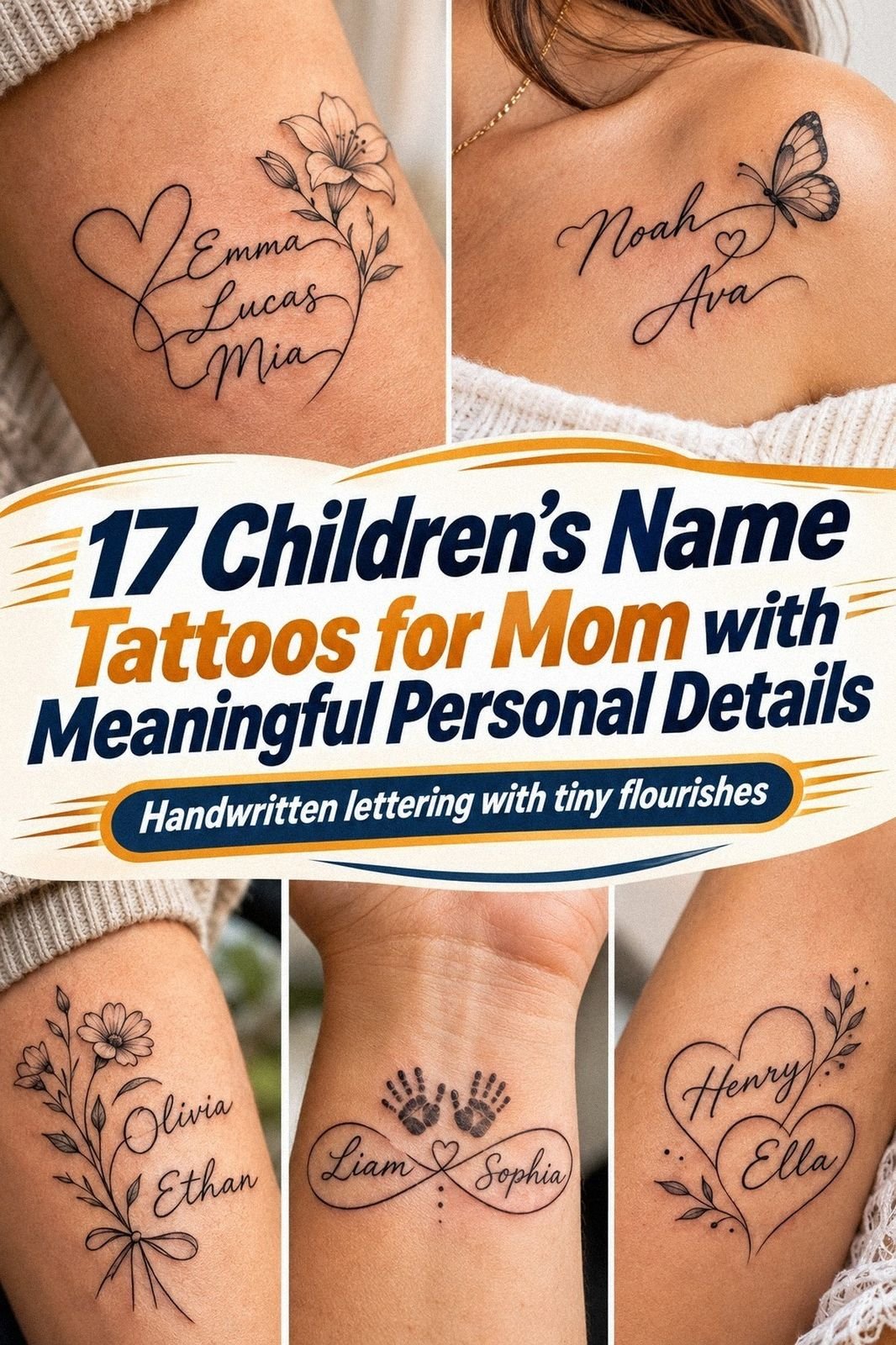
The best way to create childrens name tattoos for mom is to plan the lettering, placement, size, and healing before you book. I’ve learned that a meaningful lettering plan can still become unreadable when the script is too delicate or crowded. You’ll make better choices with a clear layout. Start here!
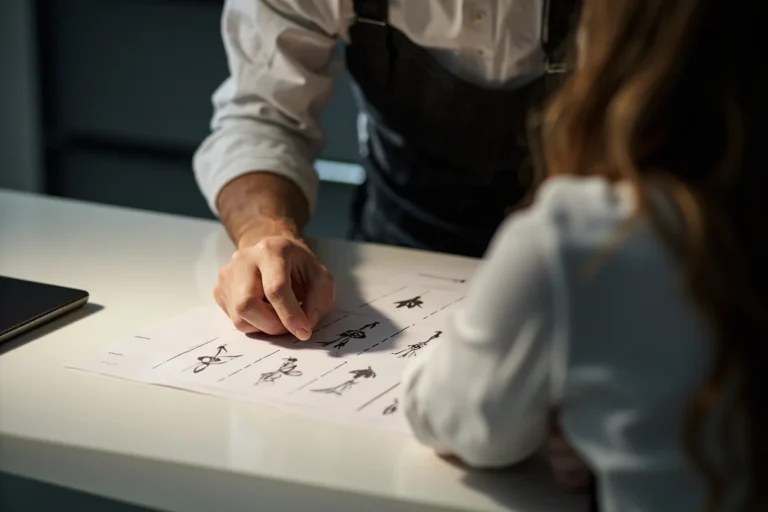
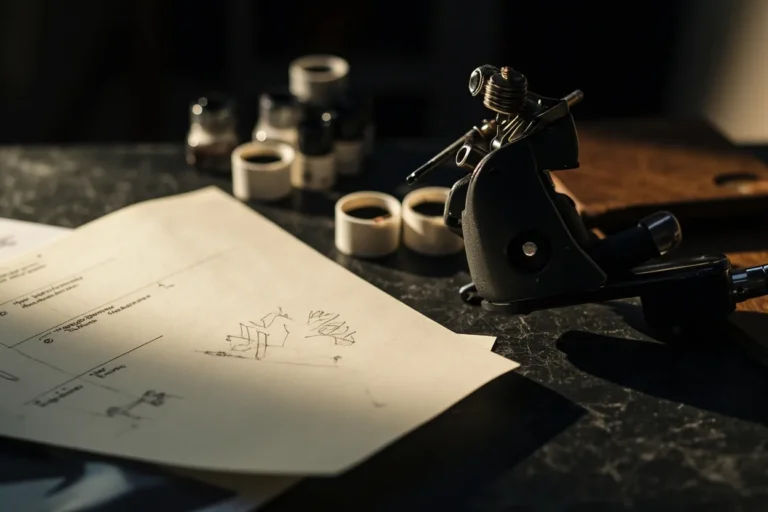
Write every child’s name on one page before choosing a tattoo style. You’ll notice which names are short, which have tall letters, and which need more breathing room. I prefer a black ink layout first because it shows whether the design feels balanced without color distracting your eye.
Start With All Children’s Names Together
Try the names in a single line, a soft curve, or a stacked arrangement. A flowing script can connect several names, but it shouldn’t force unrelated letter shapes together. Your design should feel personal, symbolic, and easy to read from a few feet away.
Use plain paper and a dark pen to test the spacing. A name with two letters needs more open space than one with eight letters, or the overall tattoo may look lopsided. You’ll want an intricate lettering layout only when every name still has room to breathe.
I’d skip squeezing everything into one tiny mark. It may look minimal on a digital preview, but small lettering can soften as skin ages. If you’re comparing proportions, my guide to name tattoos for women can help you judge scale and placement.
Worth it!
Let Handwriting Lead the Personal Mark
Handwritten names bring a more personal feeling than a standard font. Ask each child to write their name with a fine-tip marker, then keep the clearest version. You’ll preserve the little quirks that make the design meaningful.
A looped “e,” uneven baseline, or oversized capital can make the result expressive instead of generically polished. I’d keep those details when they remain legible. A too-perfect redraw can erase the reason you chose handwriting in the first place.
For a delicate tattoo, ask the artist to simplify crowded joins without changing the character of the writing. That balance keeps the mark crisp, graceful, and personal. You don’t need every wobble, but you shouldn’t lose the voice behind the letters.
Browse baby name tattoos when you need more lettering ideas. I’d save only references that feel honest to your family, not designs that look stylish for a week and unfamiliar afterward.
Where Should Names Sit for Visibility?
Your forearm is one of the easier placements for a first tattoo because you can see the lettering while it heals. The inner forearm gives a softer presentation, while the outer forearm reads more clearly at ordinary distance. Choose based on how often you want to see the names.
Measure the available skin with a flexible tape, then mark the proposed length in washable pen. A name tattoo may need around 3 to 5 inches depending on the number of letters and the artist’s spacing. You’ll get a sharper impression than you would from a small digital preview.
I’d compare visible and private placements before deciding. An inner forearm can feel empowering because the names stay close to your gaze, while ribs or the upper thigh can feel more sacred and private. Compare tattoos dedicated to mom for different emotional directions.
Keep Fine Lettering Crisp and Readable
Simple linework gives your child’s name the best chance of staying readable. Ask for clean linework with a clear beginning, middle, and end in every letter. A striking tattoo doesn’t need dozens of flourishes.
Ask to see healed lettering from the artist, not only fresh work. Fresh ink can look dark, crisp, and dramatic before the skin settles. Healed examples show whether the artist’s lines remain sharp after several weeks.
I’d skip adding tiny stars, dots, and curls to every open space. A few marks can be expressive, but too many make the lettering compete with itself. For more restrained references, browse last name tattoos and notice which designs remain readable first.
Put Birth Flowers Beside Each Name
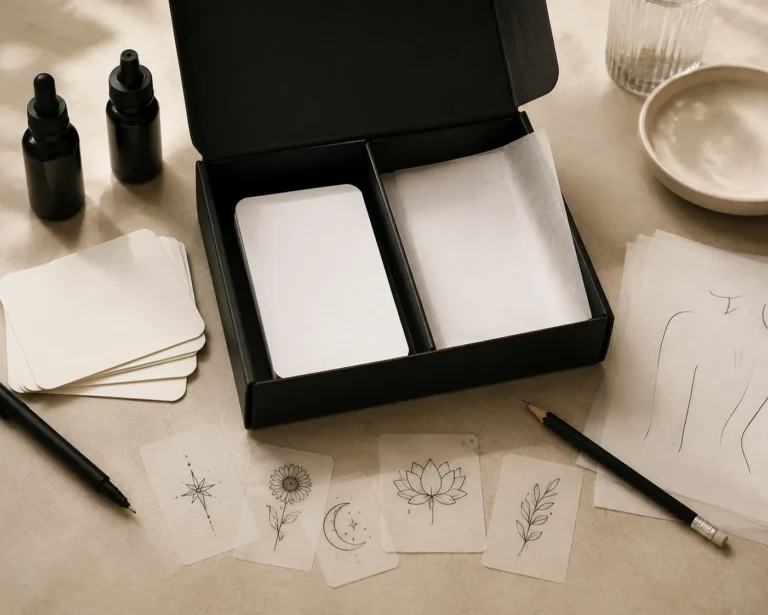
A birth flower can give each child a symbolic detail without making the tattoo feel crowded. Start with one birth flower detail beside each name, then compare shapes, leaves, and stem lengths. The names should still lead.
A daisy, rose, and iris don’t carry the same visual weight. I’d keep the stems delicate and let the flowers vary slightly rather than forcing identical sizes. That creates an elegant composition with a more personal rhythm.
Use the child’s birth month as a starting point, then confirm which meaning feels right to you. Meanings vary across sources, so your personal association matters more than a rigid chart. That makes the finished design expressive and quietly powerful.
A flower beside a short name may need less width than one beside a long name. Ask the artist to draw the full composition at actual size.
You don’t want an ornate bloom overwhelming the lettering. Compare meaningful mom and daughter tattoos for symbolic combinations.
Make Mother-Daughter Matching Feel Personal
Matching tattoos don’t need to be identical. You might share the same script while choosing different placements, or use each person’s handwriting in a related design. That gives the idea a romantic, empowering quality without making either tattoo feel copied.
Discuss size before anyone books an appointment. A daughter may prefer a dainty mark while her mother wants something more visible. Both can work if the lettering shares a matching visual rhythm, such as repeated capitals or similar spacing.
I’d avoid promising that matching means equal pain or equal healing. Skin, placement, and line density differ from person to person.
If one of you changes her mind, that’s allowed. Compare daughter tattoos for mom before committing to a shared direction.
Use Initials When Less Feels More
Initials work well when you want a minimal tattoo that includes several children without taking much space. They can be stacked, connected, or placed along one clean line. A single-letter structure can feel understated without becoming forgettable.
A single capital may look simple, but letter shape matters. Rounded initials feel softer, while angular ones can look edgy and sharp. Ask the artist to show several versions at the same scale because tiny differences become obvious on skin.
I’d avoid turning every initial into a complicated monogram. Too many loops can make a personal mark look like a logo.
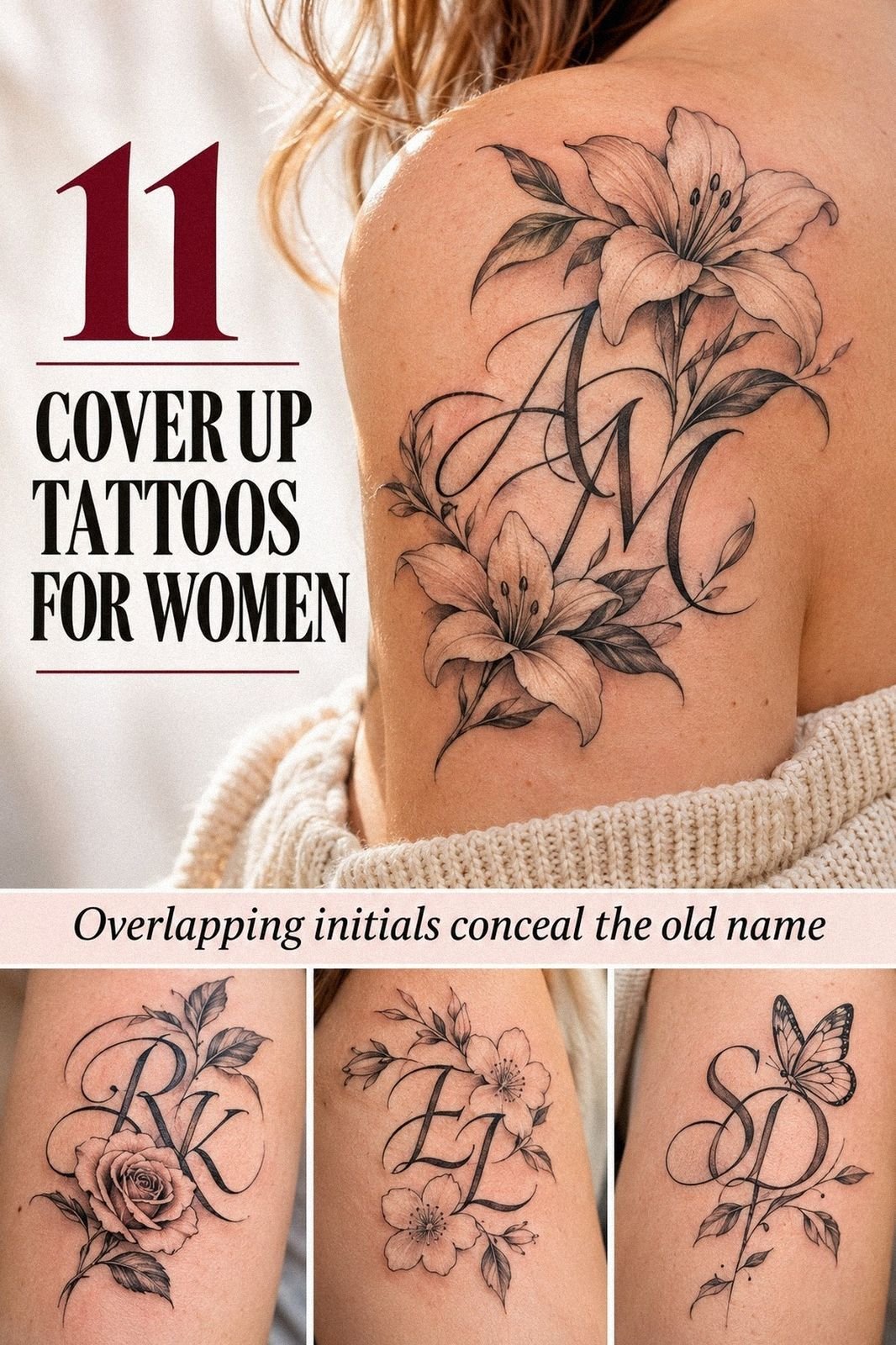
For related scale ideas, visit name cover up tattoos for women, even if you aren’t covering older ink. That comparison can show what remains legible.
Trace Names Along the Collarbone
A flowing script layout lets the names move with the collarbone instead of sitting like separate labels. The curve should echo your natural bone structure, not create an awkward bend. A collarbone stencil makes that relationship easier to judge.
Ask the artist to place the stencil while you stand, sit, and relax your shoulders. Skin shifts with posture, especially around the collarbone. I’d approve the design only after you’ve checked it in several natural positions.
A thin script can look refined, but extremely fine lines aren’t automatically safer or longer-lasting. Your artist may strengthen certain joins so the letters remain readable after healing. That small adjustment can protect the design’s clarity.
If you’re choosing between a flowing name and a stronger block style, compare childrens name tattoos. The best option is the one that suits your body and your usual clothes. A personal tattoo can be feminine, masculine, or neither.
Apply the Ella Test to a Wrist Layout
Three names across the wrist need careful spacing because the area is narrow and constantly moving. Start by arranging the names in a horizontal row, then test a slight arc. The Ella lettering test is simple: does every name remain clear at a natural distance?
If your children have different name lengths, adjust letter size or spacing so one name doesn’t dominate. I’d rather see varied spacing than three cramped words. A balanced wrist tattoo can be delicate without becoming weak.
Wrist skin gets frequent sun exposure and movement. Use enough line weight for the artist’s style, and remember that very fine work may soften over time. For additional placement comparisons, browse 3 kids names tattoos for women.
Choose Black Ink Before Adding Color
Black ink is often the most reliable starting point for names because it gives the letters clear contrast. A solid black lettering plan lets you judge spacing before adding a vibrant flower, colored heart, or other symbolic detail.
Color can make a design playful, romantic, or whimsical, but it shouldn’t rescue weak lettering. I’d finalize the name shape first, then decide whether color adds meaning. You’ll get better value from one strong accent than from several competing shades.
If you love a vintage or classic feeling, black ink may already provide enough character. A polished design doesn’t need to be loud. Ask about how the selected pigment may settle on your skin before you approve the final palette.
Bold Lettering or Delicate Script?
Bold lettering offers stronger readability and a daring visual presence. Delicate script can feel feminine, graceful, and personal, but it needs more room between strokes. The right choice depends on the names, placement, and your comfort with visibility.
I’d compare both options at the same size using a full-size stencil. A script that looks beautiful in a small digital preview may feel cramped on the body. A bold version may seem too intense until you see how clearly it reads.
Don’t choose the smallest design simply because the cost appears lower. A tattoo that needs future correction can cost more than a slightly larger first version. The best value comes from a readable design you won’t want altered later.
What Should a First Tattoo Cost?
The cost depends on the artist, location, studio minimum, size, placement, and detail. A small name tattoo may fall around $100 to $300 in the United States, while some artists charge more for custom lettering. Ask for a written price estimate before booking.
A studio minimum may be around $50 to $100, and hourly rates can range from roughly $100 to $250. These figures are only planning references. Your budget should include the consultation, custom drawing time, and any necessary touch-up policy.
I’d judge whether the price is worth it by looking at healed lettering, hygiene standards, communication, and design quality. A cheaper appointment isn’t always better value.
Ask what’s included so you’re comparing the full cost, not just the headline number. That matters!
Plan for Skin Tone and Contrast
The final tattoo should be planned for how it will read after healing, not only how it looks immediately after the appointment. Ask how the black ink contrast may settle on your skin and whether delicate gray details will remain distinct.
A strong black line can remain crisp and striking, while overly delicate details may lose contrast. I’d prioritize clear design over fashionable subtlety every time. Your tattoo should feel powerful because it represents your family, not because it follows a passing trend.
The artist should be comfortable discussing line weight, healed results, and adjustments for your skin. Don’t feel awkward asking direct questions. You’re paying for informed judgment as well as the finished mark.
Respect Placement Sensitivity
Ribs, feet, hands, and sternum are often more sensitive than the forearm, thigh, or upper arm. Pain differs from person to person, though, and your artist can explain what to expect. A sensitive placement plan can make the appointment feel less intimidating.
I’d choose the location according to visibility, work requirements, clothing, and your own tolerance. A private rib tattoo may feel sacred, while a forearm tattoo can be easier to monitor during healing. Neither choice is more meaningful.
Ask about breaks, posture, and aftercare before starting. You don’t need to prove anything by choosing a difficult placement. A calm, honest consultation is part of the value of a professional appointment.
Build a Future-Proof Family Layout
If you may want to add another name later, leave enough room from the beginning. A future addition plan can prevent awkward gaps and keep the design cohesive. You don’t need to predict every detail, but you should avoid filling the only usable area.
Think about whether future names would match the original script, flower treatment, or baseline. A flexible design can stay iconic without becoming crowded. I’d rather see a little open skin than a layout that has nowhere to grow.
For family-centered ideas, compare mother tattoos for children and baby tattoos for moms. Save the references that support your own story, then let the artist develop an original composition.
Ask the Rose Question Before Adding Details
Before adding a star, heart, flower, or date, ask whether it represents something real. The Rose detail question is simple: would you still choose this symbol if nobody else saw the tattoo?
One symbolic element can make each child feel represented. Five unrelated elements can make the composition feel busy. I’d choose the detail with the strongest emotional connection, even if it isn’t the most ornate option.
A small mark may be haunting, raw, or sacred depending on the memory behind it. That emotional meaning matters more than visual novelty. If the symbol feels forced, leave it out.
Protect the Design While It Heals
Healing begins with restraint. Follow your artist’s aftercare instructions, wash gently, pat dry, and apply only the recommended fragrance-free moisturizer. You’ll protect delicate lines better by leaving the skin alone than by constantly checking it.
The surface commonly takes about 2 to 3 weeks to settle, while complete healing can take roughly 2 to 3 months. During that time, avoid swimming, soaking, and direct sun. Your skin may look dull or uneven before it looks crisp again.
Don’t pick flakes or scratch an itch. Keep friction low around ribs, collarbones, wrists, and forearms. If something feels unusually painful or inflamed, contact your artist or a medical professional.
Compare the Meaning With the Budget
A tattoo can be personal and still require practical planning. Set a realistic tattoo budget before choosing extra flowers, color, or additional lettering. The emotional value won’t disappear because you decide to start with one name.
I’d rather book a skilled artist for a smaller, readable design than spend less on rushed work. A meaningful tattoo is worth the cost when the lettering, placement, hygiene, and aftercare guidance all meet your expectations.
Ask about deposits, cancellation rules, touch-ups, and custom design fees. You’ll avoid surprises and make a confident decision.
If the price feels uncomfortable, wait. A personal tattoo shouldn’t create financial stress.
My Pick After Comparing the Options
I’ve changed my mind about fine-line name tattoos more than once. At first, I thought the smallest script would feel the most personal, especially for a first tattoo. Then I saw how quickly crowded letters lose their identity.
Now I’d choose a readable size, even if it means giving up a tiny placement.
The best design starts with the child’s actual name, not a template. I’d ask for handwriting samples, test the lettering at full size, and compare a delicate version with a slightly stronger one. That process can feel slow, but it’s where the meaningful part happens.
Placement changes the emotional experience, too. An inner forearm lets you see the name often, while a rib or sternum tattoo can feel more private.
I prefer the forearm for a first tattoo because you can monitor healing easily. Still, your comfort matters more than my preference.
I once approved lettering from a digital preview, and it looked much tighter on skin. I wouldn’t repeat that.
Ask for a printed stencil, stand naturally, and check it from several distances. A personal tattoo can be bold, delicate, sacred, or understated, but it shouldn’t feel rushed!
The Questions Worth Answering First
How much does a Childrens Name Tattoos For Mom usually cost?
I’d plan for roughly $100 to $300 for a small United States name tattoo, although studio minimums and custom lettering can raise the price. Your artist, region, size, detail, and placement will change the final cost. Ask for a written estimate before paying a deposit.
Are Childrens Name Tattoos For Mom a good idea for a first tattoo?
I think they can be an excellent first tattoo when the design stays readable and personal. An understated name tattoo gives you control over size, placement, and line density without requiring a large composition. I’d still research the artist and think carefully about long-term visibility.
How do I choose a tattoo artist for Childrens Name Tattoos For Mom?
I’d choose an artist with clean lettering, healed portfolio work, strong hygiene practices, and clear communication. You’ll want to see work similar to your desired style, whether that’s elegant script, bold lettering, or delicate linework.
Ask questions before booking. Yes, that step is worth it!
How much do Childrens Name Tattoos For Mom hurt?
I’d expect pain to vary by placement, body, and appointment length. Ribs, feet, hands, and sternum are often more sensitive, while the forearm, thigh, and shoulder may feel more tolerable. Your first tattoo may feel sharp, warm, or scratchy, but everyone experiences it differently.
How long do Childrens Name Tattoos For Mom take to heal?
I’d allow about 2 to 3 weeks for the surface to settle and roughly 2 to 3 months for deeper healing. Wash gently, moisturize as directed, and avoid swimming and sun exposure while the skin recovers. Don’t judge the final result during the first week.
What’s the best placement for Childrens Name Tattoos For Mom?
I’d usually choose the inner forearm for a first tattoo because it’s visible, relatively manageable, and easy to protect. The upper arm or thigh can offer more privacy and space. Your artist can help match placement with lettering size and future aging.
If I Had to Pick One Step to Start With
If I had to pick one step, I’d start with the full-size lettering stencil. It exposes cramped spacing before a needle does, and you can move it until the names feel balanced on your body.
Save that version, show your artist, and let the final design grow from there. A clear stencil, an honest budget, and readable lettering will take you much further than a rushed decision.