Hawaii tattoo symbols are visual shorthand for island identity, ancestry, and spiritual connection. They blend Polynesian tribal patterns with distinctly Hawaiian imagery, ocean waves, sea turtles, volcanic mountains, and tropical flora. In my chair, I’ve tattooed these designs on locals honoring their bloodline, on visitors carrying a piece of vacation home, and on displaced islanders reconnecting with roots they left behind. The meanings run deeper than tourist trinkets; they’re living culture pressed into skin.
Symbolism & History
These symbols didn’t start as wall art or T-shirt graphics. They emerged from a culture where tattooing was spiritual practice, where the kakau (tattoo artist) held sacred status and the uhi (tattoo) marked genealogy, social standing, and protection.
Polynesian Roots vs. Hawaiian Distinction
There’s real tension here that working artists navigate. Pure Polynesian tribal, those bold black geometric patterns, comes from broader Pacific tradition: Maori, Samoan, Marquesan. Hawaiian kakau historically used more figurative elements alongside geometric work. The triangle patterns (niho mano, shark teeth) appear across Polynesia, but the honu (green sea turtle), volcanic imagery, and specific ohia lehua flowers are distinctly Hawaiian. I tell clients: if you’re claiming Hawaiian heritage, know the difference. Mixing Maori koru with Hawaiian plumeria without understanding the separation reads as lazy appropriation to those who know.
Core Symbol Meanings
- Honu (sea turtle): Longevity, navigation, peace. The turtle carries stories of voyaging between islands. On skin, it reads calm and grounded. I’ve done honu on forearms, shoulder blades, wrapped around calves, always with that distinctive patterned shell.
- Plumeria: Beauty, new beginnings, feminine energy. White plumeria specifically connects to spirituality in some families. The five petals make clean, readable tattoo work. Line-heavy plumeria ages better than soft watercolor versions; those pastel pinks fade to muddy gray in three years.
- Hibiscus: Delicate beauty, fleeting moments, the island itself. The state flower. Red hibiscus carries more intensity than yellow; clients choose based on personality, not just aesthetics.
- Ocean waves: Continuity, life’s cycles, the source of all things. Water surrounds every island. Wave patterns in tribal style create movement that flows with body contours, around arms, across chests, down ribs.
- Volcanic imagery (Pele’s fire): Creation and destruction, raw power, transformation. The lava flow is literally land being born. This imagery attracts people who’ve survived something, divorce, recovery, reinvention.
- Maile leaf: Peace, royalty, sacred bond. Used in lei for ceremonies. The intertwining vine pattern works beautifully as band tattoos around biceps or ankles.
Common Variations & Styles
Style choice changes everything about how these symbols read and how they hold up over time.
Traditional Blackwork Tribal
Heavy black saturation, geometric patterns, no color. This is the style most people picture. It ages the cleanest, black ink holds, lines stay readable, the contrast against skin tone stays strong. The downside: it’s unforgiving. Blowouts in tribal work are permanent and obvious. I’ve seen cheap tribal turn into blurry gray mush in five years. Good tribal requires a steady hand and proper needle grouping; I run 14-round liners for the bold outlines, switch to 7-mags for solid fill.
Illustrative/Neo-Traditional
More recognizable imagery, detailed honu with patterned shell, plumeria with visible petals, hibiscus with stamen detail. Often incorporates color. This style reads clearer from distance, tells its story faster. Color choices matter: plumeria in soft pink and yellow, hibiscus in deep red, ocean in teal-to-navy gradients. The trade-off: color fades. Teal becomes turquoise becomes pale green. Red holds better. I warn clients: budget for touch-ups every 5-8 years if they want color bold.
Fine Line and Minimalist
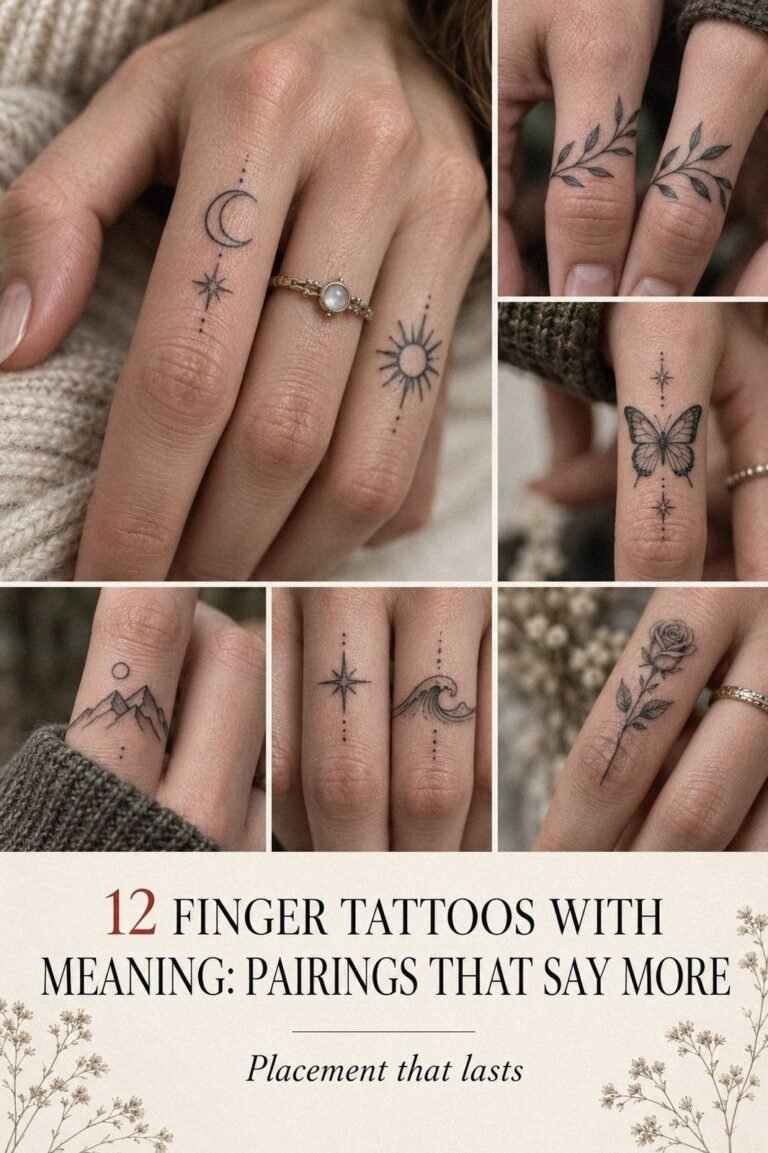
Single-needle or tight 3-round work, delicate, often small. Plumeria behind ears, tiny honu on wrists, wave lines on collarbones. This style exploded with Instagram culture. Here’s the reality: fine line on high-movement areas (wrists, fingers, feet) blurs fast. I did a beautiful single-needle plumeria on a client’s ankle three years ago; it’s already spreading. Fine line works best on upper arms, ribs, thighs, stable skin. I talk people out of finger placement weekly.
Best Placements
Placement changes meaning and longevity both.
- Shoulder/upper arm: Classic for tribal work. The curve of the deltoid flows with circular patterns. Honu swimming “up” the arm reads as ascension, growth. This skin is stable, heals predictably, shows when you want, hides under a shirt when needed.
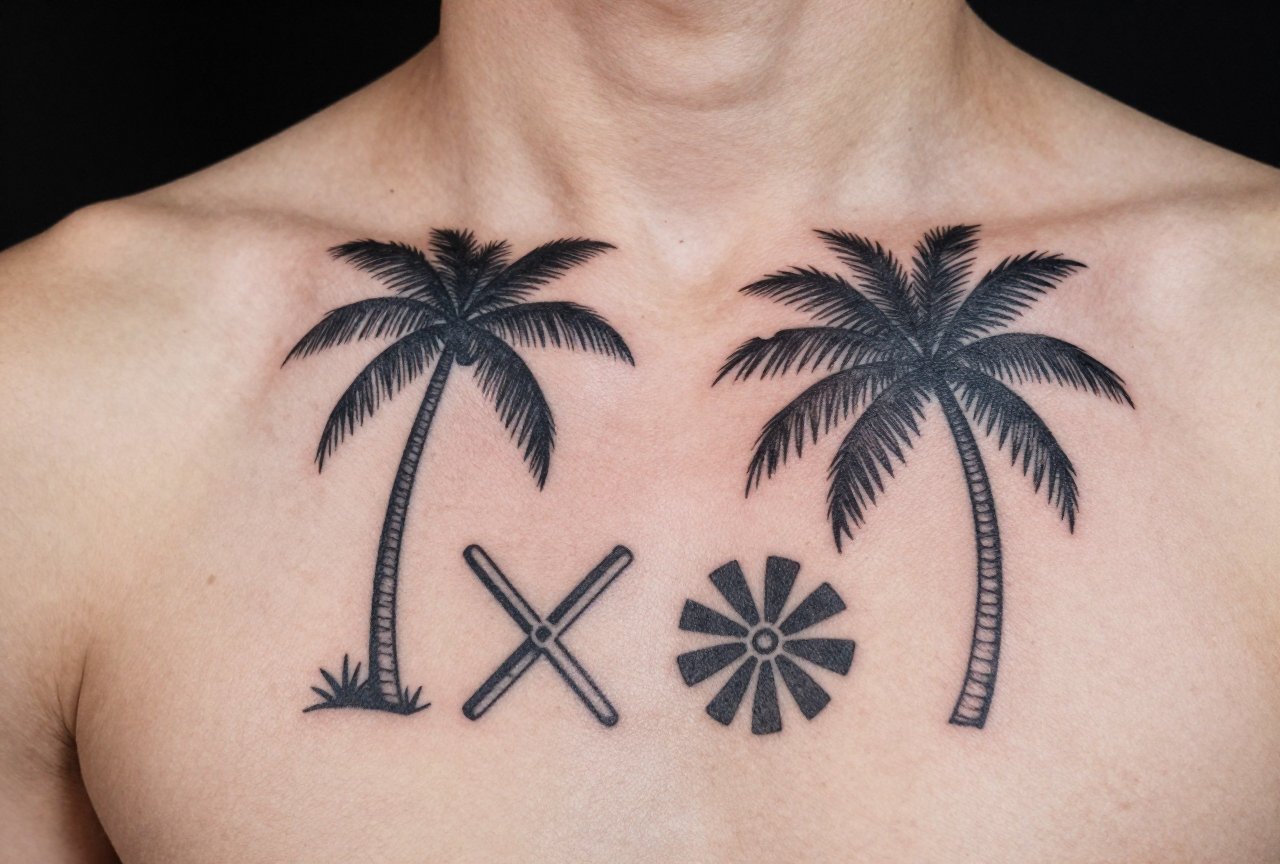
- Chest piece: Serious commitment. Waves across the chest connect to heartbeat, breath. I’ve done volcanic imagery here for clients who’ve rebuilt themselves, Pele’s fire over the heart. Chest hurts more than most expect; the sternum vibration is real.
- Thigh: Canvas space for detailed work. Plumeria and hibiscus compositions work here, large and readable. Thigh skin stays relatively stable, though inner thigh rubs and can blur faster. Good for private meaning, visible to you, hidden professionally.
- Forearm: Daily visibility. The statement placement. I see a lot of “I moved to Hawaii and this is my commitment” energy here. Forearm heals relatively easy, but sun exposure is constant; SPF becomes religion or the black goes gray.
- Ribs/side: Painful. The stretch, the nerve density. But the flow, waves wrapping the torso, maile vine climbing the flank, moves with the body in ways flat skin can’t replicate. Worth it for the right person, the right design.
- Foot/ankle: Popular, problematic. Foot skin is thick, calloused, constantly flexing. Heel placement? I’ve watched beautiful work disappear into walking. Ankle bone is thin skin over bone, painful, prone to blowout. I do them, but I warn honestly.
Who Chooses This Tattoo / Personal Meanings
In my experience, three broad categories sit for this work.
Heritage bearers: Actual Hawaiian or part-Hawaiian clients reclaiming visible connection. Sometimes it’s their first tattoo, sometimes it’s number fifteen. The meaning is ancestral, non-negotiable. They know which ohana symbols belong to their line. I listen more than I suggest with these clients; my job is technical execution of their cultural knowledge.
Spiritual adopters: People who spent significant time in islands, military stationed at Pearl, surfers who lived North Shore seasons, healers who trained in lomilomi. Their connection is place-based, genuine if not blood. They want the symbol that marks their transformation period. The volcano for the year everything changed. The honu for the turtle that swam beside them daily.
Aesthetic seekers: Tourists wanting permanent souvenir. I don’t shame this, but I do challenge it. “What specifically calls to you?” If it’s just “Hawaii was pretty,” I suggest waiting. Good artists gatekeep a little. I’ve talked people into temporary ink, into smaller test pieces, into designs that carry personal meaning beyond geography. The tattoo outlasts the tan lines; it should outlast the vacation glow too.
Similar Symbols
Clients often cross-shop these related visual languages. Understanding distinction helps honest choice.
- Maori ta moko: Facial and body tattoo with specific genealogical encoding. The patterns are not decorative; they are identity. Non-Maori wearing these patterns is widely considered appropriation. I won’t do it.
- Samoan pe’a/malu: Traditional male and female full-body tattoo. Again, genealogical and status-specific. The patterns are sacred to Samoan culture. Appreciation, not appropriation, means knowing the boundary.
- Japanese waves (irezumi): Similar ocean imagery, different cultural container. The wave in Japanese tattoo connects to ukiyo-e print tradition, to specific mythological figures, to yakuza history. Some clients blend Japanese wave style with Hawaiian content; the mashup works visually if the person understands both sources.
- Mainland “tribal”: 1990s abstract black patterns with no cultural anchor. Dead style, honestly. I cover these up regularly. If you want black geometric work, connect it to actual tradition or go fully abstract and personal.
Final Thoughts
Hawaii tattoo symbols carry weight because they emerge from living culture, not dead history. The honu still swims in protected waters. Pele still reshapes the Big Island’s coastline. The plumeria still perfumes evening air. When you wear these symbols, you join that continuity, or you don’t, depending on your intention and understanding.
I’ve watched these tattoos mark homecomings and departures, grief and celebration, genuine connection and embarrassing tourism. The difference is always in the wearer’s knowledge. Do your homework. Talk to artists who know the distinction between Polynesian and Hawaiian. Choose placement for how you’ll live in your skin, not just how you’ll look in vacation photos. And budget for quality, cheap tribal is a category of cover-up I’ve done too many times.
The best Hawaii symbol tattoos I’ve done weren’t the biggest or most colorful. They were the ones where the person sat in my chair knowing exactly why they were there. That certainty translates to the work. You can see it in healed photos years later, the ink holds, but the intention holds sharper.
Frequently Asked Questions
Do I need Hawaiian ancestry to get these symbols tattooed?
You don’t need bloodline, but you need respect. Research specific meanings, avoid sacred patterns restricted to certain families, and choose symbols that connect to your actual experience rather than generic ‘island vibe.’ Good artists will help you navigate this honestly.
Why does my artist keep pushing black ink over color for tribal-style pieces?
Black saturation holds for decades; color fades and muddies, especially the soft pinks and yellows common in plumeria work. If you want color, plan for touch-ups every 5-8 years and commit to sun protection. Black tribal is lower maintenance and reads clearer as it ages.
What’s the difference between a honu and a generic sea turtle tattoo?
The honu specifically refers to the Hawaiian green sea turtle with its distinctive patterned shell and cultural significance as navigator and symbol of peace. Generic sea turtle tattoos often lack the shell pattern detail and carry no specific cultural connection. The distinction matters to those who know the symbol’s roots.
How do I know if my tattoo idea is appreciation or appropriation?
Ask yourself: do I understand the specific meaning? Am I connecting to personal experience or aesthetic only? Would I explain this meaningfully if asked? If you’re unsure, consult with a Hawaiian or Polynesian tattoo artist who can guide you toward respectful choices that still express your connection.
Related Tattoo Meanings
- Lizard Tattoo Meaning: Symbolism, Styles What Artists See
- Philippines Tribal Meanings Tattoo Meaning: Heritage Inked in Skin
- Shark Alexithymia Tattoo Meaning: Symbolism What Artists See
- Explore more