Tattoo ink on skin falls into three situations: excess ink during the tattoo session, ink seeping during healing, and ink you want gone permanently. Each demands a different approach. Wiping fresh ink requires the right solvent and technique. Healing ink needs patience, not scrubbing. Unwanted ink means committing to a real removal process, laser, fading, or cover-up. This guide breaks down exactly what works for each stage, what damages skin, and what costs you’ll face.
During the Tattoo: Wiping Excess Ink
Your artist will handle most of this, but knowing the mechanics helps you understand aftercare and spot problems. Tattoo machines deposit ink through the epidermis into the dermis. The needle pulls out, and some ink sits on the surface along with plasma and blood. Artists wipe this away constantly to see their line work.
What Artists Use
Green soap mixed with water is the standard wipe solution. It’s a vegetable oil-based soap with isopropyl alcohol, effective at breaking down ink without drying skin excessively. Some artists use plain distilled water for sensitive areas or final wipes. The key is frequent, gentle wiping, not letting ink dry and cake, which obscures the stencil and can cause overworking.
If You Get Ink on Yourself at Home
Practice skin, pens, or spilled bottles happen. For fresh ink on unbroken skin:
- Wash immediately with soap and warm water, most comes off
- Rubbing alcohol dissolves stubborn spots but dries skin; moisturize after
- Baby oil or makeup remover breaks down pigment without irritation
- Avoid acetone or bleach, chemical burns aren’t worth it
On broken skin, stop. Treat it like a wound, not a stain.
During Healing: Ink Seeping and Peeling
The first 48 hours, your tattoo will weep plasma, ink, and blood. This is normal. The ink isn’t “coming out” in a way that ruins the tattoo, it’s excess pigment and fluid the body is pushing out. Your bandage or second skin will look like a Rorschach test. Don’t panic.
The First Wash
After removing the bandage (usually 2-6 hours, or 24 hours for second skin), wash with unscented soap and lukewarm water. Use your hand, not a washcloth. You’ll see color in the suds. This is surface ink and plasma, not your tattoo disappearing. Pat dry with paper towel, don’t rub. Apply a thin layer of recommended aftercare ointment or unscented lotion.
Days 3-14: Peeling and Flaking
The top layer of skin dies and sheds, carrying trapped ink with it. The tattoo looks dull under this veil. Critical rules:
- Let flakes fall naturally, picking them pulls ink from the dermis and causes scars
- Keep moisturizing but don’t suffocate the skin
- No swimming, soaking, or sun exposure
- Sleeping in clean, loose sheets prevents ink-stained fabric from sticking
The bright color returns after shedding completes. What you see at day 4 isn’t the final result.
Permanent Removal: Laser, Fading, and Cover-ups
Once ink sits in the dermis, it’s there. Your immune system slowly carries away particles over years, this is why old tattoos fade, but complete natural elimination never happens. Active removal requires intervention.
Laser Tattoo Removal
Q-switched and picosecond lasers shatter ink particles with concentrated light pulses. The body then clears the fragments. Key realities:
- Black ink responds best; yellow, green, and light blue are stubborn
- Professional tattoos need 6-12 sessions, sometimes more
- Sessions spaced 6-8 weeks apart for skin recovery
- Pain is sharp, like hot rubber bands snapping, numbing cream helps minimally
- Cost runs $200-$500 per session for palm-sized pieces; full sleeves can exceed $10,000 total
- Blistering, scabbing, and temporary skin lightening are common
Older, faded tattoos remove faster. Amateur or stick-and-poke ink often removes easier than dense professional work.
Fading for Cover-ups
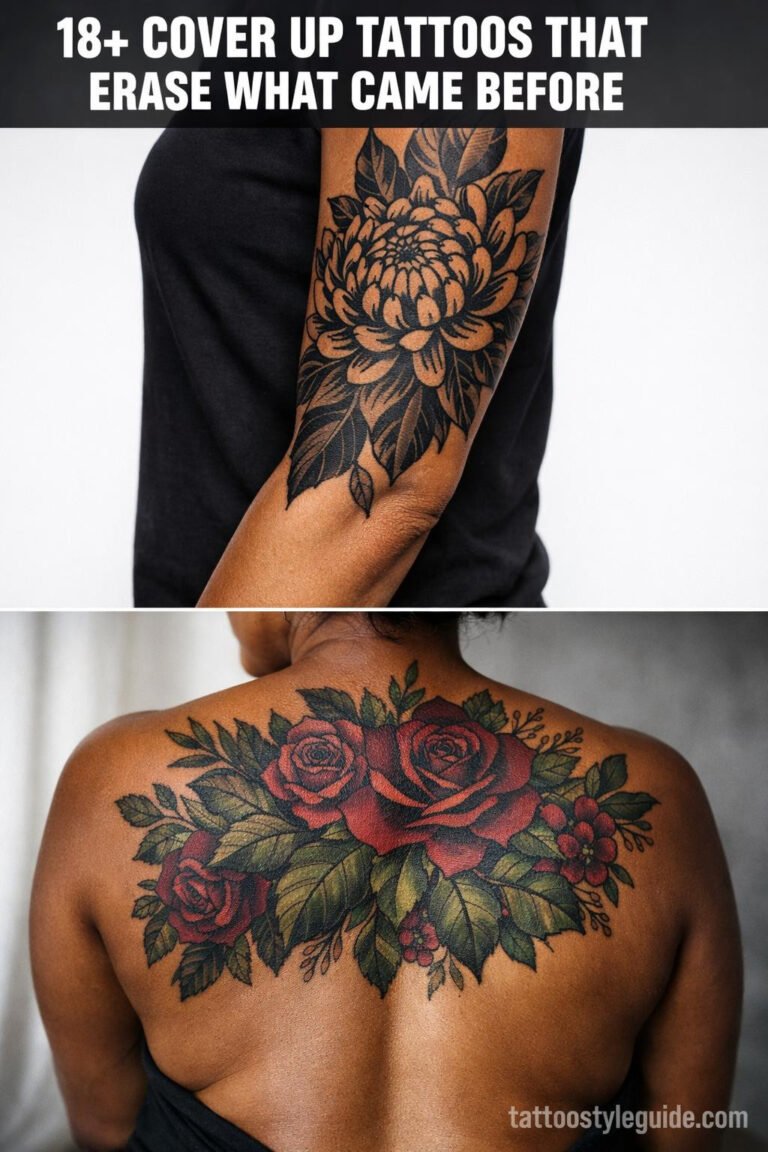
Not everyone wants full removal. Fading a tattoo with 2-4 laser sessions makes cover-up work significantly easier. Artists can use brighter colors, less heavy black, and more detail when the original isn’t fighting for dominance. This hybrid approach costs less than complete removal and gives you a new piece you’ll actually want.
Saline Removal and Other Methods
Saline tattooing (also called Li-FT or similar branded methods) lifts pigment by osmosis. It’s less effective than laser, works best on older, shallow, or amateur tattoos, and requires multiple sessions. Results vary heavily by practitioner skill.
Acid injections, tattoo removal creams, and dermabrasion are either ineffective, unregulated, or actively dangerous. The FDA has not approved any topical cream for tattoo removal. Acid treatments cause scarring that can be worse than the original tattoo.
What Doesn’t Work (And What Damages Skin)
The internet offers plenty of bad advice. Here’s the reality:
- Salt scrubs on healed tattoos: exfoliates skin, doesn’t touch dermis ink, risks infection
- Lemon juice or hydrogen peroxide: bleaches skin slightly, not ink; chemical burns possible
- Tattoo removal creams: no proven efficacy, often cause dermatitis
- Re-tattooing with skin-colored ink: rarely matches, often turns muddy or gray
- DIY laser devices: underpowered, unsafe, cause burns without real removal
Your skin’s barrier function matters. Damaging it repeatedly trying to “draw out” ink creates scar tissue that makes proper removal harder and more expensive.
Cost, Pain, and Timeline Reality
Laser removal is a commitment. Small, single-color tattoos might clear in a year. Large, colorful pieces can take three years and serious money. Pain is genuinely significant, more than getting tattooed, because the laser targets repeatedly, and the sensation is sharper, more electrical than mechanical.
After each session, the area swells, blisters, and scabs. You can’t pick, can’t sun-expose, can’t swim. The discipline mirrors tattoo aftercare but with more discomfort and less exciting payoff per session.
Cover-up fading offers a middle path: less cost, less pain, faster visible progress, and you end with art instead of bare skin.
Key Takeaways
Fresh ink on unbroken skin washes off with soap, alcohol, or oil. Healing ink shedding is normal, don’t scrub or pick. Permanent ink in the dermis requires laser removal for actual elimination: expensive, painful, slow, but effective for most colors. Fading for cover-up saves money and gives you new art. Avoid creams, acids, and DIY methods, they waste money and risk scars. The only path out is patience, professional help, or both.
Frequently Asked Questions
Will rubbing a new tattoo make the ink come out faster?
No. Rubbing damages the healing skin and can push ink out unevenly, causing patchy healing. Gentle washing with your hand is all the friction that’s safe during the first two weeks.
Why does my tattoo look faded while peeling?
The dead skin layer creates a milky veil over the ink. Once shedding completes and the fresh skin settles, the color returns to its true depth. This usually takes 3-4 weeks total.
Can I remove a tattoo at home with salt and ice?
No. Salt and ice abrade the surface but don’t reach dermis ink. This causes infection, scarring, and permanent skin damage without meaningful pigment removal.
How do I know if my tattoo is infected versus just healing normally?
Normal healing involves redness, mild warmth, and clear or slightly yellow plasma. Thick yellow or green pus, red streaks, fever, or worsening pain after day 3 suggests infection, see a doctor promptly.
Related Tattoo Guides
- How to Lessen Tattoo Pain: A Practical Guide
- How to Heal a Tattoo Faster: Real Aftercare That Works
- How to Minimize Tattoo Pain: A Practical Guide
- Explore more