A walk-in tattoo means you show up without an appointment and hope an artist has time for you that day. It works beautifully for the right idea and falls apart for the wrong one.
Quick answer: Walk-ins are first come, first served. They suit small, simple pieces and flash that an artist can price and tattoo quickly. Expect to wait anywhere from a few minutes to a couple of hours, bring cash, bring ID, and stay flexible. Save the big custom work for a booked appointment.
How a walk-in actually works
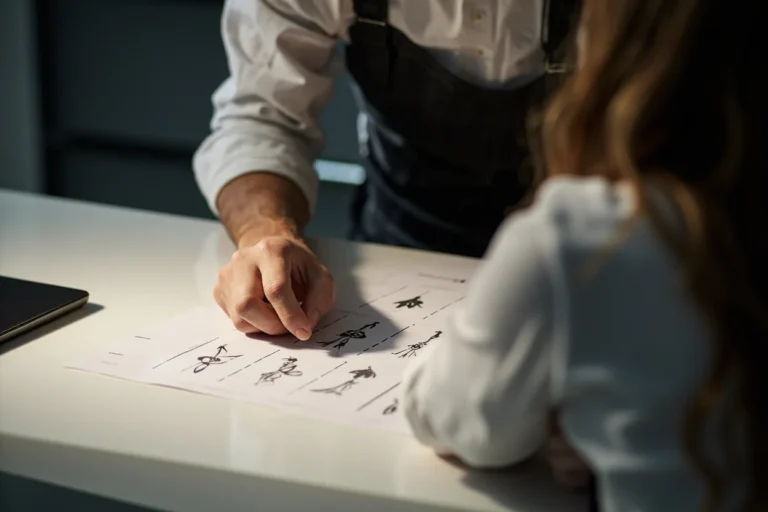
You arrive during the shop’s posted walk-in hours and tell the front desk you do not have an appointment. They will ask three things almost immediately: what you want, where on your body, and roughly what you want to spend. From there one of two things happens. Either an artist is free and can start soon, or you go on a same-day list and get slotted between booked clients.
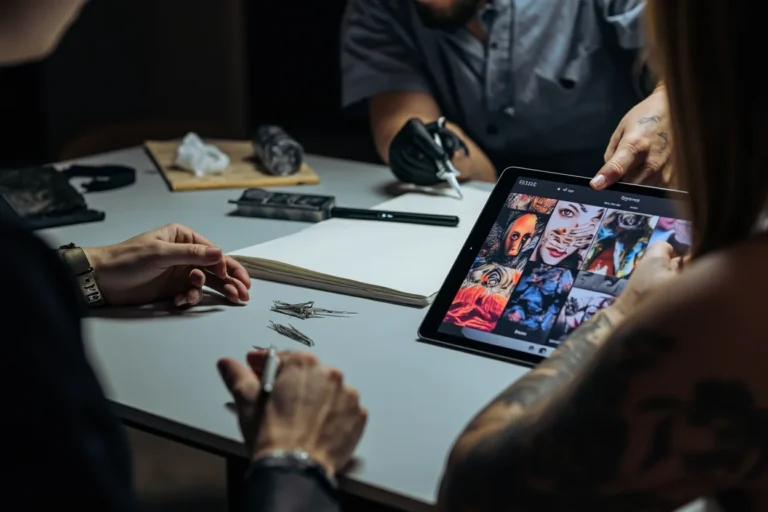
Before anything touches your skin there is a short consult. The artist confirms the design, the placement, the size, and the price. Once you both agree, they draw or print a stencil, shave and clean the area, place the stencil for your approval, and then tattoo. A realistic example: you walk in at 1 p.m. asking for a small black line-work design on your forearm at a set budget, they tell you they can start around 2:30, and you either wait nearby or come back.
The thing to understand is that a walk-in is a courtesy, not a guarantee. If the shop is slammed, the honest answer might be “not today.” That is normal and not a brush-off.
Flash vs custom on a walk-in schedule
Flash is not a compromise, it is the walk-in format done right.
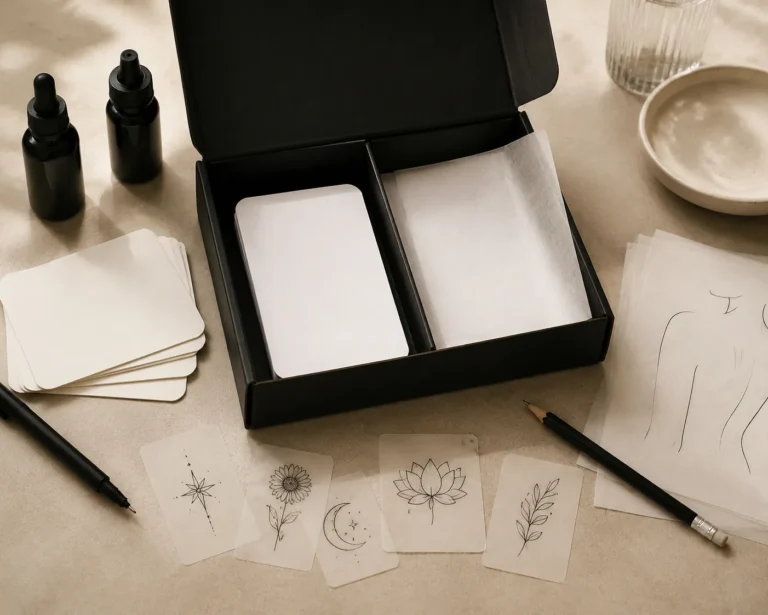
Flash is pre-drawn art the artist already has ready. Custom is designed specifically for you. The difference matters a lot when you are walking in cold.
| Type | Walk-in friendly? | Why |
|---|---|---|
| Flash design | Yes | Already drawn, easy to price, fast to tattoo |
| Small simple custom | Often | A quick sketch the artist can do on the spot |
| Short script or symbol | Yes | Low planning, but lettering skill still matters |
| Large detailed custom | No | Needs design time and a booked block |
| Sleeve, back piece, realism | No | Multi-session work that belongs on a calendar |
If your idea needs research, a careful custom drawing, cover-up planning, or a specialist style, do not force it into a walk-in. You will get a rushed result, and a good artist will tell you to book instead. For more on this split, see our guide to flash vs custom tattoo.
How long you will wait
Wait time swings wildly by city, day, and how popular the shop is. On a quiet weekday with several artists working, you might wait fifteen to forty-five minutes, sometimes nothing. In a busy or well-known studio on a weekend, an hour or two is common, or they hand you a specific return time.
The simplest way to cut the wait is to arrive right at opening, and to go on a weekday rather than a Friday or Saturday. Walking in early also means the artist is fresh and the schedule has not filled up yet.
Budget and paying cash
US tattoo shops lean heavily on cash. Many ask that the tattoo itself be paid in cash even when they take cards for a deposit or merch. Some will run a card for the work, but cash is still the safe assumption for both the balance and the tip. Check the shop’s website or call ahead so you are not caught short.
Bring more than the quote. Prices can shift slightly once the artist sees the placement, and you want room for a tip. Tipping is standard, and most people land somewhere around 15 to 25 percent depending on how the piece turned out and how involved it was. For the full picture, read our guides on tattoo cost and tipping your artist.
Walk-in etiquette
A few habits make you the kind of walk-in shops are happy to see.
- Ask what is doable today for your budget and time, and take the artist’s guidance seriously.
- Come prepared with clear references, a firm idea on size and placement, and a meal in your stomach.
- Do not haggle. If the price is high for you, shrink the size or simplify the detail instead of negotiating like a market stall.
- Be patient and respectful. You are being fit between appointments, so delays are part of the deal.
- Bring valid ID. Shops are strict about age and need to verify it.
Skip filming without permission, keep your group small, and listen carefully when they go over aftercare. Good behavior builds a relationship, and the artist you treat well today is the one who finds room for you next time.
Walk-in or appointment: how to decide
Use a simple rule. Choose a walk-in when the piece is small to medium and relatively simple, you are flexible about which artist you get, and you can wait around or come back. Choose an appointment when you want something large, detailed, or deeply personal, when you have a specific artist in mind whose style you love, or when you need a guaranteed date and cannot risk being turned away.
If a tattoo really matters to you long term, lean toward planning. Researching the artist and booking ahead gives the design room to breathe. Walk-ins are best kept for the small, spontaneous pieces that do not need that runway. Either way, mapping out the steps first helps, which is exactly what our tattoo planning guide walks you through.
Mistakes to avoid
Do not pressure an artist to rush work that clearly needs custom time. Do not pick a placement you have not thought through just because the chair happens to be open. And do not treat a busy shop’s “not today” as rejection. The best walk-in experiences come from matching the right idea to the format, not from trying to squeeze a big plan into a small window.