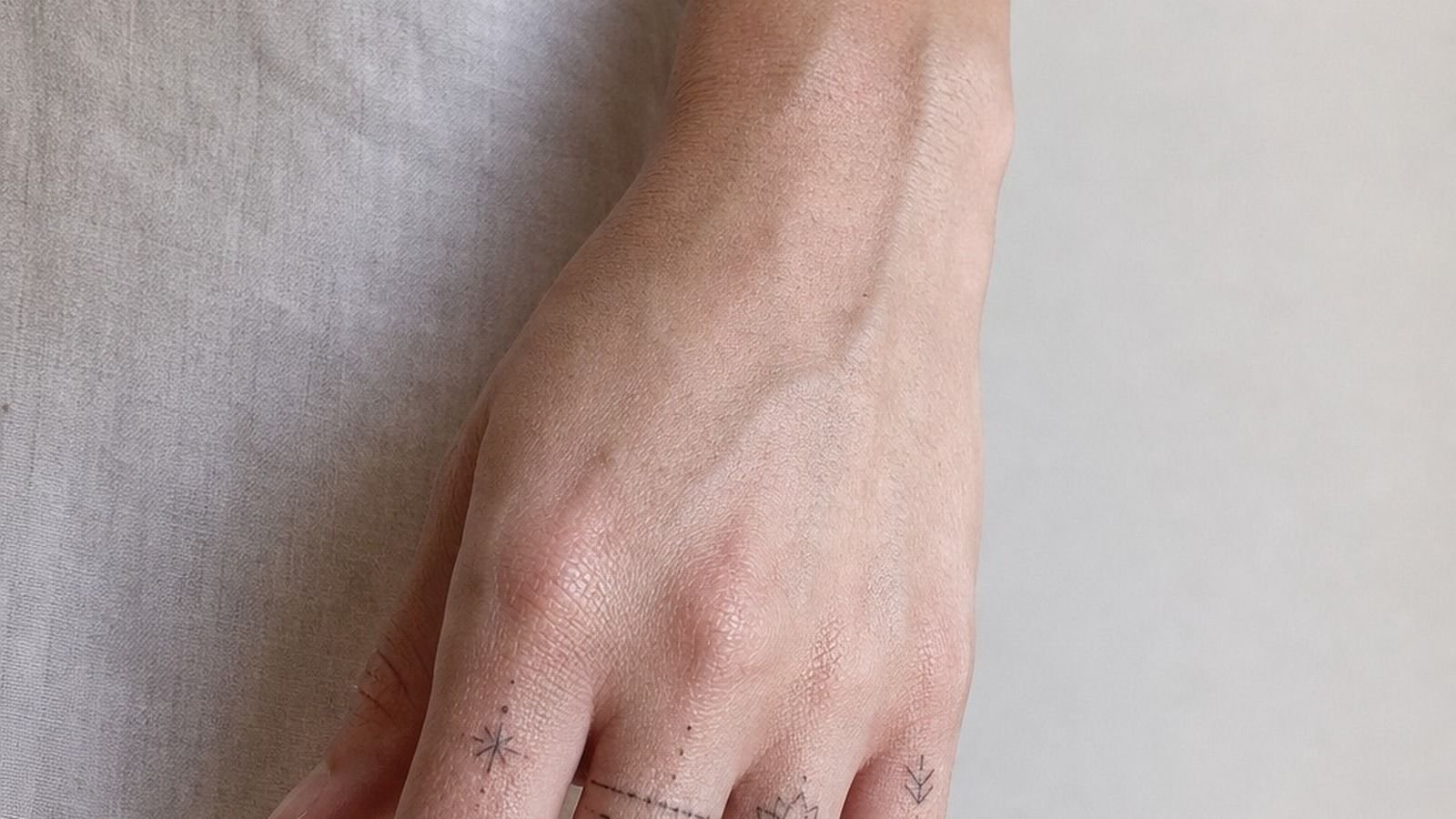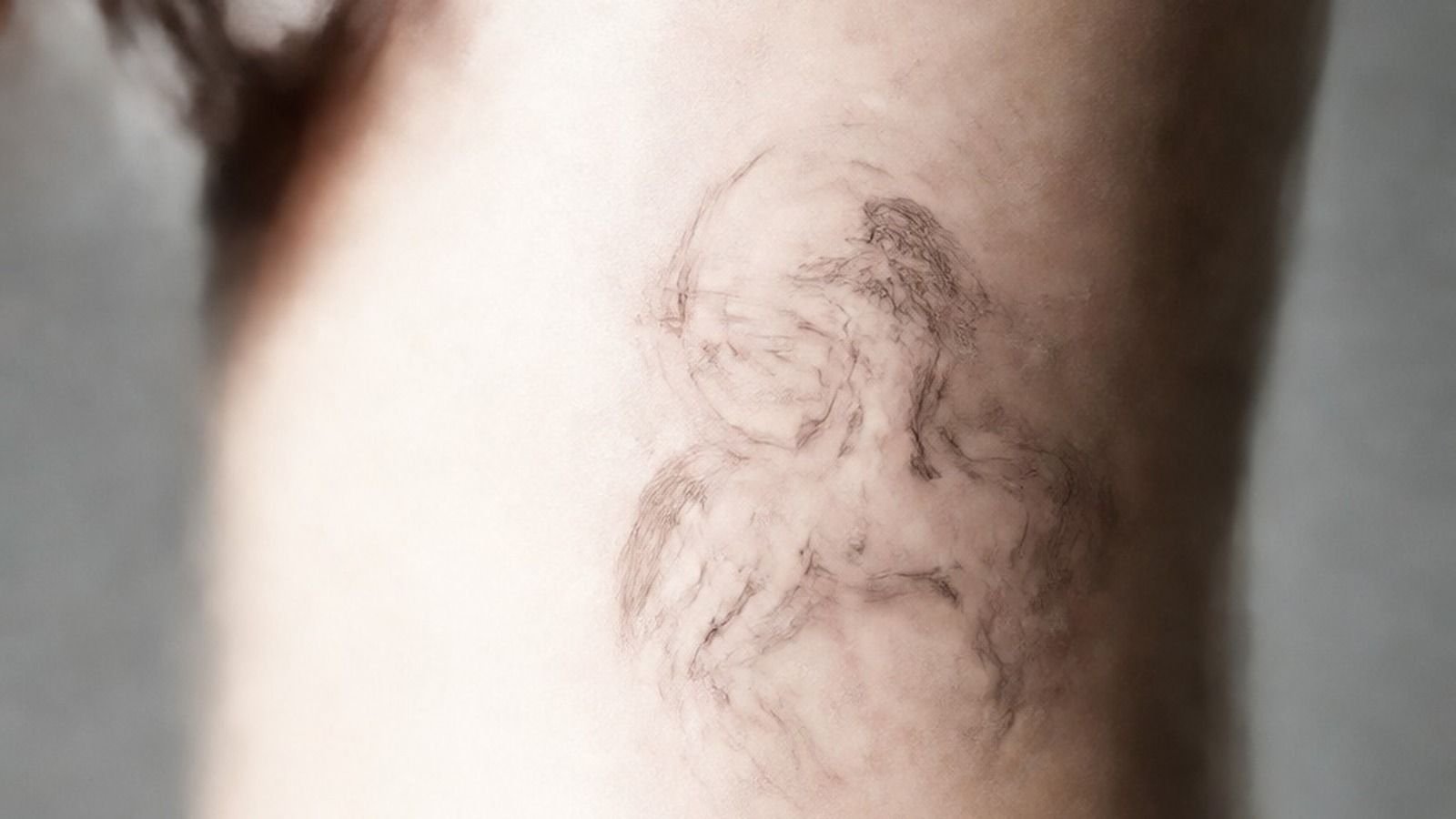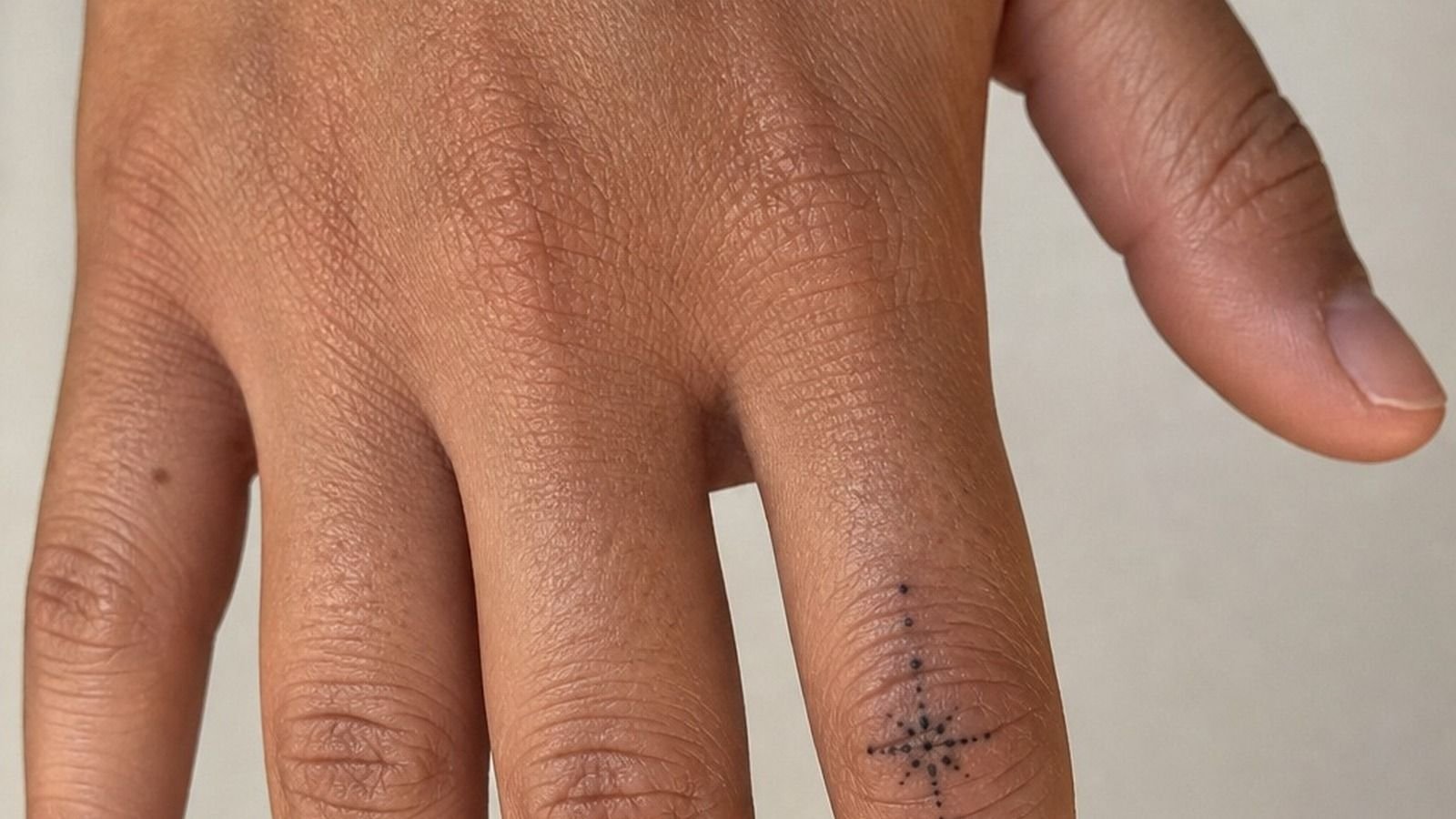
The trick to a convincing fake tattoo isn’t the design itself, it’s the prep work, placement, and finishing. Start with clean, dry skin, no lotions or oils. Cut the design close to the edges, peel off the clear plastic, press the ink-side down firmly, and hold a wet cloth against the backing for 30-45 seconds. Slide the paper off slowly; if the image sticks to the paper, press it back down and add more water. Let it air-dry completely, then seal it with a thin layer of liquid bandage, hairspray, or a matte setting spray to kill the plastic shine and add a day or two of wear.
Skin Prep: The Step Most People Skip
Fake tattoo ink adheres to the outermost layer of dead skin cells. Oils, moisturizers, and even natural skin sebum create a barrier that causes premature peeling, blurred edges, and that telltale silver sheen around the design. Shave the area 12-24 hours beforehand, same-day shaving causes micro-cuts that can trap ink unevenly and sting during application. Exfoliate gently with a washcloth or mild scrub to remove loose skin, then rinse and dry thoroughly. Skip deodorant, sunscreen, or body oil on the spot for at least an hour before application.
Best Body Areas for Fake Tattoos
Flat, low-friction surfaces hold fake tattoos longest. Inner forearms, outer biceps, shoulder blades, and upper chest work well. Avoid palms, soles, fingers, and areas that bend constantly, wrists and inner elbows flex too much, causing cracks within hours. The ribcage and lower back suffer from clothing friction and sweat pooling. If you must place a fake tattoo near a joint, choose a smaller design that won’t stretch across the crease.
Application Technique for Clean Edges
Cut the design with a margin of about 1/8 inch around the art, too close and you risk slicing the image; too much paper and water seeps under the edges. Remove the clear protective film, position the tattoo face-down, and smooth it flat with no wrinkles or air bubbles. Use a washcloth soaked in warm water, not dripping; hold it against the backing paper for a full 30 seconds, then check a corner. The paper should slide off with the image fully transferred. If it lifts partially, stop, press it back, and re-wet. Patience here prevents the torn, patchy look that screams temporary.
- Press from the center outward to push out air bubbles
- Hold the wet cloth steady, rubbing shifts the design
- Wait 5 minutes before touching or covering the tattoo
- Blot excess water with a tissue; don’t wipe
Fixing Common Application Mistakes
Wrinkles happen when the skin isn’t flat or the paper shifts during wetting. If caught immediately, smooth gently with a damp finger toward the edges. For partial transfers, fill gaps with a matching fine-tip permanent marker or liquid eyeliner, then seal. A small tear in the design can be patched with a tiny piece of the same tattoo paper, applied overlapping the gap. Once dry, the seam usually blends under sealant.
Sealing and Extending Wear
Unsealed fake tattoos start degrading in 1-3 days from shower friction, sweat, and clothing abrasion. A thin layer of liquid bandage (the brush-on kind, not spray) creates a flexible, invisible film that extends wear to 5-7 days and adds a convincing skin-like matte finish. Apply in one direction, let it dry 10 minutes, then add a second coat perpendicular to the first. Hairspray works in a pinch, hold the can 12 inches away, mist lightly, let dry, repeat, but it turns tacky in humidity and can yellow on lighter skin tones. Matte makeup setting spray offers the most natural finish for photos and short events, though it provides only 1-2 days of protection.
After sealing, avoid hot showers, swimming, and scrubbing for 24 hours. Pat the area dry; rubbing destroys the edges. Apply a light, non-oily moisturizer around, not directly on, the tattoo daily to keep surrounding skin from flaking and lifting the design prematurely.
Realistic Placement and Design Choices
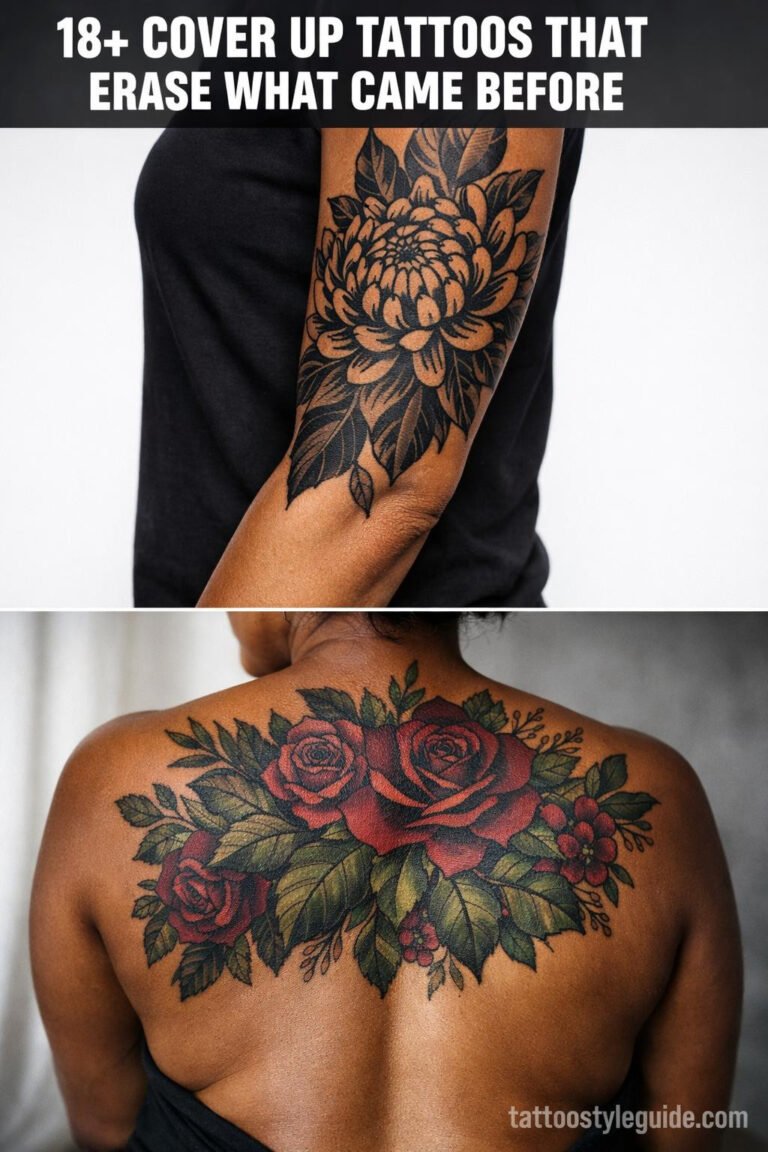
Convincing fake tattoos obey the same visual logic as real ones. Small, highly detailed designs fail, fine lines blur and tiny text becomes illegible. Choose bold imagery with clear negative space: traditional-style roses, geometric shapes, blackwork animals, or lettering at least 1/4 inch tall. Consider the body’s natural flow; a design that wraps slightly around a muscle reads as integrated, while a flat stamp floating on the surface looks pasted-on.
Color selection matters too. Most temporary tattoos run too saturated. Real ink sits under skin, which mutes and cools every hue. If customizing your own, reduce saturation 20-30% and add a slight warm undertone to blacks, they should read as very dark brown under direct light, not pure carbon. Avoid neon or metallic colors entirely; no professional tattooer uses them.
Making It Pass the 3-Foot Test
The “3-foot test” means the fake tattoo looks real from conversational distance. Add a thin dark outline around colored areas, real tattoos need boundary lines to hold pigment over time. Introduce slight imperfection: a tiny blowout blur at one edge, a line that wavers microscopically, a spot where the black isn’t perfectly solid. Machine-perfect uniformity is the dead giveaway. You can achieve this by gently dabbing a damp Q-tip at one edge immediately after transfer, before sealing, to soften a line.
Safe Removal Without Skin Damage
Never scrub. Soak the tattoo in baby oil, coconut oil, or an oil-based makeup remover for 5-10 minutes, then wipe gently with a cotton pad. The oil dissolves the adhesive without stripping skin. For stubborn residue, follow with micellar water or a gentle foaming cleanser. If the area feels raw, leave it alone for 24 hours, skin barrier recovery prevents irritation from your next application. Avoid acetone-based nail polish remover; it works fast but causes dryness, redness, and potential chemical burns on sensitive skin.
After removal, moisturize with a basic, fragrance-free lotion. Wait a full day before reapplying a fake tattoo to the same spot; repeated adhesion to compromised skin increases irritation risk and reduces transfer quality.
When Fake Tattoos Make Sense
Trial runs for permanent tattoo placement are the most common reason people seek convincing temporary work. A week wearing a design in your actual life, seeing it in mirrors, under work clothes, during workouts, reveals what flash art on a shop wall never can. Some use them for film, theater, or cosplay where authenticity matters. Others simply want the visual without the commitment, pain, or cost of real tattooing.
Speaking of cost context: a quality custom temporary tattoo runs $2-10 per piece depending on size and vendor, versus $150-400 minimum for even a small professional tattoo, plus tipping and aftercare supplies. The pain comparison is obvious, there is none with temporary application, though poorly removed ones can leave skin as irritated as a mild sunburn.
Key Takeaways
- Clean, dry, shaved skin is non-negotiable for adhesion and longevity
- Press, don’t rub; wait the full 30-45 seconds before peeling
- Seal with liquid bandage for the most realistic finish and longest wear
- Choose bold designs with clear lines; avoid fine detail and neon colors
- Remove with oil, never scrubbing, and rest the skin between applications
- The best fake tattoos mimic real ink’s imperfections, not its perfection
Frequently Asked Questions
Can I shower with a fake tattoo?
Yes, but keep it brief and cool at first. After 24 hours with sealant, normal showers are fine. Avoid direct high-pressure spray on the design, and pat, don’t rub, when drying. Hot tubs and swimming pools will shorten its lifespan significantly.
Why does my fake tattoo look shiny and fake?
The plastic film residue and smooth surface reflect light differently than skin. Seal with a matte product, or dust lightly with translucent powder after the sealant dries. Some people also gently abrade the surface with a dry washcloth to add subtle texture.
Can I put a fake tattoo over a real one?
You can, but the raised texture and different aging of real ink underneath usually shows through. For best results, place temporary tattoos on bare skin nearby rather than directly overlapping permanent work.
How do I make a fake tattoo last through a wedding or event?
Apply two days beforehand so any initial imperfections can be touched up. Seal with three thin layers of liquid bandage, applied 10 minutes apart. Bring a small touch-up kit: the original design sheet, scissors, and a fine-tip marker for emergency repairs.