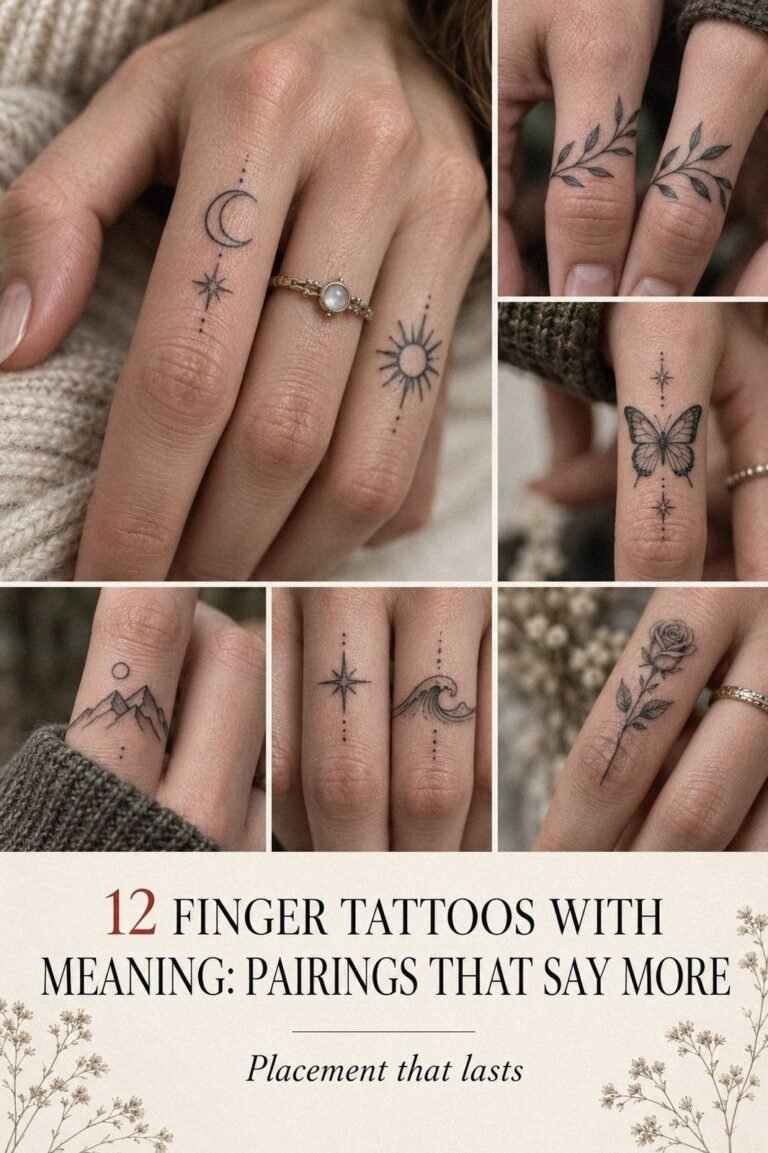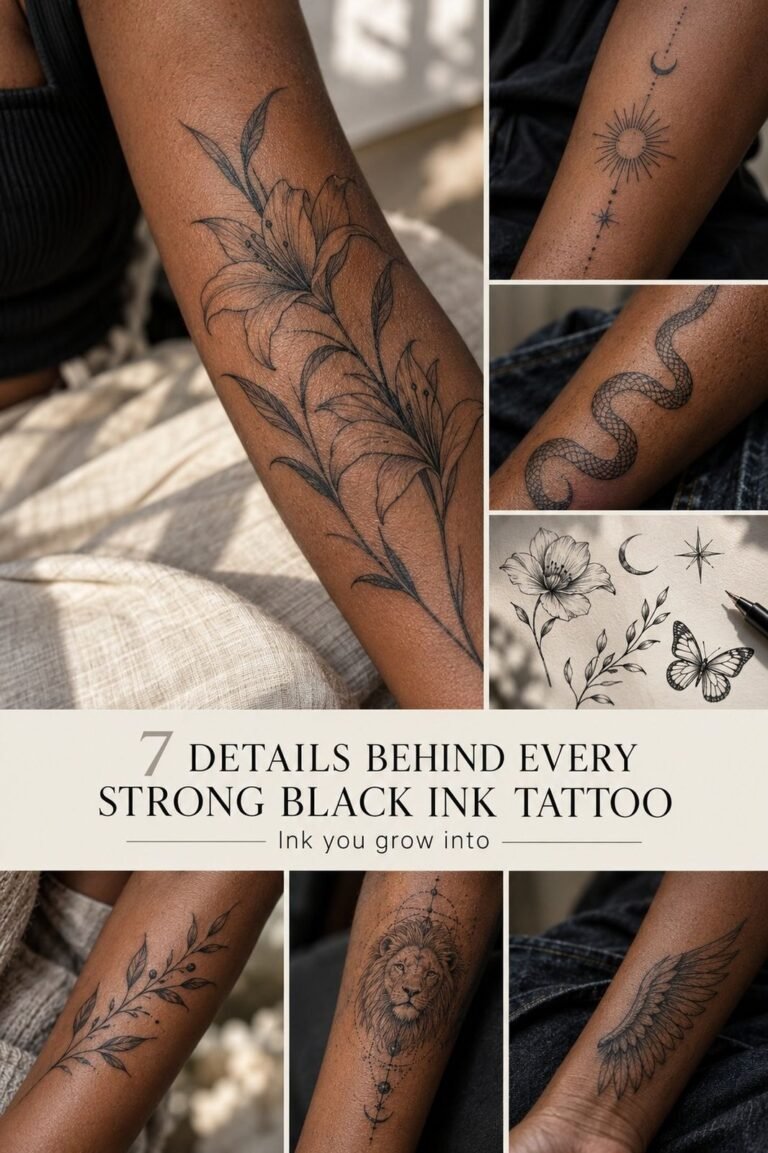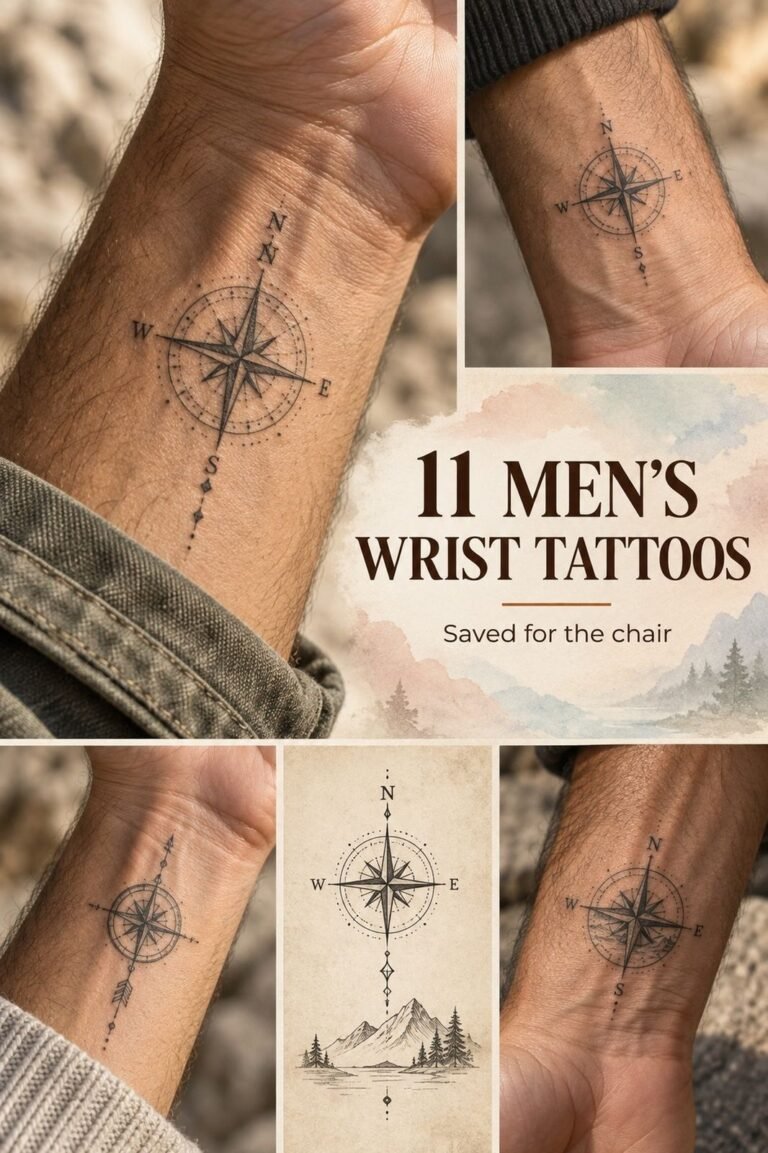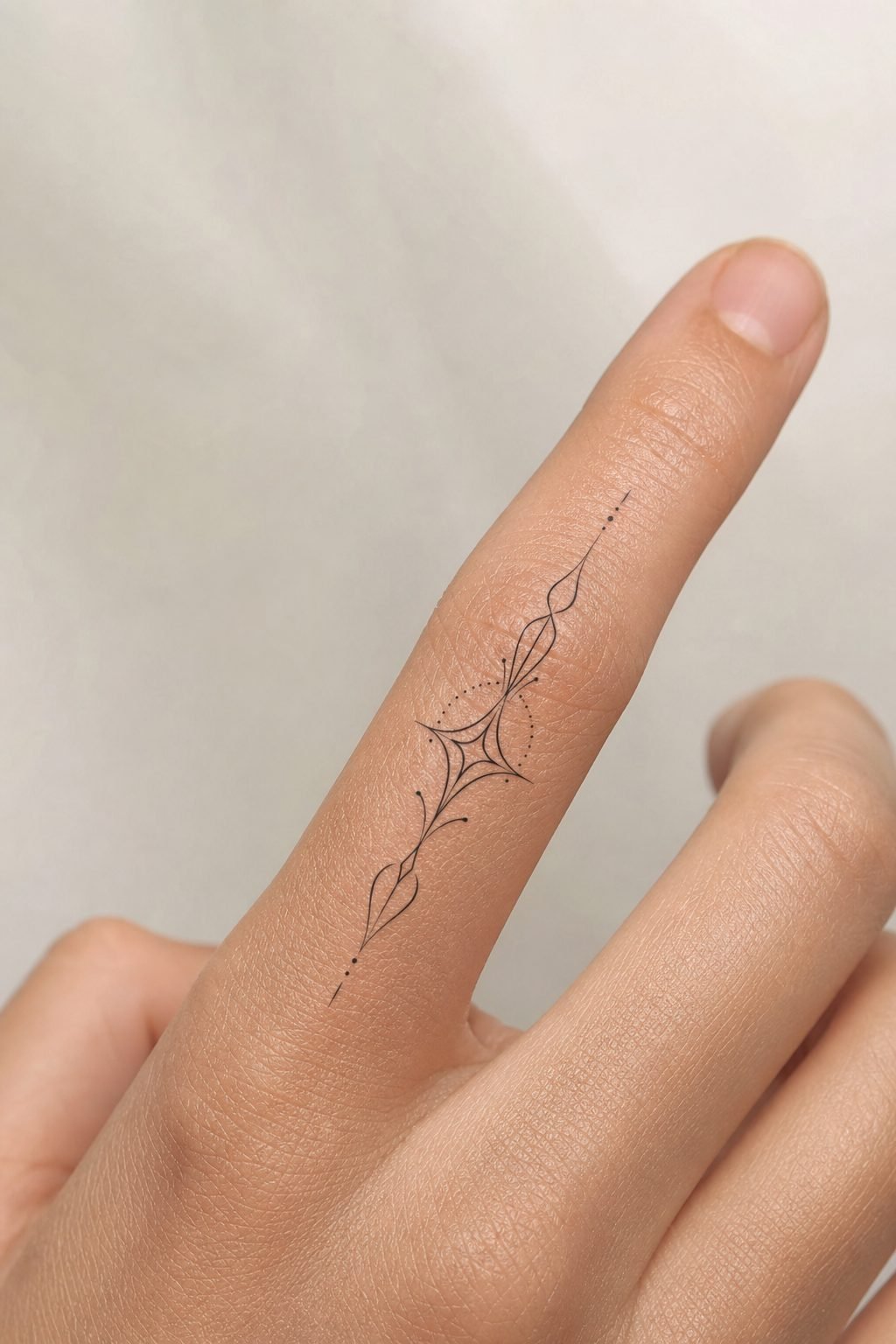
Finger word tattoos sit right there in plain sight, which is exactly why they hit different. No hiding, no rolling up a sleeve. Every handshake, every text, every gesture puts the message on display. That visibility demands a design that holds up to scrutiny, because finger skin is thin, moves constantly, and ages ink faster than almost anywhere else on the body. The words you choose matter, but so does the execution, font weight, letter spacing, placement relative to the knuckle line, and how the design interacts with your actual hand structure.
Popular Styles
Traditional Lettering
Old-school sign painting and hand-lettered styles translate surprisingly well to fingers. Thick vertical strokes, slight serifs, and consistent letter height create readable words even at micro scale. The key is avoiding hairline details that blur within months. Traditional styles rely on solid black fills and minimal negative space, which means the tattoo stays legible longer as the ink settles and spreads slightly. Think sailor Jerry-inspired block letters, or the kind of brush script you’d see on a vintage storefront.
Minimalist and Single-Line
Ultra-thin script has dominated finger tattoos for years, but the reality is harsher than Instagram suggests. Single-needle lines look delicate and ethereal fresh out of the chair, yet they fade to ghostly suggestions within two to three years on fingers. If you’re committed to this aesthetic, plan for touch-ups every eighteen months. Some artists now use a “hybrid minimal” approach, slightly heavier line weight than true single-needle, but still cleaner than traditional bold lettering. This buys you more longevity without sacrificing the refined look.
- Typewriter font: Fixed-width characters create visual rhythm; works well across multiple fingers
- All-caps sans-serif: Maximum readability at small sizes; military stencil variants add texture
- Cursive with consistent loop height: Avoids the “which letter is that” problem as ink ages
- Negative space lettering: Skin forms the letters, ink surrounds them; higher contrast but trickier healing
Design Ideas
Single Words Across the Knuckles
The classic four-or-eight-letter spread remains iconic for good reason. Each letter sits on a knuckle, straight across when you make a fist. “LOVE” and “HATE” are the obvious references, but the format works for any four-letter word with personal weight. “STAY,” “BOLD,” “FREE,” “RISK”, short verbs and states of being carry momentum. Eight-letter splits like “HOLD FAST” (sailor tradition) or “STAY TRUE” fit the two-hands, four-knuckles-each structure. The critical design challenge: fingers aren’t uniform width. Your middle and ring fingers likely need slightly compressed letters, index and pinky slightly expanded, to read as consistent from a distance.
Words Along the Finger Sides
The outer edge of the index finger, running from knuckle toward nail, offers a longer canvas than most people realize. Words here read vertically when the hand rests naturally, or horizontally when the finger points. “FORWARD,” “PERSIST,” “REBEL”, longer words that wouldn’t fit across the knuckle face. The inner finger (palm side) is another option, completely hidden when the hand is relaxed, revealed when you open your palm. This placement suits words meant for personal reminder rather than public statement.
Multi-Finger Phrases
One word per finger, read in sequence across the hand. “NEVER / GIVE / UP” or “THIS / TOO / SHALL / PASS.” The spacing between words becomes part of the design, gaps too wide and the phrase fragments, too narrow and it reads as one long word. Most artists map this with a stencil across the whole hand before starting, checking readability in multiple hand positions. Consider which fingers: the phrase typically reads from index to pinky, but reversing direction or using non-sequential fingers creates intentional disruption.
Best Placements
Finger skin varies dramatically by exact location. The knuckles themselves, over the joints, experience the most movement and friction. Ink here fades fastest, sometimes requiring touch-ups within a year. The flat between knuckles (proximal phalanx) holds ink better but offers less vertical space. The middle phalanx, closer to the nail, is relatively stable but small; three to four letters maximum.
- Top of finger, flat section: Most stable ink retention; limited to short words
- Knuckle line: High impact, high maintenance; plan for regular refresh sessions
- Side of finger: Moderate longevity; good for vertical reading
- Across two adjacent fingers: Allows longer words; the finger gap becomes negative space
- “Hidden” finger (between fingers, palm side): Very private; technically challenging for artist
Hand dominance matters too. Your dominant hand takes more abuse, tools, keyboards, sports, washing. If you want the tattoo to last with minimal fuss, consider the non-dominant hand for primary placement, or accept that the dominant hand piece will need more frequent attention.
Color Choices
Black and Gray
The practical default. Black ink on finger skin ages to a soft charcoal rather than true black, but maintains contrast against skin tone. Gray wash (diluted black) for shading adds dimension to lettering, but on fingers the subtle gradations often fade to uniform tone within a few years. Solid black lettering with no shading is the most durable choice.
White Ink
White ink finger tattoos have a specific aesthetic: raised, scar-like, visible only in certain light. On lighter skin tones, they often heal to near-invisibility within months. On darker skin, the contrast can be striking initially but unpredictable long-term. White ink also yellows and blurs faster than black. If you want this look, find an artist with extensive white-ink portfolio work, not just someone willing to try it.
Color Accents
Small red dots, blue underlines, limited color fills within letters, these can work but require commitment to maintenance. Color pigments fade faster than black on fingers, and the small scale means there’s no room for color gradation that might mask uneven aging. A single red letter in a black word, or a thin color outline, gives punctuation without overwhelming the design’s longevity.
Tips for Choosing
Font selection should happen with your artist, not from a website preview. What looks crisp on screen at 200 pixels wide may require impossible line weights at actual finger scale. Bring reference images of styles you like, but trust the artist to adapt the letterforms to your specific finger width and skin texture.
Word choice benefits from the “sleeve test”: would this word or phrase work as a larger tattoo? If not, it probably won’t hold up as a finger piece either. Avoid inside jokes that require explanation, or words so personal they become embarrassing. The finger is always visible; there’s no covering it with a watch or bracelet in professional settings.
- Test the word in your chosen font at actual size, printed, taped to your finger for several days
- Check readability from arm’s length, if you can’t read it, neither will anyone else
- Consider how the word interacts with rings you wear or plan to wear
- Discuss touch-up policy with your artist before starting; fingers often need included maintenance
- Plan the appointment timing: avoid work that requires heavy hand use for two weeks after
Healing finger tattoos demands more diligence than most placements. The constant flexing, the proximity to soap and water, the tendency to bump against surfaces, all of it threatens the fresh ink. Your artist will wrap the tattoo, but you’ll need to keep it clean without overwashing, moisturized without suffocating, and protected without immobilizing the finger. Many people find the healing process more annoying than the tattoo itself, which is worth factoring into your decision.
Final Thoughts
Finger word tattoos occupy a strange space between fashion accessory and permanent commitment. They’re small enough to feel approachable, visible enough to feel serious. The best ones combine personal significance with design discipline, words that matter to you, rendered in a way that respects the limitations of the canvas. Go in knowing the maintenance reality, choose an artist who specializes in small-scale lettering, and pick words you won’t mind explaining, or won’t need to.
Frequently Asked Questions
Do finger word tattoos hurt more than other placements?
Yes, generally. Finger skin is thin with little padding over bone and tendon, and the nerve density is high. Most people describe it as sharp and intense rather than the dull ache of fleshier areas. The session is usually short, which helps, but there’s no comfortable way through it.
How long do finger word tattoos last before fading?
Expect noticeable softening within one to two years, with significant fade by three to five without touch-ups. Knuckle placement fades fastest; flatter finger sections hold better. Everyone’s skin chemistry differs, but fingers are consistently high-maintenance compared to arms, legs, or torso.
Can I get a finger word tattoo if I work in an office?
Visibility is the main concern. Finger tattoos can’t be hidden with standard business attire, no long sleeves or collars to cover them. Some workplaces are increasingly relaxed, but conservative fields may still view visible hand tattoos as unprofessional. Consider your specific industry and career trajectory.
What’s the minimum word length that works on a finger?
Technically, single letters work, but three to four letters typically reads as a word rather than an initial. The flat section of most fingers accommodates four to six letters comfortably; longer words need to wrap, split across fingers, or use smaller lettering that compromises longevity.
More Tattoo Ideas
- Garden of Eden Tattoo Ideas
- Goonies Tattoo Ideas for True Fans
- Gorgeous Tattoo Ideas: Styles, Placements, and Design Tips
- Explore more